
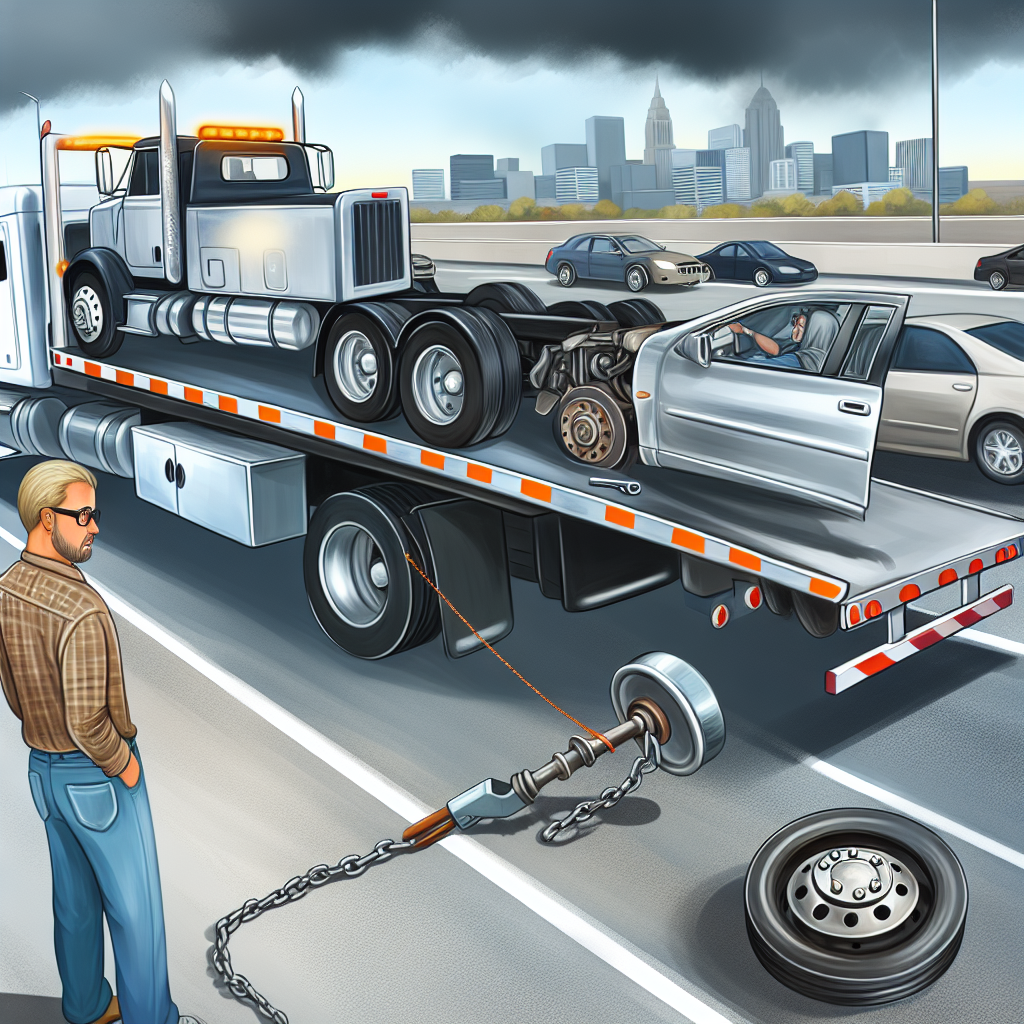
In the world of transportation, ensuring safe and reliable towing practices is vital for the well-being of drivers on the road. Unfortunately, unprofessional towing practices are more common than one might think, often leading to dangerous situations and legal complications. A recent incident involving the California Highway Patrol (CHP) serves as a stark reminder of the consequences that can arise from illegal towing methods.
In this alarming case, a tow truck was found using a makeshift setup with a metal pipe and chain, which not only violated safety laws but put multiple lives at risk on a busy San Francisco freeway. Recognizing these hazardous practices is crucial as it empowers both motorists and authorities to take action against unlicensed operators.
This blog will explore the ramifications of illegal towing, highlight the importance of awareness, and provide useful insights on how to avoid becoming a victim of such unscrupulous practices.
Facts About Illegal Towing Practices
- Illegal towing practices in California have led to significant legal challenges and dangerous outcomes.
- Continued 30-Day Impounds by CHP: Despite a 2017 federal court ruling deeming 30-day vehicle impounds for unlicensed drivers unconstitutional, the California Highway Patrol (CHP) has persisted with this practice. Between January 2017 and July 2021, CHP ordered over 50,000 such impounds, constituting about 7% of all CHP tows. This has resulted in lawsuits alleging violations of the Fourth Amendment. Attorney Donald Cook criticized the practice, stating, “You give them a ticket, take their car off the street, you can criminally charge and convict them… But you don’t summarily dispose of their property.” (calmatters.org)
- Predatory Towing Scams: In 2018, Davis Tow Inc., a major Sacramento tow company, was implicated in an illegal towing scam affecting over 250 individuals. The company unlawfully towed vehicles to collect impound fees, amassing approximately $100,000 from victims whose cars should not have been towed. CHP Officer Guillermo Garcia noted, “We have more than 250 victims from this investigation.” (kcra.com)
- Similarly, in 2024, the California Department of Insurance warned about an increase in scams where tow truck companies targeted accident victims, holding vehicles hostage for cash. An investigation led to charges against 16 Southern California residents involved in fraudulent insurance claims totaling over $216,932. (lwweekly.com)
- Dangerous Towing Practices: In October 2025, CHP intercepted a hazardous towing setup where a big rig driver used a metal pipe and chain to tow another big rig tractor on a San Francisco freeway. CHP emphasized the danger, stating, “Towing another vehicle with a pipe and some chain is NOT legal or safe!” (overdriveonline.com)
These incidents underscore the need for vigilance against illegal towing practices and the importance of adhering to safe and lawful towing procedures.
Signs of Unprofessional Towing Practices
Recognizing the signs of unprofessional towing practices is crucial for ensuring safety on the roads. Here are some common indicators:
- Improper Equipment Usage: One of the most glaring signs of unprofessional towing is the use of improper or makeshift equipment. For instance, the use of metal poles, chains, or other non-standard materials for towing can indicate a lack of compliance with safety regulations. A notorious case involved the California Highway Patrol (CHP) intervening in a situation where a truck was towed using a metal pipe and chain. Not only was this towing method illegal, but it also placed countless drivers at risk, as the makeshift setup failed to provide adequate safety and stability.
- Visible Mechanical Issues: If you observe a tow truck with dragging brake chambers or a vehicle that looks unsafe or unserviceable, this may be a red flag. Vehicles that do not adhere to standard maintenance protocols can lead to serious accidents.
- Non-Compliance with Licensing and Certification: Professional towing companies are typically licensed and insured. If a towing operator cannot provide proof of their credentials or if their truck has outdated or missing licenses, this raises concerns about the legitimacy and safety of their operations.
- Lack of Professional Appearance: A well-maintained truck and a professional operator usually signify a reputable towing service. If the operator presents themselves or their vehicle in a disheveled manner, consider this a warning sign.
- Rushing Operations: If you notice a tow truck operator hurrying through a towing process, ensuring that safety protocols are being neglected, it likely indicates unprofessional practices. All towing operations should be conducted methodically to guarantee the safety of all involved.
The CHP’s intervention in the aforementioned incident highlights the critical nature of these signs. By staying vigilant and aware of the warning flags associated with towing operations, the public can better protect themselves against the dangers of illegal and unsafe towing practices.
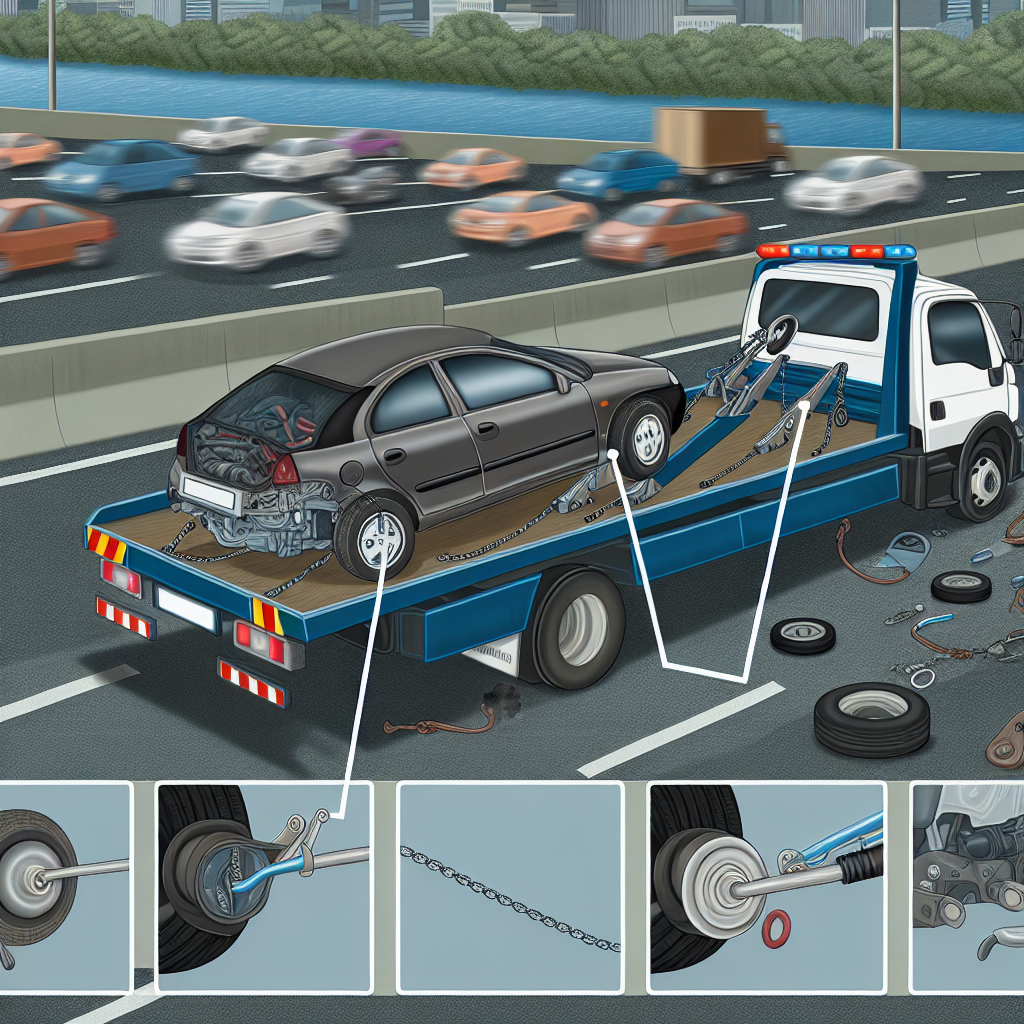
Consequences of Illegal Towing Practices
Illegal towing practices carry severe consequences that can affect both tow truck operators and vehicle owners. Understanding these ramifications is crucial for promoting road safety and ensuring lawful towing operations.
For Tow Truck Operators
Engaging in illegal towing can lead to several legal and safety issues:
- Legal Consequences: Tow truck operators can face hefty fines for unauthorized towing or failing to comply with state regulations. For example, in California, operators who do not notify law enforcement within one hour of towing a vehicle can incur fines of up to $2,500 per violation. If operators repeatedly violate laws, they may have their towing licenses suspended or revoked, facing severe penalties.
- Criminal Charges: Serious violations such as fraudulent activities or negligence leading to accidents can also result in criminal charges. In Virginia, it is illegal for tow drivers to use fraud in offering their services, and violators may face misdemeanor or felony charges depending on their actions.
- Safety Risks: Using improper towing equipment can lead to severe safety hazards. For instance, if a vehicle is not secured correctly, it could detach from the tow truck during transit, resulting in accidents.
For Vehicle Owners
Vehicle owners are not spared from the repercussions of illegal towing:
- Financial Burdens: Owners whose vehicles are towed illegally may face financial strains from wrongful towing fees, in addition to storage fees that accrue daily. In Virginia, for example, daily fees are collectible after the initial 24 hours of storage, which can significantly add to the overall cost of retrieving a vehicle.
- Legal Battles: If their vehicle was towed unlawfully, owners have the right to contest the tow, which may lead to lengthy legal processes and potential compensation claims. For instance, in California, vehicle owners can request a hearing to dispute improper tows.
- Emotional Strain: The stress and confusion from dealing with an illegal towing situation can cause immense emotional tolls on owners, leading to frustration and anxiety.
The Importance of Compliance
Ultimately, illegal towing practices endanger the safety of all road users while complicating the lives of both operators and vehicle owners. Promoting awareness and adherence to legal towing practices can mitigate these risks, ensuring safer roads and fair treatment for vehicle owners. Tow truck operators must prioritize compliance with local laws, maintain equipment properly, and ensure that they have adequate training. Likewise, vehicle owners should stay informed of their rights and report suspicious or illegal towing activities promptly to relevant authorities.
Concerns Over Illegal Towing in California
Recent statistics highlight concerning trends in illegal towing incidents across California, revealing the urgent need for increased regulation and public awareness. According to the Bureau of Automotive Repair (BAR), complaints related to towing and storage issues rose from 120 in the first half of 2023 to 154 in the latter half, amounting to 2% of total complaints. This trend signals growing dissatisfaction among the public regarding towing practices.
Moreover, a 2023 report by the American Transportation Research Institute (ATRI) indicated that an alarming 29.8% of crash-related tows involved predatory billing, characterized by excessive fees and unwarranted charges for services not rendered. These predatory practices not only deceive consumers but also undermine the integrity of the towing industry.
Despite a 2017 federal court ruling declaring 30-day vehicle impounds for unlicensed drivers unconstitutional, the California Highway Patrol (CHP) continues to uphold this policy. This has resulted in over 50,000 impounds in just a four-year span, raising significant legal concerns and challenges regarding the constitutional rights of vehicle owners.
Predatory towing practices have disproportionately impacted low-income communities. A 2019 report titled “Towed into Debt” revealed that many vehicles are towed for reasons unlinked to safety, devastating the financial stability of individuals who cannot afford accrued fees. This trend is particularly troubling, as at least 200,000 government-towed vehicles are sold annually in California due to owners’ inability to pay the associated costs.
Finally, recent scams involving illegal tow truck operators targeting accident scenes further illustrate the problem. In 2025, numerous cases emerged where unauthorized operators seized vehicles and demanded exorbitant fees for their release, highlighting the pressing need for better regulation of the towing industry.
These findings emphasize the critical need for enhanced oversight of towing practices in California, advocating for stricter regulations and increased public awareness to protect consumers from illegal and predatory behaviors.
| Towing Practices | Legal Towing | Illegal Towing |
|---|---|---|
| Characteristics | Must follow local and state laws regarding consent and notification to law enforcement. | Often operates without required consent, and does not notify authorities. |
| Equipment Used | Appropriate towing equipment such as tow dollies, flatbeds, and specialized towing vehicles. | Makeshift equipment like metal poles and chains, which are often unsuitable for safe towing. |
| Potential Risks | Safety measures are in place to prevent accidents and ensure valid towing processes. | Increased risk of accidents, injuries, and potential legal repercussions for operators and vehicle owners. |
Tips to Avoid Unprofessional Towing Practices
Navigating the world of towing can be confusing, especially when it comes to identifying and avoiding unprofessional practices. Here are some practical tips for vehicle owners to help spot suspicious towing operations and ensure they engage with reputable companies:
- Verify Credentials: Always ensure that the towing company has the proper licensing and insurance. You can verify this by asking the operator for their license number and checking it against your state’s regulations. A reputable towing service should be willing to provide this information.
- Research Reputation: Online reviews and ratings can give valuable insights into a towing company’s practices. Check for feedback from previous customers to gauge their satisfaction and any potential red flags. Services like Yelp, Google Reviews, or local business directories can help you determine if a company is known for reliable service.
- Identify Signs of Compliance: A legitimate towing company typically displays its company name and contact information on their truck. Look for proper branding and professional appearance of the vehicle and the operator. If a truck lacks identifying information or looks poorly maintained, consider this a warning sign.
- Ask About Practices: Don’t hesitate to inquire about the process before agreeing to a tow. A professional towing service should be transparent about their procedures, fees, and whether they have authority to tow your vehicle—especially if they are responding to an accident or roadside assistance situation.
- Trust Your Instincts: If something seems off about the operation, listen to your gut feeling. Rushing or pressuring you to consent to a tow can be a sign of an unprofessional operator. Never allow yourself to be coerced into accepting service—take the time to ensure everything feels right.
- Know Your Rights: Familiarize yourself with your state’s laws regarding towing practices. Knowing the legal requirements for towing, including notification procedures and consent, can empower you to challenge any questionable actions.
- Check for Price Transparency: A professional towing service should provide a clear and detailed estimate of costs upfront and be willing to explain their fees. Be wary of companies that quote vague pricing or present inflated fees without justification later on.
By following these tips and staying vigilant, vehicle owners can better protect themselves against unprofessional towing practices, ensuring their safety and compliance with the law.
Conclusion
In conclusion, being vigilant against unprofessional towing practices is not just a matter of personal awareness; it is a critical step toward ensuring road safety for everyone. The troubling incidents we’ve discussed serve as stark reminders of the risks associated with illegal towing methods, such as those involving dangerous equipment or unlicensed operators. Staying informed about these practices empowers drivers to recognize potential red flags and take immediate action when necessary.
It is essential to remember that every individual on the road has a role in promoting safe towing practices. By remaining proactive—whether it’s verifying a towing company’s credentials, being observant of a tow truck’s condition, or knowing your rights—you contribute significantly to the safety of yourself and others. Furthermore, sharing this knowledge with friends and family helps create a more informed community, better equipped to combat unsafe towing practices and advocate for lawful operations.
Let us all stay alert and informed, challenging predatory behaviors where they arise, and ensuring that towing services operate within the bounds of the law. Together, we can make our roads safer and protect ourselves from the hazardous consequences of unprofessional towing.
User Adoption and Customer Satisfaction Data on Towing Services
Research indicates that customer satisfaction regarding towing services has been significantly impacted by illegal practices, leading to skepticism and distrust among users.
Overview of Findings
- A 2024 consultation in Ontario found that 57% of respondents expressed neutrality to satisfaction with their towing experiences. Interestingly, 53% of respondents in Toronto reported issues, primarily concerning predatory practices. Among these, excessive charges led to 65% expressing dissatisfaction, while 64% felt pressured into using specific towing services. Predatory sales tactics were cited by 33%, with 29% highlighting unreasonably high fees. [source]
- In Portland, Oregon, predatory towing practices disproportionately affected residents of low-income housing, where victims reported spending upward of $1,000 on multiple tows. Unprofessional conduct from operators further eroded trust, particularly regarding aggressive interactions and potential legal violations. [source]
- The American Trucking Associations (ATA) highlighted the targeting of truck drivers through predatory towing, emphasizing the distinction between consensual and non-consensual tows; the latter often attracting predatory behavior. [source]
Statistical Insights Regarding Complaints
- Colorado Public Utilities Commission Investigations (2022-2024): The PUC reported investigations into over a thousand towing complaints each year, leading to 469 refunds collectively amounting to $280,289.35 issued to consumers affected by illegal towing practices. [source]
- Michigan Attorney General’s Consumer Complaints (2018-2019): Complaints involving towing surged, resulting in an updated consumer alert concerning legal rights and practices. [source]
- Oregon’s Top Consumer Complaints in 2022: Towing services emerged on Oregon’s top ten complaint list for the first time ever, with 190 complaints reported, indicating rising consumer dissatisfaction within the industry. [source]
- Consultation in Western Australia: Findings from a consumer protection consultation highlighted overwhelming public support—94% of consumers and 88% of industry professionals—for stricter regulations in the towing industry, stressing the demand for change. [source]
Conclusion
The data underscores the critical need for enhanced regulatory oversight and consumer awareness to combat illegal towing practices and restore trust in the towing service industry. Engaging in unethical practices erodes confidence and leads to lasting reputational damage within the community.
Real-Life Stories of Illegal Towing Consequences
To better understand the emotional toll of illegal towing practices, consider these real-life testimonials and stories:
-
Kansas City Woman’s Battle Against Illegal Towing
In 2022, a Kansas City woman parked her food truck in an uncrowded lot. In under 30 minutes, her truck was towed and held for a staggering 699 days. The towing company demanded exorbitant fees for its release, leading her to file a complaint with the Attorney General’s office. A jury eventually awarded her $6.9 million in punitive damages, strongly emphasizing the impact of predatory practices on her life.
Source -
Portland Residents Face Financial Hardship
Reports from Portland highlight the dire effects of illegal towing on low-income neighborhoods. Many residents found themselves forced to pay high recovery fees for their vehicles, with some spending upward of $1,000 due to repeated tows. This financial strain compelled individuals to juggle multiple jobs just to recover their vehicles, illustrating how predatory towing can disrupt lives.
Source -
Trucking Industry Victims
Truck drivers in Memphis have also become victims of predatory towing. In one instance, a trucker attempted to pay a $275 booting fee to reclaim his vehicle, but it escalated to thousands in fees just to have his truck returned. This case prompted legislative changes in Tennessee aimed at protecting drivers from exploitative practices.
Source -
Richmond Towing Scandal
In Richmond, No Limit Towing was indicted for allegedly stealing 16 cars over a year. Reports revealed that they had towed vehicles without adhering to necessary protocols, inflicting emotional distress and financial loss on unsuspecting vehicle owners.
Source -
San Francisco Residents Exploit Scams
A San Francisco company was banned from city contracts after engaging in predatory practices. They unlawfully towed vehicles from private lots without proper permission and created obstacles for owners seeking to retrieve their cars. Victims, including many from non-English speaking backgrounds, faced serious emotional stress and financial burdens due to these illegal acts.
Source
These stories provide a glimpse into the profound emotional and financial impacts illegal towing can have on individuals, illustrating the need for vigilance and awareness in this critical area.
Tips to Avoid Unprofessional Towing Practices
Navigating the world of towing can be confusing, especially when it comes to identifying and avoiding unprofessional practices. Here are some practical tips for vehicle owners to help spot suspicious towing operations and ensure they engage with reputable companies:
-
Verify Credentials:
- Always ensure that the towing company has the proper licensing and insurance.
- You can verify this by asking the operator for their license number.
- Check it against your state’s regulations. A reputable towing service should be willing to provide this information.
-
Research Reputation:
- Online reviews and ratings can give valuable insights into a towing company’s practices.
- Check for feedback from previous customers to gauge their satisfaction and any potential red flags.
- Services like Yelp, Google Reviews, or local business directories can help you determine if a company is known for reliable service.
-
Identify Signs of Compliance:
- A legitimate towing company typically displays its company name and contact information on their truck.
- Look for proper branding and the professional appearance of the vehicle and the operator.
- If a truck lacks identifying information or looks poorly maintained, consider this a warning sign.
-
Ask About Practices:
- Don’t hesitate to inquire about the process before agreeing to a tow.
- A professional towing service should be transparent about their procedures, fees, and whether they have authority to tow your vehicle—especially if they are responding to an accident or roadside assistance situation.
-
Trust Your Instincts:
- If something seems off about the operation, listen to your gut feeling.
- Rushing or pressuring you to consent to a tow can be a sign of an unprofessional operator.
- Never allow yourself to be coerced into accepting service—take the time to ensure everything feels right.
-
Know Your Rights:
- Familiarize yourself with your state’s laws regarding towing practices.
- Knowing the legal requirements for towing, including notification procedures and consent, can empower you to challenge any questionable actions.
-
Check for Price Transparency:
- A professional towing service should provide a clear and detailed estimate of costs upfront.
- Be wary of companies that quote vague pricing or present inflated fees without justification later on.
By following these tips and staying vigilant, vehicle owners can better protect themselves against unprofessional towing practices, ensuring their safety and compliance with the law.
By staying vigilant and aware of the warning flags associated with towing operations, the public can better protect themselves against the dangers of illegal and unsafe towing practices. To summarize:
- Stay Alert: Watch for the signs of unprofessional towing and trust your instincts.
- Do Your Research: Look into a towing company’s reputation before engaging their services.
- Know Your Rights: Understanding your legal rights can significantly aid in advocating for yourself if you feel you are being taken advantage of.
Together, we can make our roads safer and ensure that towing services operate within the bounds of the law.
Towing Regulations in California
In this segment, we will explore the various towing regulations in California that are essential for ensuring safe and legal towing practices. Understanding these regulations can help vehicle owners recognize the legal lines that should not be crossed and protect them from unprofessional or illegal towing services.
Vehicle Recovery Practices
Importance of Vehicle Recovery
Vehicle recovery is a vital process in the towing industry that goes beyond simply lifting a vehicle off the ground. Towing professionals must follow strict guidelines to ensure the safety of both the vehicle and the driver. Compliance with local laws is paramount, and operators need to be trained in legally acceptable recovery practices to avoid engaging in unlawful towing activities.
This section aims to elucidate how understanding vehicle recovery practices can assist in differentiating between legitimate towing services and predatory practices.