

As winter storms unleash their fury across the nation, the need for tow operators to grasp emergency regulations has never been more crucial. With over 30,000 people left without power in Texas and Arkansas alone, and thousands more affected in Mississippi and Georgia, tow operators are on the front lines of a significant logistical challenge. The impact of winter storms extends beyond mere inconvenience; they pose serious threats to community safety by complicating emergency responses and limiting travel. This urgency is further heightened by regulatory changes that aim to streamline operational capabilities for those tasked with maintaining safety amidst chaos.
Understanding the nuances of regulatory relief granted during these tumultuous times can be the difference between swift, effective responses and chaos on the roads. Current exemptions from hours-of-service limitations and size restrictions are designed not just to ease operational hurdles but also to prioritize safety and the rapid transport of essential goods and services. For tow operators, navigating these regulations can enhance their operational capacity and better serve communities in crisis, ensuring that they are not just towing vehicles but also playing a vital role in emergency response efforts. This article delves into the core regulatory changes impacting tow operators, offering essential insights to keep you informed and prepared as winter weather continues to escalate.
Regulatory Relief Insights During Winter Weather Emergencies
As winter storms sweep across the nation, it is vital for tow operators and commercial vehicle drivers to understand the regulatory relief measures in place. In 2023, the Federal Motor Carrier Safety Administration (FMCSA) issued emergency declarations in response to severe weather conditions that granted significant regulatory relief. These measures primarily focus on hours-of-service (HOS) exemptions, allowing commercial drivers to exceed the standard driving time limits under specific circumstances. This change is pivotal for ensuring the swift transportation of essential goods and services, which is crucial during such emergencies.
In addition to HOS exemptions, drivers of commercial motor vehicles may also benefit from temporary size restrictions alleviations. This flexibility allows for larger cargo loads, which can facilitate the rapid delivery of heating fuels, equipment for power restoration, and other vital supplies to affected areas.
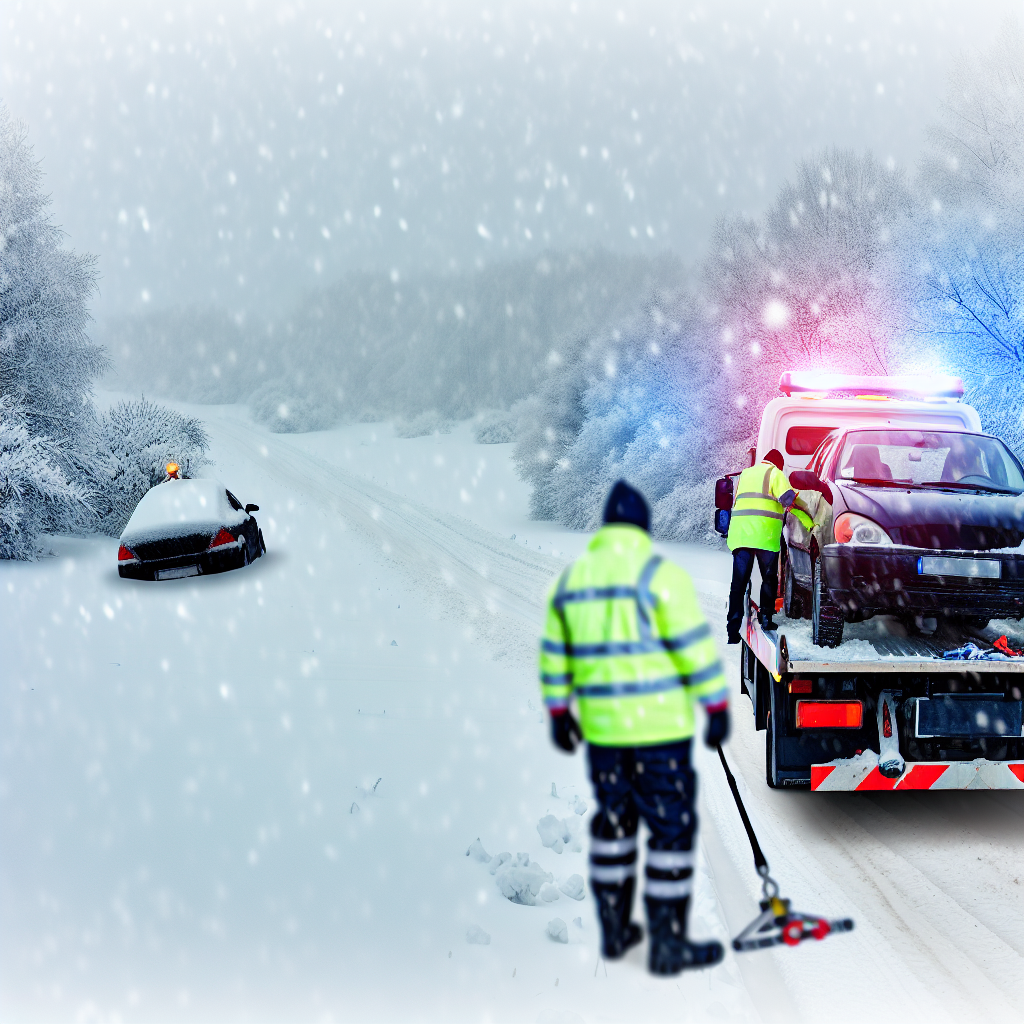
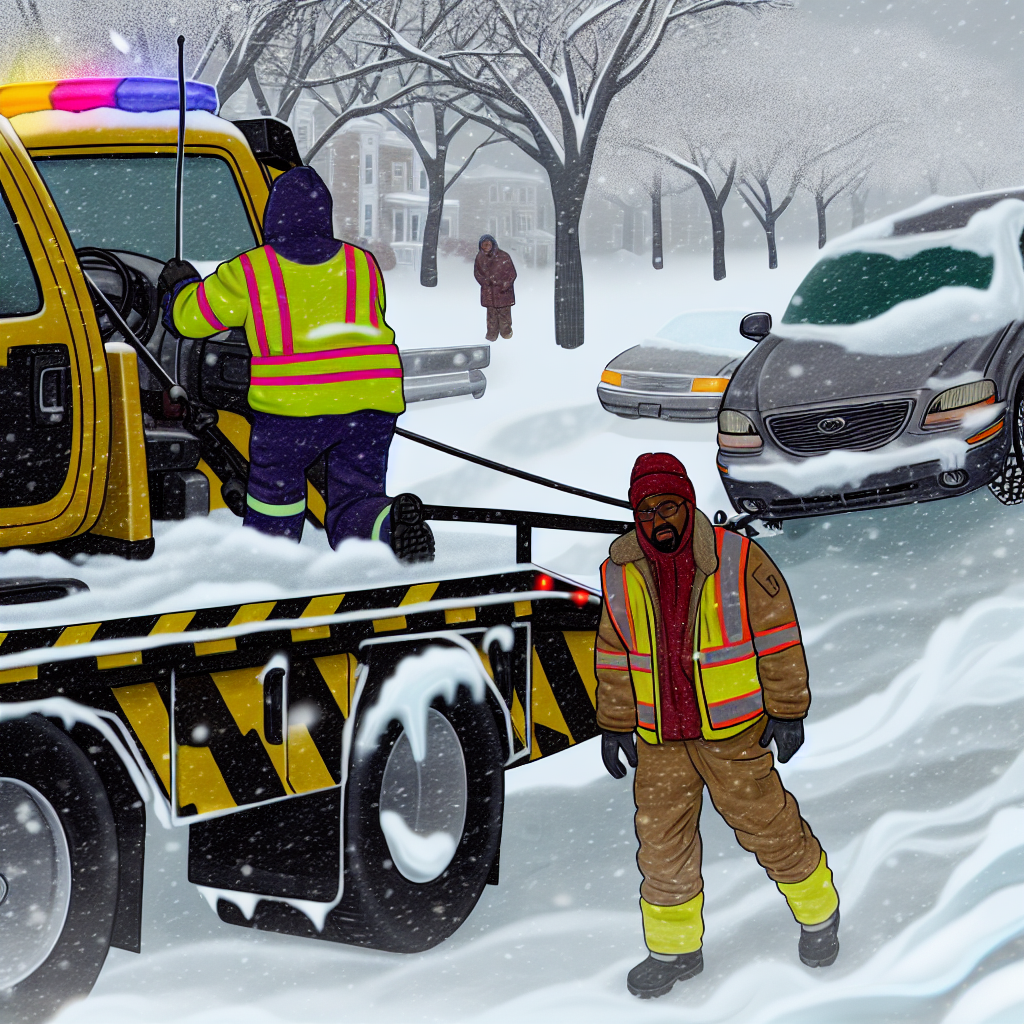
The regulatory relief is not just about easing operational burdens; it serves a critical role in public safety and effective emergency response. During a winter emergency, the ability to quickly and safely respond to incidents can significantly impact the recovery process. Tow operators are often first responders who assist stranded motorists and clear hazardous road conditions, making their understanding of these regulations essential.
However, it is important to remember that while there are exemptions to certain regulations during these emergencies, compliance with other safety standards remains mandatory. This includes maintaining vehicle inspections and adhering to drug and alcohol testing requirements. These regulations are in place to ensure that public safety is not compromised, even amid the urgency of emergency operations.
By staying informed and compliant, tow operators can navigate these challenging circumstances more effectively, contributing not only to the restoration of normalcy but also to the safety and welfare of the communities they serve.
Summary of Customer Outages Due to Winter Storms
Winter storms have wreaked havoc across several states, with significant customer outages reported, underscoring the critical role that tow operators play during these emergencies. Here are key statistics:
- Total Outages: Recent storms have left over 196,000 customers without power in Texas and Arkansas alone, highlighting the urgent need for tow operators to respond swiftly to assist those affected and clear the roads for emergency services.
- State-Specific Data:
- Arkansas: Entergy Arkansas reported a peak of 11,500 customers without power due to arctic conditions that brought severe sleet and snow. Restoration efforts were crucial, with utility companies managing to restore power to a large number of these customers quickly.
- Texas: The state has seen outages impacting over 30,000 homes, particularly in the wake of storms that have led to emergency declarations in response to worsening conditions. The Electric Reliability Council of Texas (ERCOT) is actively monitoring the situation to prevent further disruptions in power supply.
- Increased Demand for Tow Services: As icy conditions persist, tow operators must be prepared for a surge in demand. Stranded motorists and hazardous road conditions require tow operators to work efficiently to aid recovery efforts.
- Coordination with Emergency Services: Effective communication and collaboration between tow operators, utility companies, and local authorities are essential. This cooperation can significantly mitigate the impact of the storms and accelerate the restoration of services to communities in distress.
The winter storms have presented numerous challenges that demand immediate and effective responses from tow operators, making their role essential in the recovery and restoration process during such emergencies.
HOS Exemptions for Tow Operators: State-Specific Exemptions and Deadlines
As winter storms continue to impact various states, understanding the specific exemptions and deadlines for tow operators is crucial for efficient emergency response. Below is a summary of the regulatory relief measures implemented in January 2024 across Georgia, Texas, South Carolina, and Wisconsin:
Georgia:
- State of Emergency Declaration: Governor Brian Kemp declared a state of emergency on January 20, 2025, effective until January 28, 2025. This declaration allows exemptions from certain regulatory requirements for tow operators and motor carriers to facilitate emergency response efforts.
- Hours-of-Service Relief: Temporary relief from hours-of-service regulations enables tow operators to work extended hours to assist in recovery efforts affected by severe winter weather.
South Carolina:
- Executive Order: On January 8, 2024, an executive order declared a state of emergency due to winter storms, which suspended specific transportation regulations, including hours-of-service limitations for certain commercial vehicle operators directly involved in emergency response.
- Exemption Deadline: The exemptions for hours-of-service are in place until January 20, 2024, specifically targeting operators engaged in the transportation of critical supplies and services during the storm’s impact.
Wisconsin:
- FMCSA Regional Emergency Declaration: Effective from February 14 to February 28, 2025, the FMCSA issued a declaration that temporarily waived hours-of-service requirements for drivers transporting essential supplies, including heating fuels.
- Driving Advisories: While this declaration affects regulatory exemptions, drivers must still adhere to safety advisories issued by the Wisconsin Department of Transportation during hazardous weather conditions.
Texas:
- FMCSA Emergency Declaration: In response to Winter Storm Blair, the FMCSA issued a regional emergency declaration in January 2025. This declaration allows tow operators to exceed standard driving time limits for transporting heating fuels, essential goods, and equipment for electrical restoration.
- Exemption Duration: The hours-of-service exemptions were officially in place until January 15, 2025, providing vital relief for operators assisting in storm recovery efforts.
Please note that the effectiveness of these exemptions is time-sensitive and that operators should regularly check with state transportation departments for updates on prevailing regulations.
Quotes from Stakeholders
To highlight the importance of quick response and travel limitation during winter storms, the following quotes emphasize these critical aspects:
Governor Brian Kemp:
-
“I’m asking all Georgians to help them do their jobs by limiting travel as much as possible in the coming days. Hazardous conditions, including ice and snow, can develop quickly and make travel very dangerous.”
source -
“As we continue to coordinate with state and local officials, I urge everyone to make their own preparations to ensure they and their families can remain safe over the coming days, especially if road conditions prevent travel.”
source
Emergency Management Officials:
-
“Our main goal is to ensure the safety of the whole community,” remarked a representative from the Florida Division of Emergency Management during discussions about disaster responses, showcasing the prioritization of safety during emergencies.
source -
The National Weather Service emphasizes: “Seventy-five percent of winter weather-related deaths occur on the road,” highlighting the importance of limiting travel during severe weather conditions to ensure public safety.
source
The above insights underline the necessity for communities, operators, and individuals to heed travel advisories and maintain efficient emergency response plans during winter storms. This proactive approach is crucial to minimizing risks and ensuring timely assistance during critical weather events.
| State | Exemption Type | Effective Date | Exemption End Date | Details |
|---|---|---|---|---|
| Georgia | Hours-of-Service Relief | January 20, 2025 | January 28, 2025 | Exemptions allow for extended working hours to assist in recovery efforts. |
| Texas | Hours-of-Service Exemption | January 2025 | January 15, 2025 | Enables tow operators to exceed standard driving time for transporting essential goods. |
| South Carolina | Executive Order – Transportation Regulation Suspension | January 8, 2024 | January 20, 2024 | Suspended hours-of-service limitations for operators assisting emergency response efforts. |
| Wisconsin | FMCSA Regional Emergency Declaration | February 14, 2025 | February 28, 2025 | Temporary waiver of hours-of-service for drivers transporting essential supplies. |
Conclusion
In the face of winter storms and the accompanying challenges, it is imperative for tow operators to prioritize regulatory awareness. The dynamic nature of winter weather not only disrupts travel but also elevates the demand for towing and recovery services. Understanding the nuances of local regulations and the exemptions available during emergencies can significantly enhance an operator’s efficiency and effectiveness in response efforts. By staying informed about hours-of-service exemptions, size restrictions, and safety requirements, tow operators can navigate these hazardous conditions with greater confidence, ultimately improving their contributions to community safety and recovery.
Moreover, timely compliance with these regulations ensures not only the well-being of tow operators but also supports the safe and swift restoration of services for those affected. Committing to ongoing education and adherence to local regulations is not just a professional responsibility; it is a vital part of ensuring the safety and welfare of our communities during these challenging times. Therefore, let us heed the urgency of staying informed and compliant as we face the storms ahead together.
Best Practices for Tow Operators During Winter Storms
- Stay Informed: Regularly check state regulations and emergency declarations related to winter weather to ensure compliance with any regulatory amendments or exemptions.
- Prioritize Safety: Always prioritize the well-being of yourself and your team. Ensure vehicles are equipped with essential safety gear, including chains, shovels, and emergency kits.
- Establish Communication: Maintain open lines of communication with local authorities and other emergency service providers to coordinate responses more effectively during emergencies.
- Plan Routes: Before heading out, plan your routes with care by considering road conditions and potential hazards that may impede your ability to operate safely.
- Adapt Operational Hours: Utilize the hours-of-service exemptions wisely to address the surge in demand for towing services while ensuring your team is not overworked.
- Conduct Vehicle Inspections: Regularly inspect and maintain your tow vehicles to ensure they are in optimal condition for harsh weather conditions.
- Educate Staff: Provide training sessions for your team regarding winter driving techniques and safety protocols to enhance overall operational effectiveness during storms.
- Monitor Weather Conditions: Stay updated on weather forecasts and alerts to prepare for sudden changes that may affect your operations.
- Limit Non-Essential Travel: Encourage both staff and clients to limit travel during severe storms to minimize risk and ensure focused emergency responses.
- Provide Support for Stranded Motorists: When assisting stranded motorists, prioritize safety by following best practices for recovery operations to prevent additional hazards.
Additional Resources for Tow Operators
Staying informed about winter storm regulations and safety practices is crucial for tow operators. Here are several resources, industry associations, and training opportunities to help you stay updated:
-
Southwest Tow Operators Association (STO)
Website: swtowop.org
Overview: Founded in 2007, STO focuses on sharing knowledge, providing training, and improving laws in Texas to enhance the safety of tow operators and company owners.
Training Opportunities: STO offers certification testing, incident management courses, and continuing education both online and in-class. -
Virginia Association of Professional Tow Operators (VAPTOW)
Website: vaptow.com
Overview: VAPTOW is dedicated to advancing the towing and recovery industry through education, offering in-house training and partnerships for various classes.
Training Services: Courses include HAZMAT, Virginia Basic Workzone Safety, Traffic Incident Management (TIMS), and Virginia Tower Safety. -
Nevada State Tow Association (NSTA)
Website: nvtowassoc.com
Overview: NSTA is a non-profit association representing and advocating for the towing and recovery industry in Nevada.
Membership Benefits: Members receive legislative advocacy, education, driver training, and national driver certification testing. -
360Training – Tow Truck Online Training
Website: 360training.com
Overview: This online course educates individuals in the towing industry on safe and efficient operations, aligning with DOT CDL standards.
Course Details: The 2-hour training covers tow truck anatomy, pre-shift inspections, safe operations, and common hazards. -
Vermont Towing Association, Inc.
Website: vt-tow.com
Overview: The association offers comprehensive training and legislative advocacy for Vermont’s towing industry.
Services: Provides classes and training opportunities designed to help tow companies enhance their skills and stay updated on industry trends. -
Scomac Associates – Towing Safety Training 2025
Website: scomacassllc.com
Overview: Scomac Associates offers ERSCA-certified instruction blending classroom learning with hands-on exercises.
Training Topics: Courses cover advanced winching and rigging, electric vehicle operations, standard and heavy-duty essentials, recovery planning, load calculations, equipment inspections, and traffic incident management. -
Towing and Recovery Association of America, Inc. (TRAA)
Website: traaonline.com
Overview: TRAA is the national association representing the U.S. towing and recovery industry, offering representation, education, and leadership at the federal level.
Educational Resources: Provides various educational products and resources, including certification programs, training on electric vehicles, and traffic incident management responder training. -
Sunshine State Towing Association (SSTA)
Website: sstassociation.com
Overview: SSTA focuses on empowering tow operators through education and training.
Training Programs: Offers immersive training programs covering light to heavy-duty towing and recovery, emphasizing safety and process improvement. -
International Towing & Recovery Hall of Fame and Museum (I-TECC)
Website: itecc.org
Overview: I-TECC offers a range of towing and recovery training classes to ensure operators have the proper training for safe operations.
Training Levels: Provides multiple classes, including Level I to IV Towing & Recovery Training, Rotator Training, and Hybrid/EV Training. -
Pennsylvania Department of Transportation – Salt and Snow Management Course
Website: pa.gov
Overview: This course focuses on winter maintenance operations, covering planning, material usage, equipment types, and operational procedures.
Benefits: Increases awareness of winter maintenance best practices, promoting operational efficiencies and safety during winter weather.
By engaging with these resources and participating in relevant training programs, tow operators can enhance their knowledge, stay compliant with regulations, and ensure safety during winter storm operations.
Summary Table of Regulatory Changes
| State | Exemption Type | Effective Date | Exemption End Date | Details |
|---|---|---|---|---|
| Georgia | Hours-of-Service Relief | January 20, 2025 | January 28, 2025 | Exemptions allow for extended working hours to assist in recovery efforts. |
| Texas | Hours-of-Service Exemption | January 2025 | January 15, 2025 | Enables tow operators to exceed standard driving time for transporting essential goods. |
| South Carolina | Executive Order – Transportation Regulation Suspension | January 8, 2024 | January 20, 2024 | Suspended hours-of-service limitations for operators assisting emergency response efforts. |
| Wisconsin | FMCSA Regional Emergency Declaration | February 14, 2025 | February 28, 2025 | Temporary waiver of hours-of-service for drivers transporting essential supplies. |
markdown