
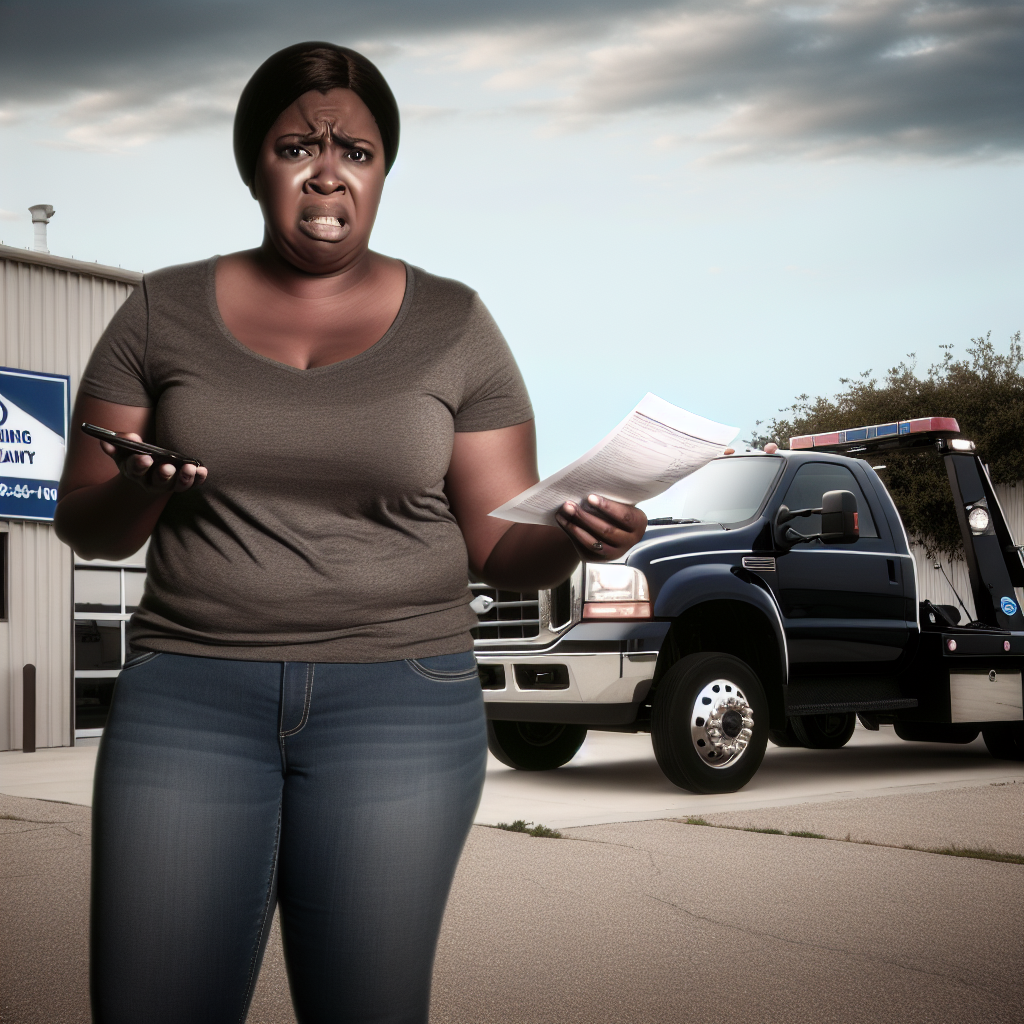
In the trucking industry, understanding towing regulations is crucial to mitigate the distress caused by deceptive towing and repair practices. These regulations often guide truck owners in addressing towing complaints effectively, ensuring they are not taken advantage of during vulnerable moments.
Predatory practices have become a significant source of frustration and financial strain, leaving truck drivers feeling powerless and overwhelmed. Recent cases, such as the alarming incident in El Paso where a repair shop owner was arrested for unlawfully holding a truck and trailer until inflated fees were paid, underscore the urgent need for awareness in this area.
The impact of these deceptive practices disrupts business operations and brings unnecessary financial burdens, jeopardizing livelihoods. Therefore, understanding and confronting these deceptive business tactics is essential for preserving the integrity of the trucking industry and protecting the rights of truck owners.
Rights of Truck Owners in Towing and Repair Disputes
- Right to Dispute Charges: Truck owners are entitled to contest any fees that they believe are inflated or unjustified.
- Right to Legal Recourse: If necessary, truck owners can seek legal action against towing or repair companies that engage in deceptive practices.
- Right to Access Vehicle: Truck owners should have the right to access and retrieve their vehicle, regardless of any alleged outstanding charges, and without excessive delay.
- Right to Written Estimates: Prior to work being performed, truck owners are entitled to receive written estimates that clearly outline charges for towing and repairs.
- Right to Consent: Extra work beyond the initial estimate cannot be performed without the explicit consent of the truck owner.
- Right to Fair Treatment: Truck owners should not be subjected to threats or intimidation tactics by towing or repair companies to secure payment.
- Right to File Complaints: Truck owners have the right to report unlawful practices to the relevant state regulatory bodies and consumer protection agencies.
- Right to Seek Mediation: In case of a dispute, truck owners can opt for mediation or arbitration as an alternative to lengthy legal processes.
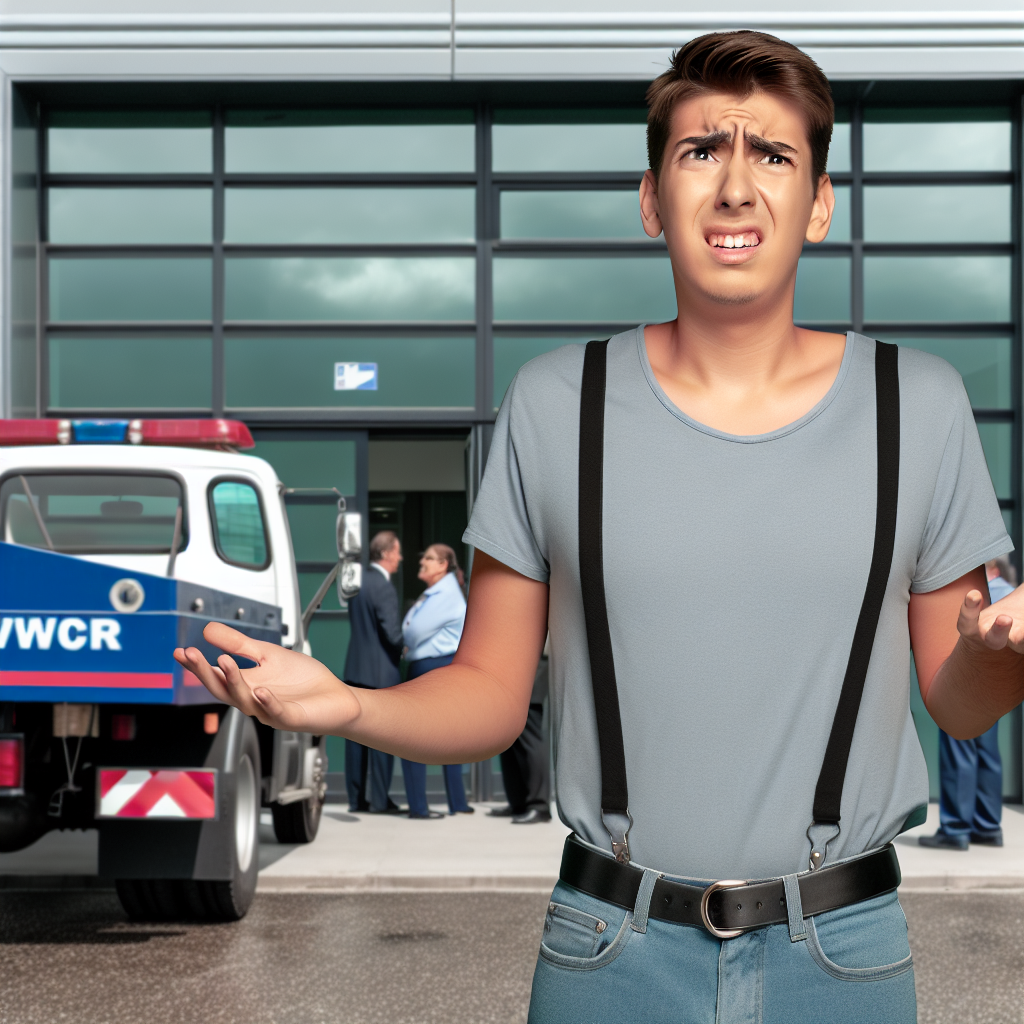
User Experiences with Deceptive Towing Practices
The stories of truck owners dealing with deceptive towing practices show several worrying patterns. Here are some common issues:
- High Fees and Overcharging: Many truckers report facing very high towing charges. For example, in one case, the Owner-Operator Independent Drivers Association (OOIDA) found a situation where a truck was towed for $9,200 due to claimed extreme conditions.
- Hidden Fees: Tow companies often add unexpected charges without warning. Some truck owners have been billed for unusual items like snacks and administrative costs, totaling hundreds of dollars without any prior notice. In some cases, invoices were reviewed and found to be inflated, charging up to $140,000 for services that should only have cost around $24,000.
- Unprofessional Behavior: Many truckers have described negative experiences with towing staff, including rudeness and intimidation. Some have even reported that tow truck operators appeared to be under the influence of alcohol. These experiences highlight the need for better regulations in the towing industry. Truckers often feel pressured into making quick payment decisions or find their vehicles held until bills are settled.
Notable Personal Stories
- William Booth’s Incident: While working with Prime, Booth faced a confusing situation that led to a $1,200 charge for a nine-mile tow. He later received a bill for $3,855, even though no repairs had been made. He had to hire another towing service and pay for repairs separately.
- Rafa’s Encounter: Rafa’s driver had a breakdown and needed help from Speedy G Towing Service, which charged $3,855 without making any repairs. This situation shows how difficult it can be for truckers who rely on these services with little oversight.
Conclusion
These practices can create serious financial challenges for truck owners, especially for independent operators. With weak regulatory enforcement in many areas, truckers are at risk of being taken advantage of by unscrupulous towing practices.
How to Avoid Falling Victim to Deceptive Practices
To safeguard against deceptive towing and repair practices, truck owners can implement the following strategies:
-
Establish Relationships with Reputable Towing Companies: Proactively partner with trustworthy towing services in your operational areas. This ensures prompt and fair assistance during emergencies.
source -
Join Local Trucking Associations: Membership in state or local trucking associations can provide referrals to reliable towing companies, especially in unfamiliar regions.
source -
Educate Drivers on Predatory Practices: Train drivers to recognize and avoid unsolicited tow offers. Emphasize the importance of contacting law enforcement at accident scenes to receive guidance on selecting reputable towing services.
source -
Verify Licensing and Insurance: Ensure that towing companies possess valid licenses and adequate insurance coverage. In California, for instance, all towing businesses are required to have liability and property damage insurance.
source -
Demand Transparent Pricing: Request detailed, written estimates before agreeing to any towing or repair services. This should include all potential charges, such as hookup fees, mileage, and storage costs.
source -
Avoid Signing Unfamiliar Documents: Instruct drivers not to sign any documents from towing companies at the scene without thorough review. Unsigned paperwork can prevent unauthorized charges.
source -
Document Incidents Thoroughly: Encourage drivers to take timestamped photos of their vehicle and the surrounding area before towing. This documentation can be invaluable in disputing unwarranted charges.
source -
Understand Local Towing Regulations: Familiarize yourself with regional towing laws to identify and challenge illegitimate practices effectively.
source -
Implement Clear Payment Protocols: Establish standard operating procedures requiring multiple approvals or verification steps before authorizing payments for emergency towing services.
source
By adopting these measures, truck owners can significantly reduce the risk of falling victim to deceptive towing and repair practices.
Additional Resources
- For further reading on recognizing predatory towing, visit Fife Towing’s Blog.
- For insights on hazardous towing areas and tools, check out TowTrapMap here.
- To learn about parking policies that can prevent towing, visit Truck Parking Club.
| Name | Location | Average Cost | Customer Rating |
|---|---|---|---|
| Ace Towing | Houston, TX | $75 | 4.5 |
| Quick Recovery | Phoenix, AZ | $80 | 4.7 |
| Eagle Towing | Atlanta, GA | $90 | 4.6 |
| Reliable Tow | Chicago, IL | $85 | 4.8 |
| Fast Lane Towing | Miami, FL | $70 | 4.4 |
Case Study: Resolving a Towing Dispute Successfully
John, an owner-operator based in California, found himself in a distressing situation when his truck was towed after an unexpected breakdown. The towing company charged him an exorbitant fee that nearly doubled what he understood to be the standard rate for towing in his area. The company also claimed that he could not retrieve his truck until the charges were paid in full, which seemed unjust given the circumstances.
Steps Taken:
- Researching Rights: John took immediate action by researching his rights as a truck owner and the legal regulations surrounding towing practices in California. He discovered that the towing company must provide a written estimate prior to any work and that he had the right to dispute any unreasonable charges.
- Documenting Evidence: Equipped with information on his rights, John documented everything he had regarding the situation, including photographs of the truck, the towing notice, and notes detailing his phone conversations with the towing company.
- Reaching Out for Support: Understanding the complexity of his situation, John reached out to a local trucking association for advice. They provided him with additional resources and connected him with a legal advisor who specialized in transportation law.
- Engaging in Communication: Armed with knowledge and support, John contacted the towing company directly. He calmly asserted his rights and pointed out the discrepancies between their charges and what was typical in the area.
- Escalating the Matter: When the towing company remained uncooperative, John escalated his complaint. He filed a formal grievance with the California Bureau of Automotive Repair and also wrote a complaint to the Better Business Bureau (BBB).
- Negotiation and Resolution: Faced with potential repercussions from state and local regulatory bodies, the company finally agreed to review John’s case again. This time, they negotiated a lower fee that was more in line with the average rates in the area, allowing John to retrieve his truck without incurring significant financial loss.
Outcome
Ultimately, John successfully resolved the dispute by leveraging his knowledge of his rights, gathering support, and effectively communicating with the towing company. He paid a fair price and learned valuable lessons through the experience.
Actionable Insights
- Know Your Rights: Familiarize yourself with local towing regulations to ensure you can effectively challenge any unjust practices.
- Document Everything: Keep detailed records of all communications and conditions surrounding the towing incident to support your case if necessary.
- Seek Support: Don’t hesitate to reach out to local trucking associations or regulatory bodies for guidance and assistance when facing disputes.
- Stay Calm and Professional: Engaging calmly and professionally with towing companies can often lead to a better resolution than escalating conflicts.
- Be Prepared to Escalate: If an initial complaint doesn’t lead to results, be prepared to take the matter further by contacting regulatory bodies or consumer protection agencies.
Towing Complaints in the Trucking Industry: Statistical Overview
Recent studies have brought to light some of the alarming trends regarding complaints in the towing industry, particularly as they pertain to truck owners. A report from the American Transportation Research Institute (ATRI) reveals that almost 30% of heavy truck towing invoices related to crash incidents feature excessive or unjustifiable charges. This indicates a significant issue within the industry that disproportionately affects truck operators.
Key Statistics:
- Excessive Rates: A staggering 82.7% of motor carriers reported instances of excessively high towing rates.
- Unwarranted Extra Service Charges: Around 81.8% of carriers faced additional service charges that were not justifiable.
- Vehicle Seizure Without Cause: 55.7% of respondents indicated that their vehicles were seized without proper rationale.
- Delays in Vehicle or Cargo Release: Many truckers reported operational disruptions stemming from delays in accessing their vehicles or cargo, incurring additional costs.
These findings highlight a troubling environment for truck owners, including financial stress due to inflated charges and the operational challenges presented by delays in vehicle recovery. The ATRI report calls for urgent regulatory reforms and enhanced collaboration within the industry to mitigate these predatory practices and safeguard the rights of truck operators. Maintaining transparency in pricing and adhering to fair practices are essential steps that can help to protect truck owners from exploitation in these vulnerable situations.
These statistics underscore the critical need for truck owners to be aware of their rights and the potential for deception within the towing industry.
Conclusion
In conclusion, truck owners must remain vigilant against the deceptive practices that can arise in the towing and repair industries. The disturbing anecdotes shared by fellow truckers serve as a poignant reminder of the potential pitfalls that exist, from exorbitant fees and unexpected charges to aggressive and unethical behavior from service providers.
Awareness of one’s rights is crucial; knowing that you have the power to contest unjust charges and seek legal recourse is empowering. Truck owners should not wait for deceptive scenarios to unfold but should proactively educate themselves about local laws, establish connections with reputable towing companies, and document all interactions thoroughly.
By maintaining a proactive stance and being informed, truck owners can significantly diminish their risk of becoming victims of unfair practices. Embracing vigilance not only protects individual rights but also contributes to fostering a more transparent and respectful environment within the trucking industry as a whole.

Steps Truck Owners Can Take to Avoid Deceptive Practices
- Be Informed: Stay updated on local towing laws and your rights as a truck owner. Knowledge is key to avoiding deception.
- Build Relationships: Establish connections with reputable towing companies ahead of time. This proactive approach can provide reliable support in emergencies.
- Educate Your Team: Train drivers and staff to recognize signs of predatory practices and how to respond appropriately in towing situations.
- Verify Credentials: Before working with a towing company, check their licensing and insurance status to ensure they are legitimate.
- Keep Records: Document all interactions with towing companies, including invoices and photographic evidence, to support any future disputes.
- Request Written Estimates: Always ask for detailed written estimates before any towing or repair work begins to ensure transparency in pricing.
- Be Cautious of Signing: Instruct drivers to review and understand all documents before signing anything at the scene to avoid unexpected charges.
- Report Unfair Practices: If you encounter suspicious behavior or charges, report these incidents to local regulatory authorities or consumer protection agencies.
The above steps can help truck owners safeguard themselves against deceptive practices and ensure fair treatment in towing and repair situations.
User Experiences with Deceptive Towing Practices
The stories of truck owners dealing with deceptive towing practices show several worrying patterns. Here are some common issues:
- High Fees and Overcharging: Many truckers report facing very high towing charges. For example, in one case, the Owner-Operator Independent Drivers Association (OOIDA) found a situation where a truck was towed for $9,200 due to claimed extreme conditions.
- Hidden Fees: Tow companies often add unexpected charges without warning. Some truck owners have been billed for unusual items like snacks and administrative costs, totaling hundreds of dollars without any prior notice. In some cases, invoices were reviewed and found to be inflated, charging up to $140,000 for services that should only have cost around $24,000.
- Unprofessional Behavior: Many truckers have described negative experiences with towing staff, including rudeness and intimidation. Some have even reported that tow truck operators appeared to be under the influence of alcohol. These experiences highlight the need for better regulations in the towing industry. Truckers often feel pressured into making quick payment decisions or find their vehicles held until bills are settled.
Notable Personal Stories
- William Booth’s Incident: While working with Prime, Booth faced a confusing situation that led to a $1,200 charge for a nine-mile tow. He later received a bill for $3,855, even though no repairs had been made. He had to hire another towing service and pay for repairs separately.
- Rafa’s Encounter: Rafa’s driver had a breakdown and needed help from Speedy G Towing Service, which charged $3,855 without making any repairs. This situation shows how difficult it can be for truckers who rely on these services with little oversight.
Conclusion
These practices can create serious financial challenges for truck owners, especially for independent operators. With weak regulatory enforcement in many areas, truckers are at risk of being taken advantage of by unscrupulous towing practices.
To enhance your protection, understanding how these user experiences drive industry standards and consumer advocacy efforts is crucial. For example, in Florida, the National Insurance Crime Bureau has supported legislation aimed at implementing important consumer protections, including capping towing fees. Such reforms occur in response to consumer experiences that reveal widespread issues within the towing industry. Similarly, the U.S. Department of Transportation has emphasized the need for regulations to prevent excessive charges targeting truck owners. These instances underscore how collective experiences and voicing grievances facilitate necessary reforms.
How to Avoid Falling Victim to Deceptive Practices
To safeguard against deceptive towing and repair practices, truck owners can implement the following strategies:
- Establish Relationships with Reputable Towing Companies: Proactively partner with trustworthy towing services in your operational areas. This ensures prompt and fair assistance during emergencies.
- Join Local Trucking Associations: Membership in state or local trucking associations can provide referrals to reliable towing companies, especially in unfamiliar regions.
- Educate Drivers on Predatory Practices: Train drivers to recognize and avoid unsolicited tow offers. Emphasize the importance of contacting law enforcement at accident scenes to receive guidance on selecting reputable towing services.
- Verify Licensing and Insurance: Ensure that towing companies possess valid licenses and adequate insurance coverage. In California, for instance, all towing businesses are required to have liability and property damage insurance.
- Demand Transparent Pricing: Request detailed, written estimates before agreeing to any towing or repair services. This should include all potential charges, such as hookup fees, mileage, and storage costs.
- Avoid Signing Unfamiliar Documents: Instruct drivers not to sign any documents from towing companies at the scene without thorough review. Unsigned paperwork can prevent unauthorized charges.
- Document Incidents Thoroughly: Encourage drivers to take timestamped photos of their vehicle and the surrounding area before towing. This documentation can be invaluable in disputing unwarranted charges.
- Understand Local Towing Regulations: Familiarize yourself with regional towing laws to identify and challenge illegitimate practices effectively.
- Implement Clear Payment Protocols: Establish standard operating procedures requiring multiple approvals or verification steps before authorizing payments for emergency towing services.
By adopting these measures, truck owners can significantly reduce the risk of falling victim to deceptive towing and repair practices.