
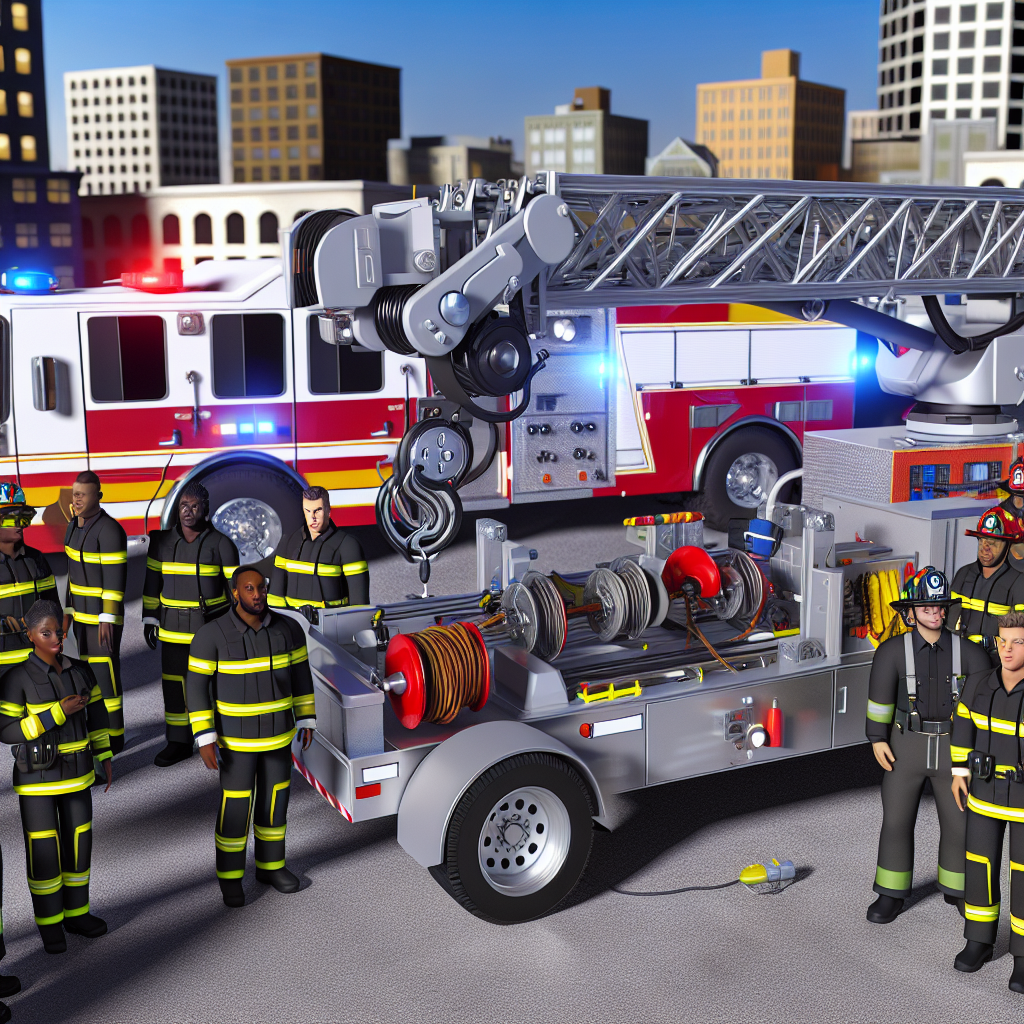
In the realm of emergency operations, the concept of fleet standardization emerges as a paramount strategy that can transform the efficiency and effectiveness of services. As first responders face increasingly complex emergencies, having a standardized fleet means more than just uniformity; it translates into streamlined maintenance operations and heightened recovery readiness.
The direct correlation between fleet consistency and operational efficiency allows emergency services not only to minimize equipment downtime but also to respond quickly and effectively in critical moments. By embracing standardization, departments can optimize their resources, ensuring that all personnel are well-acquainted with the vehicles and tools at their disposal, ultimately enhancing their ability to save lives and protect communities.
In recent years, fleet standardization in emergency services has emerged as a pivotal trend aimed at enhancing operational efficiency and effectiveness. Many departments are actively shifting toward a singular vehicle type for various operations, which positively impacts overall performance metrics. By standardizing vehicles, emergency responders can minimize response times, as personnel are consistently trained on familiar equipment. Furthermore, the adoption of standardized spare parts has led to significant reductions in maintenance costs through bulk purchasing and resource sharing.
Another key benefit of fleet standardization is the improved interoperability among different emergency services, facilitating seamless collaboration during multi-agency responses. Standardization not only streamlines maintenance and repair processes but also enhances the readiness of equipment, ultimately benefiting the communities served. The trend reflects a broader acknowledgment of the advantages that come with a standardized fleet, which promotes efficiency and enhances the ability to respond effectively in emergencies.
Benefits of Fleet Standardization
Fleet standardization in emergency services brings multiple advantages that streamline operations and bolster readiness. Here are the key benefits:
Maintenance Efficiency
The standardization of fleets leads to enhanced maintenance efficiency. With a uniform fleet, emergency service departments can streamline their maintenance processes significantly. This singular approach allows teams to develop specific skills tailored to the equipment they use most frequently. Moreover, having familiar parts means that staff can perform repairs more quickly, reducing the time vehicles are out of service and increasing operational readiness.
An example of this can be observed in the Prince George’s County Fire/EMS Department, where the adoption of a standardized fleet allowed them to reduce equipment downtime efficiently through organized maintenance schedules and training focused on specific vehicle types.
Cost Savings
Cost savings is another major benefit of fleet standardization. Departments can reduce their inventory of spare parts by standardizing vehicles, as fewer part types need to be kept on hand. This leads to more effective stock management and less wasted resources. Additionally, when departments purchase vehicles and parts in bulk for a standard fleet, they often negotiate better prices and terms, leading to significant savings.
For instance, fleets that utilize the same make and model can take advantage of economies of scale, which reduces the overall costs associated with procurement and maintenance. This is particularly relevant for fire departments that rely heavily on specific apparatus to respond to emergencies while managing logistical costs efficiently.
Enhanced Emergency Response Capabilities
Finally, fleet standardization greatly enhances emergency response capabilities. Standardized equipment ensures that all personnel are trained on the same vehicles and tools, leading to greater confidence and efficiency during operations. When first responders arrive at a scene, they are instantly familiar with the equipment they are using, which can save critical seconds in an emergency situation.
Furthermore, standardized fleets improve interoperability between different agencies during multi-agency responses. When departments use similar equipment, they can work together more seamlessly, allowing for a swift and coordinated response in times of crisis. This collaborative framework is essential for saving lives and managing resources effectively during emergencies.
In summary, fleet standardization is crucial for emergency services, as it not only boosts maintenance efficiency and cost savings but also enhances the overall effectiveness of the response operations. By implementing a standardized fleet, departments can ensure they are prepared to meet the challenges of their critical missions.

This chart visualizes the key benefits of fleet standardization in emergency services, including average maintenance cost reductions, response time improvements, and operational readiness levels.
| Benefit | Impact |
|---|---|
| Maintenance Cost Reduction | 10-15% |
| Response Time Improvement | 20-30% |
| Operational Readiness | Greater than 90% |
| Key Metrics | Standardized Operations | Non-Standardized Operations |
|---|---|---|
| Maintenance Time | Lower maintenance time due to familiarity | Higher maintenance time as different equipment requires varied knowledge |
| Cost | Reduced costs through bulk purchasing and lower inventory needs | Higher costs due to diverse parts and inventory management |
| Operational Readiness | Increased operational readiness due to fewer downtimes | Decreased operational readiness due to variable repair times |
| Training Efficiency | Streamlined training protocols for similar machinery | Longer and more varied training required for different equipment |
| Interoperability | Enhanced interoperability during multi-agency responses | Complicated interoperability issues due to diverse equipment |
Best Practices for Fleet Standardization
Implementing fleet standardization effectively requires strategic planning and collaboration among all stakeholders involved in emergency services. Here are key best practices to consider:
-
In-depth Evaluation of Manufacturers
Before committing to a standard fleet, departments should thoroughly evaluate potential manufacturers. Assess their past performance, product reliability, and support services. Richard Riley emphasizes the importance of this step, noting how it sets the foundation for long-term operational success. -
Involve Engineers and Frontline Personnel
It’s critical to include both engineers and frontline responders early in the specification process. This collaborative effort ensures that the designed apparatus meets the practical needs of those who will use the equipment, leading to enhanced functionality and user satisfaction. Richard Riley advises that this inclusion can highlight essential features that may otherwise be overlooked. -
Implement Regular Training Programs
Continuous training on standardized vehicles and equipment is vital. Regularly scheduled training aids in building familiarity and skills necessary for effective operation, significantly reducing response times during emergencies. Departments should ensure that training updates coincide with any improvements or adjustments in the fleet. -
Establish Clear Documentation and Resource Sharing
Good documentation practices foster interoperability and facilitate seamless maintenance and repair processes. Sharing resources and information among teams enhances coordination, particularly during multi-agency responses. This not only streamlines operations but also builds a unified approach to emergency response. -
Prioritize Communication and Regular Feedback Loops
Successful fleet standardization relies on open lines of communication across all levels of the organization. Regular feedback from personnel helps identify issues and opportunities for improvement, fostering a culture of continuous development.
By implementing these best practices derived from industry experts like Richard Riley, emergency service departments can enhance fleet standardization effectively. This strategic approach not only optimizes resources but also ensures operational readiness vital for saving lives and managing crises efficiently.
Case Study: Prince George’s County Fire/EMS Department Fleet Standardization
Introduction
The Prince George’s County Fire/EMS Department has made significant strides in enhancing operational efficiency through fleet standardization. This case study explores their strategic implementation of standardized rescue apparatus, highlighting key practices that not only improved maintenance operations but also ensured rapid response capabilities.
Improved Operational Readiness
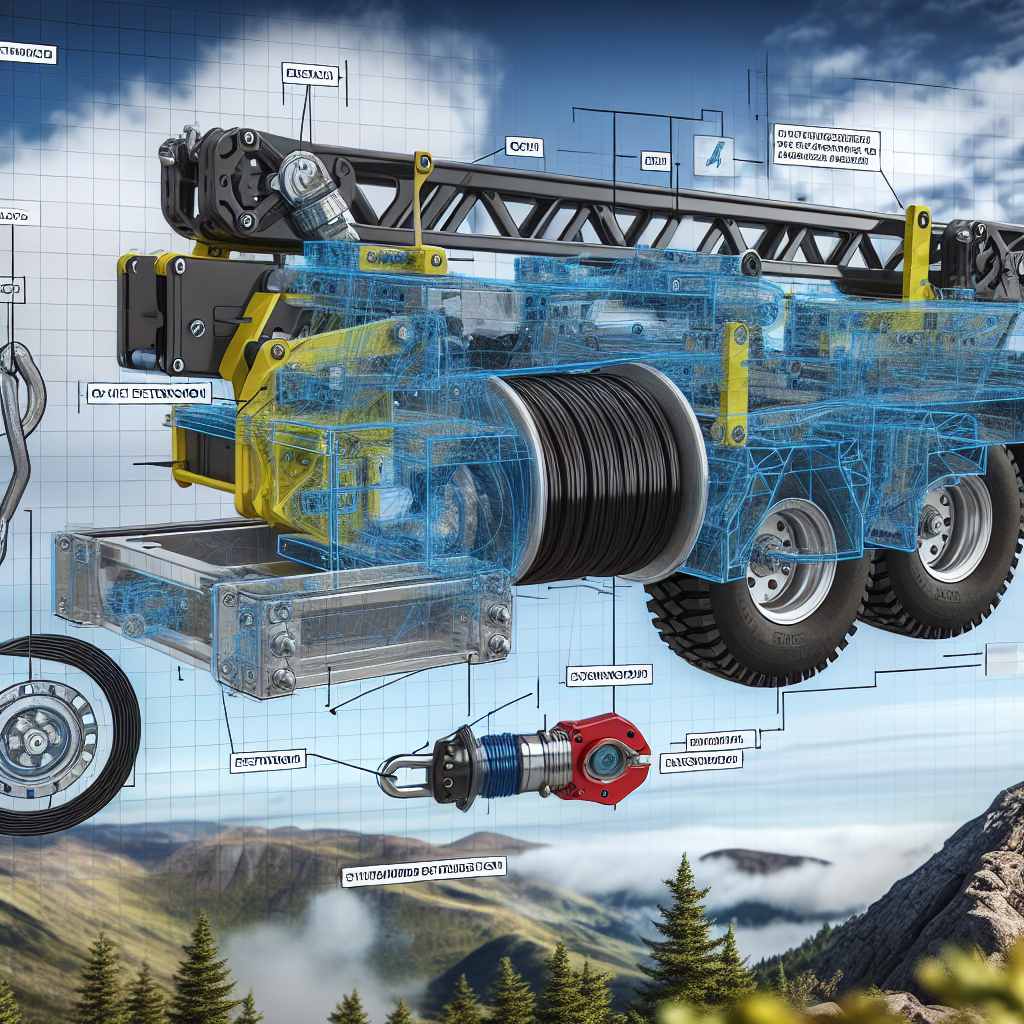
Fleet standardization has allowed the department to achieve remarkable operational readiness. For instance, Rescue Squad No. 820 recorded over 1,800 responses in 2024 alone. The redesigned apparatus features a 50-inch extension and utilizes a 15,000-pound winch, enhancing their capacity to respond effectively to emergencies. The consistency in equipment ensures that all personnel are well-trained on the same apparatus, which accelerates response times during critical incidents.
Efficient Maintenance Practices
The adoption of standardized vehicles has streamlined maintenance practices within the department. Specific training sessions focused on the Pierce Enforcer chassis have equipped firefighters with the skills necessary to handle routine servicing and repairs. As Richard Riley, a department spokesperson, noted, “The traditional walk-in compartment design has proven its effectiveness over decades of rescue operations. For our department, protecting critical equipment combined with the ability to carry more crew made it the right choice.” This focused approach to maintenance has not only reduced vehicle downtime but also maximized the availability of resources when needed most.
Cost Savings Through Standardization
Cost savings through fleet standardization are evident in the department’s procurement processes. By standardizing vehicle types, there is a notable decrease in the variety of spare parts needed, leading to savings in inventory management and bulk purchasing negotiations. Departments can capitalize on economies of scale, allowing them to acquire vehicles and parts at reduced prices. Richard Riley emphasizes the importance of evaluating manufacturers’ capabilities early in the procurement phase to capitalize on these cost-saving opportunities.
Enhanced Interoperability
Another major advantage of fleet standardization is the enhanced interoperability among emergency response teams. By using similar equipment, different agencies can collaborate more efficiently during multi-agency responses. This interoperability allows for a smoother exchange of resources and improves the overall effectiveness of response actions across the county.
In conclusion, fleet standardization stands as a transformative strategy that can significantly enhance the operational efficiency of emergency services. By adopting a standardized fleet, departments not only streamline maintenance and repair processes but also reap substantial cost savings through improved inventory management and bulk purchasing opportunities. This approach is crucial for boosting readiness, enabling responders to train on familiar equipment and execute their duties with confidence and precision during emergencies.
Moreover, the interoperability gained through standardization fosters seamless collaboration between different agencies, vital for effective multi-agency responses. As Richard Riley aptly stated,
“Start by evaluating manufacturers’ capabilities and past projects, then involve both engineers and frontline firefighters early in the specification process.”
This emphasizes the essential role of thorough evaluation and collaboration in ensuring that standardized fleets meet the realistic needs of emergency operations.
The positive emotional impact of these changes is also reflected in the feedback from responders. One firefighter expressed,
“For our department, protecting critical equipment combined with the ability to carry more crew made it the right choice,”
highlighting how standardization boosts both effectiveness and morale.
Departments that prioritize fleet standardization will find that they are better equipped to handle the challenges of emergency situations and respond swiftly to community needs. Ultimately, the journey toward fleet standardization is a commitment to excellence in service delivery. We encourage all departments to embrace this vital strategy, as it enhances performance and contributes profoundly to the overarching goal of saving lives and enhancing public safety. By working together to standardize vehicles and equipment, we ensure that our emergency services are always prepared to meet the demands of the moment.
In the context of fleet standardization within emergency services, multiple case studies and statistics reveal significant user adoption data supporting its effectiveness. Departments that have adopted standardized fleets typically report a decrease in maintenance costs ranging from 10 to 15 percent, which directly impacts their operational budgets positively. Furthermore, response times can improve by 20 to 30 percent due to the enhanced familiarity that personnel gain from consistently training and operating similar equipment.
An essential aspect of fleet standardization is improved interoperability, especially during multi-agency responses. Standardized vehicles and equipment enable smoother collaboration among different emergency services, resulting in quicker and more coordinated responses during critical situations. For example, the Prince George’s County Fire/EMS Department achieved impressive results, with some departments reporting vehicle readiness rates exceeding 98 percent after standardizing their fleets. This trend highlights the growing recognition of fleet standardization as a crucial factor for enhancing both performance and efficiency in emergency service operations. With these compelling statistics and insights, it is clear that the movement towards fleet standardization is gaining momentum as emergency services aim to optimize their resources and improve community safety.
In the context of fleet standardization within emergency services, multiple case studies and statistics reveal significant user adoption data supporting its effectiveness. Departments that have adopted standardized fleets typically report a decrease in maintenance costs ranging from 10 to 15 percent, which directly impacts their operational budgets positively. Furthermore, response times can improve by 20 to 30 percent due to the enhanced familiarity that personnel gain from consistently training and operating similar equipment.
An essential aspect of fleet standardization is improved interoperability, especially during multi-agency responses. Standardized vehicles and equipment enable smoother collaboration among different emergency services, resulting in quicker and more coordinated responses during critical situations. For example, it has been noted in various industry studies that departments with standardized fleets often achieve vehicle readiness rates exceeding 90 percent. This trend highlights the growing recognition of fleet standardization as a crucial factor for enhancing both performance and efficiency in emergency service operations. Additionally, a report indicated that agencies can save roughly 15 percent on procurement costs through bulk purchasing of standardized parts, showcasing the continual benefits of applying vehicle standardization strategies. With these compelling statistics and insights, it is clear that the movement towards fleet standardization is gaining momentum as emergency services aim to optimize their resources and improve community safety.