
The landscape of commercial transportation is fraught with complexities, especially when safety recalls disrupt operations and raise questions about liability and insurance liability. Recent incidents, such as the ICE targeting of immigrant truck drivers, highlight the urgent need for heightened awareness surrounding vehicle recalls and their implications for tow truck and trailer insurance.
This situation is underscored by significant recalls affecting Volvo and Mack trucks, which spotlight critical vulnerabilities like trailer lighting and door latch issues. As operators and customers navigate these challenges, understanding the interplay of recalls, insurance coverage, and legal liability becomes paramount to ensuring safe highways and protecting the rights of drivers, particularly those from immigrant communities who face additional scrutiny.
In such a contentious environment, the intersection of vehicle safety and regulatory enforcement cannot be overlooked, as every recall not only represents a potential liability but also a reminder of the broader social implications within the trucking industry.
In 2023, the National Highway Traffic Safety Administration (NHTSA) reported over 1,000 vehicle recalls affecting nearly 35 million vehicles in the United States. This landscape included significant issues with pickup trucks, spotlighting brands such as Ford and General Motors:
- Ford Motor Company issued 58 recalls affecting approximately 6.1 million vehicles. These recalls included notable incidents like the recall of over 103,000 F-150 pickup trucks due to potentially faulty axle bolts that could break, resulting in possible vehicle rollaways or loss of drive power.
- General Motors (GM) recalled 820,000 pickup trucks in March 2024 because of tailgates that could unlatch unexpectedly, creating an increased risk of injury or property damage.
- Tesla also contributed to the recall data, with over 2,400 Cybertrucks recalled due to a drive inverter fault that could lead to a loss of power, raising crash risks significantly.
These recalls highlight an alarming trend concerning insurance liability. Specifically, uninsured recalls can lead to higher insurance premiums, with industry reports indicating that between 2018 and 2020, fleet insurance premiums skyrocketed by 78%, with recall-related liability accounting for 15-25% of this increase. This means that businesses operating within the trucking sector should prioritize addressing recall notices, as failure to do so can lead to devastating repercussions.
Moreover, the safety implications of these recalls cannot be ignored. Vehicles such as the Ford F-150, with its critical axle bolt issues, underline how unaddressed recalls pose significant dangers on the road, amplifying the risk of crashes. Therefore, ongoing vigilance regarding vehicle recalls is not just a safety protocol but a necessary measure to manage insurance costs efficiently while maintaining operational integrity.
Accidents linked to vehicle recalls can have a significant psychological impact on victims. They often struggle with trauma and anxiety, which can affect their daily lives. Survivors may develop post-traumatic stress disorder (PTSD) or experience reactions that disrupt their routines and wellbeing.
When an accident occurs, especially one involving a recalled vehicle, victims may feel betrayed and confused. They might wonder about the safety measures taken by vehicle manufacturers and regulators. This worry about experiencing another accident can create ongoing anxiety about driving or being on the road again.
These emotional challenges show the need for better awareness regarding insurance and liability. Victims may face a complicated legal situation where it is crucial to understand their rights and the manufacturers’ responsibilities. Insurers and legal professionals can help manage the psychological burden for those affected by vehicle recalls by providing support and clear information on what steps to take following an accident. This guidance can be essential for individuals during a tough recovery period.
| Insurance Policy | Coverage Areas | Average Premium | Exclusions |
|---|---|---|---|
| Basic Liability | Bodily Injury, Property Damage | $500 – $1,000/year | Intentional damage, Unlicensed drivers |
| Comprehensive Coverage | All Basic Liability, Collision, Theft | $1,000 – $2,500/year | Wear and tear, Equipment breakdown |
| Collision Coverage | Damage to own truck from accidents | $750 – $1,500/year | Not applicable if driving under the influence |
| Non-Trucking Liability | Coverage while not hauling (personal use) | $300 – $800/year | Personal business activities not related to towing |
| Specialized Tow Truck | Enhanced liability, Cargo coverage | $2,000 – $3,500/year | Acts of God, Negligence during cargo handling |
In conclusion, understanding the intricacies of insurance policies is crucial for tow truck operators to navigate potential liabilities effectively. As they consider the various coverage options available, it is essential to ensure they are protected against a spectrum of risks, particularly those associated with vehicle recalls. This vigilance is further compounded by the complex legal landscape surrounding vehicle safety, which can have significant implications for liability and insurance practices.
Vehicle Recalls and Insurance Liability Laws
In the realm of vehicle recalls, particularly in the towing sector, the insurance landscape is intricate, often entangling legal liability with operational practices. The recent changes in laws and developments surrounding insurance liability for vehicles involved in recalls highlight the importance of liability awareness for tow truck operators and insurers alike.
In conclusion, the implications of vehicle recalls on insurance and liability for tow truck operators cannot be overstated. With the recent surge in recalls affecting major truck brands like Volvo and Mack, tow truck operators must remain vigilant and proactive in understanding the intricacies of their insurance policies and the potential liabilities they face.
The intersection of operational practices and legal obligations underscores the necessity for comprehensive awareness and preparation. As seen in recent legal rulings, even small oversights can lead to substantial financial consequences. Tow truck operators must routinely monitor recalls affecting their fleets and engage with their insurers to clarify coverage and liability issues.
Ultimately, fostering a thorough understanding of these dynamics is essential for ensuring the safety of roadways and protecting the rights of all stakeholders involved in the towing industry. Awareness and readiness can profoundly influence operational integrity, helping operators navigate the evolving landscape of recalls and their impacts on insurance and liability.
Industry Expert Insights
Although recent quotes directly from Kim David and Travis Braun regarding vehicle recalls and safety measures could not be sourced, existing commentary from industry experts reinforces the necessary precautions tow truck operators must take during recalls:
- “Oklahomans deserve safe highways,” reflects the commitment towards ensuring vehicle safety, a sentiment echoed by public officials like Corporation Commission Chair Kim David.
- Travis Braun’s experiences underscore the visceral consequences of neglecting vehicle safety: “I had to force the door open… We physically carried her out of the car… I felt like I needed to do it.” This emphasizes the dire need for safety diligence amid recall events.
Tow truck operators are urged to remain vigilant and proactive in understanding vehicle recalls and their implications on safety and liability. Continuous awareness of recalls and adherence to safety protocols is essential for protecting all road users.
Safety Tips for Tow Truck Operators
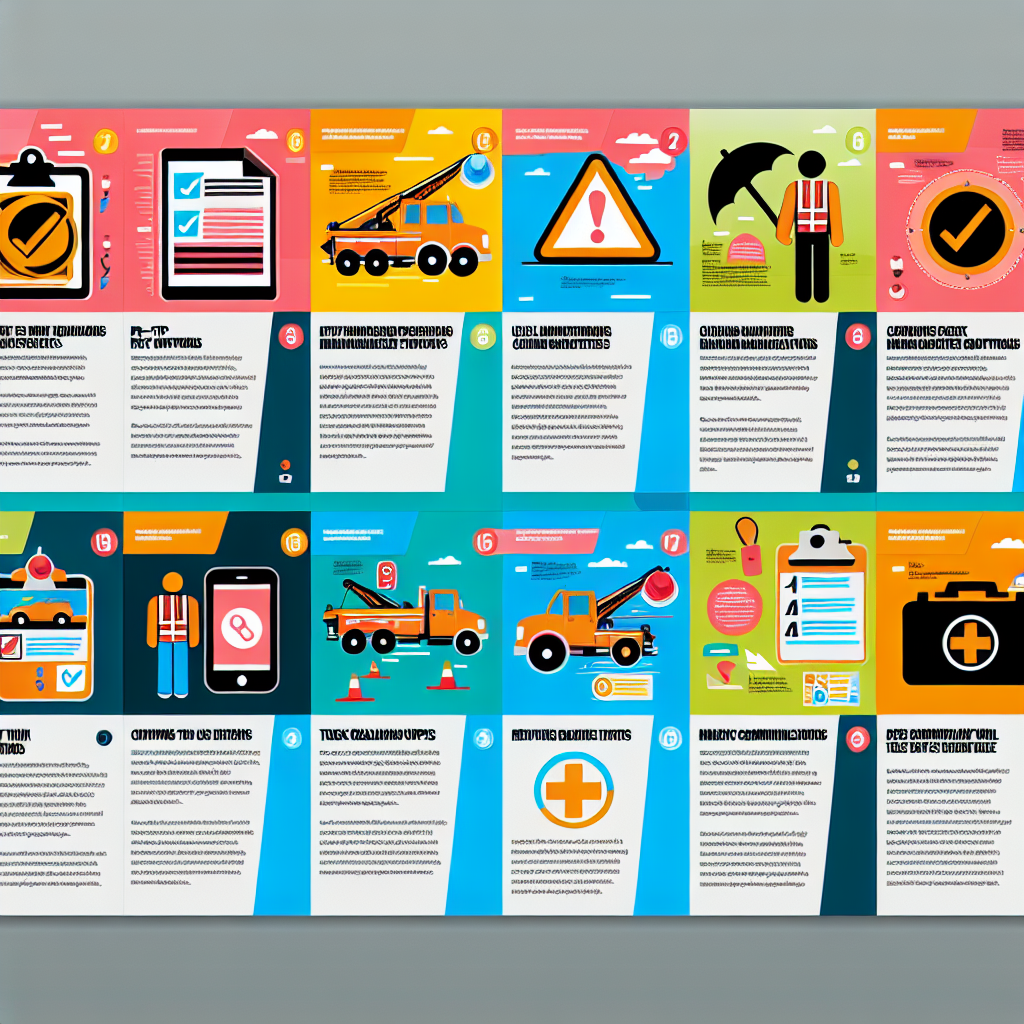
- Stay Informed on Recalls: Regularly check updates from the National Highway Traffic Safety Administration (NHTSA) and manufacturer websites for the latest recall information pertinent to your fleet.
- Conduct Pre-Trip Inspections: Before starting work, inspect the tow truck and any vehicles to be towed for any signs of issues, such as defective lighting or door latches.
- Utilize Spotters: When towing large vehicles or operating in tight spaces, use spotters to guide the operation and ensure safety and visibility.
- Follow Manufacturer Guidelines: Adhere strictly to the manufacturer’s guidelines for towing capacities and recommended practices to prevent accidents.
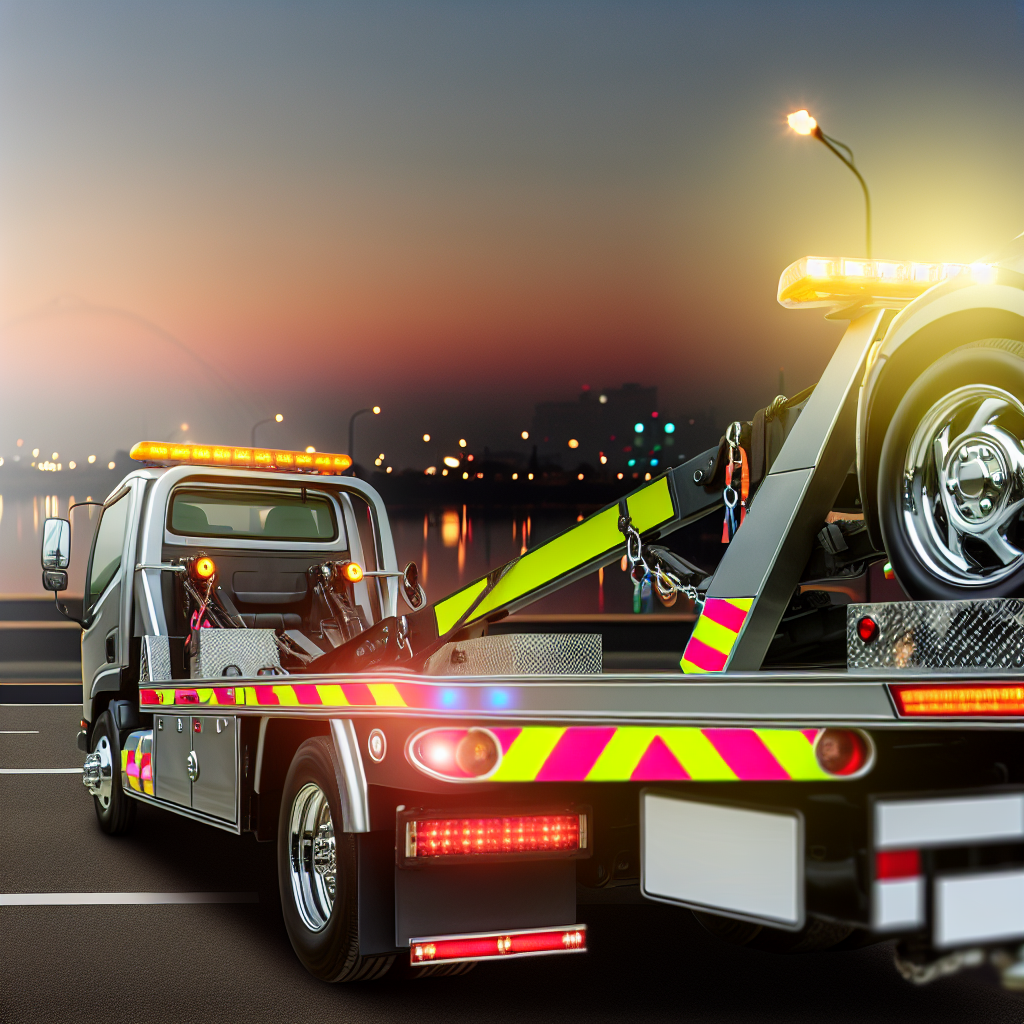
- Enhance Visibility: Equip tow trucks with high-visibility gear, including reflective signs and proper lighting, to alert other drivers, especially when on busy highways or during nighttime operations.
- Provide Safety Training: Regularly train staff on safety protocols, emergency procedures, and the potential hazards of vehicle recalls to increase awareness and preparedness.
- Keep Communication Open: Maintain constant communication with dispatch and other tow operators during assignments to stay informed about potential risks and changes in operational plans.
- Assess Weather Conditions: Always check and factor in weather conditions before carrying out towing to adjust plans and ensure safety appropriately.
- Have Emergency Kits: Ensure that your tow truck is equipped with emergency kits that include first aid supplies, flares, and tools for minor repairs or vehicle safety checks.
By implementing these safety tips, tow truck operators can significantly reduce risks and enhance operational safety in light of vehicle recalls and inspections.
Safety Tips for Tow Truck Operators
- Stay Informed on Recalls: Regularly check updates from the National Highway Traffic Safety Administration (NHTSA) and manufacturer websites for the latest recall information pertinent to your fleet.
- Conduct Pre-Trip Inspections: Before starting work, inspect the tow truck and any vehicles to be towed for any signs of issues, such as defective lighting or door latches.
- Utilize Spotters: When towing large vehicles or operating in tight spaces, use spotters to guide the operation and ensure safety and visibility.
- Follow Manufacturer Guidelines: Adhere strictly to the manufacturer’s guidelines for towing capacities and recommended practices to prevent accidents.
- Enhance Visibility: Equip tow trucks with high-visibility gear, including reflective signs and proper lighting, to alert other drivers, especially when on busy highways or during nighttime operations.
- Provide Safety Training: Regularly train staff on safety protocols, emergency procedures, and the potential hazards of vehicle recalls to increase awareness and preparedness.
- Keep Communication Open: Maintain constant communication with dispatch and other tow operators during assignments to stay informed about potential risks and changes in operational plans.
- Assess Weather Conditions: Always check and factor in weather conditions before carrying out towing to adjust plans and ensure safety appropriately.
- Have Emergency Kits: Ensure that your tow truck is equipped with emergency kits that include first aid supplies, flares, and tools for minor repairs or vehicle safety checks.
By implementing these safety tips, tow truck operators can significantly reduce risks and enhance operational safety in light of vehicle recalls and inspections.
By implementing these safety tips, tow truck operators can significantly reduce risks and enhance operational safety in light of vehicle recalls and inspections.
User Adoption and Reactions to Recalls
Recalls involving Volvo and Mack trucks have significantly influenced user reactions concerning safety and insurance awareness.
Recall Highlights:
- Approximately 2,500 Volvo VN trucks were recalled due to defects in the dynamic steering system, increasing the risk of losing control. Mack Trucks also recalled similar model years for the Anthem and Pioneer series.
- Additional issues included over 2,000 VN trucks with trailer lighting failures and over 4,000 trucks concerning door latch malfunctions, highlighting urgent safety concerns.
Insurance and Liability Implications:
While specific data on insurance claims from these recalls is still being collected, trends show that recalls often lead to rising insurance premiums. Reports indicate that fleet insurance costs have risen significantly due to liabilities linked to recalls. Thus, users are urged to stay informed about relevant recalls to manage premiums effectively. Proactive engagement with insurance providers can help ensure safety and compliance in operations.