

In moments of crisis on our highways, one group stands ready to leap into action: truck drivers. Often seen merely as the backbone of our transportation system, these individuals frequently find themselves in the role of first responders during roadside emergencies. Their quick thinking and courageous actions bridge the gap between disaster and safety, as exemplified by stories of heroism like that of Travis Braun, who rescued a woman trapped in a crashed vehicle, or Amity Cataldo, who provided vital aid to the injured after witnessing a truck overturn.
These gripping narratives reveal the emotional toll and responsibility that truck drivers often carry as they confront unexpected challenges. It is time we recognize their crucial contributions and the profound impact they have in keeping our roads safe. Amidst the hum of engines and the clattering of cargo, truck drivers embody courage, readiness, and a commitment to helping others during the most critical moments.
Heroic Acts on the Road
In a heart-stopping incident on a Kansas highway, truck driver Travis Braun displayed remarkable courage and quick thinking that saved a life. Witnessing a horrific accident where a vehicle had flipped onto its side, Braun immediately pulled over to assess the situation. Without hesitation, he rushed to the overturned car, where he found a woman trapped inside, visibly in distress and struggling to escape the wreckage.
Realizing the urgency of the moment, Braun acted swiftly. He called 911 and, while waiting for emergency services to arrive, he attempted to calm the trapped woman, providing her reassurance in a terrifying moment. Knowing time was of the essence, he pushed through the adrenaline and carefully worked to free her from the buckled seatbelt and constrained space of the mangled vehicle. With a combination of strength and strategic thinking, he managed to get her out just as the sound of sirens approached, signaling help was on the way.
Braun’s decisive actions not only saved her life but also highlighted the vital role that truck drivers often play as first responders in emergencies. His experience illustrates how ordinary individuals, equipped with basic knowledge and a will to help, can make critical differences on our highways. This incident serves as a poignant reminder of the courage and responsibility that truck drivers like Braun embody daily while navigating the roads.

The Lifeline in Emergencies
When a truck overturned on a busy interstate, it was Amity Cataldo’s instinctive response that turned a dire situation into a rescue mission. As she drove past the wreckage, the sight of the twisted metal sparked a sense of urgency within her, compelling her to pull over immediately. In those critical moments, she transitioned from a truck driver to a first responder.
Rushing toward the scene, Amity assessed the situation with a clear mind. She noted the driver inside the cab, visibly dazed and struggling to regain composure. With the echoes of chaos around her, Amity’s focus sharpened. She first called for emergency assistance, ensuring professional help was on the way. With a calm demeanor, she approached the driver and offered reassuring words to ease his panic, reminding him that help would arrive shortly.
As the minutes ticked by, Amity took charge of the situation. She used her own emergency kit, applying a makeshift bandage to a minor head injury the driver sustained during the rollover. Her background knowledge from countless roadside encounters empowered her to act effectively, showcasing the essential skills truck drivers often possess. This wasn’t just a moment of aid; it was a testament to the crucial role drivers like Cataldo play in roadside emergencies.
When the paramedics finally arrived, they expressed their gratitude to Amity. Her decisive actions ensured that the driver remained stable during a time of uncertainty and fear. Stories like Amity Cataldo’s highlight the profound impact truck drivers have beyond their primary roles. In emergencies, they can be the lifeline that connects individuals to safety and care, showcasing an often-overlooked aspect of their profession: the heroism nestled in everyday journeys.
When Every Second Counts
On September 15, 2025, truck driver John Bradley found himself in a perilous situation that underscored the critical role truck drivers play as first responders. While at a loading dock in Richmond, Virginia, he noticed a fellow trucker attempting to connect to the wrong trailer. After helping with the trailer connection, Bradley observed that the driver had not fully secured the air lines and was in the process of leaving when he suddenly slumped over the steering wheel, leaving his truck in motion.
Immediately recognizing the urgency of the situation, Bradley sprang into action, understanding that lives could be at risk with the truck now rolling forward. He quickly dialed 911, blocking traffic to create a safe zone around the vehicle. Without a moment’s hesitation, he climbed into the cab to stop the truck, an act that demonstrated not just quick thinking but also immense courage.
As the truck moved forward, Bradley’s actions were pivotal; he managed to take control of the vehicle before it could cause any further chaos. He stayed with the incapacitated driver until emergency medical services arrived. It was later revealed that the driver had experienced a medical emergency due to dangerously low blood sugar levels.
Reflecting on that fateful day, John Bradley stated, “I couldn’t leave him because I knew something was wrong. I stayed with him until the ambulance came.” His decisive actions and readiness to act in a moment of crisis emphasize the impact that truck drivers can have beyond just delivering cargo. Their intervention can be the difference between life and death, highlighting the importance of training and awareness for all drivers on the road. John Bradley’s story is a compelling reminder that every second counts in emergencies and that ordinary people can make extraordinary differences when the situation demands it.
Statistics on Truck Driver Interventions
Truck drivers often serve as crucial first responders in roadside emergencies, bridging the gap between an accident and necessary medical assistance. While comprehensive statistics detailing these interventions are limited, various reports and studies illustrate the significant role truck drivers play in ensuring safety on our highways.
In recent years, the National Institute for Occupational Safety and Health (NIOSH) found that nearly 2.6% of long-haul truck drivers reported being involved in a crash during 2010. This statistic indicates that many drivers not only witness accidents but are often present when emergencies occur, allowing them to intervene effectively (NIOSH). Furthermore, initiatives by the Federal Motor Carrier Safety Administration (FMCSA) revealed that roadside safety inspections and enforcement programs contributed to saving 472 lives in just one year, highlighting the proactive impact of truck drivers (FMCSA).
Additionally, the implementation of electronic logging devices (ELDs) has reportedly led to an 11.7% reduction in total crash rates, reflecting the trucking industry’s commitment to improving safety standards and the role of truck drivers in avoiding potential emergencies (MDPI). Moreover, a study published in 2017 pointed out that truck drivers with multiple medical conditions face a higher risk of preventable crashes, reinforcing the need for continuous health assessments among drivers (PubMed).
These statistics collectively emphasize not only the risks that truck drivers encounter on the road but also their potential to act as first responders in emergencies. Their presence and readiness to assist during roadside incidents play an invaluable role in maintaining highway safety and can indeed be lifesaving. Recognizing their contributions highlights the necessity of further support and training for drivers, equipping them to handle emergencies even more effectively.
Truck drivers frequently find themselves as first responders at accident scenes, especially in remote areas where they are often the first to arrive. In Australia, nearly 70% of truck drivers have been first responders to road accidents, highlighting their critical role in providing immediate assistance before emergency services can reach the scene (Orange Hino).
However, specific statistics quantifying the number of lives saved through truck drivers’ interventions are not readily available. The broader context underscores the importance of immediate response in accident scenarios. For instance, survival rates increase by 13% for every minute that first responders arrive sooner at the scene of a severe collision (Work Truck Online).
This data suggests that the prompt actions of truck drivers as first responders can significantly impact survival outcomes, though precise figures on lives saved are not documented.
| Name | Situation | Action Taken | Outcome |
|---|---|---|---|
| Travis Braun | Witnessed a woman trapped in a crashed car | Pulled over, called 911, and freed the woman from her seatbelt while calming her until help arrived | Saved the woman’s life |
| Amity Cataldo | Saw a truck overturn with an injured driver | Administered first aid using her emergency kit and reassured the driver while waiting for paramedics to arrive | Stabilized the driver until help arrived |
| John Bradley | Observed another driver slumping over at a dock | Dialed 911, blocked traffic, and stopped the moving truck to prevent further disaster, staying with the driver | Helped the driver before paramedics arrived |
In conclusion, recognizing truck drivers as first responders is crucial to understanding their vital role during roadside emergencies. As demonstrated through the heroic actions of drivers like Travis Braun, Amity Cataldo, and John Bradley, these individuals frequently rise to the occasion, displaying remarkable bravery and quick thinking in high-pressure situations. Their interventions can often mean the difference between life and death, highlighting their potential impact on overall highway safety. To further empower these unsung heroes, it is imperative that we advocate for supportive policies and comprehensive training programs that equip truck drivers with the skills and knowledge necessary to respond effectively in crises. Providing formal education and resources not only validates their contributions but also enhances the safety of all road users. The time has come to acknowledge and support the frontline role that truck drivers play, ensuring they are prepared to meet the challenges that arise on our highways.
Call to Action
Let us join hands in supporting truck driver training initiatives. Advocate for policies that promote educational resources, encourage local programs aimed at enhancing emergency response training, and recognize the invaluable contributions made by truck drivers. By investing in their training, we not only benefit the drivers themselves but also ensure the safety and well-being of all road users. Together, we can make a difference!
Key Statistics on Truck Driver Interventions
- Nearly 2.6% of long-haul truck drivers were involved in a crash in 2010, indicating their frequent presence during emergencies.
- Roadside safety inspections and enforcement programs by FMCSA saved 472 lives in a single year.
- Implementation of electronic logging devices (ELDs) led to an 11.7% reduction in total crash rates, showcasing improvements in safety standards.
- Truck drivers with multiple medical conditions are at a higher risk of preventable crashes, emphasizing the need for ongoing health assessments.
- In Australia, nearly 70% of truck drivers have acted as first responders to road accidents.
- Survival rates increase by 13% for every minute first responders arrive sooner at accident scenes, underlining the crucial impact of prompt interventions by truck drivers.
Additional Resources on Emergency Response Training for Truck Drivers
For those looking to deepen their understanding and skills in emergency response, various training resources are available:
- National TIM Responder Training: A 4-hour course by the Federal Highway Administration that focuses on Traffic Incident Management (TIM), designed for responders including truck drivers.
- Emergency Response Driver Programme by IRU: This program emphasizes risk mitigation for drivers involved in emergency response services, covering essential skills for managing emergencies correctly.
- Professional Driver Enrichment by Michigan Center for Truck Safety: Offers an interactive online training program with hands-on exercises that improve emergency maneuvers and response techniques.
- Emergency Vehicle Operator Course (EVOC) Series by FireRescue1 Academy: This series equips first responders, including truck drivers, with skills to operate emergency vehicles safely.
- Emergency Vehicle Operations Training by Vector Solutions: Provides online courses focusing on emergency vehicle operations, enhancing safety and response in emergencies.
These resources emphasize the necessity of training for truck drivers to effectively respond to emergency situations, enhancing safety for all road users and reinforcing their role as first responders.
Statistics on Truck Driver Interventions
Truck drivers often serve as crucial first responders in roadside emergencies, bridging the gap between an accident and necessary medical assistance. While comprehensive statistics detailing these interventions are limited, various reports and studies illustrate the significant role truck drivers play in ensuring safety on our highways.
In recent years, the National Institute for Occupational Safety and Health (NIOSH) found that nearly 2.6% of long-haul truck drivers reported being involved in a crash during 2010. This statistic indicates that many drivers not only witness accidents but are often present when emergencies occur, allowing them to intervene effectively (NIOSH). Furthermore, initiatives by the Federal Motor Carrier Safety Administration (FMCSA) revealed that roadside safety inspections and enforcement programs contributed to saving 472 lives in just one year, highlighting the proactive impact of truck drivers (FMCSA).
Additionally, the implementation of electronic logging devices (ELDs) has reportedly led to an 11.7% reduction in total crash rates, reflecting the trucking industry’s commitment to improving safety standards and the role of truck drivers in avoiding potential emergencies (MDPI). Moreover, a study published in 2017 pointed out that truck drivers with multiple medical conditions face a higher risk of preventable crashes, reinforcing the need for continuous health assessments among drivers (PubMed).
These statistics collectively emphasize not only the risks that truck drivers encounter on the road but also their potential to act as first responders in emergencies. Their presence and readiness to assist during roadside incidents play an invaluable role in maintaining highway safety and can indeed be lifesaving. Recognizing their contributions highlights the necessity of further support and training for drivers, equipping them to handle emergencies even more effectively.
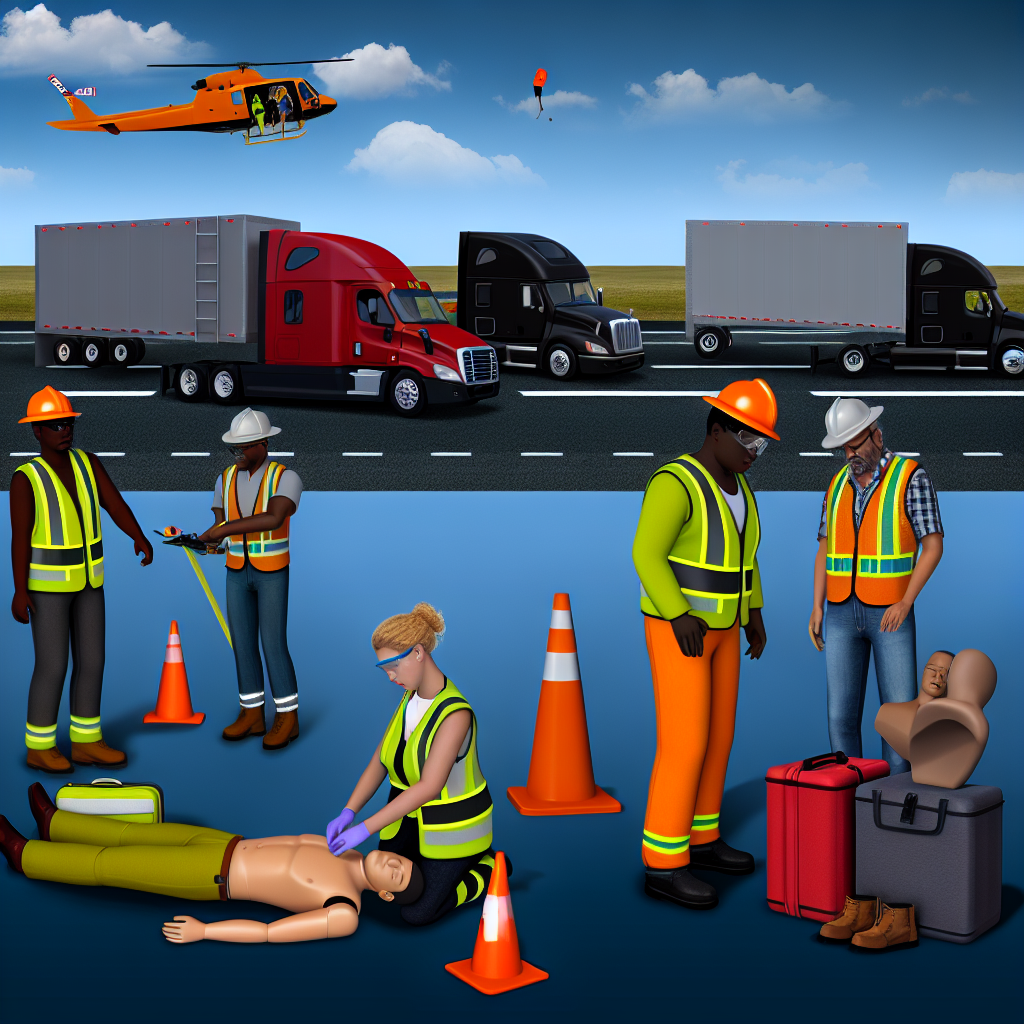
Truck drivers frequently find themselves as first responders at accident scenes, especially in remote areas where they are often the first to arrive. In Australia, nearly 70% of truck drivers have been first responders to road accidents, highlighting their critical role in providing immediate assistance before emergency services can reach the scene (Orange Hino).
However, specific statistics quantifying the number of lives saved through truck drivers’ interventions are not readily available. The broader context underscores the importance of immediate response in accident scenarios. For instance, survival rates increase by 13% for every minute that first responders arrive sooner at the scene of a severe collision (Work Truck Online).
This data suggests that the prompt actions of truck drivers as first responders can significantly impact survival outcomes, though precise figures on lives saved are not documented.
Conclusion
In conclusion, the role of truck drivers as first responders during roadside emergencies underscores the importance of incorporating emergency response training into their professional development. This not only prepares them to act swiftly and effectively in critical situations but also enhances the overall safety of the highways they travel.
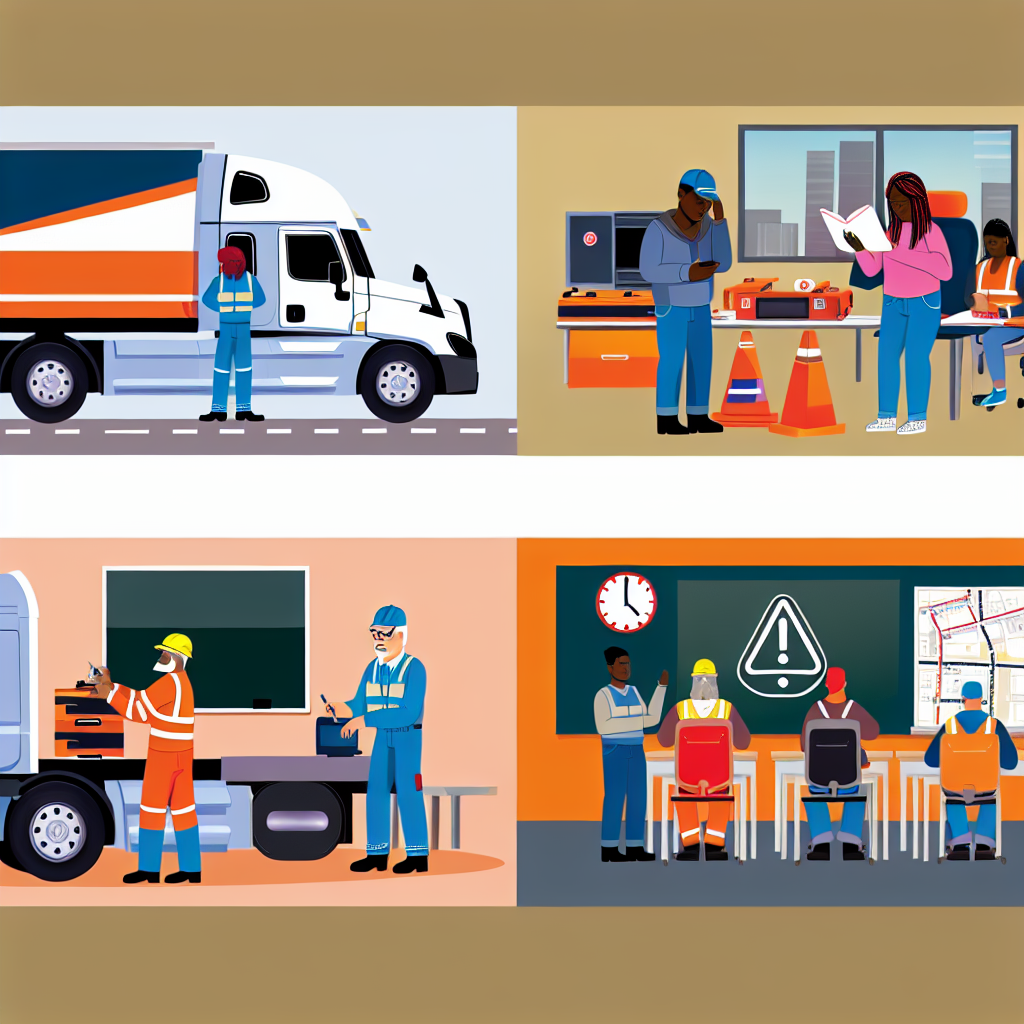
Training programs should focus on equipping drivers with the necessary skills and knowledge to handle emergencies, including understanding medical emergencies, quick assessment of accident scenes, and effective communication with dispatch and emergency services. It is vital to recognize the tactical educational efforts that can turn truck drivers into life-saving heroes during critical incidents on the road. Investing in their training will lead to safer roads for everyone and empower these drivers to thrive in their impactful role.
Let us support initiatives that promote emergency response training, enhance safety protocols, and improve truck safety standards. Together, we can ensure truck drivers are prepared to respond to emergencies, ultimately safeguarding lives on our highways.