
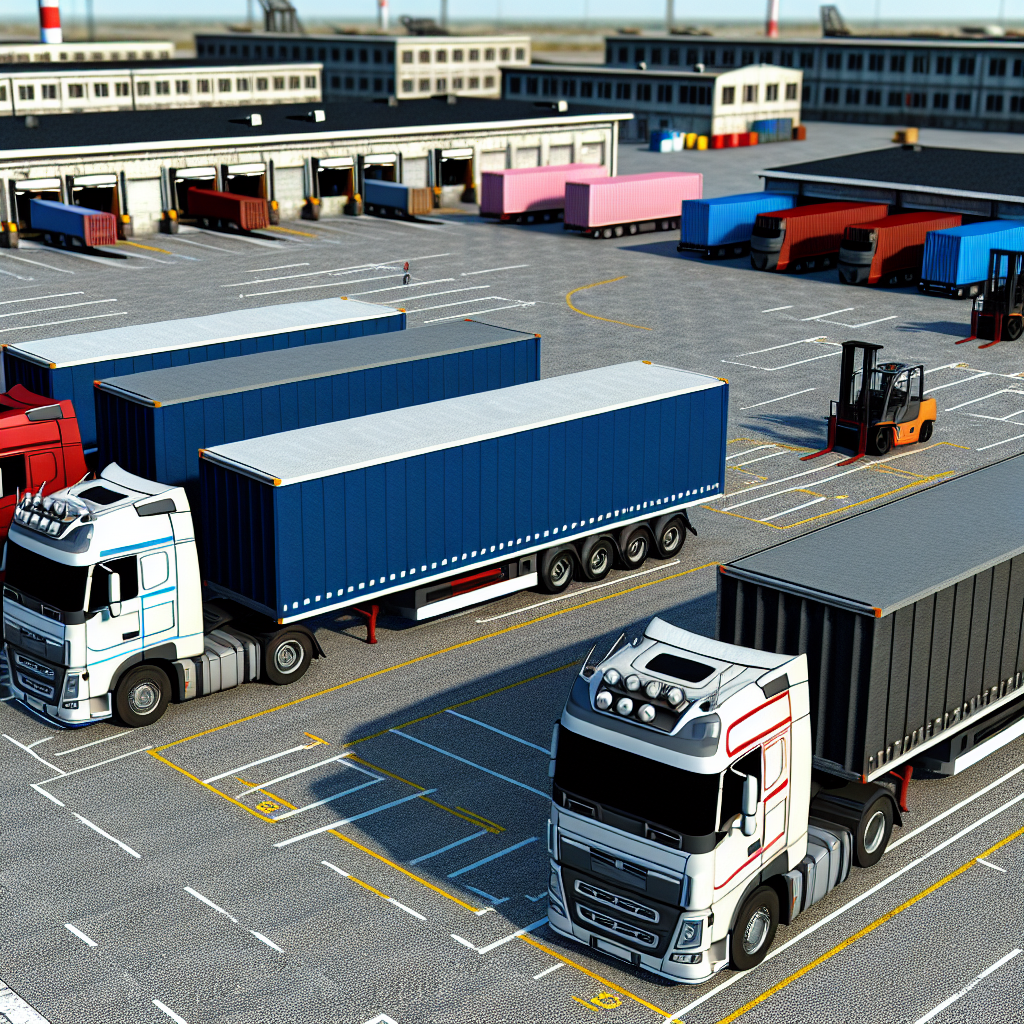
As the deadline looms for the newly imposed 25% tariff on imported heavy-duty trucks, the towing industry faces a seismic shift that threatens to ripple through its very foundation. This significant escalation in costs could reshape fleet investment strategies and alter service pricing for towing operations nationwide. Businesses from major manufacturers like Peterbilt and Kenworth to small towing service providers find themselves grappling with not just rising expenses but also the urgency to adapt to a changing marketplace. As heavy-duty towing companies prepare for these challenges, comprehending the full implications of this tariff is paramount—it’s not just a financial burden; it may redefine competitive dynamics and consumer access to vital towing services. With stakeholders on high alert, the industry must navigate this new terrain thoughtfully, or risk losing ground in an already complex economic landscape.
Impact of Tariffs on Pricing
The recent 25% tariff on imported heavy-duty trucks has had profound implications for towing companies, influencing both operational costs and service pricing for customers. One immediate effect of the tariff is the significant increase in vehicle costs. According to the American Trucking Associations (ATA), the tariff could raise the cost of a new Class 8 truck by nearly $30,000. This increase is added to an existing upward trend; from 2021 to 2023, the average price of Class 8 tractors climbed from approximately $140,000 to $170,000—a notable 21% rise.
In the context of tow truck operations, these heightened costs can substantially impact profit margins. The ATA points out that most trucking companies possess limited capacity to absorb these increased expenses, making it vital for towing operators to carefully evaluate their fleet upgrade plans. Many may find themselves compelled to delay the acquisition of new vehicles or extend the operational lifespan of older trucks. Consequently, this could lead to a rise in maintenance costs and a decline in operational efficiency.
While towing companies grapple with higher operational costs from increased vehicle prices, the highly competitive nature of the industry complicates their ability to transfer these costs to customers. Given that the towing sector comprises hundreds of thousands of participants, many operators discover that passing additional expenses directly onto their customers is arduous, if not impossible. This reality can lead to a tightening of profit margins, forcing towing companies to rethink their pricing strategies.
The situation is further complicated by supply chain disruptions resulting from the tariffs, which have resulted in longer lead times for acquiring new vehicles and replacement parts. Such delays can hinder a towing company’s operations and affect their ability to deliver timely services, impacting customer satisfaction levels.
In summary, the 25% tariff on imported heavy-duty trucks not only raises costs for towing companies but also disturbs service pricing strategies, creating a ripple effect that may reduce access to essential towing services for customers. How these companies navigate these challenges will largely determine their operational sustainability and customer retention in the face of rising costs.
User Adoption Trends in Heavy-Duty Trucks Post-Tariff Implementation
Since the introduction of a 25% tariff on imported heavy-duty trucks starting October 1, 2025, the industry has seen significant shifts in ownership and usage patterns, particularly affecting the towing sector. Here are the critical observations based on recent data and analysis:
- Decline in Heavy-Duty Truck Sales
Heavy-duty truck sales have dropped substantially post-tariff, with year-over-year sales in September 2025 falling by 25.6%. In the third quarter of 2025, Daimler Truck’s North American sales plummeted nearly 40%, from 50,375 units to just 30,225 units. This decline indicates that the financial burden imposed by tariffs has led many towing companies and other stakeholders to postpone or reconsider their purchase of new trucks. - Increased Costs and Strategic Shifts
The tariffs have escalated manufacturing costs for U.S.-based heavy-duty truck manufacturers due to increased prices for imported steel, aluminum, and copper. Consequently, firms are turning to sourcing components from Mexico to benefit from duty-free provisions under the USMCA. As a result, trucks produced in the U.S. now carry a 3% cost premium compared to USMCA-compliant models from Mexico. This shift could prove beneficial for towing companies that can adapt by sourcing vehicles compliant with the USMCA guidelines. - Impact on Towing Companies
The 25% tariffs have placed greater financial strain on towing operators by heightening acquisition and maintenance costs for heavy-duty trucks. As a result, many operators are compelled to tighten budgets and slow fleet modernization initiatives. With projections estimating an 11% drop in production for 2026, towing companies must strategize on how to navigate these challenges and possibly explore alternative service offerings or partnerships to maintain competitiveness. - Looking Ahead
As the market adjusts to these tariff-induced challenges, the heavy-duty truck industry—including the towing sector—faces a pivotal moment that may redefine operational strategies. This entails re-evaluating purchasing practices, enhancing cost management, and possibly diversifying service offerings to better align with a changing economic landscape.
In conclusion, the impact of tariffs on heavy-duty truck ownership and use signals significant adjustments within the towing industry, and those that effectively adapt to these conditions will play a crucial role in shaping the future of towing services.
Impact of Tariffs on Pricing
The recent 25% tariff on imported heavy-duty trucks has had profound implications for towing companies, influencing both operational costs and service pricing for customers. One immediate effect of the tariff is the significant increase in vehicle costs. According to the American Trucking Associations (ATA), the tariff could raise the cost of a new Class 8 truck by nearly $30,000. This increase is added to an existing upward trend; from 2021 to 2023, the average price of Class 8 tractors climbed from approximately $140,000 to $170,000—a notable 21% rise.
In the context of tow truck operations, these heightened costs can substantially impact profit margins. The ATA points out that most trucking companies possess limited capacity to absorb these increased expenses, making it vital for towing operators to carefully evaluate their fleet upgrade plans. Many may find themselves compelled to delay the acquisition of new vehicles or extend the operational lifespan of older trucks. Consequently, this could lead to a rise in maintenance costs and a decline in operational efficiency.
While towing companies grapple with higher operational costs from increased vehicle prices, the highly competitive nature of the industry complicates their ability to transfer these costs to customers. Given that the towing sector comprises hundreds of thousands of participants, many operators discover that passing additional expenses directly onto their customers is arduous, if not impossible. This reality can lead to a tightening of profit margins, forcing towing companies to rethink their pricing strategies.
The situation is further complicated by supply chain disruptions resulting from the tariffs, which have resulted in longer lead times for acquiring new vehicles and replacement parts. Such delays can hinder a towing company’s operations and affect their ability to deliver timely services, impacting customer satisfaction levels.
In summary, the 25% tariff on imported heavy-duty trucks not only raises costs for towing companies but also disturbs service pricing strategies, creating a ripple effect that may reduce access to essential towing services for customers. How these companies navigate these challenges will largely determine their operational sustainability and customer retention in the face of rising costs.
| Truck Brand | Type | Price ($) | Tariff Impact ($) |
|---|---|---|---|
| Peterbilt | Domestic | 160,000 | None |
| Kenworth | Domestic | 155,000 | None |
| Freightliner | Domestic | 150,000 | None |
| Volvo | Imported | 180,000 | +30,000 due to tariff |
| International | Imported | 175,000 | +30,000 due to tariff |
Comparison Summary
Domestic Trucks: Prices for brands like Peterbilt, Kenworth, and Freightliner are based on the U.S. manufacturing base and currently face no direct tariff increases.
Imported Trucks: Models from Volvo and International are seeing price increases attributed to the new 25% tariff, adding significant costs to buyers.
Adaptations of Towing Companies
As heavy-duty towing companies face the rising costs associated with the recent 25% tariffs on imported trucks, many are pivoting their strategies to adapt effectively. Here are the prominent adaptations being observed in the industry:
-
Adjusting Pricing Structures
With operational costs on the rise, towing companies are revisiting their pricing models. This includes employing strategies to ensure competitive pricing while still accounting for increased costs. Some companies are lobbying for higher towing rates and incorporating automatic adjustments linked to inflation metrics like the Consumer Price Index (CPI) to sustain profitability in the long run.
-
Investing in Specialized Equipment
As the automotive market evolves, particularly with the rise of hybrid and electric vehicles that necessitate different towing techniques, firms are investing in specialized equipment. This includes flatbed trucks and dollies tailored for safely transporting these modern vehicles. By doing so, towing companies not only comply with new vehicle technologies but also enhance their service capabilities amidst shifting market demands.
-
Enhancing Roadside Assistance Services
The increase in older vehicles on the road has concurrently raised the demand for roadside assistance. Towing companies are responding by strengthening partnerships with insurance providers and roadside assistance networks. This not only broadens their service scope but also positions them favorably in a competitive market, allowing them to cater to a growing customer base seeking immediate assistance.
-
Diversifying Service Offerings
The surge in the used car market has shifted some towing companies’ focus toward vehicle transport. Companies are expanding their services to include transportation between dealerships and auction houses, which provides a valuable revenue stream that can help mitigate the impacts of the tariffs. This strategic diversification aids in stabilizing income sources in uncertain economic conditions.
When considering companies like RK Logistics and Wabash, the adaptations mirrored in the broader industry trends also apply here. While specific adaptations from these companies in direct response to tariffs are less documented, the trends show a strong emphasis on local manufacturing investments, supply chain diversification, and leveraging favorable trade agreements when possible. For instance, Wabash has established new Parts & Service centers, allowing for better operational efficiency, especially in facing tariff-induced delays on equipment and parts.
In summary, the adaptations by towing companies reveal a proactive approach to not only survive but thrive in a transforming market landscape. The strategies being employed emphasize resilience and an unwavering commitment to service quality even in the face of economic challenges.
Summary of Commenter Reactions from Industry Stakeholders
The recent implementation of a 25% tariff on imported heavy-duty trucks has elicited strong reactions from various stakeholders within the towing community. Their concerns center around price increases and the potential disruptions to competition.
Concerns Over Price Increases
Industry leaders are alarmed at the projected price hikes resulting from the tariffs. Chris Spear, President & CEO of the American Trucking Associations (ATA), pointed out that the tariffs could inflate the cost of a new tractor by as much as $35,000. Such increases are financially burdensome for small carriers and could add tens of millions of dollars in additional operational costs for larger fleets. This apprehension underscores the sentiments in the towing industry regarding the impact of inflated truck prices on service affordability and operational viability.
The U.S. Chamber of Commerce has further amplified these concerns, highlighting that the trucking industry is already facing record-high operational costs, averaging $2.27 per mile in 2023. The possibility that towing companies will delay purchasing new trucks and instead prolong using their current fleet can lead to increased maintenance expenses. This scenario compounds the financial strain on operators.
Tactical Adjustments by Stakeholders
Towing operators are bracing for an evolving competitive landscape as the tariffs influence purchasing behavior. Dan Moyer, a senior analyst at FTR, indicated that the tariffs could raise the cost of Class 8 trucks by 15-24%. He observed a clear reluctance among fleet buyers to make new purchases. This reluctance could lead dealers to limit stocking models that carry these tariff charges for fear of financial losses if the tariffs are revoked.
Kyle Treadway, dealer principal at Kenworth Sales Company, shared that inventories are being meticulously adjusted to reflect the rising costs stemming from tariffs. This adjustment strategy highlights the industry-wide caution regarding orders of new trucks with inflated prices, reflecting uncertainty surrounding future tariff policies.
The ATA has warned of a significant decline in truck manufacturing if these tariffs persist. Such a situation may lead to extended trade cycles and decreased new truck purchases, which could also curtail parts manufacturing for new trucks. This would potentially lead to supply shortages in an already strained market.
Conclusion
The collective feedback from industry stakeholders reveals a landscape rife with challenges precipitated by the new tariffs. Increased costs, cautious purchasing practices, and reevaluation of competitive strategies are prevalent in the towing community. As these economic pressures mount, firms will need to innovate and adapt to maintain their market position and ensure customer access to necessary services.
Conclusion
The introduction of the 25% tariff on imported heavy-duty trucks represents a pivotal moment for the towing industry, with repercussions that will be felt in both the immediate and long-term future. As the landscape shifts, towing companies are grappling with rising vehicle costs that are likely to become a permanent fixture in their operational reality. The anticipated price inflation—potentially adding thousands of dollars to the cost of trucks—poses a significant threat to profit margins and service affordability, crucial elements for maintaining competitive edge within the industry.
In response to these economic pressures, many towing businesses are strategizing on multiple fronts. Price adjustment maneuvers are being implemented to navigate the increasing costs, while some operators are extending the life cycles of their current fleets to avoid purchasing expensive new vehicles too soon. These adaptations not only underscore the urgent need for financial maneuvering but also highlight a broader shift in how services are priced and offered.
Moreover, the changes ushered in by the tariff have prompted numerous companies to consider diversification of services—shifting towards market demands such as roadside assistance for older vehicles or specialized transport solutions. Such strategies are critical as they allow firms to enhance their competitiveness against the backdrop of fluctuating costs.
In summary, the tariff does not just affect the immediate economics of towing operations; it catalyzes a sweeping reevaluation of industry tactics and strategies. As towing companies adopt these adaptive measures, their ability to endure and thrive will significantly depend on how well they calibrate pricing with operational models to retain service quality and customer loyalty. The real challenge going forward will be leveraging these changes to create a resilient and sustainable business in an ever-evolving market landscape, underscoring the lasting impact that this tariff will have on shaping the future of the towing industry.
The Role of USMCA in the Tariff Landscape
The U.S.-Mexico-Canada Agreement (USMCA) plays an essential role in moderating the impact of the 25% tariffs imposed on imported medium- and heavy-duty trucks and parts, which took effect on November 1, 2025. By establishing preferential tariff treatment for qualifying vehicles and components, the USMCA provides a crucial mechanism for manufacturers navigating the new tariff environment.
Under the USMCA, vehicles and parts must meet specific regional value content (RVC) requirements to qualify for the reduced tariff rates. As these RVC standards are set to increase from 64% to 70% by July 1, 2027, there is an implicit encouragement for manufacturers to source their components domestically within the North American region. This means that trucks and parts meeting these RVC criteria will only incur tariffs on the non-U.S. content portion of their total value, rather than the full imposed rate. Such a structure significantly alleviates the financial burden on manufacturers that adapt their supply chains to comply with USMCA guidelines.
This preferential treatment fosters an environment where costs can be substantially lower for compliant vehicles, as opposed to those that fail to meet the RVC standards, which could face the entire 25% tariff penalty. Hence, firms that prioritize sourcing from the U.S. and Canada may find themselves at a competitive advantage, being able to offer more attractive pricing on their products.
Moreover, the implementation of these tariffs encourages manufacturers to reassess their supply chain decisions. A shift towards greater domestic production not only aims to fulfill the growing demand for heavy-duty trucks but also mitigates reliance on non-USMCA countries, aligning with broader goals of bolstering the North American manufacturing sector.
It’s important to note, however, that companies that do not adapt to the USMCA guidelines may face significant ramifications, including higher operational costs and constrained market access. For manufacturers and suppliers, the imperative to adjust their operations will be critical in maintaining competitiveness in light of these new tariff realities.
In summary, the USMCA establishes a pivotal framework that helps soften the blow of new tariffs on heavy-duty trucks and parts. By incentivizing regional sourcing and production, the agreement aims to strengthen the domestic truck manufacturing landscape, ultimately benefiting the economy while providing much-needed integrations across the North American automotive industry.
User Adoption Trends in Heavy-Duty Trucks Post-Tariff Implementation
Since the introduction of a 25% tariff on imported heavy-duty trucks starting October 1, 2025, the industry has seen significant shifts in ownership and usage patterns, particularly affecting the towing sector. Here are the critical observations based on recent data and analysis:
Decline in Heavy-Duty Truck Sales
Heavy-duty truck sales have dropped substantially post-tariff, with year-over-year sales in September 2025 falling by 25.6%. In the third quarter of 2025, Daimler Truck’s North American sales plummeted nearly 40%, from 50,375 units to just 30,225 units (reuters.com). This decline indicates that the financial burden imposed by tariffs has led many towing companies and other stakeholders to postpone or reconsider their purchase of new trucks.
Increased Costs and Strategic Shifts
The tariffs have escalated manufacturing costs for U.S.-based heavy-duty truck manufacturers due to increased prices for imported steel, aluminum, and copper. Consequently, firms are turning to sourcing components from Mexico to benefit from duty-free provisions under the USMCA. As a result, trucks produced in the U.S. now carry a 3% cost premium compared to USMCA-compliant models from Mexico (indexbox.io). This shift could prove beneficial for towing companies that can adapt by sourcing vehicles compliant with the USMCA guidelines.
Impact on Towing Companies
The 25% tariffs have placed greater financial strain on towing operators by heightening acquisition and maintenance costs for heavy-duty trucks. As a result, many operators are compelled to tighten budgets and slow fleet modernization initiatives (businessresearchinsights.com). With projections estimating an 11% drop in production for 2026, towing companies must strategize on how to navigate these challenges and possibly explore alternative service offerings or partnerships to maintain competitiveness (reuters.com).
Looking Ahead
As the market adjusts to these tariff-induced challenges, the heavy-duty truck industry—including the towing sector—faces a pivotal moment that may redefine operational strategies. This entails re-evaluating purchasing practices, enhancing cost management, and possibly diversifying service offerings to better align with a changing economic landscape.
In conclusion, the impact of tariffs on heavy-duty truck ownership and use signals significant adjustments within the towing industry, and those that effectively adapt to these conditions will play a crucial role in shaping the future of towing services.
| Company Name | Adaptation Strategy | Implementation Timeline | Expected Outcomes |
|---|---|---|---|
| RK Logistics | Local supply chain investments | 2025 | Increased reliability and reduced costs |
| Wabash | New Parts & Service center | 2025 | Enhanced operational efficiency |
| Freightliner | Fleet modernization delayed | 2025 | Higher maintenance due to older fleet |
| Kenworth | Introduction of automatic pricing adjustments | 2025 | Improved profit margins |
| Mack Trucks | Investment in specialized towing equipment | 2025 | Better service for diversified vehicle types |
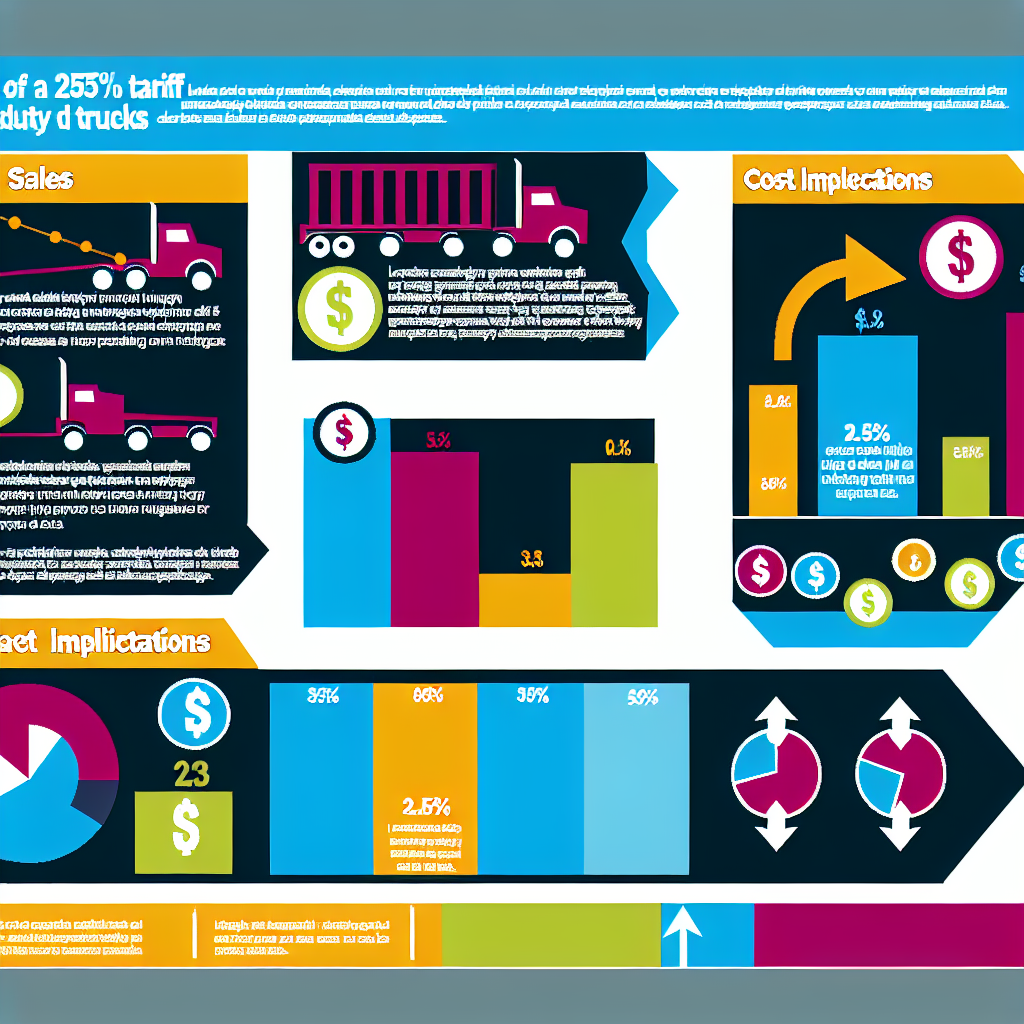
Key Statistics on the Impact of Tariffs:
- Truck Sales Decline: Class 8 truck orders dropped approximately 24% year-over-year as of August 2024, indicating a substantial decrease in demand.
- Cost Implications: The average price of a heavy-duty truck is projected to increase by $25,000 to $30,000 due to the tariffs. The American Trucking Associations estimates that the price of a Class 8 tractor could rise by $30,000 or more, adding financial pressure on trucking companies.
- Market Dynamics: U.S. factories produce about 300,000 medium and heavy trucks annually, while approximately 245,000 units are imported. The tariffs may strain domestic production capacity which is unlikely to meet total market demand. The tariffs could exacerbate a freight recession and tighten capital formation, potentially driving smaller carriers out of the market.
Specific Impact on the Towing Industry:
The towing industry, heavily reliant on heavy-duty trucks, faces increased operational costs due to higher vehicle prices implementing these tariffs, which may lead to reduced profit margins and potential service disruptions. Smaller towing companies may find it harder to absorb these additional costs, which could result in consolidation within the industry.
Call to Action
Don’t miss out on critical updates regarding the heavy-duty towing industry and tariff changes that could affect your business. Subscribe to our newsletter for the latest news and insights!