
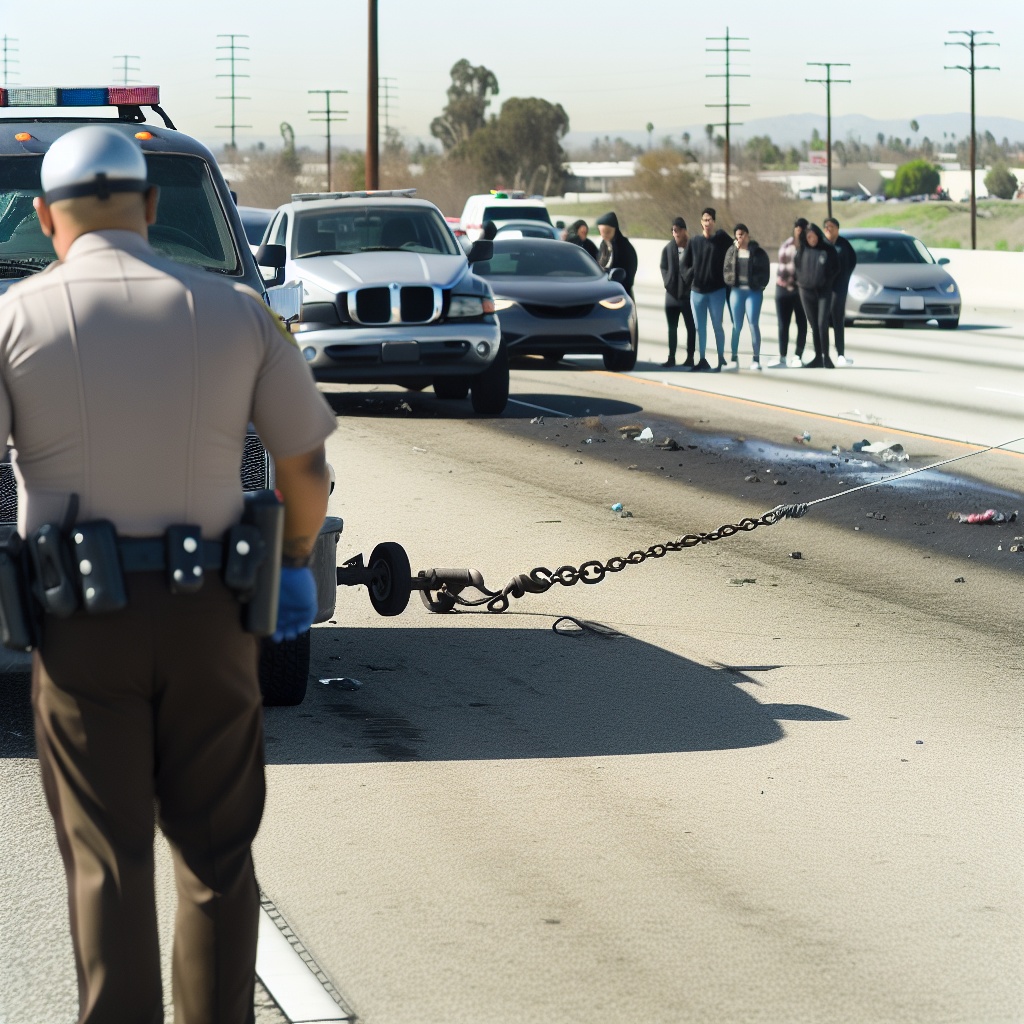
Illegal towing has become a rampant issue that threatens not only the safety of drivers but also the integrity of the towing industry. When desperation meets unscrupulous providers, the results can be dire. From outrageous invoices to dangerous makeshift towing methods, illegal towing poses serious risks on the road. A notorious case saw a big rig towed with nothing more than a metal pipe and chain, an act that highlights the sheer recklessness behind such practices.
This alarming incident underscores the critical importance of selecting safe and legal towing providers whose actions respect both the law and public safety. It is imperative for every driver to be aware of these risks and choose wisely; the consequences of neglecting to do so could be catastrophic.
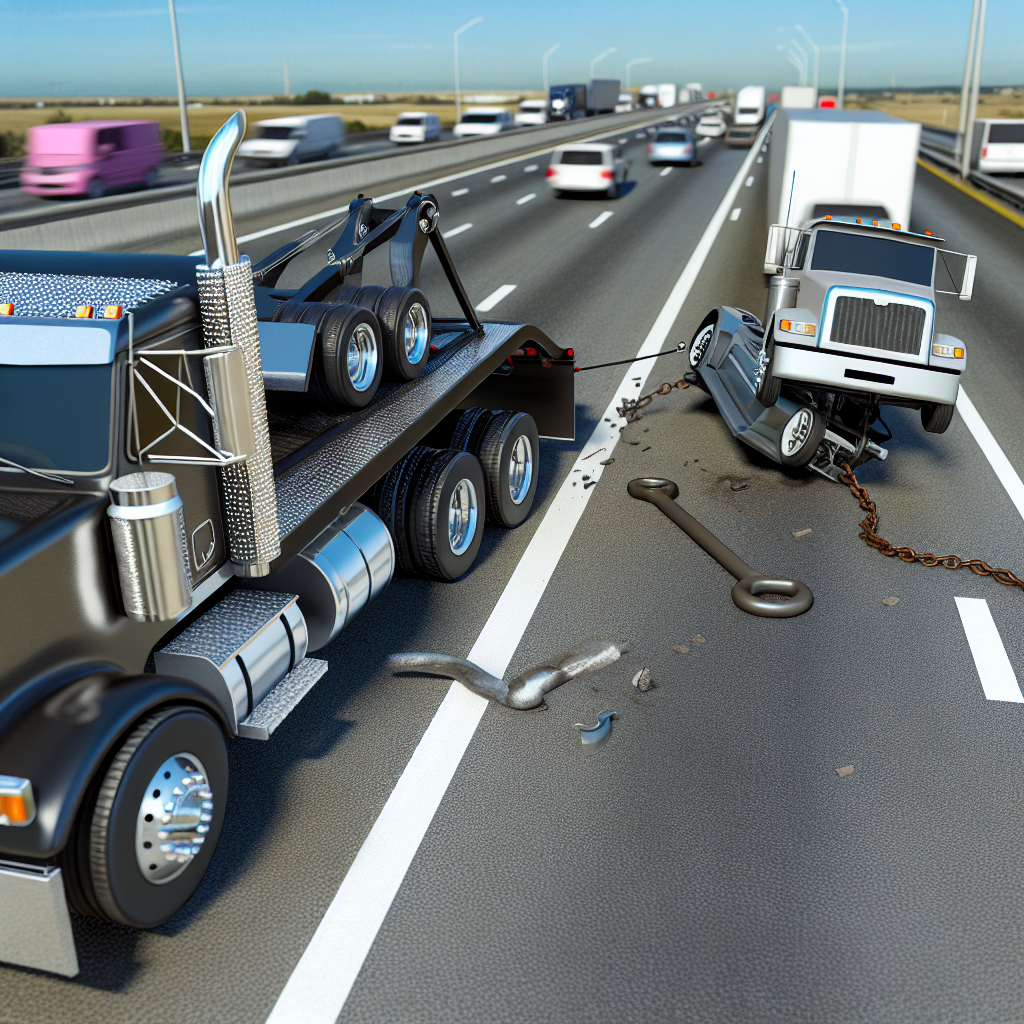
Dangers of Illegal Towing
Illegal towing practices are not only hazardous but can also lead to significant legal troubles. As highlighted by the California Highway Patrol (CHP), “Towing another vehicle with a pipe and some chain is NOT legal or safe!” This quote underscores the lack of safety and legality inherent in these practices.
Safety Risks
- Improper Securement: Failing to secure a vehicle can cause it to detach, leading to potential collisions and injuries.
- Inadequate Equipment Maintenance: Using defective or worn-out tools increases the likelihood of catastrophic failures during towing, jeopardizing the safety of everyone on the road.
- Vehicle Control Issues: Makeshift towing setups can result in diminished control over the towed vehicle, contributing to accidents, especially at highway speeds.
Legal Consequences
- Fines and Penalties: Unauthorized or unsafe towing practices can lead to substantial fines.
- License Suspension: Companies violating towing regulations may face suspension or revocation of their licenses.
- Criminal Charges: In some cases, illegal towing can result in misdemeanor charges, with fines reaching up to $2,500 in jurisdictions like California.
Financial Implications
- Excessive Charges: A significant portion of towing invoices may include hidden charges, adding to unexpected expenses for vehicle owners.
- Liability Risks: Engaging in illegal towing can expose individuals to liability for damages caused during improper towing practices.
Understanding the dangers posed by illegal towing is vital for maintaining safety and legality on the roads. Choosing licensed and reputable towing services is crucial to preventing potential accidents and legal complications.
Warning Signs of a Potentially Illegal or Unsafe Towing Provider
When selecting a towing provider, it is vital to remain vigilant and aware of warning signs that may indicate illegal or unsafe practices. Here is a checklist of red flags to watch for:
- Lack of proper licensing and insurance: A reputable towing company should readily provide proof of their credentials. Without the appropriate licenses or insurance, they may not be operating legally.
- Poor vehicle condition: If the tow truck appears in disrepair, this could be a sign that the company does not prioritize safety and maintenance.
- Unprofessional behavior: Rude or evasive responses to questions about prices, services, and protocols may indicate a provider lacking in professionalism and integrity.
- Absence of clear pricing structure: If the towing provider cannot offer a transparent and itemized price list, this lack of clarity could lead to unexpected charges or scams.
- Improper equipment: A professional towing service should have industry-standard equipment. Using makeshift tools, like a metal pipe or chains for towing, signals unsafe practices.
- Extreme discounts or offers that seem too good to be true: If a company’s prices are significantly lower than competitors, it may be an indication that they are cutting corners on safety or legality.
- Negative online reviews or complaints: Research online for reviews and complaints about the provider. Frequent negative feedback related to illegal practices or safety concerns is a notable warning sign.
- Pressure tactics: Providers insisting that you must use their services immediately or threatening extra fees for delays should raise red flags about their business ethics.
- Refusal to provide contracts: Legitimate towing services should provide a contract outlining services provided and costs. Withholding this documentation is typically indicative of illegal operation.
Guarding against unsafe and illegal towing practices involves thorough research and carefully scrutinizing potential providers. By recognizing these warning signs, drivers can protect themselves from falling victim to exploitation and unsafe conditions.
| Criteria | Legal Towing Methods | Illegal Towing Practices |
|---|---|---|
| Actions | Utilizes appropriate equipment and certified personnel for towing. | Employs makeshift methods, such as a metal pipe and chain to tow vehicles. |
| Risks | Low risk of accidents if done properly; adheres to safety standards. | High risk of collisions, loss of vehicle control, and injuries. |
| Legal Ramifications | Licensed companies face strict regulations and penalties for non-compliance. | Violators may encounter fines, criminal charges, and potential jail time. |
| Examples | Using a licensed tow truck with proper hitch and safety measures. | Attempting to tow with inadequate equipment, such as a chain and no proper hitch. |
| Insurance Coverage | Insurance coverage protects against damages during towing. | No insurance coverage leads to personal liability for damages caused. |
Legal Implications of Illegal Towing
Illegal towing in California can have grave legal consequences for both towing providers and vehicle owners. Understanding these implications is essential for maintaining lawful practices and safeguarding oneself from punitive actions.
Legal Ramifications for Towing Companies
-
Fines and Penalties:
Towing companies that engage in illegal towing practices face hefty fines. For example, failing to inform law enforcement within one hour of towing a vehicle can lead to misdemeanor charges and fines up to $2,500. This harsh penalty serves to encourage compliance with legal notification protocols. -
Liability for Overcharging:
If a towing company levies excessive fees, they are required to refund the vehicle owner four times the amount that was overly charged. This provision protects consumers from predatory pricing practices, emphasizing the necessity for transparency in fee structures. -
Unauthorized Towing:
Towing a vehicle without proper authorization can lead to significant financial repercussions for the towing firm. In such cases, the towing company may be liable for paying back double the towing and storage fees to the vehicle owner, reinforcing the principle that consent is paramount. -
Criminal Charges:
Operators refusing to release a towed vehicle upon request may face criminal charges. Such actions compromise public trust and safety, warranting serious legal consequences. -
License Suspension:
Frequent violations not only harm a towing company’s reputation but can also result in the suspension or revocation of their operating license. This punitive measure discourages illegal activities within the industry.
Legal Ramifications for Vehicle Owners
-
Right to Sue:
Vehicle owners subjected to illegal towing have the right to sue for damages incurred as a result of the unauthorized towing. This includes claims for lost time and emotional distress experienced during the ordeal. -
Recovery of Overcharges:
Legal avenues underpinning consumer rights enable vehicle owners to recover four times the amount of any unnecessary or exorbitant towing and storage fees they may have paid.
Recent Case Examples
-
CHP’s Continued 30-Day Impound Policy:
Despite a federal court ruling highlighting constitutional violations, the CHP’s implementation of a 30-day vehicle impound policy for unlicensed drivers resulted in numerous lawsuits and heightened scrutiny regarding towing practices and rights violations. -
Assembly Bill 2210:
This legislation was introduced to combat predatory towing, imposing stricter regulations on the towing industry and bolstering protections for vehicle owners against unlawful towing practices.
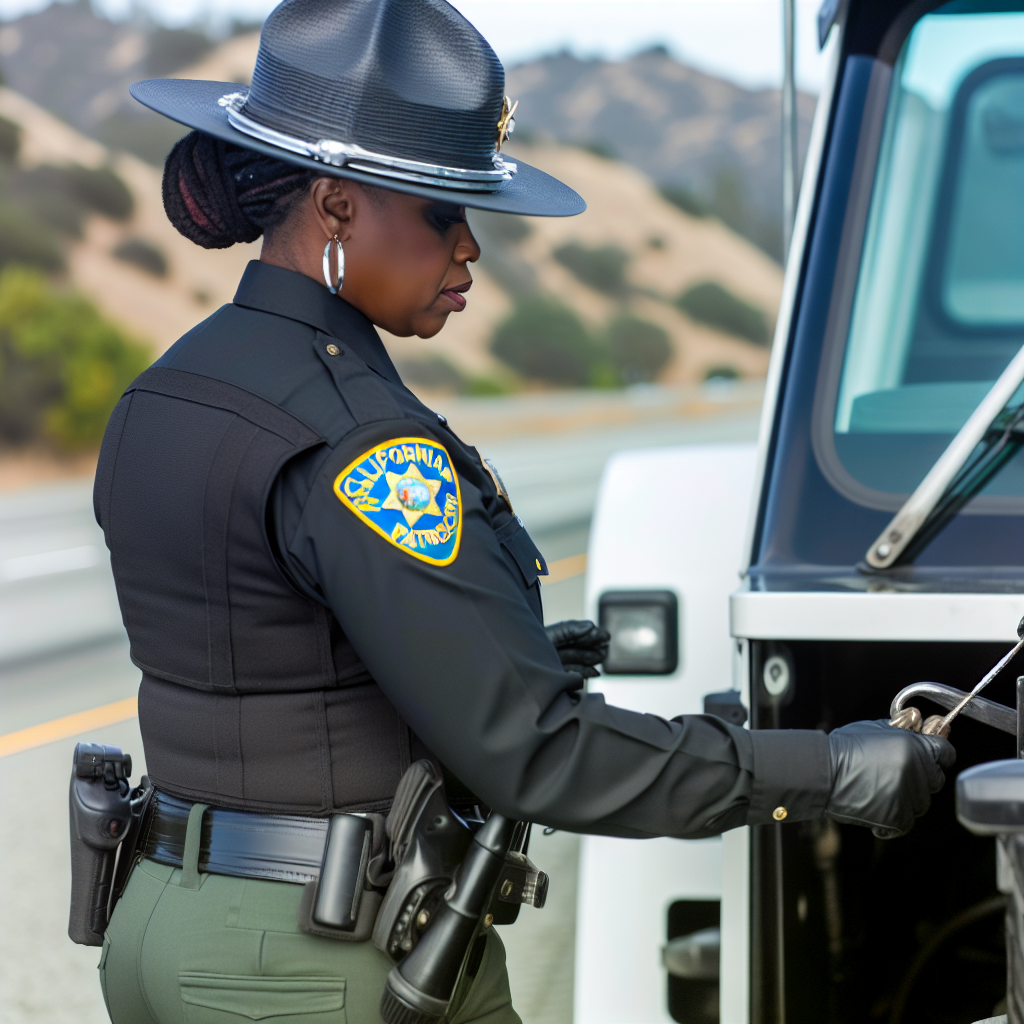
CHP Incident: A Cautionary Tale of Illegal Towing
In October 2025, the California Highway Patrol (CHP) intervened in a dangerous situation involving illegal towing practices on a San Francisco freeway. A concerned motorist alerted authorities about a big rig attempting to tow another tractor-trailer using just a metal pipe and a chain. The CHP found that the towing truck’s brake chambers were dragging on the ground, which indicated severe brake failure and created a significant safety hazard.
The driver was cited, and both trucks were promptly removed from the scene, demonstrating the urgent need for vigilance on the road. CHP officials stated, “Towing another vehicle with a pipe and some chain is NOT legal or safe!” This statement underscores the serious dangers involved in using makeshift equipment for towing, as it can lead to catastrophic accidents and put lives at risk.
Key Facts of the Incident:
- The towing setup involved a metal pipe and chain that lacked proper securement.
- The incident involved trucking equipment that was not functioning correctly, compromising the safety of all road users.
- The CHP emphasized the vital role of alert citizens; without the call from an attentive driver, the situation could have escalated into a severe accident.
Reasons Why This Incident is Crucial
The CHP incident exemplifies several key issues regarding illegal towing:
- Safety Risks: Towing with inadequate equipment can severely compromise vehicle control, increasing the chances of a collision or accidents on the highways. Makeshift arrangements, like using a pipe, are prone to snapping and can result in a vehicle detaching unexpectedly, potentially leading to traffic chaos.
- Legal Implications: California law is strict regarding towing practices. Engaging in illegal towing can lead to hefty fines and criminal charges against the towing provider, as well as lawsuits from vehicle owners who fall victim to fraudulent practices. This incident demonstrates the legal vulnerabilities for both innocent motorists and careless towing providers.
- Public Awareness: The situation illustrates the necessity for awareness among drivers regarding towing practices. Being informed about proper towing methods and recognizing red flags can help protect the public from falling prey to illegal towing scams.
- Community Action: Highlighting the importance of reporting suspicious towing practices, this incident shows how community vigilance can prevent potential disasters and uphold road safety. The CHP urged individuals to report illegal acts, reinforcing the idea that public involvement is crucial in maintaining safety standards.
In conclusion, the CHP incident involving illegal towing with a metal pipe and chain serves as a stark reminder of the inherent dangers of such practices. It highlights the need for drivers to be educated about legal towing methods and to remain cautious when selecting towing services. Upholding safety on the highways is a collective responsibility, and understanding the ramifications of illegal actions is vital for both individual and public safety.
In summary, the importance of choosing safe and legal towing providers cannot be overstated. As highlighted throughout this article, illegal towing practices not only pose significant safety risks but also entail severe legal consequences for both towing companies and vehicle owners.
The alarming incident involving a big rig towed using a metal pipe and chain serves as a stark example of the dangers associated with reckless towing methods. It is crucial for drivers to be vigilant and aware of warning signs that indicate potentially fraudulent or unsafe towing practices.
By selecting licensed and reputable towing services, vehicle owners can safeguard themselves and others on the road from the financial, legal, and safety repercussions linked to illegal towing. We must also encourage community vigilance; if you suspect any suspicious towing practices, report them immediately to the appropriate authorities.
Together, we can uphold safety and legality in our towing practices, protecting ourselves and our fellow drivers.
Related Keywords for SEO
To enhance the relevance and visibility of this article on illegal towing and safety, here are some related keywords that reinforce the topic:
- illegal towing
- California Highway Patrol
- metal pipe towing
- big rig safety
- towing safety
- Volvo trunk
- International tractor
- aero trucks
Incorporating these keywords throughout the text will help improve the article’s search engine optimization (SEO) and better inform readers about the serious issues surrounding unsafe towing practices.
Consequences of Illegal Towing Practices
Illegal towing practices can lead to dire consequences for both towing companies and vehicle owners. Understanding these ramifications is essential for maintaining safety on the roads and ensuring compliance with the law.
Rising Incidents of Illegal Towing
The prevalence of illegal towing incidents has escalated in recent years, particularly in California. Below are some alarming statistics and reported cases that highlight the dangers associated with such practices:
- Increased Reports: The California Department of Insurance reported over 1,500 instances of predatory towing scams in the last year alone, with complaints rising significantly from previous years (foxnews.com).
- Financial Burdens: A staggering amount exceeding $1,100 is often needed to retrieve an impounded vehicle, including unexpected charges that can lead vehicle owners to abandon their cars (finesandfeesjusticecenter.org).
Case Studies of Illegal Towing
- San Francisco’s Auto Towing LLC (2023): The company was banned for five years from city contracts due to non-consensual towing practices that targeted vulnerable communities. This case emphasizes the ongoing issues with unscrupulous towing providers who exploit residents (cbsnews.com).
- Iowa’s Crow Tow Investigation (2024): Employees alleged that the company’s bonus structure encouraged unethical behavior, prompting calls for increased regulation of the towing industry (axios.com).
- Florida’s Regulation Against Wreck-Chasing (2025): Laws prohibit tow operators from soliciting business at accident scenes, responding to rising concerns about predatory practices in the industry (hereorlando.com).
- Kentucky’s Strict Penalties for Unauthorized Towing (2025): In Kentucky, towing companies may face fines up to $1,000 per day for unauthorized towing, illustrating the severe penalties that can arise from illegal practices (businessguysonbusinesstrips.com).
The Legal Framework Surrounding Towing Practices
The legal framework in various states outlines stringent penalties for illegal towing, emphasizing the necessity for towing companies to operate within the law. Some key legal consequences include:
- Fines for Towing Companies: In California, towing companies that engage in illegal practices, such as failing to properly notify law enforcement within defined timeframes, can face fines of up to $2,500. This measure is intended to encourage adherence to legal towing protocols.
- Liability for Vehicle Owners: Vehicle owners subjected to illegal towing have the right to seek compensation for damages incurred due to unauthorized practices. In many states, excessive fees charged by towing companies must be refunded at multiple times the amount overcharged.
- Legal Actions: In certain incidents, vehicle owners have successfully pursued lawsuits against towing companies, resulting in substantial settlements and heightened consumer awareness regarding illegal towing practices.
Community Vigilance and Reporting
The CHP emphasizes the critical role of community vigilance in combating illegal towing. Motorists are encouraged to report suspicious towing practices to authorities, highlighting the importance of public involvement in maintaining road safety.
In Summary: The consequences of illegal towing practices extend far beyond individual incidents, affecting communities and the towing industry’s reputation. Understanding these risks and promoting compliance is essential for maintaining safe and legal towing operations.
In the introduction, we should seamlessly transition to the first main topic by briefly mentioning the specific unsafe towing practices to be explored in the upcoming section, ‘Dangers of Illegal Towing.’ This connection will emphasize the urgent need to understand the risks associated with illegal towing practices.
When moving from the ‘Dangers of Illegal Towing’ to the ‘Warning Signs of Illegal Towing Providers,’ it would be effective to state that acknowledging these dangers equips readers to better recognize the potential signs of illegal behavior. This mindfulness fosters informed decision-making when choosing towing services.
The ‘Comparison Table’ section should have a clear connection to the ‘Legal Implications of Illegal Towing.’ A sentence should be added to emphasize how understanding legal ramifications is essential in discerning between lawful towing practices and illegal methods. This transition not only creates cohesion but reinforces the educational purpose of the article.
In the ‘CHP Incident’ section, linking back to the previously mentioned dangers with a brief reminder allows for a stronger narrative thread, emphasizing the real-world implications of unsafe towing practices and the importance of vigilance.
Finally, in the conclusion, summarizing key insights from the introduction while advocating for community involvement against illegal towing strengthens the article’s final appeal. This could encourage readers to stay alert to the signs of illegal towing practices and report them to the authorities, promoting safer roadways for all.
Essential Tips for Recognizing Illegal Towing and Ensuring Road Safety
Understanding illegal towing practices is critical for maintaining road safety. Here are some essential tips to help you recognize illegal towing and take appropriate action.
Recognizing Illegal Towing
- Unmarked Tow Trucks: Be cautious of tow trucks that do not have identifiable markings or logos. Legitimate towing companies usually have their information displayed clearly.
- Improper Signage: Check for towing signs. If the signs are missing or unclear, it could indicate illegal towing practices.
- Local Regulations: Familiarize yourself with local towing regulations to know your rights and the proper procedures that towing companies must follow.
- Questionable Justification: If a tow truck arrives without any clear reason, or if the driver appears aggressive, this could be a sign of illegal towing.
How to Respond
- Gather Evidence: Take photos of the towing vehicle, any signs (or lack thereof), and your vehicle before it is towed.
- Contact Local Authorities: If you suspect illegal towing, call local law enforcement to report the situation.
- File a Complaint: You can file a complaint with your local consumer protection agency or the Better Business Bureau against the towing company.
- Seek Legal Advice: If your vehicle has been towed unjustly, consult with a legal expert who can guide you through the process of recovering your vehicle.
Preventing Illegal Towing
To ensure road safety and prevent illegal towing, consider these proactive measures:
- Know Your Parking Rights: Always be aware of where you can legally park your vehicle. Research parking regulations in your area.
- Use Designated Parking: Whenever possible, use marked parking spaces and avoid any area that is ambiguous in terms of parking restrictions.
By staying informed and vigilant, you can help minimize the risks of illegal towing and promote safer road conditions for everyone.