

Tow trucks sit at the crossroads of need and reliability. For local drivers, auto shops, dealerships, and property managers, understanding cost isn’t just about sticker price—it’s about total value: capability, maintenance, and the ability to respond when time matters. As fleets and households lean more on dependable towing and recovery, buyers face choices across basic flatbeds, advanced rotators, and heavy-duty wreckers. This guide connects price drivers to practical decisions, showing what you should expect to pay, what ongoing costs look like, and how to evaluate total cost of ownership in real-world terms. Each chapter dives into a core topic—from price ranges to ongoing expenses—so you can plan with confidence, protect assets, and deliver timely service in your community. By the end, you’ll have a clear framework for selecting the right truck for your needs and a realistic sense of what it costs to own and operate it over time.
null
null
Tow Truck Costs Decoded: A Practical Look at Basic Flatbed Prices, Features, and What Sets the Sticker Price
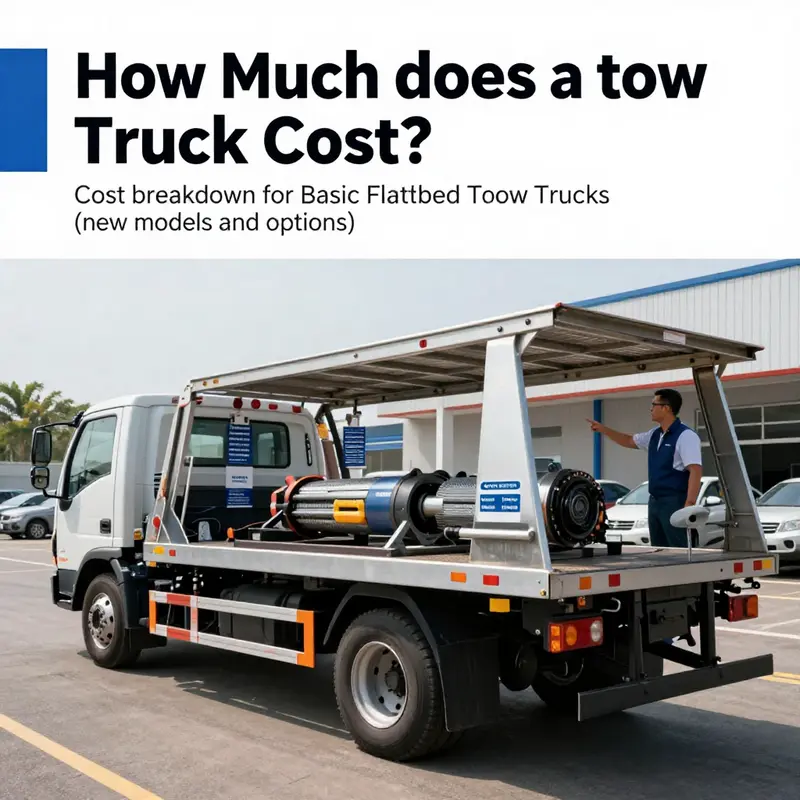
Choosing a tow truck begins with a pragmatic question: how much does it cost, and what does that price actually cover? For buyers focusing on a workhorse that handles routine recoveries, the basic flatbed is the logical starting point. In early 2026, the market shows a broad spectrum. Entry-level models can start around $12,800, typically for smaller two- to four-ton units from regional or Chinese-origin manufacturers. These lower-cost flats are well suited for light to medium recovery tasks and urban towing where predictable maintenance matters more than heavyweight capability. Moving up the ladder, the standard commercial flatbed cluster generally lands in the $39,800 to $70,000 range. In this band, buyers encounter larger chassis and stronger hydraulics, plus features that improve safety and efficiency during roadside incidents. The difference between a budget setup and a midrange unit often traces back to more robust components: a longer, more capable hydraulic bed, a winch with greater capacity, and a control system designed to synchronize bed tilt, wheel contact, and vehicle positioning with fewer manual interventions. The total price is not just the sticker price of the steel and electronics; it is the value of a carefully engineered workflow that reduces risk for the operator during a tense recovery and helps preserve the vehicle being towed.\n\nWhat drives price disparities is a blend of engineering decisions, lifecycle costs, and intended use. At the core is towing capacity and chassis configuration. A basic flatbed’s gross vehicle weight rating (GVWR) and its winch capacity set the ceiling for what it can safely move and lift. Larger chassis configurations—moving from a standard 6×4 toward heavier, more rugged designs—usually translate into higher material costs and more sophisticated hydraulic systems. The bed itself, when equipped with a hydraulically tilting feature, represents a clear safety and efficiency gain. Operators can feather the bed to load a vehicle without dragging it across rough pavement, reducing damage risk and loading time. Winch capacity remains a central price lever; typical ranges from 3,000 kg to 5,000 kg are common in midrange flats, while higher-demand scenarios push that ceiling further.\n\nBrand and origin subtly shape the price landscape. In markets where domestic producers offer competitive pricing and strong service networks, buyers often find good value. European and North American options tend to command higher prices due to brand recognition, warranty depth, and after-sales support breadth. In all cases, the total cost of ownership is not limited to the purchase price. Optional equipment can add thousands, yet these features are the ones most likely to improve uptime and safety. Winches remain the most conspicuous add-on, with capacities tailored to recovery needs. Wheel lifts and axle pads reduce secondary damage risk during loading, while specialized lighting, radios, and on-board systems can improve visibility and coordination on busy highways or night work. Fleet managers often weigh GPS tracking and telematics as a long-term cost that pays off through better utilization, fuel management, and maintenance planning.\n\nMaintenance and fuel efficiency come into sharper focus as the size and power grow. Larger rigs require more fuel and more frequent maintenance. Parts interchangeability helps too; a model built on a popular platform can drive lower maintenance costs because local service centers are familiar with it. The lifetime economics of a tow truck hinge on upfront investment and ongoing expenses, including regular servicing, hydraulic maintenance, and wheel-end inspections. For buyers mindful of value, newer models from major Chinese-origin manufacturers offer a sweet spot—modern hydraulic systems, reliable components, and accessible spare parts, well suited for urban recovery and mid-sized incident response programs. But even with value, view the purchase as the start of a broader relationship with the supplier, not a one-off transaction. A detailed quote should accompany any offer, detailing freight, delivery time, and payment terms. Only with that clarity can operators budget predictably for a fleet that must perform on tight timetables and in varying weather.\n\nWithin this framework, frame the purchase within the broader context of fleet readiness and emergency response. For operators seeking to align new equipment with a larger strategy, resources on fleet standardization and emergency readiness offer helpful orientation. These references describe how a class of equipment slots into standardized procedures, how maintenance cycles synchronize with call load, and how an asset’s capabilities map onto response protocols. Buying a basic flatbed is not merely acquiring a vehicle; it is an investment in a standardized workflow that improves predictability, safety, and service levels for customers who depend on rapid, careful recovery work. Understanding this connection helps buyers evaluate not only price but value of features such as tilt bed, robust winching, and precise positioning. When comparing quotes, consider long-range implications for uptime, technician training, and follow-on equipment. A well-structured procurement approach, backed by a thorough cost-of-ownership analysis, makes it easier to choose a flatbed that fits daily fleet demands and strategic goals.\n\nFinally, the market for new basic flatbeds is dynamic. Prices shift with demand for heavier tasks, regulatory changes, and hydraulic system efficiency. The most reliable path to a sound purchase is to demand a transparent total-cost estimate from suppliers, including freight, delivery timelines, and any required certifications or modifications. This upfront clarity helps prevent surprises once paperwork is in motion and ensures the decision is driven by total value rather than headline price alone. For readers who want a tangible snapshot of current market listings, real-time pricing data can be found in industry listings such as this external reference, which provides practical examples of towing tonnage, winch capacity, and chassis configurations relevant to basic flatbeds. https://www.alibaba.com/product-detail/Factory-Price-Rescue-Tow-Flatbed-Wrecker1600738995135.html?spm=a2700.galleryofferlist.normaloffer.d_title.7b9a4d41rHxGwv&productId=1600738995135
The Price of Precision: Understanding Rotator Tow Trucks and the Costs of Specialized Recovery
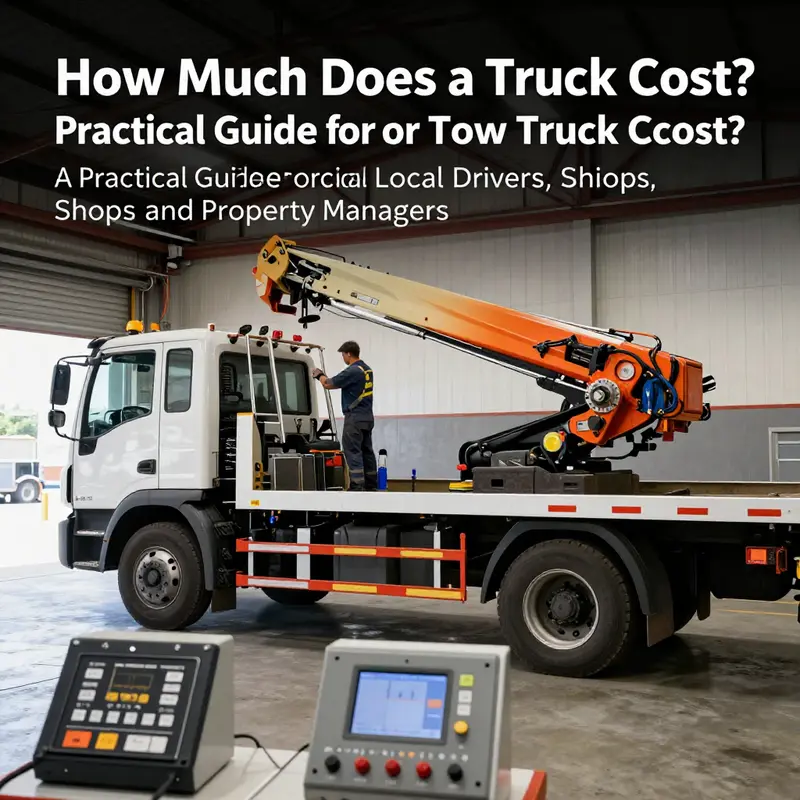
Among tow trucks, rotator (boom) units sit at the far end of both capability and cost. They are built to reach overturned vehicles, lift heavy loads, and maneuver through uneven ground where other wreckers would struggle. The price tag mirrors that engineering complexity. A new rotator tow truck typically sits in a broad range from about $150,000 to $300,000 or more, depending on the chassis, engine power, hydraulic package, and the configuration of the rotating boom. For fleets that face challenging recoveries in urban corridors, on highways, or across rural terrain, that investment buys a level of versatility that simple flatbeds cannot match. The higher price point reflects not just raw lifting power but integrated safety systems, precise controls, and the durability needed to withstand repeated heavy-duty cycles over years of service.
The core capabilities that drive this cost are impressive in their own right. A rotator’s 360-degree rotation gives operators the reach to lift from almost any angle, a feature that can save critical time during recovery when every second matters. The extendable and tiltable boom expands access to high-clearance vehicles and tight spaces alike, while a high-capacity winch system anchors heavy loads securely. The chassis itself is engineered to handle higher dynamic stresses, with reinforced frames and robust hydraulic circuits designed to endure prolonged operations. In practice, these machines are not just tools for lifting; they are controlled and trained systems meant to reduce risk in dangerous, fluid environments.
But the price of admission goes beyond the machine itself. Operating a rotator demands substantial training and certification because of the combination of power, precision, and potential for risk in recovery scenarios. Operators must understand load dynamics, outriggers and stabilizers, rigging techniques, and how to position a vehicle for safe lift and stabilization. In addition to the human factor, there are ongoing costs tied to performance and safety. Fuel consumption is higher than for smaller tow units, given the weight and power requirements of the boom and winch. Maintenance becomes more intricate too: hydraulic systems, control electronics, and the rotating mechanism require specialized inspection and parts. The more intricate the configuration, the more frequent the preventive maintenance becomes to prevent downtime during emergencies.
From a fleet-management perspective, the decision to invest in rotator recovery is often anchored in the expected workload. Heavy-duty incidents, overturned trailers, and multi-vehicle recoveries in variable terrain demand a platform that can respond quickly with a high degree of control. This is where the economics of rotator trucks intersect with readiness and resilience. For fleets that emphasize rapid emergency response and operational continuity, rotators are not merely a purchase; they are a strategic capability. That logic fits into a broader question about total cost of ownership: beyond the sticker price, what does it take to keep the rotator ready, compliant, and effective day after day? In practical terms, this includes not just routine maintenance and fuel but also investment in safety equipment, communication systems, and fleet-management tools that coordinate a rapid response to incidents. For those planning around emergency-readiness standards, it helps to frame the rotator as part of a continuum rather than a standalone asset. You can explore how this readiness mindset scales across a fleet in resources focused on emergency-response planning and standardization.
The scale of investment also interacts with the use cases a company anticipates. For operators tasked with frequent difficult recoveries or with zones that demand frequent intermodal or highway work, the rotator’s capacity can be a decisive factor in service capability. Conversely, in markets where incidents are less severe or where space for maneuver is extremely tight, a lighter, more conventional wrecker or a compact flatbed may be a more economical fit. The choice, therefore, hinges on the anticipated mix of jobs, the environment, and the level of risk a crew is prepared to manage. The financial math should include not only the upfront price but a realistic projection of maintenance cycles, spare parts risk, and the inevitable upgrade path as safety standards evolve.
In the broader context of specialized recovery, there are additional vehicles that offer heavy-duty capabilities—often described in terms of winch capacity and load ratings—that sit in a similar echelon of cost and purpose. These specialized recovery configurations, sometimes equipped with 5- to 8-ton winches and powered by robust engines, exist to tackle industrial-scale challenges on highways and in industrial facilities. While used models can surface on the market at lower prices, they frequently require careful evaluation of condition, maintenance history, and the feasibility of upgrades to meet current safety standards. The overarching takeaway is consistent: the upfront price is a reflection of not only power but the entire ecosystem that supports safe, reliable, high-stakes recovery work.
For professionals weighing an investment of this magnitude, it helps to anchor the decision in a clear assessment of total cost of ownership. This means obtaining a detailed quote that itemizes freight, delivery time, and payment terms, then estimating ongoing operating costs. A rotator’s value hinges on more than the ability to lift. It rests on dependable performance during critical incidents, the reliability of the control systems, and the capacity to support crews through the most demanding recoveries with minimal downtime. The integration with an emergency-readiness framework matters as well. When fleets align their equipment choices with broader standards for standardization and readiness, the rotator becomes part of a cohesive, repeatable response capability that can improve safety outcomes and increase on-scene efficiency. For teams scanning the horizon of preparedness, a rotator’s role is less about spectacle and more about predictable, scalable performance when lives and livelihoods are on the line. If you want to see how fleets wire these concepts into practical planning and readiness, explore the discussion around emergency-readiness frameworks and fleet standardization as a way to harmonize equipment, training, and response times Fleets Emergency Response.
As with any high-ticket asset, a careful, transparent procurement process matters. Prospective buyers should request a detailed quote that explicitly lists freight, delivery windows, training requirements, and payment terms. It is worth asking for an estimated total cost upfront to avoid surprises later in the cycle. Beyond the initial purchase, budget for essential safety gear such as cones, vests, and flares; for reliable communication systems and GPS fleet-tracking to coordinate rapid responses; and for ongoing maintenance that keeps the rotating mechanism and hydraulic systems in peak condition. The cumulative effect of these factors informs whether the rotator is a prudent investment that will deliver consistent value across hundreds or thousands of high-stakes tasks.
For readers seeking a deeper dive into the technical specifics and pricing landscape of rotator tow trucks, there are comprehensive references available that lay out the nuanced capabilities, configurations, and market dynamics. External resources provide detailed specifications and pricing considerations that help frame expectations for buyers and operators alike. External reference: https://www.towtruck.com/rotator-tow-truck-pricing-and-specifications
Tow Truck Price Dynamics: An Integrated Look at Heavy-Duty Wreckers, Rotators, and High-Capacity Towing Costs
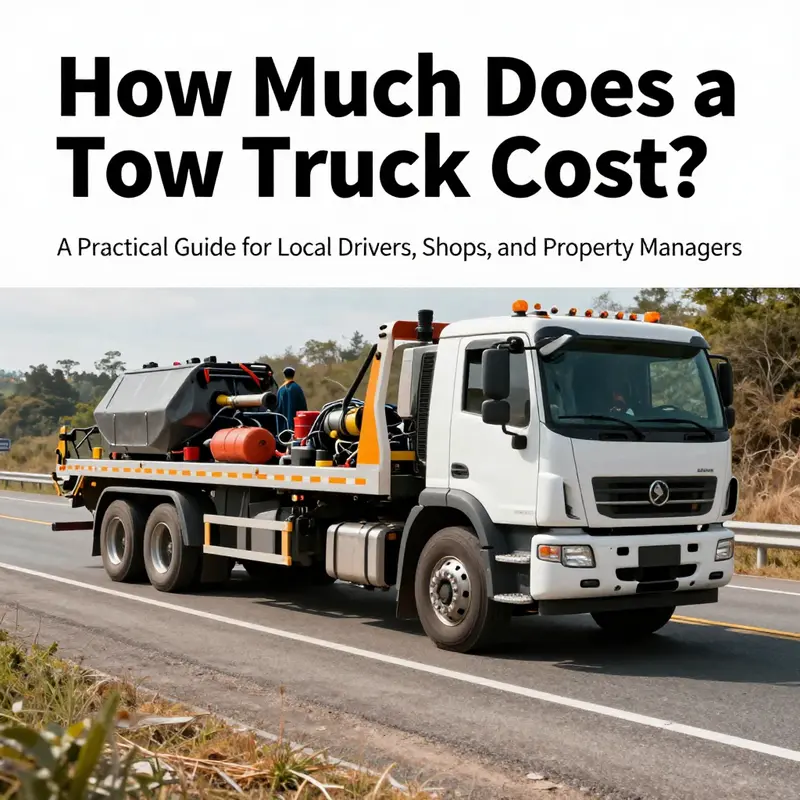
Prices for tow trucks do not sit in a single lane; they race up and down the roadway of capability, reliability, and intended use. For operators who face highways, city streets, and remote recovery scenes, the sticker price is only the first mile of a much longer journey. The true cost of ownership stretches across purchasing, financing, maintenance, fuel, insurance, and the specialized training required to operate high-capacity machines safely. The spectrum runs from compact, cost-conscious flatbeds designed for routine towing and light recoveries to hulking heavy-duty wreckers and highly specialized rotators whose reach can extend into complex, multi-angle recoveries on busy interstates or off-road incidents. Understanding where a unit sits on that spectrum—and how the price map shifts with features—helps buyers convert a list price into a dependable, cost-effective asset over the vehicle’s working life.
When buyers first encounter price ranges, the landscape can look both straightforward and perplexing at the same time. Basic flatbed tow trucks, which dominate light-to-medium towing needs, typically come in lower price bands. Depending on size, capacity, and included options, new flatbeds can range from the low teens into the upper forties thousands. These numbers reflect core capabilities such as the bed’s hydraulic tilt mechanism, the strength of the winch, and the wheel-lift or dolly systems that enable safe vehicle loading without excessive body damage. The appeal is clear: relatively affordable entry points for fleets that handle everyday transport, roadside assistance, or small-claim recoveries. But as soon as the mission profile shifts toward overturned vehicles, challenging terrain, or rapid multi-vehicle recoveries, the economics begin to bend toward higher tiers.
Rotator tow trucks illustrate the principle that capability drives cost in a more dramatic way. A rotating boom—capable of lifting and repositioning a vehicle from nearly any angle—represents a level of versatility and operational complexity that comes with higher price tags. New rotators sit in a higher price band that dwarfs basic flatbeds, reflecting features such as the 360-degree boom, integrated stabilizers, advanced hydraulics, and the controls required to manage a complex lift safely in dynamic environments. The price range for these units tends to be well into six figures and can extend into the lower seven figures in some configurations, depending on reach, payload, built-in stabilization, and the sophistication of on-board electronic systems for route planning, weight distribution, and recovery geometry. The financial calculus here is not only about initial outlay; it also factors in higher fuel consumption, greater maintenance demands, and the need for operators with specialized training to execute intricate recoveries without elevating risk or liability.
Heavy-duty wreckers, designed for high towing tonnage and rugged, sustained use, form another cornerstone of the cost architecture. These machines are built to recover large vehicles, commercial fleets, and heavy trailers, often in demanding environments or under time pressure. Their price bands are influenced by chassis strength, wheel-lift capacity, hydraulic power, and the integrated systems that support safe, legal, and efficient handling of high-load situations. Initial price ranges for new units in this category can be substantial, reflecting not only raw lifting power but the endurance expected in continuous service, uptime guarantees, and the ability to perform under less-than-ideal conditions. In practical terms, fleets purchase decisions here balance the need for reliable, high-capacity performance against the backdrop of depreciation, maintenance cycles, and the facility’s maintenance budget. The choice between a leaner, purpose-built heavy-duty unit and a more feature-rich configuration often hinges on the volume and type of calls, as well as the level of redundancy a fleet requires in its operations.
Across these categories, a consistent theme emerges: capability drives cost, but the total cost of ownership is shaped by how the vehicle is used. A basic flatbed may cost more upfront than a compact alternative in some markets, but its operating expenses can be lower if the workload stays within light-to-medium towing. A rotator, while essential for certain recoveries, may prove its value through faster, safer multi-angle lifts and reductions in call-back time, even as its fuel bill and maintenance needs rise. A heavy-duty wrecker can deliver the confidence of handling large-scale recoveries and commercial work, yet it requires disciplined maintenance, ongoing parts supply, and a workforce trained to manage high-risk operations.
From a market perspective, newer integrated tow trucks—those combining a robust hydraulic system with a versatile lifting setup and multiple carrying modes—often land in a mid-to-upper price band. This reflects not only the core lifting capacity but the integrated design that supports a variety of loads with compatible safety features. In many markets, the most specialized, high-capacity configurations—where the boom can maneuver around awkward angles and across uneven terrain—sit at the higher end of the pricing spectrum. Such units are described in industry analyses as offering a broad toolbox within a single vehicle, reducing the need for separate equipment purchases on successive calls. However, buyers should not assume that every high-cost option translates into proportional savings in every scenario. The value is highly dependent on the typical job mix, the geographic operating conditions, and the fleet’s service-level commitments.
To navigate this landscape, buyers should begin with a clear operational brief. How many calls per week are anticipated? What mix of light, medium, and heavy recoveries defines the workload? Are there mandatory response-time targets that favor speed and mobility over raw capacity? These questions shape the decision between a leaner, highly reliable flatbed versus a rotator or a heavy-duty wrecker with extra lifting power. It is also prudent to account for ancillary equipment that expands the usable life of the main unit. Winches, robust wheel-lift assemblies, towing dollies, and a full complement of safety gear all add to the upfront price but deliver ongoing value through reduced damage risk, higher recovery success rates, and greater crew safety. Fleet operators should also plan for the cost of safety and communications infrastructure, including reliable radios, GPS fleet tracking, and digital record-keeping that aligns with regulatory expectations and insurance requirements.
Beyond the sticker price, the financing pathway can alter the perceived affordability of different configurations. Some operators prefer to purchase outright to avoid financing costs, while others leverage favorable loan terms to smooth cash flow, especially when upgrading a fleet or expanding capacity. Leasing, too, can be attractive for newer entrants to the market or for fleets that anticipate rapid growth, offering predictable monthly costs and easier access to newer technology with shorter upgrade cycles. Regardless of the route chosen, a comprehensive cost-of-ownership assessment should accompany any quote. This assessment should include maintenance lifecycles, parts availability, typical repair times, and the expected depreciation trajectory. Rotators, for example, often incur higher ongoing maintenance and parts costs due to mechanical complexity, while basic flatbeds may benefit from more mature, lower-cost components and wider market compatibility for parts and service.
A practical path for buyers is to request detailed quotes that itemize freight, delivery time, and payment terms. The total estimated cost should be transparent, with explicit line items for any optional equipment or service packages. This approach helps prevent surprises and clarifies the value proposition of each configuration. It also allows buyers to build a side-by-side comparison that reflects not only price but the likely impact on uptime, maintenance intensity, and crew safety. For readers seeking guidance on navigating pricing narratives and aligning them with real-world usage, a deeper dive is available on the broader industry blog, which offers practical checklists and scenario-based guidance. santamariatowtruck.com/blog
Ultimately, the decision on how much to invest in a tow truck hinges on the intersection of need, volume, and risk management. A lightly used, properly maintained flatbed can satisfy a significant portion of routine work and present a favorable payback period. When the job mix includes frequent complex recoveries, a rotator can deliver time savings and safer outcomes that justify its higher price. For fleets with large payloads, mixed terrain, or high-value assets requiring robust protection, a heavy-duty wrecker represents an asset whose cost is recouped through capability and resilience. The most successful purchasers connect the dots between the anticipated workload, the availability of skilled operators, and the long-term maintenance plan, ensuring that the vehicle chosen does not just meet today’s demand but remains a reliable ally for years to come.
External resource for broader market pricing dynamics: https://www.truckequipmentandtechnology.com/new-tow-truck-prices-overview/
Tow Trucker Economics: A Practical Guide to Total Cost of Ownership
Understanding the true cost of owning a tow truck starts with more than the purchase price. In 2026, maintenance, insurance, fuel, tires, upfits, licensing, and depreciation all factor into the annual cost of ownership. Equipment types vary: entry level flatbeds offer lower upfront costs but may require more frequent maintenance; rotators and heavy wreckers command higher upfront prices and higher ongoing expenses, but they also unlock capabilities that reduce downtime on complex recoveries. When deciding, operators should forecast usage patterns, expected miles, and the mix of calls to determine a total cost of ownership over five years. A detailed quote should include freight, delivery timing, warranties, and financing terms to avoid hidden charges. Building a budget around maintenance schedules, spare parts, and a robust safety package helps protect margins. Insurance premiums reflect risk and usage, so higher call volumes or tougher geographies typically raise costs, but strong safety programs can lower them. Ultimately the right choice balances capability with utilization, ensuring the fleet can perform when needed without tying up capital in underutilized equipment. For a deeper dive, look for owner resources that map equipment capability to expected life cycle costs and provide industry benchmarks.
Final thoughts
Understanding tow truck costs is more than comparing sticker prices. It’s about aligning vehicle capability with your needs, predicting maintenance and insurance expenses, and planning for long-term value. Whether you’re an individual driver, a shop owner, or a property manager coordinating service partners, the right truck—and a clear ownership plan—reduces downtime, improves response times, and protects your budget. Use this guide as a decision framework as you evaluate options, gather quotes, and negotiate terms that reflect real-world use, ensuring you’re prepared for today’s demands and tomorrow’s surprises.