
Starting your own tow truck company can be a rewarding venture, offering essential services to local drivers, property managers, and auto repair shops. This guide will walk you through the crucial steps involved in building your business, from legal registration and obtaining the necessary licenses to ensuring vehicle compliance and hiring qualified drivers. Understanding these elements is vital for establishing a successful operation that meets the needs of your community while adhering to regulations. Each chapter will provide valuable insights that contribute to your overall readiness for this industry.
Foundations for Owning a Tow Truck Company: Legal Structure, Licensing, and Compliance
The path to owning a tow truck company begins with the legal framework. It starts with the business form, the name, and the licenses that allow operation in the public sphere. This chapter threads these elements into a blueprint, showing how ambition translates into a compliant enterprise. The choice of entity—LLC or corporation—shapes liability protection, tax treatment, and future funding. An LLC often provides asset protection with pass-through taxation, while a corporation supports growth and formal governance. Neither choice should be made in a vacuum; align it with your long-term plan for scale, risk tolerance, and financing strategy. An early misstep here can ripple across licensing, insurance, and reporting.
Choosing the right name is more than branding. A name is a legal identifier on public records and customer perception. Check state and local databases to avoid conflicts or trademark disputes. The filing authority will require the exact name on Articles of Organization or Articles of Incorporation. If your preferred name is taken, adjust and re-check. The name also anchors banking, tax, and licensing relationships. Often owners pair the business name with a descriptor that clarifies towing activity, like XYZ Towing, LLC. The correct combination reduces confusion and protects your brand.
Next, obtain licenses and permits that authorize operation. At the federal level, obtain an Employer Identification Number (EIN) from the IRS; the EIN opens a business bank account, enables payroll taxes, and supports vendor contracts. Locally and at the state level, secure a business license to legitimize your presence, subject to inspections and ongoing obligations. Industry-specific permits for towing and road services may be required; these can involve proof of vehicle ownership, driver qualifications, insurance, and safety plans. In some regions, a professional designation or license for operators may be required in addition to driver credentials. In short: you are licensing a fleet of assets and a team, not just vehicles behind a storefront.
The road to operation often hinges on three pillars: vehicles, personnel, and safety systems. Vehicle requirements include proof of corporate ownership, commercial registrations, and regular inspections. Different vehicle classes carry different obligations; heavy-duty tow trucks may bring GPS tracking and reporting requirements. GPS data aids regulators and improves your own fleet management. Every driver’s license endorsement ties to safety, cargo handling, and maintenance knowledge. Some jurisdictions require exams covering local tow regulations and cargo handling to ensure professional service and risk mitigation.
As you build your human resources and safety framework, establish a formal safety culture. Documented procedures for vehicle inspections, maintenance logs, driver training records, accident reporting, and incident investigations are essential. A robust safety program strengthens reliability and customer trust. Pair the safety system with financial discipline: open a corporate bank account, set up accounting software, and track taxes from day one. A sound accounting foundation supports pricing decisions and profitability analyses and helps weather demand fluctuations common in towing businesses.
There is also the practical layer of paperwork that attaches your entity to daily operations. Obtain corporate seals, banking documentation, and tax registrations as required by local authorities. Some jurisdictions still recognize official seals, others do not; either way, aim for a traceable, auditable trail of decisions. This traceability reassures lenders and insurers evaluating risk and stability.
Insurance is central to risk management in towing. Carry appropriate coverage: liability, physical damage, cargo, and workers’ compensation if you employ drivers. Insurance costs affect pricing, maintenance, and fleet optimization. Consider financing options and lines of credit for fleet upgrades or emergencies; strong capital management supports growth and resilience.
Optional steps come after minimum compliance. Some jurisdictions require additional registrations for cross-border dispatches or hazardous cargo handling. Treat compliance as an ongoing practice with checklists and assigned owners. Local rules vary widely; map your requirements before finalizing structure and licenses. A phased onboarding approach can reduce friction.
Finally, consider external resources to guide licensing and fleet readiness. A well-chosen reference can illuminate region-specific requirements while staying aligned with national standards. For example, see official guidance from state authorities on fleet readiness and regulatory compliance: [fleet readiness guidance]. This internal reference complements local statutes and supports daily operations. If you proceed thoughtfully, ownership becomes more than asset possession; it becomes the ability to operate a compliant, resilient service that serves customers and communities.
External resource: For state-specific guidance, consult the California DMV. https://www.dmv.ca.gov
Licensing the Path: How to Secure the Permits That Legitimately, Safely, and Profitably Open a Tow Truck Company
Owning a tow truck company begins long before the first call lands on your dispatcher’s desk. It starts with permission slips, dashboards, and papers that prove you can operate a business, move heavy machines, and move people and property with a measure of accountability. The licenses and permits you obtain are not merely bureaucratic hurdles; they are the framework that keeps accidents from becoming lawsuits, keeps your drivers safe, and gives customers confidence that you are a professional operation, not a casual roadside presence. The core idea is simple but demanding: your legal ability to operate depends on a chain of approvals—each link reinforcing the next—so that your fleet, your drivers, and your business stay aligned with state and local rules, industry best practices, and the expectations of customers who rely on you in moments of stress.
Begin with the decision about how your business will be structured and registered. In many regions, the most stable platform for a tow truck company is an LLC, which provides liability protection for owners and a flexible management structure that makes it easier to bring in partners, hire managers, and scale the operation. This choice has implications down the line for taxes, insurance, and even the kinds of licenses you apply for. After you settle on a legal form, you’ll need a federal Employer Identification Number (EIN) from the IRS. The EIN is not just a tax formality; it is the identifier you’ll use when you open a bank account, hire employees, and file necessary tax documents. The process of registration with the state or local business authority mirrors the same logic: confirm a company name that won’t collide with others, submit you are a legitimate business entity, and provide basic information about ownership and capital. Although the exact capital requirements vary by jurisdiction, you should prepare a realistic picture of your initial investment, including the purchase or lease of tow trucks, insurance premiums, and related operating costs. This early stage is about framing a credible, professional enterprise rather than chasing a minimal legal footprint.
With the business entity established, the next step is obtaining the broad-based state or local business license. This license signals to city hall and customers that you intend to operate in a regulated environment and that you will follow local rules on signage, insurance, and compliance. Even though it is not specific to towing, the general business license is a prerequisite that unlocks more specialized permits and helps you stay aligned with the city’s business code. The real heart of the licensing process for towing, however, sits with the specific operator’s license that a state or province assigns to towing businesses and their drivers. In many states, a tow truck operator’s license is the critical credential that makes it legal to tow vehicles for hire. The requirements vary, but the pattern is familiar: a background check to establish you have nothing in your record that would endanger the public, proof of financial responsibility in the form of liability insurance, an established place of business and ownership or a lease for the trucks you plan to operate, and a written assessment of your knowledge of towing procedures and safety regulations.
If you intend to operate the trucks yourself, you will also need a Commercial Driver’s License (CDL) with the appropriate endorsement. In tow operations, this is typically a “T” endorsement for towing. Even if you plan to hire drivers, your company must ensure that any operator who actually drives a tow truck holds a current CDL with the correct class and endorsements. This is not merely a formality; the CDL is a recognized standard of roadcraft and safety that regulators rely on to reduce risk on the highway. It also helps you recruit and train a workforce that understands the demands of heavy vehicle operation, load securement, and the unique hazards that come with roadside assistance and accident scenes.
Insurance is another pillar of licensure and lawful operation. You will be required to show proof of insurance before you can even activate your fleet on the road. Liability coverage protects your business in the event of collisions, cargo damage, or a mis-towed vehicle. Some states also require a certain level of coverage or a surety bond to secure your financial responsibility. Because towing often intersects with high-stakes situations—from winching a vehicle off a busy freeway shoulder to handling delicate, high-value cars—it is essential to carry both general liability and automobile liability insurance with limits appropriate to your fleet size and risk exposure. Your insurance needs are not a one-time purchase. They grow with your fleet, with the kinds of loads you tow, and with the geographic areas you serve.
Vehicle registration and inspection sit alongside operator licensing as tangible proof that your equipment is safe and reliable. Each tow truck must be registered with the appropriate body and pass a safety inspection that checks structural integrity, braking systems, lighting, and the specialized towing equipment such as winches, hooks, and recovery gear. In many jurisdictions, heavy-duty tow trucks—those over a certain weight threshold—must be equipped with telematics or GPS devices that connect to a regulatory monitoring platform. This requirement is part of a broader safety and accountability regime that allows authorities to track compliance, respond to incidents, and ensure that vehicles are operated within permitted zones and time windows. The technical grade of your vehicles, the adequacy of your maintenance records, and your ability to demonstrate regular inspections all feed back into your overall credibility as a compliant service provider.
The process is not just about meeting a checklist; it is about building a governance framework around your operation. A formal Safety Production Management System is often demanded, or at a minimum a safety commitment letter when operating as a smaller, independent business. A sound safety framework doesn’t exist in a vacuum. It permeates driver training, vehicle maintenance, dispatch procedures, cargo handling, and customer interactions. It codifies how you handle roadside scenes, how you secure the right equipment for each job, and how you ensure that every person on the team understands the chain of command, communication protocols, and the overarching goal of reducing harm. A robust safety system also makes it easier to navigate the insurance process and to secure renewals at favorable terms, because insurers want to see evidence of proactive risk management rather than a reactive approach to incidents.
The practical reality is that state and local regulations are not static. They evolve with changes in traffic patterns, technology, and the difficulties that come with heavy roadside work. Therefore, your licensing journey should be treated as an ongoing effort rather than a one-and-done event. A key part of maintaining compliance is maintaining records: licenses, vehicle inspections, maintenance logs, driver certifications, payroll records for compliance with labor standards, and incident reports. In many jurisdictions, regulators will periodically request documentation to verify continued compliance, and failing to produce documents in a timely manner can derail your license or trigger administrative penalties. A disciplined approach to record-keeping is a form of risk management; it protects you from surprises and keeps your business ready to scale.
Beyond the formal paperwork, there are practical, ground-level considerations that make the licensing path smoother. In many markets, you will be asked to show proof of a business address, a usable office space for dispatch and administration, and a plan for how you will manage calls for service in your area. Being able to demonstrate an organized approach to dispatch, remote tracking, road safety, and driver training is often as important as having the correct forms filled out. It signals to regulators and customers that you are not a fly-by-night operation but a serious business with a structured workflow and a culture of safety. Industry professionals frequently emphasize the importance of case studies and training materials in your license applications. A well-prepared packet that includes example dispatch templates, maintenance schedules, driver training rosters, and a sample safety plan can keep the process moving, even when individuals evaluating the paperwork are handling many other license applications at once.
In the process of gathering licenses and permits, it is invaluable to connect with other operators who have navigated the same regulatory landscape. These conversations can reveal practical tips that aren’t always obvious from the statute or the license checklist. For instance, understanding the timing of inspections, knowing which local authorities handle tonnage restrictions on certain streets, or learning how neighboring jurisdictions expect you to manage a fleet near schools or hospitals can shape your licensing strategy. Industry resources and local association networks often summarize regulatory changes, offer model safety plans, and share templates that have withstood regulatory scrutiny. For readers who want a practical, ongoing reference, local blogs and industry portals often curate updates that help you stay current without getting mired in legalese. A good example of a resource to follow is the Santa Maria Tow Truck Blog, which offers insights relevant to operators navigating licensing, compliance, and day-to-day governance. You can explore it here: Santa Maria Tow Truck Blog.
As you work through the licensing maze, there is a fundamental distinction that shapes your approach: the difference between licenses that grant you permission to operate and the licenses that empower you to operate safely and profitably. The former is a doorway; the latter is a operating system that keeps your doors from swinging open in a dangerous way. That distinction matters because you will encounter both types of requirements—those that establish your right to tow for hire, and those that enforce safe practice and responsible business conduct. It is this second layer—the compliance and safety framework—that often determines your ability to retain customers, win contracts, and negotiate with insurers and fleets of partners who rely on your services during emergencies and routine roadside assistance alike.
In practical terms, the licensing journey translates into a well-managed project. It starts with a plan, a realistic budget, and a timeline that accounts for the back-and-forth with official offices. It continues with the creation of internal processes that ensure every piece of paperwork, every vehicle, and every driver meets a defined standard before a single service call is fulfilled. And it ends with a culture that Views compliance not as a hurdle but as a core value—one that informs your hiring, your maintenance strategy, and even your customer service ethos. The positive ripple effects are substantial. When your licenses are in good standing, when your fleet meets inspection standards, and when your drivers carry the right credentials, customers feel safer, regulators feel assured, and lenders feel confident in supporting your growth. That confidence is priceless in a market where competition is intense and where the difference between a good operator and a great one can hinge on how thoroughly you have prepared for the licensing gauntlet.
Navigating this landscape does not require you to reinvent the wheel. It requires you to assemble the right ingredients: a compliant business framework, an insurance strategy aligned with your fleet’s risk profile, a disciplined maintenance and training program, and a willingness to stay current with changing rules. It also benefits from a practical, real-world orientation toward licensing documents, as well as the humility to seek guidance when a rule seems ambiguous. The licensing journey is not a solitary sprint; it is a long-distance race that rewards preparation, discipline, and a consistent emphasis on safety and accountability. For operators who embrace this mindset, licenses become not a barrier but a platform on which to build trust with customers, contractors, and the communities you serve.
In closing, the licenses and permits required to own and operate a tow truck company are not mere paperwork. They are the bedrock of legal compliance, financial resilience, and operational safety. They compel you to think through governance and risk management before you begin to bid on contracts or respond to emergencies. They require ongoing attention, periodic renewals, and a culture that treats safety as a core performance metric. If you approach licensing as a strategic aspect of your business model—one that interacts with business structure, insurance, driver qualifications, vehicle compliance, and local regulations—you will not only meet regulatory expectations but position your company for sustainable growth. The process becomes an integrated system rather than a series of disconnected steps, and that integration is what turns a tow truck operation into a trustworthy, scalable enterprise.
External resources can provide further detail on specific state-by-state requirements and the latest regulatory expectations. For those seeking a clear point of reference on how a licensed tow operation is evaluated in a representative jurisdiction, you can review the California DMV Tow Truck Guidelines at https://www.dmv.ca.gov/portal/dmv/detail/vh/towtruck/. This resource complements the general framework outlined above and helps align your preparation with concrete, field-tested standards across a major market where safety and compliance are deeply interwoven with daily operations.
How to Own a Tow Truck Company: Vehicle Requirements and Compliance
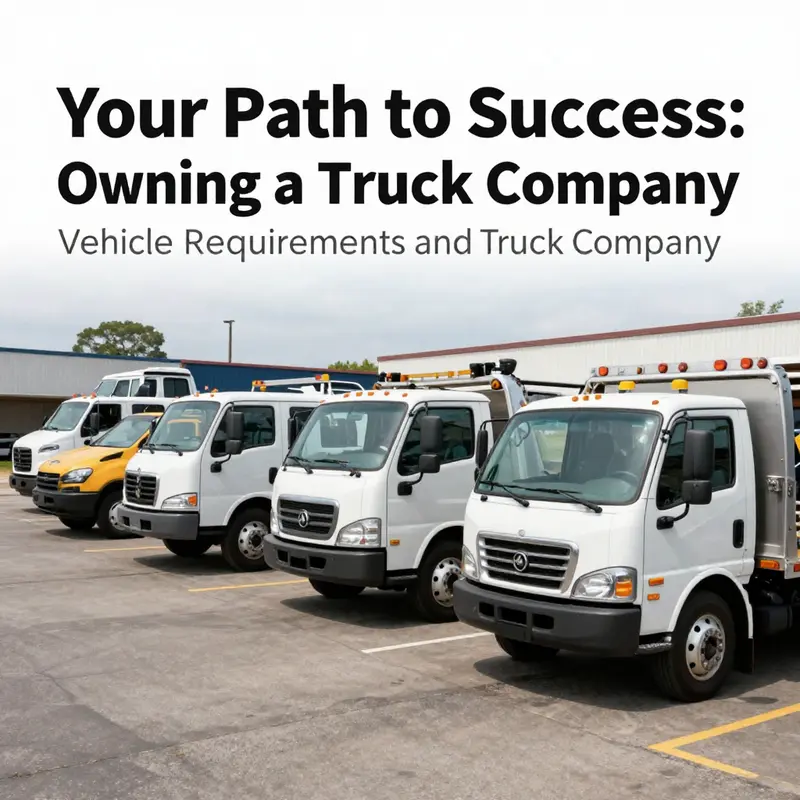
Owning a tow truck company is as much about precise procedure as it is about horsepower. The perception of a fast-response fleet is built on a foundation of meticulous vehicle requirements and unwavering compliance. In the swirl of urban emergencies, a well-regulated operation is not just a competitive advantage; it is a legal necessity that safeguards your business, your drivers, and the road users you serve. This chapter weaves together the practical realities of vehicle specifications with the essential discipline of regulatory compliance, while anchoring the discussion in the realities faced by operators in large cities where the rules bite hardest. It is not enough to own capable equipment; you must also prove you can operate it safely, legally, and transparently at all hours of the day and night.
At the heart of the journey is licensing. Across many jurisdictions, the act of moving, removing, or repositioning disabled, illegally parked, or abandoned vehicles triggers a licensing requirement for the company. The existence of a Tow Truck Company License is a signal that a business has demonstrated the capacity to perform towing tasks within a defined regulatory framework. This is not a mere formality; it is a gatekeeper that ensures your operation aligns with public safety standards, insurance obligations, driver qualifications, and vehicle safety criteria. In highly regulated cities, the license process is comprehensive and documented, often involving pre-qualification checks, financial stability demonstrations, and proof of an organized safety program. The practical takeaway is simple: plan the licensing path early, because a delay in obtaining the right license can stall the entire fleet from hitting the street.
The vehicle itself is the most visible element of your compliance posture. A tow truck is not just a tool; it is a regulated platform designed to lift heavy loads, secure them, and move them through often unpredictable traffic conditions. The basic requirement across many jurisdictions begins with proper vehicle registration. Every tow truck must be registered under the company’s name and be categorized for cargo use rather than passenger service. This distinction matters; it determines which set of safety codes, insurance requirements, and operating permits apply. When you register a vehicle under a company entity, you create a traceable chain of ownership and accountability that supports every subsequent compliance step. It also lays the groundwork for fleet-wide standards, making it easier to implement uniform maintenance schedules and inspection regimes.
Insurance is not optional for tow operations. The risk carried by a tow truck is not limited to the immediate towing event; the vehicle and its operators interact with strangers, other motorists, and vulnerable road users. Adequate insurance coverage protects your business from the financial consequences of property damage, bodily injury, and potential third-party claims arising from accidents, load shifts, or equipment failures. The insurance landscape varies by jurisdiction, but the principle is universal: coverage must respond to the real-world scenarios your fleet faces daily. When you structure your policy, consider not only the minimum required by law but also the operational realities of urban tow work, such as high-volume dispatches, service-area fluctuations, and the potential for complex recovery jobs that involve multiple vehicles and personnel.
Maintenance and safety inspections sit alongside registration and insurance as the second pillar of vehicle readiness. Tow trucks operate under strenuous conditions. The suspension, braking, hydraulic systems, winches, outgoing lights, and towing gear must function reliably under load and in adverse weather. In many markets, safety inspections are required on an annual or periodic basis, and the vehicle must meet technical standards deemed appropriate for heavy-duty work. For heavy-duty tow trucks, a technical grade of at least Level II is often specified, reflecting a baseline of structural integrity and equipment reliability that can be demonstrably verified. A vehicle that passes these checks is not merely compliant on paper; it reduces the likelihood of on-road failures that could lead to accidents, costly downtime, or regulatory penalties. A robust maintenance program—regular inspections, preventive replacements, and timely repairs—also communicates to customers and regulators that your company values reliability as a core business asset.
Safety features on tow trucks are not cosmetic; they are regulatory and operational imperatives. The basic suite typically includes flashing lights and audible signals that are clearly distinguishable from ordinary emergency equipment. These systems inform other drivers of your presence and intent, especially when the truck is stationary on the shoulder or navigating congested lanes. Towing operations require specialized equipment that must be regularly tested for safe operation. Warnings and restraints, proper wheel chocks, and securement devices safeguard loads and protect crews. The regulatory expectation is that every piece of lifting or securing gear will perform as designed under load, with documented maintenance and inspection records that are readily available for review by authorities. The presence of GPS tracking or telematics for heavier vehicles is increasingly mandatory in regions that emphasize real-time monitoring of fleet movements. A modern regulatory approach recognizes that visibility into vehicle location, speed, and behavior enhances public safety and improves accountability during incidents or audits.
Beyond the hardware and paperwork, the operators who man these vehicles are a critical part of the compliance equation. Commercial drivers with tow operations typically require a valid commercial driver’s license with endorsements appropriate to the vehicle type and the nature of the work. This licensing ensures that the operator has demonstrated competence in handling heavy equipment, maneuvering in demanding environments, and executing cargo-handling procedures with appropriate care. In addition to the base license, many jurisdictions require a professional qualification certificate issued by the municipal transportation authority. The training curriculum commonly covers relevant laws, cargo handling, vehicle maintenance, and operating procedures specific to towing. For operators, the discipline of ongoing training is as important as the initial certification. Road rules evolve, and new safety practices emerge. A program that includes periodic refreshers, scenario-based drills, and updated compliance reviews helps maintain a workforce that not only complies with today’s standards but remains prepared for tomorrow’s challenges.
Compliance goes beyond the individual license and the truck’s mechanical soundness. A formal safety framework is essential. Some businesses adopt a Safety Production Management System, a clear set of policies, procedures, and responsibilities designed to prevent accidents and ensure consistent performance. Others opt for a safety commitment letter for sole proprietors or small operators, which, while less formal, still signals a serious commitment to safety. Regardless of the format, the core elements are the same: risk assessment, documented procedures, clear accountability, regular audits, and a mechanism to address any noncompliance promptly. This framework helps align day-to-day dispatch decisions with long-term safety and regulatory goals. When authorities review operations, they look for evidence that safety is integrated into every level of the business—from how calls are prioritized and dispatched to how vehicles are inspected after a heavy tow or a complex recoveries job.
The journey from license to fleet readiness also involves the practical logistics of company setup. Even after obtaining a license and registering vehicles, operators must complete parallel administrative steps. A company seal and financial seal are often required for formal documentation and financial transactions. A corporate bank account becomes the financial spine of the operation, accommodating expense tracking, payroll, and insurance payments. Tax registration and invoicing capabilities are likewise crucial. In the everyday realism of tow operations, these steps translate into smoother accounting, easier reconciliation after insurance claims, and clearer financial reporting to regulators if requested. The aim is to build a compliant operating envelope where administrative processes reinforce, rather than hinder, the speed and reliability customers expect when they call for help.
Vehicle selection and fleet composition also deserve thoughtful planning. Your choice to own one or more tow trucks hinges on the types of calls you anticipate, the distances you will cover, and the time windows in which you will operate. In large cities, responsive coverage often depends on a mix of light- and heavy-duty units. Light-duty trucks can maneuver quickly through dense traffic and handle routine roadside assistance, while heavy-duty units carry out larger recoveries with more robust payloads. The alignment of vehicle capabilities with service expectations underpins both your reputation and your regulatory posture. If you operate heavy-duty equipment, you should anticipate the more rigorous requirements that come with higher weight classes, including GPS tracking devices that connect to a monitoring platform and the more stringent inspection protocols that accompany heavier assets.
As you build the narrative of compliance, remember that the rules are not static; they evolve with technology, traffic patterns, and public safety priorities. This is why a proactive stance on learning and adapting is essential. Regularly review local ordinances and state guidelines that govern vehicle registration, insurance, and the licensing of tow operations. In many markets, the closest thing to a universal truth is that regulators favor operators who can demonstrate transparency and traceability—clear records of vehicle inspections, driver qualifications, dispatch logs, and incident reports. For an operator, this means developing routines that make compliance effortless rather than burdensome. A simple but powerful practice is to maintain a centralized digital log of maintenance checks, driver certifications, and vehicle certifications. When an audit arises, this repository becomes a map of your operational integrity rather than a pile of scattered documents.
The procurement and management of a tow fleet cannot be siloed from public-facing considerations. Price transparency, reliable response times, and consistent customer communication are not only good business practices; they are expectations that regulators increasingly reflect in compliance reviews. If a company promises rapid assistance during peak hours, the fleet must be ready to deliver within the stipulated windows. That reliability depends on vehicle readiness, maintenance discipline, and the capacity to scale operations without compromising safety standards. The interplay between speed and safety is delicate, and the most successful operators learn to balance these demands by investing in both high-quality equipment and robust processes. In practice, this means scheduling maintenance in off-peak hours when possible, planning for routine inspections that coincide with low-traffic periods, and maintaining spare parts inventories so a minor issue does not escalate into a dispatch delay.
For operators who are building knowledge across jurisdictions, it is valuable to anchor your approach to a few well-understood benchmarks. The heavy-duty end of the spectrum—tow trucks that meet higher technical standards and require GPS supervision—often carries stricter regulatory oversight. If your operations exceed certain weight thresholds, you should plan for enhanced data collection and reporting. Conversely, lighter equipment, while potentially exempt from some stringent licensing in certain locales, still demands strict adherence to safety checks and driver training. The most enduring lesson is that compliance is not a hurdle to overcome once; it is a continuous discipline that informs every decision, from how you recruit and train your drivers to how you document and store inspection records.
In practice, the end-to-end process can be viewed as a cycle rather than a checklist. Begin with licensing and registration as the anchor. From there, ensure your vehicles are properly registered, insured, and mechanically sound. Implement safety features and performance systems that are verifiable through inspections and logs. Hire qualified drivers and equip them with ongoing training. Build a formal safety framework that integrates risk management into daily operations. Finally, align administrative processes—seals, bank accounts, taxes, and insurance—with the operational workflow so that compliance becomes a steady cadence rather than a disruptive event. In a city environment where the pace is relentless, this integrated approach yields not only regulatory peace of mind but a reputation for reliability that translates into steady demand and sustainable growth.
For operators seeking concrete guidance on city-specific licensing steps, there are official resources that lay out the application pathways, verification requirements, and inspection expectations in detail. A contemporary reference point is the Tow Truck Company License Application guidance provided by New York City authorities. This resource walks through the formal process, including the necessary forms, qualifications, and timelines. While your own locale will have its own version of these steps, the underlying principles—clear ownership, demonstrable safety, and transparent operations—are universal.
Finally, amid all the regulatory detail, it remains crucial to cultivate a practical mindset. Build relationships with regulators, insurers, and maintenance professionals. Stay current with industry best practices for fleet management, incident response, and customer service standards. Cultivate a culture where every driver understands not only how to move a vehicle safely but why the rules exist and how compliance protects lives and livelihoods. By integrating vehicle readiness with a disciplined compliance framework, you create a tow truck company that can respond quickly when trouble arises and do so with a clear conscience about safety, legality, and ethical service delivery. The road to owning a compliant, high-performing tow fleet is not a sprint; it is a sustained journey that starts with solid vehicle requirements and grows through relentless attention to safety, licensing, and transparent operations.
For broader context on city-specific licensing standards and the most up-to-date guidance, you can consult the official NYC Tow Truck License Application resource. Though your local requirements will vary, the underlying structure—license, registration, safety, and driver competency—remains a consistent pillar of legitimate towing operations. See the official guide here: https://www.nyc.gov/site/dcp/business/tow-truck-company-license.page. In addition, to gain practical perspectives on recognizing problematic towing practices and staying compliant in everyday scenarios, you may find valuable insights in industry-focused discussions such as Spot Illegal Towing: Key Signs to Know.
Internal link note: As you read, consider exploring practical, field-oriented considerations through industry narratives that emphasize safety and regulatory mindfulness. For instance, a focused piece on spotting improper towing practices can offer tangible cues for your team to stay within approved procedures and standards. Spot Illegal Towing: Key Signs to Know
External resource for further reading: https://www.nyc.gov/site/dcp/business/tow-truck-company-license.page
Steering Tow Operations: Recruiting, Training, and Retaining Safe, Reliable Drivers
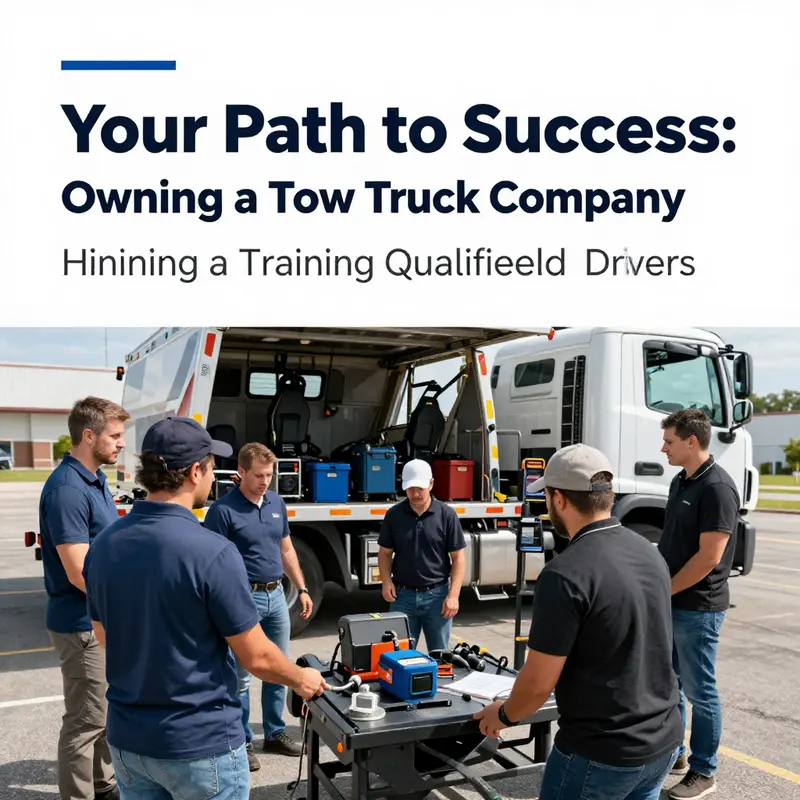
Tow operations depend on people. Hiring and training qualified drivers is a strategic investment that defines safety, reliability, customer trust, and long-term profitability. This chapter outlines a framework for recruiting, screening, onboarding, training, and retention that builds a safe, capable, and professional driver crew. It covers licensing requirements, background checks, interviewing for decision making under pressure, on road assessments, robust onboarding, ongoing technical and soft skills training, formal safety management, and alignment of safety culture with branding. It also addresses budgeting, mentorship, regulatory alignment, and strategies to retain drivers through ongoing development, performance feedback, and clear career pathways. The goal is to create a driver corps that reflects your brand promise on every call and can adapt to growth and changing regulations.
Final thoughts
Owning a tow truck company involves careful planning and adherence to countless regulations, but the rewards of establishing such a business go beyond financial gain—they provide crucial assistance to those in need on the road. By following this guide on business registration, licensing, vehicle requirements, and driver training, you will be well on your way to launching a successful operation. Remember, the impact your company can have on local drivers, auto repair shops, and property managers is significant, fostering trust and community support. Embrace the journey and take advantage of the resources available to you.