
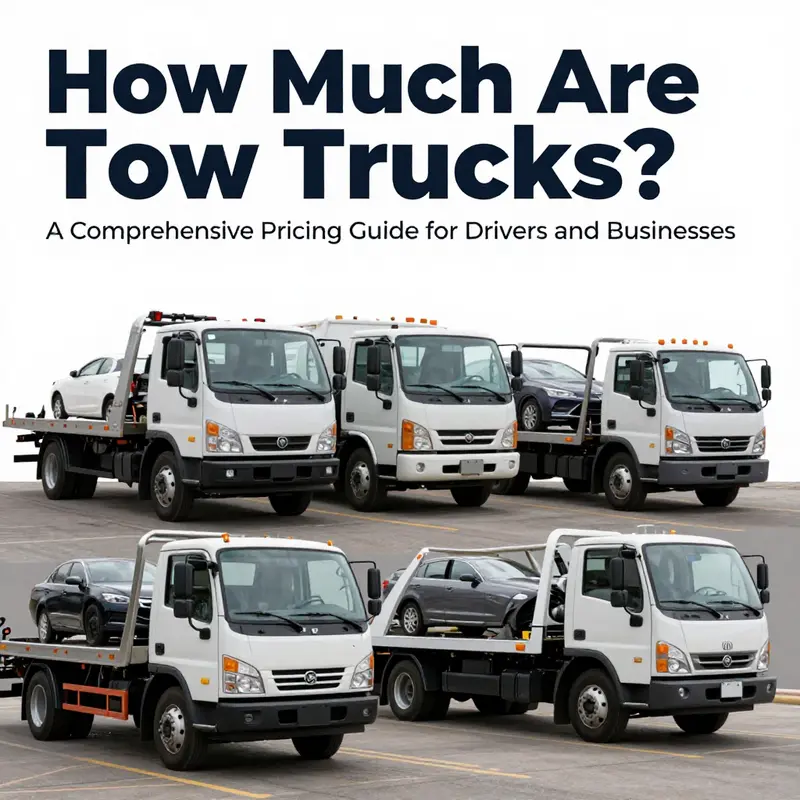
Tow trucks are essential for vehicle recovery and repair, but understanding their cost dynamics is equally important. As local drivers, auto repair shops, dealerships, and property managers consider investing in tow trucks, knowing the price range and features available can empower informed decisions. This guide will delve into the costs associated with various tow truck categories—light duty, medium duty, heavy duty, and specialized models—each with their own specifications and pricing. By the end, you will have a comprehensive understanding of how much tow trucks cost, helping you to make a choice that aligns with your operational needs and budget.
Price, Power, and Purpose: Decoding the Costs of Light-Duty Tow Trucks
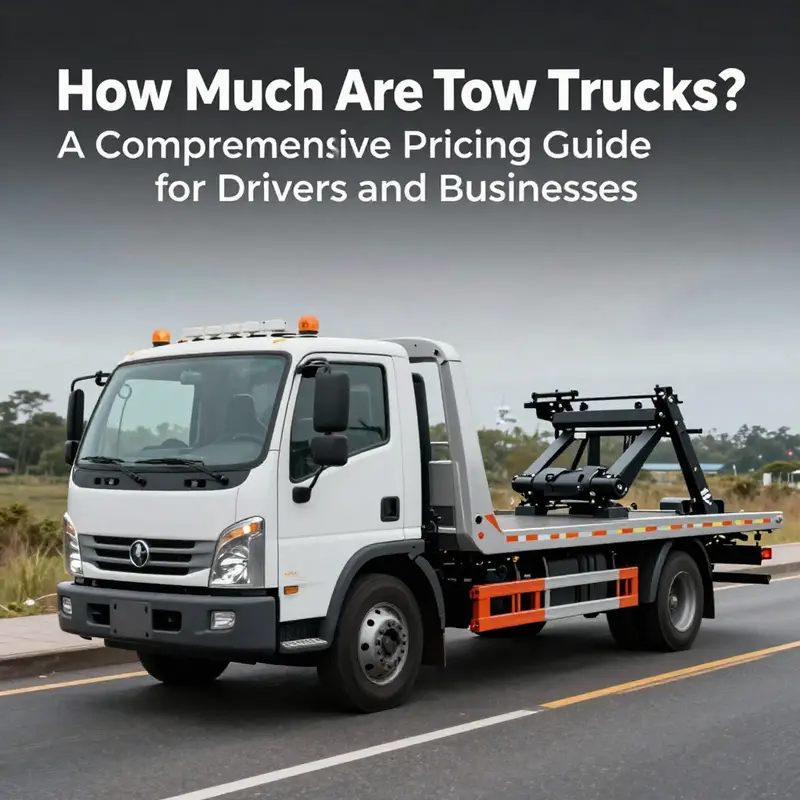
Prices for light-duty tow trucks sit at the intersection of capacity, configuration, and purpose. The buyer interested in a basic, city-ready unit may find the most affordable options in the low four digits, while those who need greater towing reach and faster response times may look toward models that push well past ten or even twenty thousand dollars. The spectrum begins with a straightforward, entry-level flatbed designed to handle about five tons. In that corner, a lean, no-frills machine can be obtained for roughly $3,999. It’s a practical starting point for routine road rescues and small-vehicle towing, especially in markets where fleets operate with tighter budgets or where demand is steady but not extreme. Yet the same five-ton capacity, when paired with upgraded materials, more robust hydraulics, or a longer service life, slides into a higher price bracket. The difference is not merely a line on a price tag; it reflects a more durable chassis, higher-quality components, and the ability to operate longer shifts with less downtime. Buyers must weigh the cost of production quality against the frequency of use and the consequences of equipment failure on busy nights, long-distance recoveries, and highway incidents.
From there, the middle ground opens up as capacity and sophistication increase. A more capable segment covers roughly three to seven tons and includes road-rescue platforms that are engineered for greater reliability in demanding conditions. Prices in this range typically fall between about $9,900 and $19,880. This band often represents the sweet spot for mid-sized fleets and independent operators who need a better balance of lifting power, build quality, and operator comfort without leaping into the higher-end, more expensive configurations. The engineering decisions behind these models usually center on chassis rigidity, hydraulic flow, and the efficiency of the lifting and pulling systems. A higher-performing drive train and reinforced mounting points become more common, helping the operator perform longer shifts with fewer maintenance interruptions. It is here that buyers often encounter design choices that influence longevity: heavier duty stabilizers, more capable booms, and improved winches that can handle the occasional tougher load without compromising on speed.
The next tier moves into heavier hands and more demanding jobs while remaining within the light-duty family. A typical five- to eight-ton winch tow truck wrecker is priced around $28,500. At this level, operators gain a winch with stronger pulling power and a more robust winching system, enabling the vehicle to recover slightly larger or more recalcitrant loads. The price rise at this stage reflects not only the increased load capacity but also the added complexity of a more powerful winch, more substantial hydraulics, and often a longer reach from the boom. The operators who invest here are frequently supporting urban strike teams, highway response units, and small-town depots that must handle a wider array of scenarios—sometimes in less-than-ideal weather or at night when visibility is poor. The incremental cost is justified by improved recovery speed, reduced manual handling, and enhanced worker safety, all of which translate into faster turnarounds and potentially higher revenue per shift.
At this point, the landscape becomes a little more nuanced. There exists a subcategory of light-wrecker gear that is described in practice as a heavy-duty light wrecker. In this space, a machine with about a 15-ton towing capacity can sit in the market from roughly $17,000 to $18,000. That price range illustrates how a compact, forceful platform can bridge the gap between smaller, city-focused units and larger, more specialized recovery rigs. The emphasis here is not solely on raw lifting power. It is also about how the platform interfaces with the operator and the vehicle being moved. The boom geometry, the rotation capability, and the efficiency of the hydraulic system all contribute to a more versatile tool for urban or semi-urban operations. The 15-ton class often becomes the go-to choice for fleets that encounter a wider mix of incidents—small-to-medium trucks, light commercial vehicles, and the occasional stubborn load that resists a simple winch-and-drag approach. In practical terms, the higher end of this category often requires more attention to cooling needs during peak work periods, a more secure mounting arrangement to absorb shock loads, and a stable platform that keeps the tow truck within safe operating limits.
Beyond the five- to eight-ton range, the light-duty family stretches to include integrated under-lift configurations and even larger booms. A 12-ton under-lift tow truck with a 16-ton boom lift is a classic example of how design evolves to meet heavy urban and highway demands. Prices for this class range from approximately $25,000 to $70,000, depending on the exact combination of features, such as the dedicated under-lift system, the length and stiffness of the boom, and the sophistication of the control electronics. The under-lift design expands the operator’s toolkit by enabling the truck to perform certain pulls in closer proximity to the vehicle being recovered, reducing the need for extensive maneuvering. It also introduces additional failure points that must be managed through robust engineering and reliable components, which in turn can push the price upward. Still, for fleets facing recurring incidents on congested corridors or with frequent multi-vehicle recoveries, these capabilities translate into tangible gains in time and safety. The reality is that price reflects not only the immediate lifting power, but the overall reliability of the system under repeated strain, the ease of maintenance, and the length of service life under demanding conditions.
Then there is the upper boundary of what most call light-duty, which blurs into the realm of heavy-duty when you discuss scale and capability rather than a single feature set. The 50-ton class, a true heavyweight in the towing world, can carry sophisticated winch systems with substantial pulling power and a maximum lift. The quoted range for operators seeking this level of performance falls roughly between $36,000 and $98,000. In this tier, the differences among models are driven by winch capacity, engine power, transmission type, and chassis architecture. A wrecker designed for heavy urban recovery or highway emergencies often integrates a multi-axle configuration, a robust powertrain, and a boom capable of long reach and precise control. The price gap among these units principally mirrors the scale of their capabilities and the expected service life—areas that become critical when fleets rely on such machines to minimize downtime during peak demand or severe weather events. The core takeaway at this ceiling of the light-to-mid-range spectrum is that the investment is less about flashy features and more about resilience, predictable performance, and a lower risk of breakdown during high-stakes operations.
The pricing journey across light-duty tow trucks reveals a rhythm driven by three interlocking factors. First, engine power and torque shape the baseline cost, because higher horsepower and torque curves demand stronger cooling, more robust fuel systems, and reinforced drive trains. Second, the axle configuration and chassis durability determine both the price and the duty cycle that a truck can handle before major maintenance is required. A 2-axle setup is lighter and cheaper, while a 3- or 4-axle arrangement shifts weight, handling characteristics, and resilience in ways that buyers value for different service profiles. Third, features such as under-lift, boom reach, and winch power, as well as the quality of hydraulics and control systems, push the price higher because they directly influence how quickly and safely a recovery operation can be executed. The end user’s operating environment—whether a compact city route, a busy highway corridor, or a regional fleet with multiple stations—also has a profound effect on the purchase decision. The different configurations and capabilities are not merely about raw strength; they reflect a broader strategic choice about how to balance upfront cost with long-term reliability and the ability to service customers quickly when demand spikes.
In practice, operators frequently weigh warranty terms and export conditions when comparing quotes. Many light-duty models come with warranty periods of one to two years, offering protection on major components, hydraulics, and critical systems. This is not just a reassurance; it translates into real cost avoidance if a component experiences premature wear or failure. The possibility of export or import terms adds another layer of calculation. For fleets that operate across borders or source from international suppliers, freight, duties, and compliance with local standards can slightly tilt the total cost of ownership over the vehicle’s life. The price tags you see in catalogs or online listings often represent introductory or base configurations. Once a fleet requests customizations—such as upgraded winch lines, reengineered chassis, additional lighting, specialized bumpers, or localization for particular roads and weather conditions—the final quote can climb to a much higher figure. The market remains fluid, with exchange rates, tariff considerations, and regional demand all playing a role in the final price.
For buyers seeking insight into the practicalities of maintenance and utilization, the choices extend beyond the sticker price. The economics of a light-duty tow truck is a story of uptime versus downtime. A well-chosen model with better materials, more accessible service points, and proven reliability can reduce the total cost of ownership by minimizing the time the vehicle spends in the shop. This is especially true for small fleets that cannot afford the risk of frequent breakdowns during peak hours. In such settings, the higher initial investment in a more capable unit may prove economical when measured against the revenue preserved by shorter response times and the ability to complete more recoveries per shift.
As readers consider these tiers, it’s helpful to remember that the numbers above are indicative rather than universal. Market listings change with currency, supply, and demand just as fleets change their own operating profiles. The figures reflect credible quotations from verified suppliers, yet the exact price a buyer pays will depend on engine power, axle configuration, and the breadth of features included. The broader takeaway is that entry-level options remain accessible to many operators, while more capable configurations lie within reach of mid-sized fleets and dedicated rescue teams who need faster, safer, and more efficient recoveries.
For operators who want a practical point of reference as they think through procurement, a good starting approach is to map the service profile to the cost gradient. A fleet that handles a steady stream of small-to-mid-sized vehicle recoveries in an urban setting will naturally gravitate toward the mid-to-upper end of the five-ton to eight-ton range, balancing cost with operational reliability. A shop that expects harsher conditions—night operations, adverse weather, or longer recoveries—may justify moving toward a heavier-duty light wrecker or a 12-ton under-lift configuration, recognizing the value of faster response and greater control in more challenging scenarios. It’s also wise to consider the maintenance ecosystem: the ease of sourcing parts, the availability of qualified technicians, and the proximity of service centers. These factors, while less visible in the sticker price, determine how often a vehicle will be able to work and how much downtime a fleet must absorb during peak periods.
No discussion of price would be complete without acknowledging the importance of surrounding resources. For readers who want to explore current market listings and compare specifications across multiple suppliers, current postings are available through international marketplaces that regularly publish up-to-date data on new and used tow trucks. When incorporating such data into a selection process, it helps to reference a trusted hub that aggregates listings from reputable sellers and offers transparent filters for capacity, power, and configuration. If you’d like to explore practical maintenance and readiness strategies in the meantime, the Santa Maria Tow Truck blog offers targeted guidance and case studies that map directly onto the realities of light-duty operations. Santa Maria Tow Truck blog
Finally, for readers who want an external benchmark reflecting current market dynamics, the broader industry market pages and supplier catalogs continue to expand. Real-time pricing and specifications are frequently updated in venues that specialize in industrial vehicles and heavy equipment. For those seeking a deeper, catalog-like overview of the current market landscape, consider consulting the external listing sources with a wide range of configurations and price points. The data demonstrate how a given model’s value is a function of its configuration, its powertrain, and the particular needs of the operator. The result is a price spectrum that, while seemingly wide, provides a practical framework for choosing equipment that can reliably serve a fleet’s strategic goals over the long term.
As a closing reflection, the light-duty category reveals a flexible and scalable path from a basic five-ton flatbed to more sophisticated eight-ton winch configurations and even beyond into under-lift designs with substantially greater lift capacities. The costs reflect not only the horsepower on the chassis but the confidence a fleet gains from a machine that can perform during peak demand without compromising safety or reliability. The chapter’s core question—how much are tow trucks?—unfolds into a layered answer: the price you see is a mirror of capacity, build quality, and the value of uptime. Each tier offers a distinct calculus, and the right choice depends on the operator’s daily realities, service commitments, and the tempo of recoveries. The narrative is not merely about spending more for more power; it is about investing in a tool that consistently enables quicker, safer, and more profitable outcomes for the people who need it most.
For readers seeking a concrete snapshot of market listings and ongoing incentives, a practical starting point is to review current postings from reputable suppliers and marketplaces. While the exact quote will depend on the configuration and the terms, the price ranges outlined here provide a structured lens through which to evaluate options. This is especially helpful for new entrants building a small-to-medium fleet, as well as established operators looking to upgrade to more capable equipment without overextending their budgets. The goal remains clear: to align the machine’s capabilities with the operational realities of the business, ensuring that every recovered vehicle is a story of efficiency, safety, and timely service. The road from a modest five-ton flatbed to a higher-capacity light-duty wrecker is not just a journey in numbers; it’s a journey in operational resilience and strategic readiness.
External reference for current market data: https://www.alibaba.com/trade/search?CatId=&SearchText=tow+truck&tab=all&sortType=price_asc
Medium-Duty Tow Trucks Demystified: Pricing, Capabilities, and What Your Investment Really Buys
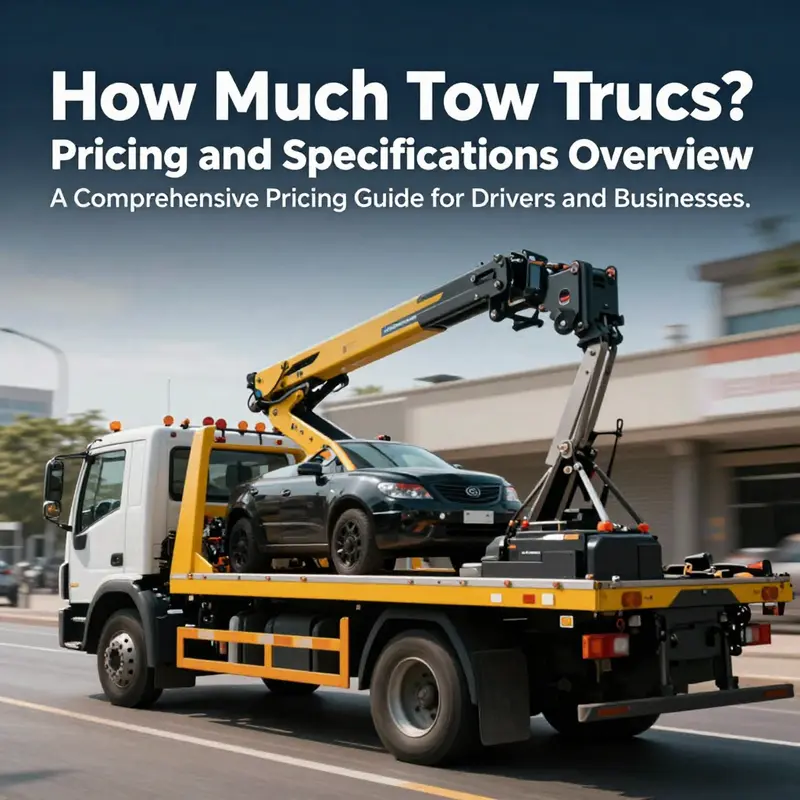
Medium-duty tow trucks sit at a pivotal junction in the recovery ecosystem. They are built to handle the moderate load of everyday highway incidents and urban recoveries while staying more maneuverable and affordable than their heavy-duty kin. Price, of course, is a reflection of capability and durability, but it is not a simple line item. The market for these mid-sized workhorses offers a broad spectrum of configurations, engine outputs, and equipment packages, all of which pull pricing in different directions. When you look across the options, the first question is not just how much a unit costs, but how much value you get for that price in the context of the work you expect to perform. In many fleets, the sweet spot lies in a balance between upfront cost, reliability, and the ability to scale operations without overcommitting capital on a specialized asset that may sit idle during periods of lull. The pricing landscape, in short, is a guidepost to matching the right mid-range capability with the right service demand, rather than a single, universal sticker price.
From a market perspective, new medium-duty units with OEM-compliant configurations and options such as right-hand drive can start surprisingly low, with reported market entries around the thousands. In practical terms, buyers sometimes encounter new, basic mid-range configurations with OEM compliance at roughly the lower end of the scale, with minimum order quantities as low as one unit. This low entry point makes early-stage ventures into towing feasible for smaller operators or regional roadside service teams that want a dependable platform without a heavy upfront commitment. However, as with any equipment purchase that toes the line between utility and endurance, the price tends to rise quickly as you add critical capabilities that improve uptime and safety. A typical mid-range, 10–15 ton class description often features engines around four hundred horsepower and a telescopic boom with a stroke measured in the hundreds of millimeters. In real-world terms, that combination supports highway recoveries and urban under-lift tasks with a balance of reach, winch power, and stability on uneven shoulders or soft ground.
The affordability narrative is clarified when you widen the lens from “new versus used” to “level of outfitting.” In the new category, a mid-duty platform may carry a price tag in the familiar six-figure range if you stack on premium components, enhanced electronic control systems, extended warranties, and customization for climate or regulatory compliance. Yet a leaner new package, stripped of many add-ons but designed to meet baseline safety and OEM standards, can fall into the lower thousands, opening the door for startups to enter service quickly. The mid-range market also rewards buyers who consider the total cost of ownership rather than the initial sticker price alone. Fuel efficiency, parts availability, and the ease of routine maintenance play a critical role in long-term expenses, and those factors can swing the long-term value of a mid-duty tow truck in meaningful ways. In practice, many operators assess the initial price against anticipated annual mileage, typical job mix, and the frequency of high-load recoveries. A unit that consistently handles 10–15 ton demands may justify a higher upfront spend if it reduces downtime and extends service life, whereas fleets with lighter daily workloads may optimize total cost by choosing a simpler configuration with fewer bells and whistles.
Used and reconditioned models add another layer to the pricing conversation. For buyers willing to consider aging assets, there are opportunities to acquire white-glove reconditioned units that have undergone inspection, refurbishment, and upgrades to meet or exceed current safety and performance standards. These options can deliver significant cost savings compared with new units, especially when buyers negotiate upgrades to meet local emission standards or regulations. The environmental upside of reusing existing chassis and components is real, extending the lifecycle and delaying the need for a wholesale replacement. The caveat is clear, too: older components wear out, and the latest electronic controls or hydraulic systems may not be present. Hidden wear in critical subsystems—such as the transmission, hydraulics, or the winch—requires thorough inspection and sometimes aggressive negotiation on price to reflect anticipated maintenance. For operators who view the fleet as a living, evolving asset, a well-chosen reconditioned model can deliver the right balance of performance and cost while enabling a rapid entry into service.
Beyond the new-versus-used dichotomy, the market offers distinctly affordable pathways for mid-range capacity. For buyers prioritizing local towing and roadside assistance, options in the 3–5 ton range are often the most appealing. These rollback or light-rolloff configurations can present price points well under the traditional mid-range ceiling, with reported market entries in a broad range—from a few thousand dollars to under twenty thousand for more basic setups. The financial logic here is straightforward: smaller-duty platforms require less capital upfront, accrue lower depreciation in the early years, and can be more forgiving for small operators testing the waters of professional towing. Yet the operational envelope is narrower. The typical tasks for these lighter mid-duty trucks include smaller vehicles in urban and suburban contexts, quick turnarounds on roadside recoveries, and limited on-site service that doesn’t demand the heavy lift of larger wreckers. For fleets whose daily realities include many small- and mid-sized incidents, these units can be the most economical and efficient fit, provided they align with safety standards and required equipment like a dependable winch, a stable braking system, and a robust stabilization approach.
The spectrum expands quickly as capacity, reach, and duty cycles grow. Models described in the higher end of the medium-duty class, around the 12-ton under-lift category with a 16-ton boom, demonstrate how the mid-range tier can scale to heavy-rescue competence without leaping into the full heavy-duty arena. In this space, price bands commonly stretch from roughly the mid-twenties to the mid-to-high tens of thousands, depending on the availability of a more powerful engine, a longer or more versatile boom, and retinue features such as integrated under-lift systems, greater winch power, or extended reach. The most robust mid-duty platforms in this bracket often appeal to highway recovery teams and urban fleets with a steady stream of complex incidents, where the ability to lift, winch, and stabilize a wide range of disabled vehicles translates into faster response times and higher throughput.
In the same market, a higher-capacity, heavy-duty extension—one that sits at the boundary of “mid” and “heavy”—may be characterized by eight-wheel configurations, engines in the 350–450 horsepower range, and a winch with very strong pulling capacity. The resulting price curvature—from roughly the mid-thirties to the upper range of the fifties and beyond—reflects not only the extra heft but also the ability to perform on demanding jobs with larger payloads and more strenuous terrain. For buyers whose work involves the uncertain edge of urban and rural recoveries, those capabilities can represent a meaningful return on investment by reducing the need for multiple specialized units and by enabling the same platform to handle a wider mix of incidents. The market tends to reward such versatility with price stability at the higher end of the mid-range bracket, where buyers often justify the premium through improved uptime and a broader service footprint.
Another lever on price is the configuration and equipment package. A mid-duty chassis can come in multiple drivetrain configurations—two-wheel drive, four-wheel drive, and variant axle layouts—with the latter often offering improved off-road capability and vehicle stability during heavy lifting. Engine choice, cooling capacity, transmission type, and the sophistication of the hydraulic and control systems all contribute to the final price. A more complex package may include smarter load-sensing electronics, easier-to-service hydraulic components, and more robust safety systems for operators. In the context of medium-duty towing, the difference between a bare-bones platform and a well-equipped unit can be substantial, and buyers should weigh the incremental cost against anticipated maintenance support, parts availability, and the potential for longer service intervals. In practice, this means that mid-range buyers should ask not only for the price but also for the complete spec sheet, including maximum lifting height, boom reach, winch capacity, under-lift capabilities, stabilizer spread, and the exact weight of the loaded vehicle that the truck can safely handle.
For readers considering how to approach pricing in a real-world procurement, a pragmatic approach is to start with the job mix and projection. If most recoveries involve small to mid-sized vehicles on paved surfaces, a mid-range unit with a 10–15 ton rating and a 400 HP engine may provide the best blend of cost and capability. If your work routinely includes heavy lifts or long, difficult recoveries, the incremental investment in a higher-capacity platform with a longer boom and a stronger winch can be justified. For those who operate across seasonal cycles or in regions with variable demand, a modular or configurable package can be appealing, enabling the fleet to scale up or down without locking in a single, inflexible setup. The market plainly supports both strategy paths: the steady, budget-conscious operator who prioritizes simplicity and reliability, and the growth-minded fleet that seeks to maximize capability and uptime with an eye on future expansion.
To ground these considerations in the practicalities of procurement, potential buyers should expect to encounter several common lifecycle elements. Warranty terms for medium-duty units typically range from one to two years, with export and import conditions affecting service support and availability of spare parts. It is not unusual for buyers to be advised to verify the manufacturer’s or dealer’s maintenance program, to confirm the availability of parts in their region, and to clarify the terms around after-sales service. The ability to secure timely parts and a trusted service network can have as much impact on total cost of ownership as the initial price. Because the market for these trucks is global and subject to cross-border trade dynamics, buyers are well advised to be mindful of warranty coverage across territories and to seek documentation that confirms compliance with local regulations and safety standards. The conversation about price will always be intertwined with the conversation about serviceability and uptime, since a unit that spends more days in the shop drains more value from the investment than one that keeps its wheels turning.
For those seeking concrete quotes and up-to-the-minute specifications, it helps to engage directly with suppliers and to leverage industry platforms that aggregate pricing and configuration options. Within the broader ecosystem, many operators also benefit from consulting resources focused on fleet readiness and standardization, which can guide decisions on common chassis, parts, and operator training across a fleet. See how some fleets align purchases with a standard platform to reduce inventory complexity and maintenance overhead by visiting the fleet readiness and standardization page. Fleet readiness and standardization. A careful comparison of the available configurations, balanced against operational needs and total cost of ownership, typically yields a preferred path that minimizes risk while maximizing uptime. When you are ready to explore real-time listings and detailed specifications, reputable marketplace sources can provide an expansive view of what is currently available. For reference, broader listings on external trade platforms reflect a range of medium-duty offerings and can help calibrate expectations about what your budget can deliver. As a practical next step, expect to see options evolve quickly as manufacturers respond to demand and as regional regulations shape what you can legally operate where you work. For a snapshot of current listings and specs, you can explore Made-in-China’s marketplace for medium-duty tow trucks and compare entries side by side. The listings commonly show drivetrain configurations, towing capacities, chassis types, and available equipment packages, making the initial screening process more efficient. Made-in-China’s listings.
In sum, the medium-duty tow truck market presents a diverse but coherent set of choices. The price bands reflect a spectrum of capability, from economical, entry-point configurations to robust, high-capacity platforms designed for demanding recoveries. The choice hinges on a clear-eyed assessment of anticipated workload, maintenance considerations, and the value placed on uptime. With careful scoping of job requirements and a disciplined approach to evaluating equipment packages, fleets can secure a mid-range platform that delivers the right mix of power, reach, and reliability without overextending the budget. As markets continue to evolve, buyers should expect ongoing innovations in hydraulics, control systems, and safety features to shape both price and performance in this critical segment of the towing industry. For further reading and ongoing market dynamics, see related industry resources and trade listings, and keep an eye on platforms that consolidate pricing trends to help anchor your negotiations and forecasts.
External resource note: For ongoing, real-time pricing and specifications, you can consult Made-in-China’s listings for medium-duty tow trucks. This external reference provides a broad cross-section of configurations and price points observed across global suppliers. Made-in-China’s listings.
Pricing the Giants: A Deep Dive into Heavy-Duty Tow Truck Investments
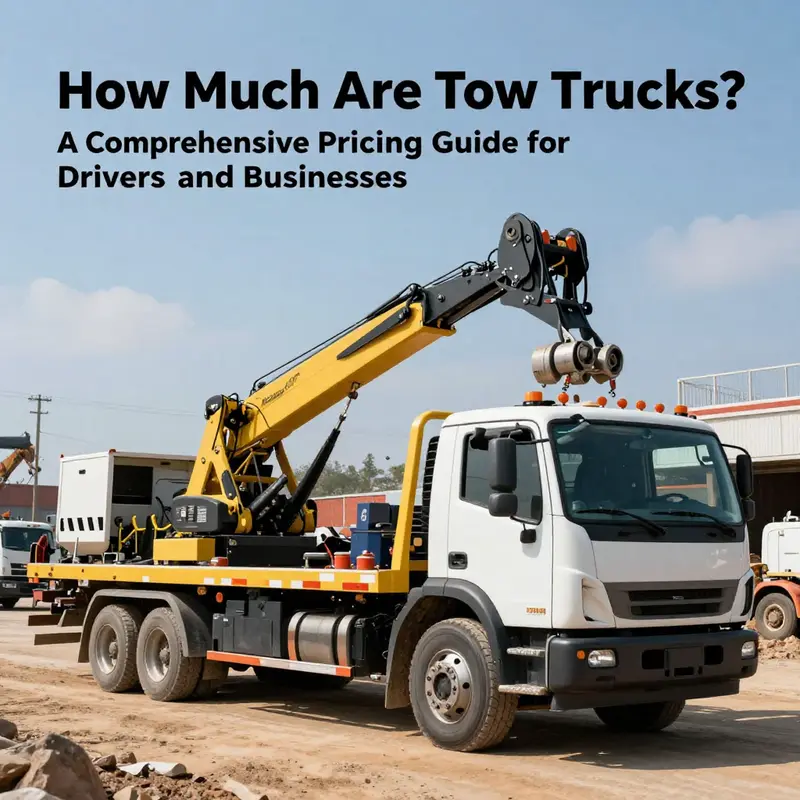
When a fleet operator weighs the cost of expanding or refreshing a heavy-duty tow fleet, price becomes more than a number on a spec sheet. It is a reflection of capability, resilience, and the ability to reclaim road space quickly during emergencies. Heavy-duty tow trucks sit at the intersection of industrial design and service logistics. They must survive constant exposure to harsh environments, heavy loads, and the unpredictable rhythms of highway rescues, airport ramp operations, and large industrial sites. This is why price bands for these machines are wide, not random. They capture differences in chassis configuration, lifting and winching capacity, the type of lifting mechanism, drivetrain complexity, and the level of customization. They also encode the realities of supply chains, warranty terms, and after-sales support that fleets rely on to minimize downtime. Reading the market through this lens helps a buyer translate sticker price into long-term value, maintenance predictability, and operational readiness that protects crews and reputations alike. In much of the market chatter, the emphasis tends to fall on the maximum lifting capacity or the number of tons the machine can hoist. Yet the pricing story is rarely complete without examining the entire system: what frame the truck sits on, how the boom behaves under load, what kind of wheel-lift or under-lift configuration is offered, and how power and control systems are integrated into a coherent package. Heavy-duty towing is not a single action but a sequence of critical steps: stabilize the scene, connect, lift, and winch or rotate the vehicle free from danger, all while protecting the recovered asset and the operator. Each phase imposes a different set of demands on the machine, and prices rise or fall accordingly. In practical terms, the cost spectrum for heavy-duty tow equipment starts with the simplest form of recovery serviceable in a 30-ton to 50-ton class framework, and climbs toward specialized rotators that can manage complex multi-vehicle recoveries and hazardous configurations. For buyers, the decision often hinges on workload profile: the volume of calls, the typical vehicle mix, the distances involved, and whether incidents commonly require more than mere straight pulls. The market recognizes this, and pricing tracks the anticipated utilization pattern. A 4×2 or 6×4 chassis without rotator can perform many demanding tasks if equipped with a robust wheel-lift. A heavier 8×4 chassis, designed for bigger loads, becomes viable when paired with a rotator or a wheel-lift system tuned for high torque and precise control. The price delta between these configurations is not just about horsepower; it is about the entire operational envelope that the truck can safely and efficiently manage. When we dissect the market, several factors emerge as consistently influential. The first is load capacity and the corresponding hydraulic architecture. A heavy-duty wheel-lift or under-lift system must be matched to the frame stiffness and the hydraulic pump capacity to deliver reliable lifting under load. The more powerful the system, the higher the price, but the value is realized in faster recoveries and reduced risk during heavy events. The second driver is the lifting mechanism itself—whether the operator relies on a rotator, a dedicated wheel-lift, or an under-lift with a separate lifting arm. Rotators, especially those in the 30-ton to 50-ton range, command premium prices due to their complexity, control systems, and the ability to rotate the recovered vehicle into a safe stance before removal. Relatedly, the boom configuration, including stroke length and the angle range, informs both capability and cost. A longer, more versatile boom increases reach and versatility on multi-vehicle scenes, which is particularly valuable on highways or airports where space is constrained and time is critical. The third major influence is the chassis and drive configuration. An 8×4 chassis provides higher payload and traction when traversing uneven terrain or uneven incident scenes, but it also introduces additional mechanical and maintenance considerations. The choice between a 4×2, 6×4, or 8×4 arrangement is not merely about initial price; it is about lifecycle costs, fuel efficiency under load, and the availability of service networks that can maintain these more complex machines across multiple regions. The fourth driver is power, not only in terms of horsepower but in the torque available for winches and hydraulic systems. Heavier trucks rely on high-torque, high-pressure hydraulics to keep the line taut when lifting a vehicle from the brink of danger. The winch power rating, measured in kilonewtons, translates directly into the speed and certainty of a recovery. While some buyers focus on the peak numbers on the data sheet, the practical impact appears when rescuers are sprinting against time and road congestion. And then there is the domain of customization and value-added features. A fleet operator may opt for enhanced lighting, advanced stabilization legs, weatherproofing for rough environments, or integrated diagnostic and telematics packages that help track uptime and anticipated maintenance windows. Customization, by its nature, pushes prices upward, but it also yields a system that anticipates and reduces downtime. Alongside the hardware is a matter of after-sales terms and support networks. A one- or two-year warranty is customary in this market segment, with some suppliers extending coverage for overseas service and parts availability. Delivery windows, often around 30 days, influence total ownership costs, especially when fleets must align procurement with capital budgets, depreciation schedules, and maintenance planning. The negotiation around these terms can be as consequential as the base price, because favorable warranties and service options translate into lower expected operating costs over the life of the asset. In practical pricing ranges observed across the heavy-duty category, a 12-ton under-lift with a 16-ton boom can sit in a broad band from the mid-twenties to the lower end of the sixties thousand dollars, depending on whether it is a basic spec or a more feature-rich embodiment. A rotator in the 30-ton to 50-ton class typically lands in a band from roughly the mid-30s to the mid-40s thousands, with the precise figure shaped by the combination of lift capacity, rotator sophistication, and the stability and reach offered by the boom. A larger 50-ton-plus class unit, which may be configured on an 8×4 frame and equipped with higher-range winches and advanced stabilization systems, often occupies a higher tier that can reach into the upper fifties or even the mid-to-upper hundreds of thousands depending on whether it is a new build with premium options or a heavily customized setup. It is worth noting that used heavy-duty tow trucks exist well below these marks, with advertised starting points around modest sums. These offerings reflect the realities of depreciation, mileage, and the absence of warranties or limited-service networks. For buyers, this creates a practical continuum: the option to acquire a lower-cost unit for tactical deployments or a higher-cost unit designed for high-throughput operations and long-term reliability across multiple routes and weather conditions. The decisions are rarely purely about the purchase price. They hinge on maintenance predictability, fuel efficiency under heavy use, uptime guarantees, and the ability to source spare parts and skilled technicians who can handle the complexity of these machines. In some markets, bulk purchases or large fleets can unlock favorable unit costs—services and discounts that offset the higher capital expenditure with lower per-unit maintenance and better financing terms. One area that often deserves close scrutiny is the financing and total cost of ownership. A truck in the heavy-duty range is a long-term instrument, not a single purchase, and the financing structure should reflect its strategic value to the fleet. A multi-year loan or a lease with predictable residual values can help spread the risk and align with revenue cycles, while maintenance contracts and extended warranties can stabilize the cost of ownership. It is here that the market often reveals a practical paradox: while new units command premium upfront prices, they also promise the best uptime and the longest warranty windows. Conversely, used units may present tantalizing first-year savings but carry a higher risk of unscheduled downtime or costly early maintenance. The prudent buyer weighs this against anticipated workload, maintenance capacity, and the availability of trained technicians. The pricing landscape also contains occasional price anchors related to international supply chains and export terms. For operators dealing with cross-border procurement or import logistics, the final price may reflect duties, freight, and compliance charges that shift the total paid, bringing the previously tidy price range into a more complex total cost picture. Buyers can mitigate some of these factors by planning procurement around production cycles and by leveraging suppliers who offer bundled service and training packages that reduce the cost of bringing a new heavy-duty asset into service. It is also critical to consider how these machines integrate with a fleet’s overall performance strategy. A heavy-duty tow truck is not a stand-alone asset; it is part of a response ecosystem that includes management software, dispatch integration, and on-site safety protocols. The most effective purchases align with a larger strategy: improving rapid response times, increasing the rate of successful recoveries on high-traffic corridors, and ensuring crews have the line-of-sight to a safe work zone even in challenging weather. In this sense, pricing becomes a lever for optimizing systemic performance rather than a mere constraint on capital expenditure. For readers seeking a practical anchor on the market, one can consult general market listings and price ranges that illustrate typical bands for heavy-duty configurations. These sources show a spectrum, from new builds with maximum capability and extended coverage, to more modest specifications tailored to regional demand and typical incident profiles. The bottom line for buyers is that heavy-duty tow trucks represent a strategic investment rather than a simple purchase. The most compelling questions focus on workload, uptime, and the capacity to scale. How many high-load events does the fleet anticipate per month? What would be the impact on service levels if a single unit were down for maintenance? Are there service partners who can guarantee rapid parts delivery and technician availability across the regions where the fleet operates? Answering these questions helps convert price into a decision about value and resilience. An informed buyer also recognizes the importance of viewing this investment through the lens of a broader standards and best-practice framework. For more on how fleets can align procurement with standardized rescue operations and maintenance protocols, see standardization in heavy-duty rescue operations. This reference, while not a price guide, provides context on how specification choices translate into safer, faster, and more repeatable outcomes on the road. In sum, the price of heavy-duty tow trucks is a reflection of a complex equation. It encodes power, reach, control, and durability, while also signaling the level of after-sales support and the expected uptime that fleets require to keep roads functioning during the most demanding situations. The smartest buyers approach pricing as a total package—one that accounts for upfront cost, ongoing maintenance, and the strategic payoff of faster, safer recoveries. The decision to invest in a heavier, more capable unit should be guided by measured forecasted demand, a clear view of return on investment, and a disciplined approach to choosing a partner who can deliver both the machine and the confidence to deploy it when it matters most. For those who want to explore current market listings and recent quotes, the market ecosystem remains active and dynamic, with new configurations constantly evolving to meet evolving safety and efficiency standards. External reference for ongoing market context can be found at publicly available listings, which illustrate current offerings and pricing variations in the broader heavy-duty tow category: https://www.alibaba.com/product-detail/Heavy-Duty-Sinotruk-Wrecker-Tow-Truck_1600745381720.html
The True Price of Power: Specialized Tow Trucks, Their Costs, and the Features That Drive Value
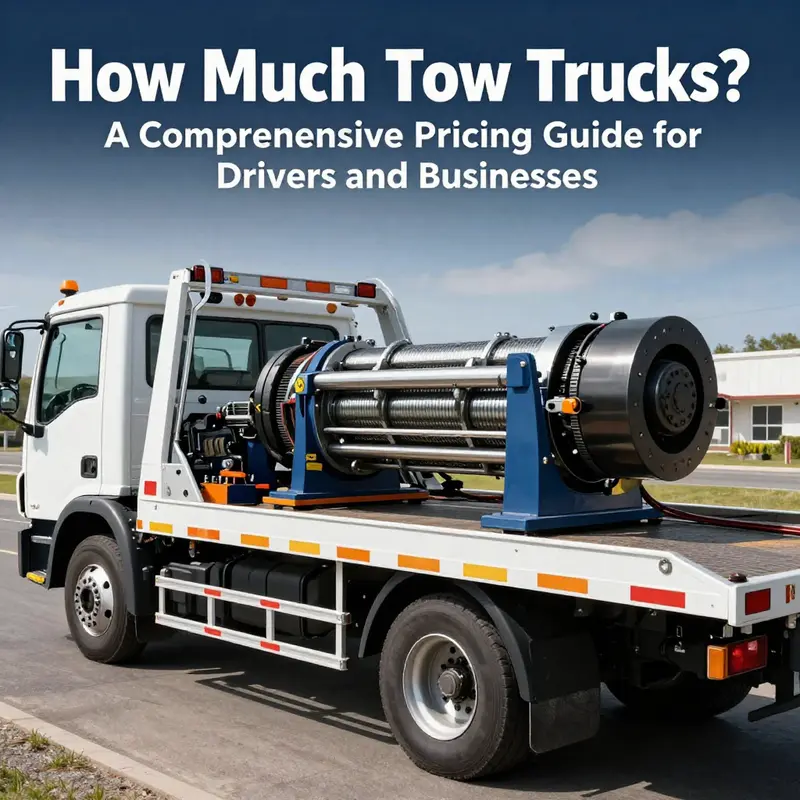
When a fleet operator surveys the landscape of tow trucks, the instinct is often to focus on the sticker price of the most common configurations. Yet specialized tow trucks are not a single category with a single price tag. They are purpose-built tools designed for high-stakes recoveries, extreme environments, and incidents that demand precision, speed, and safety under pressure. Price, in this realm, is a function of intended use as much as it is a function of capacity. The spectrum runs from lean, compact setups built for routine road-side service to colossal, highly engineered machines whose capabilities justify a substantial investment. To understand what drives cost—and what features truly matter—inspect the core types of specialized trucks, their typical price bands, and the trade-offs that come with each choice. Such an examination helps explain why a rotator can cost more than a small apartment and why a rollback bed might be the right choice for protecting modern vehicles during transport. The pricing narrative isn’t simply about horsepower; it is about capability, control, and the risk profile of the missions these machines are hired to perform. For operators who must balance quick response with sustained reliability, knowing where value comes from is as important as knowing the price itself.
Rotator tow trucks sit at the top of the specialized ladder. They are the most advanced and capable recovery systems, featuring a rotating boom that can move through a full 360 degrees to reach vehicles in awkward or overturned positions. When a scene demands the freedom to lift and maneuver in tight spaces, the rotator becomes a decisive asset. The appeal is clear: maximum reach, unparalleled versatility, and the ability to undertake complex extrications that other configurations simply cannot manage. In practice, rotators are deployed in heavy-duty recovery, emergency response, and incidents where traditional towing methods would be imprudent or impossible. The trade-off is equally clear: these machines are among the most expensive tow assets on the market. Price ranges commonly span from roughly $150,000 up to $300,000 or more, depending on the precise boom geometry, rotation speed, hydraulic capacity, and the degree of automation or telematics integration. They require specialized operator training, higher fuel consumption, and a larger footprint that can limit maneuverability in urban environments. The return on investment for a public safety agency or a large industrial operation can be compelling, but it hinges on the frequency and severity of the recoveries the unit is expected to perform. In other words, rotators are not a one-size-fits-all solution; they are a strategic resource for high-stakes scenarios where failure is not an option.
Beyond rotators, the market offers a continuum of heavy-duty, contact-clean, and high-capability platforms designed to handle a wide range of recovery tasks without the extreme complexity of rotators. The flatbed, or rollback, tow truck is a venerable workhorse in this category. Flatbeds use a hydraulically operated bed that can tilt or lower to ground level so the disabled vehicle can be driven or winched onto the platform. The flatbed approach protects modern vehicles—especially those with all-wheel-drive systems or lower ground clearance—by minimizing drivetrain and undercarriage exposure during loading and transport. The appeal is not merely protection; it is predictability. Flatbeds tend to deliver reliable alignment during winching, reduce incidental body damage, and simplify the loading sequence for many vehicle types. However, these gains come with trade-offs: more fuel consumption compared to some wheel-lift configurations and a larger physical footprint that complicates maneuvering in tight spaces. In specialized or high-volume contexts, flatbed units are often chosen for their safety profile and their broad compatibility with diverse vehicle classes, from passenger cars to light trucks.
For fleets prioritizing speed and efficiency in routine tow calls, wheel-lift trucks provide a pragmatic middle ground. A wheel-lift system uses a hydraulic yoke or cradle to lift one axle or the other, allowing the opposite end to stay grounded. This approach can yield faster deployments than a full flatbed in many standard towing scenarios, and it is well-suited for a wide range of everyday recoveries. The speed of deployment and reduced complexity can translate into lower labor costs and quicker turnarounds on the roadside. Yet wheel-lift systems also carry concerns: they can place more stress on a vehicle’s frame and bumpers if not executed with precision, and they demand trained operators who understand load distribution and mounting points. In practice, fleets mix wheel-lift with other configurations to optimize for typical job profiles, reserving flatbeds for delicate cargo or high-end vehicles, and reserving rotators for the most challenging scenes. The cost spectrum for these configurations illustrates the breadth of the specialized market. A robust mid-range platform might sit in the tens of thousands to mid-range six-figure territory, with price inflation linked to hydraulic reach, lifting capacities, and certifications. For instance, a 12-ton under-lift with a 16-ton boom lift might command a price band around $25,000 to $70,000, depending on features, engine power, and chassis configuration. A more powerful 50-ton wrecker built on an eight-wheel drive platform could range roughly from $36,000 to $98,000, with winch power options reaching up to 250 kN and lifting heights that stretch into the upper ranges of a recovery operation. These numbers illustrate how performance scales with the scope of work—yet even within these bands, the real-world cost is shaped by how the vehicle is used, the environment in which it operates, and the degree of customization the buyer requires.
Within this landscape, specialized and high-performance models begin to pull away in price from more conventional workhorses. A notable segment includes FAW and similar heavy-duty lines that can serve demanding environments without the extreme luxury of rotators. For example, some FAW heavy-duty models with manual transmissions and horsepower ranges in the 351–450 HP bracket sit in a more moderate price band—typically from the mid-$30,000s to the mid-$40,000s. This is not to suggest a lack of capability; rather, it signals a different balance of features, weight, and complexity. These units answer the demand for robust recovery capacity at a price point that makes them accessible to a wider range of agencies and private operators who perform regular but not extreme recoveries. For operators seeking a blend of power, reliability, and a more moderate ownership cost, these machines can be an attractive option when matched with the right configuration and service plan.
Another facet of the specialized market is the presence of highly resilient, purpose-built rescue vehicles designed to perform in rugged environments. A representative example in the literature highlights a range for certain FAW 8×4 road rescue wrecker configurations that sit between roughly $56,890 and $91,680, with a minimum order quantity of one unit. This segment underscores how specialized rescue capability, even at modest production scales, can command a premium tied to extreme duty conditions, specialized hydraulics, and the expectation of consistent uptime in challenging settings. The price spread within this category reflects variations in hydraulic reach, structural reinforcement, winch capacity, and after-sales support, all of which contribute to the total cost of ownership over the vehicle’s life cycle. In parallel, some distributors quote minimal entry prices for more basic, non-rotating, platform-type units in the high-40s to mid-50s, while noting that options and certifications can push the price higher. Taken together, the market suggests a ladder: from a practical, core heavy-duty unit around the low to mid-$50,000s, up to the upper echelons where rotators and highly specialized rescue platforms live beyond $100,000 and approach or exceed three hundred thousand dollars. The range is wide, and the right choice depends on the mission profile, geographic operating conditions, and the fiscal realities of the organization buying the asset.
The broader economics of specialized tow trucks also involve components beyond the sticker price. Warranties, certifications, and export terms can add or subtract from the upfront cost. Typical warranties span one to two years, with extended service plans available in many markets. Export conditions can affect price due to freight, import duties, and local compliance costs. For buyers seeking to navigate this market, the path to an accurate quote often begins with direct conversations with manufacturers or verified suppliers, as price and availability can shift with demand, currency movements, and regulatory changes. The practical takeaway for the buyer is simple: do not assume a single price tag applies to all specialized platforms. A rotator may demand a premium that is justified by its unique capabilities, while a robust 12-ton under-lift or a 50-ton wrecker can deliver exceptional value for agencies routinely handling high-load recoveries in mixed terrains. The right decision is one that aligns mission, risk tolerance, and budget—recognizing that more capable means more costly, but often more efficient in critical operations.
With these generalizations in mind, a practical approach to budgeting for specialized tow trucks follows a few guiding principles. First, clearly define the mission profile. If your operation faces frequent overturned vehicle scenarios, uneven ground, or congested environments, a rotator’s capabilities may justify its price premium. If the core need is safe transport of high-value or low-clearance vehicles, a robust flatbed or a wheel-lift unit might deliver the best balance of protection and efficiency. Second, factor in life-cycle costs, not just the purchase price. Maintenance, hydraulic system reliability, winch wear, and engine downtime all feed into the total cost of ownership. Third, consider training and operational safety—rotators, in particular, require rigorous operator certification and ongoing proficiency assessments to maintain safety margins on complex scenes. Fourth, assess the supply chain and support network. A machine is only as good as the service backstop that keeps it operational. Local availability of parts, response times for service, and access to qualified technicians can swing the true cost picture over the life of the asset. Finally, perform a scenario-based comparison. Run through typical call volumes, peak demand periods, and the distribution of incident types. A fleet that regularly handles high-severity recoveries may justify a rotator or a high-capacity rescue vehicle. Conversely, a smaller operation with steady but less extreme needs might optimize value with a mid-range unit and a well-structured preventive maintenance program.
Prices, as the data indicates, come in discrete bands, but the real utility lies in the alignment between the unit’s capabilities and the operator’s needs. For example, a light-duty tow truck with under-lift flatbed might start at around $11,000 and rise to $36,000 depending on engine power and axle configuration. Moving up the ladder to medium-duty machines used for highway and urban recovery commonly lands in the mid-twenties to mid-thirties—think 400 HP engines, telescoping booms, and 10–15 ton capacities. Heavy-duty platforms widen the range further, where a 12-ton under-lift with a 16-ton boom may appear in the $25,000 to $70,000 neighborhood, while the more powerful 50-ton models can stretch into the high five figures or beyond. For specialized and high-performance models, the price can be both inviting and intimidating, depending on the level of sophistication and the mission-critical features included. A range from roughly $57,000 for a basic special-purpose model to well over $300,000 for top-tier rotators is not unusual, reflecting the diversity of tasks these machines were designed to perform. In some cases, manufacturers and distributors will also offer bulk purchase discounts—though those savings tend to apply more to fleets and larger orders, such as Isuzu 4×2 platforms offered at reduced unit prices when acquired in bulk. Buyers should weigh the economics of each configuration against the expected workload and the incremental value of additional capabilities.
To ground this discussion in concrete decision-making terms, consider how a buyer translates these numbers into action. If a municipality operates a small fleet with a consistent need for reliable vehicle recovery across a regional corridor, a multi-purpose unit in the mid-range of the spectrum can deliver broad utility. It can load, transport, and recover a wide variety of vehicles with a dependable service life, while keeping a lid on the upfront investment. If the operation sits at the high end of risk exposure—incidents involving overturned trucks, complex entanglements, or off-road recoveries on uneven terrain—a rotation-capable platform may be justified. Of course, this choice is not made in a vacuum; the total cost of ownership must be calculated, including the cost of training, fuel consumption, and potential downtime during maintenance windows. In the end, the decision hinges on the anticipated volume of complex recoveries, the environments in which the operator functions, and the level of safety and efficiency required to protect both responders and the public.
As buyers navigate this market, a key step is to verify current specifications and pricing with suppliers and to protect themselves with proper due diligence. Real-time quotes, warranty terms, and after-sales support should factor into the final decision as heavily as the sticker price. For readers who want to explore more about how specialized equipment standards and operational readiness influence fleet decisions, a relevant reference is available: Standardization in Heavy Duty Rescue Operations. This resource delves into how standardization affects the reliability and safety of heavy-duty rescue assets, an important dimension when evaluating the true value of a specialized tow truck.
Ultimately, the question “how much are tow trucks?” gains nuance when specialized capabilities enter the conversation. The price tag is a signal of capability, but the value is measured in the outcomes these machines deliver—the speed of response, the safety of the operation, and the consistency of performance in the most demanding conditions. The best investment aligns mission requirements with a configuration that optimizes both performance and total cost of ownership, while providing a plan for maintenance, training, and service continuity that keeps the asset productive year after year. When approached with a clear understanding of needs, options, and the realities of the market, operators can secure a specialized tow truck that not only meets today’s demands but also scales gracefully as those demands evolve. External references and current market listings can help inform a precise quote, and they serve as essential tools in translating capability into budgetary reality. For more on real-world pricing and specifications in this space, you can consult industry listings and supplier resources from time to time, such as those discussed in market overviews and trade channels. As a practical takeaway, begin with a mission-based needs assessment, map those needs to the appropriate category—rotator, flatbed, wheel-lift, or hybrid—and then solicit quotes that include axle configuration, horsepower, boom reach, winch capacity, and certification options. This approach yields a purchase plan that is both financially sound and operationally robust, one that keeps the fleet prepared for the most challenging recoveries while remaining aligned with the organization’s broader emergency-response objectives.
External reference: https://www.alibaba.com/product-detail/FAW-8X4-Special-Vehicle-Road-Rescue_1600582323484.html?src=google&lang=en
Final thoughts
Understanding the cost and capabilities of various tow trucks is crucial for making informed decisions in vehicle recovery and towing operations. Each category, from light duty to specialized models, offers unique features, making them suitable for specific situations. As a local driver, auto repair professional, or property manager, aligning your needs with the right tow truck can maximize efficiency and enhance service delivery. Don’t overlook the critical element of cost—invest wisely to ensure that your towing solutions meet both your budget and operational needs.