
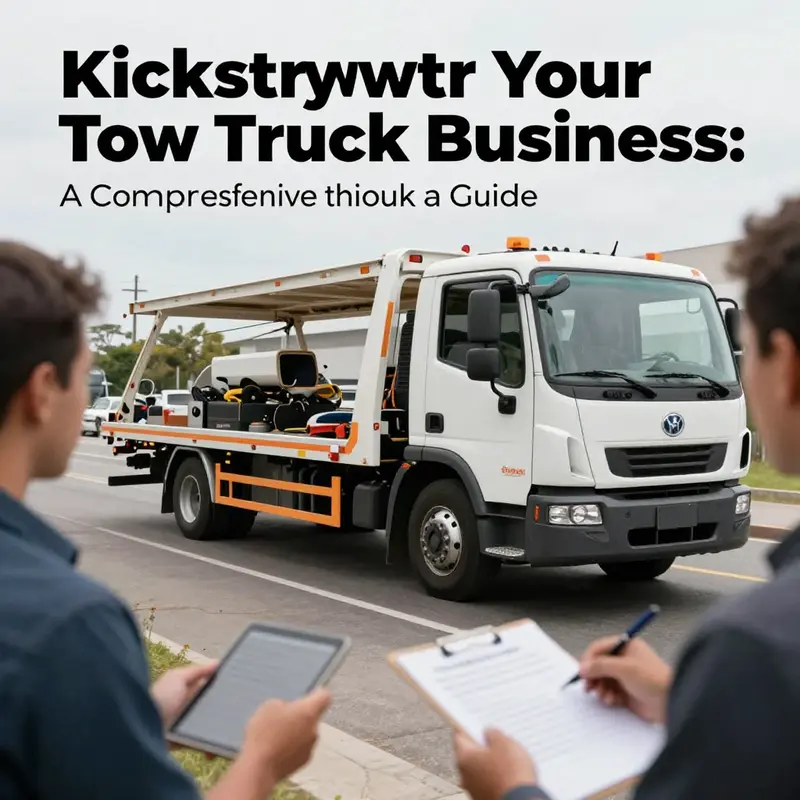
The road can be unpredictable, and when drivers find themselves in need of help, a reliable tow truck service becomes indispensable. Whether you’re a local driver stranded on the roadside, an auto repair shop needing assistance, or a property manager facing unauthorized parking issues, understanding how to start a tow truck business can greatly benefit you. This guide unpacks the essential steps to establish a tow truck operation that meets the needs of various clients, like individuals in distress or businesses seeking dependable towing partners. Each chapter dives deep into a critical aspect—defining your niche and target market, crafting a robust business plan, securing licenses, acquiring the right equipment, and obtaining comprehensive insurance—equipping you with the tools necessary for a successful launch and sustained growth in this vital industry.
Niche by Need: Crafting Your Tow Truck Business Around Real-World Demand
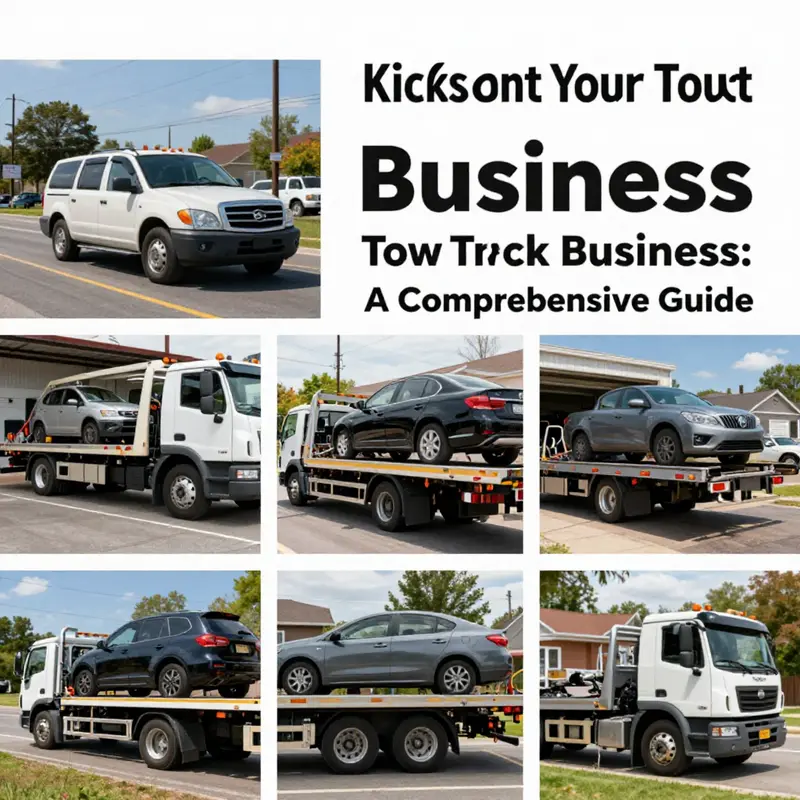
The backbone of a successful tow truck business is not the size of your fleet or the power of your recovery gear, at least not at first. It begins with listening to the roads you intend to serve and translating what you hear into a precise, defensible niche. This is not a one-time exercise but a live recalibration: markets shift, incidents change with the seasons, and new clients come with different expectations. When you anchor your business around a real need—where demand is proven, where you can move faster, and where you can differentiate your service—you create a roadmap that informs every upcoming decision, from the types of vehicles you acquire to how you price, dispatch, and brand yourself. The path to sustainable success lies in choosing a market you can own with credibility, not in chasing a broad, vague dream of serving everyone.
To begin, you must ground your plan in solid market research. This means more than glancing at local population or traffic counts; it means understanding the frequency and timing of breakdowns, the kinds of vehicles that dominate your area, and the operational realities that influence your response times. In practical terms, gather data on how many incidents occur in the city center during weekday rush hours, the volume of commercial fleet activity on industrial corridors, and the kind of vehicle mix that patrols your streets—sedans, SUVs, light trucks, and heavy-duty rigs alike. Talk with local repair shops, car insurance adjusters, and fleet managers to learn where the pain points lie. Are breakdowns concentrated along certain corridors? Do insurers prefer rapid-response networks for accident recovery, or do they rely on a few trusted partners for non-emergency transport? These conversations help you map demand not as a vague market label but as concrete patterns you can serve.
From this research, you can craft a target market that feels specific yet scalable. A common pitfall is trying to serve every conceivable client in every conceivable scenario. A better approach is to define a few clearly prioritized segments. You might focus on urban areas with high traffic congestion where emergency towing and accident scene recovery are continuous needs and where quick turnarounds win trust. Or you might concentrate on rural or suburban pockets where response times matter and services are scarce, positioning yourself as the reliable, local option for non-emergency transport and vehicle storage coordination. A third path is to specialize by service type—emergency towing, accident recovery, or even specialized non-emergency transport for moving fleets, dealerships, or rental services. By narrowing your focus, you tailor your pricing, equipment, and dispatch workflows to align with what your chosen clientele values most: speed, safety, transparency, and predictability.
As you narrow the niche, consider the customer profiles you want to attract. Individuals seeking a quick roadside assist; commercial fleets that require reliable, scheduled recovery and transport; insurance companies that need consistent, compliant providers; or auto dealers and repair shops that can become steady referral partners. Your value proposition grows out of these profiles. For a high-traffic urban corridor, you might promise rapid response within a fixed radius, transparent ETA updates, and documented, law-abiding service that reduces insurer headaches after collisions. In a rural region, your value might hinge on extended service hours, career-long operator training focused on safety protocols, and partnerships with storage facilities to handle impounded or recovered vehicles. The more clearly you define who you serve and why they should pick you, the easier it becomes to design your offerings around what truly matters to them.
A nuanced dimension of niche strategy is aligning with regulatory realities and safety standards, which often shape who can serve whom and under what conditions. In many regions, compliance isn’t just a checkbox; it’s a trust signal. Licensing, bonding, insurance, and driver qualifications influence who you can realistically partner with and how you price your services. Some markets place emphasis on driver background checks or specific endorsements for heavy loads, while others might require bonding to protect customers against unethical practices. Even beyond local rules, emerging regulatory trends emphasize environmental performance and vehicle safety. In broader discussions about tow trucks, many operators see value in Euro-compliant configurations and CE marking as signs of quality and safety when seeking partnerships or entering new markets. While these standards may not be universal in every locale, recognizing them helps you plan for scalable growth and potential cross-border opportunities. Embracing a regulatory-forward mindset from the outset can prevent costly pivots later and instills confidence among insurers, fleets, and customers.
Defining a niche is not only about selecting services; it is also about choosing the right fleet and equipment to deliver on your promise. Your service area, client mix, and response-time targets should drive your truck configuration and staffing models. For instance, a focus on urban emergency towing and accident recovery calls for nimble, capable light- and medium-duty trucks with versatile winching capabilities, quick-connect lighting, and robust on-scene documentation practices. A rural or peri-urban operation that emphasizes non-emergency transport and vehicle storage may benefit from a different mix, perhaps combining flatbeds for secure transport with longer park-and-hold capabilities and more extensive scheduling for storage management. Across all scenarios, safety and maintenance cannot be negotiable. Regular inspections, tire and brake checks, and adherence to local safety regulations keep your fleet reliable and your response times predictable, which in turn strengthens your reputation within your chosen niche.
The operational side of narrowing your niche also requires thoughtful consideration of partnerships and workflows. With a defined audience, you can build a dispatch process that makes sense for those clients. A robust system should capture job details, driver notes, vehicle condition reports, and chain-of-custody documentation for every transaction. It should also support transparent billing practices that align with client expectations, whether you bill insurance, a business, or an individual. From a marketing perspective, a focused niche enables sharper messaging and more effective outreach. Instead of a broad, generic ad campaign, you can speak directly to the pain points of your priority segments—reliability for fleets, speed for urban drivers, or safety and accountability for insurers. You can also craft targeted partnerships that reinforce your niche: nearby repair shops and collision centers that regularly need dependable recovery and transport partners; local dealerships that require post-service vehicle movement; or fleet managers who need predictable, on-call support for multiple locations.
Incorporating a practical example can illuminate how a niche translates into real-world decisions. Suppose your market analysis shows a dense downtown corridor with heavy commercial traffic and a high demand for rapid accident recovery. Your niche might center on emergency towing and accident recovery for fleet operators and insurance partners, with a secondary offering for on-site vehicle storage and later return coordination. You would prioritize a fleet mix that includes dependable light- and medium-duty tow trucks capable of quick-on-scene setups, high-visibility safety gear, and efficient on-site documentation procedures. Your branding would emphasize speed, safety, and professional liaison with insurers and repair facilities. You would also invest in a dispatch platform that can handle rapid triage, ETA sharing, and invoice transparency. The result is a credible, repeatable operation that neighboring businesses recognize as the go-to partner during a crisis. For operators who aim to pursue a fleet-based niche, there is a practical incentive to consider regional variations in demand, pricing structures, and service level agreements, which further validates the need to craft a tailored value proposition.
If you are exploring which direction to take with your niche, start with a simple, honest question: Who will pay you most consistently for the value you provide, and what would be the hardest part for them to replace? Answering this question helps you decide whether to lean into emergency and accident response, non-emergency transport, or a hybrid that serves both individuals and commercial clients. It also clarifies how you position your service in the market. A strong niche does more than describe your capabilities; it makes your reliability visible to the people and organizations that matter most. It guides your pricing strategy, informs your fleet and equipment choices, and shapes your service level agreements with insurers, repair shops, and dealerships. It also creates a feedback loop that keeps your business aligned with real-world demand as the market evolves.
As you refine your niche, consider how to connect with the right networks that amplify your credibility. A practical step is recognizing the potential in fleet emergency readiness and response. Building a relationship with fleets and insurers requires demonstrated reliability and consistent performance. When you articulate your capabilities around a well-defined target market, you naturally begin to align your operations with the expectations of that audience. For operators who want to explore a focused path, a resource like Fleets Emergency Response can serve as a reference point for aligning service design with fleet-level needs and for understanding how to translate capability into trusted partnerships. This kind of alignment helps you stand out not just as a tow operator but as a professional partner capable of reducing risk and smoothing the post-incident process.
The broader takeaway is that a well-chosen niche acts as a compass for every subsequent decision. It informs your service mix, your pricing structure, and your marketing voice. It shapes the commitments you make to your customers and, just as importantly, the commitments they can reasonably expect from you. When these elements come into alignment, your business grows more predictably, attracts repeat clients, and earns referrals through consistent performance. You’ll encounter plenty of competing operators who offer generic services; your niche is what keeps you visible and valuable in a crowded market. The challenge—and the opportunity—is to keep your finger on the pulse of local demand while staying adaptable enough to pivot if new opportunities emerge or if regulatory frames shift. In many ways, niche definition is not a static label but a strategic posture that balances specialization with resilience, ensuring you can scale without losing the core value that makes clients choose you over others.
External context can deepen this understanding even further. Global demand for reliable, emission-compliant tow trucks continues to rise, especially in European markets where regulatory standards shape vehicle design and operational safety. While some buyers assume compliance equates to local manufacturing, a growing number of high-performance recovery vehicles are engineered and produced in China by exporters specializing in Euro-spec configurations. These suppliers combine cost efficiency with technical precision, offering scalable solutions from light-duty urban wreckers to heavy-duty rescue platforms. This broader perspective underscores how regulatory and sourcing considerations can influence your niche strategy and expansion plans over time.
External resource: https://www.example.com/tow-truck-supplier-guide
From Blueprint to Road-Ready: Crafting a Comprehensive Tow Truck Business Plan
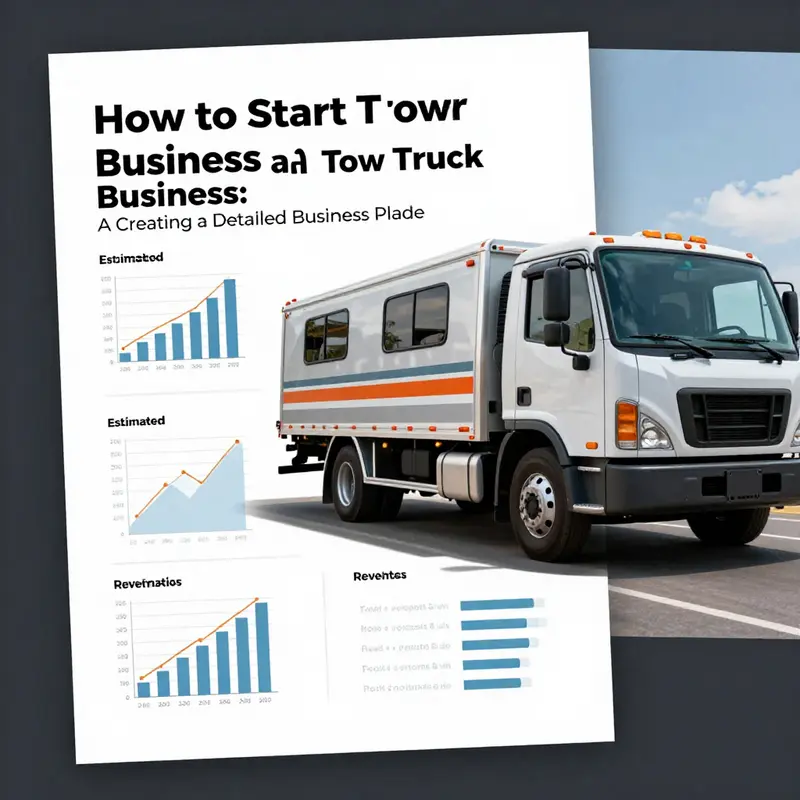
Launching a tow truck business starts long before the first dispatch. It begins with a well-constructed plan that turns a hopeful idea into a concrete operation, a structured workflow, and a responsible, reputable service. A robust business plan does more than layout services and prices; it aligns your mission with market realities, frames your risk tolerance, and guides every decision from equipment choices to staffing. In this sense, the plan is not a dust-gathering document but a living tool that shapes the viability of your venture as it moves from concept to daily practice. When you write it, you are both strategist and steward, shaping the scope of what your company will do, how it will do it, and how it will sustain itself through the ups and downs of the roadside and recovery landscape.
A solid plan begins with a clear company overview. It states who you are, what you aim to deliver, and why your service matters in the communities you intend to serve. The mission is your north star, the vision a long-horizon destination, and the core values the daily behavior that turns headlines into trust. In the tow industry, trust is earned through consistency, safety, and accountability. Your plan should spell out the precise services you intend to offer—local roadside assistance, commercial fleet towing, accident recovery, or secure vehicle storage—and how these services connect to a practical service area. It should also address your operating hours, response times, and the standards by which you will measure quality in a field where seconds can determine outcomes, not merely impressions. A well-crafted overview anchors every other decision in your plan, ensuring your marketing, operations, and financial projections stay aligned with your stated purpose.
Market analysis may be the most technical portion of your plan, yet it is essential. Rather than relying on guesswork, you gather data about demand, competition, and customer segments. Who will need your services most often—the general public, local businesses, insurance providers, or repair shops? What are their pain points—speed, price, reliability, or special capabilities like heavy-duty recovery or long-distance transport? Map your service area with an eye toward gaps in coverage and opportunities for value-added services such as seasonal storms, event-based contingencies, or municipal contracts. The more precisely you describe demand and your capacity to meet it, the more credible your plan becomes to lenders, partners, and potential customers. It’s almost always wise to include a simple break-even analysis, which translates volumes and pricing into a point where revenue covers ongoing costs. Even if you never fully rely on external financing, this exercise clarifies the scale of operation required to sustain the business and helps you set realistic goals from the outset.
The organizational structure is a practical reflection of how you will operate. It is not a bureaucratic formality but a map of who is responsible for what, how decisions are made, and how accountability is maintained. In a tow truck company, you may begin with a lean team—an owner-operator or a small management pair, a handful of drivers, and a dispatcher or two. The plan should describe roles, responsibilities, and the criteria by which you will recruit or promote talent. It should also address training, safety, and customer service standards. In a service-driven field like towing, the way your team communicates with clients and handles vehicles speaks volumes about your brand. Your plan should articulate expectations for professional appearance, courteous conduct, adherence to regulations, and meticulous documentation of every job. A clear structure reduces confusion during peak periods and supports safer, more efficient operations when weather or traffic complicate dispatch.
Marketing and sales strategies, often underappreciated in early-stage plans, are vital to results. Your plan should explain how you will reach customers, differentiate your service, and build durable relationships. Consider branding that emphasizes reliability, transparency, and safety. Your marketing should blend digital presence with local partnerships. A professional website, listings on essential directories, and well-managed online profiles help prospects discover you when they need urgent help. Beyond digital channels, strategic partnerships with auto repair shops, insurance adjusters, dealerships, and fleet managers can provide steady streams of work. Your plan should spell out the outreach approach, whether through formal vendor agreements, referral incentives, or emergency response arrangements. It should also outline service commitments, like response times and transparent pricing, that support trust in a market where perception shapes preference as much as cost.
The financial projections anchor the plan in reality. Start with startup costs—vehicle purchase or lease, equipment, licenses, insurance, and the costs of setting up a base of operations. Then forecast operating expenses, including fuel, maintenance, tires, storage fees, payroll, and marketing. Revenue forecasts should reflect your service mix, pricing strategy, and anticipated call volume. A well-constructed forecast includes best-case, expected, and conservative scenarios, showing how the business would endure slower periods or market shifts. It is essential to tie cash flow to your operating plan, ensuring you can cover ongoing costs even when receipts lag. Include a sensitivity analysis that highlights which variables most influence profitability—vehicle downtime, labor costs, or insurance premiums—so you can monitor and manage those levers proactively.
The equipment strategy is more than choosing a tow truck. It is about matching the fleet to the target market, balancing capability, reliability, and cost. Your plan should describe the types of vehicles you will deploy, the roles they will fill, and how you will maintain them to minimize the risk of breakdowns. Consider the needs of your customers. Flatbeds, wheel-lift, or integrated tow trucks have different advantages depending on the typical vehicle mix in your area. Include a maintenance program, preventive checks, and a spare-vehicle plan to reduce downtime. Safety equipment, lighting, radios, and mounting hardware must be described with the same precision you apply to service processes. The plan should also address compliance and insurance considerations—ensuring your fleet aligns with regulatory requirements and industry expectations for liability coverage, cargo protection, and worker safety. In tow operations, unplanned incidents can be costly; your risk management approach—safety training, incident reporting, and disciplined QA—helps limit exposure and preserve your reputation.
Licensing, permits, and insurance form the regulatory backbone of any tow operation. Your plan should itemize the licenses you must obtain, how you will pursue them, and the timeline for compliance. It should outline the types of insurance you will carry and the rationale for each, from commercial auto to general liability and umbrella coverage. The paperwork often involves bonding or surety requirements to protect customers from malpractice, and your plan should document how you will meet those obligations. A thoughtful compliance section signals to lenders and partners that you understand the field’s legal boundaries and are prepared to operate within them. It also highlights your commitment to ethical practices, an increasingly important signal in a market where customers and regulators scrutinize every move.
Operational workflows bring the plan to life. A dispatcher-centric narrative helps you picture how calls are received, assigned, and completed. You should describe how you will track jobs, verify vehicle status, document the service delivered, and bill clients accurately. Modern operators use GPS-enabled dispatch and mobile field apps to coordinate trucks, capture evidence, and support invoicing. The plan should emphasize a culture of meticulous record-keeping, clear communication with customers, and rapid problem-solving when plans deviate—such as a long tow under bad weather or a vehicle held by authorities. A well-articulated operational flow reduces ambiguity, improves response times, and supports accountability.
Finally, the plan is not a solitary manuscript. It is a living document that invites review from partners and lenders and invites ongoing refinement. In practice, you should use the plan as a communication tool with potential financiers, illustrating how your approach reduces risk and increases the likelihood of sustainable profits. It should also serve as a reference for day-to-day decisions, ensuring that growth remains aligned with your core purpose and your mission. To keep the narrative grounded in real-world experience, many operators consult industry resources and learn from peers who share lessons about compliance, safety, and growth. For ongoing insights and practical commentary, you can explore resources like the Santa Maria Tow Truck Blog, which offers practical perspectives and field-tested ideas that complement formal planning and help you stay connected with the industry’s daily realities. Santa Maria Tow Truck Blog.
In shaping your plan, remember that the strongest documents reflect both aspiration and discipline. They balance ambition with pragmatism, acknowledging what is possible within your local market while outlining steps to expand capabilities responsibly. They connect the dots from strategy to execution, ensuring that every page nudges you toward a more reliable, safer, and more trusted service. And they remain adaptable—built to absorb new regulations, shifting demand, or unforeseen challenges, yet rooted in a consistent commitment to customers and community. As you finalize your plan, use it as a benchmark for your first year of operations, a touchstone for hiring and training decisions, and a framework for evaluating performance against the standards you set at the outset. The road ahead is long, and the work is real, but with a carefully crafted plan you can turn a hopeful idea into a dependable, respected tow truck business that serves the needs of your neighbors when they need you most. External reading: https://www.sba.gov/business-guide/plan-your-business/write-your-business-plan
Laying the Legal Groundwork: Licenses, Permits, and the Road to a Compliant Tow Truck Startup
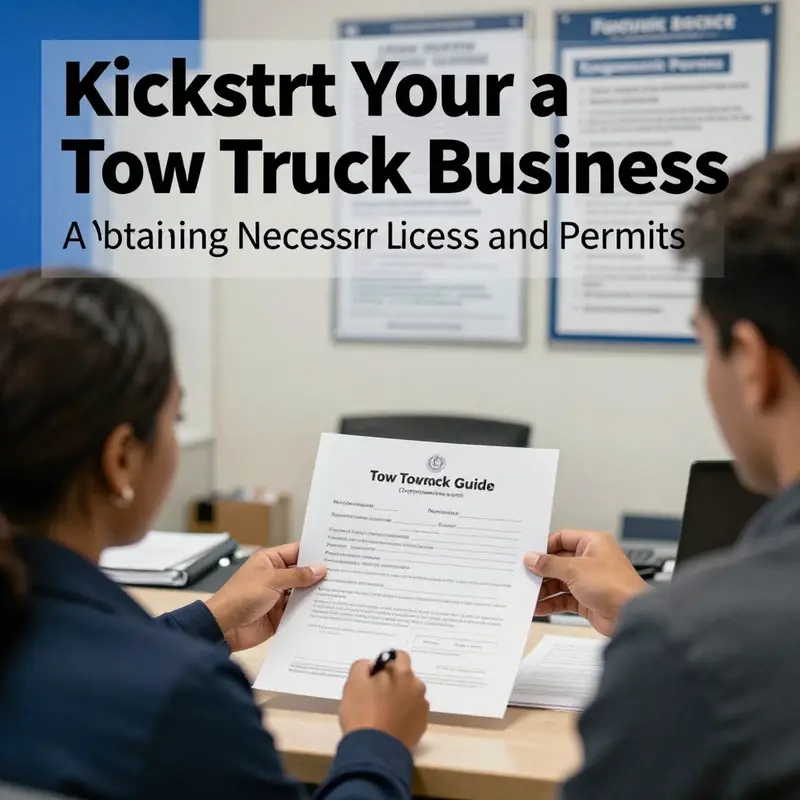
Launching a tow truck business begins long before the first call comes in. It starts with a disciplined, comprehensive understanding of licenses, permits, and the regulatory web that governs every mile you drive and every vehicle you hook. In a field where trust is built on safety, accountability, and predictable service, the licenses you secure and the permits you hold are not bureaucratic hurdles; they are the framework that protects customers, your team, and your bottom line. The path to compliance can feel complex, but it is navigable with a disciplined approach: verify state requirements, align your entity, secure the right insurance, and ensure your equipment and operations meet the standards that regulators expect. When you view licensing as a strategic capability—an asset that reduces risk and enhances reliability—the process becomes not a checkbox exercise but a competitive differentiator. This chapter explores that road map, weaving together the essential licenses and permits with practical implications for a tow truck startup that aims to operate legally, safely, and sustainably from day one.
First, the legal framework starts with your business entity and registration. You’ll want to establish your company as a legitimate entity in the eyes of local authorities and the tax system. This typically means registering with your city or county so you’re recognized as a distinct legal entity. Alongside this, an Employer Identification Number (EIN) from the IRS is a critical asset. Even if you’re a sole proprietor with no employees, an EIN simplifies tax reporting, opens the door to business banking, and signals a professional operation to suppliers, lenders, and customers. The process may seem administrative, but it is foundational. A properly registered business entity also facilitates opening a dedicated bank account for operations, which helps track revenue, expenses, and cash flow—an essential discipline when you’re budgeting fuel, maintenance, fuel, insurance, and licensing renewals. As you map your niche—local roadside assistance, commercial fleet towing, or accident recovery—align your entity to support scale and risk management. A well-structured registration not only satisfies regulatory expectations but also sets the stage for credible, scalable growth.
Next come the vehicle-specific and operation-specific permissions that keep your fleet compliant on a day-to-day basis. If your tow trucks have a gross vehicle weight rating above 26,000 pounds, a Commercial Driver’s License (CDL) with the appropriate endorsement is typically required. For lighter vehicles, a standard driver’s license may suffice, but this depends on your state’s thresholds and how you operate. Vehicle registration and title should be in your business name, and you’ll need to ensure your truck meets state requirements for commercial vehicles. This isn’t merely about paperwork; it’s about ensuring vehicle controls, braking, lighting, and towing equipment meet safety standards. Proper registration and licensing also enable you to obtain insurance with confidence, and they create a clean paper trail for audits, claims, and customer proofs of service. The act of registering and titling the truck in the business name signals your professionalism to partners such as repair shops, insurance adjusters, and law enforcement, and it helps in the event of disputes or claims.
Beyond state boundaries lies the complex terrain of interstate commerce and broader regulatory oversight. If you intend to operate across state lines, you’ll encounter federal requirements that go beyond the basics. The Federal Motor Carrier Safety Administration (FMCSA) administers the framework for interstate towing and other commercial motor carrier activities. You’ll typically need an Operating Authority, sometimes referred to by an MC Number, to conduct interstate work. You’ll also participate in the Unified Carrier Registration (UCR) system, which tracks your registration across states. In addition to federal requirements, most states impose their own road transport permits and registrations. Your state Department of Transportation (DOT) will tell you exactly what forms to file, what fees apply, and what inspections or certifications may be required for your fleet. It’s common to face a staggered timeline: you can operate locally while you finalize interstate authority, but you’ll need to align both tracks to prevent gaps that could stall growth or trigger penalties.
Insurance follows licensing like a shadow follows daylight. Commercial auto insurance is essential, covering liability arising from vehicle operations and the inherent risks of towing work—hooking, winching, roadside assistance, and asset protection during transport. Because towing involves potential cargo and the exposure of customers’ vehicles, cargo insurance is a prudent inclusion, and many operators add uninsured/underinsured motorist protection to guard against gaps in third-party coverage. If you have employees, workers’ compensation becomes mandatory in many jurisdictions, protecting both workers and the business from on-the-job injuries. Another common requirement is a surety bond, designed to protect customers from improper practice in towing and to assure the public of your financial responsibility. The exact bond amount can vary by state, so you’ll want to verify the specific figure that applies where you operate. Insurance is not a cost center if you treat it as risk management and trust-building with customers; it’s a foundation for credibility and continuity.
The equipment itself is more than a truck and a winch. Some states require certification or inspections of tow trucks to ensure they comply with safety and equipment standards. Equipment requirements often extend beyond the truck body to include proper lighting, safety cones, signaling devices, and robust communication capabilities. In a field dominated by emergency responses, the ability to communicate clearly and respond quickly is inseparable from compliance. Consider also the environmental dimensions: proper handling of fluids, fuel, and oils during towing operations, plus procedures that minimize spills and contain them when they occur. These practices reduce environmental risk and align with broader regulatory expectations for fleet operations. Training for drivers and staff should extend beyond driving skills to include safety practices, incident reporting, and customer interactions. A well-trained team reflects the business’s commitment to professionalism and the safety of the public it serves, a message that resonates with insurers, law enforcement, and clients alike.
Local zoning and permitting add another layer to the practical side of starting up. If you plan to operate from a fixed base, you’ll need zoning clearances or business location permits from the city or county. These permissions ensure that your operations, including storage of towed vehicles, are compatible with land-use rules and neighborhood expectations. Environmental compliance remains a practical daily concern: you must manage spills, dispose of hazardous fluids responsibly, and maintain records demonstrating adherence to regulations. Taken together, these layers—business formation, licensing, insurance, equipment, and local permits—form a coherent, enforceable framework for a tow truck startup. They make activities predictable for customers, lenders, and partners, while also creating a defensible position should regulatory scrutiny arise.
It is prudent to recognize that regulatory requirements evolve. States routinely update licensing standards and insurance mandates, and federal rules may shift with policy developments. Staying current means checking with the state DOT and FMCSA, and consulting formal guidance from industry resources that summarize state-by-state requirements. In practice, this means aligning your internal processes to document every license, permit, and certificate, and building a continuous compliance mindset into your operations. It also means planning a practical timeline that accommodates license renewals, insurance audits, and vehicle inspections, so you’re never surprised by a renewal window or an unexpected compliance check. For operators seeking a consolidated resource tailored to their state, official guidance is available through the National Association of Automotive Repair & Towing, complemented by state agencies. To deepen your ongoing compliance discipline, consider visiting relevant industry resources and keeping a standing checklist that you review quarterly with your leadership team.
As you prepare to launch, you can further support your journey by drawing on practical, action-oriented materials such as the Santa Maria Tow Truck blog, which offers insights into fleet readiness, emergency procedures, and best practices for dispatch and operations. This kind of resource can complement your formal licensing efforts by translating regulatory requirements into real-world, day-to-day discipline. For example, a post on how to standardize fleets for emergency response or how to spot illegal towing practices can sharpen your overall approach to compliance in daily operations. You can explore such perspectives at the Santa Maria Tow Truck blog to ground your licensing decisions in concrete, field-tested experience, ensuring your regulatory compliance translates into reliable service delivery.
Finally, when you’re ready to move from planning to execution, keep a clear line of sight to the essential external reference that anchors all lawful interstate towing activity. The FMCSA’s official site provides current regulatory guidance, forms, and contact points for licensing, registration, and compliance monitoring. Regular engagement with these authorities reduces the risk of drift or misunderstanding and helps you anticipate changes before they affect your operations. In this way, licensing and permitting become not a hurdle to clear but a strategic asset that underpins credibility, financial resilience, and long-term success. External resources are essential to stay aligned with evolving rules, while internal systems keep your team compliant on the road every day. For ongoing guidance you can rely on, the FMCSA portal remains an indispensable touchstone for legitimate, interstate tow operations. https://www.fmcsa.dot.gov/
Internal link reference: For ongoing updates and practical perspectives that help translate licensing requirements into everyday readiness, you can read more on the Santa Maria Tow Truck blog. Santa Maria Tow Truck blog
Securing the Core: Choosing the Right Tow Truck and Building a Practical Equipment Fleet for a Startup
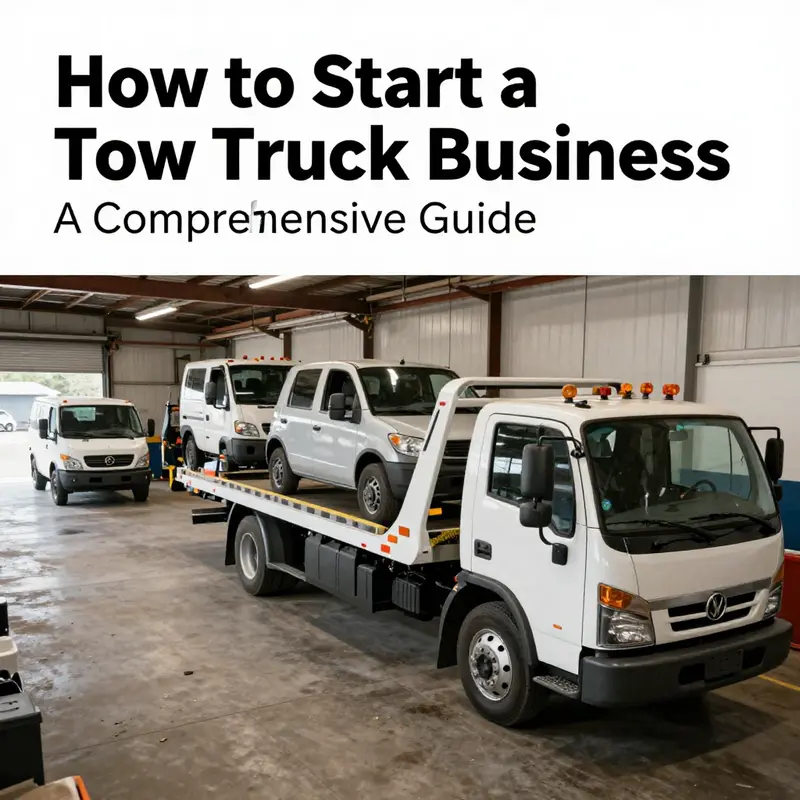
Choosing the right tow truck and assembling a capable equipment fleet is not merely a shopping decision; it is the bedrock of how you will handle every call, from a routine jump start to a complex recovery. In the startup phase, reliability and total cost of ownership matter more than flashy specs. Begin by clarifying your target workload: light-duty towing for cars and motorcycles, or heavier work for fleets and roadside recoveries. Each tier requires different powertrains, lifting gear, and maintenance profiles, and your choice will constrain the jobs you can pursue and your ability to scale. Then evaluate total cost of ownership, including depreciation, downtime, maintenance, parts availability, and service network coverage in your region. A well-chosen truck should align with your typical jobs and local regulations. Light-duty units offer nimble handling and lower fuel use; heavy-duty units enable larger vehicles but demand more investment in maintenance and specialized technicians. Consider optional equipment like flatbeds, wheel-lift devices, and high-tensile straps, ensuring you meet safety standards and insurance requirements. You should also factor in safety gear, lighting, two-way radios or dispatch equipment, and a simple on-site documentation process to support accurate invoicing and service histories. Implement a straightforward fleet-management workflow to schedule preventive maintenance, track asset condition, and minimize downtime. Finally, cultivate strong supplier relationships: compare dealers on price, warranties, parts availability, and after-sales support; arrange a short pilot period to test handling, visibility, and ergonomics before committing; document every decision to support future upgrades and resale value.
Securing the Shield: Building a Tow Truck Startup on a Foundation of Comprehensive Insurance
Securing the shield of comprehensive insurance is more than a regulatory checkbox. In a tow truck startup, it is the quiet engine that keeps growth possible when the first roadside flare hits your business plans. Insurance isn’t merely about paying premiums; it’s about shaping your operational reality, defining how you price risk, and proving to customers, lenders, and partners that your enterprise can weather the inevitable uncertainties of the road. The moment you decide to turn wrench-turning and wheel-lift into a business, you step onto a high-stakes field where accidents, mechanical failures, and unexpected events can alter the trajectory of months of effort. A robust insurance program translates vague confidence into concrete protection. It enables you to respond promptly to incidents, maintain service continuity, and sustain the trust that customers place in a newly minted company. That trust matters because a tow operation touches people at vulnerable moments—when a car breaks down, when a vehicle is in need of recovery, or when a shop is trying to keep a fleet moving. Insurance, properly chosen and well managed, reduces fear about what might go wrong and instead shifts focus to how you will handle it when it does. This is not theoretical risk management; it is practical risk governance that becomes the foundation for pricing, hiring, and scaling the business with discipline.
At the core sits Commercial Auto Insurance, a policy package tailored to the realities of tow operations. The basics look simple on a page: liability to cover injury or property damage arising from your vehicle’s operations, and physical damage coverage that pays to repair or replace your tow truck after a collision or a non-collision calamity. But the devil is in the detail, and the details matter because they shape every dispatch, every job estimate, and every customer interaction. Primary liability coverage is the first line of defense. It must be sufficient to absorb the financial impact of bodily injury and property damage claims that can arise from a tow operation. While minimums vary by state, the prudent operator leans toward higher limits to avoid exposing the business owner to ruinous out-of-pocket claims. Physical damage coverage, often labeled as collision and comprehensive, guards against the kind of losses that can wipe out the value of a newer, well-maintained fleet after a serious incident or a broad spectrum of non-collision hazards—from theft to fire to weather-related damage. In addition, Hired Auto Liability becomes essential when the business works with vehicles owned by customers or third parties. Towing someone else’s car during a recovery creates exposure that can eclipse incidental concerns if not properly insured. Without hired liability, a single high-stakes tow could saddle you with unanticipated costs that threaten profitability and even solvency.
Yet insurance must not stop at the obvious. A comprehensive program adds layers that reflect the unique rhythms of a tow business. Garage Keepers Liability is not a luxury expense; it protects the vehicles in your care, custody, or control while they are on your premises or under your maintenance. If a customer’s car is damaged while in storage or during a repair job, this coverage can be the difference between a satisfied client and a costly dispute. General Liability is the shield that covers third-party claims for bodily injury or property damage that occur on your property or as a consequence of your activities. In a field where a slip-and-fall in a shop or a minor customer injury near the office can produce serious claims, this protection keeps the door open for continued operations. Workers’ Compensation, where required by state law, underpins a predictable, fair response to injuries among employees. It not only covers medical costs and wage replacement but also preserves morale and trust within the team. And for a business that may face disruptive events—a major accident, a fire, or a natural disaster—the value of Business Interruption Insurance cannot be overstated. It helps bridge the gap between a temporary shutdown and continued obligations like rent, payroll, and ongoing debt service, enabling a recorded recovery path rather than a collapse into crisis.
The process of assembling this protective layer starts with a nuanced understanding of the risks your specific operation faces. A tow business is not a single, uniform activity. Depending on whether you focus on light roadside assistance, fleet towing for commercial clients, accident recovery, or long-term vehicle storage and transport, the risk profile shifts. You may operate a small fleet with a handful of trucks or manage a larger operation with several units in a defined service area. Each configuration calls for tailored coverage. When you sit with a broker who specializes in commercial auto and transportation risks, you should be candid about the number of trucks, their types (for instance, flatbeds versus wheel-lifts), the services you offer, and your projected growth plan.Accuracy in this information is not a courtesy; it determines terms, deductibles, and exclusions that will shape your cash flow for years. The right broker will guide you through a careful comparison of policies, focusing on limits that reflect the scale of your exposure and the duration of potential claims. In practice, that means reviewing not only quoted premiums but also the specifics of coverage limits, each deductible, and the carve-outs or inclusions that could affect a claim. The process is iterative. You may start with a basic package and, as your fleet expands and your service mix evolves, revisit limits and add riders that address emergent risks. The emphasis should be on creating a policy structure that is robust yet adaptable, so the business can respond to growth without being restructured every time a new service line is added.
Integrating insurance into the business plan requires discipline. The financial model should recognize insurance premiums as a real operating cost, not a mere compliance expense. This recognition matters when you price your services, bid for contracts, or negotiate with repair shops and insurance partners. A policy designed with ample coverage and favorable claim-handling terms can actually improve your competitive position. Customers often gauge reliability by the perception that a company is financially prepared to assist during a crisis. Insurance that covers the complexity of roadside work, including the potential for damage to a customer’s vehicle while being towed or recovered, signals professionalism and accountability. Conversely, scant coverage or limited protection invites risk for both the operator and the client, potentially undermining trust and limiting referral opportunities.
Of course, the journey does not stop with selecting a broker and acquiring a policy. The ongoing maintenance of coverage is essential. Keep your details updated whenever you expand services, add trucks, or modify your operating area. Insurers will want an accurate picture of your fleet, your job mix, and your safety programs. Regular, proactive communication helps prevent surprises at renewal time and can even yield better terms as your safety record improves. A disciplined approach to record-keeping—documenting every incident, every near-miss, and every maintenance action—also streamlines claims handling and reduces friction when coverage is tested by a real event. Education for your team matters here as well. Your drivers and dispatch staff should understand the basics of how coverage works, what to report, and how to document the scene. That shared understanding accelerates claims processing and reinforces the impression that your operation is well-managed and trustworthy.
In this light, your insurance strategy becomes a central, guiding thread in your growth plan. It informs how you recruit, how you train, and how you structure operations. It shapes decisions about whether to pursue a particular contract that might involve longer response times or higher risk. It even influences your capital needs: the higher the limits and the broader the coverage, the larger the premium, but also the greater your resilience in the face of adverse events. A careful balance is the art of risk management in a tow business. It requires asking tough questions early—how would a major accident affect cash flow? What if a key employee is injured and workers’ compensation becomes a factor? How does garage keepers coverage protect you if a stored vehicle sustains damage while in your care? The answers guide both the selection of coverage and the design of internal controls that reduce loss exposure.
Choosing the right path means working with a broker who understands the transportation landscape, not just generic commercial lines. Transparency about your operations, a willingness to disclose all relevant details, and a preparedness to compare comprehensive quotes rather than settling for the lowest premium are signs of a mature buyer. The goal is to secure a policy that protects your worst-case scenario without crippling your cash flow in ordinary months. In practice, that often means opting for higher liability limits and more complete equipment coverage than you might initially feel comfortable with, paired with deductibles that you can sustain in a controlled manner. It also means evaluating the necessity of ancillary coverages, such as garage keepers, to match your specific business model. An experienced broker can help you build a layered, coherent insurance program that mirrors the way you operate and scales with your ambitions.
For readers seeking practical touchpoints that complement this focus on risk transfer, consider exploring the broader operations resources available through the industry blog that follows real-world experiences and lessons learned from tow operators. The content there can help you translate insurance concepts into day-to-day discipline on the ground: Santa Maria Tow Truck Blog.
Ultimately, the right insurance configuration is less about ticking boxes and more about creating organizational resilience. It enables you to respond quickly when a call comes in, maintain reliability for your customers, and sustain the cash flows that keep a startup moving forward. It signals to lenders and partners that you are serious about governance and accountability. And it gives you, the operator, the confidence to invest in people, equipment, and service lines that can transform a scrappy startup into a durable, trusted local fixture on the roads. As you set the foundation for launch, treat comprehensive insurance not as a barrier but as a strategic asset—one that underwrites every promise you make to customers and every milestone you hope to reach in the years ahead. For anyone building a tow business from the ground up, that mindset changes how you plan, how you hire, and how you grow, day by day.
External reference for deeper exploration of policies and coverage nuances is available here: https://www.insurance.com/insurance-for-tow-truck-businesses/.
Final thoughts
Embarking on a journey to start a tow truck business can be fulfilling and rewarding. By defining your niche, creating a robust business plan, navigating the necessary licenses and permits, acquiring suitable equipment, and securing comprehensive insurance, you’re setting a solid foundation. Understanding the needs of local drivers, auto repair shops, and property managers will guide you in delivering exceptional service that not only helps clients in urgent situations but also builds long-lasting partnerships. With dedication, knowledge, and the right planning, you can establish a successful tow truck operation that meets community demands and ensures your growth in the towing industry.