
Renting a tow truck has become an increasingly viable solution for both local drivers and businesses needing vehicle transport. Whether you’re a car owner looking to move your project vehicle, an auto repair shop that occasionally requires towing capabilities, or a property manager dealing with stranded vehicles, understanding how to rent a tow truck can drastically simplify your transportation needs. This comprehensive guide covers four critical aspects: affordable rentals through trusted providers like U-Haul, innovative mobile app solutions, heavy-duty options for commercial demands, and sourcing for businesses looking to expand their fleet. By the end of this article, you’ll be equipped to make informed decisions about renting a tow truck that best fits your situation.
Tow Gear for Moving Projects: Navigating In-Town Towing Equipment and the Limits of Renting
When a moving project hinges on moving a vehicle, equipment, or sizable gear, the question often turns to rental options. Can you rent a tow truck to handle a move, or is there a smarter, more practical path? The answer, in short, is nuanced. You typically cannot rent a full tow truck for moving projects from major consumer rental brands. What you can rent instead is in-town towing equipment—specialized trailers and towing gear designed to move vehicles, project equipment, or even a disabled car. This distinction matters. It frames a cheaper, flexible approach that empowers DIY logistics while still requiring careful planning, safety, and an awareness of the limits that come with equipment rental. In practical terms, this is a solution that sits between a full-service tow and a DIY haul, offering a bridge that can save time and money when used wisely.
U-Haul, a name that often comes up in conversations about moving and vehicle logistics, illustrates this nuance plainly. They do not offer tow truck rentals for moving projects. Instead, they provide In-Town Towing Equipment Rental, which includes specialized trailers and towing gear intended to move vehicles, project equipment, or disabled cars. This option is typically more cost-effective than hiring a professional tow truck service and is designed for local moves or project logistics. The availability is robust, with the service offered at more than twenty thousand locations across the country, making it a convenient choice for many users who need to control a move rather than outsource it entirely. The difference matters: you may still rely on a tow truck for certain situations, but if your goal is to move a vehicle or equipment yourself with a trailer, the in-town towing gear is the practical entry point.
To explore the practicalities of this approach, it helps to picture the common scenarios you might encounter. If you’re moving a project vehicle that doesn’t require a full-service tow, a car trailer provides a straightforward, low-friction solution. A car trailer or utility trailer can enable you to haul a car, a motorcycle, or other machinery behind a suitable tow vehicle. The key is to match the load with the trailer’s rated capacity and to ensure your tow vehicle can safely pull it. For larger projects, such as transporting heavy equipment or multiple items, a larger utility or equipment trailer might be the right fit. In every case, the choice rests on a clear assessment of weight, dimensions, and the distance of the move. It’s tempting to assume that more gear automatically equates to more convenience, but without proper matching of load to trailer and tow vehicle, the plan can backfire, turning a cost-saving move into an expensive misstep.
The broad concept is simple in practice: you rent the trailer and related towing gear, hitch and secure your load, and drive with the same caution you would use when towing any trailer. However, the reality demands attention to several key details that distinguish a successful DIY move from a risky one. First, determine the exact load you intend to move. Weigh the vehicle or equipment, verify its length and width, and then compare those measurements to the trailer’s capacity and dimensions. The trailer’s gross vehicle weight rating (GVWR) is not merely a technical specification; it is the line that separates smooth operation from brake heat, tire failure, or unstable handling on the road. If your load is close to or exceeds the trailer’s capacity, you’ll need to rethink the approach or consider a heavier, more capable trailer. This kind of careful calculation is not a hurdle but a safeguard—one that can protect you, your cargo, and other road users.
Beyond the trailer itself, the towing setup requires compatible hardware on the tow vehicle. Not all tow vehicles share the same hitch type, so you’ll need to confirm that your vehicle has the appropriate hitch, ball size, and mounting points. Some trailers rely on bumper hitches, while others require a gooseneck or fifth-wheel configuration for added stability and weight distribution. Electrical connections are another critical factor. Working lights, properly wired brakes, and reliable braking systems on the trailer are non-negotiable for highway use. The last thing you want is a blown fuse or a taillight that doesn’t function when you’re merging lanes or signaling a turn. The rental provider typically offers guidance on compatibility, but the responsibility to verify falls to you as the operator.
Safety begins long before you set out on the road. It begins with loading the trailer in a controlled, methodical way. Securement is the heart of the operation. Use high-quality tie-downs and wheel straps rated for the weight you are carrying. Place wheel chocks to prevent the vehicle or equipment from rolling while you secure or adjust the load. Distribute weight evenly to avoid a trailer that feels light-footed or wobbly as you drive. When you load, the cargo should sit low on the trailer bed, with a center of gravity aligned with the axle. If the load has sensitive components, add padding or protection to prevent shifting that could alter weight distribution during transit. Plan for small contingencies—extra straps, spare tires, basic repair tools, and a set of safety cones to alert nearby drivers if you need to stop on the shoulder for adjustments.
The real-world practice of renting in-town towing equipment hinges on a few essential rules of engagement. First, confirm local regulations and any permits that might be required for your load or route. Some jurisdictions impose restrictions on moving loads or require permits for oversize configurations, even when you’re using a rental trailer. Second, factor in insurance and liability. Rental agreements vary. You may need to provide proof of a valid driver’s license and purchase coverage through the rental agency or rely on your own insurance or credit-card protections. It’s prudent to verify what is covered and what isn’t, so you aren’t caught unprepared should damage occur or if a mishap happens on the road.
The logistical math is never far away. Daily rental rates for in-town towing equipment often come with mileage allowances and return conditions. Your total cost can rise quickly if you exceed the bundled mileage, neglect to refill fuel, or incur damage to the trailer or hitch. If your move stretches over multiple days or requires a precise schedule, plan for the possibility of additional rental days. A little foresight about the timeline, combined with a realistic assessment of weather and traffic conditions, can save you from expensive delays and last-minute scrambles. In this context, the equipment rental becomes less about securing a vehicle and more about orchestrating a reliable, safe, and predictable moving operation.
Technology continues to broaden the set of options available to DIY movers. A mobile app landscape has grown around towing and transportation services, with platforms that enable instant booking for towing needs. One notable development is an app that supports on-demand access to towing providers, which can simplify arranging a quick pull-out or a last-minute retrieval of a disabled vehicle. While these apps can streamline certain scenarios, they are not a universal substitute for the careful selection of equipment, nor do they replace the need for understanding the load requirements and the safety practices described above. They do, however, offer a layer of convenience for those times when you know you can handle the load with the right trailer and gear but want a streamlined pickup process.
For readers seeking a broader perspective on equipment readiness and maintenance within the towing ecosystem, a related resource hub can provide practical context. The broader field includes not only consumer gear but also fleet-standardization and emergency-readiness considerations. For a wider view, you can explore content that discusses standardization in heavy-duty rescue operations and related fleet readiness topics at the Santa Maria Tow Truck blog. This resource emphasizes how readiness, protocols, and maintenance intersect with the day-to-day realities of managing moving projects that rely on towing equipment. You can learn more here: https://santamariatowtruck.com/blog/.
Even as the in-town towing equipment route offers a practical middle ground, it is worth recognizing that for certain applications—especially those requiring true heavy-duty or specialized flatbed capabilities—business-to-business procurement becomes the more appropriate channel. In the global marketplace, manufacturers in regions with scale, such as parts of China, supply heavy equipment that can be deployed in larger operations. Procurement guides for flatbed and heavy-duty tow trucks describe how businesses source reliable, scalable solutions for more demanding tasks. This B2B pathway is distinct from consumer rentals and reflects the diverse ecosystem that supports vehicle movement at different scales. If your projects begin to demand that kind of capacity, a careful comparison of total cost of ownership, maintenance, and service networks becomes essential, along with risk management and compliance planning.
What does all of this mean for someone planning a moving project that involves a vehicle or trailer load? It means recognizing the difference between a full-service towing operation and a rental approach that provides the necessary moving gear while leaving the driving and handling to you. It means choosing the right tool for the job—whether a car trailer for a single vehicle, a utility trailer for smaller equipment, or a heavier setup for larger or multiple loads. It means ensuring you have the right hitch, the right electrical connections, and the right cargo securement. It means budgeting carefully for rental fees, fuel, potential insurance, and any extra days you may need. And it means incorporating safety and compliance into every step of the process, from the initial load assessment to the final return inspection.
The narrative here is not about replacing professional towing services but about understanding a pragmatic alternative that sits between do-it-yourself and full-service towing. For many people, this approach unlocks a smoother moving experience—one that can save time, reduce cost, and empower you to manage the project on your terms. If you want to dive deeper into the practicalities of fleet readiness, uniform procedures, or emergency-readiness considerations in towing, the linked internal resource offers a broader context. And if you’re ready to explore the direct rental options for in-town towing equipment, the external reference provides the provider’s overview of what is available and how to plan a rental. External resource: https://www.uhaul.com/rentals/towing/.
In closing, renting in-town towing equipment represents a practical, cost-conscious way to manage many moving projects that involve vehicles or heavy gear. It is not the same as renting a tow truck, but it can deliver the right combination of control, flexibility, and reliability when used with careful planning, proper safety protocols, and an honest assessment of your load and route. The approach aligns with a broader philosophy of responsible, prepared logistics—one that respects the limits of rental gear while maximizing what it can achieve for a local move or project-based relocation. For ongoing learning and context, consider following related articles and resources that explore readiness, maintenance, and standardization in heavy-duty towing and emergency operations.
Internal link: For more nuanced discussions about towing operations and readiness, explore the Santa Maria Tow Truck Blog. https://santamariatowtruck.com/blog/
A Tap Away: How Modern Apps Let You Rent Tow Trucks on the Spot
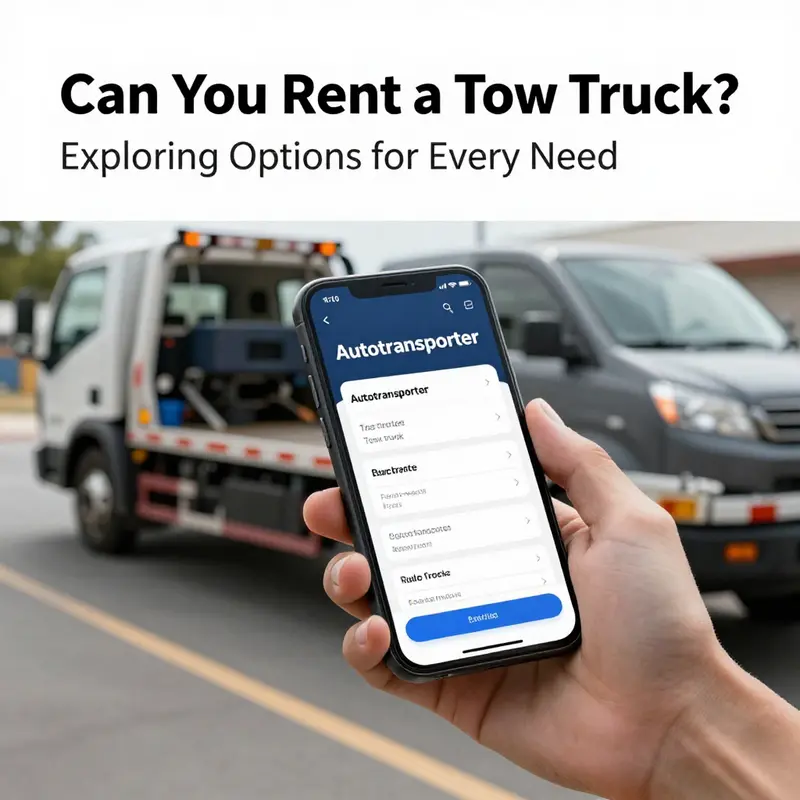
When a vehicle stumbles on the road, the instinct to reach for the phone has shifted from a phone call to a tap. The landscape of roadside assistance has gradually evolved from orchestrated dispatches to digital marketplaces that connect stranded drivers with tow professionals in real time. A mobile-first approach to towing is not merely a convenience; it reshapes expectations around speed, clarity, and reliability. The core idea is straightforward: you describe where you are, what you need transported or recovered, and a network of vetted operators responds with options, ETA estimates, and transparent pricing. In practice, this means you can secure a tow truck rental with a few deliberate taps, even when you are not sure whom to call first or whom to trust. The immediacy is not incidental. It is the product of several converging forces—ubiquitous smartphones, streamlined user interfaces, and networks of service providers who have standardized how they present availability, pricing, and service levels. The result is a system that feels almost anticipatory; you sense value not just in what you pay, but in the speed, reliability, and simplicity of the experience itself.
For most people, the scenarios that trigger a tow-truck rental via an app are urgent enough to demand speed, but not so chaotic that a lengthy back-and-forth becomes acceptable. Consider a vehicle that has broken down on a busy highway, a car involved in a collision, or a project vehicle that needs relocation from one site to another. In these moments, the ability to input a location, select a service level, and watch an ETA drift closer in real time can be the difference between a halted day and one that starts moving again. The app-based model treats the tow truck not as a fixed point on a map but as a node in a dynamic network that responds to the immediate needs of a customer. It redefines the relationship between the person needing help and the person delivering the help by making both sides visible to each other through a shared, transparent interface.
At the heart of this approach is a simple workflow that tends to stay consistent across platforms. You open the app, confirm your city or exact location, and then choose the type of service you require. The system quickly presents available providers within your radius, alongside estimated arrival times and price ranges. The real-time aspect is crucial: you can see how many trucks are nearby, the congestion your driver might contend with, and any changes to the ETA as traffic and road conditions shift. This transparency helps people decide which option feels right for their situation. If you are dealing with a vehicle that needs to be moved rather than simply recovered, you can often select a service tier that emphasizes equipment compatibility or vehicle type, ensuring that the tow truck arriving at your door can handle the load safely and efficiently. The design philosophy favors clarity and speed, with minimal friction in the booking path and a strong emphasis on immediate accountability from the provider side.
Another defining feature is how multilingual support broadens the pool of accessible providers and enhances communication in high-stress moments. Language barriers can complicate everything from explaining the exact location to conveying the type of load, the urgency, and any special considerations about the vehicle. A platform that offers multilingual capabilities lowers the barrier between renter and operator, reducing miscommunication that can waste precious minutes or create safety concerns. The practical effect is that more people can navigate the booking flow with confidence, regardless of their background or the region in which they find themselves stranded. When you combine clear language support with precise location data, real-time availability lights up the screen in a way that feels almost reassuring, even in the midst of a roadside emergency.
As the rental unfolds, you gain access to a suite of features designed to keep you informed and in control. Real-time status tracking lets you monitor the progress of the rental—from the moment you press the request button to the moment the truck arrives and the vehicle is secured. You can compare arrival estimates, watch the driver’s progress on a map, and anticipate the exact time you’ll be back on the move. This level of visibility reduces the cognitive load typical of a roadside crisis, replacing guesswork with data you can act on. It also creates a framework for accountability. If a driver arrives late or encounters complications, the system can explain the cause, offer alternatives, and present updated timelines, all within the same interface. For many users, this reduces the anxiety that comes with towing a disabled vehicle and lets them focus on the practical steps necessary to get back on the road.
Equally important is the payment and discount mechanism. Modern apps often support a range of payment methods, from major credit cards to digital wallets, making the financial side of a tow rental as frictionless as the booking itself. Promo codes, loyalty credits, and conditional discounts are common features that reward punctuality, repeat usage, or off-peak bookings. The ability to apply a promotional incentive directly within the booking flow can make emergency towing more affordable, which matters when a breakdown occurs outside normal business hours or in high-traffic areas where rates may fluctuate. The financial thread is deliberately woven into the user experience so that relief from a breakdown is not followed by a winding bill that requires a second round of negotiations. Instead, the app closes the loop with a clear, itemized receipt that you can save for records or reimbursements.
Beyond immediacy, what makes the app experience compelling is the blend of convenience and reliability it promises. The candidate tow providers are typically vetted through a lightweight but effective screening process, and provider profiles often include ratings, vehicle specifications, and service notes from previous jobs. This creates a social proof mechanism in a domain where trust is essential. When you are negotiating with a car that won’t start or a truck that needs to be moved, it helps to know you are choosing from a pool of operators who have earned a track record for punctuality and careful handling. The ratings, combined with real-time ETA data and transparent pricing, convert a potentially anxiety-laden decision into a confident choice. And for the operators, the app becomes a channel that consistently connects them with users who value speed and reliability, creating a feedback loop that benefits both sides of the marketplace.
The interaction extends beyond the screen. The app ecosystem often integrates with broader readiness and safety workflows that large fleets and individual users alike rely on. For example, a company that frequently relocates equipment or manages incident response fleets can synchronize app-based rentals with internal dispatch systems, creating a more cohesive operational picture. In such arrangements, a tow truck is not a one-off service but part of a larger logistics or emergency-readiness strategy. The same countable reliability that makes a single tow trustworthy is scaled to support multiple, concurrent requests without sacrificing speed or clarity. This kind of integration helps an organization maintain momentum during disruptions, whether caused by weather, mechanical failures, or road incidents. It also makes it easier to document response times and outcomes for compliance or post-incident reviews.
To ground this high-level view in practical terms, the experience benefits from a few core design principles that tend to recur across reputable apps. First, the input process is kept lean. A user can specify only what is necessary to fulfill the request and then rely on the system to fill in the rest with intelligent defaults. Second, the platform emphasizes accurate, near-real-time information rather than advertising or upselling during the critical moments of a request. This helps maintain trust, especially when the traveler is worried about the safety of a vehicle or the reliability of a driver. Third, the interface consistently communicates the next actionable step and the expected timeline. The user is never left guessing about what happens next; instead, they see a clear sequence of events, each with its own status indicator. Finally, the platform supports a sense of empowerment through transparency—having access to a live map, a precise ETA, and an itemized price estimate gives the renter leverage to make informed choices rather than surrendering decision-making to chance.
For readers curious about how this dynamic fits into a broader ecosystem of towing and emergency response, consider the role of local knowledge and community-driven resources. In parts of the country where roadside culture is thriving, digital tools are often complemented by a robust network of local service providers who understand the terrain, the weather quirks, and the road networks that frequently present the most challenge. The combination of a national, scalable platform with local expertise creates a resilient model. It enables rapid response in both dense urban corridors and more remote areas, where a well-connected operator network can be mobilized quickly to clear a lane, recover a vehicle, or relocate gear needed for a job site. The result is not just a rental transaction; it is a coordinated service experience that aligns the renter’s urgency with the provider’s capability in a way that feels almost harmonized.
In navigating these apps, a few practical tips emerge that can help readers optimize their experience. Start by confirming service area coverage before you encounter a breakdown. A quick glance at the map can protect you from selecting an option that cannot reach your exact location due to geographic constraints or licensing boundaries. Next, read the provider profiles before booking. A short look at vehicle type, equipment capacity, and recent job notes can prevent a mismatch between your needs and the truck that arrives. It is also wise to check the ETA history on the app during peak times. If you notice a pattern of longer waits, you can adjust expectations, choose a different service tier, or call for assistance from a backup provider if the platform allows. The aim is to arrive at a decision that minimizes downtime and maximizes safety for everyone involved.
For those who want to situate this shift within a broader conversation about regional readiness and fleet resilience, local resources and thought leadership on emergency response and standardization are invaluable. One avenue worth exploring is a regional blog that curates insights on standardization in heavy-duty rescue operations, emergency readiness, and the interplay between fleet management and rapid-response services. The content there helps frame how on-demand towing fits into a larger strategic posture for organizations and households alike. It highlights the importance of preparedness, not just in the moment of a breakdown, but as part of an ongoing effort to improve response times, reliability, and safety practices. When readers lean into these perspectives, they gain a more nuanced understanding of how a simple tap on a screen translates into a practical, dependable service that supports mobility and resilience in everyday life. As a companion to that broader discussion, you can explore relevant updates and case studies through the Santa Maria Tow Truck blog, which often covers the intersection of fleet readiness and roadside assistance in a local context. https://santamariatowtruck.com/blog/
All of this points to a broader truth about modern towing: the value lies not only in the hardware—a sturdy tow truck, a reliable winch, the right straps—but in the software that makes those capabilities accessible when they are most needed. The app acts as a bridge, translating a potentially chaotic situation into a sequence of well-defined steps, each with its own feedback loop. It brings a market to bear on a problem that, historically, relied on memory, phone tag, and human-to-human negotiation under stress. In doing so, it also democratizes access to services that were once perceived as requiring a direct, perhaps local, relationship. People in different cities, or even different neighborhoods within the same city, can experience a similar level of responsiveness because the underlying marketplace is standardized and scalable.
As with any digital interface that touches safety and property, there are always caveats worth noting. The most important is to verify reliability and licensing in your jurisdiction. Even though the platform aggregates providers, it remains your responsibility to confirm that the service you select is authorized to operate in your area and that the driver has the appropriate credentials to handle your load. Have your location details ready to reduce miscommunication, and consider having basic information about your vehicle, such as the approximate weight and dimensions, so the operator can deploy equipment that is appropriate for the task. Insurance coverage is another critical anchor. In the event of any damage or additional incidents, the rental platform’s terms will typically guide you through claims and liability procedures, but having your own coverage awareness and documentation on hand can smooth the process during a stressful moment.
For individuals who plan to use these services beyond emergencies—for example, when you are relocating a project vehicle, transporting heavy equipment to a temporary site, or coordinating a fleet move for a short-term assignment—the app-based model offers predictable workflows that can integrate with planning calendars and cost-control measures. It is not simply about grabbing a tow in a hurry; it is about plugging towing into the broader rhythm of everyday logistics. Even when the project is not urgent, the ability to pre-book a compatible truck for a specific time window, compare rates across providers, and track progress adds a reliability layer that is highly valued by operators and clients alike. In this light, a tow truck rental app becomes part of a modern toolbox for mobility, stewardship of equipment, and responsible asset management. The experience is not a substitute for direct human service in every case, but it is a robust alternative that can lighten the load of planning and execution when time and safety are at stake.
The evolving landscape invites ongoing curiosity. As technologies mature, we may see smarter routing that reduces wait times by considering live traffic, the availability of nearby equipment, and the compatibility of trailers and securing gear with specific vehicle types. Real-time feedback loops that integrate customer satisfaction with driver performance metrics could further elevate the trust in on-demand towing. And as more communities adopt these platforms, the importance of local knowledge—such as weather patterns, road restrictions, and lane closures—will increasingly shape which providers rise to the top in a given moment. In the long arc, these tools are shaping a more responsive and resilient ecosystem for roadside assistance, transforming a distressing, highly local event into a well-orchestrated, scalable service delivery that is accessible to a broad spectrum of users.
External reference and further reading can be helpful for readers who want to explore the broader ecosystem of on-demand towing and emergency readiness. For those who prefer a direct, app-focused lens, a recent App Store listing provides an example of how the platform presents itself in official channels, offering a sense of how the experience translates to a downloadable product and how updates and feature rollouts are communicated to users. App Store listing for towing app.
Renting Heavy-Duty Tow Trucks: Access, Capabilities, and Considerations for Commercial Operations
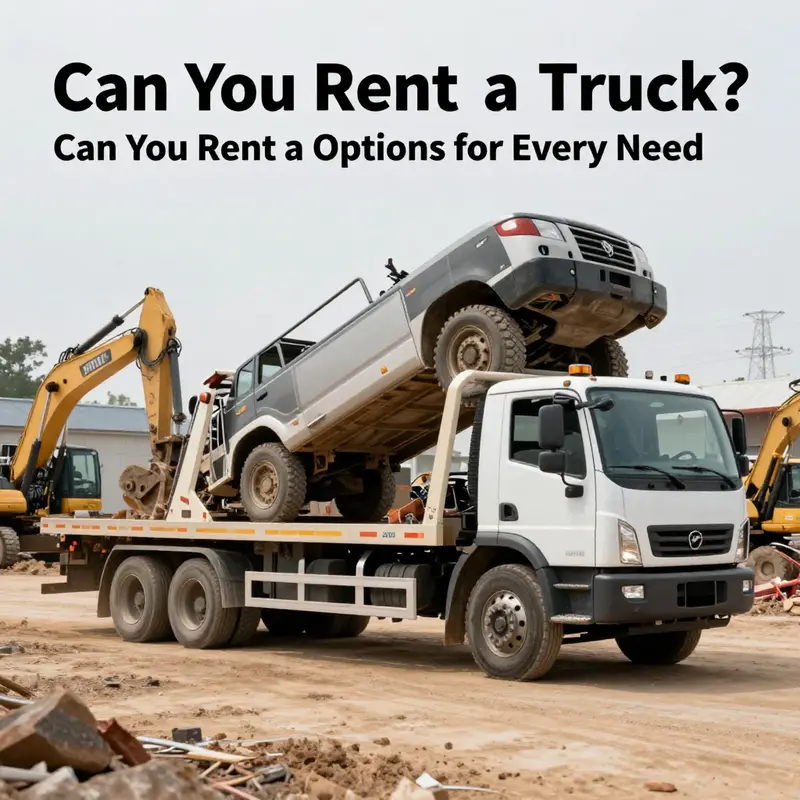
When a business faces a sudden need to move, recover, or transport heavy vehicles, the question is not only whether a tow truck is available, but whether a heavy-duty unit can be rented quickly and operated safely on the job. Renting a heavy-duty tow truck is more common than many fleets realize, especially for companies that handle rolling stock, fleet maintenance, or emergency response on a temporary basis. The appeal is straightforward: you gain the capability you need without tying up capital in a specialized asset, without the long lead times of purchasing, and with the option to scale capacity up or down to match demand. The practical reality is that heavy-duty tow trucks fill a niche that sits between weekend roadside assistance and full fleet procurement, delivering mobility, versatility, and resilience to operations that must stay on track even when a vehicle is immobilized or a recovery is required under challenging conditions.
Beyond the immediate need to recover a stalled semi, a rent-ready heavy-duty tow truck equips a crew to perform a broad range of tasks. You can imagine a scenario where a line haul company experiences a breakdown on a highway corridor or where a construction site needs rapid relocation of a heavy piece of equipment. In both cases, a heavy-duty tow truck becomes a force multiplier, a single asset that can lift, maneuver, and reposition vehicles or machinery that weigh tens of tons. The capability stems from a family of specialized chassis and booms designed for lifting and stabilizing heavy loads. The most frequently discussed variants include the car carrier or wheel-lift style, the rotator with a 360-degree rotating boom, and the rollback or slide-bed configuration. Each design emphasizes a different strength: the car carrier excels at loading and transporting immobilized vehicles with minimal handling, the rotator provides unmatched positioning flexibility for complex recoveries, and the rollback slides under the vehicle to reduce undercarriage stress during loading. In rental contexts, these options are made available with varying lift capacities, reach, and stabilization features, so the choice depends on the job at hand rather than a default preference.
To understand why these machines are rented rather than purchased for many operations, it helps to consider the total cost of ownership. A heavy-duty tow truck is not just a large upfront investment; it comes with ongoing maintenance, specialized parts, and the need for trained operators. The daily use cost, equipment downtime, and insurance premiums all accumulate quickly. For a business that operates only episodically in heavy recovery, the math often favors rental. A rental agreement can also simplify compliance and training needs. Providers including those who maintain nationwide or regional service networks can offer turnkey solutions that include experienced operators, safety training, and on-site support. When a job demands a specific capability—such as moving a 100-ton-plus load from an unstable site—a rental can bring in a unit with the right configuration and the proportional staffing necessary to execute the plan without the long-term commitment of ownership.
In the heavy-duty space, the technical differences among machines translate to practical outcomes on the ground. For instance, rotator tow trucks can rotate their booms to a full 360 degrees, a feature that transforms a rocky recovery into a controlled sequence of pulls and placements, often enabling work without additional wheeled staging or multiple passes. This flexibility is a critical advantage in road incidents where space is tight, the load is unpredictable, or the vehicle cannot be winched straight ahead due to obstacles. Car carrier and wheel-lift units, by contrast, focus on stabilization and transport efficiency. They can secure a disabled vehicle without dragging it across delicate components, which helps protect both the customer vehicle and the recovery crew from collateral damage. Rollbacks offer a different advantage: a hydraulically operated platform that tilts and lowers to grade to allow careful loading of modern drivetrains and low-clearance vehicles. The key takeaway for managers weighing rental vs purchase is that the intended use—not just the weight rating—should guide the selection. If the need is primarily rapid on-site loading and staging for transport, a rollback may suffice; if the job involves high-risk recoveries, a rotator with a robust stabilization package could be indispensable.
For commercial operations, the decision to rent also hinges on how the asset will integrate with existing workflows. A rental provider can tailor a package to your operational tempo, offering not just the vehicle but a bundle of services that can include pre- and post-job inspections, preventative maintenance during the rental period, and access to a technician network for urgent repairs. This level of support matters because a heavy-duty recovery or transport task has its own risk profile. The integrity of the vehicle being towed, the safety of the operator, and the protection of the public all rely on consistency in performance and adherence to best practices. In an emergency response scenario, for instance, fleets often need predictable response times, reliable availability, and a clear escalation path if a part or component requires swapping mid-incident. Rental arrangements that include on-call service or guaranteed availability windows can turn a potentially disruptive incident into a controlled operation with a clear chain of command.
Equipment capabilities, however, are only part of the equation. The other essential element is the operator. Heavy-duty tow operations demand a trained professional who understands weight distribution, stabilization, vehicle geometry, and the dynamics of hydraulic systems under load. Operators must meet licensing requirements and receive ongoing safety training to handle the complexities of rotators and heavy carriers. When you rent, you typically have a choice: you can supply your own licensed operators, or you can request that the rental provider include certified operators as part of the package. Each option has merit. Supplying your own team gives you direct control over the workforce and its familiarity with your fleet, but it requires that you maintain training records and ensure that all drivers meet insurance and compliance standards. Opting for provider-performed operations can deliver immediate capability with professional oversight, especially beneficial for high-risk environments or temporary teams that may not have specialized drivers in-house.
From a process perspective, a rental engagement often begins with a careful scoping of the job. You’ll articulate the vehicle weight class, the location, the access constraints, the ground conditions, and any special handling requirements. The rental provider then matches those criteria to the available equipment, confirming lift capacity ranges, boom reach, stabilizer configurations, and the presence of features like multiple winches, heavy-duty underlift systems, and outriggers that ensure ground stability on uneven surfaces. The planning phase also covers the operational window: how long the unit is needed, whether it will require a single incident response or a longer assignment such as a fleet-wide maintenance operation, and whether ancillary tasks like light machinery transport or on-site fuel management are part of the scope. With these details, the provider can deliver a turn-key solution that includes transport to the site, setup, and once on site, a defined support plan that minimizes downtime. This is where the value of rental lies: the ability to scale capabilities to the precise operational need without managing a complex asset lifecycle.
Cost considerations are nuanced. Daily rates for heavy-duty rentals can reflect demand, seasonality, and the complexity of the unit. A rotator, for example, commands a premium due to its lifting capacity, maneuverability, and the specialized skill set required to operate it safely. A rollback may be more economical when the job’s primary objective is safe loading and unloading rather than complex stabilization. Fees may also cover options like operator availability, after-hours response, and the inclusion of rescue or recovery readiness equipment such as portable lighting, stabilizing chains, and load-sensing systems. Insurance and liability coverages are non-negotiable components of any rental agreement. Confirm who bears responsibility for on-site incidents, what waivers apply, and how the provider supports risk mitigation if a load shifts or a vehicle sustains impact during recovery. The right agreement often blends predictable fixed costs with variable components tied to duration and scope, delivering clarity against the realities of field operations.
Another dimension to consider is maintenance and readiness. The advantage of renting a heavy-duty unit is that the equipment arrives tested and serviced to a standard that minimizes the likelihood of failures during critical operations. Reputable rental providers typically maintain their fleets with rigorous inspection schedules and offer technical support that can be mobilized quickly. This reduces the burden on your own maintenance teams and helps you avoid the capital investment and the ongoing upkeep that larger one-off purchases entail. It is not just about the truck’s mechanical health; it is also about the truck’s readiness in terms of safety features, hydraulic system integrity, and control electronics. A robust rental arrangement recognizes that the value of the asset extends beyond raw lifting power to include reliability, predictability, and the peace of mind that the job can be completed with minimal interruption.
Operational planning for a rental should also address regulatory and site-specific considerations. Heavy-duty tow operations interact with public roads, private properties, and potentially hazardous environments. You need to confirm that the unit’s configuration complies with local weight limits, licensing requirements for the drivers, and any special permits that might apply to oversized loads or restricted zones. If the job involves highway use, the operator must be prepared to implement traffic control measures and follow established safety standards to secure the scene. Rental providers often bring add-on services such as on-site traffic safety planning, equipment checks before departure, and post-operation debriefs to ensure continuous improvement. For teams that are building a repertoire of responses to incidents, these services can double as training opportunities that elevate overall readiness within the organization.
The decision to rent a heavy-duty tow truck for commercial needs also invites a broader discussion about fleet strategy. A rental can function as a bridge in a fleet’s lifecycle, enabling pilots of new recovery workflows, testing different equipment configurations, or supporting seasonal spikes in demand without committing to a permanent asset footprint. It also aligns with fleet-standardization goals by enabling teams to trial standardized configurations, training modules, and maintenance protocols without prematurely duplicating capital costs. When you pursue such a strategy, you may find it valuable to consult resources that discuss how standardization and emergency readiness intersect with heavy-duty operations. For more on how these themes shape operational discipline, see Standardization in Heavy-Duty Rescue Operations. This reference can offer practical perspectives on aligning equipment capabilities with procedural consistency, a factor that becomes particularly important when you rely on rental units to support incident response or time-sensitive tasks.
A final practical layer concerns scalability and integration. The ability to scale rental capacity up or down to align with project phases is often the most underrated benefit. In a period of fleet expansion or a surge in demand caused by weather events or supply chain disruptions, renting heavy-duty tow trucks can provide a flexible backbone for recovery operations, equipment relocation, and emergency response. If a job is expected to last only a few days or weeks, a rental avoids the hazards of idle ownership and reduces the financial exposure to maintenance and depreciation. If the project evolves into longer-term needs, many rental agreements offer extension options or even transition pathways to ownership during a negotiated horizon. The aim is to preserve operational tempo while maintaining financial prudence. In this frame, a rental becomes not just a workaround but a strategic instrument—one that supports reliability, safety, and sustainable growth for commercial operations.
In sum, renting a heavy-duty tow truck for commercial needs is a pragmatic answer to the realities of modern operations. It accepts the truth that capacity, not ownership, is the critical variable when time is of the essence and risk is intrinsic to the work. By focusing on the job’s requirements, selecting the right equipment configuration, and partnering with a capable provider who can supply trained operators and on-site support, a company can ensure that complex recoveries and heavy transport tasks are handled with precision and safety. The decision process, at its core, is about aligning three things: the job’s technical demands, the operator’s proficiency, and the performance guarantees of the rental partner. When these align, the result is a highly capable, cost-effective solution that keeps operations moving, even in the most demanding circumstances.
For organizations exploring the broader landscape of industry standards and operational readiness, there is value in consulting resources that address how heavy-duty rescue and recovery operations can be standardized across fleets. See the linked guide on standardization in heavy-duty rescue operations for deeper insights into how procedures, training, and equipment configurations cohere into a systematic, repeatable approach to complex recoveries. This alignment between equipment capability and procedural discipline helps ensure that when a heavy-duty unit is rented, it is integrated into a workflow that maximizes safety, efficiency, and outcomes on every job.
External reference: https://www.heavydutytrucking.com
Tow Truck Rentals at Scale: Sourcing, Vetting, and Deploying Heavy-Duty Mobility for Modern Businesses
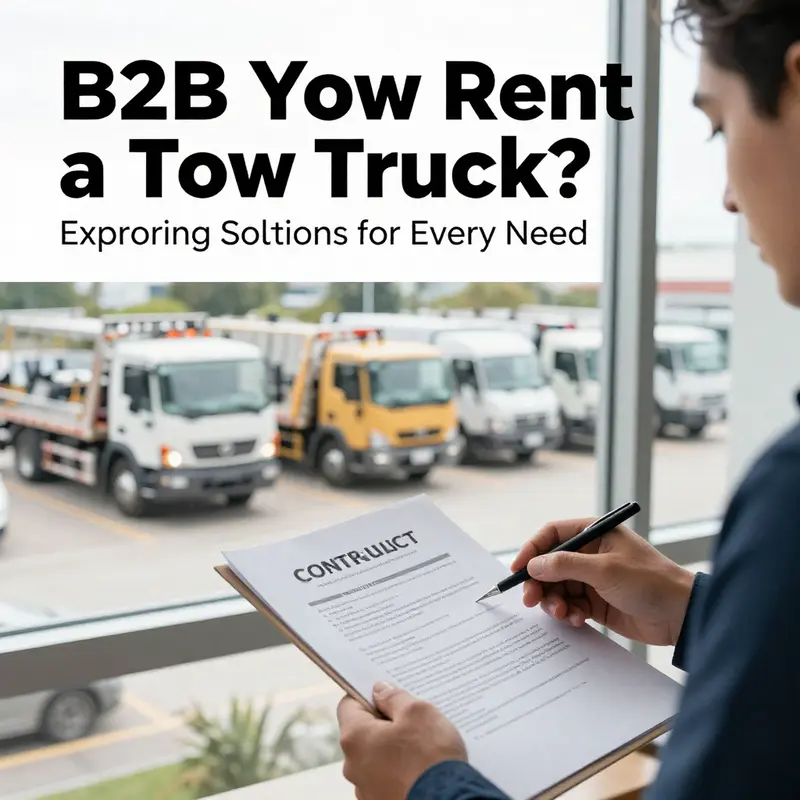
Tow truck rentals are not merely a quick fix for a single incident; they represent a flexible, scalable capability that can redefine how a business responds to breakdowns, accidents, and operational disruptions. In sectors where every minute of recovery time translates into costs—lost revenue, delayed deliveries, idle workers—having access to reliable, well-supported towing capacity is just as important as having the right vehicles in motion. The core challenge for procurement leaders and operations managers is not simply finding a lift‑equipment rental; it is designing a sourcing model that balances availability, cost, safety, and service continuity across peak demand and quiet periods alike. When approached with discipline, B2B tow truck rentals become more than a temporary rental; they become part of a resilient recovery architecture that underpins uptime, customer trust, and the ability to fulfill commitments even under pressure.
The first layer of this approach is understanding the market through a B2B lens. Rather than treating tow trucks as one-off tools, savvy organizations look at rental capacity as a fleet element—one that must integrate with existing crews, maintenance cycles, and incident response plans. A mature sourcing strategy acknowledges that heavy-duty towing is not a commodity but a service with technical nuances. The most effective buyers map out their technical requirements early: lifting capacity to handle the heaviest project vehicle in the lineup, winch strength and line pull for stubborn loads, hoist and wheel-lift configurations that suit axle weights, and chassis durability that can endure repeated on-site deployments in varying weather conditions. These specifications are not abstract; they determine whether a rental unit can safely recover a vehicle, whether it can operate in tight spaces, and whether it can sustain daily use without escalating downtime.
Beyond physical specs, the value of a rental rests on the provider’s service ecosystem. Businesses need clarity on maintenance schedules, response times, remote troubleshooting capabilities, and the process for escalating any mechanical issue. A robust rental agreement should address downtime thresholds and the availability of substitute equipment if the primary unit becomes unavailable. In practice, this means negotiating a service level that translates into measurable reliability—if a tow arrives late, the agreement should specify compensatory terms or immediate access to an alternate unit. The most sophisticated arrangements also account for safety and regulatory compliance, ensuring that operators hold current certifications and that the equipment meets regional requirements for lighting, signaling, and load-handling procedures. In environments where compliance is non-negotiable, these clauses move from fine print to essential safeguards for both people and operations.
Sourcing through dedicated B2B marketplaces often yields a wider range of options than a single local supplier. These platforms aggregate inventories from multiple regions, offering visibility into regional availability, vehicle condition, and price bands. A leading international marketplace for commercial vehicles typically hosts hundreds of thousands of listings and draws millions of monthly visitors, providing procurement teams with a comparative view of capacity across markets. Such platforms simplify the initial vetting process by delivering standardized specifications, transparent photos, and direct contact with operators who can tailor solutions to specific use cases—from urban recovery operations to remote site deployments. Importantly, their scale supports not only contingency planning for peak seasons but also the strategic expansion of capacity when a business wins a large contract or takes on a seasonal surge in demand. In this sense, the marketplace model aligns closely with the business case for scalability: you pay for what you need, when you need it, while preserving the option to scale up quickly if operations expand.
For buyers seeking deeper integration, regional partnerships and rental fleets represent another pillar of a sound sourcing strategy. Working with regional operators who maintain dedicated recovery or fleet‑maintenance teams offers advantages in terms of response time and familiarity with local road networks and regulatory environments. These partnerships can be structured as leasing or rental programs that provide predictable budgeting, preferred pricing, and fleet alignment with an organization’s maintenance standards. The goal is to create a seamless continuum between owned assets and rented capacity, so that when a tow truck is needed, it feels like a natural extension of the company’s capabilities rather than an abrupt stopgap. In practice, this requires careful alignment of maintenance calendars, fuel programs, and driver onboarding so that every unit—whether owned or rented—operates to the same quality and safety standards. When operations teams speak a common language about uptime, the transfer from planning to execution becomes smoother, and incidents are resolved faster because the equipment and the people deploying it are reading from the same playbook.
This shared language begins with clear, well-structured rental agreements. A durable contract will articulate liability boundaries, expected uptime, and the consequences of downtime. It sets expectations for the pace of service, from dispatch to arrival on scene, along with the parameters for on-site support and on-board diagnostic capabilities. The contract should also address risk management, including insuring the equipment during transit and on site, as well as provisions for coordinating with safety officers when a scene involves traffic management, hazardous loads, or vulnerable infrastructure. The emphasis on liability is not punitive; it is a practical risk management tool that protects both the provider and the user, ensuring that the right procedures are followed when something goes awry and that there is a clear path to escalation and remediation.
A well‑designed rental program also integrates with the buyer’s broader resilience strategy. Operational resilience in towing demands more than just uptime; it requires predictability in cost and process. Procurement teams should build a framework for evaluating total cost of ownership that includes not only the rental rate but also maintenance—whether covered by the provider or billed separately—the cost of downtime when a unit is out of service, and the potential for standby charges during non-peak periods. This holistic view helps avoid surprise invoices and aligns the rental strategy with the company’s financial planning cycles. In markets that experience seasonal volatility, it makes sense to structure agreements that accommodate temporary spikes in demand without creating long‑term financial exposure. A well-structured framework might include tiered pricing, seasonal flex credits, or guaranteed minimum availability, enabling the organization to plan with confidence while staying adaptable.
The technical and commercial layers are inseparable. A tow truck is not simply a vehicle; it is a mobile recovery platform loaded with specialized equipment that must function reliably in demanding conditions. Buyers should insist on comprehensive documentation covering maintenance histories, certification records, loading test results, and the status of critical components such as winches, booms, hydraulics, and chassis integrity. They should request access to the operator’s training programs, safety records, and incident histories for units that will operate in sensitive environments or near high-traffic corridors. This documentation is not a bureaucratic hurdle; it is a practical toolkit that helps ensure the recovery operation is executed safely and efficiently, reducing the likelihood of further damage and minimizing the risk of injuries to personnel on site.
The procurement decision is rarely about a single rental unit. It is about the reliability of the entire ecosystem that supports timely response. As part of due diligence, procurement teams should verify the provider’s ability to deliver on a range of scenarios—from a routine tow at a suburban roadside to a complex recovery on a congested urban street or a remote industrial site. This multi-scenario capability often hinges on the alignment between the provider’s fleet composition and the buyer’s incident profiles. A diverse fleet that includes different lift capacities, wheel‑lift configurations, and body styles enables responders to select the most appropriate tool for each situation, minimizing maneuvering risk and maximizing recovery efficiency. Companies that successfully manage this complexity tend to view the fleet as an integrated service rather than a collection of individual assets; they assign fleet managers who oversee utilization, scheduling, and risk across all units, regardless of whether they are owned or rented.
The conversation about value cannot ignore safety. A well‑informed buyer insists on rigorous safety practices across the entire rental lifecycle. This includes driver qualifications, on-site safety briefings, and adherence to industry standards for securing loads and protecting bystanders. It also means rigorous equipment checks before each deployment, with immediate replacement if a unit shows any sign of reduced performance. When safety is embedded in the procurement process, the organization protects its workforce and its reputation while reducing the probability of expensive liability events. The practical payoff is straightforward: fewer safety incidents, smoother incident scene management, and faster, more predictable restorations of normal operations. Such outcomes are not theoretical; they translate directly into reduced downtime, improved customer service metrics, and a stronger competitive position for the company.
As with any strategic supplier relationship, communication is the backbone of a successful tow truck rental program. Procurement teams should establish clear communication protocols that govern escalation paths, incident reporting, and performance reviews. Regular business reviews help align on service levels, discuss upcoming project needs, and refine pricing models. Technology plays a crucial role here as well. Digital tools that provide real‑time visibility into fleet availability, booking status, maintenance windows, and on‑site progress empower operations teams to forecast demand, optimize resource allocation, and coordinate multiple incidents without overcommitting any single unit. In a world where disruptions can cascade, the ability to see and adjust in near real time is a competitive differentiator.
For teams starting to build or refine a B2B tow truck rental program, the practical takeaway is to treat the market as a dynamic, architecture-like system rather than a one-off procurement exercise. Begin with a robust needs assessment that defines technical requirements, service expectations, and risk tolerance. Then map those requirements to a multi-channel sourcing strategy that leverages both broad marketplaces and trusted regional partners. Finally, codify the relationship in a rental agreement that translates every line item into real-world performance standards, safety guarantees, and financial clarity. When these elements converge, a tow truck rental program becomes a reliable, scalable capability—one that helps a business stay on the move, respond decisively to incidents, and protect service commitments that depend on rapid, professional recovery.
For readers seeking practical, hands-on guidance as they translate this framework into their own operations, a wealth of field-tested insights exists in fleet-focused resources that distill lessons learned from real-world deployments. See, for example, a practical resource hub at santamariatowtruck.com/blog/ for fleet readiness and emergency response planning. This internal reference can help teams connect the theory of scalable rental sourcing with concrete steps for driver onboarding, equipment checks, and standard operating procedures that keep recovery operations smooth and predictable.
External context can deepen understanding of how global marketplaces for commercial vehicles shape local decisions. For a broader view of how buyers leverage large inventories and regional coverage to meet strict uptime targets, consult the leading global platform for commercial-vehicle listings at https://www.mascus.com/. This resource offers a window into the scale and diversity of the market, illustrating why a flexible, well-curated rental strategy matters for organizations that must stay responsive under pressure.
Final thoughts
Understanding how to rent a tow truck can streamline your vehicle transport needs, whether you’re handling personal projects or running a business. By leveraging platforms like U-Haul, the Autotransporter App, or specialized heavy-duty options, you gain flexibility and efficiency. Each solution presented in this article addresses unique needs, empowering you to navigate your towing requirements seamlessly. Tow truck rentals are now more accessible than ever, ensuring you can find the right fit for your specific situation. Start exploring your options today to make the most of your transportation needs.