

Understanding the costs associated with tow truck services is crucial for every driver, auto repair shops, property management, and homeowners’ associations. With a multitude of variables affecting the final price, being informed can save you significant money and stress. This guide breaks down the essential aspects of tow truck services, from base fees and per-kilometer rates to specialized charges and regional differences. Knowing these can empower you to make better decisions when roadside emergencies arise.
Tow Toll Gates: Decoding Base Fees and Per‑Kilometer Rates Behind Tow Truck Charges
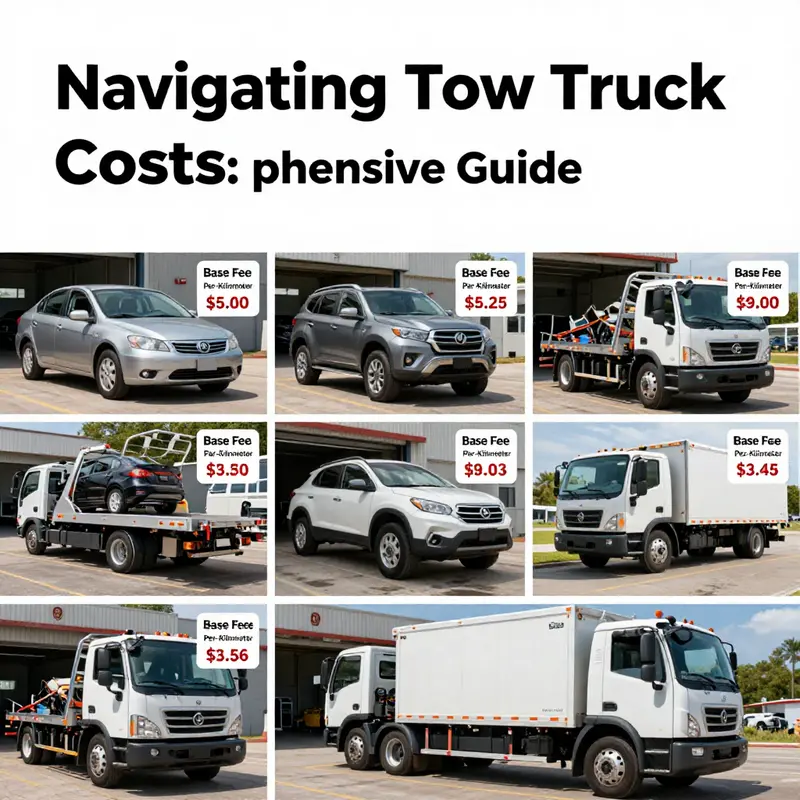
When a vehicle stalls, slides into a ditch, or sits broken on the highway, the price of getting it to a shop often feels like a mystery wrapped in metal and distance. Yet the cost structure of tow truck services is less a random figure and more a layered set of decisions about base fees, distance, time, and the specifics of the job. The core idea is simple: you pay a base fee to cover dispatch and readiness, and then you pay a distance fee for the miles the tow truck travels to recover and tow your vehicle. Under that framework, a single tow becomes a composed calculation rather than a single sticker price, and understanding the pieces helps you gauge value, compare providers, and avoid sticker shock when the bill arrives.
Across different markets, the base fee acts as a foundation. It compensates the tow operator for the overhead of bringing the right equipment, securing the scene, and initiating the operation. Think of it as the minimum charge you incur just to initiate a tow, regardless of how far the truck travels next. Beyond the base, the distance fee adds up as the vehicle is transported from the point of pickup to the destination repair shop or lot. In the United States, for instance, a common framework for light vehicle towing starts with a base fee around $485, followed by a distance charge of about $4.40 per kilometer once you pass a threshold of 50 kilometers. Time of day adds another layer: after hours, weekends, or holiday periods typically trigger surcharges designed to compensate crews for working outside standard hours. The consequence is that the same tow for the same distance can look noticeably different depending on when it happens. This is not merely a matter of regional pricing but of the realities of labor availability, safety, and regulatory requirements.
The numbers become more tangible when you translate them into a scenario. Suppose you have a light vehicle that needs to be towed 60 kilometers to a repair facility after a breakdown at an off‑ramp with no immediate alternative. In a market following the US framework, you could expect the base charge of roughly 485 dollars to cover dispatch and setup, and then a per‑kilometer charge for the 10 kilometers beyond the 50 km threshold, which might amount to around 44 dollars. The math is simple, yet the final figure is not just a function of distance. If the tow occurs on a weekend, or after 5 PM on a weekday, the operator’s after‑hours or weekend surcharges would add to the total. The effect is predictable: time, place, and effort lift the bill beyond a single distance-based calculation. The more distant the tow or the more complex the job, the greater the divergence from the base price becomes.
This structure, however, looks different when you travel beyond one country’s borders or move among provinces with their own rules and market conditions. In other parts of the world, base fees can be higher or lower, and the distance kilometers that trigger charges can vary. For example, in some markets with a heavy emphasis on road safety, the base fee might climb to reflect specialized equipment needs or the presence of rotator or crane equipment on heavy-duty tows. Similarly, per‑kilometer charges may be scaled by vehicle weight or category, with larger, heavier vehicles carrying higher incremental costs. The result is a spectrum of pricing where a 60‑kilometer tow could be charged as a modest distance increment in one region and as a significantly larger figure in another, depending on licensing, insurance requirements, and the complexity of the tow job, especially if specialized towing gear is required.
To get a sense of regional variation, it helps to consider a broader context. In the early‑to‑mid 2020s, data from different regions illustrated how the same service could look very different depending on the local framework. Long hauls are particularly revealing. A cross‑regional tow that covers hundreds of kilometers may involve not just the base fee and distance charges but also highway tolls, fuel, and labor for the driver over several hours. In some cases, a long‑haul tow could run into a total that ranges into the low thousands, even tens of thousands of local currency, after you factor in all components. While the exact numbers depend on the market, the underlying pattern remains: base and distance form the core, while time of day, vehicle size, and special requirements add layers that push the total higher.
The chapter on base fees and per‑kilometer rates would be incomplete without acknowledging the variability introduced by vehicle type. A small car typically incurs different base and per‑kilometer charges than a heavy truck or a specialty vehicle. In markets where flatbed or rotator tow trucks are necessary, the base fees climb to reflect the more complex equipment and permitting requirements. The same is true for hazards on the scene. If the tow involves unstable terrain, loading on a hill, or the need to secure hazardous materials, the additional equipment and procedures can add to the base or distance charges. Even the choice to dispatch a crane can introduce a separate fee that sits alongside the distance cost, underscoring how the job’s context matters as much as the distance covered.
Another layer to consider is the potential for empty trips. If you cancel after dispatch, many providers levy an empty‑trip fee that can be substantial, sometimes around half of the base fee, with a practical minimum. This policy is designed to compensate the operator for mobilizing resources that then go unused. It is a reminder that timing and clarity matter in roadside assistance conversations. If you’re unsure about cancellation plans, it’s best to communicate early and confirm any cancellation costs before dispatch. The aim is to manage expectations before the tow begins rather than dispute the bill after a mission has already started.
Hidden costs can also appear in the form of storage or impound fees if a vehicle is kept at a yard for any length of time. Storage is not always included in the initial quote and can accumulate daily. For heavier, commercial, or fleet vehicles, secondary tows may be required when a vehicle moves from a tow yard to a repair shop, adding another layer to the total. And for very heavy or oversize loads, a surcharge tied to weight can appear, sometimes expressed per ton. These items are not universal, but they are widely reported enough to be worth checking for in advance so that you have a comprehensive sense of potential expenses.
From a decision‑making perspective, the most reliable way to navigate this pricing landscape is to translate the base fees and per‑kilometer rates into a careful forecast based on your likely scenario. For a typical light‑vehicle tow within a metropolitan region, you can estimate the base and then apply the distance rate for the kilometers beyond the threshold, while keeping an eye on the clock for possible after‑hours or weekend surcharges. For longer tows, you should anticipate the sum of base, distance, tolls, and fuel, plus crew time. The cost picture becomes even clearer when you obtain written quotes from multiple providers before the service begins. A formal quote helps ensure you understand precisely what you’re paying for and reduces the risk of unexpected charges. It also gives you a basis to compare how each company structures its charges, from base to distance to any additional fees.
Tow pricing is not merely a function of distance; it is a careful balancing act of time, logistics, and equipment. In practice, two towing providers might quote very different totals for the same distance if one is running a smaller operation with lower overhead and the other is dispatching a heavier, more specialized rig. The best approach is to seek clarity on four things: the base fee, the per‑kilometer rate, any after‑hours or weekend surcharges, and any extra fees for equipment, storage, or special circumstances. Request a written estimate that itemizes each component, and verify that the provider has the necessary licenses and insurance. This diligence protects you from unwelcome surprises when the tow is complete.
In addition to understanding the architecture of pricing, consumers benefit from practical, real‑world steps to manage costs. First, check whether your car insurance policy includes roadside assistance. Many policies offer free tows up to a certain distance each year, which can render the price difference between providers moot if you have coverage. Second, use digital tools to compare quotes in real time. A few platforms can pull quotes from multiple providers, enabling a transparent apples‑to‑apples comparison before any truck is dispatched. Third, ask for a written quote before service begins and confirm the provider’s licensing and credentials. This practice not only clarifies what you’ll pay but also provides recourse if the bill isn’t aligned with the estimate.
For readers who crave more practical guidance while navigating the pricing maze, a visit to a reputable industry blog can be helpful. You can explore a range of scenarios, read about how pricing strategies evolve with regulations and seasonality, and compare real‑world experiences across regions. See https://santamariatowtruck.com/blog/ for thoughtful articles and practical tips that complement this chapter’s focus on base fees and per‑kilometer rates. Engaging with this kind of resource helps you translate numbers into a plan you can act on when a roadside incident occurs.
Of course, the exact costs you face tomorrow will depend on your locale, the vehicle type, the time of day, and the service provider you choose. The broad pattern remains consistent: a base fee to get the job started, a distance fee to cover miles to the shop, and a spectrum of surcharges and extras that reflect the job’s particular constraints. To ground this understanding in a concrete, regulatory context, it helps to consult official pricing guidelines from the governing authorities. For a detailed regulatory framework, refer to the national or regional guidelines issued by the relevant transport authority. External pricing guidance from official sources provides a backbone for what you see quoted by a tow operator and can help you distinguish reasonable charges from inflated ones. External resource: Official pricing guidelines from the governing transport authority: https://www.mot.gov.cn/
External resource note: These guidelines illustrate how base fees, distance pricing, and surcharges are framed in a regulated environment, reinforcing why prices vary across regions and time bands. While the numbers cited for a given market may differ, the logic—base coverage, distance decomposition, and time‑based adjustments—remains a consistent thread that helps customers anticipate, compare, and negotiate toward fair pricing.
Beyond the Base Fee: Navigating Special Scenarios and Extra Charges in Tow Truck Services
When you need a tow, the sticker shock is rarely about the base fee alone. The journey from a roadside hiccup to a repaired vehicle often travels through a labyrinth of special scenarios and extra charges that can surge the final bill well beyond the initial quote. This is not just about distance; it is about the context in which the tow occurs, the equipment required, the hours of operation, and the unique hazards or complications a driver encounters along the way. To understand what you’re paying for, it helps to picture tow service pricing as a framework that expands as the situation grows more complex. The base fee, which covers the initial mobilization and the first leg of the journey, remains the anchor. But as soon as the situation demands more—more gear, more risk, more time—the meter starts to run in earnest. Mechanical failure or accident, for example, rarely stays within the bounds of a simple two-car pull. A car that cannot be driven due to engine damage or a collision with structural compromise requires careful handling, sometimes with stabilization gear, winches, or even a flatbed to avoid further harm. In these moments, the price isn’t just higher; it is more about the resources and risk management involved. The same logic applies when a vehicle runs out of fuel or a dead battery leaves the owner stranded. The on-site recovery may include jump-starts, refueling, or battery replacements, each with its own fee structure and timing. A tire that cannot be swapped with a spare carried by the owner adds another layer of cost, particularly if a tow must occur to a location where the tire can be properly repaired or replaced. And then there are scenarios where a vehicle is truly mired—stuck in mud, snow, sand, or a ditch—where recovery may require winching, traction mats, a traction aid, or even heavy equipment such as a crane. In such cases, the operator is not merely towing a car; they are conducting a rescue operation, which carries significantly higher expenses and a longer service duration. The field operators frequently emphasize that these cases demand coordinated response, especially when the situation intersects with other emergency services or public safety concerns. When a tow crosses into the hours when the roadways demand less attention—late at night or during public holidays—the service providers must balance the need to respond quickly with the realities of workforce availability and higher operational costs. The result is a night-time or holiday surcharge that can be substantial, reflecting the premium the market places on after-hours readiness. The same logic applies to long-distance or inter-city towing, where the distance extends beyond the standard service radius and invites additional layers of charges. A long haul might involve highway tolls, fuel entitlements, and the driver’s labor time, all folded into the final tally. For larger or high-value vehicles—think luxury cars or vehicles with sensitive suspension systems—the handling requirements can trigger extra charges too. Specialized equipment such as flatbeds, wheel lift innovations, or even disconnection of certain drive components to prevent damage may be needed. These steps, designed to protect the vehicle, bring with them incremental costs that reflect both the added labor and the more exacting care demanded by such vehicles. The pricing landscape also has a broad set of explicit extra charges that frequently appear in the fine print. A classic example is the overnight or after-hours surcharge, which can range from roughly 20% to 50% above the base rate depending on the time window and local market conditions. Mileage beyond a set free distance is another common line item, with some providers charging additional per-mile fees that scale with the total distance and the complexity of the route. In intricate rescue operations or those requiring crane-assisted recovery, the extra charge can be substantial, sometimes pushing the total into four figures for a single incident. Highways and toll roads are not free; many operators pass on toll costs to the customer, and in some places, the route to the repair shop may drive the price up even further. A layover fee can appear when a driver must stop overnight due to legal limits on driving hours or because the delivery location introduces unavoidable delays. This is a direct reflection of regulated driver hours and the need to comply with safety rules that govern how long a driver can operate in a single stretch. In some circumstances, the act of dropping and returning to pick up a trailer can double the number of required trips, triggering a drop/pick fee that compounds the total cost. Waiting time after arrival at the site, or at a loading dock, is another potential source of charges. If the clock keeps ticking beyond a pre-agreed window, hourly fees can accumulate. During peak seasons or holidays, many providers apply a premium simply to secure capacity in a crowded market. There are also less common but very real charges, such as an empty run fee when a truck arrives and finds no vehicle ready, or a non-standard request surcharge for transporting oversized equipment or performing specialized moves through tight spaces. These line items can push a straightforward tow into a higher tier of cost, and many customers discover the final price only after receiving the invoice, sometimes with limited advance notice. The range of potential costs highlights why it is prudent to seek a detailed quote before service begins and to insist on a written agreement that itemizes every fee. A clear quote helps prevent the situation where the bill arrives with multiple line items that were not discussed initially. It is also wise to confirm whether the base fee includes any first kilometers, and to clarify what constitutes “extra” distance in the provider’s pricing policy. For those facing special circumstances, it is reasonable to ask for a breakdown of the charges that a dispatcher anticipates for the job, including anticipated equipment needs and any potential surcharges associated with after-hours service. This is where your due diligence pays off. A good practice is to ask for an itemized invoice after the service, with a clear description of each charge. Another prudent step is to verify that the towing company holds a valid Road Transport Operation License or equivalent local permit. Watching for non-standard charges is also essential. Some providers apply a minimal “empty trip” fee if they dispatch a tow truck but then encounter delays or if the vehicle is not ready for towing when the driver arrives. The practice varies by region, but awareness reduces the risk of sticker shock when the final bill lands. For readers who want to deepen their understanding of pricing dynamics in tow services, a useful resource is the Santamaria Tow Truck Blog, which regularly discusses pricing considerations, service standards, and user experiences in real-world scenarios. You can explore practical insights here: Santamaria Tow Truck Blog. While the examples in this chapter draw from the broader research landscape, it is essential to remember that real-world quotes can differ dramatically based on local regulations, the provider’s fleet, the vehicle type, and the exact circumstances of the tow. In practice, customers who anticipate these complexities often report a more satisfied experience when they enter conversations with their preferred provider armed with a point-by-point quote and a clear understanding of what could trigger additional charges. If you encounter a situation that seems unusually complicated, consider requesting a specialist assessment before committing to a plan. A supervisor or experienced technician may be able to propose alternative strategies that balance safety, vehicle protection, and overall cost. The overarching message is not to assume that a low base price guarantees a low final bill, and not to assume that a high base price guarantees superior service. Instead, approach pricing as a dynamic negotiation governed by the specifics of the job, the equipment required, and the operational realities faced by the tow operator on the ground. For broader context on industry standards and pricing guidelines, see external resources such as the American Trucking Associations. External resource: https://www.trucking.org/. In practice, being informed, asking for written quotes, and using reputable providers with transparent pricing practices will help you manage the financial dimension of tow services even when special scenarios arise.
Towing Beyond Town Borders: What Long-Distance and Cross-Provincial Charges Look Like in Malaysia
When a breakdown or an accident pushes a vehicle far from home, the sticker shock often comes not from the breakdown itself but from the bill that arrives after the tow. In Malaysia, long-distance and cross-provincial towing sits in a pricing space that is actively negotiated between customers and service providers. There is no single national tariff, and prices shift with distance, vehicle type, the complexity of the operation, and the travel time involved. What does that mean for someone who needs a tow across state lines or into neighboring states? It means understanding the core components of the price, anticipating what extras might appear, and knowing where to look for the best value without compromising safety or reliability. As with many essential services, the best approach combines clear expectations, firsthand quotes, and a readiness to compare options rather than accept the first dispatched price.
At the heart of long-distance towing in Malaysia is a simple framework that many operators use, even though the exact numbers vary from company to company and from region to region. The base rate, sometimes called the call-out fee, is intended to cover the mobilization of a tow truck to the scene. In practical terms, you should expect the base to fall roughly in the RM50 to RM150 range, depending on the operator and the locale. This call-out fee does not reflect the distance you will be towed; it is the starting point for the service, the overhead for sending a crew and a machine to your location, and the initial readiness required to perform a recovery or a transport operation. From that point, the distance you travel with the vehicle and the size or weight of the vehicle itself drive the additional charges. The per-kilometer rate that follows typically sits in a broader band, often RM2 to RM5 per kilometer, though regional variations can push those figures up or down. Heavier vehicles or those requiring specialized equipment can push the unit price higher, but the per-kilometer component remains a core driver of the final bill on longer runs.
The nature of the vehicle makes a meaningful difference in pricing. A compact car and a luxury sedan can generally be towed with standard equipment and crew, keeping the incremental cost relatively predictable. In contrast, larger SUVs, commercial vans, and heavy-duty trucks demand more manpower, heavier or more specialized equipment, and possibly multiple points of contact along a longer route. The difference is not merely about moving a heavier load; it is about the operational complexity. Integrated wheel-lift and boom systems, radar guidance for safe attachment, and hydraulic controls to minimize body damage all contribute to higher costs when the vehicle’s size or weight pushes the limits of ordinary towing gear. In many cases, operators will apply an additional handling fee for these situations to reflect the extra effort and risk involved.
Cross-provincial towing adds another layer of cost. Operators acknowledge that travel beyond a province boundary increases expenses in several ways: longer drive times, more fuel consumption, and greater administrative overhead in coordinating licenses, permits if required, and sometimes longer waits for cross-border clearances. To account for these factors, many providers impose a cross-provincial surcharge. The typical range is from about 20% to 50% of the total towing bill, depending on the distance, the specific provinces involved, and the vehicle type. It is not unusual to see a higher surcharge in routes that traverse multiple border zones, or where the journey includes mountain passes, toll roads, or other operational challenges that raise the cost of a safe and compliant recovery.
To put this into a practical frame, consider a hypothetical long-distance tow within Malaysia: a mid-size SUV is picked up in Kuala Lumpur and towed to a workshop in a neighboring state about 180 kilometers away. The base call-out sits around RM120, with the per-kilometer charge near RM4. If the distance is 180 kilometers, the distance-driven component would be approximately RM720. A cross-provincial surcharge, say 30%, would add another RM270, bringing the subtotal to roughly RM1,110. Add any regional fees, storage if the vehicle must be held at an impound yard near the destination, and potential fees for special equipment, and the final bill could approach RM1,300 or more. If the trip were longer, say 350 kilometers or more, the numbers rise quickly, and the cross-provincial surcharge becomes a more substantial portion of the total. If the vehicle is a large van or a light truck, the operator may also apply a size or weight surcharge, further lifting the bill. These scenarios illustrate why customers should request a written estimate that breaks down the base fee, distance charge, surcharges, and any potential extras before the work begins.
Time factors also shape pricing in meaningful ways. In practice, night calls and emergencies tend to elevate costs. Operators frequently apply a premium for after-hours service, typically in the range of 30% to 50% on nighttime hours between 10 p.m. and 6 a.m., and similar uplifts on holidays or during severe weather. The same premium logic applies to urgent requests where the tow must be arranged on short notice, or where immediate attention is required to ensure safety on hazardous roads. When reality requires a rapid response over a long distance in less-than-ideal conditions, the price can surge not just from the mileage but from the logistical pressure to secure a safe and compliant operation under time constraints.
Another driver of price is the equipment deployed. If a simple wheel-lift tow is sufficient, the price remains closer to the base range. If a crane or a rotator tow truck is necessary, or if there is a need to recover from precarious positions—on a slope, in a ditch, or on a busy highway—the cost can increase by several hundred dollars. In some cases, customers with high-value vehicles or rare models may be offered a premium service with specialized technicians and extra protective measures that preserve the vehicle’s cosmetics and mechanical integrity. A similar logic applies for motorcycles and other special needs, where a standard tow is not enough and a more delicate, sometimes top-of-the-line approach is required.
As these factors accumulate, the potential complexity of cross-provincial moves becomes evident. The price for a cross-state tow is not a fixed value but a composite of call-out, distance, vehicle factors, and the operational overhead that accompanies longer, multi-region journeys. For those planning a long-distance tow, it is wise to obtain multiple quotes and to request a detailed written estimate that itemizes each component. If you are coordinating a move for a fleet vehicle or a commercial asset, you may encounter additional considerations such as weight restrictions, compliance with commercial vehicle regulations, and the possibility of cross-border paperwork. These realities underscore why many professionals in the field emphasize transparency and documentation before any work begins, so there is a mutual understanding of the scope and the anticipated costs.
Beyond the numbers, customers should be mindful of hidden costs that can appear in the final invoice. Parking or storage fees can accumulate if the vehicle is held at an impound lot for any reason, typically between RM30 and RM100 per day, depending on the facility and the location. If the vehicle needs to be moved from one yard to another for repair or inspection, there can be secondary towing charges that add to the total. For vehicles with substantial weight, an overweight surcharge may apply; in some cases, trucks over 30 tons incur an additional RM20 per ton, with higher penalties for very heavy loads that exceed certain thresholds. These incremental charges are legitimate parts of the public-facing pricing framework, but they can surprise the unprepared.
Cancellation or “empty trip” fees are another practical consideration. If dispatch has occurred and the vehicle operator cancels the booking, many providers reserve the right to charge up to 50% of the base fee, with a stated minimum (sometimes around RM200). The rationale is straightforward: the operator has mobilized a crew and a machine for your call, and canceling at the last moment leaves those resources tied up and unable to serve others who may need urgent assistance. Understanding this policy before you agree to service is important, because it affects your flexibility and your overall cost in the event of a change of plans.
Given the absence of a single national tariff, buyers and fleet managers often benefit from leveraging technology to compare prices. In Malaysia, as in many markets, apps and online directories can provide real-time quotes from multiple providers, helping you gauge whether a proposed price aligns with typical ranges for the distance and vehicle type involved. When using these tools, it is essential to communicate the exact vehicle details, the pickup and drop-off locations, and any time constraints. The more precise you are, the more accurate the quotes will be. To protect yourself, request written quotes and ensure the provider operates legally with valid licensing and proper insurance for professional towing and recovery services.
It is also prudent to consider the broader context of provider reliability. Some operators focus on speed above all else, while others emphasize a balance of speed and care, with detailed attention to the integrity of the vehicle during transport. You should look for indicators of experience with cross-provincial recoveries, a track record for safe handling of different vehicle types, and a system for communicating progress between pickup, transit, and delivery locations. A transparent process, confirmation of vehicle condition before and after transport, and clear documentation of any claims are meaningful signals of a reputable service.
For those who want to be proactive in avoiding pitfalls, one useful resource is a guide on identifying unsafe or illegitimate tow providers. It is worth reviewing the signs that point to improper or unscrupulous towing practices, especially when the price seems unusually low or when a provider pressures a customer into accepting a rushed, non-documented agreement. The goal is not to discourage legitimate competition but to ensure that the service you receive is safe, compliant, and fairly priced for a long-distance move. See the discussion on spot-illegal-towing-key-signs-to-know for practical reminders on what to watch out for when scheduling a cross-provincial tow.
Ultimately, the most reliable path to a fair, predictable charge for a long-distance tow is a combination of upfront communication, written quotes, and due diligence on licensing and insurance. It also helps to understand the typical structure of charges so you can identify any unexpected line items before the work starts. In practice, you should expect a base call-out fee in the RM50–RM150 range, a distance-based charge around RM2–RM5 per kilometer, and a cross-provincial surcharge that can push the total by 20% to 50% or more, depending on the route and vehicle. Add-ons for special equipment, high-cost recoveries, storage, and potential after-hours premiums, and you have a realistic framework for estimating costs before you make a commitment. When in doubt, requesting a written, itemized estimate provides a solid anchor for negotiation and helps protect both the customer and the provider in this essential service.
For operators and customers alike, the pricing landscape for long-distance towing in Malaysia remains a balance of predictability and flexibility. The absence of a rigid national tariff invites competition and local knowledge, and it rewards transparency and courtesy in the booking process. If you approach a cross-provincial tow with clear expectations and a plan to gather multiple quotes, you will likely secure a service that meets your needs while avoiding the surprise fees that can emerge when distance, weight, and time collide in the final invoice. In the end, the goal is to ensure that safety, reliability, and fair pricing travel together—just like the vehicle you need to move—from origin to destination.
Internal link for reference on industry standards and emergency-readiness practices: fleet-standardization-emergency-readiness
External resource for official guidelines and regulatory context: https://www.mot.gov.cn/
How Location Shapes the Bill: Understanding Regional Price Differences for Tow Truck Service
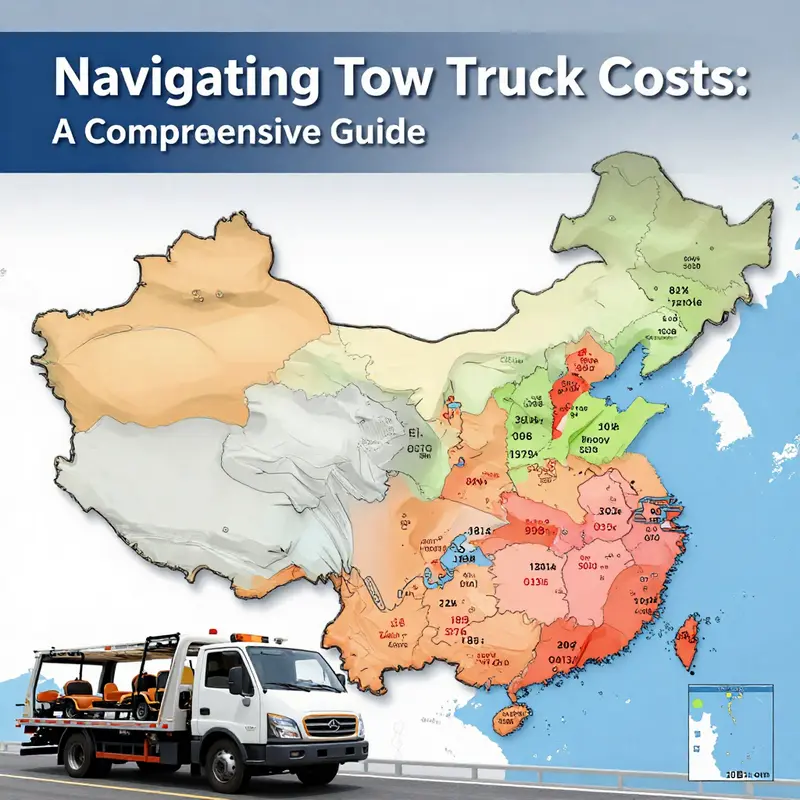
Prices for a tow truck service rarely follow a single rule. Geography, local regulation, vehicle type and market dynamics combine to create a patchwork of fees across regions. For anyone budgeting for an emergency tow or comparing roadside assistance options, recognizing how and why prices differ by location is essential. This chapter unpacks the main drivers of regional variation and offers practical guidance to anticipate costs, avoid surprises, and make smarter choices when you need a tow.
Urban density and market demand set the starting point. In major metropolitan areas, higher living and operating costs push base fees upward. Tow companies in dense cities face steeper wages, higher vehicle acquisition costs, and greater expenses for permits, parking and yard space. Those costs appear in the consumer price as elevated base fees and per-kilometer rates. Conversely, smaller towns and rural areas typically show lower base fees because fixed operating costs are reduced. However, the apparent discount can vanish when a long-distance haul or special equipment is required.
Regulation and official pricing guidelines play an outsized role in some regions. Where municipal or provincial authorities publish standard rates or caps for emergency towing, variation narrows. Such regulatory frameworks often set base fees for different vehicle classes, establish per-kilometer bands beyond an initial radius, and specify surcharges for special circumstances like hazardous loads or night calls. In those areas, the published schedule can protect consumers from extreme price swings. Yet regulation is not universal: many markets allow operators to set their own pricing, resulting in greater dispersion and the need for buyer vigilance.
Road type and infrastructure also matter. Tow jobs on highways, expressways and other managed roads frequently involve higher charges than urban street tows. Highway tows can require special authorization, escorts, or recovery techniques, and they often carry greater liability exposure. Those factors justify higher base fees and per-kilometer increments. Some provinces or regions explicitly list higher highway base fees for different vehicle classes, and those premiums can be significant. Expect to pay more when a recovery occurs at speed, on a busy carriageway, or where traffic control is necessary.
Time of day, seasonality and local climate create additional regional effects. Areas with severe winters, frequent storms or mountainous terrain see more costly operations. Snow, ice, heavy rain and landslides increase recovery complexity and risk. Operators in those climates may maintain specialized equipment and trained crews year-round, and they often apply night or bad-weather surcharges. Likewise, tourist regions or places with large seasonal populations can experience spikes in demand that raise prices during peak months. In short, when you live or travel in a harsh-weather zone or a high-season destination, expect higher average towing bills.
Vehicle fleet composition and local equipment availability influence pricing in subtle ways. Regions with a greater share of heavy vehicles, commercial traffic or off-road recreation require tow operators to carry larger, more specialized trucks. Rotators, heavy-duty tow trucks and flatbeds cost more to purchase, insure, and maintain than standard wreckers. When those machines are scarce, operators charge premiums to cover mobilization or to compensate for the complex equipment needed. Rural districts may not stock heavy rotators, so if a heavy truck needs recovery, a crew may travel a long distance with specialized gear, significantly increasing the final invoice.
Labor market conditions make an immediate difference. Where qualified recovery technicians are in short supply, labor rates climb. Some regions face licensing and training requirements that elevate pay scales. In such places, towing companies pass higher labor costs to customers through increased call-out fees and hourly rates. Labor shortages can also lengthen response times, which indirectly affects cost: the need to dispatch from farther away raises the per-kilometer component and sometimes triggers an “empty trip” or minimum-dispatch fee if you cancel after units are en route.
Local competition and platform pricing further shape what you pay. Competitive markets with many independent operators or app-based dispatch platforms often yield lower consumer prices. Mobile apps and aggregator services can produce instant quotes and allow customers to compare providers in real time, which compresses price dispersion. On the other hand, markets dominated by a few large players or where informal networks control dispatch can show higher and less-transparent pricing. In such areas, it helps to solicit a written quote and confirm licensing before service begins.
Hidden and ancillary costs vary by region and can markedly raise the total. Many users forget to budget for parking and storage fees at impound yards; regional rates for storage can range from modest daily charges to substantial per-day costs in high-demand urban impound lots. Secondary towing is another regional issue: some jurisdictions require transferred custody at an official yard before a vehicle moves to a repair shop, leading to a second tow fee. Overweight or oversized vehicle surcharges, environmental or hazardous-material handling fees, and local tolls or escorts all appear differently on invoices depending on local rules and the specifics of the recovery.
Long-distance and cross-region tows merit special attention. Moving a vehicle between provinces or across long stretches of highway multiplies components of the cost: the base fee, per-kilometer charge, tolls, fuel, and driver labor for multi-hour trips. Long hauls may also require overnight accommodations for crew or special permits for cross-jurisdiction transport. In practice, a multi-hundred kilometer recovery often costs many times a short local tow. If your plan could involve long-distance transport, confirm whether your insurance or roadside assistance package covers such mileage, and obtain a fully itemized estimate before the tow begins.
Consumer protections and transparency laws vary. Regions with strong consumer protection frameworks force companies to post pricing, disclose surcharges and obtain customer consent for services beyond a predefined scope. Those rules increase predictability and reduce cases of unexpected bills. In contrast, places lacking such regulation can have opaque pricing practices; consumers there benefit from asking for written estimates, noting vehicle and operator credentials, and taking photos or notes at the scene to document the situation should disputes arise.
Practical strategies to navigate regional variation are straightforward. First, confirm coverage with your insurance or membership services; many policies include complimentary tows or discounted rates within defined limits. Second, when possible, request multiple quotes—either by phone or through a pricing app—to compare base fees and per-kilometer charges. Third, verify operator credentials and request a written estimate that lists base fees, distance-based rates, and any expected surcharges like night or hazard premiums. Fourth, know the local practices for impoundment and storage so you can quickly move your vehicle and avoid escalating daily storage fees. Finally, if you live in or travel through a region with winter storms, mountain routes, or heavy commercial traffic, plan ahead: arrange for preventive services, and choose providers experienced with the specific recovery conditions common in that area.
One useful resource is local guidance and operator checklists that explain how to spot predatory or illegal towing practices. For tips on recognizing suspicious or unlawful towing activity in your area, see Spot Illegal Towing: Key Signs to Know. That guidance can help you avoid bait-and-switch scenarios and ensure you engage licensed providers.
Regional differences will always persist because tow trucking is a service tied to place. The interplay of local regulation, geography, labor markets, fleet capabilities and consumer demand creates a patchwork of prices. Understanding the factors above lets you anticipate likely costs and take steps to limit surprises. Whether you are comparing roadside assistance coverage, estimating the cost of a planned vehicle transfer, or budgeting for emergency contingencies, factor in the specific regional variables where you live or travel. They are as determinative of the final bill as distance or vehicle type.
External reference: For official national roadside assistance standards and published fee guidelines in some jurisdictions, consult the Ministry of Transport’s roadside assistance resources. (https://www.mot.gov.cn/)
Final thoughts
Understanding how much for a tow truck service encompasses a multitude of factors, from base rates to regional pricing distinctions. Preparedness and knowledge can empower local drivers, auto businesses, and property managers to navigate these costs more effectively. When an unexpected vehicle issue arises, being equipped with the right information will not only alleviate stress but can also lead to considerable savings. Stay informed, explore your options, and don’t hesitate to ask questions when hiring a towing service.