
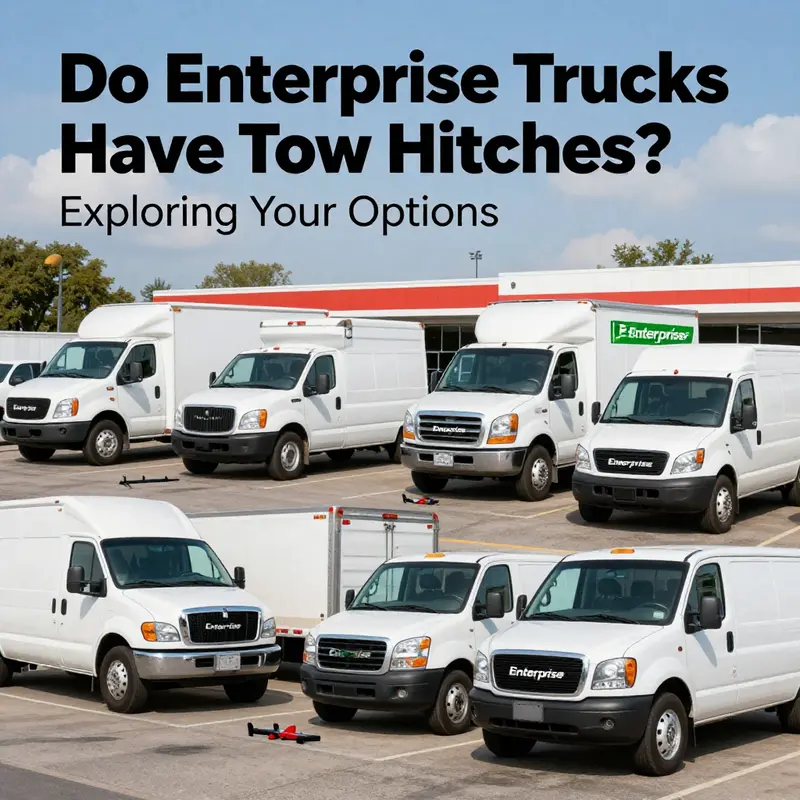
For local drivers, auto repair shops, property managers, and HOA administrators, understanding whether Enterprise trucks come equipped with tow hitches is vital. Whether you’re transporting heavy equipment, moving to a new home, or managing community needs, the right truck rental can significantly impact your project. This article unpacks essential insights about the availability of tow hitches in Enterprise trucks, the types of trucks that may include them, rental policies, the importance of these features, and key customer considerations—all designed to empower your renting decisions.
Tow Readiness in Truck Rentals: What Size Trucks Carry Hitch Receivers and How It Shapes Your Tow Plan
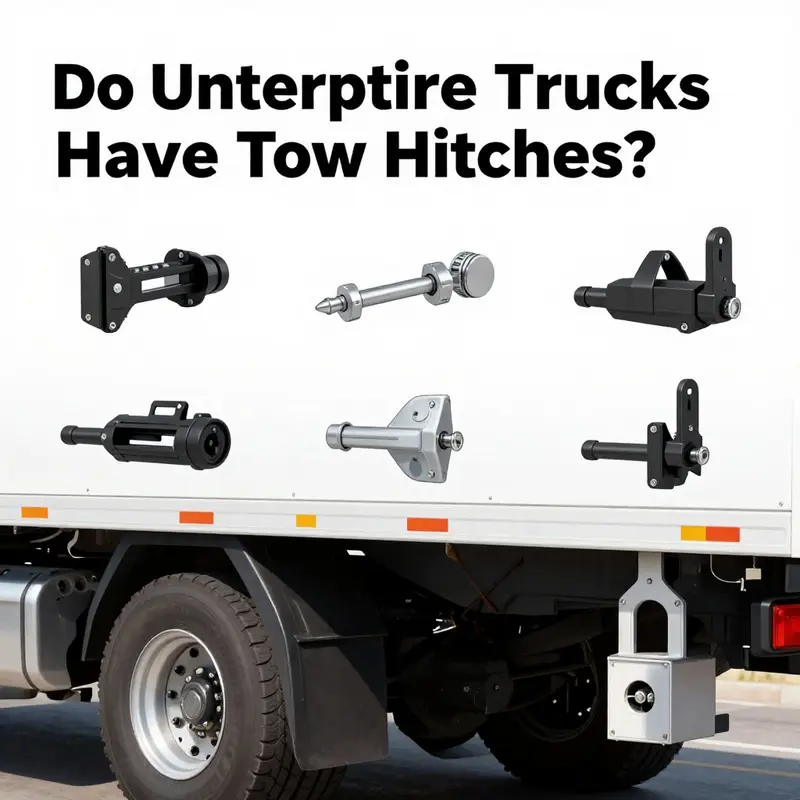
When a job requires pulling a trailer, many renters assume any rental truck will handle the task with no extra planning. In practice, the presence of a tow hitch on rental trucks is not universal. Fleet decisions hinge on the truck’s size, payload capacity, and the kind of work the vehicle is expected to do. In the typical rental lineup, only the larger, heavier-duty pickups arrive ready to tow, while lighter, half-ton models often do not. The dividing line is clear: three-quarter-ton and one-ton class pickups are the models that arrive with a receiver hitch installed as standard equipment. These heavier trucks are specifically designed to handle higher payloads and the stresses involved in towing, so the hitch and the related hardware are considered essential for safety and performance. By contrast, the more common light-duty pickups, which sit in the half-ton category or below, usually ship without a hitch as standard. The implication is straightforward for anyone planning a tow-heavy trip: if you need a hitch, you cannot simply assume a rental truck will have one. You must verify, ideally before you book, that the exact truck you plan to rent includes a hitch receiver, and you should also confirm the hitch type and rating. The towing capacity and hitch rating are not interchangeable terms; a truck’s hitch must be matched to the trailer’s weight and tongue load, and those figures vary from model to model. A careful renter will check the vehicle specifications online and, when in doubt, ask a location representative to confirm whether a hitch is installed and what its rating is. The stakes are practical: a mismatch between trailer weight and hitch capacity can lead to unsafe handling, accelerated wear, or even prohibited travel on certain routes. This is more than a matter of convenience; it is a matter of responsible fleet usage and personal safety on the road. Where the hitch is present, it will typically be a standard receiver hitch designed to accept common tow ball mounts, sway control systems, and other towing accessories. The exact rating—often expressed as tongue weight and gross trailer weight capacity—depends on the truck model and its drivetrain configuration. A trailer that exerts more force than the hitch can safely handle creates a chain of risks: poor steering control, reduced braking effectiveness, and altered vehicle dynamics that can complicate cornering and stopping. The prudent approach is to know those limits well before you attempt to haul anything. If you discover you need towing capability but the chosen truck lacks a hitch, a practical path is to arrange a hitch rental as an add-on. This option is offered by the fleet operator, though it may not be included in the base rental price. In other words, the hitch itself can be a separate rental item, and its cost is in addition to the vehicle rental. The decision to rent a hitch should come with attention to the hitch’s rating, which, as noted, depends on the truck model. You should confirm that the hitch you rent can handle the trailer’s tongue weight and total trailer weight, and you should ensure the trailer’s weight does not exceed those limits. Planning ahead matters here. A few minutes spent confirming the hitch type, its rating, and the trailer’s weight can save days of friction at check-out and on the road. It also prevents the frustration of discovering mid-trip that your setup exceeds the hitch’s capacity, which could force an embarrassing and unsafe stop to reconfigure or even to abandon the tow. If you are coordinating a towing plan as part of a larger fleet operation, the considerations extend beyond the single vehicle. Fleet managers look at how the hitch fits into the operator’s toolbox, how it interacts with other towing equipment, and how to align the truck’s towing capability with the mission’s requirements. For broader context on how towing fits into fleet readiness and emergency planning, many operators examine towing as part of a larger framework of emergency response and vehicle readiness. In those discussions, the emphasis is not only on the hardware but on the logistics of deployment, maintenance, and responders who can adapt quickly to changing conditions on the road. This broader view—where towing capability is one piece of a larger operational picture—can be particularly useful for organizations that rely on a consistent, ready-to-roll fleet under varying conditions. If your planning involves coordinating with a broader operation, you may find it helpful to explore how fleets handle emergency readiness and standardization, as these topics intersect with the practical realities of towing, hitch use, and safe vehicle handling. For more on how towing integrates into fleet operations and emergency response planning, you can consult resources that discuss fleet readiness and response strategies within the same ecosystem. Fleets Emergency Response can offer a perspective on how towing capability is embedded within larger operational plans. When you prepare to tow, take time to verify the exact truck model and its hitch configuration at the point of booking. Location-by-location variation exists, and so does seasonality in fleet availability. Some locations may have more heavy-duty trucks ready for towing at certain times of the year, while other locations may have a leaner selection. The safest approach is to treat each rental as a unique package: confirm the truck’s hitch status, confirm the hitch rating, ensure you understand the trailer’s total weight and tongue weight, and confirm any add-on rental fees for the hitch. The sequence is straightforward but essential: identify the vehicle model, verify the hitch presence and rating, then cross-check the trailer’s weight, and finally confirm the total cost and terms before you finalize the booking. If you anticipate frequent towing, you may want to build a standard checklist for each rental location you use, so that you always confirm hitch availability, rating, and any associated costs ahead of time. This reduces the risk of last-minute surprises and helps you plan your route, schedule, and safety measures with confidence. For those who need a detailed, model-specific understanding of towing capacities and hitch specifications, consult the official truck rental documentation and the vehicle specifications page. Because such information can vary by location and by fleet composition, direct verification remains the best practice. The goal is a predictable, safe towing experience that aligns with the trailer’s requirements and the truck’s capabilities. If you are researching this topic as part of a broader article on towing and fleet management, you may wish to review related material on how heavy-duty operations handle standardization and emergency readiness, as these themes illuminate how hitch-equipped trucks fit into a larger, safety-conscious framework. For further reference on towing capacities and hitch specifications, see the official specifications page for the rental fleet. For the official specifications and towing capacity details, consult the primary vehicle rental documentation at the broader fleet resource site and ensure you are reviewing the exact model you plan to rent. As you plan, keep in mind that the availability of hitch-equipped trucks and the exact rating can vary by location and season. By approaching the process with clear questions and a readiness to adjust the plan, you can achieve a tow-ready rental experience that aligns with safety, legal requirements, and your project’s needs. For a broader perspective on how towing fits into fleet operations and the safe deployment of heavy equipment, consider exploring related topics on emergency response and fleet standardization within the same information ecosystem. External reference: official towing specifications are available at the primary truck rental site, which provides the full context for hitch availability, weight ratings, and usage guidelines. https://www.enterprise.com/en/truck-rental
Tow-Ready on the Move: Navigating Enterprise’s Hitch-Equipped Trucks for Towing Needs
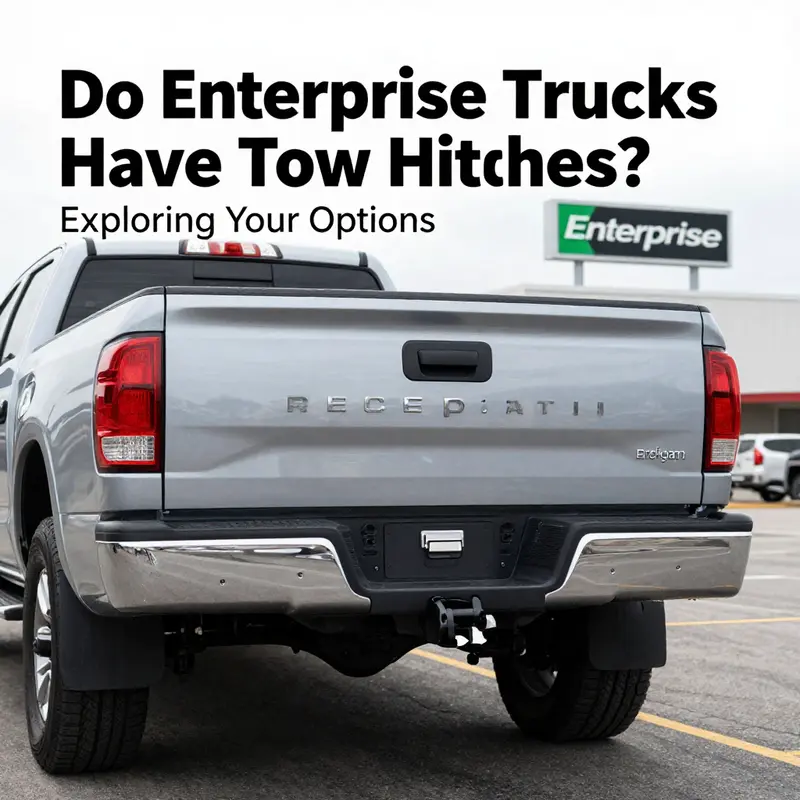
When you rent a truck from a major rental network with a towing project in mind, the question isn’t simply whether a hitch exists on the vehicle. It’s about whether the truck you select is truly prepared to handle the load you intend to pull, and whether that preparation is reliable at the location where you pick up the rental. In practice, enterprise fleets present a practical mix of availability and capability. A portion of the fleet, notably the larger pickup variants that carry heavier payloads, is commonly equipped with receiver hitches as a standard or easily added option. Other, lighter-duty pickups in the same category may not come with a hitch unless you explicitly request a towing package or choose a vehicle that can be outfitted with one at the branch. This variability means a straightforward answer to “do enterprise trucks have tow hitches?” is that it depends on the truck’s class, the location, and the intended use, rather than a blanket yes or no across the entire fleet.
To understand this nuance, it helps to separate the common rental truck lineup into two broad strands: the heavier, more capable workhorses and the lighter, general-purpose options. The former group frequently appears in configurations that support towing heavier trailers and equipment. In these cases, a receiver hitch is not an afterthought but part of a towing package that includes a hitch receiver, wiring harness, and other components designed to ensure safe operation when towing. With these trucks, the capacity to tow can be substantial, and the hitch class—ranging from lighter to more robust categories—is chosen to align with the vehicle’s inherent performance profile and the customer’s hauling needs. In contrast, the lighter, smaller pickups—often favored for everyday tasks and shorter trips—tend to be delivered without a hitch unless you add a tow option. The distinction isn’t about a single model or a single branch; it’s about the interplay between vehicle class, regional inventory, and the customer’s explicit towing intent.
This is why the process of selecting a tow-ready truck at Enterprise, or any major rental provider, hinges on accurate information before booking and again at pickup. A vehicle’s towing capability is not solely about whether a hitch can be attached; it encompasses the hitch’s class, the wiring harness configuration, tongue weight limits, braking requirements for the trailer, and the overall weight rating of the combination. The class of hitch is tied to towing capacity: lighter classes are suitable for smaller trailers, while heavier classes are designed to handle larger loads. For customers planning to tow, the practical approach is to confirm that the vehicle you reserve is equipped with a tow-ready setup and that the setup aligns with the trailer’s weight and braking needs. That means asking precise questions: Is there a hitch receiver installed in this vehicle? Which hitch class is installed, and what is the maximum towing capacity of this truck with the hitch and wiring harness in place? Does the branch offer a verified towing package, and are there any local compliance requirements for towing in your area of operation? It’s this level of specificity that moves the reservation from a generic rental into a reliable towing arrangement.
From a fleet-management perspective, the availability of tow hitches across Enterprise’s lineup reflects the broader needs of customers who rent for moving personal belongings, transporting equipment, or managing ad hoc commercial tasks. The fleet is structured to be flexible enough to respond to demand without compromising safety and reliability. When a customer arrives at a branch seeking a tow-capable vehicle, staff can verify inventory and, if needed, suggest a vehicle that can be outfitted with a towing package. This collaborative approach is part of a broader commitment to safety and readiness. In practice, the branch staff must align the customer’s stated towing weight and trailer type with the vehicle’s actual configuration, ensuring that the hitch, wiring, and braking support systems are appropriate for the job. The goal is not simply to provide a hitch but to ensure the entire towing setup meets regulatory requirements and safety standards for the load and trip distance involved.
A central element of this process is clear communication about limitations and expectations. Customers should recognize that even if a truck comes with a hitch, the vehicle’s maximum towing capacity is not limitless. The trailer’s weight, tongue weight, braking needs, and sway control requirements must all be considered. If the trailer is equipped with its own braking system, the combined weight and momentum will still be governed by the truck’s towing limits. If the load approaches or exceeds those limits, it would be prudent to select a heavier-duty vehicle or adjust the plan—for instance, by dividing the load across multiple trips, using a cube truck for certain components, or arranging a professional towing service for part of the move. These considerations are essential for reducing the risk of loss, damage, or compromised handling on the road.
For customers who want to verify hitch details before and during their rental, there are practical steps that streamline the process. First, review the vehicle specifications online prior to booking. Rental websites increasingly provide transparent information about whether a truck is tow-ready, the presence of a hitch receiver, and the apparent class of hitch. If the online data isn’t explicit, reach out to the branch directly and request confirmation of tow capabilities for the specific vehicle you’re considering. Second, at pickup, perform a quick but thorough check of the hitch configuration and wiring harness. A visible hitch receiver, a plugged-in wiring harness, and any associated safety equipment should all be present and in good working order before you drive away. Third, confirm the trailer’s compatibility with the towing package. This includes ensuring the ball mount size matches the trailer coupler, and that the trailer’s electrical system is wired to the right circuits for lights, brakes, and turn signals. These checks, while simple, form a critical safeguard against misalignment of expectations and real-world safety concerns on the road.
The broader landscape around tow preparation also includes an awareness of how rental fleets support towing-related operations beyond the simple hitch. Some vehicles available through Enterprise’s network are described as tow-ready or tow-capable because they can be equipped with a complete towing package upon request. This means the branch can provide a vehicle that arrives with a hitch and wiring, ready for towing a trailer or heavy load when the customer is prepared with the appropriate towing equipment. The process reflects a broader philosophy: rental fleets are tools that must be matched to the user’s task through careful planning and clear communication. In this context, a tow hitch is not an isolated accessory; it is part of an integrated system designed to keep the vehicle and trailer within safe operating limits while delivering the performance needed for the job at hand. This perspective aligns with the fleet’s general emphasis on readiness and reliability, a standard principle that underpins how the company approaches vehicle provisioning and customer service.
As you navigate your towing project, you may also find value in considering the larger ecosystem of fleet operations that support towing work. Many rental fleets maintain a continuous emphasis on readiness, preventative maintenance, and rapid response to emergency needs. The same attention to readiness that enables a branch to gear up a tow-ready truck can be extended to emergency-response contexts, where the ability to mobilize a tow-capable vehicle quickly becomes part of a broader operational capability. For readers who want to explore how fleets coordinate these capabilities in real-world scenarios, the related material on fleet emergency-response capabilities offers a complementary perspective. This broader lens helps frame the rental experience not as a one-off transaction but as a component of a larger, safety-centric system that prioritizes dependable equipment and informed decision-making. See the linked resource for a broader view of how fleets balance readiness and safety in urgent situations.
To anchor the practical guidance in the field, the specific operational reality remains this: not every Enterprise truck will come with a hitch by default, and the hitch configuration you receive will depend on the vehicle class, the branch’s available stock, and your explicit towing needs. The prudent path is to treat towing as a feature to confirm rather than a default assumption. Do not hesitate to ask for the tow package to be installed or for a vehicle that aligns with your towing plan if the branch can accommodate it. The most reliable approach is to align the reservation details with the trailer’s weight and the expected driving conditions. That alignment reduces the likelihood of surprises on pickup and during the trip, and it helps ensure a smoother, safer towing experience from start to finish.
For readers seeking additional context on the official specifications that govern towing capabilities, Enterprise’s official vehicle specifications and towing information can provide formal guidance. The site outlines the kinds of configurations available and the parameters used to determine what counts as tow-ready in various regions and inventory situations. This external resource serves as a practical reference point for customers who want to verify the official stance on hitch configurations and towing readiness as they plan a rental.
Internal linking note: For readers curious about how fleets organize and prepare for such capabilities beyond a single rental, see the discussion of fleets emergency-response capabilities.
In sum, the question of whether Enterprise trucks have tow hitches is best answered with a conditional yes: some trucks in the heavier segments are equipped for towing, while lighter models may not be unless you arrange the tow option. The key is to plan ahead, verify the exact configuration before and at pickup, and ensure that the entire towing setup—hitch class, wiring, tongue weight, and trailer brakes—meets the demands of your load and route. With clear communication and careful verification, you can leverage the towing-ready potential of Enterprise’s fleet while maintaining the safety and reliability that a successful tow requires.
External resource for formal specifications and towing information: https://www.enterprise.com/en/vehicles.html
Tow Hitches in Enterprise Rentals: Policy, Availability, and Planning
When planning a move or job that requires pulling a trailer, you may wonder whether Enterprise rental trucks come with tow hitches and whether those hitches can be used for towing. The reality is nuanced: not every truck at every location is equipped the same way, and even if a hitch is present, towing is not automatically approved. Always verify the specific vehicle’s features and towing authorization before you book, and don’t assume that a hitch equals permission.
Enterprise’s fleet covers a range from lighter pickups to heavier work trucks. Heavier-duty models are more likely to arrive with a receiver hitch, but installation does not guarantee towing rights. The rental agreement and location policies govern use, and towing without explicit authorization can affect insurance and expose you to fees or dispute resolution challenges.
Public policy descriptions from Enterprise emphasize caution about towing. Standard agreements often restrict towing and ensure insurance protections. If you plan to tow trailers, boats, or other vehicles, seek explicit pre-authorization.
For those who genuinely need towing, some locations offer enhanced or tow-ready configurations, but these are not universal. Availability and pricing vary by branch, and such options typically require written confirmation and may incur extra charges.
The best practice is due diligence: contact the branch to confirm whether the exact truck you intend to rent has a hitch and whether that hitch is approved for towing under the local rental agreement. Compare online vehicle specifications with the branch’s current inventory, and obtain confirmation in writing that towing is permitted and under what conditions, including any fees or insurance requirements.
If towing is a regular need, consider alternatives such as renting from a provider whose policies align with towing, or arranging a separate towing service when the rental does not offer a suitable option. The goal is to avoid surprises, stay compliant with the contract and insurance terms, and document any authorization for towing.
In summary, the question do Enterprise trucks have tow hitches cannot be answered with a simple yes or no. The relevant question is: under what conditions can a hitch be used for towing, and how can you secure explicit authorization? Treat hitch-equipped trucks as potentially capable rather than automatically towing-ready, and verify authorization before pickup. For reference on current practices, you can review Enterprise’s policy page at https://www.enterprise.com/en/rent-a-car/vehicle-features/tow-hitch.html
Tow Access on Enterprise Rentals: Navigating Availability, Policies, and Practical Alternatives
Do Enterprise trucks have tow hitches? The answer isn’t a simple yes or no, because it hinges on which part of the Enterprise fleet you’re looking at and when you’re booking. For most people who think in terms of a standard car rental, Enterprise Rent-A-Car’s pickup lineup does not come with hitch receivers as a default feature. Hitches are not included on the common pickup models you’d find in the everyday rental pool, and customers aren’t permitted to install or use hitch attachments during a rental under the standard agreement. There is a nuance, however, that can matter in practical planning: Enterprise does operate a separate division called Enterprise Truck Rental, which focuses on heavier, more capable trucks. Within that segment, a subset of ¾-ton and 1-ton pickup trucks may be equipped with a receiver hitch. This detail—availability of a hitch—depends on the specific vehicle, the location, and the current inventory. Because fleets change with demand, the safest path is to confirm ahead of time by checking the vehicle specifications online or by speaking directly with the rental location. If towing is essential for your task, this upfront check can save time and prevent disappointed plans at pickup.
The policy landscape here is not a matter of a single blanket rule applying to every Enterprise customer. Instead, it reflects a careful balance between standardization, liability, and safety. The broad stance of the typical rental lineup is to avoid hitch attachments because they introduce additional points of failure and require structural considerations that standard rental vehicles are not designed to bear. Even when a vehicle might technically support a hitch, the rental agreement often restricts modifications or after-market installations. The risk of an improper hitch installation is more than a minor flaw; it can affect the way the vehicle handles, the integrity of the hitch connection, and the reliability of the trailer coupling under load. When a vehicle is returned, inspectors verify that the car’s standard condition remains intact and that no unauthorized alterations have occurred. Any hitch or towing modification that isn’t part of the original configuration can complicate this inspection, potentially creating disputes at return or opening liability questions for both renter and rental company.
Where this leaves most renters is a pattern of planning around alternatives rather than immediate access to a hitch. In practice, the policy is stricter for the common pickup than for the heavier, specialized options. The ¾-ton and 1-ton trucks—those larger pickup configurations sometimes used for moving and heavy transport tasks—may arrive with a receiver hitch, but this is not guaranteed. The exact equipment and whether a hitch is present can vary by location and by the day’s available inventory. For anyone who requires towing capability as a central part of their rental, this variability means checking the specifics of the exact vehicle in your reservation. The safest approach is to review the vehicle specification details online when you book, or call the location to confirm, ensuring that the selected truck indeed has a hitch and is rated for the intended load. This careful due diligence helps prevent last-minute changes that could derail a plan built around a specific trailer or load.
If towing is a critical requirement, it’s helpful to understand the practical alternatives that Enterprise offers within its broader fleet and service options. In many cases, renters who need towing will find options in the form of larger SUVs or vans that carry higher towing capacities. These vehicle classes are often better suited for towing heavier trailers or equipment and can provide a more straightforward solution when a hitch-equipped pickup is not readily available. It is also worth noting that some locations may offer an add-on service related to towing, which could include hitch installation assistance or related support. However, this kind of add-on is not universal and typically requires advance booking and confirmation with the specific location. The variability across locations means that what works at one site might not be offered at another, underscoring the importance of early coordination with the rental team to understand what is possible for your itinerary.
Beyond the practicalities of hitch presence or absence, renters should also align their towing plans with safety and legal considerations. Tow operations demand attention to trailer weight, hitch match, braking requirements, lights, and secure load distribution. Towing places different demands on a vehicle’s suspension, transmission cooling, and steering response. If a renter proceeds with a trailer without a hitch or without a vehicle designed for towing, they risk compromised handling, increased wear on the drivetrain, and potential safety hazards on the road. Even when a hitch is present, the trailer’s gross vehicle weight rating must remain within the truck’s rated towing capacity, and the trailer must be properly connected and braked. As always, the rental agreement and insurance terms govern how the vehicle can be used, and any towing activity should stay within the policy limits and the vehicle’s design specifications. The goal is to ensure that the rental assignment remains safe for the renter and for other road users, while also protecting the rental company from liability.
For readers who want a broader sense of how fleet readiness and towing-related services are managed across operations, a look at industry-focused discussions can be illuminating. A resource such as the Santa Maria Tow Truck Blog offers context on fleet flexibility, maintenance, and emergency readiness, which can help frame why rental fleets may limit hitch use. See the discussion here: Santa Maria Tow Truck Blog.
When weighing your options, the most reliable route is to treat hitch availability as a location- and model-specific detail rather than a fixed feature of the Enterprise rental experience. Start by identifying the exact vehicle you plan to reserve, then verify whether that model includes a hitch and whether it’s rated for your intended load. If towing is indispensable, be prepared to adapt your plan by considering alternative vehicle classes or by coordinating ahead with the rental location to arrange an appropriate towing-ready option or installation support through a location-specific add-on. In many cases, the path to a successful towing outcome will involve selecting a different vehicle category or opting for a location that explicitly lists towing-support options in its service portfolio. The key is to maintain clear communication with the rental team and to confirm all towing-related aspects before you arrive for pickup.
For anyone who wants to review official policy details directly from the source, the enterprise policy landscape is summarized on the company’s own site. The information provided there outlines how hitch availability is handled across the standard rental inventory and highlights the distinctions between the general rental fleet and heavier-duty truck options. This reference is essential for anyone planning a tow-related rental to avoid misunderstandings that could derail a trip or complicate a move. External resources provide a baseline for understanding industry norms, but the most accurate and up-to-date guidance comes from the rental location’s vehicle specifications and the terms of the rental contract. External resource: https://www.enterprise.com
null
null
Final thoughts
Choosing the right truck rental from Enterprise, especially one equipped with a tow hitch, can make a world of difference for your transportation needs. Understanding the types of trucks available, the rental policies concerning tow hitches, and their significance can greatly enhance your rental experience. It’s essential to ensure that you have the right vehicle that meets your specifications for towing and hauling. By being informed and asking the right questions, you will be better prepared to select a rental truck that suits your needs perfectly.