
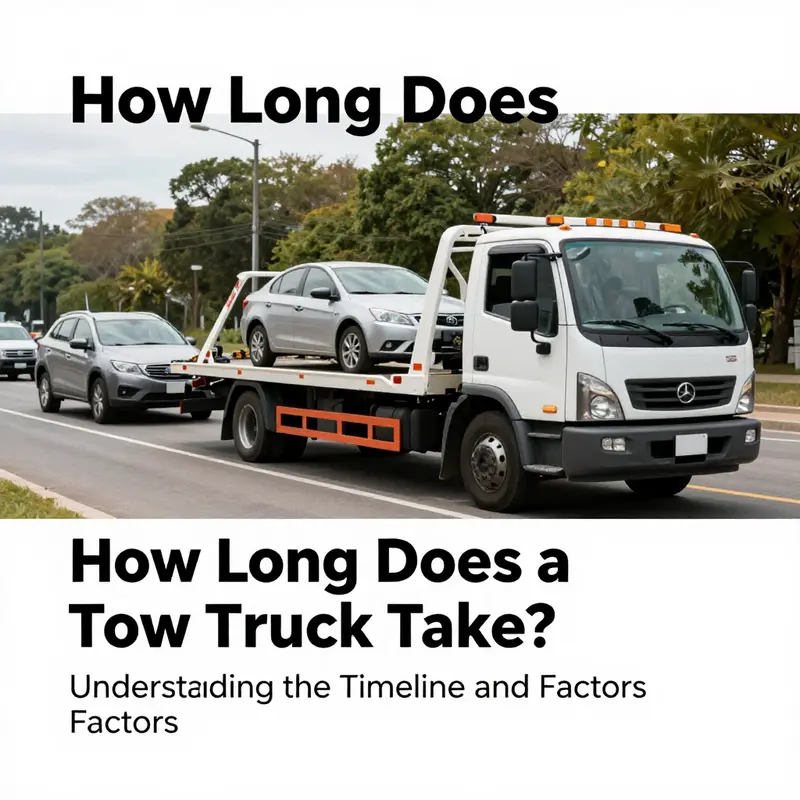
When your vehicle unexpectedly breaks down or needs to be remotely relocated, understanding how long it takes for a tow truck to arrive can provide a sense of relief and preparation. For local drivers, car owners, auto repair shops, and property managers, knowing these timelines is essential for planning and managing expectations during roadside emergencies. This article thoroughly examines the average response times of tow trucks, the array of influencing factors that contribute to these times, the varied situations that can affect the service duration, and how towing compares with other roadside assistance services. Each chapter provides crucial insights, ensuring every reader is equipped with knowledge for a stress-free driving experience.
When Help Is En Route: Understanding How Long a Tow Truck Really Takes to Reach You and Complete the Job
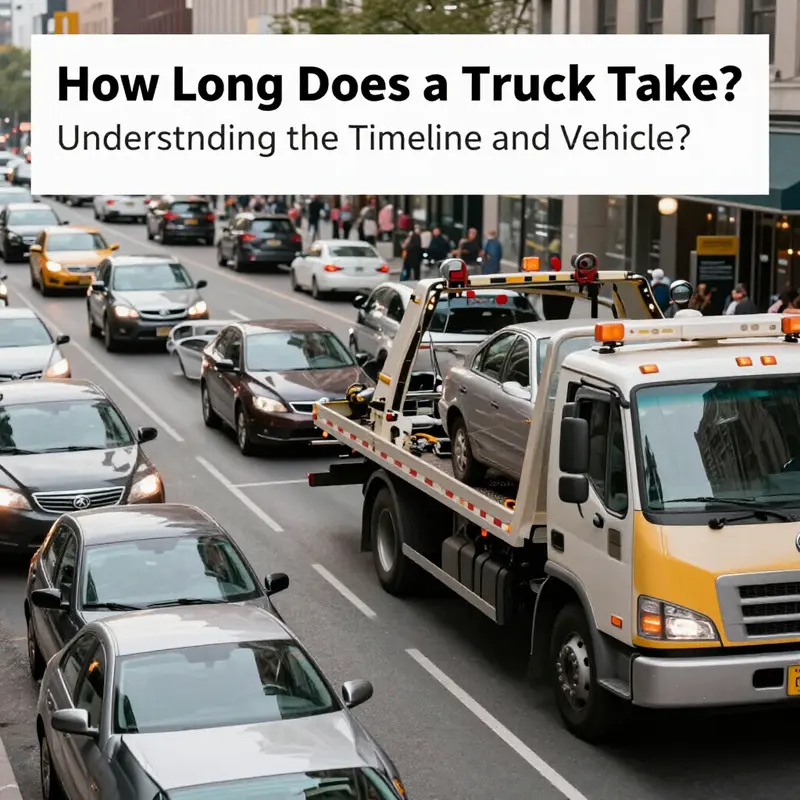
A roadside predicament arrives without an invitation, and time seems to stretch as the minutes tick by. The moment you realize you need a tow—be it a car that refuses to start, a vehicle involved in a minor mishap, or a tire that has given up on the shoulder—your focus shifts from what caused the breakdown to what comes next. The question that occupies most heads in this moment is not just whether help will arrive, but how quickly it will arrive. The answer, however, is seldom a single number. It is a moving average shaped by place, circumstance, and the precise service you require. In practice, the arrival of a tow truck follows a cascade of decisions and conditions, each amplifying or tempering the clock that matters most: your sense of security and the ability to resume your day, or at least your plans, with minimal disruption.
From the first moment you place a call or tap a request, several factors begin to influence the clock. Location is king. Urban centers, with their dense networks of operators and a larger pool of drivers, tend to shave minutes off the ETA. In many cities, a tow truck can arrive within a range as tight as 15 to 30 minutes after dispatch, provided traffic cooperates and the request aligns with a nearby unit’s availability. Rural settings tell a different story. The landscape may be dotted with fewer service providers and longer travel distances between locations, so wait times can stretch to two hours or more, especially if the driver must come from a distant hub or contend with inclement weather that slows travel. Geography matters, but so does the tempo of the day. Rush hour creates a surge in demand that can stretch response times even in well-served regions. Holidays, storms, and major events impose a different kind of pressure, turning what might be a routine call into a race against the clock as fleets orchestrate their resources to cover high-volume zones.
Another pivotal factor is the availability of nearby tow trucks. Dispatch centers optimize for proximity and chance, constantly comparing the location of the stranded vehicle with the real-time status of their fleet. A driver is not merely the closest person with a tow strap; they must be the closest available unit who can safely respond given the vehicle type and the required equipment. For lighter jobs—like a jump start, a battery replacement, or a tire change on a car on a clear stretch of road—the ETA tends to be shorter. Heavier recoveries or more complex operations demand specialized equipment—such as a flatbed or a vehicle winch—and may require a senior operator or a second unit. In those cases, the clock does not stall so much as extend, as the team coordinates readiness, ensures proper securing methods, and weighs the best route and approach to safeguard both the vehicle and responders.
The nature of the service itself is a fundamental determinant. A simple roadside assist call can yield a brisk arrival and a quick exit, often around 10 to 20 minutes on scene, especially if the vehicle is in a straightforward position and the weather is cooperative. But if the vehicle is involved in an accident, has sustained significant damage, or needs to be loaded onto a flatbed for transport, the on-site work can stretch to the 30-minute mark or beyond. Securing the vehicle, coordinating with insurance providers, and arranging transport to an repair facility or an impound lot adds layers of administrative and physical steps that can push total on-scene time past an hour. In these moments, the human factors—driver experience, the methodical securing of a damaged vehicle, and the logistics of paperwork—become the quiet, unglamorous engines behind the numbers you see on a dispatch screen.
Even the weather can rewrite the timetable in unexpected ways. Snow, ice, heavy rain, or high winds create hazards that slow a driver’s maneuvering and necessitate extra caution, which is never wasted time when safety is at stake. Ice on a shoulder can complicate a tow or rescue operation, demanding slower travel and careful placement of equipment. This does not mean the service is unreliable; it means the conditions are changing the physics of the job. In turn, drivers and dispatchers must adapt, recalibrate ETA estimates, and prioritize the safety of everyone involved. During severe weather, fleets may reorganize to maximize the number of active responders, rerouting where possible to bring help to stranded motorists more quickly without compromising safety.
Technology has begun to reframe the traditional timing equation in meaningful ways. Modern roadside assistance platforms, including dispatch systems that leverage GPS and live data, can track the nearest available unit in real time, provide customers with updated ETAs, and even illustrate the journey of the tow as it unfolds. For those watching the clock, this transparency matters more than a single, static estimate. It offers a sense of control: you see not only when help will arrive, but where the responding unit is, what the driver is currently dealing with, and how the route might shift as conditions evolve. The effect is twofold. First, it reduces anxiety by turning uncertainty into information. Second, it improves operational efficiency by allowing dispatchers to reassign resources when a more favorable ETA opens up elsewhere, a subtle but powerful cascade that can shave minutes off a previously long wait.
If you work in fleet management or municipal services, the promise of real-time visibility adds another layer of value. A well-orchestrated response isn’t just about getting a vehicle off the road; it’s about coordinating a web of assets, personnel, and timelines to reduce downtime and exposure to risk. In practical terms, this means that a fleet can push toward shorter standard response times in the places where it matters most—near major corridors, near industrial zones, near hospitals and emergency facilities—while still maintaining safety and proper procedure across the board. It also means that customers can make more informed decisions about whether to wait for on-site assistance or choose to arrange alternative transportation, a choice that can depend on weather, the vehicle’s location, and the urgency of the situation. The emotional calculus of waiting—how long, how safely, and how predictably—becomes a shared calculation between customer and dispatcher, mediated by data and a commitment to clear communication.
In the chorus of voices that discuss timing, there is also the practical truth that not every call results in a clean, single-subject timeline. The very nature of a tow can involve multiple steps: arriving at the site, assessing the vehicle’s condition and the terrain, choosing the correct equipment, and carrying out the hook-up. If the vehicle is in a precarious location—on a busy highway shoulder, near a curb, or in a tight escape alley—the operator may need to stall traffic, secure the vehicle, and carefully plan a safe extraction. In those moments, the clock does not stop; it simply ticks toward a broader endpoint: the vehicle’s secure removal and safe transport to a repair facility or storage location. Insurance coordination and release to a repair shop can introduce additional steps that are not purely mechanical but administrative—signatures, paperwork, and in some cases, a brief negotiation about coverage and liability. These processes, though opaque at times, are critical to ensuring that the tow is handled properly, legally, and with a respect for the rights and needs of the vehicle owner.
What does all of this mean for someone who needs to plan around a tow? The most reliable guidance remains grounded in reality: contact your local towing service directly for the most accurate estimate at that moment. The dynamic nature of the business means that any published average is just that—an average. Local factors will tug that average in one direction or another, while real-time availability and the specific service type will tilt it further. It is worthwhile to consider having a few practical expectations in mind. If you are in a city or along a major corridor, prepare for the possibility of a shorter wait, but remain flexible. If you are far from urban centers or facing severe weather, mentally prepare for a longer horizon, but keep the line of communication open with the dispatcher. Do not hesitate to ask for an updated ETA if conditions change. A quick check-in can save you more time than you might expect and can help you decide whether to wait or pursue alternatives, such as arranging your own ride to a safe location if that option is available and appropriate.
A note on the broader landscape: the evolution of dispatch and roadside technology is shaping not just the numbers on a screen but the reliability and predictability of the experience itself. Across the industry, operators are emphasizing transparency, speed, and safety in a triad of priorities. Transparent pricing helps prevent unpleasant surprises, on-demand booking gives customers flexibility, and live tracking provides peace of mind. The combination of these features contributes to a more predictable service experience, even when the road ahead is unpredictable. A modern approach to towing does not pretend away uncertainty; it manages it through better information, smarter routing, and a commitment to keeping the customer informed at every turn.
For readers managing fleets, families, or businesses that rely on quick returns to productivity, there is a practical payoff to understanding the timing calculus. If you know that urban areas tend to deliver faster response times, you can factor that into your contingency planning, ensuring that employees or dependents have alternative routes or transportation options during peak periods. If you know your locale experiences extended wait times in rural contexts, you can build in extra margins for travel, anticipate potential delays in maintenance windows, and coordinate with repair facilities to minimize downtime. In all cases, the core idea is straightforward: the ETA to a tow is not a single fixed moment; it is a composite derived from place, timing, service type, and the real-world constraints of a dynamic road network.
The takeaway, then, is both simple and nuanced. A tow truck’s arrival time is a function of geography, demand, and the complexity of the vehicle’s needs. The on-site duration of the operation depends on the vehicle’s condition and the required equipment. And the total time from call to completion is a tapestry woven from the threads of traffic, weather, insurance, and safety. In practice, you should expect the following: urban calls often land within a 15–30 minute arrival window when conditions allow; rural calls can extend toward two hours or more; the average scenario hovers around the half-hour to one-hour mark for arrival, with a parallel 10–30 minutes on-site for the actual towing action when conditions are straightforward. When the situation is complicated—accidents, damaged vehicles, or the need for specialized equipment—the timeline lengthens, but the overarching principle remains: clear, proactive communication from dispatchers to customers can significantly reduce the perceived duration of the wait.
If you want to deepen your understanding of how fleets balance efficiency with safety and transparency, consider looking at resources focused on emergency readiness and fleet standardization. One resource that explores how fleets respond under pressure and how to maintain readiness offers a perspective on how operations scale during peak demand and how emergency response planning translates into practical, real-world timelines. You can explore this topic here: Fleets Emergency Response.
For a broader sense of how modern dispatch and ETA tools operate in real time, this external resource provides context on how digital platforms support ETA accuracy and customer visibility: https://apps.apple.com/us/app/xtowtruck-user/id1649873844
In short, while you can count on a reliable general framework for the timing of a tow—from initial contact to on-site work to transport—the actual numbers in your town will dance to the tune of the moment. The best approach is to stay informed, ask for updates, and rely on the dispatcher’s experience to guide you through the delay and toward safe, timely completion of your tow. In the end, the clock is not simply a measure of waiting; it is a measure of how effectively a complex service ecosystem coordinates safety, efficiency, and service to get you back on the road as soon as possible.
A final reminder: the single best way to obtain the most accurate estimate is to reach out to your local towing service, as real-time conditions and operator capabilities vary day by day, hour by hour. The numbers you read in articles and reviews serve as useful benchmarks, but your personal timeline will be shaped by the exact moment you call, where you are, and what your vehicle needs. When you do, you can also take advantage of many modern platforms that offer live tracking and transparent pricing, which help turn a potentially stressful wait into a manageable period of time with predictable steps and clear expectations. And if you manage a fleet or a team that depends on consistent responsiveness, the lessons from urban and rural timing, along with the emphasis on readiness and communication, can translate into better planning, fewer delays, and a smoother road ahead.
Timing on the Line: Understanding How Long Tow Trucks Take to Arrive and Complete a Tow
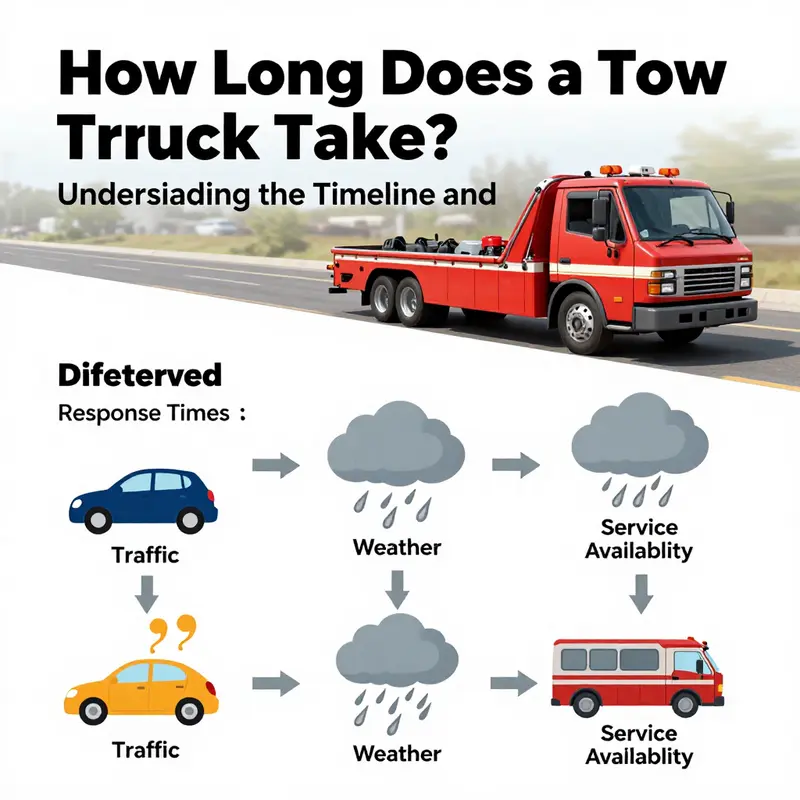
When a vehicle breaks down or is involved in an incident, the clock becomes a stubborn, constant companion. The question isn’t simply, “Will a tow truck come?” but rather, “How long will it take for the truck to arrive, and how long will the actual towing take once help arrives?” The larger truth is that there is no single timetable. Across cities and countryside, on busy highways and silent backroads, response times ebb and flow with a mix of logistical realities, weather, and human factors that together choreograph a sequence from the moment you call for help to the moment your vehicle is no longer at the roadside. In discussions of towing timelines, it’s common to hear a range—an average window that suggests a general expectation rather than a fixed rule. Many providers aim to reach a stranded vehicle within 30 to 60 minutes after a call, and the on-site towing itself often takes 10 to 30 minutes. Yet those numbers can stretch or shrink dramatically depending on conditions. In some urban centers with dense rescue networks and high fleet utilization, response times can dip toward 15 to 20 minutes for the arrival, with the actual tow completed swiftly if no complications arise. In more remote regions, or during peak times when every dispatcher is juggling multiple incidents, those 30 to 60 minutes can become a longer wait, sometimes extending into hours. And when a scene involves an accident rather than a simple roadside issue, or when specialized equipment such as a flatbed is necessary, the duration climbs further. The practical takeaway is straightforward: to get a reliable sense of how long a tow will take, you must consider a spectrum of variables rather than a single average. The most accurate estimate will always come from a direct call to a local provider who knows the real-time conditions of the area, traffic, weather, and availability. That caveat is crucial, because even robust national networks can’t promise a universal timetable; conditions change minute by minute, and the dispatcher’s ability to balance competing requests becomes the deciding factor in how quickly a tow begins and how smoothly it proceeds from there. If you want to see how sophisticated dispatch and fleet management can influence these timelines, you can explore the practical realities of fleet emergency readiness in our dedicated coverage of fleets emergency response. Fleets Emergency Response.
The story of timing unfolds through a sequence of linked factors, each exerting its influence in a different measure. The first, most fundamental element is proximity: the distance between the breakdown location and the nearest available tow truck or rescue point. In dense urban cores, maintenance yards, and signal-laden arterial routes, the distance to a ready vehicle is often a few miles, and that closeness translates into shorter dispatch-to-arrival windows. The math becomes more complex as you move away from the city into rural or geographically challenging terrain. In vast landscapes, rugged regions, or areas where rescue infrastructure is sparse, the distance can stretch into tens or hundreds of kilometers. In those situations the initial arrival time grows accordingly, sometimes turning a routine tow into a lengthy endurance test for both driver and vehicle. The second factor is traffic, a variable that can bend time in the most surprising directions. Even short distances can become lengthy journeys when gridlock clamps down on major thoroughfares during rush hours, incidents elsewhere that pull resources away, or during events that flood the roads with drivers. When traffic is light, a hop that would normally take 20 minutes can shrink to 10 or 15; conversely, the same route during peak times can swell to an hour or more. The variability shown by traffic is one reason many drivers notice faster response times late at night or during holidays when the general flow of vehicles is diminished. The third element, weather and road conditions, can be the most disruptive of all. Inclement weather imposes real-world constraints: poor visibility, slick surfaces, and the need for extra caution reduce travel speeds. Heavy rain, dense fog, snow, or ice can force tow operators to slow down, increasing both the likelihood of delays and the time spent on site. In extreme weather, road closures or detours may prevent access altogether until conditions improve. Studies and practitioner reports alike show that adverse weather can extend response times by a measurable margin, often more than a few minutes, and sometimes by substantial stretches when crews must wait for safer conditions to proceed. The fourth component is the complexity of the incident itself. A simple, routine tow—say, a flat tire or a dead battery in a safe, easible location—can be completed very quickly, often within the 15 to 30 minute range once the tow truck arrives. But a multi-vehicle collision, a damaged vehicle that requires careful securing, or a scenario involving hazardous materials, injured persons, or blocked lanes can multiply the time needed both for dispatch coordination and on-site operations. In such cases, responders must synchronize with police, fire, and medical personnel, manage traffic safely, and possibly arrange for a recoverable vehicle to be moved to an impound lot or repair shop. That coordination naturally adds hours to the timeline, even before the actual towing begins. The fifth influence is the quality and capacity of the towing service itself. A large, well-established network with modern dispatch technology, real-time GPS tracking, and a wide spread of strategically located vehicles typically has more agile response capabilities. Such networks can often deploy the closest unit quickly and monitor progress with greater precision, which reduces unnecessary delays and streamlines the handoff to on-site technicians. In contrast, smaller or irregular fleets may struggle with scheduling inefficiencies, slower communication channels, or insufficient vehicle availability, all of which can elongate the wait. The sixth element concerns vehicle readiness and equipment readiness. Tow trucks come in different configurations—some with flatbeds, some with wheel-lift equipment—and the choice depends on the vehicle type and the conditions at the scene. A truck equipped for difficult terrain, with robust winching systems and all-wheel drive, can handle challenging landscapes or steep grades more efficiently. On the other hand, if the initial visit reveals the need for specialized gear that isn’t on board, responders may need to return to a shop or a parts depot to fetch what’s needed, adding time to the operation. The seventh factor is the accuracy and clarity of information provided by the caller. The more precise the location, the better the dispatcher and driver can orient themselves before arrival. Missing cross streets, ambiguous landmarks, or vague directions force time-consuming search efforts in the field. The modern toolkit helps here: clear GPS coordinates, well-described spots, and even app-based location sharing can dramatically shorten the search phase and cut minutes from the overall timeline. The final factor to consider is demand surges tied to seasons, events, or disasters. Holidays, festivals, or severe weather outbreaks can trigger a flood of roadside assistance requests. Even the best-equipped providers can find their capacity strained when multiple incidents occur in parallel. In those moments, the system’s overall throughput may degrade, and response times lengthen as dispatchers work to allocate scarce resources across a broader set of needs. The presence of these surge dynamics underscores a fundamental truth: timing is the product of both constant factors—geometry, physics, and vehicle capabilities—and fluctuating workloads that depend on human behavior and collective circumstance. Because of this, the most reliable way to gauge expected timing remains direct communication with a local service provider. A good operator will translate the constellation of current conditions into a realistic and actionable estimate, while also explaining why certain delays are unavoidable and what steps are being taken to mitigate them. In practical terms, that means asking for a clear window of arrival, an on-site ETA for the actual towing, and, if possible, a plan for alternatives if weather or traffic worsens. It also means recognizing the nuance between arrival time and completion time. Reaching the site is only the first milestone; the real clock ticks again once the tow begins. The on-site phase can be quick for straightforward cases, but it can stretch out when the vehicle needs careful handling, when the destination requires specific procedures or paperwork, or when there are insurance or legal constraints to navigate. In any of these circumstances, the operator’s transparency becomes as important as the timing itself. The dynamic interplay of proximity, traffic, weather, incident complexity, provider capacity, equipment readiness, information accuracy, and demand surges forms the backdrop against which every tow unfolds. It is a reminder that a tow is rarely a simple, single-act event: it is a coordinated sequence of decisions, movements, and actions that operates within a live system of road risks, human judgment, and logistical constraints. Those who study or work within the towing ecosystem tend to emphasize the value of planning and precision. For drivers, that translates into practical steps you can take before, during, and after a tow: prepare, where possible, by keeping your location and contact details ready in your phone and sharing precise location data when you call. Be prepared to describe the scene in concrete terms—factors like the vehicle’s position relative to exits or landmarks, column numbers on nearby signs, or GPS coordinates can shave minutes off the search. If the weather is turning foul, or if you’re in a rural area, it helps to be proactive about communicating any obstacles or safety considerations so the dispatcher can recalculate the ETA with the least disruption. For those who rely on corporate or fleet services, the same logic applies but at a larger scale. A well-run fleet will build redundancy into its operations, ensuring that if one unit is delayed, another can pick up the slack with minimal impact on the customer. This is where technology and process design matter: real-time dispatching, route optimization, and robust communication channels become the invisible gears that keep the clock moving, even when the road ahead looks uncertain. From an organizational standpoint, the distinction between an efficient and a less efficient response can hinge on how a company plans for contingencies. Scheduling for peak demand, maintaining a diverse fleet capable of addressing a range of vehicle types, and training drivers to handle high-stress, time-sensitive situations all contribute to shorter, more predictable turnaround times. In the broader picture, the knowledge that response and service times can range from a few minutes to several hours, depending on the factors discussed, invites a measured patience from those who depend on roadside assistance. It also invites a respect for the complexity behind the scenes. The best guidance remains practical and grounded in real-world conditions: call early, provide precise location details, and choose a provider with a proven, tech-enabled approach to dispatch and on-site work. In doing so, you place yourself in the part of the system that can most effectively influence the clock. For readers who want to explore how fleets manage emergency readiness in more depth, the linked resource on fleets emergency response offers a closer look at the organizational and technological practices that help keep those response times as short as possible under demanding conditions. External data and perspectives from industry sources also remind us that timing is not merely a function of distance and weather; it is a story of how networks, technology, and human expertise converge on the road to restore mobility. As with any complex, real-world process, the best approach is to stay informed, ask precise questions, and rely on providers who demonstrate clear, data-informed communication about when help will arrive and how the job will unfold once it begins. For those seeking broader context and data that reflect real-time emergency response dynamics across varied environments, the China Road Traffic Safety Association has published a Real-Time Emergency Response Data Report (February 2026), which provides a macro-level lens on how networks perform under different conditions. https://www.crtsa.org.cn/reports/emergency-response-2026
Minutes to Move: Reading Tow Truck Timelines Across Cities, Highways, and Emergencies
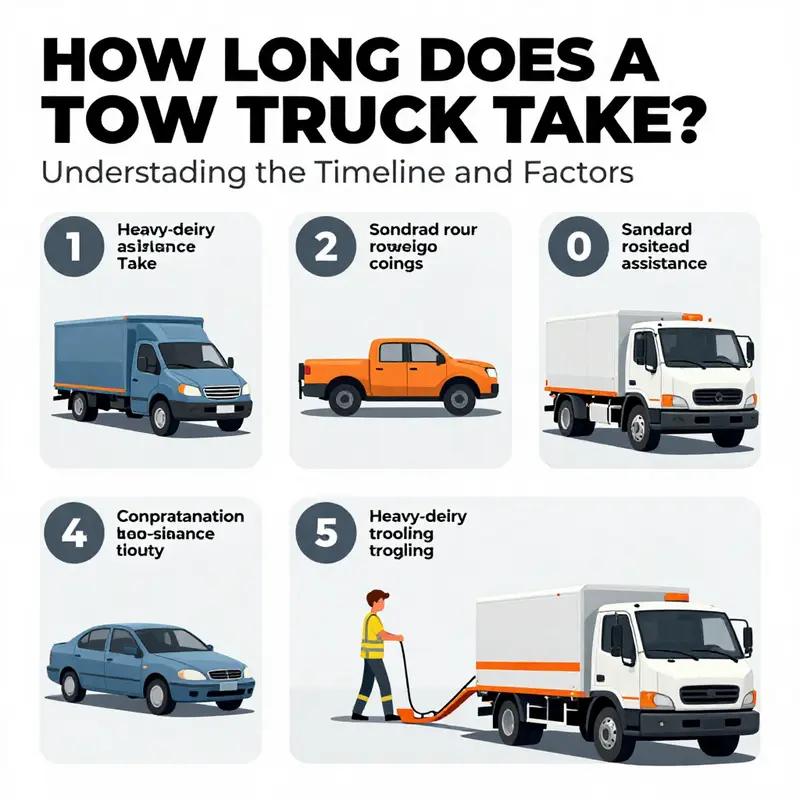
When a vehicle breaks down or is involved in a roadside incident, the clock starts the moment the call is logged. Yet the clock’s hands move at different speeds, depending on where you are, what happened, and which kind of help is needed. The broad question of how long a tow truck takes to arrive and complete a job feels simple at first glance, but the answer is shaped by a tangle of practical realities. Dispatch processes, geographic realities, weather, traffic, and the specific equipment required all interact to determine not just when a tow truck will arrive, but how long the entire operation will take from the moment the tow operator reaches the scene to the moment the vehicle is safely loaded and on its way. Within this web of contingencies, a few general patterns emerge, patterns that help people in distress form a realistic expectation and plan for what comes next.
In urban and suburban corridors, where fleets are larger and drivers more readily available, the average expectation tends to hover around that familiar range of what many providers strive for: a tow truck arriving within roughly 30 to 60 minutes after dispatch. This window reflects a balance between rapid response prioritization and the day-to-day realities of the road: traffic, signal timing, and the sheer density of incidents competing for attention. The same 30-to-60-minute aspirational target translates into a more nuanced countdown once the tow truck has arrived on scene. Actual on-site recovery and loading time typically ranges from about 10 to 30 minutes for straightforward tasks—like a car that has a flat tire or a battery that needs a jump—where the operator can quickly secure the vehicle, disconnect a battery, or mount it onto a wheel-lift or a flatbed with minimal fuss. The simpler the job and the clearer the approach, the closer you come to that quick turnover that lends itself to a smooth, predictable process.
But the clock can behave very differently in other circumstances. When the incident involves a collision or a vehicle that has sustained heavy damage, the time to recover can stretch substantially. In these scenarios, a tow operator may need to call on more sophisticated equipment—such as a flatbed for drivetrain protection or a rotator for challenging recoveries—plus additional personnel and coordination with insurance companies, police, or fire departments. The complexity multiplies the on-site duration, and it is not unusual for recovery and transport to take an hour or more after arrival when conditions are less forgiving or safety concerns are high. In some cases, the scene must be secured, hazardous materials evaluated, or additional vehicles recovered before the disabled car can be moved, all of which extend the overall timeline. This reality underscores a fundamental point: the wait time you measure from the initial call is only part of the larger timeline of a towing operation.
Geography matters just as much as the incident itself. Rural and remote areas often present longer waits, even for routine tows, because fewer providers exist and travel distances can be greater. In contrast, dense urban areas with multiple operators and well-coordinated fleets can sometimes deliver more rapid responses, sometimes in the neighborhood of 15 to 20 minutes for the arrival of a tow truck in optimal conditions. Those faster responses are a function of both proximity and the ability of the dispatcher to prioritize incidents efficiently. In weather-exposed regions or during severe weather events, the same urban advantage can evaporate as roads become slick, visibility decreases, and traffic slows to a crawl. A snowstorm can transform what would be a ten-minute drive into a cautious, timed expedition, while heavy rain or fog reduces visibility and increases the time needed to navigate congested routes or blocked driveways. Even when a truck is on the way, drivers must account for road conditions, construction zones, and changes in the fastest route to the scene, which can push arrival times beyond the typical window.
Long-distance or out-of-town towing represents another axis of variation. When a vehicle ends up stranded far from home—perhaps in a rural landscape, on a mountain pass, or in a location that requires a specialized tow from another city or state—the wait-to-arrival time frequently expands to a range that begins at roughly one hour and can extend to several hours. In truly remote contexts, the nearest qualified tow truck might be hundreds of miles away, and the service may require advance scheduling and coordination to ensure that the right equipment and the right technician are in position to execute the move safely. The recovery and transport phases in such cases are inherently variable and can stretch into the hours, depending on the distance, the type of vehicle, and the destination. This is a reminder that “average” figures can mask the real spread of possibilities, with some calls resolving in minutes and others requiring a day or more when the vehicle needs to be moved across large distances.
Specialized towing—such as services for luxury cars, all-wheel-drive vehicles, or vehicle configurations that demand careful handling—adds yet another layer of timing dynamics. The presence of a specialized tow truck, such as a flatbed or a rotator, introduces a waiting period while the right equipment is located and prepared. These jobs typically demand 30 to 90 minutes of wait time before arrival, and the recovery or transport phase may extend to 45 to 120 minutes or more on-site, depending on the securement, alignment, and setup required. The goal in such cases is to prevent damage during loading and transportation, which often means a more deliberate, step-by-step process. The operator may take extra time to ensure the vehicle is immobilized, windows are protected, and the chassis is secured with appropriate straps and tie-downs. The additional attention to detail, while adding to the overall duration, is a safeguard against further problems after the vehicle has left the scene.
All of this helps explain the variability you’ll encounter when you call for help. Timeframes are not fixed laws but guidelines that shift with location, weather, incident severity, and equipment availability. The dispatcher has to triage the situation: how urgent is it that the vehicle is moved? Is there a hazard that requires immediate mitigation? Are there multiple disabled vehicles at the same location? And what is the best route to ensure the safety of occupants, responders, and bystanders? Some companies now offer GPS tracking or real-time updates through mobile apps, so customers can watch the progress of the response and anticipate ETA changes as conditions evolve. The promise of live tracking adds a degree of transparency that helps reduce the anxiety of waiting and allows people to time their own arrangements around the anticipated arrival window.
To develop a realistic sense of the typical flow, consider how a simple routine tow unfolds versus an emergency recovery. In a routine scenario—say a minor breakdown with a tire change or a battery jump—the dispatch window might show a wait time of approximately 20 to 45 minutes. The on-site portion, including securing the vehicle and loading it onto the tow, is often 15 to 30 minutes. The entire event from dispatch to departure can be as short as 35 minutes, though more commonly it lands somewhere in the 60-minute neighborhood, depending on how quickly the driver can reach the vehicle and how smoothly the loading goes. In emergency roadside assistance—where accidents, fires, or multi-vehicle incidents are involved—the initial wait is more variable. A driver may be held up by traffic, by the need to coordinate with responders, or by the requirement to approach the scene with caution. As a result, wait times span a broader range, roughly 15 to 60 minutes, and the recovery and transport phase can stretch to 30 to 90 minutes or more, particularly if complex gear is required to stabilize or move the vehicle safely. These numbers do not pretend that every call will fit neatly into a box; instead, they offer a framework for understanding what is likely to happen and when.
The practical takeaways extend beyond raw minutes. For at-risk drivers, knowing these time ranges can shape decisions in the moment: where to pull over for safety, how to relay precise location details to the dispatcher, and what to prepare so the operator can work efficiently upon arrival. Providing a precise location—cross streets, landmarks, and entry points—helps the dispatcher assign the closest or most capable unit. Describing the scene clearly, including the number of vehicles involved, their conditions, whether doors are jammed or if windows are up, and whether there are fuel leaks or other hazards, assists responders in choosing the right equipment and the quickest approach. When a driver can offer additional information, such as whether the vehicle can be moved to a safer location or whether it is safely off the roadway, these details can shave minutes off the total time by reducing the need for on-scene investigation or repeated checks.
As the operation unfolds, the on-site dynamics determine the final stretch of time. For routine tows, the process is often straightforward: the operator attaches the vehicle to a wheel-lift or flatbed, confirms the securing points, and transports the vehicle to a repair shop or impound lot. For more complex recoveries, such as those involving a rollover or a vehicle that requires careful alignment on a rotator or a heavy-duty flatbed, the steps multiply. In these cases, attention to safety, proper rigging, and meticulous handling become the dominant factors, and the duration reflects the care required to protect the vehicle and everyone on site. Vehicle condition can also influence the timeline: a car with a damaged frame, a vehicle that needs to be winched out of a ditch, or one that must be loaded with special restraints may spend extra time on the scene. Insurance coordination can add a different layer of timing, as claim details are confirmed and the intended destination is finalized. All told, the total duration—dispatch to destination—can span from a half-hour to several hours, and in some extreme cases, longer still.
It is worth noting that the most accurate estimate is always the one provided by the local towing service that is assessing the scene in real time. The numbers offered here are general guidelines drawn from common practice across many regions. Because each incident has its own texture, the best approach is to request an ETA from the dispatcher and to communicate any special considerations that could influence the speed or safety of the operation. In the moment, it helps to balance expectation with flexibility: to acknowledge that the window for arrival may widen under adverse conditions and to prepare for a potentially longer process when a scene involves hazards, multiple vehicles, or specialized equipment. And while it is natural to want a precise minute-by-minute timetable, the reality is that even the most capable operators must adapt to real-world constraints as they move toward a safe, professional recovery.
For those managing fleets, or for households and individuals who want to be prepared without overwhelming themselves with uncertainty, it helps to view response times as part of a broader safety and preparedness framework. The most effective strategy is to understand that wait times are a function of three things: location and distance, the severity and complexity of the incident, and the availability of the correct equipment and personnel. Keeping a basic toolkit in the vehicle, such as a spare flashlight, a reflective triangle, an extra set of gloves, and a charged mobile device, can make the waiting period more tolerable and the on-site process safer. If you belong to a fleet or organization, you can also explore coordinated emergency response planning, which may involve dedicated response teams, pre-arranged routes, and staged equipment that can shorten response times when every minute counts. In other words, preparation buys time, and timely communication buys clarity for everyone involved.
The practical implications of these timelines also illuminate why some services now offer GPS-tracked ETA updates. Real-time visibility can alleviate many concerns that accompany a tow, such as the question of whether the operator is on the way, how far away the vehicle is, and when the driver is likely to arrive. This transparency can be especially valuable during peak periods or in weather events when anticipation matters. It is a reminder that, while the core task remains the same—get the vehicle to safety and to the right destination—the way it unfolds is shaped by concrete, every-day constraints. In the end, the numbers tell a story of responsiveness and responsibility rather than a simple stopwatch measure. For those who want more on how fleets handle emergencies and readiness in practice, the Fleets Emergency Response page offers a look at how organizations coordinate during high-stress incidents, ensuring that when minutes count the response is swift and disciplined. Fleets Emergency Response.
As a final anchor to the broader context, it is useful to acknowledge safety standards and guidance that frame how these operations should be conducted. Official guidelines outline best practices for recovery operations, including timelines and procedures designed to minimize risk to the occupants, responders, and the vehicle itself. These standards stress disciplined, safety-first approaches to every step—from dispatch and scene assessment to loading, securing, and transporting. While the everyday experience of waiting for a tow can feel universal, the underlying purpose of these guidelines is to ensure that every tow is executed with the highest level of professional care. For those seeking a formal overview of safety standards and recovery procedures, the National Highway Traffic Safety Administration provides authoritative resources that illuminate the framework within which tow operators perform their work. See the Towing and Recovery Guidelines for further detail and context. NHTSA Towing and Recovery Guidelines.
On the Clock on the Open Road: Decoding Tow Truck Timelines in Real Life and Why They Vary
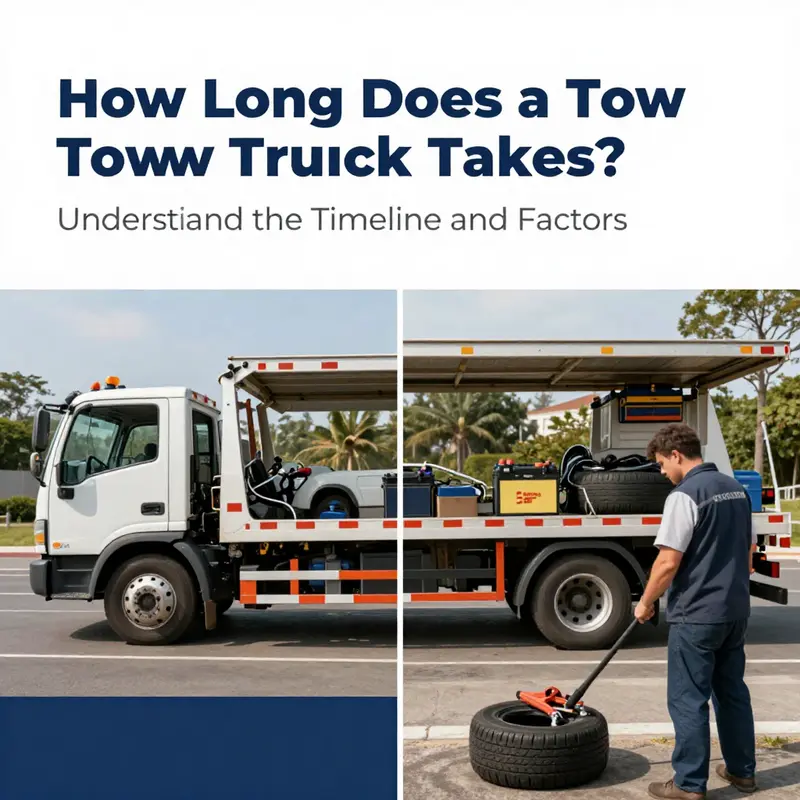
When you’re waiting on the shoulder, the clock becomes a constant companion. The simple question—how long does a tow truck take?—unfolds into a river of realities: traffic patterns, weather, the number of nearby trucks, insurance paperwork, and the specific demands of your stranded vehicle. This chapter doesn’t offer a single, universal answer because a tow isn’t a one-size-fits-all service. It is a service that must be dispatched, directed, and delivered through a highly real-time mix of location, resource availability, and the physical constraints of the road itself. Yet there is a pattern behind the variability, a logic you can follow to set expectations and make calmer, more informed decisions while you wait. The first layer of that logic is geography. In dense urban cores where fleets are concentrated and dispatch systems are optimized for speed, response times tend to be shorter, sometimes markedly so. Across the research landscape, the times you’ll hear about in bustling cities aren’t a promise but a probability: a driver may reach you in minutes if the traffic is favorable and the nearest compatible tow vehicle is nearby. In other places, even within the same city, those times diverge. The city center may offer a 30-minute arrival window on a clear day, while a residential suburb or the outskirts of town might stretch to an hour or more because the closest available tow truck is tied up with other calls, or the roads leading to you are congested, time-consuming, or ill-suited for quick maneuvering with a large vehicle. The contrast between urban environments and rural spaces is more than a line on a map; it’s a statement about fleet density, dispatch logistics, and the physical reality of moving a heavy vehicle through traffic, weather, and terrain. In some urban centers with highly developed roadside networks, the difference between a good day and a challenging one can hinge on the immediacy of the dispatch. Consider how a single, well-placed call can parlay into a rapid relay: a dispatcher assigns the closest compatible tow unit, the driver navigates to your location with real-time traffic data, and the whole chain tightens into a more predictable arrival window. In practice, these dynamics translate into numbers that might look like a handful of minutes in the best moments and a longer, more cautious pace when conditions deteriorate. The rates aren’t purely optimistic; they reflect the organization of the fleet, the methods the dispatchers use to triage calls, and the degree to which weather and roadwork interrupt the flow of service. On the highway, where open lanes and shorter distances are common, a tow sometimes arrives around the 30-minute mark. But it’s essential to remember that highways introduce a separate set of variables: traffic accidents, lane closures, and the need to coordinate with first responders or traffic control. A tow operator may need to pause or slow their approach to ensure safety, to secure a vehicle that has been involved in a collision, or to determine the best way to load a car without causing further damage. In rural settings, those same variables expand into a broader risk landscape. Weather can become the dominant factor—snow and ice, heavy rain, or regional storms can swallow time even when a tow truck is otherwise nearby. The remote nature of some locations means the closest truck is simply farther away; the journey to you requires more miles, more planning, and a broader check against road conditions that can shift rapidly. The research landscape adds another dimension: what happens after the tow is decided. Once the vehicle is located and the tow begins, the actual towing time can range as well. A straightforward, on-the-shoulder tow often takes a fraction of an hour—ten to twenty minutes in many cases. But when the vehicle is involved in an accident, severely damaged, or requires specialized equipment like a flatbed, the process can extend well beyond routine. There are instances in which securing the vehicle, negotiating with insurance processes, or transporting it to a repair shop or impound lot adds to the duration. The complexity of the scene matters. If the vehicle is in a difficult position, or if the operator must navigate around obstacles, reach the vehicle safely, or protect the site from oncoming traffic, that extra time accumulates in the overall timeline. The day’s volume also matters. Peak times—holiday travel, severe weather events, or the typical weekday rush hours—drive demand up. When demand outpaces immediate supply, response times stretch. In highly active urban corridors, this can be a matter of minutes, but in less saturated regions or during off-peak times, the same conditions can result in faster responses. The broader industry literature emphasizes a crucial practical takeaway: there is no universal fixed standard for tow truck response times. Instead, the times you encounter are a snapshot of a dynamic, live system. A single dispatch must coordinate a constellation of moving parts: the location of the vehicle in need, the availability of a compatible tow unit, the route a driver must take, and the real-time conditions on the road. That is why the most reliable way to gauge expected timing is to speak to your local towing provider or to use a real-time dispatch or GPS-enabled service. These platforms pull in current traffic data, driver location, weather conditions, and the status of the fleet to generate an estimated arrival time tailored to your exact moment and spot on the map. It is also true that different kinds of roadside assistance share many of these same timing dynamics, even though the services themselves require varying levels of logistical coordination. A tire change may have similar waiting times because the resource footprint is smaller, but it is not automatic that it will be faster. A jump start or fuel delivery can involve less equipment but still depends on the nearest available worker, their distance, and traffic. The underlying thread is clear: proximity and demand shape the clock. A practical way to prepare for these realities is to set expectations with a blend of patience and practical actions. First, call early and provide precise information. The clearer you are about your location, your surroundings, whether you are safe, and the nature of the problem, the faster the dispatcher can determine the right equipment and the best route. If you can, give a landmark, mile marker, or GPS coordinate. If the vehicle is in an awkward position or a busy traffic lane, mention that too; details can prevent miscommunication that would otherwise slow the process. Real-time updates can be just as valuable as the initial estimate. Apps that track the arrival of a tow unit, or the dispatch center’s live updates, can offer a sense of progress and a more truthful picture of the time ahead. In some cases, a driver may call you to confirm whereabouts, to clarify specific instructions, or to confirm if it is safe to proceed. This ongoing dialogue can shave minutes off the wait by eliminating back-and-forth clarification and ensuring the driver can navigate directly to your exact spot. It’s also worth acknowledging the sometimes-frustrating reality that a tow truck cannot always arrive in the exact moment you imagine, because every call is part of a larger system that requires balance. A driver cannot simply “teleport” to your location; instead, they must be dispatched to the closest feasible job while maintaining safety, adherence to traffic laws, and the time needed to secure and load a vehicle properly. The practical implication for someone stranded on the road is to treat the timeline as a range—an interval shaped by the day’s conditions and the location’s particular constraints. If you’re in a busy urban area with a known fleet, you may see the shorter end of that range. If you’re outside a dense network or facing severe weather, the range can be broader, sometimes pushing past the one-hour mark or longer. It is not merely about the speed of the tow operator; it is about the speed of the entire system that supports that operator—from the moment you call to the moment the vehicle is secured and ready for transport. The comparison with other roadside services helps illuminate why a tow can feel both slower and faster depending on the scenario. Tire changes, jump starts, or fuel deliveries require less heavy equipment and often involve smaller crews. Yet these services also depend on proximity. The closer a worker is to your location and the less congested the route to you, the faster you will experience service. Towing, by contrast, demands a vehicle that can handle heavy loads, a safe loading procedure, and, at times, coordination with insurance and legal requirements. Those added steps can extend the timeline even as the core dispatch mechanics operate with the same fundamental logic as other roadside assistance tasks. For those who want to compare experiences across cities or regions, it’s instructive to think about the dispatch as a supply chain, with the customer at the tail end. The chain’s strength depends on the availability of the right kind of tow unit, the responsiveness of the dispatcher, the skill and safety discipline of the driver, and the traffic environment the vehicle must navigate. Each link in that chain has potential friction points, which can emerge as weather, road closures, or a surge in demand during a holiday weekend. If you want to deepen your understanding of fleet readiness as it relates to rapid roadside response, there are practical resources that explore the operational side of these services. For example, a trusted resource hub highlights how fleets prepare for emergencies and how dispatchers coordinate responses to keep the system moving even under stress. You can explore more about the practical readiness of a towing fleet at the following internal resource: santamariatowtruck.com/blog/. This outlet offers insights into how operators align their standard procedures with real-world conditions, from daily readiness to emergency scenarios, and it helps explain how the core strengths of a well-run operation translate into more reliable times on the clock. When you consider the overall landscape—urban, rural, highway, and weather-influenced—the takeaway is not a single deadline but a disciplined expectation: your wait is a function of place, time, and circumstance. The more you understand about the factors that push those times in either direction, the more equipped you are to navigate the experience with calm and clarity. And when you finally see a tow truck’s headlights cutting through the dusk or the early morning glare, the moment of relief is not purely the arrival—it’s the transition from uncertainty to action. A professional tow operator arrives not merely to lift a car but to execute a small, well-coordinated choreography that gets you back on the road, or at least to a safe point where you can reassess the situation, contact insurance, arrange for alternatives, and begin the process of moving forward. In this sense, the question “how long does a tow truck take?” becomes a more nuanced inquiry into the reliability of a roadside system, the resilience of a fleet, and the real-time conditions that shape every dispatch. It is a reminder that time on the clock is a reflection of many moving parts, all working toward a single goal: to restore safety, reduce risk, and help you reach your destination as efficiently as possible under often imperfect circumstances. For those who want to stay informed about current, real-time estimates, the best practice is to check in with your local provider, and use the dispatch or tracking tools they offer. If you want a broader reference on how these services perform in the real world, international and domestic comparisons show that while there is no universal timetable, the combination of fleet density, dispatch efficiency, and road conditions consistently explains why some moments feel instantaneous and others stretch into longer waits. In the end, knowing that the clock can move in different directions helps you manage the moment with practical steps: stay visible, stay safe, provide precise information, and stay connected with the dispatcher so that you can ride out the wait with as much control as possible. External resources can further illuminate the landscape and offer live estimates during your wait. For real-time, traffic-adjusted estimates and broad guidance, you can consult AAA’s roadside assistance resources: https://www.aaa.com/roadside-assistance.
Final thoughts
Understanding how long a tow truck takes is essential for both proactive planning and effective management of roadside situations. By recognizing the average response times, the various influential factors, and the specific scenarios that can affect these timelines, drivers, car owners, and service providers can make informed decisions during emergencies. This knowledge can lead to smoother transitions in stress-filled moments and a better functioning relationship with towing service providers.