
Understanding the investment involved in purchasing a tow truck is essential for local drivers, auto repair shops, property managers, and HOA administrators alike. This detailed guide delves into the costs associated with buying tow trucks, breaking them down into manageable insights across multiple dimensions. From comprehending the range of prices based on truck type to recognizing influential factors that alter these costs, and identifying reliable sources for purchase, this article serves as a roadmap for informed decision-making. Each chapter provides layered insights, ensuring that you grasp not just the ‘how much’ but also the ‘why’ behind the costs of tow trucks.
Tow Truck Price Compass: Navigating Power, Purpose, and Budget for Your Fleet
Choosing what to pay for a tow truck goes beyond a sticker price. It is a strategic decision that threads directly into the way a business handles disruption, recovers vehicles, and keeps customers safe on the road. If you run a small roadside service, a mid-size recovery outfit, or a regional fleet that handles heavy-duty removals, the numbers you weigh reflect not just the vehicle you buy but the work you want it to perform. The first step is to translate work patterns into capacity and resilience. How many calls do you handle in a typical day, how far do you often travel, and what kinds of incidents do you most frequently encounter? In many markets, that practical calculus maps to a spectrum of wheel-stretching questions: Do you need compact maneuverability for crowded urban streets, or is maximum pulling power and reach essential for long interstate recoveries? Is speed to scene more valuable than payload, or vice versa? And crucially, what can your budget absorb without compromising reliability and safety standards that protect your crew and clients alike? These questions determine the overall ownership cost and the long-term return on investment, not merely the sticker price on a page.
Prices for tow trucks move in parallel with capability. A basic, light-duty unit designed for roadside assistance and small-car recovery in dense urban settings tends to be at the lower end of the spectrum. Even within this category, variations in engine performance, handling, and available safety features push the price up or down. Budget-conscious operators may find new units in a range that reflects compact strength and modern safeguards, but those numbers still demand scrutiny. Conversely, heavy-duty equipment built to handle complex recoveries, long hauls, and heavy loads commands a premium that rises with capacity, robustness, and specialized mechanisms. For buyers who anticipate frequent emergencies or require the ability to lift, rotate, and stabilize vehicles in challenging circumstances, the price escalates in a way that mirrors the complexity of the tasks ahead. In other words, price is a signal of purpose. The more you need a truck to do, the more you should expect to invest—the catch is determining what you actually need versus what you could do without while maintaining safety, compliance, and uptime.
When we talk about the core categories, three broad profiles emerge. Integrated tow trucks place the towing apparatus directly onto the chassis. This arrangement offers exceptional stability for heavy transport and is favored for operations that demand robust recovery capability. It is a configuration that tends to carry a higher initial price because the design integrates multiple systems into a single, durable platform. Rotator tow trucks, on the other hand, introduce hydraulic rotating arms that enable lifting, flipping, and stabilizing vehicles at difficult angles, which makes them especially effective at accident scenes where standard tugs may struggle. The technology behind rotators commands a premium, and it is not unusual to see price ranges that reflect the specialized equipment and training required to operate them safely. A third, widely used profile is the light-duty class, which focuses on urban recovery and routine roadside assistance. These units prioritize maneuverability and ease of use, with lower purchase costs than their larger counterparts but not without important trade-offs in payload and reach.
From a pricing perspective, new heavy-duty integrated or rotator systems typically occupy the upper half of the market. Depending on the exact configuration—such as the number of axles, the horsepower figure, and the presence of additional safety and control features—you can expect a starting point in the tens of thousands and a climb toward six figures or more when the most capable variants are specified. A practical range you will often encounter for new heavy-duty configurations begins around the mid-five figures and can stretch well beyond six figures. The variation stems not only from the core chassis and towing mechanism but also from the inclusion of auxiliary equipment, such as winches, hydraulic reels, wheel-lift assemblies, and the quality of materials used in recovery gear. Even within a single category, a modest bump in capacity or a slight upgrade in hydraulic power can push the price upward meaningfully. It is not unusual for a fleet buyer to negotiate multiple options that change the economics of a purchase by tens of thousands of dollars when the vehicle leaves the lot.
For mid-sized operations that require more than a simple roadside tow but not the full heavyweight of a rotator, the market offers a range of medium-duty or heavy-duty units, typically priced in the broad band between about $60,000 and $150,000 for a new, well-equipped machine. This band reflects common configurations that balance power, reliability, and daily operating costs. If a department, a municipal fleet, or a private company needs heavy lifting and extended reach, those requirements push the price higher, especially when the vehicle must perform under demanding conditions, such as adverse weather, congested traffic corridors, or remote locations. It is here that a purchase ceases to be a simple financial decision and becomes part of a broader risk management plan, where uptime, maintenance costs, and crew safety feed back into the initial outlay and ongoing expenditure.
The light end of the spectrum—new, light-duty tow trucks designed for urban tasks and smaller payloads—tends to be distinctly more affordable. In many markets, new units in this class typically run somewhere in the range of $30,000 to $50,000, with the upper end accommodating added features that improve efficiency or safety. For buyers who anticipate modest demand, a light-duty platform can deliver reliable service at a price that leaves room for strategic investments in fleet management, training, and insurance. Yet there is a caveat: lighter machines may incur higher maintenance or replacement costs if they face heavy use or daily wear and tear in demanding environments. Buyers must weigh initial affordability against the hidden costs of frequent part replacements, downtime, and the need for skilled technicians who can service more complex systems when problems arise.
A substantial portion of the used-market conversation centers on specific constraints and opportunities. For those who can tolerate greater fluctuations in condition, a used light tow truck may become a viable starter asset, especially for operations expanding into a new territory or running a lean early-stage fleet. In several markets, used light-duty options can be found within a broad spread—from roughly $4,000 to $11,000 USD for older or higher-mileage units. The lower end can be attractive, but the total cost of ownership demands careful due diligence: the vehicle’s legal status, existing documentation, mileage, and overall mechanical condition all matter. A prudent buyer will schedule thorough inspections and ensure that the unit complies with licensing, registration, and insurance requirements before striking any deals. The temptation of a bargain price must be balanced against the risk of hidden expenses that can quickly erode any short-term savings.
Beyond the sticker price and the vehicle’s mechanical condition, the market offers a spectrum of configurations that can dramatically alter what you pay and what you get. The number of axles, the powertrain, and the reach of the recovery apparatus all feed into the bid you submit to a seller or a lender. In urban contexts, two-axle configurations with a compact profile are common and economical. In long-haul or heavy-recovery contexts, three- and four-axle arrangements provide the ground needed to distribute weight and power more effectively, but at a cost that compounds with the complexity of the drivetrain and the added structural components. The horsepower choice further refines the price. A higher-horsepower engine provides more punch when pulling stubborn loads, but it also increases fuel consumption, maintenance costs, and, ultimately, the purchase price. Buyers must therefore align horsepower with actual load profiles and typical distance traveled between calls, rather than assuming that more horsepower always equates to better value.
The choice between new and used, between domestic and overseas sourcing, and between standard or specialized equipment all influence total ownership costs in ways that extend beyond the initial price tag. New units carry the security of the latest technology, longer warranties, and potentially lower long-run maintenance costs in the first years of ownership. They also require more upfront capital and can incur higher depreciation. Used units, including those repaired after damage, offer a significantly lower entry point. A fully evaluated and repaired wrecked unit can sometimes be acquired in a broad range around $20,000 to $40,000 depending on the extent of the repairs and the structural integrity of the chassis and recovery equipment. For some buyers, these bargains make sense if the intended use case tolerates potential downtime for requalification, refurbishments, or safety upgrades. Of course, the decision to purchase a wrecked unit should always be accompanied by a professional assessment of roadworthiness, insurance implications, and compliance with local laws, since some jurisdictions have strict rules about the conditions in which a salvaged or rebuilt vehicle may operate in commercial service.
Import consideration adds another layer to the cost calculus. Buyers who look overseas for production often face lead times, freight costs, duties, and the challenge of ensuring that the vehicle adheres to local safety and emissions standards. Domestic options may offer simpler post-sale support, more predictable service intervals, and quicker parts availability, but they can come at a premium depending on demand cycles and supply constraints. The price you see on a spec sheet often reflects not only the vehicle’s capabilities but also how long it will take to receive it, the reliability of after-sales support, and the expected maintenance rhythm for that model within your district. Each market has its own rhythm for prices, warranties, and service networks, and a careful buyer will consider these factors as part of the total cost of ownership rather than focusing solely on the initial outlay.
Equipment choices inside the truck also alter the price. A full set of recovery tools—steel cables, wheel-lift devices, tow dollies, axle pads, plus robust safety and lighting systems—adds up quickly. Then there are digital layers: GPS tracking, fleet-management software, and communication tools that help a fledgling fleet coordinate calls, monitor maintenance, and optimize routes. The richer the feature set, the more expensive the vehicle, but those features can translate into meaningful reductions in downtime, faster call resolution, and better safety outcomes for the crew and the public. In practice, a typical purchase decision will balance a baseline of essential recovery capability with a selective addition of extras that improve workflow and safety. The final price you quote a lender or a seller will reflect this mix of core equipment and optional enhancements.
A practical way to think about the total cost is to frame it as an investment that must produce a predictable return through uptime and service quality. Operators should estimate their expected annual revenue from tow operations and compare it against depreciation, insurance, maintenance, fuel, tires, and the cost of financing. A new, fully equipped vehicle in a medium-to-large configuration can anchor a fleet’s reliability and service capacity for several years, but its annual depreciation and the cost of capital must be weighed against the value of faster on-scene response times, lower downtime, and higher customer retention. A lightly used unit may offer a more modest annual carrying cost but could demand more frequent maintenance and the risk of unexpected failures that bite into margins. In either scenario, a disciplined maintenance schedule, a clear parts-and-service plan, and a well-structured procurement process help ensure the vehicle remains productive rather than becoming a money sink.
To illustrate, consider a mid-sized operation facing frequent urban recoveries and occasional longer-distance calls. If the company chooses a new, medium-tonnage integrated unit with a solid safety package and reliable service support, the upfront investment would typically fall into the mid-to-high five-figure range, with annual operating costs that reflect ongoing maintenance, fuel, insurance, and financing. An alternative path would be to acquire a newer but pre-owned heavy-duty unit with a proven service history, possibly complemented by some refurbished or optional equipment, which could bring the initial price down substantially while maintaining operational reliability. For a startup or a company expanding into new territory, a phased approach—start with a reliable pre-owned unit, then scale up with additional units as demand solidifies—can be a prudent way to manage risk while building revenue streams. It is a strategy that requires careful screening of condition, service records, and legal compliance but can align more closely with initial cash flow realities while still positioning the business for future growth.
As you navigate these decisions, it is worth acknowledging the practical realities of licensing, registration, and insurance. The legal status of a tow truck—its ability to operate legally on public roads—depends on proper documentation, compliance with operator requirements, and a track record of safe operation. Buyers should ensure they have a clear plan for obtaining and maintaining the necessary licenses, registering the vehicle, and securing appropriate insurance that covers both the vehicle and the specialized recovery work. These expenses—though not always prominent in price sheets—are part of the ongoing cost of ownership and can influence the overall affordability of a given purchase. The safest path combines a thorough pre-purchase inspection, a realistic maintenance budget, and a robust policy for driver training and safety gear. This approach preserves the value of the investment and protects everyone involved in the work—your team, your customers, and the people you help on the road.
For those who want a clearer sense of the market landscape and practical benchmarks, there are credible sources that summarize the broad ranges and considerations described here. While the specifics vary by region, the core themes remain consistent: the more capability you require, the more you should expect to invest; new units deliver reliability and warranties but at a higher upfront cost; and the used market can offer a pathway to early revenue with careful diligence and risk management. The right path for your business hinges on alignment between workload, service standards, and financial strategy. A well-structured quote process—one that includes a realistic assessment of maintenance, parts availability, and the operational tempo—will yield a purchase that not only fits budget but also sustains your ability to respond when seconds count.
To further enrich your understanding of these dynamics, consider exploring a practical resource that aggregates cost considerations in tow-truck ownership and can help you translate these concepts into a concrete financial plan. For a broader framework on the factors that shape what you will ultimately pay, see Understanding Tow Truck Costs. This external reference provides additional context and helps frame how core choices translate into long-term affordability and service capability.
As you prepare to engage with sellers and lenders, a few closing reminders can anchor your decision process. Start with a detailed specification of your expected use: urban, rural, freeway-heavy, or mixed routes; average distance per call; typical payloads; and required reach and lifter strength. Then translate those needs into a current-market price range using multiple, reputable sources rather than relying on a single quote. Finally, insist on complete, transparent documentation: the vehicle’s title, VIN history, service records, and any required certifications for the intended operation. This disciplined approach reduces surprises and positions your acquisition as an asset that enhances safety, efficiency, and profitability for years to come.
For a broader look at the practical realities of the cost landscape and the decision process in tow-truck procurement, you can also review industry guidance that highlights the cost ranges for different vehicle profiles, new versus used, and the impact of equipment configurations. It provides a complementary perspective to the numbers shared here and can help you triangulate a purchase that fits your business trajectory.
Internal link for further perspective: https://santamariatowtruck.com/blog/
External resource for broader context: Understanding Tow Truck Costs — https://www.towtruck.com/understanding-tow-truck-costs
What Different Tow Trucks Cost and How to Match Price to Purpose
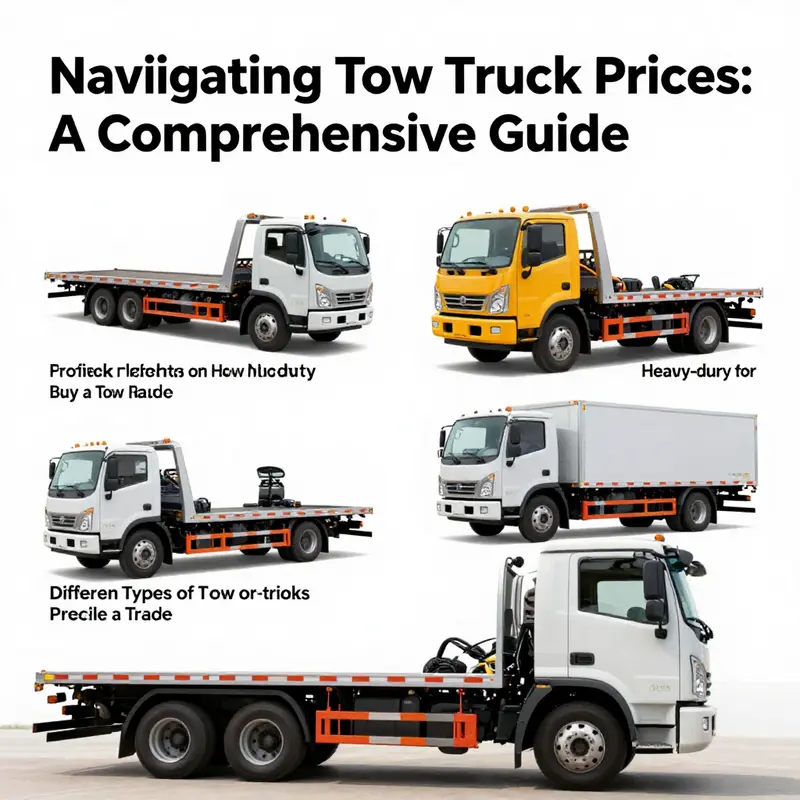
Understanding how much to buy a tow truck starts with the vehicle type, capacity, and condition. Prices span a very wide range. A basic used light-duty unit may cost under twenty thousand dollars. A fully equipped heavy recovery rig can push well past two hundred thousand. Between those endpoints sit dozens of configurations, each tuned to a different mission. This chapter walks through the practical price ranges for common tow-truck types, explains why costs vary so much, and shows how to align purchase choices with real operational needs.
New trucks generally carry premium pricing. They offer factory warranties, modern safety systems, and the latest hydraulics and winches. For operators who need reliability and minimal downtime, new units are attractive despite higher upfront costs. Mid-sized roll-back or flatbed trucks commonly start near eighty thousand dollars. Light-duty new units used for urban roadside assistance often range from forty to seventy thousand. Heavy-duty wreckers and large recovery trucks designed for multi-axle, off-road, and highway rescues typically fall into the sixty to one hundred fifty thousand range for many common configurations. At the extreme end, specialized 30-ton-plus recovery trucks with high-horsepower engines and advanced winching systems can cost between one hundred twenty thousand and over two hundred fifty thousand, depending on selected options and chassis layout.
Buying used or cosmetically damaged units can cut that initial outlay by a large margin. A well-maintained used small wrecker may trade hands for twenty-five to fifty thousand dollars. Heavily damaged or wrecked heavy recovery trucks sometimes sell in the fifteen to thirty-five thousand range if buyers are prepared to invest in repairs. Lightweight tow trucks, commonly sold secondhand for local runs or low-mileage duties, can often be found in the four to eleven thousand dollar bracket. These lower-cost choices are suitable when a business has on-site maintenance capability or a plan for phased upgrades.
Configuration drives price more than casual buyers expect. A flatbed with a hydraulic rollback deck and a medium-capacity winch is pricier than a basic light hookup unit. Integrated recovery rigs, where the boom, winch, and control systems are integral to a reinforced chassis, cost more than simple hook-and-chain or wheel-lift setups. Integrated models excel at heavy rescues and rollovers. They usually start at higher price points, often in the ninety to one hundred eighty thousand dollar band for robust models. Rollbacks, valued for safe vehicle transport, typically begin around eighty thousand for reliable, mid-sized builds.
Axles and drivetrain matter. Two-axle, city-focused tow trucks are cheaper to buy and to operate. Three- and four-axle chassis, or trucks built on heavy-duty tractor frames, add cost. These heavier platforms require stronger suspension, larger brakes, and more powerful engines. A long-haul or heavy-recovery truck with a high-horsepower diesel and multiple-axle chassis can push purchase costs toward the higher end of the heavy-duty range. Buyers should match axle count and engine power to the towing tasks they face, not to the maximum theoretical load, to avoid overspending on unneeded capacity.
Equipment and accessories add incremental cost. Winch capacity, hydraulic pump capacity, auxiliary power, specialized controls, and safety systems all influence price. A larger-capacity winch, high-capacity hydraulic pump, or remote-control retrieval system can add thousands. Additional lighting, stabilization equipment, and recovery accessories increase both purchase price and useful capability. For businesses that handle luxury or low-clearance vehicles, a flatbed with an advanced hydraulic tilt system is usually worth the higher price due to lower damage risk and higher customer satisfaction.
Regulatory and legal factors also affect cost indirectly. Trucks intended for commercial highway work must meet certain certifications, registration rules, and insurance requirements. Some regions require specific driver endorsements or operator training. These requirements influence the total cost of getting the truck into service, even when the sticker price looks attractive.
Financing and total cost of ownership are crucial. Monthly financing, interest, insurance premiums, fuel, and maintenance can easily double the operational budget over a multi-year period. Insurance for heavy recovery equipment is generally higher than for light-duty trucks due to greater risk and higher replacement cost. Maintenance for hydraulic systems and winches is specialized and can be expensive when parts or technicians are scarce. Fuel economy varies widely between light-duty units and heavy-duty rigs. Expect higher ongoing fuel costs for trucks with larger engines and heavier chassis.
Operational context should shape the purchase. An independent city operator who primarily tows light cars benefits most from a light-duty or mid-sized roll-back truck. The lower purchase price, better fuel economy, and maneuverability reduce daily operating costs. Small fleets that handle mixed calls often choose versatile mid-range units—flatbeds for customer vehicle protection and a separate light-duty unit for fast local service. Large, municipal, or highway recovery operations need heavy-duty wreckers and integrated recovery trucks built for sustained, high-stress use. These operators prioritize uptime and capability, accepting higher purchase and maintenance costs.
When considering used purchases, inspect carefully. Begin with clear title and registration checks. Verify vehicle identification numbers and look for lien issues. Structural integrity is vital: frame damage from accidents or rust undermines a tow truck’s value and safety. Evaluate hydraulic systems for leaks and slow response. Test winches under load if possible. Check PTO function, pump health, and cable condition. Ask for maintenance records and prior repair invoices. If the truck was previously used for heavy recovery, expect higher wear and a shorter remaining service life. Factor in the cost of bringing a used unit up to local regulatory standards and customer expectations.
For wrecked or salvage units, calculate repair economics. Salvage buyers often acquire heavy rigs at steep discounts. But the labor and parts for major structural repairs, drivetrain rebuilds, or complex hydraulic overhauls add up quickly. Salvage purchases make sense when a buyer has a reliable in-house mechanic team and clear visibility into the parts needed. In such cases, a wrecked heavy recovery truck can present a path to high-capacity equipment at a fraction of new cost. Proceed cautiously and budget ample contingency for hidden damage.
There are practical ways to reduce upfront expense without sacrificing capability. Leasing or long-term rentals can provide access to newer equipment for consistent monthly fees. Refurbishing a well-built used truck over time spreads investment and allows phased upgrades. Standardizing a fleet around a limited set of chassis and equipment simplifies maintenance and reduces spare-part inventory. For operators managing multiple vehicles, standardization increases resilience and lowers total cost per vehicle; learn more about fleet standardization and emergency readiness for guidance tailored to multi-unit operations.
Negotiation and sourcing strategies matter. Obtain detailed quotes that list chassis, engine, axle configuration, winch capacity, hydraulic specs, and included accessories. Compare multiple sellers and request itemized options to avoid hidden fees. When buying new, ask about warranty details and what components are covered. When buying used, consider paying for a professional inspection before finalizing the purchase. Financing offers that include maintenance programs can be attractive for operators without an in-house shop.
A simple decision framework helps match price to purpose. Define your primary mission first: city roadside assistance, light towing, heavy recovery, long-distance transport, or mixed tasks. Estimate expected average tow weight and maximum occasional use. Calculate acceptable downtime and whether you can perform maintenance in-house. From there, narrow choices to a capacity class and configuration, then compare price ranges within that class. Account for insurance, training, fuel, and planned maintenance to determine a realistic monthly cost.
Finally, treat the purchase as a long-term business decision. The sticker price is only the beginning. A well-chosen unit aligned with mission needs minimizes downtime and operational surprises. A poorly matched purchase may be cheap at acquisition but costly in repairs, lost revenue, and liability. Take time to evaluate trade-offs between new and used, consider leasing or refurbishment pathways, and plan for the ongoing expenses of insurance, fuel, and certified operator training. For current industry data and buyer guidance on tow-truck pricing and specifications, consult a reputable equipment market guide.
External resource: https://www.heavyequipmentguide.com/tow-trucks-pricing-and-specs/
Internal resource: Read about fleet standardization and readiness at fleet standardization and emergency readiness.
Checklist highlights for buyers:
- Define primary mission and typical tow weights.
- Choose capacity and axle configuration to match tasks.
- Compare new versus used based on downtime tolerance.
- Inspect structural integrity and hydraulics for used buys.
- Obtain itemized quotes and warranty details for new trucks.
- Budget for insurance, fuel, and operator training.
- Consider leasing, refurbishment, or phased upgrades.
Following this approach lets operators choose a tow truck whose purchase price and long-term costs align with daily needs and growth plans. Balance capability with practical economics, and the truck you buy will be a tool that supports revenue, safety, and reliability over many years.
Cost Drivers and Smart Budgeting: How Much to Invest When Buying a Tow Truck
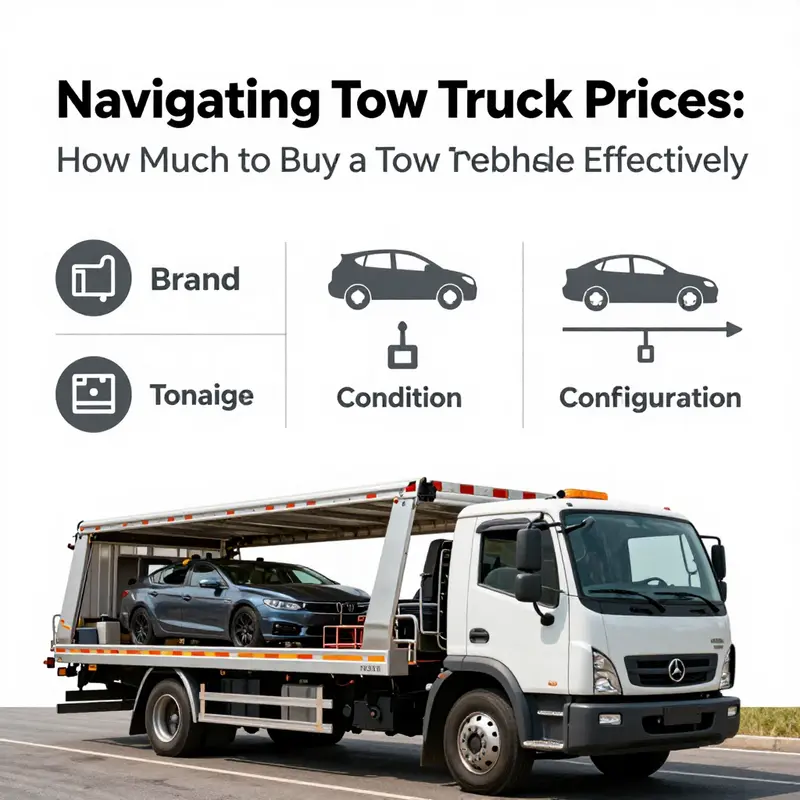
Key Cost Drivers and How to Apply Them
Buying a tow truck requires more than choosing a model and signing a purchase order. The price tag you see is a starting point. The real cost comes from a mix of capabilities, compliance, and how you plan to use the vehicle. Understand these factors and you can match budget to mission. Ignore them and you risk overspending or buying the wrong truck for the work.
The first major influence is the type of tow truck. Flatbeds command a premium because they carry more vehicle types with less risk of damage. A versatile flatbed lets you haul everything from compact cars to damaged SUVs. Wreckers and heavy-recovery vehicles include extra winches, booms, and stabilizing systems. These systems raise manufacturing costs and add weight, which affects fuel use and maintenance. Wheel-lift trucks are lighter and often cheaper. They work well for frequent short-distance tows in urban service. Each type fits a different business model, so decide what work you will do most of the time.
Capacity follows naturally from the truck type. Tonnage and rated lift capacity change the chassis, suspension, and drivetrain. A vehicle built to recover buses and commercial trucks will use a heavy-duty frame, stronger axles, and a larger engine. Those components cost more up front. They also carry higher operating costs. Conversely, light-duty units have lower purchase prices and lower fuel and maintenance costs. Match capacity to your typical jobs, not the rare outlier. If big recoveries are occasional, consider subcontracting them rather than buying a heavy unit.
Brand reputation can influence price in subtle ways. Established manufacturers charge premiums for perceived reliability and service networks. A well-known name often means easier access to parts and certified technicians. That reduces downtime and may save money over the vehicle’s life. Lesser-known brands can be more affordable initially. They may meet needs with similar hardware but expect varied availability of replacement parts. Evaluate local dealer support and parts distribution when comparing brands. A small saving on purchase can become larger costs if the truck spends weeks idle awaiting parts.
Condition — new versus used — is one of the most critical choices. New trucks bring warranties and modern safety technology. Warranties reduce short-term financial risk. New units can also include manufacturer-backed finance deals. However, they carry a higher initial outlay. Used trucks are tempting for cash-strapped startups. They allow you to buy newer tools or marketing with the money saved. But a used vehicle requires careful inspection. Check structural integrity, recovery equipment wear, hydraulic seals, and any frame repairs. Review maintenance histories and confirm legal documentation. A well-maintained used vehicle may deliver the best value. A poorly inspected one becomes an expensive lesson.
Additional features and upfits add cost quickly. Winches, hydraulic boom upgrades, remote controls, and advanced safety packages are common add-ons. Basic towing gear gets the job done. Premium features increase efficiency and safety during complex recoveries. Decide which features will return value by reducing job time or expanding service capability. Consider modular upfits that can be added later. That spreads capital expense and lets you test market demand before committing to a full suite of options.
Market demand and regional pricing affect sticker prices and available inventory. In regions crowded with recovery services, competition can push prices up. Or, high demand for late-model trucks can dry up local used inventory. Conversely, some regions have surplus capacity, enabling negotiating leverage. Consider expanding your search radius when buying. Shipping a truck from a different region is sometimes cheaper than paying a local premium. Factor in transport costs and registration differences when calculating total purchase expense.
Regional regulations and compliance costs can also change the effective price. Emissions standards, special permits for heavy vehicles, and required safety equipment vary by jurisdiction. Meeting stricter rules may increase the purchase price. Some regions require additional inspections, certifications, or specialized lighting. Those items are ongoing compliance costs that influence which trucks are practical to buy. Investigate local rules before narrowing your options.
Fuel efficiency affects both the total cost of ownership and the type of engine you choose. Engines built for high torque often burn more fuel. Fuel costs are continuous and can overshadow purchase price over years of operation. If your business does many short runs in congested areas, prioritize efficient drivetrains and lighter chassis. For long-haul recovery, a higher-displacement engine may be necessary despite the fuel penalty. Calculate fuel expense scenarios over three to five years to see the full impact.
Financing and tax treatment shape what you can realistically spend. Leasing, loan terms, and interest rates change the monthly cash flow and total cost. Financing can let you access a higher-grade truck while keeping capital free for tools and staffing. But longer loans increase total interest paid. Tax incentives, depreciation rules, and equipment deductions vary by country. Some purchases qualify for accelerated depreciation or business equipment credits. Consult an accountant to structure financing that optimizes cash flow and tax benefits.
Maintenance and parts availability dictate long-term expense. Heavy-duty trucks need scheduled inspections and consumable replacements. Brakes, tires, hydraulic seals, and electrical systems are expensive to replace on recovery units. Choose configurations with accessible service networks. Standardized fleet choices reduce parts diversity and simplify maintenance. For companies planning multiple vehicles, consider fleet standardization for faster repairs and better inventory control. Thoughtful standardization improves readiness and lowers lifecycle costs; learn more about fleet standardization and emergency readiness here.
Total cost of ownership extends beyond immediate purchase and fuel. It includes insurance, licensing, downtime, and the labor needed to operate the truck. Insurance premiums rise with vehicle value and towing capacity. Licensing and vehicle taxes depend on gross vehicle weight and local rules. Downtime has a hidden cost when a truck needs repairs. Choose trucks with common components and dealer networks to minimize service delays.
Resale value matters when you plan future upgrades. Certain configurations hold value better than others. Versatile, well-documented trucks with clear maintenance records fetch better prices. Specialty upfits that are too customized may be harder to sell. Keep that in mind when investing in custom paint, signage, or unusual equipment. Balance the advantage of custom work against potential resale limitations.
Operator training and safety equipment are part of the cost picture. New drivers may need instruction on recovery processes and safety protocols. Advanced systems sometimes require vendor training. Investing in training reduces accident risk and lowers insurance claims. Include training costs in your upfront budgeting. The cheapest vehicle may not be the most economical after training and incident costs.
Legal documentation and vehicle history are essential when buying used. Verify title, lien status, and registrations. Ask for maintenance and repair receipts. Inspect for unreported structural repairs, welds, or frame damage. Confirm the hydraulic system and recovery gear operate smoothly without leaks. If possible, have a qualified technician or third-party inspector evaluate the truck before purchase. That step saves money by catching hidden issues early.
When deciding how much to spend, create realistic scenarios. Build a three- to five-year budget covering fuel, maintenance, licensing, insurance, and financing. Use conservative estimates for job volume and revenue. Run a break-even analysis to see how many calls or tows you need to cover ownership costs. Compare that to market demand where you will operate. If the numbers don’t align, consider a different vehicle class, leasing, or partnering with an existing operator.
Finally, negotiating strategy can reduce purchase cost. Request detailed line-item quotes. Ask about discounts for fleet purchases and seasonal promotions. Consider buying near the end of a dealer’s quarter or year, when incentives may be available. If buying used, build inspection contingencies into the contract. That allows you to renegotiate or walk away if major issues arise.
This chapter has explained the main cost drivers and how to apply them. Balance capacity against typical jobs. Factor in brand support, fuel costs, and compliance. Include maintenance, resale prospects, and training in your calculations. Use financing and tax rules to shape cash flow. With careful analysis, you can set a realistic budget that aligns with operational needs and long-term strategy.
For industry benchmarks and data on vehicle costs and upgrades, see the National Association of Automotive Repair and Service: https://www.naars.org
Market Routes and Price Trails: Navigating Tow Truck Purchases Across Scales
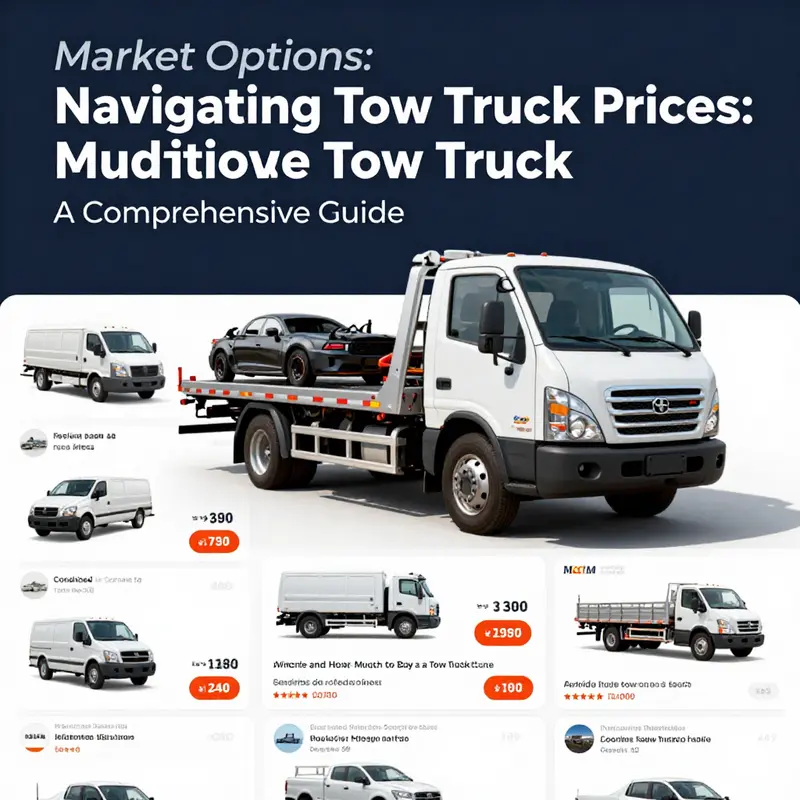
Prices, markets, and purchase paths for tow trucks form a landscape as varied as the jobs these machines perform. Across regions and suppliers, a tow truck isn’t just a vehicle; it’s a capability—one that must match the scale of needed recovery work, the distance of typical runs, and the legal terrain of road use in a given country. When you step into this market, the first clarity you gain is that price points are not a single line but a spectrum shaped by tonnage, new versus used condition, drive and axle configurations, and whether the unit is domestically built or imported. The chapter you are reading aims to translate that spectrum into a practical map. It explains where buyers typically go for these machines, what price bands they can expect for different classes, and what hidden costs and considerations tend to accompany any purchase. All told, the aim is to move from a rough budget to a grounded procurement plan that aligns with service demand, regulatory compliance, and long-term maintenance considerations.
Market routes for tow trucks are anchored in a few broad realities. First, the production engine that powers this market sits in a few global hubs, where manufacturers specialize in heavy-duty fleet vehicles and in compact city rescue units alike. That means you have two primary routes: domestic production with strong after-sales networks and export-driven supply that can offer competitive unit prices through volume. Second, the market recognizes a clear division by vehicle class. A small, urban-recovery tow truck functions differently than a mid-range or a heavy-duty wrecker designed for interstate towing or mining-site recovery. For a buyer, the choices are not only about what the machine can lift but also about what your yard, your drivers, and your legal framework can support in terms of licensing, insurance, and maintenance.
When we speak of market options in concrete terms, the most useful frame is to consider three broad categories that map to typical operational needs: light to mid-weight units in the 2–10 ton range, mid-weight workhorses in the 15–30 ton category, and heavy-duty machines that push beyond 30 tons and up into the 50–80 ton range. Each category has its own price economy and its own set of fit requirements. A light 2–10 ton unit is often the backbone of a city or rural road service that prioritizes rapid response and maneuverability. The price ladder here tends to be more forgiving, and the market tends to offer entry options that are feasible for small fleets or independent operators. In many markets, such units are available either as new builds from domestic or regional producers or as carefully vetted used units from local dealers or importers. In both cases, the value comes not only from the sticker price but from the reliability of the hydraulic winch, the robustness of the bed and wheelbase, and the ease of obtaining spare parts and service.
Moving up, the 15–30 ton class becomes essential for more demanding tasks: highway incidents, multi-vehicle recoveries, and longer-haul operations where a higher lifting capacity and stronger pull are necessary. The price scale here reflects not only the raw lifting capacity but also more sophisticated hydraulics, larger recovery decks, and longer booms. Buyers often encounter two realities: the cost gap between a brand-new unit and a well-maintained used machine can be substantial, but the used option may require more diligence in maintenance history, wear on hydraulic components, and potential retrofits to meet local regulations. The third tier, the heavy-duty 50–80 ton range, is where fleet owners consider long-term investments that deliver resilience for critical operations—think disaster response, port or rail yard support, and large-scale industrial rescues. In this space, most buyers encounter a price floor that reflects the complexity of the systems, the need for heavy-duty axles and hoists, and the fact that these machines often service nonstandard loads or operate in harsh environments. The price floors here are not merely higher; they are accompanied by longer lead times, bespoke configurations, and more involved terms of delivery, including shipping, installation, and commissioning.
The question of where to buy is inseparable from what you plan to do with the truck. In many markets, a domestic producer with a nationwide service network offers the simplest path to reliable after-sales support, parts availability, and straightforward warranty terms. For fleets that operate across borders or require access to a broader catalog of configurations, imported models can present compelling price advantages, especially when you factor in exchange rates and import duties. Importantly, the decision to import versus buy locally isn’t simply a price calculus; it also carries implications for spare parts logistics, training for drivers and technicians, and compliance with road rules such as left-hand or right-hand drive configurations. A buyer must weigh whether the potential savings on the sticker price is offset by longer lead times, higher freight costs, and the administrative overhead of customs clearance and import documentation.
In practical terms, the price ranges you will encounter in the market reflect this triad of factors—tonnage, condition, and origin. New units in the light-to-midweight category can start in the low tens of thousands of dollars and climb into the upper tens of thousands as you add features such as extended booms, multiple winches, and upgraded hydraulics. In some markets, a small new unit with city-focused capability might price around the mid-$10,000s to mid-$20,000s range, with ability to upgrade components or add auxiliary equipment driving the price further. For mid-range, mid-to-heavy units, the price band broadens. A 15–30 ton machine could land anywhere from the mid-$20,000s to the mid-$40,000s depending on configuration and the inclusion of options like remote-control winches, integrated lighting packages for nighttime operations, and enhanced transmissions suited to rugged service. In the high end of this tier, specialty configurations for highway or offshore work can push price upwards substantially, particularly where extra-long booms, modular decks, and bespoke recovery tools are required.
The heavy-duty segment, typically defined as 30 tons and above, is where price bands widen and the decision calculus becomes more complex. A new heavy unit with standard recovery equipment may readily command price points in the $60,000 to $150,000 zone, with the exact figure depending on engine power, axle count, driveline sophistication, and the degree of customization. The most capable highway and industrial versions with the longest booms and strongest lifting capacities can stretch well past that range, especially when you factor in specialized features requested by a particular operator or contract. On the used side, the same heavy-duty class can present an attractive alternative for budget-conscious buyers, provided the vehicle comes with a transparent maintenance history, verifiable odometer data, and documented compliance with safety and emissions standards. In the used market, a 5–8 ton light tow truck might be priced in the low thousands or tens of thousands of dollars depending on age, mileage, and overall condition, while a well-kept 30-ton class machine might still command a hefty price if it has proven reliability and a strong parts network behind it.
The currencies and local market dynamics add another layer of nuance. In many parts of the world, local price anchors for new units are set in U.S. dollars for comparability, but the actual transaction may occur in local currency with different conversion risk. The used market often shows pronounced regional variation, with depreciation curves affected by parts availability, the cost of maintenance, and the reliability reputation of the model line. In addition to the base purchase price, buyers should budget for delivery, installation, and commissioning if the unit is imported. Transport costs may include inland freight, port handling, and potential crane or lifting services to place the machine at the buyer’s site. Dealers commonly quote price on a per-unit basis, and the final landed cost can differ substantially depending on the chosen terms of delivery—FOB, CIF, or EXW—and the negotiated inclusions such as spare parts packages, warranties, and after-sales support arrangements.
Beyond the price tag, total cost of ownership is the practical lens through which to view any tow truck purchase. A lower sticker price may be attractive, but if maintenance parts are scarce, if the fuel efficiency of the engine is poor, or if the vehicle requires frequent repairs under a service plan that is not readily accessible, the long-term cost can eclipse the initial savings. Conversely, a higher upfront investment in a unit with a robust parts network, strong warranties, and lower expected downtime can yield substantial savings over a defined horizon. When you forecast maintenance, include the cost and availability of hydraulic components, winches, wire rope or synthetic line, lighting and safety equipment, and the spare tire and hydraulic fluid needs typical for the class you are purchasing. Insurance costs also scale with vehicle size and operating risk, and licensing or registration fees depend on local regulations governing heavier vehicle classes. For buyers planning multi-year operation, it can be prudent to model a three- to five-year lifecycle, which aligns better with depreciation rules, tax treatment, and the practicalities of replacing wear-prone parts that would otherwise erode profitability if left unaddressed.
A thoughtful procurement strategy begins with a precise needs assessment. For a small or mid-sized fleet focusing on urban or regional work, a light- to mid-weight unit with a reliable service network might yield the most favorable balance of uptime and cost. If your operation covers long distances, high-usage lanes, or has contracts requiring heavy lifting at ports or mines, a heavier unit becomes not just desirable but necessary. For buyers who operate across borders or want broader sourcing options, evaluating imported versus domestic units means weighing lead times and the resilience of service ecosystems against the upfront cost savings. The decision framework should factor in warranty coverage, the ease of obtaining spare parts, and the ability to train crew and technicians on a given model so that maintenance does not become a bottleneck.
In navigating these options, buyers benefit from structured procurement practices. Start with obtaining detailed quotes that include the complete bill of materials, engine horsepower, transmission type, axle configuration, and the exact recovery equipment package—boom length, winch rating, stabilizer bars, and hook capacities. Ask for documentation proving compliance with safety standards and for service histories if the unit is used. Request photos and, if possible, a live demonstration or inspection opportunity to assess hydraulic integrity and mechanical wear. Consider requesting a small-scale trial period with a service plan that allows your team to gauge usability and reliability in real operating conditions. A transparent negotiation process often yields beneficial terms on spare parts, training, and after-sales support. In markets where the volume is high, buyers can leverage the scale to obtain favorable terms on warranties, maintenance packages, and price adjustments tied to performance metrics during the first year of operation.
From a practical standpoint, the purchase pathway often begins with recognized procurement platforms and established dealers who publish transparent catalogues and price ranges for a variety of configurations. While the broad market includes many legitimate channels, there is value in starting with sources that have verifiable export credentials and documented after-sales support. These channels typically provide standardized quotations, clear Incoterms, and a route to arrange shipping, insurance, and delivery within a predictable timeline. When you review quotes, pay attention not only to the listed price but also to what is included. Spare parts kits, calibration tools, and training modules for operators and maintenance staff are common add-ons that significantly affect total cost and uptime. The procurement journey is thus not merely about securing a single vehicle but about forming a reliable supply chain that sustains the truck over its intended service life.
To bring this broad landscape into a practical mindset, imagine a few representative scenarios that illustrate how buyers approach the market. A small tow operator who runs a fleet of three light-duty units in a regional town may decide to acquire two new 5–6 ton machines and one used 8–ton unit, with a preference for units that can operate efficiently in urban streets while providing adequate payload for local incidents. For this buyer, the decision matrix leans toward price stability, a robust local service network, and straightforward parts availability. A mid-sized contractor with regular highway incidents and a need for rapid response might scope a 15–30 ton machine with extended boom capability and a strong hydraulic system, seeking a middle-ground price that reflects durability and ease of maintenance. Finally, a regional operator handling coast-to-coast recoveries, multi-vehicle scenes, and industrial site work would likely consider a heavier unit in the 38–60 ton range, prioritizing high reliability, spare-parts access, and tailored on-site support to minimize downtime in demanding conditions. In all cases, the market guidance remains constant: define the load profile, map the operational cadence, and align supply choices with the practical realities of service delivery and regulatory compliance.
As you navigate quotes, remember that information is your most valuable tool. In addition to price, gather data on lead times, delivery terms, and what happens if a part fails on the road. A vehicle that arrives with a limited set of readily available spare parts can become a financial drain if a critical component fails mid-operation. The right partner will offer you clear, written terms on warranties, return policies, and service windows. The value of an informed buyer extends beyond a single transaction; it creates a foundation for ongoing performance and reliability across the fleet. In this sense, the market becomes less a numbers game and more a strategy of building a reliable operating backbone that can support a business’s growth and its service commitments to customers.
For readers seeking further practical perspectives, a consolidated resource hub maintains updated insights on industry practices, maintenance protocols, and operator readiness. See the Santamaria Tow Truck Blog for practical operator perspectives and maintenance guidance: santamariatowtruck.com/blog/. This resource can help align the purchasing decision with day-to-day realities on the road, including tips on safety checks, routine servicing, and regional regulatory considerations that influence cost and operability over time.
In closing, the path to acquiring a tow truck that fits your operation is a balance of market understanding, precise tonnage needs, and a careful evaluation of ownership costs. The market offers a spectrum of new and used options across domestic and imported sources, with price bands that reflect the size of the machine, the configuration, and the reliability framework you set as a standard for your fleet. By anchoring decisions in a clear assessment of how the vehicle will be used, how often it will operate, and what support ecosystem will sustain it, buyers can translate a wide price range into a confident, accountable purchasing plan. Choosing the right machine is less about chasing the lowest price and more about investing in a vehicle that can perform consistently, recover efficiently, and remain serviceable for years to come.
External resource for reference on market pricing and configurations can be found here: https://www.alibaba.com/product-detail/Hot-Selling-HOWO-6X4-Recovery-Tow-Truck_1600586168182.html
Final thoughts
In summary, determining how much to buy a tow truck involves understanding the various types available, the factors influencing their prices, and identifying the best market avenues for purchasing. Whether you’re a local driver needing a reliable vehicle for roadside assistance or a business seeking to expand your service offerings, informed decision-making can lead to a worthwhile investment. Being equipped with the right knowledge – from cost ranges to what to consider before purchasing – empowers you to choose the tow truck that best fits your needs.