
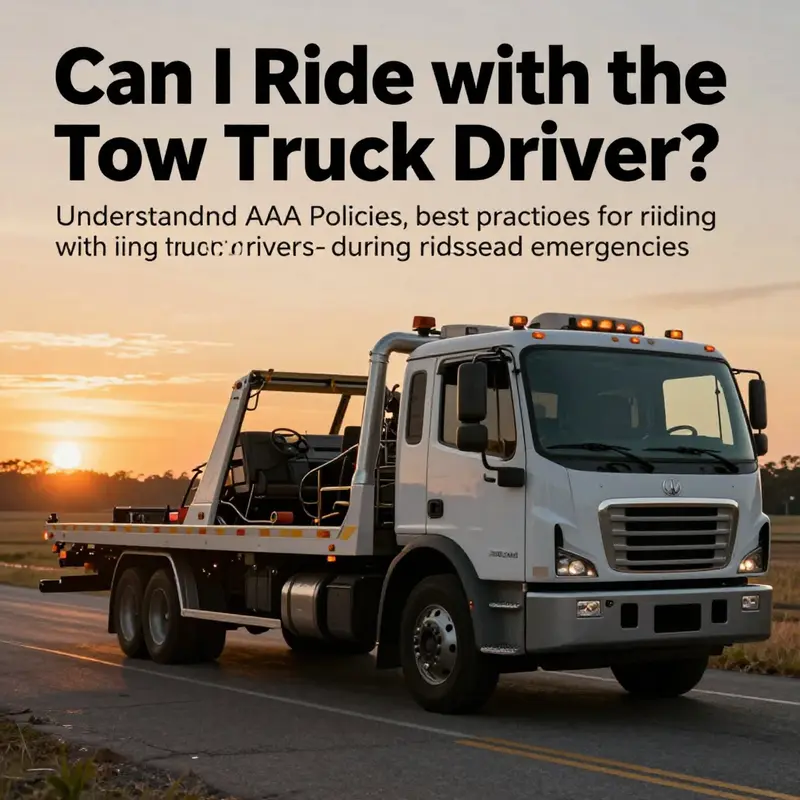
Navigating emergency situations can be stressful, especially for local drivers and car owners facing vehicle breakdowns. A common question arises: can I ride with the tow truck driver, especially if I am a AAA member? Understanding the nuances of towing services, company policies, and driver guidelines is crucial for ensuring safety and compliance. This article will explore the rules governing passenger transportation in tow trucks, delve into company practices, and provide valuable alternatives for personal transportation during a towing incident. By the end, you will be equipped with essential knowledge to handle unexpected roadside emergencies confidently and safely.
Riding Along with the Tow Truck: Navigating Safety, Regulations, and Realities with AAA
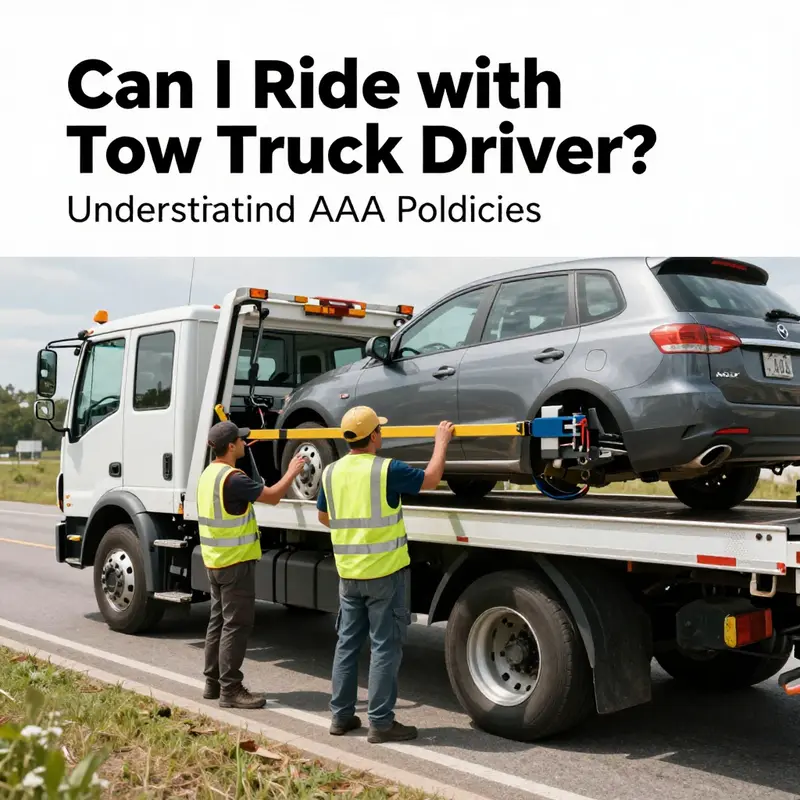
When your vehicle stalls or breaks down and you call for help, the scene often unfolds with a tow truck pulling up to the scene, the driver assessing the situation, and the promise of getting your car to safety or a shop. It’s a moment that mixes relief with questions—especially about whether you can ride in the tow truck cab while your car is being towed. The short answer is not a simple yes or no; it depends on the specific situation, the driver’s policy, and the jurisdiction’s safety rules. In most traditional towing operations, you do not ride in the tow truck while it is actively transporting another vehicle. Tow trucks are designed to lift, secure, and haul a vehicle efficiently, not to transport passengers in the cab. The cab is typically reserved for the operator, and safety regulations in many places restrict extra passengers during towing. This is not merely a courtesy rule; it is a matter of weight, space, seat belt usage, and the driver’s ability to control a vehicle that is performing a complex, potentially hazardous maneuver on public roads.
Yet the landscape is not uniformly binary. There are scenarios where riding along may be possible, though they are uncommon and require explicit arrangement. Some roadside assistance providers operate in a hybrid space, combining towing capabilities with passenger transport under particular policies or service models. In those cases, a rider might be permitted if the driver confirms it is safe, legal, and within the company’s rules. However, even in such arrangements, the decision rests with the driver and the service guidelines, and it is not something you can assume in advance. When a service arrives to assist after a breakdown—such as a AAA crew—the primary objective remains to secure the vehicle, stabilize the scene, and transfer the car to a repair facility, storage lot, or another specified destination. The safe transport of the passenger in the cab is not the standard operating procedure unless specifically arranged and approved by the service provider, and even then, it must be executed with careful attention to safety constraints and local regulations.
The nuance becomes clearer when you consider the principle at the heart of these operations: safety first. The cab is confined, the space is shared with equipment and cables, and the driver must maintain full attention on steering, braking, and maneuvering the tow within traffic. A passenger in the cab can create distractions, interfere with the driver’s ability to communicate with the vehicle’s securing equipment, or unintentionally alter the balance of the rig during a tow. It’s not simply a preference; it’s a fundamental safety precaution. If you want to ride along for peace of mind or out of practical need, the responsible move is to inquire directly before any departure. Contact your local AAA office or the service representative to confirm whether passenger ridership is permissible under their current policy and the specific towing scenario. This step may seem minor, but it is essential to avoid stepping into a situation where the driver must refuse or reconfigure a plan at the last moment, potentially delaying your transport or compromising safety.
There is also the broader regulatory framework to consider. Laws and company policies governing passenger limits, seating, and the use of tow trucks reflect a combination of vehicle design limitations, employer safety guidelines, and public road safety standards. In many jurisdictions, towing operations are subject to regulations that emphasize securing the vehicle, ensuring the load is stable, and preventing any interference with the operation itself. These rules are designed to prevent accidents and injuries not only to the passengers but also to bystanders and other road users. It’s why even when a driver offers a degree of flexibility, the default position tends toward non-passenger transport during active towing. If the situation involves a longer distance or a hazardous environment, the prudence and the policy alignment typically push toward a separate ride or a designated waiting area rather than a cab ride with the tow truck in motion.
Where the experience can diverge is in the specifics of a given company’s offerings and the local office’s guidance. Some roadside assistants, including those operating under a broader network, may permit a passenger in certain conditions—perhaps when the tow is short, the vehicle being towed is already safely secured, and the overall risk profile is low. Still, this is the exception rather than the rule. The prudent approach is to treat the policy as conditional: ride-along is possible only if explicitly approved, and even then, you should be prepared to wait in a safe zone or to arrange an alternative transport once the vehicle is secured and ready for transport. The important takeaway is that the default expectation is that you will not ride in the tow truck while it’s actively towing. If you need a ride to your destination, the options are ride-share services, taxis, or a later-arranged pickup once the vehicle has been delivered to the intended location.
To make this practical, imagine you’re waiting with your disabled car after a breakdown in a parking lot. The tow truck arrives, and the driver begins the process of securing the vehicle. If you anticipate riding along, ask first and listen to the driver’s assessment of the scene. If the driver confirms it is permissible, you still must follow the safety rules: buckle up, remain seated, keep noise to a minimum, and avoid distracting the operator as they concentrate on the road and on the vehicle’s load. If the driver indicates that passenger seating isn’t allowed, or if conditions are not favorable—such as a long haul, heavy traffic, or inclement weather—the best course is to accept a safe waiting arrangement and arrange alternate transportation after the vehicle has been secured. This kind of clarity saves time and reduces risk for everyone involved.
In short, the bottom line remains consistent with the core message of responsible roadside assistance. You cannot legally or safely ride in a tow truck while it is actively towing another vehicle. If you need a ride, rely on a ride-sharing service, a taxi, or a trusted transport arrangement rather than attempting to ride in the tow truck cab. If you have questions about a specific policy, take the proactive step of checking with your local AAA office or service representative before the tow. They can confirm current guidelines, explain any exceptions, and help you plan the most efficient and secure path from breakdown to recovery. And if you want to stay informed about broader towing safety and best practices, consider looking into related guidelines and community resources—such as the guidance on spotting potential issues like illegal towing—by exploring the relevant blog resource for practical insights into towing operations and safety. For additional context on safety practices and how professionals approach towing scenarios, you can visit the linked resource that discusses these considerations in depth: https://santamariatowtruck.com/spot-illegal-towing-key-signs-to-know/. For official guidance on towing safety from the broader industry perspective, consult the external safety guidelines provided by the national automotive association at https://www.aaa.com/automotive/safety-tips/towing-safety/.
Riding with an AAA Tow Driver: What Their Policies Mean for You and Your Safety
Understanding when you can ride with an AAA tow truck driver requires looking past assumptions and into policy, safety, and practical alternatives. Many people picture a tow truck arriving, loading the vehicle, and offering a seat to the stranded driver. In reality, that scenario is rare. Tow trucks are engineered to move vehicles, not to carry passengers, and company procedures reflect that simple fact.
AAA’s roadside services prioritize getting your vehicle and you to a safe, appropriate destination. That focus explains why riding in the tow truck is not a standard offering. The driver’s job centers on securing the disabled vehicle, operating specialized equipment, and following protocols that reduce risk for everyone at the scene. Extra passengers inside the cab create distractions. They can interfere with communication, obstruct controls, and complicate emergency maneuvers. For these reasons, most drivers limit occupants to authorized personnel or the vehicle owner when moving the owner’s vehicle as part of the tow.
Beyond distraction, regulations influence what technicians may and may not do. Tow truck drivers typically operate under commercial vehicle rules that restrict driving hours and require adherence to rest provisions. These rules exist to reduce fatigue-related risk on the road. When a driver carries a passenger who is not part of the service, record-keeping and liability considerations become more complex. Insurers and employers often prohibit adding nonessential passengers to mitigate exposure to claims should an incident occur during transport.
Equipment design also matters. Tow truck cabs are built for the driver’s operational needs. They may be compact, lack passenger restraints appropriate for public carriage, or be arranged so that additional occupants would block access to controls or communication devices. Loading ramps, winches, and rear-mounted gear require the driver’s full attention during hook-up and transit. Company policies reflect that configuration: casual ride-alongs are generally not permitted because the vehicle was never intended for that use.
There are exceptions, but they are narrow. If the person being towed is the vehicle owner and needs transport to the repair shop or a place of safety, drivers may provide a seat as part of the service. This is not a courtesy to observers or photographers; it’s a service element tied to the tow itself. Likewise, a company may allow an additional employee or an authorized technician to ride for operational reasons. Anything beyond these scenarios must be explicitly approved by the company and must satisfy safety, insurance, and regulatory requirements.
If you wish to watch the towing process for educational interest or to see how a technician handles certain tasks, look for sanctioned options. Companies sometimes host public outreach events, training days, or open houses where equipment is demonstrated in controlled conditions. These programs offer safe, structured ways to learn without disrupting emergency work. If such opportunities aren’t available, asking for a brief explanation on-site is reasonable. Most technicians will describe the basic steps while maintaining focus on safety and the immediate task.
When drivers do offer transport of a vehicle owner, it’s still done within limits. The driver must ensure the passenger is properly seated and secured. If the journey is long, company policy and driver schedules may impose constraints. Drivers must remain within permitted hours and routes. If a tow requires a long haul beyond what a single driver is allowed, companies will arrange relays or coordinate delivery to a secure storage facility first. These protocols keep driver fatigue, legal exposure, and vehicle security in check.
If your question is motivated by convenience—needing to accompany your car to a shop, for instance—plan ahead. Contact the roadside assistance provider to confirm whether transporting the vehicle owner is part of the tow package. If it’s not, ask the provider to arrange alternate transport to nearby facilities when possible. In many areas, companies maintain relationships with local service providers and can suggest safe options. If you are a member, your membership materials will often detail what transportation options are included with a tow and what alternatives are recommended.
Safety concerns also extend to the scene itself. Tow operations often occur on shoulders, in lanes, or other hazardous locations. Standing too close, attempting to climb into the cab while the truck is operating, or walking behind a loaded trailer can result in injury. Technicians are trained to keep the work zone clear and to guide vehicle owners to safe positions. Following their directions reduces the chance of harm and helps the tow proceed smoothly.
Liability is another strong deterrent against ride-alongs. If a nonessential passenger is injured during transport, the company and driver could face legal and insurance complications. To avoid that risk, many firms adopt conservative policies that limit passengers to those necessary for the job. That approach protects both the company and the customer by keeping exposure predictable and manageable.
If your interest in riding along stems from anxiety about leaving your car with strangers, there are constructive steps to reduce worry. Take photos of the vehicle’s condition, note odometer and fuel levels, and request a written receipt that shows the tow destination and driver identification. These simple steps create a record and give peace of mind without requiring cabin access.
For those curious about industry practices more broadly, resources about fleet readiness and coordinated response offer useful context. Reading about structured approaches to emergency response highlights why companies standardize procedures and restrict nonessential passengers. For further perspective on how organized fleets manage personnel and safety during emergencies, see this discussion of fleet emergency response.
Finally, regulations governing driver hours and commercial operations are a grounding factor behind most company restrictions. You can review the official rules that shape driver schedules and rest requirements at the Federal Motor Carrier Safety Administration’s hours-of-service page: https://www.fmcsa.dot.gov/regulations/hours-service
Understanding these factors explains the basic answer: you usually cannot ride in a tow truck while it performs a tow, and companies restrict passengers to ensure safety, compliance, and clear liability. When transport for a vehicle owner is permitted, it is part of the service and not a casual privilege. Knowing this helps you set expectations, prepare alternatives, and keep everyone safe when roadside assistance arrives.
When Riding a Tow Truck Might Be Allowed: Emergency Protocols, Safety, and What to Expect
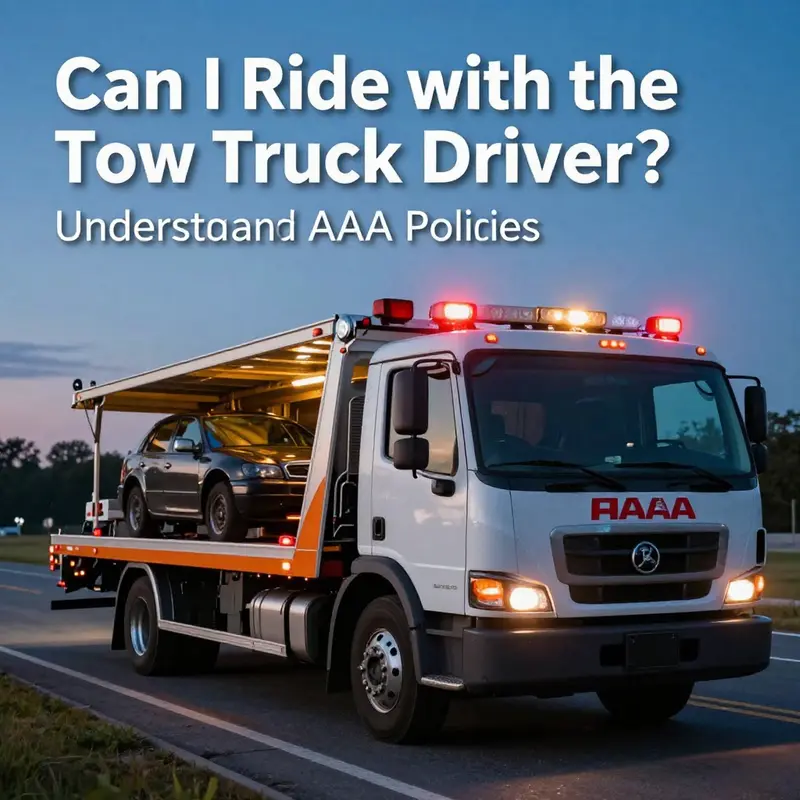
Emergency Protocols and When Riding May Be Permitted
In most routine towing situations, riding with the tow truck driver is not an option. Tow trucks are built to move vehicles, not to transport passengers. Their cabs are configured for one or two trained operators, and the work requires constant attention to heavy equipment, winches, and changing roadway conditions. Because of that, companies and regulators set strict rules that limit who may occupy the truck while it is operating. Those rules exist to reduce risk, limit liability, and ensure the driver can focus on the recovery task.
That said, there are narrow, controlled circumstances when a tow operator may allow a passenger to ride along. These are exceptional and usually tied to emergency response, medical need, or coordinated rescue work. Understanding when riding may be permitted helps you set realistic expectations and make safer choices at the roadside.
First, consider the core safety reasons for the standard restriction. Tow equipment moves heavy loads and can shift quickly. Even a brief distraction can lead to accidents or injury. Passenger seating is rarely equipped with safety restraints appropriate for a work vehicle, and the cab layout often prevents safe passenger access during rigging or winching. Insurance policies commonly exclude liability for non-employees riding in operational recovery vehicles. For those reasons, most companies simply prohibit extra riders.
Where exceptions occur, they are governed by company policy and the specifics of the incident. The most typical scenario is a life-threatening crash or medical emergency. If emergency services are on scene, a tow operator may act under their direction. In a coordinated rescue, a tow driver might assist with stabilizing a vehicle or clearing a path. In very limited cases, an injured person may be moved into a tow vehicle if no ambulance is available and a medical professional authorizes the transfer. Even then, the transfer is controlled, brief, and performed with safety equipment if possible. A tow driver will rarely, if ever, transport someone to a hospital in the normal course of towing duty without explicit authorization from emergency services.
Another situation that sometimes opens the door is when a tow operation requires the vehicle owner to ride along in order to direct destination choices or confirm salvage decisions. Here, some companies may permit a single passenger for the short trip to a nearby repair shop or storage yard. Permission depends on the operator’s policies, insurance coverage, and the specific vehicle being towed. Many companies still decline this arrangement because it adds risk and potential liability.
If you are stranded and wonder whether a tow driver can give you a lift, start by asking directly and calmly. Explain any medical needs and ask whether a short ride is possible under company rules. Expect a polite refusal in most cases. If the driver suggests alternatives, follow their guidance. They may recommend contacting emergency services, arranging a ride-share or taxi, or calling a friend. If the incident is part of a larger emergency response, the driver will coordinate with police or EMS to determine what is safest.
When a tow operator is engaged in public-safety work, they may be part of a broader response team. Fleet-level protocols often define how drivers interact with police, fire, and medical responders. These protocols cover who may ride in the truck, who can approach a disabled vehicle, and how to secure a scene. Companies that specialize in emergency readiness often publish guidance on these practices. If you want to learn more about how fleets manage coordinated responses, review material about fleet emergency response to see typical procedures and expectations: fleet emergency response.
From the motorist’s point of view, prioritize safety and documentation. If you are offered a ride in rare circumstances, confirm that the tow operator is authorized by their company and that emergency services approve. Request that the company logs the decision in its incident report. If you cannot ride, ask the driver to wait while you arrange alternate transport if the location is unsafe to leave alone. Take photos of the scene, note the tow truck company name and vehicle number, and record the time and location. These details help if questions arise later about the handling of your vehicle or the incident.
There are also legal and insurance considerations. State laws and local ordinances sometimes regulate towing practices and vehicle recovery operations. Insurance policies often contain clauses that restrict transportation responsibilities for tow providers. When a company permits a passenger, it should have procedures to manage that exposure. If you are concerned, ask the company representative whether their insurance covers passengers and how they document rides.
Practical preparations can make a difference. When you call for assistance, describe any medical issues, the number of occupants, and the general situation. If a passenger has a mobility impairment, mention it. This information allows dispatch to send the appropriate vehicle or to coordinate with emergency responders. Keep a charged phone, a basic emergency kit, and identification readily accessible. If towing is unavoidable, plan for alternative transport in advance.
Finally, respect the operator’s role and limits. Tow drivers are trained to manage hazards and protect property. They follow protocols intended to keep everyone safe. Pressuring a driver to allow a ride can place them in a difficult position and may violate company policy. Accepting a refusal and choosing a safe alternative is often the best course.
In short, riding with a tow truck driver is normally prohibited because of safety and liability concerns. Exceptions exist for true emergencies, rescue coordination, or specific company allowances for short, controlled trips. When an exception is suggested, ensure emergency services or company policy authorize it, document the situation, and prioritize safe alternatives when possible. For official guidance on towing protocols and safety standards, consult reputable industry sources and the association that provides roadside assistance and consumer resources: https://www.aaa.com/.
Why You Normally Can’t Ride with a Tow Truck Driver — Practical Transportation Options When a Tow Arrives
When a tow truck pulls up to help, the immediate concern is usually your safety and how to get where you need to go. Riding in the tow truck cab feels like a quick fix, but that option is rarely available. Tow vehicles are built to move cars, not people. Regulations, equipment design, insurance rules, and simple safety considerations combine to make giving a lift impractical or prohibited in most situations.
A tow truck driver’s primary responsibility is the safe movement of the vehicle being recovered. They must focus on hooking, securing, and transporting the load. A passenger in the cab becomes a distraction and a liability. Many towing cabs have limited seating and lack approved restraints for additional riders. Even when a second seat is present, company policies or state traffic laws often forbid passengers during active towing operations. Those rules exist to reduce the risk of injury, and to limit the carrier’s exposure to legal claims if something goes wrong.
Beyond distraction and restraint issues, the cargo itself creates hazards. Towed vehicles can sway, shift, or break loose under sudden maneuvers. Tow trucks also use specialized attachments and hydraulics that present pinch points and moving parts. Placing a passenger in a vehicle designed around heavy equipment increases the chance of harm during normal operations. For these reasons, most drivers will politely refuse any request to ride in the tow truck while the disabled vehicle is on the hook.
Insurance and liability are another major factor. Roadside assistance providers and independent tow companies carry coverage that typically applies only to authorized occupants. If an unauthorized passenger travels in the truck and an accident occurs, the insurer may deny claims or impose penalties. Drivers and companies manage this risk by adopting strict passenger policies. Asking a driver to bend those rules can put them in an awkward spot, and it can leave you without protection in the event of an incident.
There are a few narrow exceptions, but they are rare. In some cases, tow trucks that double as recovery vehicles and service rigs may have an additional passenger seat and explicit company permission for one client to ride along. Even then, the ride is usually only permitted if the load is minimal, local laws allow it, and the insurer has already cleared the arrangement. A disabled person with a medical condition or mobility limitation may be offered special handling, but that too depends on company policies and local rules. The safest approach is to assume you will not be transported in the tow vehicle and to plan alternatives in advance.
When the tow truck arrives, be prepared to make a quick decision about your next steps. Confirm the planned destination for your vehicle. If the driver will deliver it to a repair shop or storage yard where you do not want to wait, ask whether the company offers any member or customer transport options. Some roadside-assistance memberships include transportation benefits such as a courtesy shuttle to a nearby location or a fixed allowance toward a rental. Availability varies by membership level and region, so always confirm before assuming coverage.
If the membership or towing company does not provide transport, several practical options exist. A nearby friend or family member can often pick you up. If that’s not possible, ride-hailing apps or dispatch taxis provide a direct, quick way to reach home or a repair shop. Public transit can be reliable in urban areas; check local schedules and stops close to the tow destination. When using any of these options, communicate clearly with the driver about the final drop-off point, and allow extra time if the tow truck must travel to a distant yard.
Another useful option is arranging a short-term rental for travel convenience. A compact rental can give you freedom to retrieve the vehicle later, and rental counters are often located near major repair shops and transport hubs. If you’re concerned about cost, compare the membership benefits of your roadside assistance provider before booking. Some providers will reimburse or provide a discount for rental transport depending on the incident and coverage level.
At the scene, safety should guide your behavior. Stay off the roadway and away from traffic. Keep a safe distance from the truck’s working area and avoid stepping behind a vehicle that is being loaded. If a driver offers to drop you at a nearby location that seems unsafe, politely decline and choose an alternative route. Clear, calm communication helps the tow operator do their job quickly and safely, and it reduces delays for you and other motorists.
Occasionally, people wonder whether it’s legal for a tow truck to carry passengers. The answer depends on jurisdiction and company policy, but the practical default is no. Laws about passenger transport in commercial vehicles exist to protect both drivers and clients. Even if the law permits a single passenger, company rules or insurance requirements often override that permission. If you feel pressured to accept a ride or if a driver suggests transporting you in the bed of a flatbed or in a non-passenger area, refuse. Those arrangements are unsafe and may violate local statutes.
If you suspect an unlawful or unsafe towing practice, learn to spot the signs and act accordingly. Misleading or aggressive behavior, lack of visible company identification, demands for immediate payment without documentation, or offers to transport you under questionable conditions are red flags. Reporting concerns to local consumer protection agencies or law enforcement may protect you and others. For guidance on recognizing suspect towing practices, see the article on spot illegal towing — key signs to know.
Finally, preparation reduces stress when a tow is needed. Review your roadside assistance membership terms before you travel. Know what transportation benefits are included, if any. Save contact numbers for local taxis and ride-hailing services on your phone. Identify nearby repair shops along common routes. A little planning helps you move from the shoulder to your destination with minimal hassle.
In short, riding in the tow truck cab is generally not an option. Safety rules, insurance concerns, and equipment limitations make it impractical in most cases. However, a range of alternatives exists, from membership-provided transport to ride-hailing, rental cars, and help from friends. When the tow truck arrives, ask questions, confirm the vehicle destination, and choose the safest transportation option for yourself. For more detail on membership policies and roadside assistance options, check the roadside assistance provider’s official site: https://www.aaa.com
Riding with a Tow Truck: What You Can Expect, Why It’s Often Not Allowed, and Safer Alternatives
Can you ride with the tow truck driver? That question comes up every time a vehicle fails on the road. The short answer is: sometimes, but usually no. Tow trucks are built to move vehicles, not people. The cab is often configured for the driver only, and safety, legal, and company rules typically prevent additional passengers. Understanding what those limits are will keep you safer and help you plan a sensible next step.
A tow truck’s primary job is to move your vehicle safely. That means the driver must focus on securing the vehicle, managing weight, and watching traffic while maneuvering unusual loads. Most modern tow trucks have cabs designed for one or two occupants. They rarely have extra seating or properly anchored seatbelts for passengers. Even if space exists, added riders can create liability and distraction. For these reasons, many roadside assistance companies and independent operators explicitly discourage or prohibit additional passengers during towing operations.
State and local laws also shape what is allowed. Some jurisdictions prohibit passengers in a tow vehicle while it is actively towing. Others allow limited exceptions, such as transporting a vehicle’s owner in the cab for a short ride to the nearest repair shop. Rules can cover whether a person may remain inside their disabled vehicle while it is towed, or whether they may ride in the tow truck’s cab. Because statutes vary, the safest route is to ask the tow provider before the tow begins. If you need clarity in advance, call the local office and confirm their policy and the applicable local rules.
Safety is more than policy. Towing moves heavy, often unstable loads. Vehicles can shift on hooks, straps may fail, and special equipment like wheel lifts and flatbeds change balance and handling. A driver needs a clear cab and focused attention to manage those risks. Carrying a passenger increases distraction and complicates emergency responses. In the event of a sudden stop or collision, a passenger without proper restraints faces significant harm. Companies know this, and most maintain a strict “driver only” rule for the cab, or limit passengers to trained personnel.
There are exceptions and practical variations. For very short tows to a nearby shop, some drivers may agree to give a ride to the owner. That is typically an informal arrangement based on the driver’s comfort, company rules, and local laws. On long-distance tows, the driver will rarely agree to carry extra passengers. Specialized tow equipment, like low-bed carriers or heavy-duty rotators, further reduces the chance a passenger will be allowed, because these rigs demand full attention and often lack passenger accommodations.
Another option sometimes available is to remain in your own vehicle during a flatbed tow. In rare cases, and only when safe and permitted, a driver may load the car onto the flatbed and let the owner sit inside while the vehicle is transported a short distance. This is uncommon. Many companies prohibit it for safety and liability reasons. Even when allowed, drivers will secure the vehicle and take precautions to ensure the passenger can exit safely if needed.
Liability and insurance matter. If a passenger is injured while riding in a tow truck, responsibility may fall to the towing company, the driver, or the vehicle’s owner, depending on circumstances. Companies avoid risk by setting clear rules. If you are offered a ride, make sure the driver verifies coverage and that company policy allows it. If you are refused, do not argue. Instead, use the time to arrange an alternative ride.
Practical alternatives are quick and reliable. If you cannot ride in the tow truck, ask the operator for local recommendations. Many tow services will help coordinate a taxi or ride-share pickup. If you have roadside assistance through a membership program, call them; they often provide or reimburse short rides to a nearby shop. When safety is a concern at the roadside, request that the truck driver drop you off at a safer location before towing begins. That reduces your exposure and places you where you can arrange onward travel.
Spotting illegal or unsafe towing practices is useful. Not all towers operate by the book. If a driver pressures you to ride in the cab against your judgment, or insists you stay in the vehicle during the tow when local rules forbid it, withdraw and contact the roadside assistance company or local authorities. For practical guidance on identifying questionable towing tactics and protecting yourself, you can read about how to spot illegal towing and the warning signs to watch for.
When preparing for a tow, keep a few habits in mind. First, call ahead and confirm the company’s passenger policy. Second, if you must be transported, arrange a taxi, ride-share, or a friend. Third, keep essential items like your phone, wallet, and keys with you; do not leave them in the disabled vehicle. Fourth, take photos of damage before and after the tow. Finally, if you are offered a ride by the driver, ask whether their insurance covers passengers and whether the company approves.
Certain operational rules also influence what a driver can do. Tow operators must obey traffic laws, weight limits, and lane restrictions. In some regions, drivers cannot use emergency lanes except in allowed scenarios. These rules help protect everyone on the road and explain why operators sometimes refuse to pick up a passenger or make stops for riders. A driver’s focus must remain on safe transport of the vehicle and compliance with local regulations.
If a tow involves long-distance transport, plan for alternatives. Long hauls often cross jurisdictions and involve multiple regulations. Drivers usually cannot offer passenger transport over long distances due to insurance constraints and long duty hours. In those cases, arrange a separate ride and let the tow company deliver your vehicle to the scheduled drop-off.
In short, don’t assume you can ride with the tow truck driver. Safety, law, and company policy usually limit passengers. Ask questions before the tow begins, secure your essentials, and arrange reliable transportation in advance when possible. If you encounter questionable behavior from a tower, document the interaction, refuse unsafe arrangements, and report it. Being informed helps you avoid risk and keeps roadside recovery focused on getting your vehicle and you home safely.
For official guidance on tow operations and legal limits in some regions, see the Transport WA crash towing rules: https://www.transport.wa.gov.au/roadsafety/crash-towing
For tips on recognizing problematic towing practices, check this guide on how to spot illegal towing and the signs to know: https://santamariatowtruck.com/spot-illegal-towing-key-signs-to-know/
Final thoughts
Understanding the policies surrounding riding with tow truck drivers, especially those affiliated with AAA, is essential for drivers in need of roadside assistance. Safety regulations prevent passenger transport in towed vehicles, and company policies are designed to protect both the operator and the customer. Emergency protocols further ensure timely assistance while prioritizing your safety. If you find yourself in such a situation, remember to explore safe transport alternatives. Knowledge is your best defense in unexpected roadside emergencies, empowering you to make the best choices for your personal safety and peace of mind.