
Towing with a rental truck can be a practical solution for many local drivers, auto repair shops, and property managers facing the challenge of moving heavy loads. Understanding the ins and outs of this process is critical, especially given the variety of regulations, equipment needs, and insurance implications that can affect your experience. This article progresses through vital concepts beginning with an overview of towing capacity, moving through considerations specific to rental agreements, the necessary equipment, and finally delving into the vital arena of insurance and liability when towing. By arming yourself with this knowledge, you can navigate the complexities with confidence and clarity.
Know Your Limits: Reading and Respecting Towing Capacity in a Rental Truck
Understanding towing capacity is the first step to safe towing with a rental truck. Towing capacity defines the maximum weight a vehicle can safely pull. That limit reflects the truck’s engine, transmission, drivetrain, frame strength, and braking system. Ignore it, and you risk mechanical failure, impaired handling, and voided insurance.
Begin by treating towing capacity as a system limit, not an estimate. The truck’s towing numbers exist to protect the vehicle and everyone on the road. Two related ratings matter: the Gross Combined Weight Rating (GCWR) and the truck’s curb weight. GCWR is the maximum allowed weight of the tow vehicle plus trailer and cargo. Curb weight is the truck’s weight with fluids, but without passengers or cargo. Subtract curb weight from GCWR to find the truck’s towing capacity: Towing Capacity = GCWR − Curb Weight. Use the figures printed on the vehicle placard or in the manufacturer’s manual. Rental companies typically provide these specifications on request.
Knowing the towing capacity alone is not enough. You must also calculate the trailer’s total weight. That includes the empty trailer weight, cargo, fuel, and any items stored on the trailer. Trailer weight is often called Gross Trailer Weight (GTW). It is unsafe to estimate by eye. Use a certified scale at a truck stop or public weigh station to get the GTW and the tongue weight. The tongue weight is the downward force at the hitch. If the tongue weight is too light, the trailer may sway. If it is too heavy, the truck’s rear axle can be overloaded. Aim for a tongue weight of 10 to 15 percent of the trailer’s total weight for typical trailers.
Payload capacity matters too. Payload is the maximum weight the truck’s bed, cab, and occupants can carry. When you load the truck with people, gear, or cargo, that weight reduces the available towing capacity. Never treat towing capacity and payload capacity as interchangeable. Check both values and allocate weight accordingly.
Hitches and brake systems must match the load. A receiver hitch, ball mount, or other coupler has its own rating. If the hitch’s rating is lower than the truck’s towing capacity, you are limited by the lower number. Trailer brakes become mandatory at some weights. Even when they are not legally required, trailer brakes dramatically improve stopping distance and control for heavier trailers. Confirm whether the rental truck includes a compatible wiring harness and brake controller. If the rental does not supply them, arrange for appropriate equipment before you drive away.
Driver qualifications are another constraint. Some jurisdictions require a special license or endorsement for heavier trailers. Legal limits vary by location. Verify local rules before you plan. Your driver’s license class must match the combined vehicle and trailer weight in some states or provinces. Failing to meet that requirement can lead to fines and liability issues following an incident.
Insurance and the rental agreement go hand in hand. Rental contracts often have specific clauses about towing. They may limit towing to certain trailer types, require use of rental-provided hitches, or exclude towing from standard liability coverage. Carefully read the agreement and ask the rental provider to confirm, in writing, whether towing is allowed. If the contract prohibits towing, do not attempt it. If towing is permitted, verify insurance coverage for both liability and physical damage related to towing. Standard rental insurance may exclude trailer-related damage, so you might need an additional policy or a waiver.
Practical checks before hitching make a big difference. Inspect the hitch and wiring on the rental truck. Confirm the hitch pin and clips are present and secure. Test turn signals, brake lights, and running lights after connecting the trailer. Measure and set the correct tongue weight. Load the trailer so heavy items sit low and forward, near the axle. Distribute weight evenly side to side. Secure cargo to prevent shifting, which could change the tongue weight while driving.
On the road, drive as if you are managing two vehicles: one for propulsion, the other for resistance. Accelerate gently and leave extra room for braking. Use lower gears when climbing or descending steep grades. Trailer sway can develop from crosswinds or sudden maneuvers; if sway begins, ease off the accelerator and steer straight until the trailer stabilizes. Do not brake suddenly to correct sway; controlled deceleration is safer. If the rental truck is equipped with a transmission cooler, keep an eye on temperature gauges during heavy towing. Heat buildup stresses the drivetrain and accelerates wear.
If you are unsure about combined weights, get them measured. Many regions have public scales at truck stops or weigh stations. Weigh the truck empty, then with cargo and passengers, and finally with the trailer attached. This sequence helps you verify compliance with GCWR and payload limits. If measurements show you exceed ratings, remove weight from the truck or trailer until you are within safe limits.
A final practical consideration is the age and condition of the trailer and towing equipment. Even if the numbers look acceptable on paper, worn suspension, old tires, or weak hitch components can reduce safe towing capacity. Inspect tires for proper inflation and sufficient tread depth. Check bearings, lights, safety chains, and the condition of the trailer frame. Replace or repair any suspect parts before setting off.
Towing with a rental truck is common and practical, but it demands diligence. Match the truck’s rated capacity to the trailer’s actual weight, account for payload and tongue weight, confirm proper hitch and brake equipment, and verify legal and insurance coverage. When in doubt, reduce the load or seek professional help to ensure compliance and safety. For further reading and official towing recommendations, consult the manufacturer’s towing guidelines available from the truck provider.
For a related perspective on recognizing unsafe towing practices and illegal operations, see the guidance on spot illegal towing: spot-illegal-towing-key-signs-to-know.
Official towing recommendations and detailed calculations can be found in the towing guidelines linked here: https://www.uhaul.com/rental-trucks/towing-guidelines/
Tow with Confidence: Practical Realities of Towing with a Rental Truck
Towing with a rental truck requires planning, but the core ideas are straightforward: know the truck’s towing capacity, match the hitch, and drive with caution. Before you hitch anything, confirm the truck’s rated tow weight exceeds the combined weight of the trailer and its cargo. This margin protects steering, braking, and stability.
Next, verify hitch compatibility. The ball, receiver, and wiring harness must support the total tow load and provide reliable lighting and brake signals. Rental fleets may include these components with certain packages, so confirm availability and fit before departure.
Insurance and liability deserve attention. Rental coverage often focuses on the vehicle itself; towing a trailer introduces additional risk. Consider supplemental coverage to safeguard the truck, trailer, and cargo in case of an incident.
Load and balance are critical. Distribute weight evenly, maintain proper tongue weight, and secure all cargo. Improper loading can cause sway, reduced braking effectiveness, or trailer detachment.
Preflight checks and disciplined driving close the loop. Inspect tires, brakes, and lights, test connections, and plan a route with gentler grades when possible. Drive at conservative speeds, increase following distances, and schedule extra stops to check connections.
Finally, document and review the rental agreement. Ensure towing is permitted for the specific truck, and note any restrictions or required equipment. With careful preparation, towing a rental truck can be safe, economical, and manageable.
Tow Rights in a Lease: How Rental Agreements Shape Your Ability to Tow with a Rental Truck
Choosing to tow with a rental truck can be a practical solution when moves, jobs, or weekend projects demand a trailer, boat, or equipment in tow. But the decision isn’t simply about horsepower or a hitch. It hinges on the exact language of the rental agreement, the specific truck you choose, and the safety standards that govern road use. Read with care, act with clarity, and you can turn what might feel like a loophole into a legitimate and safe operation. Read with care, act with clarity, and you can turn what might feel like a loophole into a legitimate and safe operation. The policy you sign before you drive away is more than a form; it is a roadmap that tells you what is allowed, what isn’t, and what you must do to stay compliant. In this light, the question “can I tow with a rental truck?” becomes less a simple yes or no and more a matter of respect for rules, preparation, and responsibility on the road. The contract is where the conversation starts. Most rental agreements are explicit about towing trailers, boats, or RVs unless you have received explicit permission or have purchased an add-on that authorizes it. A surprising number of people underestimate how strictly these clauses are enforced. If towing is attempted without authorization, the consequences can be steep: fines from the rental company, a voided insurance policy that leaves you financially exposed for any damage, and potential legal liabilities if an accident occurs. The risk isn’t just a hypothetical one; it translates into real costs and real stress for anyone caught in a tow without proper authorization. The responsibility, then, lies with you to discern, verify, and document. The contract will often spell out not only whether towing is allowed, but which trailers and loads are permissible. Small utility trailers may be listed, while larger travel trailers or boats might be clearly prohibited. In some cases, the agreement will refer you to an add-on option that can unlock towing rights. This is where the path from curiosity to compliance is paved. If your intent is to tow, you must first verify the exact terms. Start with a careful read of the towing clauses and any related limitations. Some contracts contain mileage restrictions, weight limits, or engine and transmission considerations that might affect towing. Others specify the maximum gross trailer weight or tongue weight allowed, and these figures are not mere suggestions. Exceeding them can void warranties, cancel insurance coverage, and place you at risk for significant out-of-pocket costs if something goes wrong on the road. A prudent approach is to call the rental company directly and ask for confirmation, preferably in writing. Verbal assurances can fade when the tow is underway and a dispute arises about liability. A written confirmation, signed by the rental company, gives you a tangible basis for a safe and legal tow. You should also inquire about any required documentation. Some operators will need you to sign an addendum or attach a rider to the contract that confirms your intent and your compliance. This is not a barrier but a legitimate safeguard that reduces the chance of misinterpretation when you are legally responsible for a trailer’s connection, lights, brakes, and weight distribution. If the company does offer an authorized towing package, it will usually come with additional fees. The pricing can reflect the added risk, the required equipment, and the administrative work of extending the policy coverage. Expect to pay for a compatible hitch, wiring harness, and perhaps a brake controller if you are towing a heavier trailer. The rental desk will also tell you what you must return with, which may include a specific type of hitch, wiring adapter, or even a test of the trailer lights to ensure compliance at night and on rural roads where visibility is limited. The question of equipment is not a mere afterthought. The hitch and wiring aren’t universal, and not every rental truck is prepped for a particular trailer model. A ball mount or a receiver hitch is often required, along with a properly matched electrical harness so that brake lights, turn signals, and tail lights are powered in sync with the truck. The correct wiring is essential for safety and for avoiding fines from others who rely on proper signaling on the highway. When you plan to tow, you should also think about insurance. Standard rental coverage might not extend to towing-related damages, so you may need to secure additional liability or comprehensive coverage that explicitly includes towing scenarios. If you are moving a trailer or equipment for a job, insist on written confirmation that your insurance will cover any towing-related incidents. This step protects both you and the rental company because it clarifies the scope of coverage and the conditions under which it applies. The towing capacity of the rented truck is another critical factor. A misjudgment here can lead to mechanical strain, excessive wear, or a claim denial if the vehicle is damaged while pulling more than its rated limit. The capacity figures are typically published in the vehicle specifications you receive at booking or at pickup. Do not assume a truck’s power translates into a safe towing experience merely because it can pull something on a straight road. Real-world towing introduces dynamics—wind, hills, braking, and the distribution of weight—that demand respect for the truck’s rated limits. That is why many rental agreements emphasize not just whether towing is allowed, but the precise measurements of what can be towed and how it must be attached. The safety considerations extend beyond the truck itself. You will need a secure, properly sized hitch and a reliable wiring setup to connect trailer lights and signals. You may also need to brake monitoring equipment for heavier loads and, in some cases, a weight distribution hitch to manage the balance between truck and trailer. The process of ensuring compliance becomes a practical sequence: confirm authorization, verify capacity, secure the appropriate hitch and wiring, arrange for the necessary add-on coverage, and perform the necessary checks before departure. It is a sequence designed to prevent a roadside panic and to keep you in good standing with the rental company and with other road users. For those who want a concise synthesis, the key is to approach towing with intention and documentation. Do not assume; confirm. Do not improvise; obtain approvals in writing. Do not neglect the equipment, the connections, or the insurance. If towing is a must, and if the rental company approves, you will likely proceed with a clear plan that covers all contingencies: payment for add-ons, a precise description of the trailer, a checklist for hitching and wiring, and a plan for safe driving with the extra load. In this sense, the rental agreement does not close the door on towing; it opens a path that is secured by clear policy, correct equipment, and thorough preparation. For those seeking further insights into practical towing norms, the Santa Maria Tow Truck blog offers broader guidance on related topics and safety considerations you may find helpful as you prepare to tow. You can explore their insights here: Santa Maria Tow Truck blog. While the road ahead may present unfamiliar signs, approaching towing through the lens of the rental contract helps you navigate with confidence. It also aligns with the broader emphasis of responsible towing in professional and personal contexts. If you want to supplement this understanding with a wider perspective from outside the rental world, you can review an external resource that outlines common rules and best practices for towing with rental vehicles: https://www.carinterior.com/towing-with-a-rental-car/. By combining contract clarity, equipment readiness, and appropriate insurance, you can make towing with a rental truck a practical, safe, and compliant option rather than a risky shortcut. The outcome rests on one question you answer ahead of time: what does the contract actually permit, and what steps will you take to meet those requirements on the day you hook up your trailer? In the end, legality and safety ride together on the same axle.
Essential Towing Gear for Rental Trucks: What You Need and Why It Matters
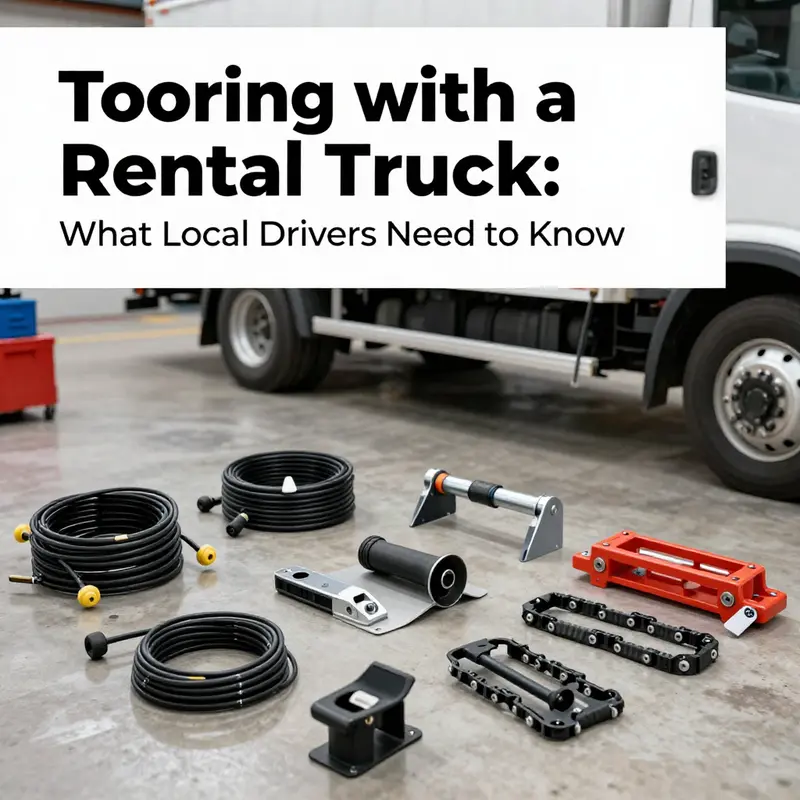
Essential towing gear for a rental truck starts with the hitch and ends with checks you perform before every trip. Towing from a rental requires the right physical equipment, the right electrical connections, and clear confirmation that the rental company and your insurance allow the setup. Missing a single item can create a safety hazard or void coverage. This chapter walks through the critical items you must confirm or obtain, and explains the practical reasons each matters.
Begin with the attachment point: the receiver hitch. It must be rated for the class of trailer you plan to pull. Hitches are rated by weight class; never assume the presence of a hitch equals adequacy. A mismatch between hitch rating and trailer weight risks failure and can damage the truck. When you book, ask the rental agent which receiver class comes with the vehicle, and make a point of getting written confirmation of both the hitch type and its maximum tongue weight.
Closely tied to the receiver is the trailer hitch ball. Balls come in common diameters; the most frequent sizes are two inches and three inches. The ball must match the trailer coupler exactly. If the coupler sits on the wrong size ball, the connection will not lock properly. The ball must also be rated for the trailer weight. Rental providers often offer balls and ball mounts as add-ons, but you should confirm thread size and rating before driving away.
The single most important specification is the truck’s towing capacity. This figure should exceed the combined dry weight of the trailer and its cargo by a comfortable margin. For heavy trailers, consider a 3/4-ton or 1-ton platform, when available. Overloading stresses brakes, suspension, and drivetrain components. It can also void insurance coverage if you exceed published limits. Always request the truck’s towing capacity in writing and compare it to an accurate trailer weight, including fuel, water, and gear.
Electrical safety depends on a properly rated wiring harness. The harness links your trailer lights to the truck so brake lights, turn signals, and tail lights operate in sync. Without functional lighting, you face legal penalties and much higher risk on the road. The harness must match the truck’s connector format and be rated for the electrical draw of any additional trailer systems. If the rental truck doesn’t include a compatible harness, ask whether one can be supplied and who installs it.
For trailers with electric brakes, a brake controller is essential. This device modulates trailer braking in proportion to the truck’s brake application. A built-in controller is the simplest option. If none is present, an aftermarket controller can be fitted, but this usually requires additional approval and possibly professional installation. Using a vehicle without a controller while towing a heavy trailer compromises stopping distance and control.
When a trailer is heavy or placed far behind the tow vehicle, proper balance becomes critical. A weight-distributing hitch helps spread tongue weight more evenly across the truck’s axles. This reduces sag, improves steering control, and enhances braking. If your load causes noticeable rearward tilt or you experience trailer sway, discuss a weight-distributing setup with the rental agent.
Never skip safety chains. These are a secondary connection, meant to catch the trailer tongue if the hitch fails. Chains should be crossed under the tongue and attached to rated points on the truck frame. Do not attach chains to bumper mounts or weak components. Ensure the chains have sufficient slack for turning, but not so much that they drag the road.
Additional, often-overlooked items make towing manageable. Reliable side mirrors that extend far enough to see the trailer are mandatory. Many trucks include extendable towing mirrors; if not, portable mirror extensions can be clipped in place with care. A robust hitch pin and clip, or a locking hitch pin, keeps the drawbar secured. Bring a spare tire, properly rated for trailer loads, and a jack capable of handling the trailer’s weight.
Protective accessories matter, too. A sway control device reduces fishtailing and sudden lateral movement. For open trailers, tarps and straps rated for highway speeds keep cargo secure. Use ratchet straps with proper edge protection to avoid chafing. Check tire pressures on both truck and trailer before departure; underinflation dramatically reduces stability.
Perform a thorough setup inspection before you leave the lot. Verify coupler engagement by raising and lowering the trailer tongue while the coupler is latched. Test lights at both ends, and confirm that the brake controller responds to the brake pedal. Walk around the trailer to ensure chains are crossed and connected, straps are tight, and the load sits level. A quick tug test at low speed and in a safe area will reveal glaring problems.
Paperwork and policy are part of the equipment checklist. The rental agreement should explicitly allow towing and list any equipment supplied by the rental company. Ask whether the rental fee includes a hitch, ball mount, and hitch ball, or whether those items are extra. Confirm who is responsible for installation. Equally important is insurance: standard rental coverage sometimes excludes towing-related incidents. Verify liability and physical damage coverage for trailer operations.
Training and comfort with the rig complete the picture. If you lack recent towing experience, practice driving, braking, and reversing with the trailer in a low-traffic area. Simple drills build muscle memory for turning, lane changes, and emergency braking. If you feel uncertain about hitching or electrical hookups, request a demonstration from the rental staff.
Finally, remain adaptable. Rental companies may supply many necessary items, but availability varies. Ask for written confirmation of supplied gear and any limits on towing equipment use. If the provider cannot supply a required item, plan to rent it from a third-party outfitter or arrange professional installation. For guidance on rental pickup-truck towing basics, consult this practical external guide: https://www.enterprise.com/en/travel/towing-pickup-truck.html. For tips on recognizing unsafe or illegal towing practices that affect equipment choices, see Spot Illegal Towing — Key Signs to Know (https://santamariatowtruck.com/spot-illegal-towing-key-signs-to-know/).
With the right receiver, ball, wiring, braking control, and safety devices, a rental truck can tow safely. Confirm capacities and insurance first, then focus on correct installation and pre‑trip checks. The right gear and a careful setup turn a rented vehicle into a capable towing platform.
Who Pays When the Trailer Breaks Down: Insurance and Liability for Towing a Rental Truck
Understanding Insurance and Liability Before You Tow
Towing with a rental truck changes the insurance landscape. The renter operates the vehicle and shoulders primary responsibility for incidents during the rental. That basic fact shapes every decision you make about coverage, equipment, and risk. Before you hitch anything, you must know which policies apply, where gaps exist, and what happens if something goes wrong on the road.
Most rental agreements include basic liability coverage that protects other people and their property if you cause a crash. That coverage rarely protects the rented truck itself. Damage to the truck, loss of its contents, and many towing-related expenses often fall outside the standard package. Your personal auto policy may step in, but only if the policy language explicitly extends to rental trucks and towing. Coverage limits, exclusions, and endorsements vary widely, so a quick call to your insurer is essential before you leave the rental lot.
Credit card benefits sometimes add another layer of protection. A collision damage waiver offered through a card can waive the rental company’s collision fee when you return the vehicle damaged. Those waivers are not full insurance. They often exclude damage caused by towing, damage from negligence, and losses such as fuel theft. Read the benefits guide carefully and get written confirmation before you assume a credit card will shield you from all costs.
Rental companies also sell supplemental products that broaden coverage. A loss damage waiver or collision damage waiver sold at the counter typically covers the rented truck for most physical damage and theft. Some supplemental plans include roadside assistance or limited towing coverage when mechanical failure leaves you stranded. Even so, these add-ons have terms and conditions. They may impose deductibles, exclude certain trailer types, or require that you use the company’s approved towing equipment. Ask for specific details and get them in writing.
Liability after an accident follows fault. If you cause a collision while towing, the at-fault determination triggers the responsible party’s insurance. That insurance is first paid to third parties, then to vehicle repairs, and finally to any claims the rental company may make for the truck itself. If your personal policy covers rental trucks and towing, it will generally respond subject to limits and deductibles. If you declined supplemental coverage, and your personal policy does not cover the rental, you may face full financial responsibility for repairs, towing, and replacement costs.
Breakdowns present a different risk. Mechanical failures unrelated to crashes are usually the renter’s financial responsibility. Standard rental insurance typically excludes claims for mechanical breakdowns. Your personal insurance rarely covers normal wear and tear or preexisting vehicle faults either. That means the cost to tow a disabled rented truck can fall on you unless you bought a roadside assistance plan. Some rental companies provide optional roadside protection that covers towing for mechanical failure. Others require you to use their approved vendors, and failing to comply may void any coverage provided.
Beyond insurance, liability can hinge on compliance with the rental contract. Most agreements include clear language about permitted uses, weight limits, and whether towing is allowed. Exceeding the truck’s towing capacity or using improper hitches can void coverage. If damage occurs because the trailer exceeded the recommended weight or because you used an incompatible hitch, insurers and the rental company may deny claims. Always verify the vehicle’s towing capacity and confirm that the hitch and wiring are rated for your load. If the rental company supplies a hitch, document its condition before you leave.
Documentation matters more than you might expect. Take time to photograph the truck, hitch, and trailer connection before you drive away. Keep all receipts for equipment purchases, towing, repairs, and work performed after an incident. If an accident occurs, obtain the police report and contact information for witnesses. Insurers and rental companies rely on clear, timely evidence when evaluating claims. Without it, a disputed claim can become a costly fight you are unlikely to win.
If you are involved in an accident while towing, follow these practical steps. First, ensure safety and call emergency services if needed. Second, exchange information with other involved parties and gather witness statements. Third, document the scene with photos showing vehicle positions, damage, and skid marks. Fourth, notify the rental company immediately and request their claims instructions. Fifth, report the incident to your personal insurer and to any credit card issuer providing coverage. Rapid communication reduces misunderstanding and keeps claims moving.
Preventive choices reduce liability exposure. Choose a truck with adequate towing capacity. Confirm that the hitch and wiring are compatible with your trailer. Purchase supplemental coverage if your personal insurance and credit card protections are unclear or limited. Consider roadside assistance for mechanical issues. Avoid overloaded trailers and unsafe loading practices that shift weight or reduce braking ability. These steps lower the chance of accidents and of disputes about fault.
Finally, know where to find authoritative guidance. Consumer protections and rental vehicle insurance rules vary by jurisdiction. For general information on rental vehicle insurance and consumer rights, refer to established industry resources. If you suspect illegal or improper towing practices during your rental experience, know the warning signs and how to report them; a useful resource on identifying illegal towing practices can help you spot problems early. For formal policy questions or disputes with a rental company, the industry association linked below offers guidance on rights and responsibilities.
External resource: https://www.nada.org
Internal reference: For practical signs of improper towing practices and how they can complicate insurance claims, see spot illegal towing, key signs to know at the linked internal resource.
Final thoughts
In conclusion, while towing with a rental truck can offer efficient solutions for local drivers and businesses alike, understanding the nuances involved in towing capacity, rental agreements, necessary equipment, and legal liabilities is essential for a successful experience. By being well-informed, you can ensure a safer journey and protect both your interests and the rental truck’s integrity.