
Understanding the cost of purchasing a tow truck is essential for local drivers, auto repair shops, property managers, and homeowners’ associations. This investment can significantly impact your operations, whether you’re towing the occasional vehicle or managing a fleet. The pricing landscape varies widely by size, capacity, and type of tow truck, leading to potential confusion. This comprehensive guide will illuminate the various options available, focusing first on light-duty trucks ideal for everyday towing needs, before examining medium and heavy-duty choices for more substantial requirements. We will further analyze the factors determining costs for specialized vehicles and finish with a market overview to navigate your purchasing journey. Let’s delve into the details to equip you with the knowledge to make informed decisions.
Pricing the Light-D duty Tow Truck: A Practical Guide for Small-Town and Urban Towing
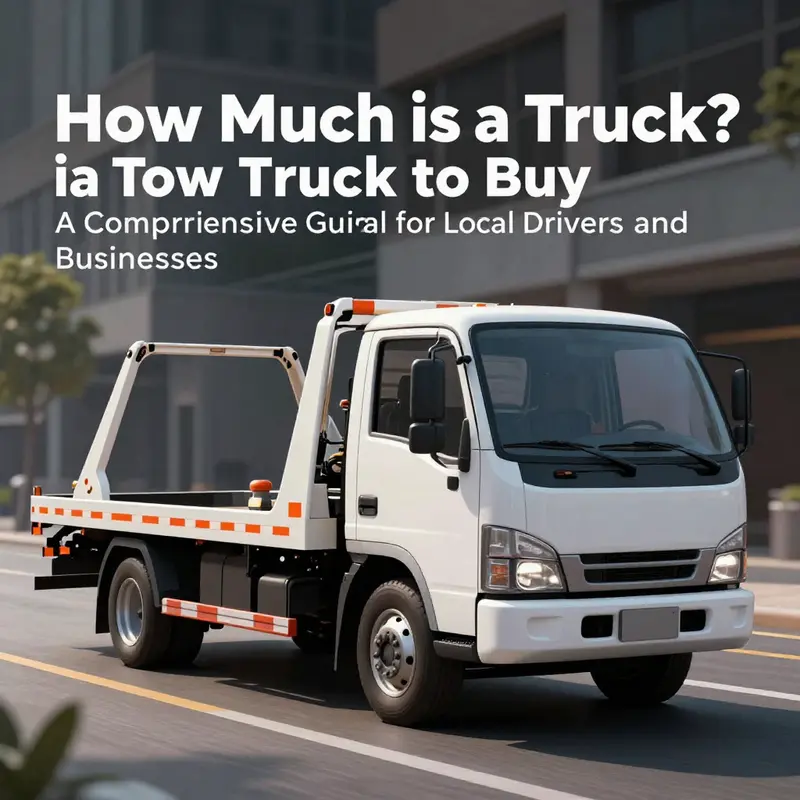
When you start weighing the cost of purchasing a tow truck, the conversation naturally folds into the realm of the light-duty segment. This is the tier most operators dip into first, either to add capacity to a small fleet or to launch a roadside assistance service that can handle everyday incidents without tying up capital in a heavyweight asset. The light-duty category, typically defined as vehicles in the 3 to 7 ton range, is approachable for new entrants and surprisingly versatile for the kinds of jobs that grid the morning and evening rush in city streets and suburban avenues. The price landscape for these compact workhorses is shaped by a few practical levers: size and configuration, drivetrain layout, and the quality of the core systems that keep the truck running at peak efficiency when a call comes in at any hour. As of 2026, buyers encounter a price band that can feel almost deliberately modest, yet still precise enough to merit careful budgeting and a realistic expectation about the ongoing costs that accompany ownership. In this light, the basic question—how much is a tow truck to buy—unfolds into a clearer answer: you can enter this market around ten thousand dollars, but the upper limit for well-equipped light-duty units skews higher as options accumulate and the desire for reliability grows stronger.
To understand the range more concretely, consider the range typically reported for light-duty tow trucks: roughly $9,900 to $19,880. That span captures most of the use cases truck buyers encounter in non-saturated markets where the emphasis is on urban maneuverability, faster response times, and the need to protect a vehicle’s undercarriage during loading. The difference between the low end and the high end is not just cosmetic; it reflects several practical realities. At the lower end, you are often looking at a basic platform with a modestly powered engine, standard hydraulics, and a simpler control system. At the higher end of this band, upgrades begin to appear in the form of stronger hydraulic assemblies, more robust winches, enhanced safety features, and longer reach booms or more capable wheel-lift configurations. The carrying capacity within this range can be 3 tons up to 7 tons, which matters not only for the job you intend to tackle but also for the maintenance and insurance costs that follow.
One of the most meaningful ways to think about price in this segment is to connect the numbers to the kind of work you expect to perform. A 3-ton light-duty flatbed or integrated wrecker is a common choice for fleets that handle a steady stream of everyday vehicle recoveries, light roadside assistance, and perhaps the occasional non-drivable car. These units tend to balance cost with capability, offering a hydraulic tilt bed that can reduce the risk of damage to the vehicle being recovered while also simplifying the loading process for smaller cars and compact SUVs. A 3-ton model can enter the market toward the lower end of the price band, but if you add features such as a more powerful winch, a longer or heavier-duty boom, or an upgraded hydraulic system with tighter seals and longer life, the price climbs quickly toward the middle of the range. A rollback configuration, which slides the platform back to form a ramp, introduces another layer of efficiency for small auto recoveries and rental-type jobs, yet its price premium over a flatbed in this class is often justified by the increased operational versatility it provides.
The decision between a flatbed, a rollback, or an integrated wrecker is seldom purely financial. It is a question of how you intend to deploy the truck in daily operations and the kind of vehicle you anticipate recovering most often. For those who anticipate frequent high-end or luxury-car recoveries, a flatbed’s platform protection and ease of loading can be worth the extra upfront cost, even if it means bending the budget toward the higher end of the light-duty spectrum. Conversely, if the fleet schedule leans toward quick-response calls and compact vehicle recoveries, a rollback or integrated wrecker might deliver the best mix of speed and utility without pushing the price well beyond the mid-range. The carryover effect of these choices extends into maintenance. A well-built, properly maintained hydraulic system and a robust chassis will outlast a lighter configuration under heavy use, making the higher initial investment easier to justify over time through fewer repair interruptions and lower downtime.
The engines that power light-duty tow trucks in this category typically sit within a familiar power band for urban work. Expect engines in the lower to mid-HP range capable of delivering reliable torque for towing and loading tasks without overtaxing fuel consumption in city driving. Because this class is more commonly used in service fleets that prize reliability and ease of maintenance, the brand philosophy often leans toward simple, proven drivetrains and components rather than the latest high-tech innovations. It is precisely this reliability focus that can make a modestly equipped unit a smarter purchase than a fancier option with more gadgets but less long-term durability. When budgeting, don’t neglect the service interval costs and the availability of maintenance in your region. The most economical choice is not always the one with the lowest sticker price if it imposes higher long-run maintenance or more frequent component replacements.
In addition to the mechanical heart of the machine, the hydraulic system is a critical cost and a major determinant of performance. Light-duty tow trucks rely on hydraulic cylinders, pumps, and valves to lift, winch, and tilt. The market treats imported hydraulic components with particular respect because their precision and durability can dramatically reduce downtime. Buyers should look for models that incorporate robust seals and components designed for continuous, rugged operation. In many markets, the presence of superior hydraulic equipment is a practical signal of a unit’s expected service life and its ability to perform consistently across a demanding workday. While it is tempting to shortcut on hydraulics to save the upfront cost, the resulting maintenance headaches and the potential for unscheduled downtime often erase the perceived savings.
Another important factor in price and value is the drive configuration. Light-duty tow trucks commonly come with configurations that suit a variety of regional road networks, including variations in steering and transmission layouts. While left-hand drive and right-hand drive options may influence the purchase price, they tend to matter more for the harmonization of vehicle controls with your typical dispatching and the ergonomics of loading operations. In practice, this means you should choose the configuration that minimizes driver fatigue and reduces loading times, which translates into more jobs completed in a shift. The human factors—the ease of reaching controls, the position of the winch, the accessibility of the bed—are as real in cost terms as any chassis or engine component because they affect productivity and, ultimately, the unit’s return on investment.
For buyers who are new to the market, a practical approach is to start with a solid, proven base model and then layer in upgrades that directly match your expected workload. If your area features a high concentration of premium cars, you may justify allocating more of your budget toward a higher-end rigid frame, a more capable wheel-lift, and a winch with better rope life and speed. If your operation is a high-volume daily service with a mix of small and mid-size vehicles, a rollback option with a reliable hydraulic system could be the sweet spot. The market for light-duty units is structured to accommodate this kind of staged investment: you can begin with a sensible, economical configuration and escalate as demand, maintenance experience, and financial performance justify it.
To make these decisions more tangible, it helps to connect the numbers with real-world purchase examples, while acknowledging that available configurations and prices can shift with supply, regional demand, and what manufacturers offer as standard or optional equipment. The price range cited—roughly $9,900 to $19,880—captures the spectrum from compact, basic platforms to more feature-rich light-duty machines built to endure regular service and a broader set of tasks. When comparing quotes, you should look beyond the sticker price and examine the full package: the weight of the chassis, the height and reach of the boom, the winch capacity, the speed and reliability of the hydraulic system, the ease of service, and the quality of the safety features. A plan that includes routine preventive maintenance, properly rated tires, and a well-thought-out warranty can keep the effective cost of ownership in line with or even below competing used options over the first several years of operation.
One practical step in the buying process is to seek information that helps translate list prices into a realistic total cost of ownership. This means factoring in taxes, registration, insurance, and the cost of any financing you might need. It also means running a careful evaluation of expected uptime. A truck that sits idle due to a minor hydraulic leak or a failing winch can cost more in downtime than a cheaper purchase with a more reliable core system. In other words, price alone is not sufficient; you need to assess durability and serviceability as you weigh whether a unit is a good value. When you are evaluating vendors, ask about the availability of spare parts and service in your locale. A robust local network of technicians and parts suppliers can tilt the scale toward a slightly more expensive unit that offers prompt, predictable maintenance over a cheaper alternative that requires long waits for essential components.
For readers who want to deepen their understanding or see how the broader industry landscape is discussed, a broad overview can be found on the Santa Maria Tow Truck blog. This resource offers additional perspectives on the factors that shape light-duty tow truck pricing, including practical tips for budgeting, evaluating configurations, and aligning purchases with service plans. The emphasis throughout is not simply on acquiring a machine but on building a fleet that can respond quickly, safely, and cost-effectively to roadside incidents and minor recoveries. With the right mix of initial investment, ongoing maintenance, and disciplined operations, a light-duty tow truck can become a dependable cornerstone of a small fleet or a profitable addition to an independent operator’s toolkit.
As buyers finish the evaluation and begin formal inquiries, a few closing thoughts can help anchor the decision. First, set a price range that reflects the expected volume of work and the typical vehicle mix you anticipate. Second, identify a minimal feature set that meets the most common jobs you expect to perform and use that as your baseline. Third, insist on documentation that confirms the integrity of the hydraulic system, the winch, and the core drivetrain, and verify seals, hose connections, and pump performance through a test or a rigorous inspector’s checklist. Finally, bear in mind the difference between the sticker price and the durable value delivered over years of operation. The right light-duty tow truck is not merely a tool; it is a performer that can elevate your service levels, shorten response times, and extend the reach of your business without forcing you into an overextended capital budget.
External resources can supplement this chapter, offering a broader look at the practicalities of buying light-duty tow trucks and recognizing the signs of a well-constructed unit. For those exploring international options or curious about how the price bands translate across markets, the following external reference provides context about specific models and configurations available in the global market: JMC Light Duty 3-7 ton Road Truck on Alibaba.
Tow Truck Investments: Decoding the Price Range for Medium- to Heavy-Duty Workhorses
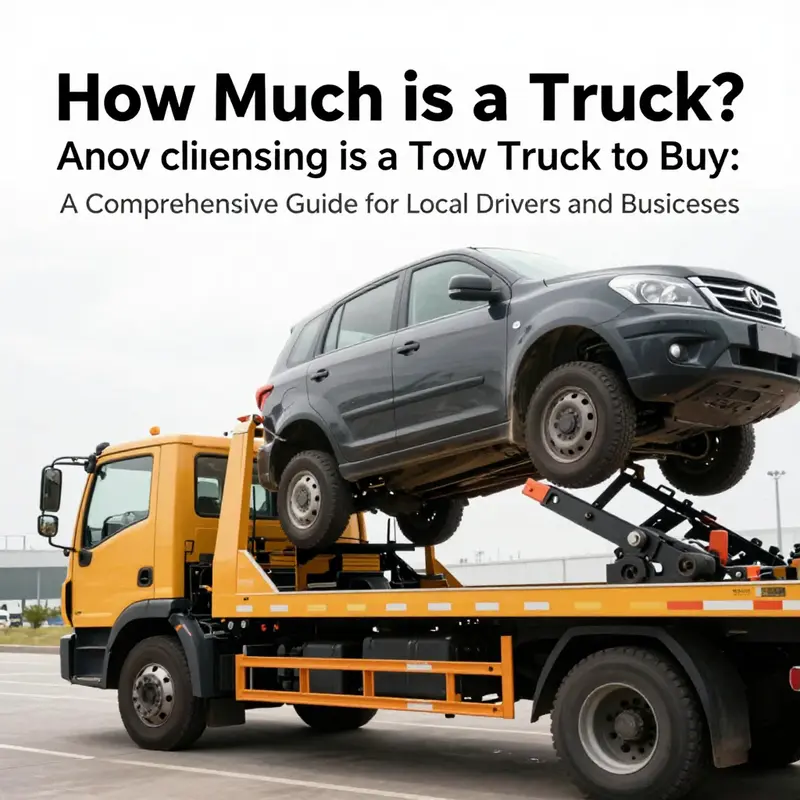
Choosing to purchase a medium- to heavy-duty tow truck is less about chasing a top-end price and more about matching capability to daily demand, uptime expectations, and the realities of the routes a fleet serves. The medium-to-heavy segment covers recovery tasks that stretch beyond city streets and light-duty loads. It is where propulsion, resilience, and recoveries of larger vehicles converge with safety margins, fuel efficiency, and long-term maintenance costs. The market recognizes this, and prices reflect a broad spectrum. The base price for a medium- to heavy-duty tow truck typically lands somewhere in the neighborhood of sixty thousand dollars to well over two hundred thousand dollars, depending on manufacturer choices, model family, and a constellation of specifications. This wide spread is not a single flaw in the market; it is the result of deliberate engineering decisions that align with specific operational needs. The most influential cost drivers sit at the heart of the vehicle: the recovery system, the drivetrain, the chassis, and the array of safety and communications features that enable responders to work efficiently and safely under pressure. For many operators, the decision is not simply about the sticker price but about total value—how the truck performs, how often it is down for maintenance, and how well it adapts to the tasks at hand. In evaluating these machines, operators must translate the initial purchase into a long-term capability profile that supports both daily duties and the unexpected emergencies that define a successful tow operation. One of the clearest levers on price is the recovery system itself. Flatbed tow trucks, with their heavy-duty platforms and integrated loading mechanisms, offer unmatched lifting flexibility and the ability to handle a wide range of vehicle shapes and sizes. They are widely favored in city limits and for responders who must quickly place a damaged vehicle onto a platform before transport. But this versatility comes with a cost: higher purchase prices, more complex maintenance, and greater operating costs, due in part to heavier components, longer wheelbase configurations, and the need for robust hydraulic and control systems. In most urban contexts, flatbeds also require more space for operation and parking, which translates into strategic considerations about garage space, access lanes, and maneuverability in tight quarters. The alternative—wheel-lift systems—presents a more streamlined, cost-conscious pathway. Wheel-lift tow trucks emphasize a minimalistic approach to lifting and towing, using a fork-like yoke to elevate the vehicle off its wheels. This mechanism reduces weight, simplifies the chassis, and lowers initial costs compared with flatbeds. Wheel-lift configurations can be surprisingly effective for a range of recoveries, particularly on soft or uneven terrain where wheel placement matters, and for rapid deployments where downtime matters. The trade-off, though, is that wheel-lift systems may require more careful stacking of loads and may not offer the same lifting versatility as a flatbed. The decision between flatbed and wheel-lift is more than a preference; it is a strategic alignment with typical jobs. For fleets that encounter a high proportion of heavily damaged cars, or vehicles that must be transported over long distances, a flatbed often proves worth the premium. For operations that prioritize quick response on mixed-terrain incidents and urban recoveries, a wheel-lift solution can deliver ample capability at a lower upfront price. Either path carries its own maintenance nuances and lifecycle costs, which is why savvy buyers evaluate not just the initial sticker price, but the total cost of ownership over the truck’s service life. The engine and chassis also shape the total cost picture. Medium- to heavy-duty models frequently feature powerbands within the range of several hundred horsepower and a robust drivetrain designed to handle sustained pulling loads and long shifts without overheating or performance degradation. Drivetrain choices—whether a two-axle 4×2 or a heavier 8×4 configuration—signal more than just raw torque. They indicate the weight-bearing capacity, the potential payload in recovery operations, and the degree to which the chassis can accommodate additional equipment such as rotators, additional winches, or heavy-duty wheel-lift attachments. Each upgrade in drivetrain or chassis strength typically nudges the price upward, but it also expands the range of vehicles a tow crew can recover and relocate without swapping equipment mid-shift. Settings with high demand for long-distance transport often justify higher upfront costs because the vehicle can work more hours in a day and cover more miles with fewer additional units, thereby improving overall fleet efficiency. Alongside core mechanicals, the added value comes from safety and communications packages. Modern tow trucks increasingly integrate a suite of safety systems—winches with higher rating, advanced brakes, axle pads, and towing dollies—that help prevent secondary incidents during recoveries. Each extra layer of protection adds to the investment but pays dividends in reduced risk, faster incident resolution, and potential insurance savings. Communication systems—light bars, alarms, radios, and dashboard interfaces—are essential for coordinating roadside activity, especially when responding to emergencies or traffic flow disruptions. The cost implications of these features are not small; they contribute to both upfront price and ongoing operation costs. Specialists who tailor a vehicle for specific applications—such as long-haul recovery, heavy-duty industrial towing, or multi-vehicle incidents—often incur further costs for customization, extra training, and safety certifications. Each customization raises the price, but it can also yield better uptime and fewer delays when every minute on the scene matters. For any buyer, the path to a well-balanced purchase flows through a few core questions: What is the typical vehicle mix that the fleet handles? How frequently do jobs require long-distance transport or rugged terrain? How critical is rapid deployment, and how often do technicians operate at or near capacity? The answers guide whether to invest more upfront for a flatbed with advanced safety gear or to adopt a lighter wheel-lift configuration that minimizes costs while preserving critical functionality. The numbers that frame this decision are instructive. A broad view of the market positions base prices for medium- to heavy-duty tow trucks from around sixty thousand dollars to beyond two hundred thousand dollars. This broad range reflects not only the hardware but the intended lifecycle—its durability, its potential uptime, and the extent to which maintenance and upgrades are integrated into the purchase. It is essential to acknowledge that the initial price is merely the opening chapter. The total ownership cost unfolds over years of operation, including routine maintenance, parts, fuel consumption during long hauls, insurance premiums tied to risk exposure, licensing, and the ongoing training required to keep crews compliant with evolving regulations and best practices. The price tag, then, becomes a proxy for a broader set of commitments and expectations. The decision to buy into a particular configuration should be anchored in a careful assessment of utilization and geography. A fleet operating primarily in congested urban corridors with frequent tight turns benefits from a moderately sized chassis and a flexible wheel-lift system that minimizes space usage while preserving reliability. Conversely, a fleet serving rural routes, industrial plants, and larger commercial fleets may justify the heavier upfront expenditure for a robust flatbed with a high-capacity winch—capable of handling oversized loads, heavy damage scenarios, or complex multi-vehicle recoveries. In practical terms, operators should examine a balance between upfront price and downtime risk. A higher-grade flatbed, with a strong safety package, may reduce the likelihood of on-scene delays and equipment failures, even if its initial price is steep. A leaner wheel-lift option can deliver strong return on investment when the daily routine involves numerous quick recoveries where uptime is critical but the range of loads remains within the system’s limits. The broader cost calculus also touches on daily operating costs. Fuel consumption naturally increases with heavier drivetrains and larger engines, while maintenance costs rise with more complex hydraulic systems and larger tires. Insurance costs reflect the hazard profile of larger towing assignments, and training costs capture the time needed to certify operators for specialized recoveries, safety protocols, and, in some cases, long-haul transport compliance. For a fleet evaluating its options, the internal alignment with broader organizational standards matters as well. The deployment of a new medium- to heavy-duty tow truck must fit within a framework of standardization, maintenance planning, and emergency-readiness. In this regard, integrating the vehicle into a pre-existing fleet architecture helps manage capital outlays, ensures consistent repairs, and reduces downtime during critical incidents. The importance of standard operating procedures and readiness cannot be overstated; a decision that extends beyond the vehicle and into the surrounding ecosystem—the training, the spare parts inventory, and the service support network—often defines the long-term success of a purchase. This is why many operators consider a holistic view that includes not only the truck but the accompanying ecosystem. As part of this approach, it can be wise to examine how the new asset will interact with other fleet assets, how maintenance is scheduled to minimize downtime, and how the crew is trained to maximize the return on investment. It is not unusual to see a heavy-duty tow truck purchased with an eye toward future expansion—anticipating a time when additional units, trailers, or specialized attachments will be required to meet growing demand. In such cases, the price guidance of sixty thousand to two hundred thousand dollars becomes a framework rather than a hard ceiling, allowing operators to budget for phased upgrades or modular configurations. Within this framework of choice, it is prudent to consider the non-tangible elements that influence the decision as heavily as the price tag. The perceived reliability of a given configuration, the ease of obtaining parts and service, and the vendor support network all shape the whole-life cost. A vehicle that is easier to repair and that has a readily available supply chain for parts can offset a higher initial price with superior uptime. Conversely, a choice that relies on custom components with limited service networks can impose hidden costs when outages occur far from a maintenance hub. For readers seeking a concise anchor on the financial landscape, the key takeaway is that a middle-of-the-road choice—neither the most expensive, nor the most minimalist—often offers the best balance of capability, reliability, and total cost of ownership. It is critical to translate this balance into a concrete plan: map expected job types, estimate annual miles and duty cycles, quantify the value of reduced downtime, and align the purchase with the fleet’s readiness and maintenance capabilities. The objective is not simply to buy a larger or more expensive truck but to secure a unit whose capabilities match the operational tempo while staying within a sustainable budget. When this alignment is achieved, the investment can yield dividends through faster response times, fewer on-scene complications, and a smoother path to regulatory compliance. For readers who want a more rounded view of ownership costs, including maintenance and lifecycle considerations, a broader guide offers deeper context on the financial contours of tow-truck ownership. It provides a structured approach to evaluating total ownership costs, beyond the initial price tag, and can be a valuable companion as fleets grow and adapt to evolving service demands. fleet-standardization-emergency-readiness is a practical touchstone in this planning, underscoring how standardization and preparedness help translate capital expenditures into dependable service delivery. For further external insight into the complete cost picture, a comprehensive external resource is available that delves into ownership costs and long-term financial considerations for prospective owners: https://www.towtruckguide.com/ownership-costs-complete-guide/.
Tow Truck Buying in 2026: Navigating Heavy-Duty Costs, Capabilities, and ROI
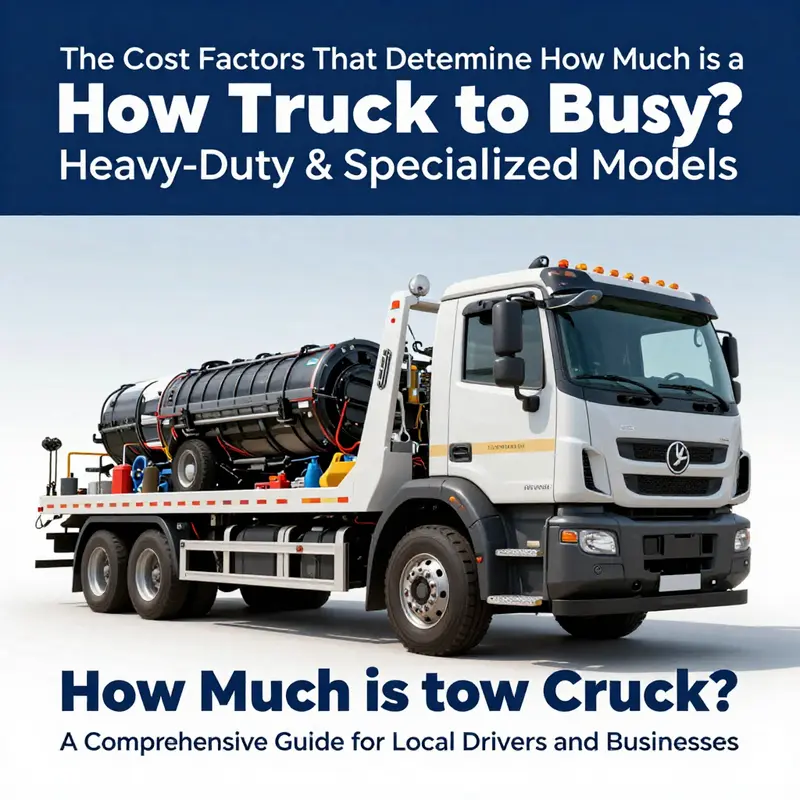
Buying a tow truck isn’t simply a matter of sticker price. It’s a careful balancing act between what a vehicle can do, how often it will be used, and how long it will stay productive in a demanding industry. As of early 2026, the market for tow trucks shows a broad spectrum of prices that reflect differences in size, capacity, drivetrain, bed design, and the exact recovery tools installed. The same model line can begin life at a price in the low tens of thousands for a compact, light-duty unit and surge well above six figures for a rotator with heavy-duty capabilities, sophisticated hydraulics, and high-end safety systems. For operators planning to purchase, the challenge is not simply to find the cheapest option, but to determine which configuration delivers the strongest return on investment over the truck’s life. The numbers in today’s market tell a precise story about where value hides in the spectrum of tow trucks, from the urban-friendly light duties to the specialized heavy hitters that gridlock-stopping fleets rely on in emergencies and major recovery missions.
A practical market snapshot helps anchor this discussion in real-world decisions. In the light-to-light-medium range, 5- to 8-ton tow trucks dominate local and urban towing work. These units typically price from about $18,000 up to $29,000, depending on configuration, engine power, hydraulic systems, and the quality of the chassis. For smaller, code-compliant wreckers that still pack a solid winch, the price often sits in a narrow band around the high $20,000s, with some configurations dipping toward the lower end if buyers pursue simpler setups or older platforms. The range reflects not just the raw ability to tow, but the reliability of components and the availability of parts and service in the operator’s region. When you size up a 5-ton to 8-ton setup, you’re generally looking at equipment designed for light recoveries, expert positioning in tight urban spaces, and safe handling of low-clearance or AWD vehicles that demand careful loading without ground contact.
If you scale up to medium and heavy-duty work—15 to 30 tons—the cost structure changes in meaningful ways. A typical 15-ton flatbed rollback, valued for its ability to transport all-wheel-drive cars with minimal ground contact, starts at roughly $15,500 and can rise to about $29,000 depending on bed hydraulics, control systems, and overall build quality. A broader class of recovery vehicles with higher lifting and winching capabilities can push prices higher, particularly when the configuration includes stronger winches, reinforced anchoring points, and advanced stabilization features. For buyers considering even larger payloads, the 50-ton range and beyond becomes the realm of 8×4 drive layouts and heavy-duty construction. In this segment, price points commonly run from the low $20,000s up to the mid-$30,000s, depending on options like multiple winches, enhanced safety equipment, and the durability of the chassis and drivetrain. The key takeaway is clear: for mid- to upper-range work, you’re paying not just for a bigger machine, but for a platform designed to endure frequent, professional-grade recoveries across varying terrains and weather conditions.
The heavy-duty and specialized end of the market—comprising 40- to 50-ton capacity and 8×4 configurations—demands a much different investment profile. You’ll find the robust, purpose-built machines that support major accident response, off-road recoveries, and heavy transport operations priced in a higher bracket. Typical listings show these vehicles ranging from roughly $40,000 to $70,000, with the upper end reserved for fully optioned platforms that include rotator capabilities, high-capacity hydraulics, and premium safety features. Some listings outside this band can appear mispriced or refer to components rather than the whole truck; such cases should trigger cautious due diligence. Realistically, when you’re contemplating a full heavy-duty single-vehicle solution with the power, reach, and reliability needed for high-stakes recovery work, the investment aligns with the capacity to generate throughput in demanding environments, minimize downtime, and maintain safety standards that satisfy regulatory and insurance expectations.
Beyond these baseline price ranges, the true cost of ownership is shaped by several cost factors that compound over a truck’s life. Among the most influential is the towing mechanism itself. Rotator tow trucks, with rotating booms and 360-degree maneuverability, are among the most capable yet most expensive options. They enable complex recoveries—from overturned vehicles to precarious hillside incidents—and they require precision engineering, advanced control systems, and rigorous maintenance. It’s not unusual for rotators to carry price tags in the six-figure territory, reflecting both specialized capability and the heavy-duty service framework that support them. In contrast, standard wreckers and flatbeds emphasize reliability and simplicity. A flatbed, especially one with hydraulics that tilt and extend to place a vehicle on the bed without dragging it along the ground, can be more expensive upfront than a basic rollback—but it often pays for itself over time through safer vehicle transport and reduced wear on customers’ cars.
The bed or transport system itself is another decisive factor. Flatbeds are prized for protecting low-clearance vehicles and AWD models, and their hydraulic systems, sensors, and control interfaces add to the up-front price. The design quality and precision of these bed systems influence maintenance costs and downtime, two critical components of long-term value. A simple, robust bed may cost less at purchase but can lead to higher risk and costs later if it lacks the precise movement controls needed for delicate handling of expensive or specialized vehicles. Conversely, a high-end bed with sophisticated hydraulics and fine-tuned control logic often demonstrates lower risk and longer service life, contributing to a lower lifetime cost per tow when uptime is factored into revenue. The economics of bed design thus hinge on the mix of vehicles that the operator serves, not merely on the bed’s price tag.
Feature sets also push up the entry price. Heavy-duty models arrive with high-capacity winches, reinforced straps, axle pads, and towing dollies designed for safely securing large or heavy vehicles. Safety and visibility equipment—such as professional-grade light bars, loud alarms, and robust communications systems—are common in commercial and emergency-response units. Each of these items adds to the upfront cost but also to the unit’s reliability, compliance with safety regulations, and readiness to operate in high-stress environments. The presence of such features can translate into operational advantages, including faster response times, fewer accidents, and better compatibility with dispatch requirements, which in turn affects revenue potential.
Brand reputation and serviceability round out the big-ticket considerations. In markets where certain manufacturers maintain strong dealer networks, spare parts pipelines, and rapid service availability, buyers may encounter a premium price. Yet these advantages frequently translate into higher resale value and lower downtime, two crucial factors for fleets that depend on near-continuous operation. In 2026, the market shows a sustained premium on reliability and performance—especially for units intended for infrastructure support or emergency response—where downtime bears a direct opportunity cost in addition to maintenance expense.
The day-to-day economics of owning a tow truck flow into a broader picture that includes fuel efficiency, routine maintenance, insurance, and the potential for warranty coverage. Heavier, more capable machines typically demand more power, more complex hydraulic systems, and more durable drivetrains, all of which can influence fuel consumption and maintenance intervals. Warranties and service contracts become particularly valuable for high-cost units, providing predictable operating expenses and reducing the risk of unexpected repair bills. For operators evaluating a purchase, a useful rule of thumb is to compare not just the sticker price but the total cost of ownership over five to seven years, including expected mileage, average utilization, and the cost of downtime. In markets where insurance premiums scale with payload and vehicle value, higher-priced units may incur higher premiums, but the correlation often aligns with the level of risk management those units deliver on the road.
Where does that leave a buyer who wants to buy smart rather than merely buy big? The answer rests on aligning the truck’s capabilities with the operator’s service mix and geographic realities. A small, agile unit can excel in dense urban districts, performing quick winches and safe, ground-free transport for a steady stream of local vehicles. A mid-range flatbed or rollback offers a versatile balance of load protection and road speed, suited to regional fleets that handle a mix of light and moderately heavy recoveries. For operations that handle rollover recoveries, heavy vehicle transports, or incidents in rugged terrain, a rotator-equipped unit or a high-capacity heavy-duty wrecker becomes the right tool—one that can responsibly manage complex scenarios when seconds count. In all cases, thorough due diligence is essential: evaluating the truck’s build quality, the availability of spare parts, the strength of the service network, and the long-term compatibility of the unit with the fleet’s dispatch and safety protocols. It’s not just about the initial price tag; it’s about ensuring the asset reliably delivers the performance, safety, and uptime needed to keep customers moving and the fleet profitable.
A practical way to think about this is to frame the purchase through a lifecycle lens. If you expect to operate the truck for seven or more years with high utilization, invest in a robust platform with proven serviceability and a strong safety suite—even if the upfront price is higher. If your operation is lean, with tight margins and limited downtime tolerance, leaning toward a simpler configuration with strong maintenance support can minimize risk while preserving cash flow. The rules of thumb hold across regions and fleet types: the most expensive trucks are not always the best investment if their cost structure outstrips the revenue they enable. Conversely, a well-mattered, properly configured unit can deliver a rapid and measurable return when it reduces downtime, speeds recovery operations, and improves customer satisfaction—all of which contribute to repeat business and word-of-mouth growth.
For readers seeking deeper context on industry practices and fleet readiness, you can explore broader industry perspectives at the Santamaria Tow Truck Blog, which provides ongoing commentary on fleet standardization, emergency-readiness, and the lifecycle of heavy-duty recovery vehicles: santamariatowtruck.com/blog/.
As you weigh the numbers, remember that a realistic budget should include a buffer for unexpected repairs, hydraulic wear, and routine replacement parts. In addition, if you plan to finance, the interest rate environment and loan terms will influence the overall cost of ownership. Shaping a procurement plan around the projected maintenance window, uptime targets, and potential revenue per tow will help you translate sticker price into a tangible ROI metric. The market as of March 2026 supports a wide spectrum of configurations because the demand for specialized recovery capacity continues to rise with infrastructure investments and the growing emphasis on emergency-readiness. That means buyers who take time to map their workload, geographic coverage, and service commitments to a specific chassis, bed design, and toolset are likely to secure a vehicle that performs consistently, minimizes risk, and supports a sustainable business model for years to come.
External reference to deepen an understanding of current pricing and model options can be found through industry resources that maintain up-to-date specifications and pricing frameworks for heavy-duty recovery equipment. For detailed pricing and technical specifications on current models, see the broader manufacturing ecosystem at the official industry resource: https://www.haulmark.com. While the specifics of individual configurations will vary, this external source reflects the kinds of capabilities and safety standards that buyers should expect when evaluating heavy-duty or specialized tow trucks.
Tow Truck Purchasing Today: Reading Market Prices, Capacity, and Practical Tradeoffs
Prices for tow trucks can look straightforward at first glance, but a closer look reveals a spectrum that mirrors the work they’re built to perform. As of March 2026, buyers face a market where a light-duty tow truck can cost a fraction of a heavy-duty recovery unit, yet both categories play essential roles in an efficient, responsive fleet. The broad spread in price reflects differences in size, capacity, drivetrain, and the work environment the vehicle is designed to handle. A small 5-ton or so wrecker built for urban or roadside assistance is priced in the lower end of the spectrum, while a robust 40- to 50-ton heavy-duty wrecker, built to handle major accident recoveries and heavy transports, commands a much higher price. The numbers are not merely a reflection of raw power; they also capture the complexity of the equipment, such as hydraulic systems, winch capacity, wheel lifts, and safety features, all of which contribute to the total cost of ownership. In this chapter, we’ll chart the pricing landscape, explain what drives those prices, and offer a grounded view of how to weigh a purchase against the needs of a towing operation, all without getting lost in brand names or marketing claims that don’t translate to everyday usefulness.
To begin, buyers should segment the market by capacity and the typical job profile the truck will serve. Light- to medium-duty units, roughly in the 5- to 8-ton range, are the workhorses of urban towing, roadside assistance, and small-load recoveries. In this segment, the reported price range runs from roughly eighteen thousand dollars to about forty thousand dollars for a single unit, depending on configuration. It’s not unusual to see a lean, no-frills 5-ton model priced toward the lower end, while a more feature-rich version with a winch, wheel lifts, and enhanced safety packages sits nearer the upper end of the range. A practical way to think about this tier is to compare it to a well-equipped pickup truck: you can buy a reliable, basic setup around the mid-to-high teens, but once you add recovery-specific equipment and safety systems, the price climbs quickly toward the low-to-mid forties. This is the range most local operators, municipal light-duty fleets, and roadside assistance companies wrestle with when planning a first purchase or a small upgrade.
Moving up to the mid-range category, 15-ton to 30-ton units mark a transition from urban, stop-and-go work to more demanding recovery tasks that routinely involve larger vehicles and heavier loads. In the datasets available as of early 2026, a 15-ton flatbed rollback configuration commonly starts near the mid-teens in thousands and can extend into the high twenties. A 15-ton class vehicle is often used for longer service routes, heavier wheel-lifts, and more substantial towing jobs, yet it remains accessible for fleets that don’t require a full 50-ton heavy-duty recovery capability. The price ceiling in this tier reflects not just the chassis and drivetrain, but also the sophistication of the hydraulic system, the stability of the rollback mechanism, and the reliability of the winch, all of which affect serviceability in day-to-day operations. In practical terms, buyers exploring this segment should expect a baseline around the low to mid twenty-thousands, with substantial variation based on options and the sourcing channel. A mid-range 15- to 30-ton model can be a compelling choice for regional operators, mid-size fleets, or shops looking to broaden service offerings without jumping to the largest, most expensive machines.
The heavy end of the market—40 to 50-ton wrecker trucks with eight-wheel drive—commands significantly higher prices, driven by the demands of major accident recovery and the rigors of heavy transport work. In 2026 market activity, the price band for these machines typically runs from about forty thousand dollars to as high as seventy thousand dollars per unit. The wide spread reflects several factors: more capable engines and transmissions, longer wheelbases for stability under heavy loads, robust hydraulic circuits, high-capacity winches, multiple axles, and reinforced chassis. Buyers should also expect more sophisticated safety and control systems, better payload management, and the potential for specialized configurations such as multi-axle recovery rigs. It is not uncommon to encounter listings or advertisements with even lower price points that sound too good to be true, or to see mispriced entries that reflect partial builds, import quirks, or incomplete specifications. This highlights a crucial rule of thumb: the cheapest option in a high-capacity category is rarely the best long-term choice for a demanding operation.
From a planning perspective, the price dispersion makes it clear that the first step in any purchase is to align capacity with the actual workload. For a fleet operator facing regular calls that involve mid-size to heavy vehicles, a 15- to 30-ton unit may deliver the right balance of capability and operating costs. In contrast, for major recovery tasks and hazardous environments, a true 40- to 50-ton eight-by-four chassis is typically the prudent investment, provided there is a clear ROI calculation that accounts for increased uptime, faster response times, and reduced risk of secondary damage during recoveries. In all cases, it’s essential to distinguish what is included in the base price from what is added as optional equipment. Key add-ons often include high-capacity winches, towing dollies, advanced wheel-lift systems, backup cameras, enhanced lighting, and comprehensive safety packages. These options can push the final price well beyond the base figure, but they also drive reliability, operator safety, and efficiency on the road.
The variation in pricing is not solely a function of capacity. Drivetrain configuration, engine power, and the quality of components all play a meaningful role. Higher-horsepower powertrains, longer service life components, and more capable hydraulic systems translate into better performance in tough recovery scenarios, but they come at a cost. The price delta between a basic, work-ready unit and an upgraded model with more powerful hydraulics and a broader set of recovery tools can be substantial. Buyers should negotiate not just the sticker price, but the total cost of ownership, which includes expected maintenance, spare parts availability, and the cost of downtime. A robust warranty, dealer support, and ready access to service networks often determine the true value of a more expensive unit over the life of the vehicle.
Another layer in the price equation concerns logistics and procurement practices. Import or shipping costs are seldom included in the unit price, and these fees can vary with destination, duties, and the chosen freight method. For buyers purchasing from international suppliers, it is essential to factor in export documentation, import taxes, currency risk, and potential duties. Payment terms and guarantees can also influence the overall cost, as platforms offering buyer protection or escrow services may add a small premium but can reduce risk in cross-border transactions. Buyers should therefore request a transparent breakdown that clearly separates the base price, optional equipment, shipping, duties, and any service or financing charges.
Beyond the price itself, the market also reflects a spectrum of supplier ecosystems. Some buyers encounter a range of configurations from multiple manufacturers, while others rely on brokers or regional distributors who can consolidate options and simplify negotiations. In any case, a careful vendor evaluation is worthwhile. It’s wise to request detailed specifications, including engine horsepower, transmission type, torque curves, hydraulic pressure ratings, winch line speed, and safety features such as stability control or automated braking assist for towing operations. A well-defined specification sheet helps prevent feature creep—where a seller adds features that do not significantly improve operational outcomes but inflate the price. For buyers who want to anchor their decision to broader fleet strategy, there is a useful resource on fleet standardization and emergency readiness that explains how to align vehicle acquisitions with larger operational goals. See Fleet Standardization and Emergency Readiness for more on how to harmonize equipment choices with organizational needs. https://santamariatowtruck.com/fleet-standardization-emergency-readiness/
In reading these price bands, it’s also important to acknowledge the practical realities that accompany a purchase. For one, many buyers may encounter mispriced or misleading listings, especially in markets with varied supply chains. There have been reports of unusually low prices in listings for high-capacity units; these should be treated with caution as they often reflect partial builds, incomplete references, or misinterpretations of the unit’s true capabilities. Diligence is essential: request detailed photos, confirm the mechanical condition, verify the presence of critical systems, and seek third-party inspections if possible. Likewise, verify that the listed price excludes or includes shipping and import duties, as these figures can materially change the overall investment.
With price ranges understood and the risks of mispricing in view, buyers should calibrate their expectations against the total cost of ownership. Beyond the initial purchase price, maintenance and spare parts are a major consideration. Availability of service networks, the ease of obtaining replacement parts, and the cost of routine maintenance plans can determine the long-term value of a given model. A unit that costs a bit more upfront but enjoys easier access to qualified technicians and affordable parts may prove more economical over the years than a cheaper option with limited support. For fleets operating across multiple locations, regional service capability becomes a critical factor, influencing not only uptime but the predictability of maintenance budgets.
A final dimension to consider is the decision between new and used equipment. New units offer the latest features, the certainty of factory warranties, and the assurance of known maintenance histories. Used units, by contrast, may present a favorable upfront price but require careful due diligence to assess remaining service life, remaining warranty coverage, and potential hidden problems. The decision will hinge on the operator’s risk tolerance, cash flow, and the anticipated horizon for the return on investment. A prudent approach is to establish a detailed total-cost-of-ownership model that includes depreciation, maintenance forecasts, expected down time, and the probability of major component failures.
As you plan a purchase, it helps to imagine the procurement as part of an ongoing fleet modernization program rather than a one-off transaction. This mindset encourages you to think about how the new unit will integrate with existing devices and procedures, how it will affect response times, and how training for operators and maintenance staff will align with the new capabilities. It also invites consideration of the broader resilience of the organization. A well-planned acquisition, paired with a robust maintenance program and a clear understanding of total cost of ownership, positions a towing operation to perform more consistently under pressure, whether it’s weather-related emergencies or high-demand periods that stress response capacity. For readers seeking further context on how these strategic considerations fit into fleet planning, explore related articles that discuss emergency response readiness and standardization in heavy-duty rescue operations, as well as how to integrate such changes into ongoing fleet management. https://santamariatowtruck.com/standardization-in-heavy-duty-rescue-operations/
Finally, to ground this exploration in widely recognized reference material, a general external resource can provide broader background on the tow industry and vehicle classifications. For readers who want to cross-check technical definitions and industry norms, the Tow Truck article on an established reference site offers foundational context about the role, capabilities, and evolution of these vehicles: https://en.wikipedia.org/wiki/Tow_truck.
In sum, buying a tow truck today means weighing capacity against cost, balancing new technology against reliability, and aligning equipment choice with the broader goals of service quality and fleet readiness. The price you pay reflects not only the size of the machine but also the confidence you have in maintenance support, the reliability of the mechanical systems, and the degree to which the purchase aligns with your longer-term operational strategy. A thoughtful buyer will translate the sticker price into a broader forecast that captures uptime, safety, and the capacity to respond decisively when every minute counts. And with a disciplined approach to due diligence, you’ll find that the most economical choice over the life of the asset is not always the cheapest option at the point of sale. It is, instead, the configuration that best supports your team’s needs, the realities of your operating environment, and the resilience of your service delivery in the face of unpredictable demand.
Final thoughts
In conclusion, understanding how much a tow truck costs to buy entails navigating through various options, capacities, and specialized features tailored to your needs. From light-duty trucks that are perfect for urban towing to heavy-duty models capable of handling complex recovery operations, each type presents unique pricing structures influenced by various factors. As you proceed with your towing solution exploration, consider both current market trends and the specific requirements of your operations. This understanding will ultimately guide you towards making an informed decision that aligns with your towing needs and budget.