
Tipping tow truck drivers can often be confusing for drivers, auto repair shops, property managers, and homeowners’ associations. While it’s not mandatory for AAA services, understanding when and how much to tip can greatly enhance your roadside experience. In this comprehensive guide, we’ll explore the basics of service costs, delve into customer satisfaction, identify the appropriateness of tipping, evaluate the quality of service, and consider regional variations. Each chapter will equip you with the knowledge to navigate the nuances of showing appreciation to your tow service, ensuring you maintain cordial relationships with those who help you in tough times.
Decoding the Subtle Etiquette: How Much to Tip a AAA Tow Truck Driver Without Undermining the Prepaid Promise
Emergencies on the roadside put you in a hurried space where every decision feels weighted by time and safety. A spare moment to consider gratuity might seem out of place when your car won’t start, your hazards are blinking, and the tow chain clanks into place. Yet the question of tipping a AAA tow truck driver often lingers after the engine stops and the first wave of relief arrives. The reality is both simpler and more nuanced than a standard rule of thumb: tipping is not expected or required for AAA services, because much of the cost is tied to a prepaid membership or a contract framework. Still, a gesture of appreciation can feel right when a driver goes beyond the call of duty. Understanding when to tip, and how much, rests on clear context rather than rigid habit. It also helps to know what governs the price you’re paying in the first place, so you can respond with confidence rather than reflex when the bill lands.
AAA’s towing structure typically rests on pre-arranged service agreements. Depending on your plan, some towing services may be included at no extra cost, while others involve a set service charge or mileage-based fee. The nuance matters because it shapes expectations. If you’re operating under a plan that already covers towing, tipping becomes a discretionary act rather than a necessity. In practice, that means you’re deciding whether to acknowledge exemplary service with a gratuity, rather than subsidizing a covered cost. When a driver arrives promptly during a southbound crisis, when they calmly walk you through safety steps, or when they help with tasks that go beyond simply pulling a vehicle onto the tow bed, many people feel compelled to show appreciation with a few extra dollars. The guidelines you find in the official sources emphasize the same point: tipping is not mandatory for AAA tow services, but a thoughtful tip can be meaningful when service stands out.
A practical way to frame it is to think of tipping as a separate, optional token of gratitude for extraordinary service, not as a required extension of the fee already paid. If you’re curious about a numeric rule, many families and travelers default to a modest range. When the service charge is straightforward and the driver has performed with courtesy, professionalism, and patience under stress, a tip in the range of about 10% to 15% of the total service charge is a commonly cited benchmark. This approach aligns with tipping practices in other professional contexts where service decisions are distinct from the base cost. If the total bill comes to, say, $120, a tip of $12 to $18 reflects a portion of the value you perceived in the driver’s handling of the situation. That said, it’s perfectly appropriate to adjust downward if the service was brisk, the scene was hazardous, or your budget is tight, or to adjust upward if the driver fixed a stubborn issue, explained the fault in plain terms, or offered safety guidance that helped you recover control of the situation.
The tension between a prepaid model and a tipping culture can be subtle. The prepaid, contract-based fee structure is designed to simplify billing and ensure drivers are compensated for their work through wages and dispatch arrangements. Yet the human aspect of the job—the reassurance, the technical know-how, the calm demeanor—can still merit recognition. In such moments, a lower tip within the 5–10 dollar range may feel appropriate if the service was solid but not extraordinary, while a higher gesture—closer to the 10–15% bracket or above—might be reserved for services that are especially helpful, time-saving, or technically demanding. In some cases, the service might involve tasks beyond towing alone, such as quickly assessing another issue on the scene, advising on next steps, or coordinating with other responders. These additional efforts can justify a larger tip, provided you feel the driver’s conduct and competence deserved it.
For clarity, it’s useful to remember that tipping remains optional and situational. If you’re aware that your plan includes no extra towing charge beyond the contract, tipping can be a sign of appreciation rather than a payment for services that were already covered. In contrast, if your plan is more traditional in its billing and the driver has spent extra time diagnosing the problem, offering a modest tip is a courteous acknowledgment. What matters most is the receiver’s comfort with the gesture and your own sense of fair exchange after a difficult moment. If you want to align your choice with broader etiquette, consider how the driver handled risk, performed additional tasks, and communicated clearly in the moment of tension. Those factors often weigh more heavily than the exact percentage on a receipt.
When it comes to the mechanics of tipping, straightforwardness matters. Cash remains the most universal and immediate method. It allows you to hand the tip directly to the driver in the moment of service, making the gesture personal and unambiguous. If you prefer not to carry cash, you can inquire whether digital options are acceptable, or you might leave the tip with a supervisor at the roadside assistance company once a receipt is issued. Some drivers appreciate a simple, silent acknowledgment; others welcome a brief note of thanks or a compliment that can be relayed to the company. The aim is to make the intention clear and the recognition respectful, not to press a payment beyond what the situation warrants.
To help frame the broader context, consider the kinds of service that might influence your tipping decision. If the driver assists with maintaining your safety by controlling the hazard, like placing flares, steering your car toward a safer position, or offering practical advice about what to do next, these actions can elevate the value you assign in your mind. If the driver also takes the time to answer questions about the vehicle, clarifies the steps in the towing process, or helps you understand the route to the service facility, these are indicators that the service went beyond the bare minimum. Conversely, if the scene is handled with efficiency but little extra effort, a smaller gesture may feel appropriate. In all cases, the key is to align your tip with your perception of value and the fairness of the exchange, not with a script.
For readers looking to connect this topic with broader decision-making around roadside help, a simple guideline can be found by considering practical risk management. The reliability of the response matters as much as the cost of the service. If a driver arrives promptly, communicates clearly, and stays calm under pressure while handling a potentially dangerous or stressful situation, those are the kinds of behaviors that often justify a gratuity. If safety and direct assistance were limited, your tip might reflect that balance accordingly. And if you want to understand more about recognizing towing-related issues in general, you can explore practical guidance such as how to spot illegal towing techniques. Spot Illegal Towing: Key Signs to Know offers a straightforward, relevant resource to help you stay informed while you navigate service encounters.
Spot Illegal Towing: Key Signs to Know
In sum, the decision about tipping an AAA tow truck driver rests on a blend of policy, performance, and personal values. The official stance makes the tipping of AAA tow services optional, acknowledging that a prepaid or contract-based model underpins the transaction. A tip in the range of 10% to 15% of the total service charge can be reasonable when the service meets high expectations, while a smaller amount, or no tip, remains perfectly appropriate when the service is efficient but routine. Exceptional acts of helpfulness deserve consideration for a larger tip, such as $5 to $10, and in rarer cases you might choose more, depending on the complexity of the scene and the driver’s willingness to go above and beyond. The key is to be polite, appreciative, and mindful of the context—an approach that preserves dignity on both sides and maintains trust in the roadside assistance system.
For deeper guidance on service costs and the broader etiquette around towing services, you can consult official resources on AAA’s towing services pages. These guidelines offer clarity about how services are billed and what customers should expect when they engage with roadside assistance providers. External resource: https://www.aaa.com/automotive/towing-services
null
null
Tow, Tip, and Timing: Decoding When to Tip an AAA Tow Truck Driver
When a tow truck arrives in the middle of a crisis, the moment feels heavy with questions as you gather yourself and assess the scene. The engine is off, the hazards blink, and the driver steps out with a calm efficiency that can turn a broken day into a manageable one. In those minutes, tipping becomes a topic that lands somewhere between gratitude and practicality. The core reality, grounded in the standard practices of roadside assistance programs, is simple: tipping is not required or expected for AAA tow services. AAA members purchase a plan that covers certain services, and the crew is generally paid a salary or hourly wage that does not hinge on tips. Yet, people often wonder if there is a threshold at which a tip feels appropriate, how much to give, and when it might be best to offer a small gesture of appreciation. The answer, while nuanced, can be approached with a steady logic that respects both the driver’s professionalism and the realities of your own circumstances when you’re stranded on the side of the road.
A useful starting point is to separate the two layers of the question: the expectation and the gesture. Expectation, in the context of AAA towing, is that the driver will complete the job in a professional manner, provide safety-related guidance, and conduct the service efficiently. A gesture of tipping—if you choose to offer one—should reflect your level of satisfaction with the service, not be an attempt to influence the outcome of the call itself. This distinction matters, because it protects the integrity of a standardized service model while preserving room for personal appreciation. In practice, many drivers will accept a tip graciously, but you should never feel obligated. The emphasis remains on respectful, straightforward communication and recognition when the service has gone beyond the expected.
From there, the numbers come into focus. The commonly cited range for tipping an AAA tow truck driver is roughly 10% to 15% of the total service charge. This guideline mirrors broader tipping etiquette for professional roadside assistance, where the service is performed quickly, safely, and with a problem-solving mindset. If the bill for the tow is, say, $120, a tip in the range of $12 to $18 would be reasonable, assuming you felt satisfied with how the driver handled the situation. It is important to note that some plans or promotions within AAA can affect pricing, and your member agreement may specify that certain towing services are included at no extra cost. Before you reach for your wallet, take a moment to review your plan’s terms or the receipt you received at the scene. If a prepaid or included-tow service appears on the bill, tipping might be less appropriate, and in some cases not needed at all. In that context, tipping becomes a discretionary sign of appreciation rather than a required component of the service.
The reality that AAA operates under a standardized national model adds another layer of predictability. The drivers are part of a structured network, and their compensation is designed to reflect regular pay rather than tips. This setup helps ensure consistent service across regions and avoids a bargaining dynamic that could complicate roadside assistance. Yet the human element remains central. A driver who arrives during a late-night breakdown, who calmly explains options for securing the vehicle, or who goes beyond the obvious duties to help with a stubborn lock or a confusing set of gauges can make a lasting impression. In those moments, a small tip—perhaps $5 to $10—can feel like a meaningful acknowledgment of extra effort and courtesy. It should never be construed as payment for basic service, but rather a token of appreciation for handling a tense situation with care. The distinction matters, because it preserves trust in the service model while allowing for human generosity when it is genuinely warranted.
You might also encounter towing services that operate under different policies than a nationwide program. Some local operators have unique tipping norms or internal guidelines about how drivers should handle tips. Because AAA’s model is designed to be standardized, tipping can feel more optional than mandatory, which invites thoughtful consideration. If you’re unsure about a particular policy, it is reasonable to ask the driver or call the AAA service line to confirm whether tipping aligns with your plan’s terms. Being transparent about your intentions—whether you’re tipping or not—helps keep the interaction respectful and straightforward. You can also consider the broader set of actions you can take to show appreciation beyond money. A sincere thank-you, a brief note in the driver’s log, or positive feedback to the service center can reinforce the quality of the experience without adding financial pressure.
In practice, the decision to tip often hinges on the broader context of the call. If the breakdown occurs in a high-stress environment, such as late at night on a deserted road or in a harsh weather setting, many people feel more compelled to acknowledge the driver’s endurance and professionalism with a modest gesture. If the driver stays with you long enough to offer safety advice, helps you locate a safe parking area, or patiently assists with additional tasks, those are exactly the moments when a small tip can feel appropriate. The amount, when given, should be scalable to the level of service and your own ability to pay, rather than a rigid requirement. In that sense, tipping becomes a flexible expression of gratitude rather than a fixed protocol.
Another practical dimension to consider is the overall cost and value of the service. Even if the sticker price on the tow is modest, the emotional cost of being stuck can be high. The driver’s ability to restore a sense of control—by explaining the next steps, offering rental information, or coordinating with another travel plan—can influence your sense of compensation. In those circumstances, a lower tip might better reflect balanced generosity, while a higher tip could be reserved for extraordinary assistance. If you’re budgeting for potential emergencies, it can be helpful to set aside a small amount of cash specifically for tipping in roadside situations. This proactive approach keeps you prepared and reduces the stress of weighing the decision in the moment.
For readers who want a deeper, more regional perspective on towing operations and the practical realities of working with tow services, a visit to a local industry resource can be informative. The Santa Maria Tow Truck Blog offers a ground-level view of how drivers handle emergencies, what customers typically experience, and how tips are perceived in a community-setting context. You can explore practical insights from a regional perspective at Santa Maria Tow Truck Blog. This reference is not a directive but a window into everyday decision-making on the road, which can be especially helpful if you want to calibrate your tipping approach to regional norms while keeping the national standards in mind.
No chain of reasoning should feel burdensome in the moment you are faced with a breakdown. If the situation is handled with professionalism and care, a tip can feel like a natural extension of your thanks. If the service feels routine or if the estimate includes charges you perceive as fair and straightforward, you might opt to skip tipping entirely. Either choice is reasonable, as long as it reflects your genuine assessment of the driver’s service and your personal financial situation. Remember that your primary objective on the roadside is safety: to ensure you and your passengers remain secure while the vehicle is attended to by a trained professional. A tip, when offered, should support that objective rather than complicate it. In the end, tipping remains a personal choice, anchored in respect, clarity, and the recognition that a calm, capable response can transform a stressful moment into a manageable one.
For those who want to verify official guidelines and ensure their approach aligns with national standards, it is helpful to consult the broader resources available from the roadside assistance ecosystem. The official AAA guidelines provide the framework within which local practices operate, offering clarity about what is included in a prepaid service agreement and what falls under optional tipping. You can review these guidelines and related information at the AAA website: https://www.aaa.com/automotive/towing-services. Keeping a steady view of these guidelines helps you approach tipping with confidence, rather than feeling pressed to conform to uncertain expectations.
External resource:
- AAA Towing Services – What You Need to Know: https://www.aaa.com/automotive/towing-services
Tipping Tow Truck Drivers within Prepaid Plans: Reading Service Quality
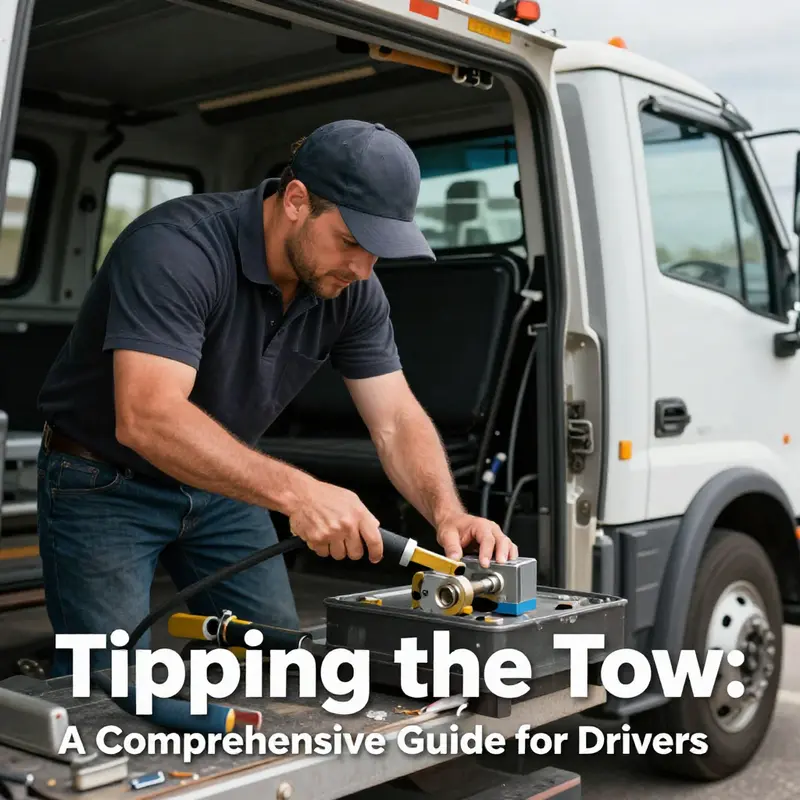
When you’re stranded on the shoulder of a highway, the world narrows to the sound of the engine, the glow of emergency lights, and the calm, practical steps a tow truck driver takes to restore you to safety. In that moment, the question of tipping often arrives not as a rigid rule but as a personal expression of gratitude. The broader context is important: many roadside assistance plans, including those offered through AAA, are built around prepaid benefits that cover the labor and logistics of towing. Tipping, then, is optional and situational—an optional gesture rather than a mandatory fee. Yet the wish to acknowledge good work can be strong, especially when the driver arrives quickly, communicates clearly, and handles your vehicle with care under pressure. This chapter examines how to gauge service quality in those high-stress moments and how to translate that assessment into a tipping decision that feels fair to you and respectful to the professional you’ve just depended on.
In practical terms, there isn’t a universal standard for tipping a tow truck driver within a prepaid program. Regional norms, personal preferences, and the specifics of the call can all influence the choice. The most widely circulated guidance suggests a range—commonly between five and twenty dollars, or, when a percentage is used, roughly ten to fifteen percent of the total service charge. It’s important to keep in mind that the service charge can be a blend of base towing fees and additional costs for things like mileage, winching, or special equipment. Because prepaid memberships often bundle towing as part of the plan, the visible price to the consumer may be lower than a stand-alone service, which can make tipping feel less intuitive. In such cases, the tip should reflect the quality of the experience rather than the sticker price of the dispatch.
The heart of the tipping decision is service quality. A driver who arrives promptly in an emergency speaks not only to the person’s reliability but to the culture of the trade: readiness, professionalism, and the preparedness to adapt to rapidly changing conditions. If the driver explains what they’re doing, outlines the steps needed to secure the vehicle, and communicates clearly about timelines and next steps, these are not merely courteous gestures; they are indicators of competence in a high-stakes environment. Conversely, if the response is slow, if the vehicle is mishandled or left unsecured, or if explanations are vague and hurried, that is information you can weigh in your tipping decision. The environment matters as well—the same service under severe weather, on a remote stretch of road, or at night can test the driver’s stamina, judgment, and communication skills. In those cases, a tip that reflects the extra effort and risk involved is a fair acknowledgment of a job well done.
A subtle but meaningful factor is whether the service required additional time or problem-solving beyond the ordinary. For example, a straightforward tow from a routine location may warrant a modest tip, while a rescue that involved negotiating tricky terrain, coordinating with a workshop, or facilitating a longer transport may justify a larger gesture within your means. The driver who navigates such complications with patience and a steady, transparent approach often earns not only thanks but a tip that aligns with the level of service provided. It’s helpful to view tipping as a thermometer for service culture rather than a fixed compliance mechanism. In other words, you tip in proportion to how well the experience met or exceeded your expectations, given the circumstances.
Beyond the numbers, there is a cadence to how tips are offered and received that communities often observe. Cash remains the simplest and most direct channel for gratuities, ensuring the driver receives the full amount without deductions or delays. If a digital or card-based option is the only method available, take a moment to verify that tipping is permitted through that channel and that the money will reach the driver. Some systems and company policies may limit or structure gratuities in certain ways, particularly for corporate fleets or dispatch networks. In those cases, a sincere, spoken word of appreciation can accompany a small tip, reinforcing the human element of the exchange even when monetary options feel constrained.
Thinking ahead can also ease the decision in the moment. It helps to carry a small reserve of cash for emergencies and to avoid the awkwardness that can accompany a spontaneous tipping discussion under stress. A few dollars tucked away in a wallet can make the act feel spontaneous and genuine rather than negotiated. If cash is scarce, do not force a tip. Your appreciation can be conveyed in other respectful ways—clear thanks, concise feedback to the dispatch team about the driver’s performance, or simply acknowledging the driver’s help in a calm, steady voice as you move forward. The purpose of tipping, after all, is to convey appreciation for competence, empathy, and professionalism under pressure, not to create a moral obligation or dispute about billing.
For readers who want to place tipping within a broader, locally informed framework, practical resources from nearby communities offer nuanced guidance. In many regions, people approach roadside assistance tipping with a blend of generosity and pragmatism shaped by recent experiences and cultural norms. If you’re curious about how communities weigh the balance between service quality and gratuity, local blogs and forums can be a useful window into those conversations. For readers seeking a concrete, local perspective, the Santa Maria Tow Truck Blog provides ongoing insights on tipping expectations in different circumstances, including how drivers perceive gratuities and how residents respond to emergency services in real time. See also: https://santamariatowtruck.com/blog/.
Ultimately, the decision about how much to tip a tow truck driver within a prepaid service is a personal one, anchored in the quality of the encounter, your financial means, and your sense of fairness. It is not a requirement, and good service remains a standard that should not be contingent on tipping. Yet when the driver’s actions significantly alleviate stress, improve safety, or shorten what could have been a lengthy or complicated delay, a tip of five to twenty dollars, or a ten to fifteen percent range of the service value, can feel like a humane, proportional response to a difficult moment. If the service was exceptional—arriving quickly, handling the vehicle with care, communicating with composure under pressure—lean toward the upper end of the range or offer a slightly larger amount if your resources allow. If the experience was routine or the plan’s setup already met your needs, a modest tip or none at all remains perfectly reasonable.
In keeping with the broader discussion of tipping practices, it’s wise to consult official guidance for your area and to verify the specifics of your plan. While prepaid memberships are designed to bundle towing as part of a larger service framework, the guidance from the official guidelines emphasizes that tips are optional and contextual. For readers who want to connect with formal policy, refer to the official AAA guidelines on towing services for the most current recommendations and clarifications: AAA Towing Services – What You Need to Know.
Regional Etiquette and Practical Tips: How Much to Tip an AAA Tow Truck Driver
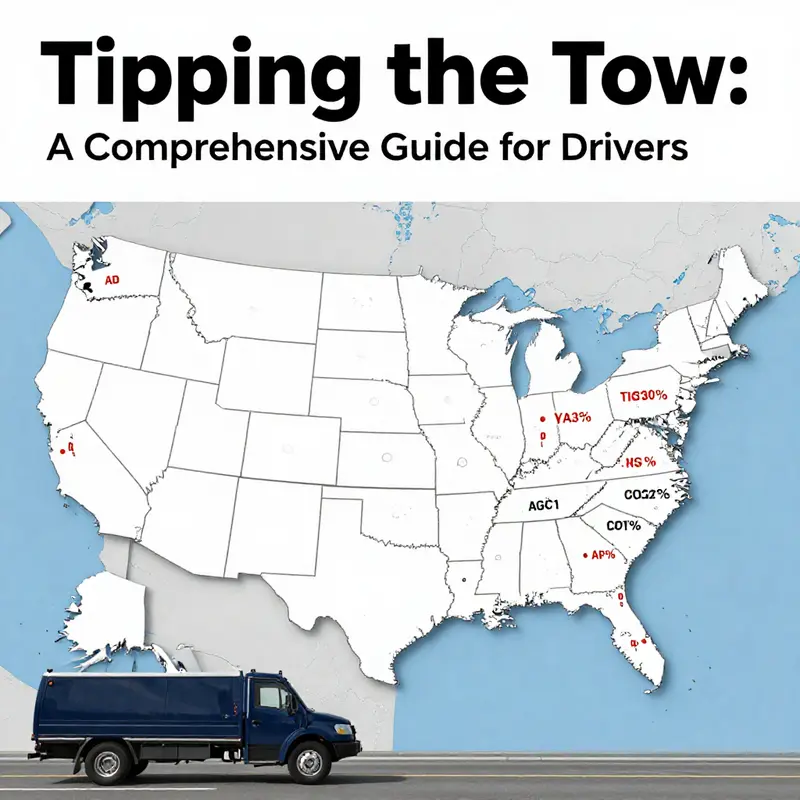
A roadside breakdown is not just a moment of inconvenience; it is a small crisis in need of clarity, safety, and help. In those moments, the question of tipping often arises not from a sense of obligation but from a desire to acknowledge a job well done. When the tow is arranged through a nationwide roadside assistance program, tipping is not a universal requirement. Yet many drivers and customers view a tip as a tangible sign of appreciation for careful handling, transparent communication, and efficient problem solving under pressure. The choice to tip, and how much to give, depends on the service you received and the customs of the place where you found yourself stranded. The practical approach blends a clear understanding of your specific situation with a sense of regional norms, personal finances, and a respect for the driver’s work. If you decide to tip, a modest amount can reinforce goodwill and encourage a willingness to go the extra mile in future encounters, while a simple thank-you note or kind words can also convey appreciation when funds are tight. For many readers, the core question remains: what is fair in a given region, and how can I calibrate my gesture to the service delivered without overstepping the informal boundaries of what is expected or required?
Tipping practices around tow services are shaped by a mix of policy, local culture, and the nature of the assistance provided. It’s important to begin with a core truth: tipping is optional. The membership you hold in a national program often covers the basic service, sometimes at a fixed rate or within a prepaid plan. In such cases, the driver’s primary goal is to complete the task safely and efficiently, with a clear line of communication about what can and cannot be done on site. If the service is simply a straightforward tow from point A to point B, the perceived need for a tip may be smaller or even unnecessary. If, however, the driver goes beyond the minimum, offering extra help, taking time to explain options, or negotiating a tricky recovery in difficult weather or terrain, most people feel a tip is merited. In those moments, the act of tipping becomes a way to recognize effort rather than an obligation tied to the contract or plan.
Geography matters. The regional texture of tipping etiquette is one of the most practical guides you’ll use. In large metropolitan areas—where the volume of service calls is high and drivers frequently juggle multiple tasks—tipping tends to fall within a broader band of generosity. In cities, many customers choose to tip in the range of ten to twenty dollars, particularly when a driver has provided careful handling in a complex towing scenario, has shown patience in explaining the process, or has managed to navigate a congested or hazardous scene with calm professionalism. In rural areas, where the sense of community and direct personal service often runs deeper, a smaller gesture—five to ten dollars—or occasionally, a symbolic note of thanks, can be entirely appropriate. The variance is not simply about money; it reflects differing expectations about the driver’s role, the frequency of service, and the perceived value of the service being delivered.
Across the Midwest, tipping is commonly more tempered. In many parts of this region, tipping is not expected unless the service rises above the ordinary. On the coast and in tourist-rich regions like parts of Florida and California, drivers may anticipate a tip due to the heightened demand and the potential for more challenging conditions during peak travel seasons. The point is not to follow a rigid rule, but to gauge the circumstances. If the driver transports a large vehicle, manages a difficult load, or has to work through adverse weather or a complicated scene, a higher tip can be a fair acknowledgment of the extra effort involved. Conversely, during a routine tow on a calm day with a straightforward recovery, a smaller tip or no tip at all can be reasonable, especially if you’re operating within a strict budget or if the service was priced clearly in advance.
Best practices emerge when you view tipping through the lens of service quality and practical value. Start by assessing the quality of the interaction: Was the driver courteous, communicative, and careful with your property? If the answer is yes, a tip is a natural extension of your appreciation. Next, factor in the effort involved. Towing a large vehicle, disentangling a vehicle from an awkward position, or working in rain, snow, or freezing temperatures often warrants a larger gesture. Consider the complexity of the task, including whether the driver assisted with extra steps such as helping you arrange a ride, coordinating with another service, or advising you on next steps once the immediate tow is complete. It’s also prudent to check local norms before you reach for your wallet. In unfamiliar regions, a quick call or online check—before you leave the scene—can save you from misjudging what is expected in that locale. And when it comes to the form of payment, cash remains the most universally appreciated method for a tip delivered at the end of a tow. A small, crisp bill handed with a word of thanks carries a personal touch that digital tips sometimes lack, and it ensures the driver receives the exact amount without processing delays.
If you’re unsure about tipping, a practical approach is to treat the moment as a chance to show simple gratitude, rather than to meet a particular standard. A polite expression of thanks, a brief summary of what you found helpful, and a modest cash tip when appropriate can convey your satisfaction without pressuring you to stretch beyond your means. It’s also valuable to remember that a tip is not a substitute for reviewing or evaluating the service after the fact. If the experience leaves you with questions about policy or coverage, taking a few minutes to consult your membership agreement or the program’s guidelines can prevent missteps in the future. When in doubt, err on the side of generosity in real-time but avoid feeling obligated to overtip simply because you fear negative impressions or awkwardness at the scene.
For readers curious to explore broader context and ongoing guidance, a helpful resource lies in the wider road-service conversation. The Santa Maria Tow Truck blog offers practical perspectives on roadside assistance and related operations that can illuminate how drivers handle emergencies in real-world settings. You can dive into those discussions here: Santa Maria Tow Truck blog.
Finally, it helps to anchor tipping decisions in a broader understanding of policy and guidance from reputable sources. While personal judgment and regional norms will guide most choices, official guidelines can provide a baseline for what constitutes fair conduct in the tipping space. If you want a concise, expert-backed reference on how tipping fits into towing services and related procedures, consult the guidance published by the national roadside assistance program’s official resources. For official guidance on tipping practices and towing services, see AAA Towing Services – What You Need to Know. This external resource can offer clarity on what is typically included in prepaid plans and how to interpret any tipping expectations in a given plan or scenario.
In sum, tipping a AAA tow truck driver is a nuanced decision that blends a straightforward assessment of service quality with an awareness of regional norms and personal circumstances. A tip may range from a modest five dollars in a rural setting to twenty dollars or more in a bustling city if the driver has demonstrated exceptional care and effort. Yet the core message remains constant: tipping is a gesture of appreciation, not an obligation, and the most meaningful tipping choices are those that align with the actual service delivered, the driver’s professionalism, and the situational realities of the moment.
Final thoughts
In conclusion, while tipping an AAA tow truck driver is not required, understanding the nuances around it can enhance your experience and appreciation for their services. From recognizing service costs to assessing the quality of help received, knowing when and how much to tip can make a significant difference. Always remember that a little gratitude goes a long way in fostering community relationships, especially during those unexpected roadside challenges.