
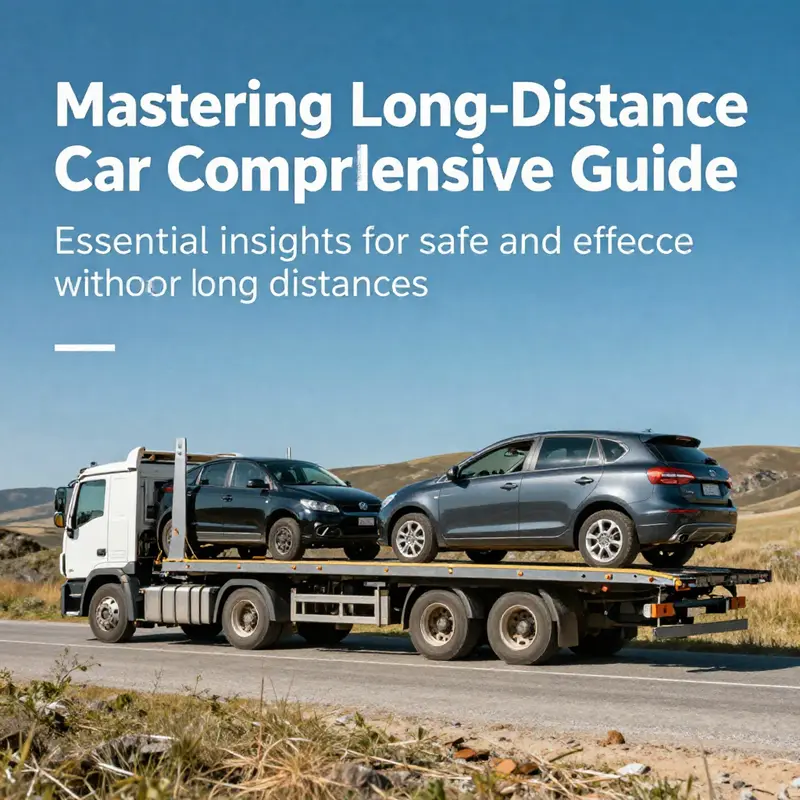
Understanding how to tow a car with a truck over long distances is crucial for local drivers, auto repair shops, property managers, and HOA administrators. The process involves a series of structured steps that hinge on safety, vehicle compatibility, and effective equipment usage. This guide aims to equip you with the knowledge necessary for a successful towing experience, covering essential pre-towing preparations, the significance of choosing suitable equipment, vital safety protocols, and effective driving techniques during the journey. Each chapter builds upon the last to present a seamless understanding of how to tow a car confidently and safely.
Foundations First: Thorough Pre-Tow Preparation for a Safe Long-Distance Car Haul with a Truck
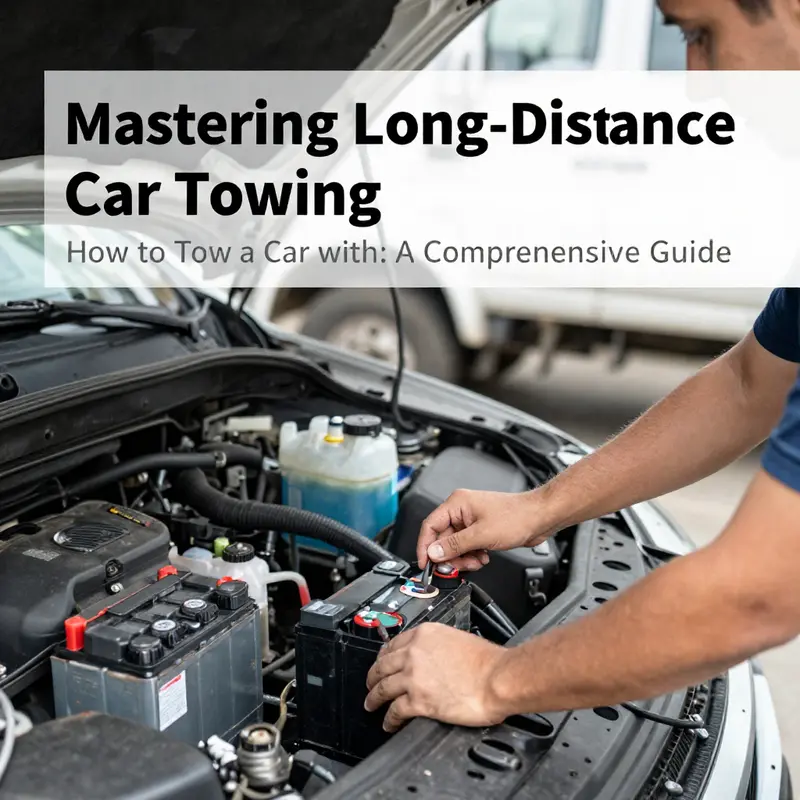
When you commit to towing a car long distance with a truck, the most critical work happens before you ever roll out of the driveway. Pre-tow preparation is the quiet, meticulous work that makes the difference between a controlled, predictable journey and a high-risk drive that invites mechanical failure or an accident in the middle of nowhere. The goal of this chapter is not to scare you but to equip you with a calm, methodical approach that aligns engine idle times, drivetrain demands, and route realities into one cohesive plan. It begins with a double-check of both vehicles—the car that will be towed and the truck that will do the pulling—then moves into choosing the right equipment, planning the route with regulatory realities in mind, and establishing a safety rhythm that will carry you through the miles ahead. In practice, preparation is the quiet promise you make to your future self: that you will drive with purpose, control, and foresight, every kilometer of the way.
First, look closely at the two machines involved. The towed vehicle deserves a careful audit that goes beyond a quick spin of the tires. Parking brakes must be fully released so they don’t drag or heat up the rear drums or discs during movement. Manual transmissions should be in neutral, while automatic transmissions benefit from a dedicated tow mode if the vehicle supports it. The subtlety here matters: incorrect placement of the transmission can result in transmission damage or misalignment of the drive system once you’re underway. Check the towed car’s tire pressures, because even a small deviation from recommended inflation can alter steering feel, braking response, and tire wear over long distances. Brakes and lights on the towed vehicle should be tested and verified to operate, so that you can rely on them without second-guessing on a dark highway or in rain. Fluid levels—engine oil, coolant, brake fluid, and transmission fluid—should be in the green with no signs of leakage, overheating, or contamination. This part of the pre-tow checklist is not about perfection; it’s about ensuring there are no hidden stress points in the engine bay or under the chassis that could fail when the miles stack up.
On the towing vehicle, a parallel but equally important inspection takes center stage. The truck’s braking system must be robust enough to manage the added inertia of a second vehicle behind it for long distances. Worn pads, fading rotors, or a sluggish hydraulic system can become hazards when you need immediate stopping power or stability in a downhill descent. The suspension should be checked for any play or sag that could magnify sway or bouncing, especially when the connection between tow bar and hitch experiences load shifts during turns and lane changes. Lights on the truck must be fully functional, not merely for legal compliance but to maintain visibility for other drivers who rely on you as a predictable moving object on the road. Hitch components—the ball or pintle, safety chains, mounting bolts, and any quick-release mechanisms—should be scrutinized for wear, corrosion, or concealment of looseness. Fuel, oil, and coolant reserves deserve attention, too, because a long tow tests endurance in ways that ordinary trips do not. You don’t want to reach a hill climb halfway through a journey and discover you’re running low on fuel or that the engine is overheating because of the extra workload.
With both vehicles checked, the next pillar of preparation concerns the towing method itself and the equipment you’ll employ. For a long-distance haul, a rigid tow bar—often referred to as a drawbar—offers a level of stability and control that a rope cannot match. The rigidity of a tow bar minimizes sway, aligns steering geometry more predictably, and reduces the risk of the towed vehicle colliding into the rear bumper of the truck in a sudden stop. The installation of a tow bar should follow the manufacturer’s instructions with strict adherence to torque specifications and safety checks. Bolts must be tightened to the prescribed values, and all pins, clips, and adapters must be in place and secured before you move. If the decision is made to use a tow rope, the guidelines become more stringent. The rope should be long enough to allow for braking space and gentle handling of curves—three to six meters is typical—yet strong enough to bear the weight of the vehicle it is pulling. The rope must be clearly visible and colored in high-visibility orange or yellow. Do not attach a rope to flimsy points such as bumpers or suspension components; use designated tow hooks or sturdy frame attachments that are rated for towing loads. The rationale for favoring a tow bar on long hauls is simple: stability is non-negotiable when the journey lasts hours and the road presents changing winds, traffic dynamics, and elevation changes. If you’re unsure which method best suits your vehicles, the safest path is to consult a professional or reference the owner’s manual for towing recommendations, then align the choice with your experience level and local regulations.
Beyond hardware, the connection itself merits meticulous attention. Every link between the truck and the towed car should be secure, with safety chains properly tensioned and cross-connected in a way that will create a fail-safe in the event of a hitch failure. The wiring harness, lighting adapter, and any reflectors or brake lights on the towed vehicle need a test run before you depart. A simple, practical habit is to perform a slow test drive in an empty lot, checking that indicators on both vehicles illuminate in unison, that the towed car follows the truck without pulling to one side, and that the suspension remains steady without unusual vibrations. The objective of these checks is to ensure you can rely on consistent signals to other drivers and that your own control responses remain predictable when you resume highway speed and traffic flows.
Route planning is a dimension of pre-tow work that often gets undervalued. It is not merely about choosing the shortest path but about shaping a path that accommodates the rig’s limits and the physics of towing. Start by identifying routes with fewer tight turns, lighter or slower-moving traffic, and longer straightaways where possible. Avoid roads with significant weight restrictions, low clearances, or weight-sensitive infrastructure that might be sensitive to the presence of a trailer. Weather patterns must inform your route as well; a stretch of mountain road can become a different animal after dark or in rain when the likelihood of brake fade increases. The plan should also consider regulatory constraints. Some jurisdictions have explicit rules about towing equipment, permissible speeds, and required lighting when a vehicle is being towed. The aim is to minimize surprises on the road, not to test patience against a rigid timetable. To this end, mark the route with planned breaks to inspect connections and tire pressures, review fuel and coolant levels, and confirm that lighting is still operational after hours on the road. Your plan should give you a realistic sense of the journey’s rhythm: the cadence of stops, the potential surge points where traffic might slow you, and the points where rest is not optional but prudent for safety and alertness.
A practical aspect of preparation is the daily discipline you commit to during the trip. The journey will require a cadence of checks, not just a single morning checklist. Every 1–2 hours of travel, or every 100–200 kilometers, whichever comes first, is a good cadence for a quick inspection. This is the moment to confirm that the connection points have not loosened, the rope or bar remains aligned, and the towed car’s tires have not developed a flat or low-pressure anomaly. Braking function should be tested gently, listening for any signs of abnormal resistance or vibration that might indicate a problem with the brake system or the linkage. It’s also essential to re-verify fluids and battery health, especially if you anticipate long stretches of driving without normal service centers nearby. The goal is to keep you on a gentle maintenance schedule rather than discovering a failure when it’s already too late to react safely.
Incorporating the social and regulatory dimension of long-distance towing helps you stay compliant and prepared. Some regions require specific lighting or signaling when a vehicle is in tow, and local regulations can change with weather or traffic patterns. Before departure, take a moment to review the regulations that apply to your planned route. If you encounter a question you can’t answer from memory or a manual, consult official resources or a licensed professional. While this chapter centers on pre-tow preparation, it’s helpful to keep a simple, universal reminder in your vehicle: when in doubt, slow down and reassess. Slower speeds, more space, and heightened awareness are universal safeguards that do not depend on the complexity of a drive or the uniqueness of a vehicle setup. This mindset keeps you prepared for the actual journey and reduces the likelihood of last-minute improvisation that could compromise safety.
As you read through this pre-tow landscape, you might feel the urge to reference more general safety guidelines or broader towing wisdom. For ongoing guidance, many readers find it constructive to explore additional resources and blog discussions that compile practical experiences and professional insights. A helpful online anchor for such continuing education lies in the practical knowledge captured by the Santa Maria Tow Truck blog, which distills towing fundamentals into accessible guidance. For more context and ongoing tips, you can visit the Santa Maria Tow Truck blog here: Santa Maria Tow Truck blog.
The planning and preparation you invest in before you leave will pay dividends in the form of steadier handling, more predictable braking responses, and a clearer sense of control in changing conditions. It is easy to assume a long-distance tow is simply about loading up and driving, but the reality is that each mile tests your ability to anticipate, adjust, and maintain steady communication between two vehicles and their operators. This is where the discipline of pre-tow checks becomes a concrete, repeatable routine rather than a one-off checklist. If you stick to the core principles—careful assessment of both vehicles, the right choice of equipment and secure connections, thorough route and regulatory planning, and a steady cadence of safety checks—you create a reliable framework that can be adapted to a variety of tow scenarios. The long-distance tow is not a reckless leap into the unknown; it is a careful, well-considered process that respects the physics of weight, momentum, and road conditions while preserving the integrity of the vehicles involved and the safety of everyone on the road. The investment in preparation is an investment in peace of mind, which is priceless when the miles stack up and the road ahead stretches into the horizon.
External resource: For additional official guidance and safety considerations beyond the practical steps outlined here, see external towing safety analyses and guidelines at https://www.motorauthority.com/.
Gear That Goes the Distance: Choosing Equipment for Long-Distance Truck Towing
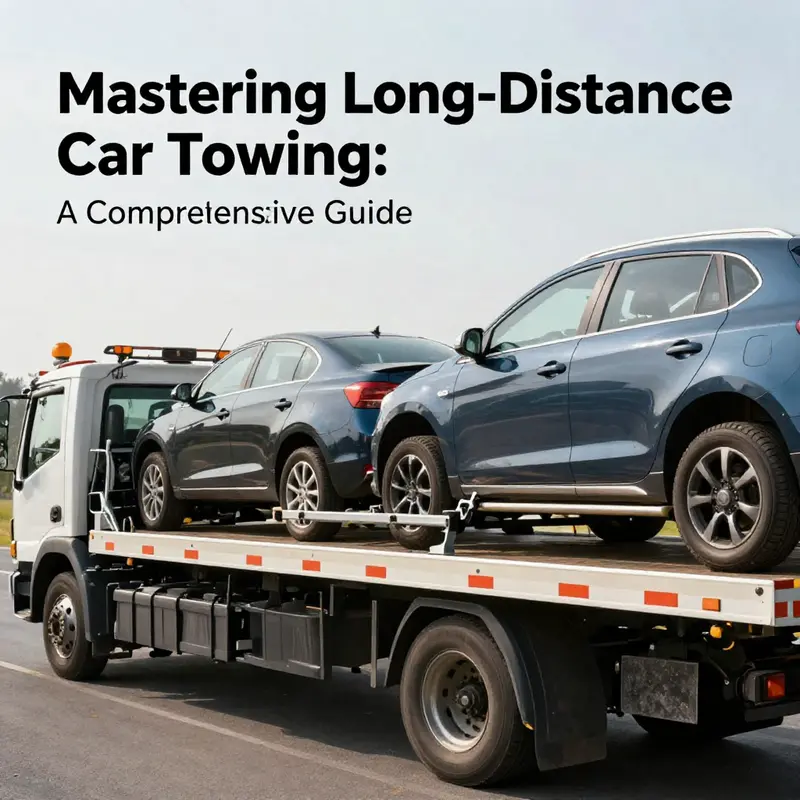
When you plan to tow a car for a long distance with a truck, gear selection becomes the backbone of the operation. The goal is not simply to attach one vehicle to another but to establish a controlled, predictable system that protects drivetrains, preserves tires, and keeps drivers in command across hours of highway, changing weather, and varied terrain. This chapter treats gear selection as a practical art and a mechanical science that must harmonize with the towed car layout, the route, and the towing vehicle’s capabilities. It is about building a robust, reliable setup that performs consistently under real world conditions rather than a checklist of generic rules.\n\nTo translate theory into a reliable long haul plan, start with the towed car drivetrain. Differences among front wheel drive, rear wheel drive, and all wheel drive configurations matter much more on a long trip than on a short move around town. A conventional FWD or RWD vehicle can often be towed with some wheels on the ground, provided the transmission is neutral and the parking brake is released, along with adherence to the manufacturer’s guidance. But all wheel drive and four wheel drive systems change the equation. Part time 4WD setups, such as some Jeeps, require a switch to two wheel drive before towing to protect the transfer case. Full time AWD or permanent 4WD systems can suffer severe internal damage if all wheels are left on the road while the engine is not actively driving the wheels. In these cases, a flatbed or a wheel lift arrangement that keeps the drive wheels off the surface is the safer and more prudent choice. This is not merely a precaution for the weekend road trip; it is a constraint that shapes every other gear decision, from the type of connection used to how frequently you stop to inspect the setup.\n\nWith drivetrain realities in mind, the connection between the two vehicles must match the risk profile you accept for the journey. A rigid, stable linkage, most commonly via a tow bar connected to the towed vehicle’s frame, offers superior resistance to sway and a more predictable load path than alternative arrangements. The stability margins matter on long hauls where wind gusts, passing trucks, and uneven pavement can test a system that lacks stiffness. A tow bar is designed to handle higher loads and transfer forces through secure anchor points on the frame, not through bumper elements or suspension components that can bend or detach under stress. The installation demands careful attention to manufacturer guidelines: bolts should be tightened to the specified torque, and the bar must be compatible with both vehicles in weight, length, and mounting geometry. A common rule of thumb is to select a tow bar rated for at least 1.5 times the weight of the towed vehicle. That extra capacity acts as a buffer against dynamic loads during braking, acceleration, and cornering, particularly on grades or in windy conditions.\n\nFor lighter, simpler moves, or when space and cost are at a premium, a tow rope might be considered for short, low risk tasks. A rope is quick to deploy and requires minimal hardware, but it carries a higher risk profile on a long distance journey. A brightly colored rope of moderate length, typically three to six meters, can provide enough clearance to manage braking and steering without immediate contact between the vehicles. Yet the rope must be extremely strong, with a breaking strength well beyond the weight of the towed car, and it requires careful attachment only to designated tow hooks rather than bumper mounts or suspension components. In the long distance context, the rope approach is generally reserved for rare, specialized circumstances or as an interim staging method in the hands of a very experienced operator. The practical reality is that most professional long haul scenarios rely on a more controlled configuration either a rigid tow bar or a direct to frame connection via a dolly or flatbed.\n\nA central equipment choice for long distance towing is the dolly or the flatbed, each addressing a different balance of risk, cost, and practicality. A tow dolly provides a middle ground: the front wheels of the towed vehicle sit on the dolly while the rear wheels remain on the highway, which reduces the rotational load on the transmission and makes steering inputs lighter for the driver of the towing vehicle. This arrangement works well for many front or rear wheel drive cars and is widely used for mid range towing distances. The trade off is that the dolly adds a separate towing axis, which can introduce additional failure points and requires careful maintenance of the dolly itself, including suspension, wheels, and the harness that connects it to the truck. A flatbed, by contrast, lifts the entire vehicle off the road. With the towed car completely supported, drivetrain concerns are largely eliminated, turbulence and drag can be controlled with a carefully chosen deck height, and vehicle security is maximized. The main cost, however, is payload compatibility, additional fuel burn due to increased weight, and the need for a longer loading and securing process. For a long distance haul, where reliability and protection of valuable or damaged vehicles are at stake, the flatbed is often the preferred solution, provided the truck is equipped to handle the extra weight and the route allows for the extra drafting and ramp use.\n\nThe choice of equipment is inseparable from the towing vehicle’s own configuration. A factory delivered towing package matters well beyond sheer capacity figures. A well specified towing setup includes not only a high rated hitch receiver and appropriate electrical harnessing but also ballast management, integrated braking support where applicable, and robust attachment points designed to bear the rigors of extended road travel. Vehicles with such packages typically demonstrate higher parity in real world performance during long hauls because the hardware mirrors the expectations built by the vehicle’s design. Without a proper package, you may be forced to operate near the lower end of the vehicle’s stated towing capacity, which can undermine stability, braking response, and steering control during steep grades, sudden stops, or crosswinds. The GCWR—gross combined weight rating—remains the ultimate guardrail. It incorporates the weight of the towing vehicle, the towed vehicle, all cargo, and occupants. Approaching or surpassing GCWR undercuts braking efficiency and control and can mask other weaknesses in the system, even if the individual components appear adequately rated.\n\nAccessibility of parts and maintenance cycles becomes a practical concern when planning long hauls. Durability is not a luxury; it is a necessity on long trips. Integrated tow systems installed within the frame tend to deliver smooth load paths with fewer vulnerable articulation points. Removable systems, like slip cranes that retract into a receiver, offer the flexibility to switch configurations on the fly, which can be advantageous when route planning requires different modes across a single journey. The crucial point is that the chosen system must stand up to the miles ahead without excessive adjustment or frequent field repairs. This reality pushes operators toward systems with clear installation guidance, straightforward maintenance routines, and broad training resources. It is not merely about having the equipment; it is about knowing how to inspect, tighten, and operate it under fatigue and under pressure.\n\nBeyond hardware, the gear decision interacts with the operator’s capacity and the overall plan for the move. A long distance tow is a sustained operation, not a single maneuver. That means a robust and repeatable routine—pre tow checks, torque verifications, consistent signaling, and scheduled stops to inspect connections—should accompany any equipment choice. The redundancy of systems—safety chains, lighting harnesses, and brake-light synchronization—becomes a deliberate part of the design rather than an afterthought. In practice, this translates into a well-documented procedure that can be followed by different drivers without ambiguity. It is precisely this consistency that reduces risk and sustains reliability during extended trips, when fatigue can erode judgment and attention.\n\nWithin this broader frame, it is useful to think about gear selection as part of a continuous process of standardization and readiness. The equipment you select should be compatible with the route you intend to travel and should match your own experience. A well-chosen configuration minimizes the likelihood of drivetrain damage, reduces the wear on tires and suspension, and maintains stable steering and braking across miles. The concept of standardization here extends beyond a single trip. It informs the way fleets train operators, how equipment is stored and maintained, and how routine checks become automatic rather than optional. For readers who want to explore this broader framework, there is a resource that delves into fleet standardization and emergency readiness. It offers insights into how organizations approach equipment choices and procedural consistency to reduce risk and improve reliability during long hauls.\n\nAs long distance towing moves from theory to practice, the gear you choose defines the pace, safety, and success of the journey. It determines how you respond to a sudden weather shift on a mountain pass, how you negotiate a congested corridor near a major city, and how you complete the trip with the towed vehicle in sound condition. The practical takeaway is straightforward: prioritize stability and protection of the drivetrain, select the method that minimizes wheel rotation and drag on extended routes, verify that the GCWR is respected, and commit to a disciplined routine of inspection and communication. The right equipment is not an ancillary detail; it is the scaffolding that supports every mile traveled, every decision made behind the wheel, and every safe arrival at the destination. External resources can reinforce this approach, offering safety best practices and additional guidance to complement the practical steps outlined here: https://www.aa.co.uk/
null
null
Long-Haul Mastery: Safe, Steady Towing with a Truck for Distance and Control
Towing a car long distance with a truck is as much about disciplined driving as it is about solid preparation. The goal is not merely to reach the destination but to arrive with all equipment intact, every connection secured, and the crew alert and rested. In practice, this means translating the careful pre-tow checks into a steady, mindful journey where speed, spacing, and communication become as important as the engine’s torque. The towed vehicle changes the dynamics of the road—its mass, inertia, and the way it responds to steering, braking, and wind all influence the truck’s behavior. As a result, the long-haul tow demands a balance of patience, precision, and vigilance. The following narrative threads together the essential techniques and monitoring practices that keep a long-distance tow safe, predictable, and efficient from start to finish without overwhelming the flow of the drive with rigid, mechanical detail.
From the outset, the preparation that precedes the road is not simply a checklist but a mindset. You start by reconciling the vehicle types involved, recognizing that a front-wheel-drive, a rear-wheel-drive, or a four-wheel-drive system each imposes its own constraints on how the towed car will be managed behind the truck. If the towed car is a part-time 4WD, you must ensure the transfer case is not being stressed by a drive configuration that it cannot handle. Full-time AWD or permanent 4WD systems, in contrast, should never be towed with all wheels on the ground; the preferred path is a flatbed or a method that elevates the drive wheels. Keeping the engine running, when feasible and safe, helps maintain steering assist and brake boost, which, in turn, supports handling and stopping—an important reassurance when you carry a second mass behind you that resists your every adjustment.
Equally important is choosing the right equipment for the journey. For a long-distance haul, a tow bar provides a rigid, stable link that minimizes sway and reduces the angular play that can otherwise stress both vehicles. The installation must be meticulous: follow the manufacturer’s tightening specifications, confirm that all connection points are secure, and verify that the bar’s rated capacity exceeds the towed vehicle’s weight by a comfortable margin. In many scenarios where the load is lighter or the distance shorter, a tow rope can be used, but only within its limits: a strong, clearly visible rope of appropriate length and breaking strength is essential. The rope should attach to designated tow hooks, not bumper mounts or suspension components, which are not designed to handle the forces involved in towing. The visibility of a bright orange or yellow rope is a practical safety feature that helps other drivers anticipate the vehicle’s slow, deliberate moves. These setup choices, while they seem technical, translate directly into the day-to-day handling of the tow on the highway, through the mountains, and across city streets.
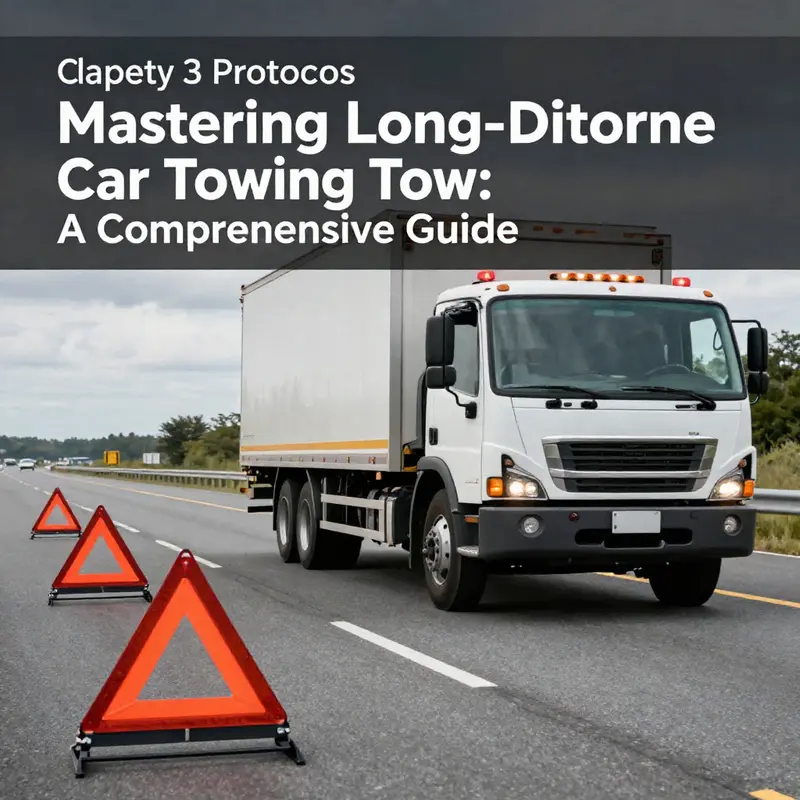
As the journey begins, one of the most critical elements is maintaining a safe, manageable operating envelope. Hazard control is not a one-off step but a continuous discipline. On highway sections, a reflective triangle placed well behind the convoy area acts as a warning beacon to following traffic, while the hazard lights on both vehicles ensure that the status of the tow is apparent in all light conditions. The integrity of the electrical system matters just as much as the mechanical: the tail and side marker lights, the brake lights, and the indicators must function consistently to guide other drivers through changing traffic patterns. This is not merely about compliance; it is about creating a predictable moving unit that others can read and react to in time.
Inside the cab, communication becomes the connective tissue of the operation. Two-way radios or reliable mobile communication between the driver and the person in charge of the towed vehicle helps synchronize pace, lane changes, and uses of signal. Before departure, the team agrees on standard signals—when to slow, when to stop, and how to indicate a need to alter the route because traffic or road works appear ahead. The role of communication extends to the monitoring of the environment: you discuss weather, visibility, wind direction, and the potential for gusts that could amplify the sway of the towed unit. This shared situational awareness reduces the cognitive load on any single driver and makes it easier to react cohesively when decision points arise.
Driving technique under tow is notably different from solo driving. You will find that acceleration is slower, braking distances lengthen, and the truck’s handling can become sensitive to crosswinds and irregular road surfaces. The instinct to press harder on the accelerator or to brake abruptly is counterproductive; such actions can induce jackknifing or destabilize the linked pair. Instead, prefer smooth, progressive inputs: gentle throttle, gradual steering adjustments, and a deliberate, incremental approach to braking. In mountain terrain, use lower gears to maintain steady, controlled deceleration and to prevent brake fade. In city traffic, plan for fewer rapid starts and stops, selecting routes that minimize stop-and-go conditions whenever possible. The aim is a rhythm that minimizes abrupt shifts in momentum and preserves the integrity of the towing connection.
Speed itself becomes a critical variable, negotiable by road type and conditions. While some guidance notes a steady, moderate pace that suits stability and fuel efficiency, the practical range is shaped by the road and the load’s behavior behind the truck. On clear highways with ample space, you may be able to maintain a steady speed within the legal limit, but when the road narrows, traffic density increases, or weather worsens, reducing speed is wise. The consistent discipline is to couple a controlled pace with ample following distance. The recommended buffer is to keep at least 5 to 10 meters of separation from the vehicle ahead to accommodate unexpected braking or evasive actions. This spacing buys you critical reaction time should the towed vehicle experience a momentary loss of steering feel or braking response.
A key aspect of monitoring the tow is the ongoing, unbroken attention to both vehicles’ systems. Regular checks are not interruptions but a routine part of the journey. Stop every one to two hours, or after every 100 to 200 kilometers (60–125 miles), to inspect critical points: the hitch or tow bar, rope or chain connections, and the integrity of fastenings. Check tire pressures and tread wear on both vehicles, because a pinch in a towed tire can arise from the added mass and heat buildup. Verify that steering components retain integrity and that the brakes on the tow vehicle continue to function with confidence. Engine temperature, transmission fluid levels, and brake performance require particular attention, especially when climbing grades or operating in high ambient temperatures. If the truck begins to overheat or the transmission shows signs of stress, you must pause and reassess, as continuing would risk a breakdown in a roadside or precarious terrain.
Beyond physical checks, attention to the towed unit’s lighting and signaling is essential for safe operation in dusk or night conditions. Night driving with a towed vehicle requires you to illuminate both vehicles with proper lighting so that the entire setup remains legible to other road users. Side marker lights, tail lights, and brake lights on both vehicles should be present and functioning. The mental image to carry is a translucent umbrella: you want every user on the road to have a clear sense of what is happening behind the truck and to react accordingly.
As fatigue can erode judgment, you should plan for regular rest breaks that align with your route and schedule. This is not a luxury but a safety requirement. Two hours behind the wheel without a pause can degrade reaction time and lead to a less careful approach to critical decisions. Use rest periods to re-evaluate the route, confirm connections, and reassess weather or traffic patterns. If you are driving through remote terrain, consider the security of the equipment during rests and the visibility of the convoy. In some cases, adding a protective layer—such as a hitch lock or wheel locks and parking in well-lit, secure areas—adds a meaningful margin of safety. In addition, a GPS tracker can provide real-time location monitoring and an extra layer of security, especially on long, isolated stretches.
With the passage of miles, you will notice signs of mechanical stress that demand attention before a problem escalates. Overheating is a frequent suspect when hauling heavy loads uphill; monitor engine temperature gauges closely, check transmission fluid levels, and assess brake performance for signs of fading or inconsistent response. If you begin to hear unfamiliar noises, feel unusual shudders in the hitch, or notice any abnormal sway in the towed vehicle, you should slow further and conduct a targeted inspection at the next safe stop. The mindset here is conservative care rather than bravado; you protect the equipment and yourself by recognizing early warning signs and acting with prudence.
The guidance embedded in the practical experience of long-distance towing often echoes cautions found in safety literature. For instance, one practical reference highlights the need to understand the risk of improper towing and to rely on experienced guidance when uncertain—this aligns with the broader call for consulting the owner’s manual or a professional service if there is any doubt about a vehicle’s towing compatibility. In the course of your journey, you may also encounter specialized pointers about the signs of illegal or unsafe towing practices; keeping a mental note and a quick reminder in your cockpit can help you identify risky configurations. For instance, one concise checklist recommends verifying the connection stability, ensuring the tow bar or rope is securely attached, and maintaining continuous communication between drivers. These reminders translate into action every time you pass a stretch of road or encounter a new traffic pattern. For a succinct overview of safe towing dynamics and best practices, you may find it helpful to review focused safety guidance like the one found here: spot illegal towing key signs to know.
As the journey nears its end, the process of arrival becomes a quiet, deliberate phase rather than a climactic finale. You decelerate smoothly, avoiding abrupt braking that could shove the towed car forward or backward relative to the truck. The towed vehicle’s handbrake is engaged first to secure the unit, after which you can carefully disconnect the towing equipment. A careful inspection of all hardware follows, with a focus on signs of fatigue or wear—bolts that have loosened, hooks that show signs of bending, or straps that have begun to crack. The end of a long tow is a moment to reflect on the journey’s logistics and the lessons carried forward—lessons about preparation, discipline, and the discipline of staying in sync with another vehicle under load.
This approach to long-distance towing with a truck is not about pushing the edges of capability but about layering safety into every mile you travel. It requires a balance of practical knowledge—how to secure the connection, how to maintain stable speed, how to use gears to control descent—and a humane understanding of fatigue and road risk. It is a craft that rewards patience, steady hands, and deliberate decisions. By combining the pre-tow checks with the ongoing monitoring and disciplined driving described here, you create a towing method that respects the physics of mass behind you and the real-world demands of long-haul travel. The chapter you have just read is a reminder that safe towing hinges on a holistic view: the vehicle’s systems, the equipment, the road, and, above all, the people who steer toward the destination with calm, methodical care.
External resources can reinforce this approach. For a broader, practical overview of truck towing safety tips, consult the external guide at https://www.bettermechanic.com/truck-towing-safety-tips/ and bring those considerations into your planning and execution as you prepare for any long-distance tow. The combination of careful preparation, controlled driving, vigilant monitoring, and a disciplined approach to rest and maintenance forms a complete, repeatable method for towing a car with a truck over long distances.
Final thoughts
Successfully towing a car with a truck over long distances requires meticulous planning and adherence to safety protocols. From assessing your vehicle beforehand to selecting the right equipment and maintaining communication during transit, each step is pivotal for a secure towing experience. Remember that thorough preparation, carefully choosing your tools, and observing safety measures can ensure that both vehicles arrive safely at their destination. Equipped with the insights shared in this guide, you can confidently tackle any long-distance towing situation.