
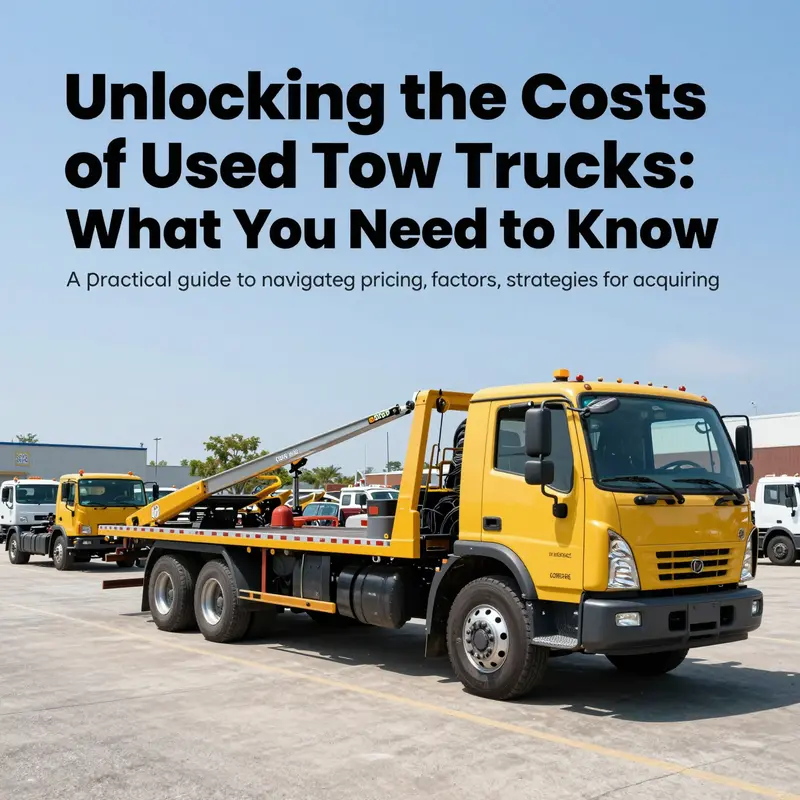
Determining how much a used tow truck costs is crucial for local drivers, auto repair shops, property managers, and dealerships alike. Pricing can vary dramatically based on factors such as the truck’s age, brand, specifications, and condition. In this guide, we break down what you can expect to pay, explore essential factors influencing those prices, and compare market trends among different brands. We’ll also provide smart strategies to help you secure the best deals, making your purchase as smooth and economical as possible.
Tow Truck Price Signals: Reading Size, Age, and Purpose in the Used Market
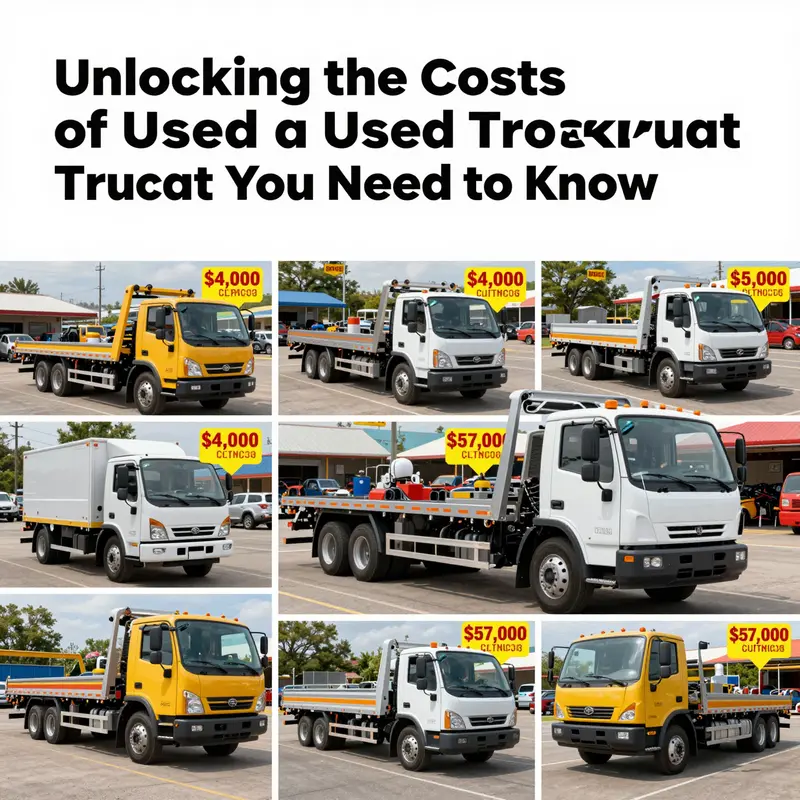
Prices for used tow trucks do not live in a single lane. They ride a spectrum shaped by the vehicle’s type, its age and condition, the capacity it can lift, and the drive configuration that powers it. Buyers stepping into this market quickly learn that a small, wheel-lift unit can look suspiciously cheap at first glance, while a sophisticated rotator with advanced hydraulics can crown a budget with a premium that seems hard to justify for routine towing. The reality is more nuanced: every buyer has a mission, and price acts as a signal rather than a verdict. The most reliable way to decode that signal is to understand how the market segments these machines and what factors tend to push prices up or down within each segment. From there, it becomes possible to align a purchase with the demands of a fleet, a contract, or a small independent operation, rather than chasing an imaginary universal price floor or ceiling.
At the broadest level, the market divides into four broad categories that recur across many listings and across continents: wheel-lift tow trucks, flatbeds, underlift or wrecker-integrated units, and rotator tow trucks. Each type has distinctive advantages for particular tasks and, correspondingly, a general price band. Wheel-lift units are the most common sight in urban garages and roadside assistance fleets. They are typically less expensive upfront than flatbeds because their lifting mechanism is lighter and their bed is simpler. The price range there is often quoted as a broad corridor from roughly fifteen thousand dollars to about thirty-five thousand. This band reflects a mix of compact, older, or higher-mileage units and newer machines with lighter duty racing, but it also hides a wide spread in condition, mileage, and after-market upgrades. For a buyer, the price tag acts as a proxy for risk: lower prices may indicate higher maintenance needs, older components, or a drivetrain with more wear. Yet wheel lifts retain appeal for repossession work or municipal contracts where the bays demand quick, cost-effective responses and where fleets can absorb the occasional repair without destabilizing operations.
Flatbed tow trucks, by contrast, are the safest method of transport for a broad class of vehicles, including all-wheel-drive and low-clearance cars, luxury models, and classic, value-rich automobiles. They command higher upfront prices because the hydraulic bed, the winch system, and the associated mechanicals are more robust and capable of handling a wider range of loads, frequent long-haul trips, and high-value assets. The typical used-flatbed price band tends to extend from the mid-thirties up to around seventy thousand dollars. That range captures everything from lean, older flatbeds with modest bed lengths to newer, well-maintained units with upgraded hydraulics, aluminum components, and better chassis preservation. As with wheel-lift machines, condition and history matter, but the premium for a flatbed often reflects not just capability but the perceived durability over time, the ability to minimize wear on the vehicle being towed, and a lower risk of damage to the towed vehicle during transport.
Underlift tow trucks—also known as wrecker-integrated or booster trucks—sit between wheel-lift and rotator options in terms of capability and price. These models embed the lifting system into the chassis, delivering stability and weight distribution advantages that are favored in heavy-day-to-day use or in operations requiring frequent, repeated lifts. The price range for underlift units typically sits between about forty thousand and sixty-five thousand dollars, placing them higher than most wheel-lift platforms but often lower than full rotators, depending on the specific tailoring of the hydraulics and build quality. Buyers selecting underlifts usually want a blend of reliability and robust performance, especially where frequent high-load towing is a daily task. The higher base price is often a reflection of the engineering alignment between chassis strength, lifting capacity, and the sense of operational durability that owners seek in fleets where uptime translates directly into revenue.
Rotator tow trucks occupy the high end of the spectrum. They are specialized machines fitted with powerful rotating hydraulic cranes capable of lifting and rotating out-of-reach vehicles, often in challenging conditions. Even in the used market, rotators tend to start at or above sixty thousand dollars and can climb well beyond that mark when equipped with modern controls, upgraded cameras, extended reach, or rare configurations. The rotator’s premium is not merely about lifting a car; it is about the operational flexibility to recover vehicles from difficult angles, off-road situations, or tight spaces. For emergency responders and heavy-rescue operators, a rotator’s value is amplified by the speed and precision it can add to a recovery operation. Buyers should accept that rotators almost always represent a significant capital outlay, but their long-term utility and ability to perform specialized recoveries can justify the expense for fleets with frequent heavy-duty incidents.
Across these categories, the market also reveals a few numerical snapshots that help frame what buyers encounter in practice. For instance, listings can exist at far lower price points—some around four thousand dollars or a bit more—but these are frequently older, lower-capacity, or mechanically demanding units that demand substantial repair work just to reach baseline operability. In contrast, multiple higher-tier platforms present units in the ten-thousand-to-twenty-thousand-dollar range that still require careful inspection, as a number of these may have been dragged into service through rapid turnover, inconsistent maintenance, or uncertain service histories. A few example listings from diverse sources anchor these ranges in real-world terms: a used heavy cargo prime mover in the Shaanxi Shacman X3 family can appear around ten thousand dollars, and a used Howo 8×4 dump truck may be listed in the nine-to-sixteen-thousand-dollar zone, illustrating how chassis, capacity, and configuration influence price even for vehicles not marketed as classic tow trucks. In the broader market, general used tow trucks can appear starting around four thousand dollars, though those tend to be older or lower-capacity machines whose future reliability and repair costs are important considerations. Such price signals remind buyers that the initial listing price is only the first step in a longer budgeting exercise.
To illuminate how buyers should navigate this landscape, it helps to acknowledge what drives these price signals beyond the mechanical core. Brand reputation, model year, engine power, and drivetrain configuration exert a measurable influence on price, sometimes beyond what a simple capacity figure would suggest. A four-by-two or six-by-four chassis will carry different weight ratings, fuel efficiency profiles, and maintenance costs, all of which feed into lifetime ownership economics. The lifting capacity and reach of the bed—particularly for flatbeds and rotators—become critical when the operator’s typical job entails heavy, awkward, or high-value tows. The condition of critical components such as the hydraulic system, winches, tires, and the chassis itself can swing a prospective purchase by tens of thousands of dollars if major refurbishments are required. A clean maintenance history, documented service records, and the presence of recent inspections or compliance upgrades can justify a premium by reducing the buyer’s perceived risk.
On the note of risk, buyers should be mindful of what often lurks beneath bargain price points. Some listings marketed as “cheap” can reflect older technology or limited capability, but also may mask hidden costs such as necessary mechanical overhauls, outdated safety equipment, or compliance issues that can trigger regulatory or insurance hurdles. An informed approach weighs not just the sticker price, but the total cost of ownership: anticipated maintenance intervals, spare parts availability, fuel consumption, and depreciation over the vehicle’s remaining useful life. As a practical matter, buyers frequently consider platforms that regularly update listings and provide details about minimum order quantities, shipping terms, and payment options. This transparency helps a buyer compare apples to apples across different regions and scales.
For buyers seeking a framework that extends beyond the mechanics of lifting and towing, the broader business context matters as well. A fleet that operates in urban environments with frequent short trips has different cost dynamics than a fleet running long-haul recoveries or a municipal agency with stringent compliance requirements. In many cases, an approach that focuses on standardization and readiness can yield longer-term savings. Fleet standardization, for instance, aligns with consistent maintenance schedules, predictable spare parts inventories, and uniform operator training. It also ties into emergency-readiness planning, where the availability of a standardized set of equipment reduces response times and simplifies dispatch. For readers considering that angle, a concise framework on fleet standardization and emergency readiness can be explored through the resource linked here: fleet-standardization-emergency-readiness.
When buyers map price to purpose, they often realize that the most expensive machine is not necessarily the best fit. A midsize, well-maintained flatbed from a known chassis line can deliver exceptional value for a shop that handles a balanced mix of cars and light trucks and that values vehicle safety and reduced risk of damage to the towed asset. Conversely, a wheel-lift unit may be the most economical option for a service that emphasizes quick on-road responses in dense traffic, repossession operations, or municipal contracts where liability and downtime are critical cost drivers. The math of choosing is not only about the price at purchase but about how the unit serves the operator’s daily workflow and how it holds up over several years of service. In this light, the initial purchase price becomes one data point in a broader, ongoing budgeting conversation rather than the final determinant.
For those entering the market with constrained budgets, there are still paths to meaningful capability. A smaller pickup-based setup—think a midsize pickup transformed for light towing—can fulfill routine tasks with a cost profile far more favorable than a full-size flatbed for certain operations. The trade-off is clear: capacity, distance, and the range of tow options are naturally more limited. Buyers should be honest about the maximum load they will encounter and the types of vehicles most frequently towed. Under these circumstances, it is not unusual to see an early-stage operation stretch toward a wheel-lift or a compact flatbed and then scale up as the business grows, revenue stabilizes, and maintenance practices mature.
In practice, the purchasing process for a used tow truck often follows a sequence that begins with market scanning and ends with a physical inspection and test tow. Listings in large, global marketplaces can provide useful baselines and help buyers understand the prevailing price signals for different configurations. However, those signals must be interpreted with a careful eye toward mechanical condition and service history. A capable inspector or a trusted third-party technician can verify hydraulic integrity, chassis corrosion, brake wear, and drivetrain health—issues that often determine whether a unit achieves a favorable purchase price or spirals into unplanned repair costs. The mental exercise of pricing thus expands beyond the sticker price to a more dynamic calculation of risk-adjusted value, where the highest bid does not always equate to the best long-term investment.
In closing this lens on the price signals in the used tow-truck market, it is worth recalling that the best value arises when the vehicle’s type aligns with the operator’s tasks, its condition matches the required duty cycle, and its maintenance history supports predictable operations. Buyers should remain vigilant for hidden costs and consider how the vehicle will be kept in service, not just how it is listed for sale. The market’s range—from economical wheel lifts to the capability-rich rotators—reflects a spectrum of needs. It also reinforces a broader principle: the cheapest option is rarely the most economical over the life of a fleet. A thoughtful buyer will weigh the price against the predicted frequency of use, the severity of the loads, and the institution of a robust maintenance plan. For readers charting a path through this market, the guidance above—tied to the real-world price signals presented in listings—offers a practical map to navigate toward a purchase that meets both technical and financial requirements. For a framework that ties these considerations to broader fleet policy, see the linked resource on fleet standardization and emergency readiness.
External resource: https://www.craigslist.org/about/sites#usa
What Sets the Price Tag on a Used Tow Truck: A Deep Dive into Age, Capacity, and Market Realities
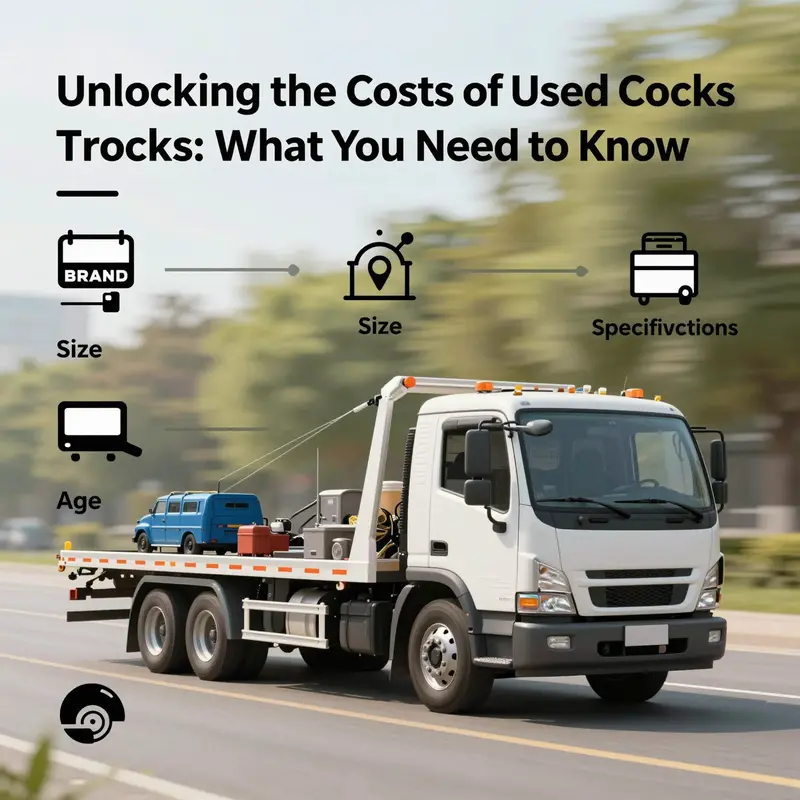
Buying a used tow truck is less about chasing a single price and more about reading a moving market where age, mileage, condition, and capacity all pull pricing in different directions. The spectrum is wide, and the reasons behind those numbers run deeper than a sticker on a bumper. For anyone shopping with a view to long-term reliability and a solid return on investment, understanding these drivers helps translate a price tag into true value. The landscape splits into broad categories that resemble the wheelbase of a fleet: smaller, more maneuverable units; light to mid-sized tractors that handle everyday jobs with respectable efficiency; heavy-duty configurations built for high demand and demanding recoveries; and specialized or large-capacity machines aimed at niche tasks. Each tier carries its own baseline, yet all are sculpted by the same set of factors that echo across the entire used-truck market.
Age matters, but it is not the only ruler of value. In practice, younger tow trucks tend to demand higher prices because they come with more of the latest design improvements, reduced risk of imminent major repairs, and longer expected service life. Buyers often weigh the remaining useful life against the upfront savings of an older unit. In a fluid market, a three- to five-year-old machine might sit at a premium, while a ten-year-old candidate can still be attractive when it has a clean maintenance history and has not suffered major downtime. The depreciation curve is steeper in the early years and gradually flattens as the vehicle ages, yet the exact slope shifts with how well the vehicle has been cared for. A truck that has seen meticulous record-keeping, timely part replacements, and proactive inspections can command a price that feels higher than its actual age would suggest. Conversely, a younger truck with a neglectful service history may fetch less than a well-preserved older counterpart. Consumers quickly learn that age alone does not tell the whole story; it is the story behind the age that moves the market price.
Mileage is the practical counterbalance to age. High-mileage rigs accumulate wear that touches everything from the chassis to the hydraulic systems, the winch mechanism, and the lifts used to load vehicles. Each additional mile is a reminder of the countless random tasks that have taxed the drivetrain, the hydraulics, and the electrical network. In most cases, lower mileage translates into higher value, provided the rest of the truck has held up. But mileage must be interpreted alongside maintenance. Two trucks with identical odometers can differ wildly in condition depending on how often fluids were changed, how quickly issues were addressed, and whether the truck lived a life of light-duty service or relentless, heavy-duty operation. Buyers who see a quiet maintenance history and transparent logbooks can justify paying more for a machine that otherwise shares the same age and capacity as its higher-mileage peers. In short, mileage is a strong indicator of remaining life, yet it is the combination with upkeep that determines the final price.
Condition stands as the most visible, easily assessed factor that can swing prices up or down. A well-kept truck with a clean history—no unresolved recalls, no rust bleed, crisp hydraulics, and a reliable electrical system—appears in the market as a safer bet. Mechanical condition matters as much as cosmetic appeal. A tow truck is a complex blend of heavy-duty hydraulics, braking systems, transmission performance, and specialized recovery equipment. Subtle misalignments, slow hydraulic response, or a steering wobble can signal hidden problems that threaten uptime and increase lifecycle costs. Buyers who tour a line of used trucks often rely on a mix of professional inspection and a careful review of maintenance records. A clean bill of health can elevate a vehicle’s price because it reduces the buyer’s perceived risk, while unresolved issues or a history of costly repairs tends to depress offers, even if the truck otherwise meets the desired capacity and configuration. The market rewards transparency and demonstrable care. When sellers provide complete service histories, spare parts receipts, and a clear narrative of on-time maintenance, buyers feel more confident walking away with a higher price tag in hand.
Reliability—an elusive but critical quality—consistently nudges prices upward. In markets where towing is a high-stakes, time-sensitive service, buyers will pay more for a unit that is known for steady uptime and predictable performance. Reliability is baked into reputational signals that exist across brands and engine families; some platforms and communities cultivate a sense that certain powertrains, hydraulics, and chassis combinations deliver greater longevity with less unscheduled downtime. A sturdy, dependable platform reduces the risk of a disruptive breakdown during back-to-back recoveries or after-hours calls, a factor that many operators weigh as heavily as initial cost. Even when two trucks match on age, mileage, and condition, the perceived reliability—often backed by user reviews and owner feedback—can tilt the balance in favor of one over the other. This is why buyers frequently chase anecdotal confidence: it translates into longer service life, fewer emergency procurement costs, and a lower cost of ownership over time.
The type of tow truck directly reshapes value in the market. Flatbeds, praised for their ability to transport vehicles without damage, tend to carry higher price tags because of their versatility and safety profile. Their design reduces risk during loading and transport, which matters to operators who serve a wide range of customers or who need to maximize uptime. Wreckers, optimized for recovery operations, conjure images of rugged performance and heavy pulling capacity. They are valued for their functional specialization, which commands price premiums when the unit can handle more demanding tasks with less downtime. Rotators—equipped with hydraulic cranes—occupy the higher end of the spectrum. Their added capability justifies sizable price jumps due to the complexity, maintenance demands, and the potential to perform advanced operations that standard wreckers cannot. Each configuration carries intrinsic value, but demand patterns shift with local market needs. A region with frequent accidents or a high volume of vehicle recoveries might see heavier demand for rotators, pushing values higher; a market focused on safe transportation and vehicle relocation might prize flatbeds more, keeping those prices elevated as well.
The interaction between brand, engine specifications, and overall build quality also channels price movement. In a market where buyers equate durability with long-term cost savings, trucks built on robust frame designs and proven propulsion systems tend to hold value better. Engine power and drive configuration matter, especially when those specifications correlate with the kinds of jobs the truck will tackle. A unit with a more powerful engine and the right drivetrain for challenging terrain and heavy loads signals that it can meet higher service requirements without a trade-off in reliability. Conversely, a truck with modest power or a niche drive setup may present a lower upfront price but could incur higher operating costs or limited duties, reducing its long-run value. The pricing dynamic thus blends technical capability with expected performance, a combination that buyers carefully weigh against the immediacy of the sticker price.
Upgrades and features influence perceived and actual value as well. Safety equipment, advanced braking support, enhanced lighting, better backup cameras, and more sophisticated winch systems all add to the sticker price. These refinements are not merely cosmetic; they improve operator safety, reduce downtime, and extend the useful life of the truck under demanding conditions. When a seller can point to a recent retrofit, fresh parts, or a documented upgrade cycle, buyers are more inclined to value the unit higher. The buyer ecosystem often accepts premium for equipment that translates directly into safer, faster, and more reliable service. Yet upgrades must be aligned with the truck’s mission profile. A collector’s interest in a low-mileage, pristine body may be dampened if the unit lacks practical recovery features needed in day-to-day operations. In other words, upgrades should be targeted and functional, delivering measurable return on investment rather than merely adding a line item to the price tag.
Market demand and regional availability add a final layer of price volatility. In regions with robust tow services, fleets may operate under tighter competition and higher utilization, which tends to push prices upward as buyers compete for fewer suitable units. Conversely, markets with moderate demand and an influx of late-model stock can drive prices down as competition among sellers increases. Accessibility to financing, shipping, and after-sale service also shapes what buyers are willing to pay. For example, a seller who can offer favorable terms, easy cross-border logistics, or local maintenance support may command a higher price because the overall ownership experience becomes smoother and cheaper for the buyer. The interplay of supply, demand, and local infrastructure creates a dynamic pricing canvas that can shift quickly with seasonal demand, economic conditions, or changes in the local towing ecosystem.
A final set of considerations ties together the practical and emotional aspects of buying used tow trucks. Mechanical issues or a history of accidents can depress value, sometimes dramatically, because a buyer anticipates higher future maintenance costs or the risk of recurring failures. Attachments and functionality also catch buyers’ eyes. A unit with a broader range of recovery tools or specialized attachments can offer more versatility, appealing to operators who handle a spectrum of loads and scenarios. This added adaptability has tangible value, justifying higher offers in many cases. Buyers often simulate a few real-world scenarios: will this truck meet the daily call volume? can it handle a multi-unit recovery without frequent downtime? is the downtime for repairs predictable or disruptive? When the answers align with the buyer’s operating model, price tends to rise accordingly. The market recognizes and rewards vehicles that reduce operational friction, and that recognition is a quiet driver behind many price conversations.
To ground this discussion in practical numbers while avoiding mechanical specifics, listings across different classes typically show a broad spectrum. Small to medium tow trucks and light to mid-sized tractors often anchor the lower to middle end of the market, with prices spanning roughly from the mid-teens to the mid-twenties of thousands of dollars. Heavier-duty configurations—with higher towing capacities and more complex hydraulics—can range from mid-teens up to the upper tens of thousands, occasionally reaching into the fifties for units in excellent condition with strong maintenance records or modern safety features. Specialized or very large-capacity machines frequently exceed fifty thousand dollars when their condition and feature sets align with high-demand recovery operations. It is common to see a wide distribution around these bands, reflecting the variability of age, mileage, and configuration. For example, several representative cases found in regional listings show a mix of lower-cost, older, or lower-capacity units alongside newer or more capable models that command substantially higher prices. The pattern is not a uniform ladder but a concerted spread built from the convergence of age, use, and value delivered in service.
In discussions about value, buyers often search for a reliable rule of thumb: treat price as a function of age, mileage, condition, reliability, and configuration, then adjust for regional demand and the presence of desirable features. This approach does not produce a single number but a probabilistic range that helps a fleet manager plan capital spend and future maintenance budgets. The broader takeaway is that the best-value decision comes from aligning the truck’s capabilities with the operator’s mission, ensuring that the price paid yields dependable uptime and predictable costs over the asset’s life. It also means recognizing that some price segments reward versatility and long-term reliability more than raw capacity or immediate feature counts. When buyers focus on total cost of ownership rather than purely upfront price, they are better prepared to select a unit that will sustain their operation through peak seasons and quiet ones alike.
For readers who want to connect the price discussion to a broader framework of fleet readiness and standardization, the concept of consistent, deliberate equipment planning can be a useful compass. In fact, the idea of standardization in heavy-duty rescue operations offers a practical lens through which to view used-truck pricing. By prioritizing units that share compatible interfaces, common maintenance schedules, and uniform safety features, operators can simplify procurement and service contracts, which in turn stabilizes long-term costs and reduces downtime during critical incidents. This perspective complements the market-driven realities described above and helps managers think beyond sticker price toward a cohesive, resilient fleet strategy. standardization in heavy-duty rescue operations.
In summary, the price you pay for a used tow truck is a mosaic of factors rather than a single determinant. Age and mileage set the baseline, but condition, reliability, and the specific type of tow capability tilt the balance one way or another. Upgrades and features can push the price higher, while regional demand and the presence of attachments or specialized equipment can stretch the upper end of the spectrum. The broad ranges observed in typical listings reflect how different buyers value different combinations of capacity, safety, and potential downtime. The most successful purchases come from a disciplined assessment of how the truck will be used, what maintenance it will require, and how the price aligns with the total cost of ownership over the vehicle’s expected life. When these elements are weighed together, the decision becomes less about chasing the lowest price and more about selecting a unit that will deliver dependable service and predictable costs in a demanding line of work. For readers navigating this terrain, anchoring the decision in a clear understanding of the price drivers can transform a meshed market into a manageable, value-driven procurement process. External reference: https://www.aa.com/vehicle-towing-costs-factors-affecting-prices
Tow Truck Price Trails: Reading Brand, Capacity, and Condition in the Used Market
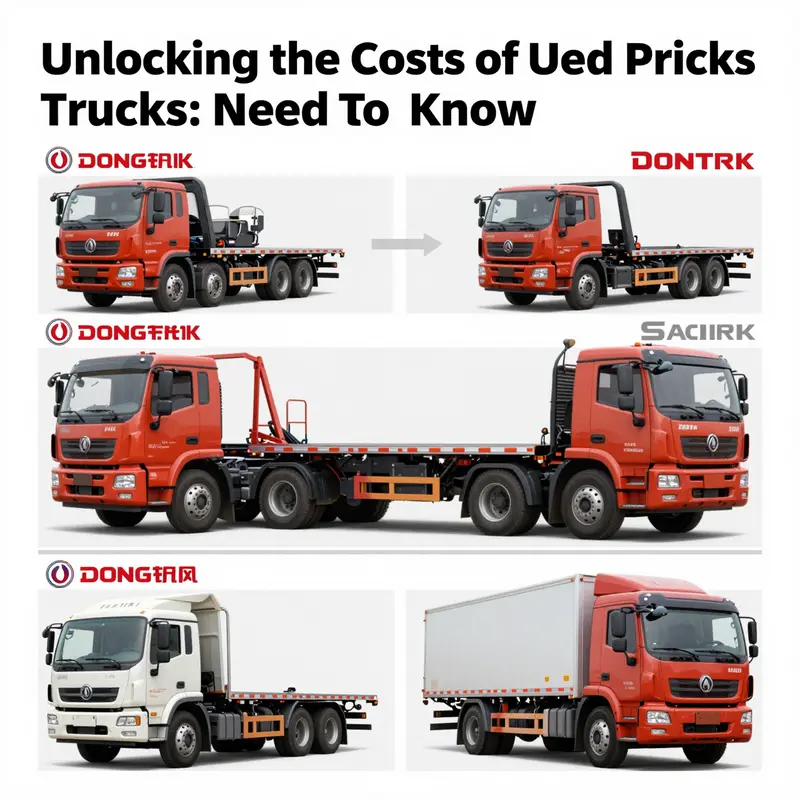
Prices for used tow trucks reflect a market as varied as the jobs these vehicles perform. Without a single formula, buyers must sift through a landscape that ranges from compact, city-friendly wreckers to hulking, high-capacity rotators designed for complex recoveries. The price you pay, and the value you receive, hinge on a blend of size, age, mechanical condition, and the specific configuration that determines what the machine can lift, tow, or recover. When you start at the ground level, the spectrum is broad enough to accommodate a tight budget and enough capability to justify a higher investment if the work demands it. This reality shapes not just the sticker price, but the decision calculus that guides a purchase that will bear on a fleet for years to come.
For the most common used options, small to medium tow trucks—think compact, urban-friendly wreckers with roughly two-ton capacity—have a price range that tilts toward affordability. Listings in this class typically sit between about $15,000 and $25,000 per unit. The lower end often represents units with higher miles, longer service histories, or wear that will require attention to the hydraulics, chassis, or winch system. The upper end within this band usually signals better maintenance records, more up-to-date components, and a cleaner overall presentation. These are the kinds of trucks that allow a shop to respond quickly to roadside calls without the heavy upfront cash outlay associated with larger, more specialized rigs. And for buyers who want to see how the market currently prices these workhorses, supplier platforms regularly reveal updated price points, with transparency on details like minimum order quantities, shipping terms, and payment options. For a sense of how such platforms present pricing and terms, you can consult supplier portals that regularly publish refreshed listings and terms of sale.
Moving into light to mid-sized tractor configurations, the market shifts again. These machines typically command a lower upfront price than the smallest end of the spectrum, thanks to a combination of simpler maintenance profiles and the realities of wear patterns tied to on-road use. Price ranges for these units often fall between roughly $6,000 and $13,000. Engine power and existing usage can push those numbers higher or lower, but the general takeaway remains clear: you can secure a capable recovery unit without a nine-figure investment. The trade-off, of course, is that these rigs may carry more miles or require more frequent servicing in key systems like suspension, transmission, and the undercarriage. The market reward for a buyer who does due diligence—checking service histories, confirming load-lift capacity, and verifying the integrity of the hydraulic system—can be a well-balanced vehicle that serves in urban towing, repossession, and light-duty recovery tasks.
As the size and capability increase, so does price volatility and potential long-term value. Heavy-duty tow trucks—those built on 6×4 or 8×4 chassis with high towing and lifting capacities—command a broader price spectrum. In this category, used units can range from roughly $12,500 up to $57,000, with newer models usually clustering in the $28,500 to $29,200 neighborhood. That spread reflects differences in drivetrain complexity, hydraulic power, winch sophistication, and the structural condition of the bed, mounting, and reinforcement necessary to handle heavy loads. A buyer who carefully weighs the anticipated workload against the initial outlay can find that a robust older heavy-duty unit may deliver long-term value, particularly if its maintenance history is solid and its lifting components remain within serviceable limits.
Among the most specialized and high-value options are rotator tow trucks. These machines, which feature rotating booms and fully integrated recovery systems, sit at the top of the price curve. New rotators routinely list between $150,000 and $300,000 or more, reflecting their advanced hydraulics, precision control systems, and the breadth of services they enable on the roadside. Even in the used market, rotators retain a premium due to their versatility and the technical expertise required to operate and maintain them safely. For buyers evaluating rotators, the total cost of ownership is a function not only of the purchase price but of ongoing service, spare parts availability, specialized technician labor, and the depreciation curve that follows heavy-use deployments. The market for these machines is a reminder that, beyond pure cost, the value proposition rests on the kind of operations a fleet intends to perform and the reliability needed to sustain uptime on critical missions.
Across these categories, there are notable exceptions and edge cases. Some listings highlight older, high-mileage units at surprisingly low prices, sometimes starting as low as about $4,020. These opportunities can be attractive for buyers who are prepared to invest in refurbishment and ongoing maintenance to restore reliability. At the same time, there are cases where very recent, low-mileage units—designed for quick recall to service and with modern control systems—exchange hands at prices that appear modest in the context of the market, but require a careful appraisal of condition, compliance with local regulations, and the availability of service support in the buyer’s region. The result is a market where the cheapest option is not always the best value; and where the most expensive option may be justified by mission-critical needs, uptime requirements, and the operational flexibility that high-capacity units deliver.
To illustrate the market’s breadth with practical context, consider recent listings that reflect the spectrum well. A used unit described as a heavy-duty 6×4 prime mover can appear in the low tens of thousands, while a 6×4 or 8×4 heavy truck built for towing and recovery can land in the mid-range or higher, depending on condition and configuration. Some examples echo the range with a used heavy-duty unit priced around ten thousand dollars, while other ads show similar class vehicles for well into the tens of thousands, highlighting the impact of condition, features, and service history on perceived value. By contrast, specialty or large-capacity units that carry robust recovery capabilities are more likely to command prices well above the average, even when used, because the services they enable and the demand for uptime justify the premium. Conversely, the market’s most affordable options include rollback and underlift configurations, which remain widely available and tend to be the first stops for operators expanding capacity without a large upfront capital outlay.
In conversations about price, many buyers also notice the role of age and mileage. A four-year-old flatbed, for example, can sit in a mid-to-lower range for its class, while a similar truck at eight to ten years might trade for a few thousand dollars more if it has held up well mechanically and has a strong service history. Conversely, a one-year-old unit often lands at the upper end of its category’s price band, buoyed by its recent investment in components, paint, and cosmetic condition. The oldest trucks—sometimes approaching the end of their planned lifecycle for heavy-duty work—usually fetch lower prices but may require significant investment to reach the standard of reliability needed for heavy, time-critical recovery operations. The market rewards sellers and buyers who exchange transparent histories, inspection records, and a clear statement of any prior accidents, rebuilds, or major overhauls.
Buying used tow trucks, therefore, becomes a balancing act between price, capability, and the trust you place in the vehicle’s history. A thoughtful buyer will assess not just the sticker price but the total cost of ownership: potential maintenance and repair bills, parts availability for the chosen configuration, insurance considerations given the vehicle’s role, and the expected uptime that supports enterprise operations. The decision framework should align with the intended use—whether it is urban towing and short-haul repossessions, or high-demand road rescues and heavy-duty recoveries that demand maximum lifting power and reliability under pressure. The more a buyer understands the work profile, the better they can calibrate the initial investment against the long-term value the machine delivers.
As you navigate listings, it helps to lean on price transparency from reputable supplier platforms. These platforms frequently publish detailed specifications, maintenance histories, and terms that can clarify what you’re paying for beyond the listed price. They can also illuminate ancillary costs, such as shipping, handling, and any minimum order quantities if you’re buying multiple units for a fleet. For a broad sense of current pricing and what constitutes a solid deal, these platforms provide a helpful barometer that complements independent inspections and negotiations. For readers who want a structured resource to compare options, a well-curated platform can also serve as a baseline for bidding and evaluation when you’re assembling a fleet or expanding capacity with a measured, data-driven approach. In addition to price, pay attention to the lifting capacity, bed configuration, winch type, and whether the unit includes essential accessories that influence day-to-day performance on the road.
In the end, the decision to buy a used tow truck sits at the intersection of cost, capability, and risk tolerance. The market’s breadth allows buyers to tailor an acquisition to exact needs—whether that means a smaller, nimble rollback for urban recovery, a robust flatbed for quick loading and durable service, or a high-capacity rotator for complex incidents that demand a wide operating window and sophisticated control systems. The right choice is rarely the cheapest or the most expensive option. It is the option that delivers the best alignment between the work you face, the reliability you require, and the total cost of ownership you can justify over the vehicle’s expected life. Buyers who approach the market with this perspective—combining careful inspection, clear valuation of condition, and a realistic forecast of maintenance needs—will find a path that respects both their budgets and their service commitments.
For readers who want a practical starting point in the search, note that price transparency and detailed listings are often best accessed through supplier portals that routinely refresh pricing and include details on shipping and payment terms. A helpful way to ground your approach is to visualize the lifecycle of the vehicle you’re considering: from the day you take ownership to the last year of service and the residual value at trade-in. A well-chosen used tow truck can deliver reliable service for years, provided you balance upfront investment with ongoing care. To support that balance, consider consulting fleet-management resources that discuss standardization and readiness as you plan for emergencies and regular operations. These resources offer a framework for evaluating a vehicle’s fit within a broader fleet strategy, ensuring that your purchase strengthens the overall efficiency and resilience of your operations. See for example resources focused on fleet standardization and emergency readiness, which provide practical guidance for aligning vehicle assets with service needs and response readiness. fleet standardization and emergency readiness.
Finally, while this chapter centers on market prices and typical configurations, buyers should also look beyond the domestic market if demand is strong and supply scales globally. International sourcing can unlock access to units that meet specific capacity and feature requirements, but it adds layers of complexity—from verification of condition and compliance standards to shipping logistics and import duties. An informed buyer will weigh these factors against the potential savings and ensure they have the technical support necessary to certify the vehicle for their local operations. For further reading on global sourcing practices and market dynamics, external resources from global supplier platforms can provide deeper insights into how different regions price and position used tow trucks, along with practical guidance on shipping, inspection, and warranty considerations. External resource: https://www.made-in-china.com.
Strategic Buying for Value: Securing the Best Deal on a Used Tow Truck
Purchasing a used tow truck is more than a simple transaction; it is a strategic investment in the resilience and efficiency of a service operation. For a business that depends on reliable on-road response and rapid vehicle recovery, the right tow truck is as critical as the drivers who operate it. A cluttered market, where models range from compact wreckers to heavy-duty prime movers, demands a disciplined approach. The goal is not merely to minimize upfront cost but to maximize long-term value. That value rests on a careful alignment of capacity, condition, and total cost of ownership with the specific demands of your fleet and geography. In practice, this means translating a dealer’s or a seller’s sticker into a reliable, predictable asset for years to come. The market offers a spectrum: small to medium tow trucks often fall in the mid two-figure thousands, while light to mid-sized tractor trucks may sit lower, and heavy-duty configurations stretch much higher, sometimes into the upper tens of thousands. Context matters as much as numbers. A compact, urban-friendly wrecker with a modest lifting capacity can save money upfront but may incur higher maintenance costs if it struggles with the weight and cadence of daily operations. Conversely, a heavier unit with greater lift capacity and more robust hydraulics might command a higher price but deliver lower downtime and faster scene clearance, particularly in fleets that handle large vehicles, complex recoveries, or high-volume operations. The initial pricing ranges you’ll encounter reflect these trade-offs. Data from current listings shows that small to medium tow trucks commonly land between roughly fifteen thousand and twenty-five thousand dollars per unit. Light to mid-sized tractor trucks in the same class can appear between six thousand and thirteen thousand dollars, depending on engine power and documented usage. Heavy-duty configurations with six-by-four or eight-by-four drive layouts, especially those with high towing capacity, present a broader spectrum—from around twelve thousand to fifty-seven thousand dollars, with newer models clustered in the twenty-eight to thirty thousand range. And specialized or large-capacity tow trucks may exceed fifty thousand dollars when they are in excellent condition or equipped with advanced features. These numbers reflect not only hardware but the market’s assessment of reliability and the potential maintenance envelope. A few concrete examples illustrate the breadth of the market and the decision points it creates. For instance, a used Shaanxi Shacman X3 6X4 heavy cargo prime mover has appeared on listings at about ten thousand five hundred dollars, a figure that might tempt a buyer who expects to invest further in refurbishment or reconditioning. A used HOWO 8X4 dump truck offers another data point in the same space, often priced between nine thousand and sixteen thousand dollars, suggesting that even configurations with heavy capability are sometimes available at surprisingly modest price points when they come with trade-offs in mileage, wear, or prior usage. A broader reality is that many general purpose tow trucks start at relatively low price points, sometimes just above four thousand dollars, but those early entries typically represent older air sources of wear, limited lifting capacity, or incomplete equipment packages. The prudent approach is to view price as a signal rather than a final verdict: it marks where the market currently places a given combination of age, condition, and capability, while the long-term value depends on how you manage maintenance, upgrades, and utilization. To navigate this spectrum effectively, one must lean into the process that buyers in professional contexts use every day. The first pillar is defining precise needs. If your operation is urban—where parking constraints and tight streets demand nimble maneuverability—a smaller unit with a dependable winch and a compact recovery bed may be ideal. If your business frequently handles large disabled vehicles, the choice will tilt toward heavier-duty configurations, extended reach, and sturdier hydraulics. In either case, a clear lift capacity target, appropriate drive configuration, and the preferred recovery style—flatbed versus traditional wrecker—will anchor the search. A realistic budget then follows, one that includes the purchase price plus the anticipated ongoing costs: routine maintenance, tires, parts, insurance, inspections, and potential downtime during upgrades. When buyers understand both the functional needs and the total cost of ownership, they avoid the trap of chasing a low upfront price that quickly becomes an expensive mistake. Market research is the next essential element. In an era where many listings stream through global platforms, a methodical comparison across models, years, and mileage is critical. The goal is to establish a realistic price range for your target vehicle and to identify deviations that signal potential issues or unusually favorable terms. A Vehicle History Report (VHR) tied to the VIN is indispensable. Reports from established providers can reveal accidents, title concerns such as salvage or flood titles, and whether maintenance has been thorough or sporadic. Even seemingly minor red flags—repeated repairs, inconsistent service records, or major component replacements—can dramatically affect value and risk. Because a tow truck’s critical systems are dynamic assets, a VHR serves as a baseline for confidence. For a buyer who wants deeper assurance, a pre-purchase inspection by a qualified mechanic is worth the investment, especially with higher-mileage or older units. A PPI shines a light on the more challenging facets: hydraulic system integrity, winch performance, pump condition, and the overall health of the chassis under load. While a seller may present a vehicle as “sound,” only an expert inspection can verify that claim and uncover latent issues that would otherwise surface later as costly downtime. The maintenance history, often logged in a detailed service record, becomes a second pillar of confidence. A well-documented history demonstrates consistent care, including regular oil changes, hydraulic fluid checks, hose and valve replacements, and routine system calibrations. When such logs exist, they provide a proxy for reliability and a practical basis for calculating life expectancy and future budgets. In the negotiation arena, the value of information cannot be overstated. Start with a carefully reasoned offer that respects what you have learned from the VHR and the PPI. If you discover issues—perhaps a dent in the bumper, higher mileage than advertised, or a minor hydraulic leak—use those findings to justify a lower price. Framing your offer with specifics—such as “comparable trucks in similar condition are selling for X” or “the report indicates two minor accident claims; I’d propose a reduction of Y”—keeps the discussion anchored in objective data rather than subjective angles. Beyond the sticker price, non-monetary terms can add significant value. You might request additional services, such as free or discounted towing during the initial period, a spare parts package, or an extended warranty on the winch or hydraulic components. The key in negotiations is patience and the willingness to walk away. A seller who values the buyer’s readiness to explore alternatives can be nudged toward more favorable terms. The most effective buyers treat the process as a structured decision rather than a single moment of sale. This discipline helps prevent impulse purchases driven by urgency or a fear of missing out. It also supports a more accurate evaluation of total cost of ownership. The cheapest price is rarely the best deal if it is accompanied by unplanned maintenance, frequent downtime, or abrupt replacement costs. The total cost of ownership includes the initial purchase price plus ongoing expenses: regular maintenance, wear and tear on hydraulics, tires, brake components, and potential upgrades to meet safety or regulatory standards. A practical frame for evaluating TCO is to forecast maintenance needs based on the truck’s age and mileage, estimate replacement or refurbishment costs for critical components, and then amortize these costs over a reasonable ownership horizon. If a unit already requires significant refurbishing, the calculation may show that a higher upfront price actually yields lower overall expenditure and greater uptime in the long run. Finally, a disciplined buyer will harmonize these insights with a strategic plan for integration into the fleet. This means aligning the new asset with existing equipment in terms of maintenance capabilities, spare parts availability, and driver training requirements. The operational compatibility of the new tow truck with current procedures and emergency response protocols matters as much as the mechanical fit. A well-chosen used tow truck becomes not just a tool but a bridge to smoother operations, faster response times, and greater service reliability. For readers seeking ongoing guidance and practical case studies, further insights are available in the Santamaria Tow Truck blog. Santamaria Tow Truck blog The narrative above is a map of a disciplined buying journey, not a single destination. It encourages buyers to define needs precisely, research market realities, verify condition through documentation and inspection, negotiate from a position of knowledge, and account for the full cost of ownership in the decision. As you step into the market, carry with you not just a list of features but a clear understanding of how each choice affects operations on the road, readiness at the scene, and the bottom line of your fleet. The price you pay for a used tow truck should be viewed in the context of uptime, reliability, and the ability to meet demand with consistent performance. When those elements align with your budget, you have achieved a deal that not only looks good on the page but performs well in the field. To extend your research and refine your approach, consider a trusted external resource that provides broad information on vehicle history and ownership costs: https://www.carfax.com/.
Final thoughts
Understanding the costs associated with purchasing a used tow truck, along with the influencing factors, market comparisons, and effective purchasing strategies, allows you to make an informed decision. Whether you’re a local driver needing a reliable vehicle, an auto repair shop looking to expand your services, or a property manager needing efficient towing options, these insights will guide you to navigate the used tow truck market effectively.