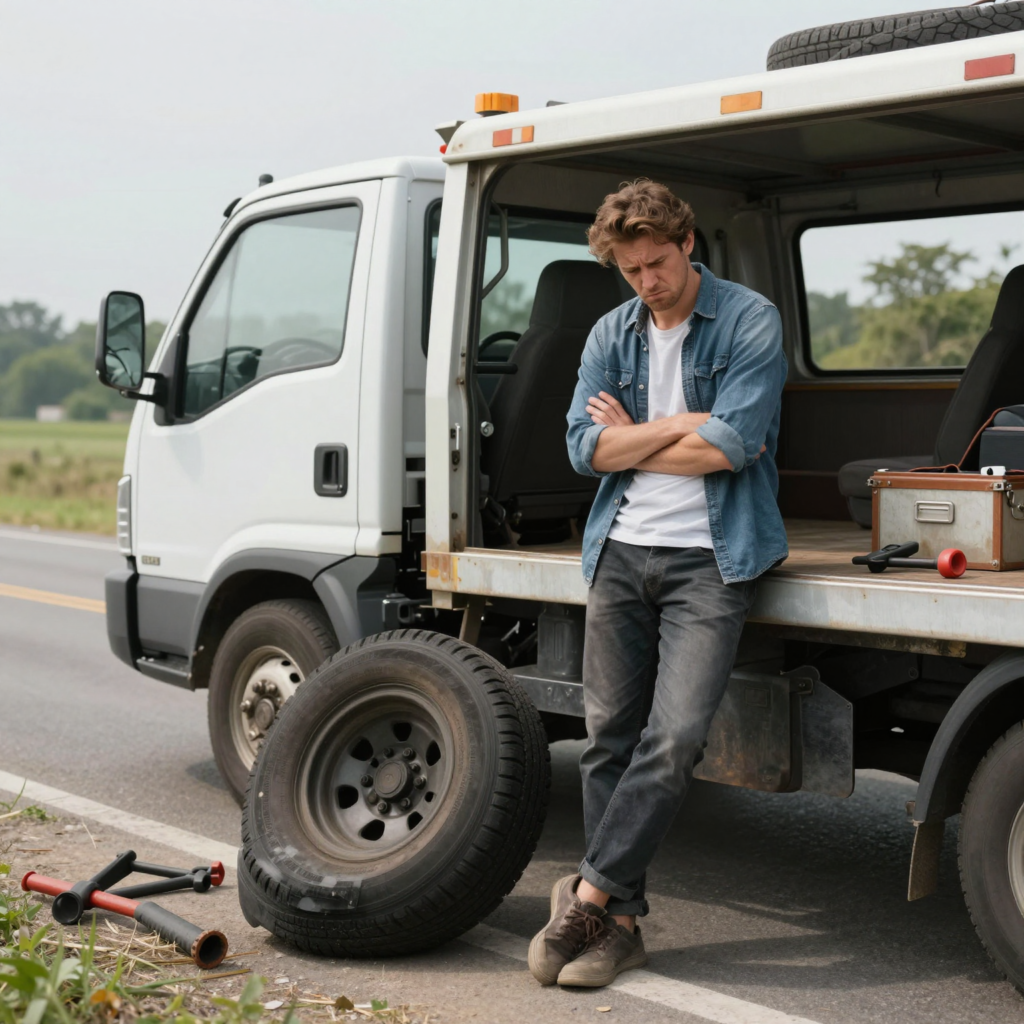
In the throes of a roadside mishap, every driver can relate to the omnipresent frustration of waiting for a tow truck that seems to take an eternity to arrive. Whether it’s a flat tire, an engine failure, or an unexpected breakdown, that anxious anticipation can feel overwhelmingly frustrating, especially when you’re already stressed and unsure about what to do next. You might find yourself questioning, “Why is this taking so long?” As you sit on the side of the road, perhaps you’re also worrying about the safety of your vehicle and your own well-being.
At Santa Maria Tow Truck, we understand that being stranded is more than just a minor inconvenience; it’s an experience that can evoke powerlessness and anxiety. That’s why this article aims to shed light on the common reasons behind tow truck delays. Understanding these factors not only helps manage expectations but also builds empathy for the hard-working professionals tasked with getting you back on the road. By the end of this piece, you’ll have a clearer insight into the complexities of towing services and how best to navigate them in times of need. Learn more about the factors affecting tow truck response times that may influence your wait.
Common Reasons for Tow Truck Delays
When you find yourself in need of a tow truck, the waiting time can often feel agonizingly long. Understanding the common reasons for these delays can keep drivers informed and more patient during these stressful situations. Here are some of the primary factors that can contribute to tow truck delays:
1. Traffic Conditions
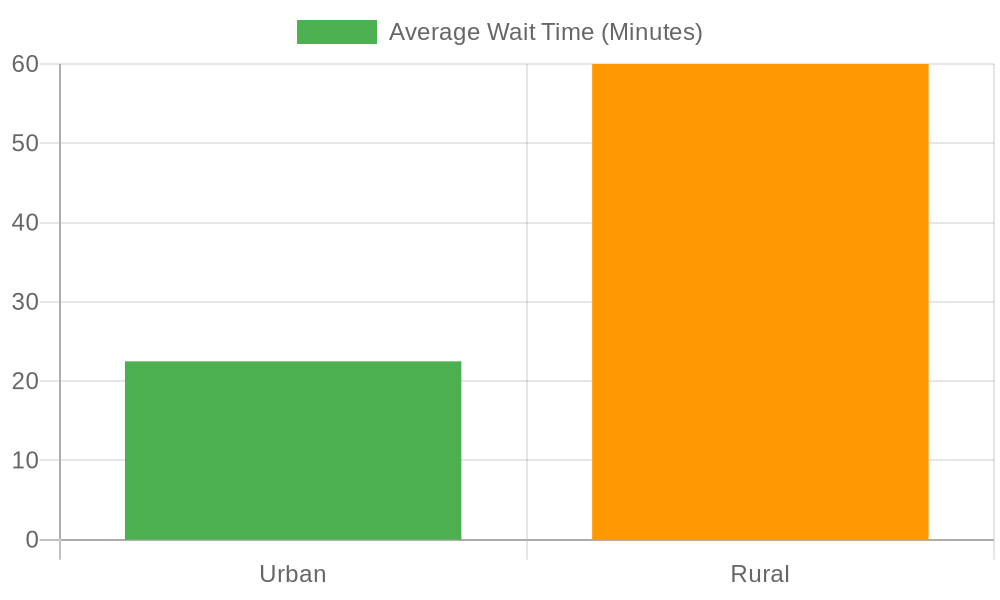
Traffic congestion is a prevalent issue that affects tow truck response times. During peak hours or in heavy traffic areas, it may take significantly longer for a tow truck to reach your location. In urban settings, the average arrival time may improve, ranging from about 20 to 30 minutes, while rural environments could see wait times extending up to 90 minutes or more, as noted by the American Automobile Association (AAA).
2. Distance from the Towing Company
The distance between you and the nearest available tow truck can substantially influence the wait time. If a towing company has multiple clients or operates from a centralized location, the distance can increase the time required to dispatch a truck to your site. For example, companies servicing rural areas often have longer distances to cover, leading to prolonged wait times.
3. Complexity of the Tow
The nature of the tow itself can also lead to delays. If your vehicle is in a precarious position-such as on the edge of a cliff or deep in mud-it may require additional resources or specialized equipment, which can increase the time it takes to get to your location. Additionally, towing larger vehicles or those with severe damage can prolong the process.
4. Weather Conditions
Severe weather, including heavy rain, snow, or ice, can impede both the tow truck’s movement and its ability to safely retrieve your vehicle. Sticky conditions can often lead to road closures or hazardous driving, which in turn can significantly delay a tow truck’s arrival.
5. Availability of Tow Trucks
Towing companies often face high demand, especially during busy seasons or after major accidents. If a tow truck is already grappling with other calls for assistance, the response time for new requests may increase. In fact, the 2023 survey by the National Towing and Recovery Association (NTRA) revealed the median arrival time for a tow truck was approximately 36 minutes, showcasing the variability in response times influenced by operational demands.
6. Dispatch Technology
While many towing companies employ advanced GPS tracking and dispatch systems to enhance efficiency, not all companies utilize these technologies. Companies relying on traditional dispatch methods without access to real-time location data may have longer wait times. Those implementing modern dispatch systems have reported average wait time reductions by 18-25%, significantly speeding up service during emergencies.
In light of these contributing factors, it’s crucial for local drivers to stay informed about potential delays while awaiting a tow truck service. Ensuring smooth communication with the towing company and understanding your own location can ease the anxiety of waiting. For more about how to handle towing situations, check out our guide on illegal towing and what to do if you feel you’re being wronged.
By understanding the reasons behind possible delays, drivers can maintain their patience and focus on staying safe while assistance is on the way.
- Average Tow Truck Arrival Time:
- Urban Areas: 20-30 minutes
- Rural Areas: Up to 90 minutes
Stay prepared and informed, and ensure a smoother towing experience when needed!
Expert Insight on Towing Challenges
In the towing industry, operators often face significant challenges, especially during extreme weather conditions. John Van, owner of Finish Line Towing in southern Wisconsin, emphasizes the difficulties that tow truck operators encounter during severe winter storms. He notes that his company expects to handle between 300 to 500 service calls in a single day during these events, necessitating an ‘all-hands-on-deck’ approach with staff called in even on their days off. With safety as a top priority, he states,
“We only operate on the side of the freeway when we can be completely clear of the white line, reflecting the extreme risks posed by hazardous road conditions and ongoing construction zones.”
This quote encapsulates the urgency and dangers that towing professionals navigate, providing valuable context for readers regarding why response times can vary during crucial situations.
For more information on illegal towing practices, learn more here.
Tips for Drivers Waiting for a Tow Truck
While waiting for a tow truck, it’s essential to ensure your safety and make the most of the situation. Here are some practical tips:
- Inform Others of Your Location: Share your exact location with friends or family so they can check on you and guide the tow truck.
- Activate Hazard Lights: Always turn on your hazard lights to alert other drivers that you are stationary and need assistance.
- Stay Inside the Vehicle: If you are in a safe location, remain inside your car with doors locked to protect yourself from traffic.
- Use Reflective Triangles: If safe, place a reflective triangle behind your vehicle to increase visibility.
- Keep Communication Devices Charged: Make sure your phone is charged so you can contact the tow service and stay in touch with others.
- Use Waiting Time Efficiently: If conditions allow, use the time to check your vehicle’s manual or plan your next steps once assistance arrives.
For more emergency tips, you can read our detailed guide.


The Role of Dispatch Centers in Towing Operations
Dispatch centers play a crucial role in ensuring the efficient deployment of tow trucks. These facilities act as the nerve center for coordinating vehicle recoveries, utilizing advanced technologies and real-time data to improve service delivery. According to the American Automobile Association (AAA), dispatch centers can reduce average response times by up to 30% through optimized routing. By leveraging a combination of GPS tracking and automated status updates, dispatchers are able to assign the closest tow trucks based on real-time information regarding location, vehicle type, and equipment needs.
Enhancing Local Driver Interactions
The interaction between dispatch centers and local drivers significantly enhances overall service efficiency. Dispatchers communicate effectively with drivers, providing them with critical updates about their assignments and any changes in the situation, particularly during emergencies. This seamless communication ensures that drivers can adjust their routes or responses based on the current traffic and road conditions, which are integral to maintaining or improving expected response times. For example, modern dispatch systems enable drivers to receive real-time alerts about accidents, construction, or weather disruptions, allowing them to navigate these challenges more effectively.
Logistical Challenges and Solutions
Despite the efficiencies that dispatch centers aim to achieve, they often face logistical hurdles. Navigating through traffic congestion and adapting to unexpected road closures or weather disruptions can complicate en-route turnout and delivery times. Insights from a TikTok video provided a glimpse into the daily challenges a tow dispatcher encounters, including the pressure of real-time coordination and the need for quick decision-making under stress. The necessity to prioritize urgent calls while managing customer expectations adds to the complexity, making the dispatch role both demanding and vital.
To address these logistical challenges, many companies are investing in sophisticated dispatch software that features route optimization and automated scheduling. Such innovations help ensure a high level of service reliability, allowing for adaptive strategies that prioritize urgent towing needs even as conditions change unpredictably. By balancing workloads across available tow trucks and maintaining visibility of their locations, dispatch centers play an indispensable part in optimizing operations and enhancing customer satisfaction.
Ultimately, dispatch centers are not just operational hubs; they are pivotal to the entire towing ecosystem. Through effective coordination with local drivers and adept handling of logistical challenges, they facilitate timely and efficient towing services that drivers and car owners rely upon during critical times.
Comparison of Tow Truck Regulations Across States
Understanding the regulations governing tow trucks across different states is crucial as they can significantly influence response times in emergency situations. The following table outlines key regulatory aspects of tow trucks in several representative states:
| Item | California | Texas | New York | Florida | Illinois |
|---|---|---|---|---|---|
| Licensing | Requires Registered Tow Truck Operator (RTTO) license; background check mandatory. | Must register with Texas Department of Public Safety; local city regulations may apply. | Requires state towing operator license (TOW-1) and application to state DOT. | Must register with Florida DOT and obtain towing service license. | Requires registration with Illinois DOT and towing service license. |
| Insurance Requirements | Minimum liability: $100k/accident; $50k/vehicle damage; $25k/personal injury. | Minimum liability: $100k/accident; $30k/personal injury; $25k/property damage. | Minimum: $100k/accident; $30k/personal injury; $25k/property damage. | Minimum: $100k/accident; $30k/personal injury; $25k/property damage. | Minimum: $100k/accident; $30k/personal injury; $25k/property damage. |
| Vehicle Inspection | Mandatory annual inspections by an authorized entity; must meet federal safety standards. | Recommended annual inspections; no state-wide mandate, but many firms self-inspect. | Mandatory annual inspections by state certified technicians. | All tow trucks must undergo state inspections every two years. | Mandatory vehicle inspections every two years, covering brakes, lights, etc. |
| Operator Training | Basic safety training required (NHTSA-approved courses); certification encouraged. | No state-wide training; most companies provide internal training. | Requires completion of state-approved safety training and certification for operators. | Mandatory basic driving and safety training for all drivers (state-approved). | Requires at least 40 hours of training (theoretical and practical). |
| Impact on Response Times | Strict licensing may slow new entries, but high compliance enhances service reliability. | Lower entry barriers enhance market competition, potentially reducing response times but varying quality. | High training/inspection raises professionalism, but lengthy approvals can slow emergency response. | Efficient registration process fosters quick response networks. | Rigorous training enhances driver capability, reducing failure rates in the long term. |
For more insights into the impact of regulations on towing operations, learn more about illegal towing practices and how effective preparation contributes to quicker responses in emergencies, check our article on emergency response preparation for fleets.
Conclusion
In conclusion, understanding why tow trucks can sometimes take longer than expected to arrive can foster empathy among drivers awaiting assistance. Our exploration of the various challenges faced by towing operations-from extreme weather conditions to high demand during peak incidents-reveals a complex interplay of factors that affect response times. For instance, during winter storms, towing crews face hurdles such as icy roads and limited visibility, demanding that they prioritize safety above speed to ensure both their safety and that of the drivers they assist.
The insights shared in this article highlight the importance of acknowledging the demanding nature of towing services. As reported by Transport WA, a significant percentage of the community recognizes the need for industry reforms to enhance response times and service quality, showing the public’s appreciation for transparency and constant communication during these stressful moments. Thus, the next time you find yourself waiting for a tow, consider the multifaceted challenges involved and appreciate the efforts made by tow truck operators working diligently to support you in your time of need. Empathy towards these professionals can further enrich the relationship between drivers and the towing industry, paving the way for improved service experiences in the future.
| Area | Average Wait Time (Minutes) |
|---|---|
| Urban | 15-30 |
| Rural | 45-75 |
Data sources: AAA, NHTSA, Japanese Road Association
Take Action for a Safer Riding Experience!
When emergencies strike on the road, every moment counts, and a reliable tow service can make all the difference. At Santa Maria Tow Truck, we understand that waiting for assistance can be frustrating, especially in critical situations. That’s why we are dedicated to enhancing your riding experience through prompt and professional service.
Don’t wait until you’re stranded to take action! Start being proactive today by equipping your vehicle with essential safety tools and familiarizing yourself with emergency procedures.
If you’re interested in how to prevent illegal towing or need fleet emergency response strategies, check out our insightful articles on spotting illegal towing and emergency response preparation. Together, let’s ensure your journeys are safe and worry-free!