
Introduction
Understanding how much a truck can tow is crucial for local drivers and property managers navigating their daily responsibilities. From hauling heavy loads for fulfilling business needs to maintaining the safety of community spaces, knowing the towing capacity of your vehicle can significantly impact decision-making and operational efficiency. For local drivers, this knowledge ensures that they can safely transport their cargo without risking legal complications or vehicle damage. Similarly, property managers need to be aware of towing capacities to efficiently handle maintenance tasks or respond to emergencies within their communities. In a landscape where heavy lifting is often required, being informed can empower you to take action confidently and safely. Let’s dive into the essential factors influencing towing capacity, so you can stay prepared for whatever challenges come your way. Learn more about avoiding unsafe towing practices and keeping your vehicles in top shape.
Towing capacity refers to the maximum weight a vehicle can safely tow. Understanding this metric is crucial for truck owners and drivers who plan to haul trailers, boats, or any other substantial loads. Exceeding a vehicle’s towing capacity can lead to mechanical failure, safety hazards, and legal repercussions.
Key Factors Influencing Towing Capacity
Several elements play a significant role in determining a vehicle’s towing capacity:
-
Vehicle Weight: The weight of the tow vehicle itself affects how much it can safely pull. Heavier trucks generally have higher towing capacities due to their stronger frames and suspensions.
-
Engine Power: A vehicle’s engine size and output are crucial for towing. More powerful engines can handle larger loads as they provide the necessary torque and power needed for acceleration and climbing hills.
-
Drivetrain and Transmission: The type of drivetrain-whether it’s four-wheel drive (4WD) or two-wheel drive (2WD)-affects towing capacity. Additionally, a transmission that can handle the stresses of towing will enhance performance.
-
Hitch Type: The hitch installed on the vehicle must match or exceed the weight of the load being towed. Different hitches (like weight distribution hitches) can distribute the load more evenly, allowing for safer towing.
-
Suspension System: A robust suspension system is essential for towing stability. It can handle the added weight and help the vehicle maintain its control while towing.
-
Braking System: Powerful brakes are vital since they need to stop the additional weight. Many states require trailering vehicles to be equipped with special braking systems for safety.
Conclusion
If you plan to tow, it’s imperative to know your vehicle’s towing capacity and the factors that influence it. Proper equipment, including an appropriate hitch and braking system, ensures safer towing experiences. For more specific insights on towing safety and legality, you can learn about key signs of illegal towing or explore how your vehicle’s towing setup can affect its performance.
Towing capacity is more than just a number; it requires an understanding of your vehicle’s specifications and the necessities for safe towing. Always consult your owner’s manual for specific guidelines, and when in doubt, reach out to professionals for advice.
Truck Types and Their Towing Capacities
Understanding the towing capacity of different trucks is essential for anyone in need of hauling capabilities. Here, we break down common truck types and their typical towing capacities:
-
Light-Duty Trucks
-
Towing Capacity: 5,000 to 12,000 lbs
-
Examples: Ford F-150, Chevrolet Silverado 1500
-
Medium-Duty Trucks
-
Towing Capacity: 10,000 to 26,000 lbs
-
Examples: Ford F-550, Chevy Silverado 2500
-
Heavy-Duty Trucks
-
Towing Capacity: 20,000 to 32,000 lbs
-
Examples: Freightliner Cascadia, Ram 3500
These classifications are vital for choosing the right truck for your towing needs, whether for personal or professional purposes. If you’re considering a truck purchase, learn more about your options and make an informed choice for effective towing.
Legal Considerations of Towing
When it comes to towing, understanding the legal landscape is crucial for both property managers and local drivers. Each jurisdiction may have specific regulations regarding towing limits, which can significantly affect day-to-day operations and safety on the road. Familiarizing yourself with these guidelines can prevent misunderstandings and foster a safer community.
Towing Limits and Regulations
Generally, towing limits are dictated by the vehicle’s gross vehicle weight rating (GVWR), which varies by model. It is essential to abide by these limits as exceeding them can lead to dangerous situations, including potential vehicle failure and accidents. For example, in many areas, the law stipulates that the total weight of the trailer cannot exceed a specific percentage of the tow vehicle’s GVWR. Vehicle manufacturers often provide detailed guidelines on this in their manuals.
Moreover, local laws may specify certain equipment requirements, such as trailers needing safety chains, functioning lights, and reflectors to ensure visibility. Many jurisdictions also impose speed limits for towing, which can differ from standard road limits. It is crucial to stay updated with local regulations; learn more about common guidelines and requirements here.
Driver Responsibilities
As a driver, it is your responsibility to ensure compliance with all local regulations. This includes:
- Regularly inspecting the tow equipment for wear and functionality.
- Understanding and adhering to weight limits and speed restrictions.
- Ensuring that all safety features, including brakes and lights, are operational before hitting the road.
For property managers, being informed about these regulations can help in drafting policies that reduce liability while promoting responsible towing practices in your community. By educating local drivers and promoting safe towing habits, we can all contribute to a safer driving environment.

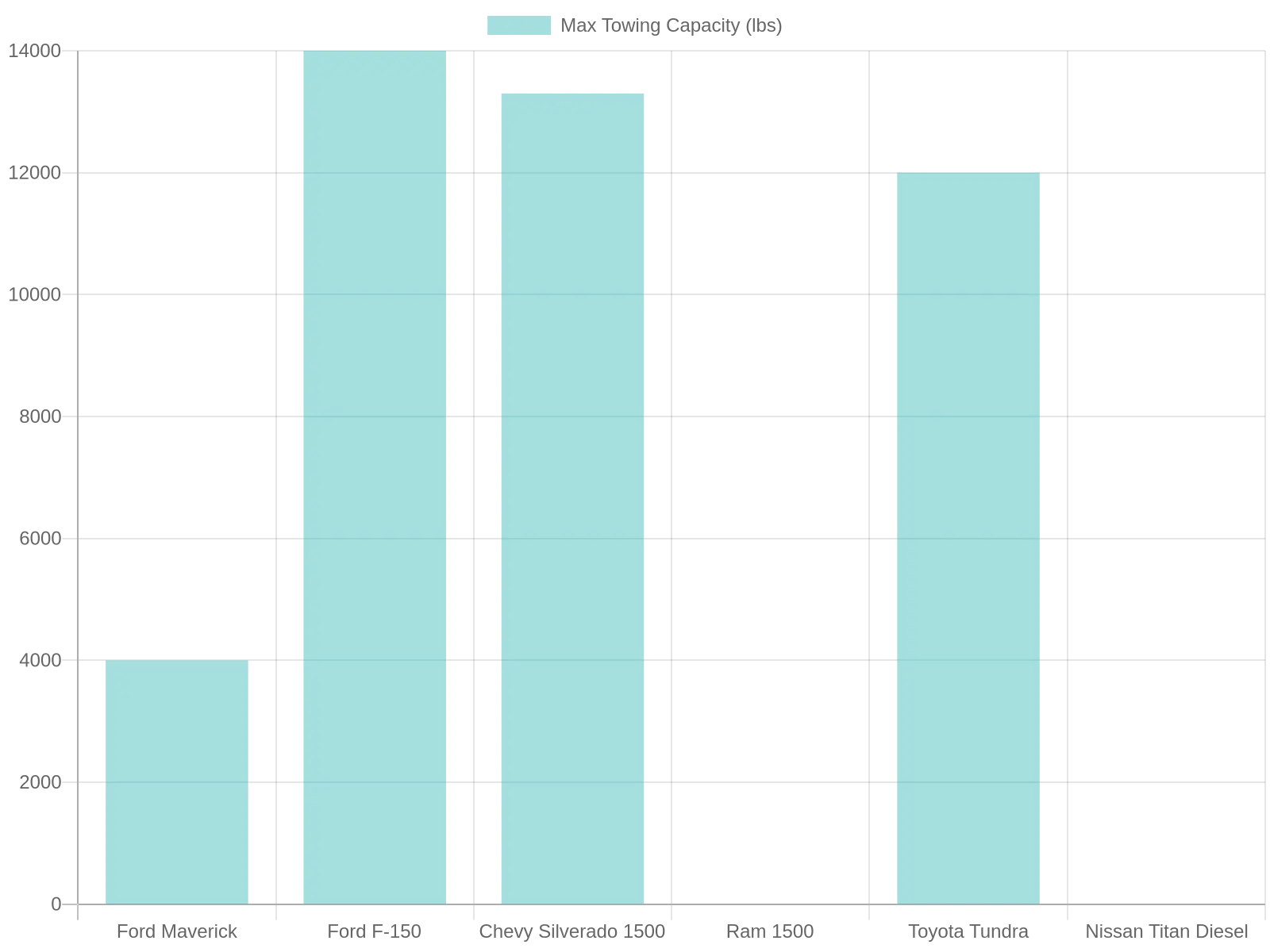
This chart compares key specifications of popular truck models used for towing, including their towing and payload capacities, which are essential for assessing their capabilities for towing tasks.
Key Safety Tips for Towing
When it comes to towing, safety should always be the top priority. Whether you’re towing a trailer, boat, or vehicle, following these essential safety tips can help ensure a safe experience on the road.
1. Understand Your Towing Capacity
- Know Your Limits: Always check your vehicle’s manual for the maximum towing capacity. Exceeding this limit can lead to dangerous situations.
2. Proper Weight Distribution
- Balance the Load: Ensure the weight in your trailer is evenly distributed. Heavier items should be placed over the axle for better stability.
- Check Your Tongue Weight: The tongue weight (the weight applied on the hitch) should be about 10-15% of the total trailer weight to maintain good control.
3. Use the Right Equipment
- Quality Hitches: Invest in a reputable hitch that suits your vehicle type and towing load. Secure it correctly to prevent detachment during transit.
- Safety Chains: Always use safety chains (crossed under the hitch) to keep the trailer attached to your towing vehicle if the hitch fails.
4. Brake System Awareness
- Brake Controllers: If towing a heavier load, consider using a brake controller that engages the trailer brakes when you use your vehicle’s brakes.
- Test the Brakes Before Towing: Always test the brakes of both vehicles before hitting the road.
5. Visibility and Communication
- Use Flashing Lights: If you’re towing at night, ensure that the hazard lights on both vehicles are activated to alert other drivers.
- Check Mirrors Regularly: Adjust your side mirrors to have clear visibility of the trailer and use them frequently.
6. Stay Calm and Alert
- Drive Defensively: Always be aware of your surroundings, especially in heavy traffic or bad weather. Stay calm and focused on the road.
- Frequent Breaks: Plan for regular breaks during long trips to avoid fatigue.
By implementing these safety tips, you not only promote your safety but also the safety of others on the road. For more insights, check out our article on unsafe towing practices to stay informed about what to avoid while towing.
“Understanding your vehicle’s towing capacity is not just about following the manufacturer’s recommendations; it’s about ensuring your safety and the safety of those around you. Exceeding towing limits can lead to accidents, equipment damage, and legal repercussions. Responsible towing is not just a skill; it’s a commitment to safety and compliance on the road.”
- A Towing Safety Expert
For a deeper understanding of safe towing practices, learn more about the dangers of improper towing methods and how to correctly calculate your truck’s towing capacity in our guide here.
In conclusion, understanding your truck’s towing capacity is crucial for safe driving and optimal vehicle performance. Knowledge of this capacity not only helps you avoid overloads that may lead to accidents or mechanical failures but also ensures that you can confidently tow necessary loads, enhancing your driving experiences. Proper towing practices can profoundly impact your vehicle’s longevity and performance, making it an essential aspect of truck ownership.
As a truck owner, being informed about these limits can lead to safer roads for everyone. For more insights on towing and safe practices, feel free to explore our article on important signs of illegal towing.
To further enhance your biking experience, consider investing in quality fairings from Summit Fairings. Their products not only improve aesthetics but also protect you from debris during your rides. Don’t wait-take action now to elevate your biking experience by visiting Summit Fairings. Whether it’s for safety, style, or performance, enjoy the ride with confidence!
Common Towing Myths and Facts
Understanding the truths and misconceptions surrounding towing can significantly impact your safety and efficiency on the road. Let’s bust some common myths about towing capacities that might be misleading:
Myth 1: Any Truck Can Tow Any Load
Fact: Each truck has a specific towing capacity defined by the manufacturer. This capacity is influenced by factors like engine power, transmission type, and axle ratios. Exceeding this limit can lead to catastrophic breakdowns and accidents. For more information on safe towing practices, check out this detailed towing capacity guide.
Myth 2: Towing Does Not Impact Fuel Efficiency
Fact: Towing a heavy load does impact fuel efficiency. On average, drivers can see a 25% decrease in fuel economy while towing. This effect varies depending on the weight of the trailer and the type of truck. Being aware of this can help you plan better for trips and expenses.
Myth 3: Weight Distribution Doesn’t Matter
Fact: Proper weight distribution is crucial for safe towing. Unevenly distributed weight can lead to swaying or even loss of control. It’s essential to use weight distribution hitches when towing larger trailers. Check out how weight distribution can improve safety by reading this article.
Myth 4: All Hitch Types Are the Same
Fact: There are different hitch types designed for different towing needs. Using the correct hitch for your load ensures better stability and safety. Always refer to your vehicle’s manual for recommendations on hitch types and ratings.
By debunking these myths, we hope to empower drivers to make informed decisions regarding their towing needs. Whether you’re an everyday driver or managing a fleet, understanding towing capacities can enhance safety and performance.