
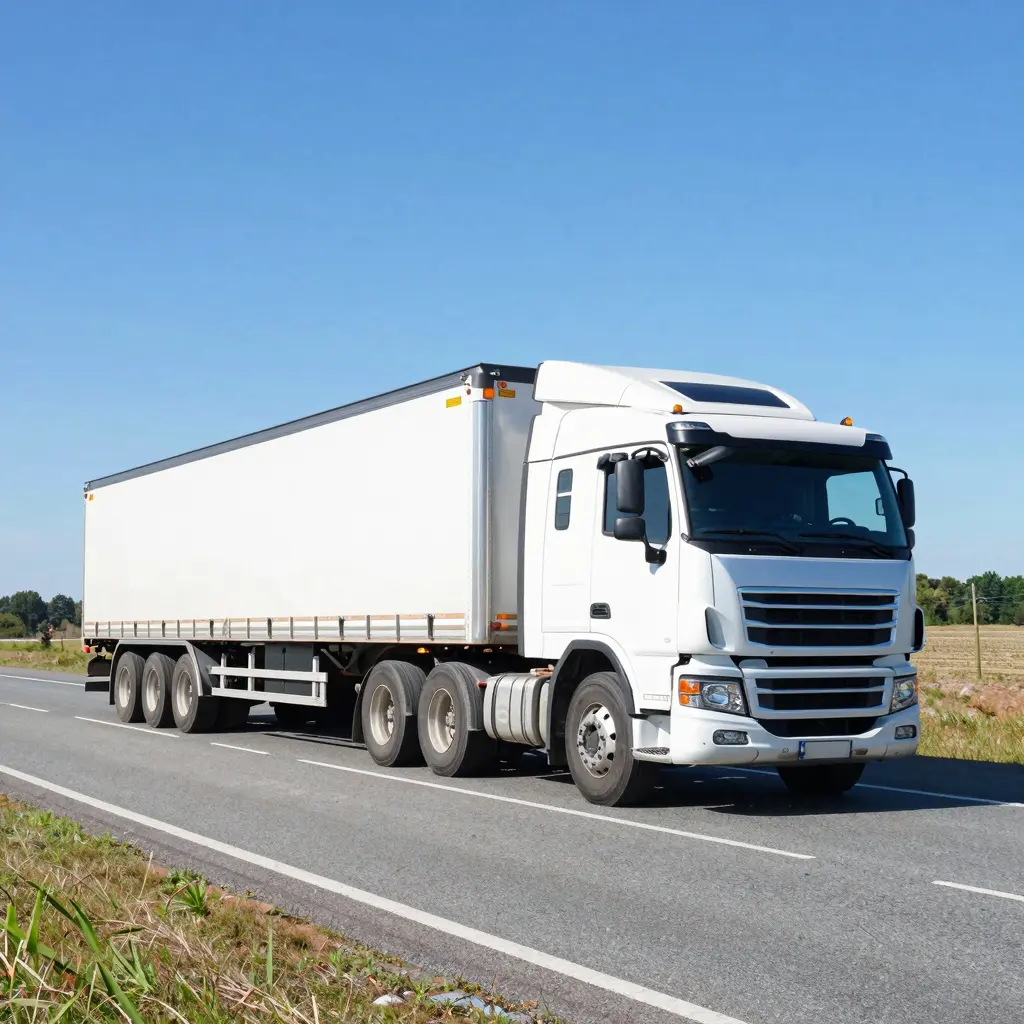
Understanding your truck’s towing capacity isn’t just a matter of knowing numbers; it’s about empowering local drivers, auto repair shops, and property managers to make informed decisions. As someone who relies on your vehicle for work or daily tasks, knowing how much your truck can tow can prevent costly mishaps and ensure safety on the road. For auto repair shops, having a grasp on towing capacity can enhance service offerings, while property managers benefit by efficiently managing tasks like hauling equipment or trailers. In this guide, we aim to shed light on using the “How Much Can My Truck Tow” calculator, so you’re well-equipped to handle any towing needs that arise. Learn more about illegal towing signs and ensure safe practices in your towing tasks.
Understanding Towing Capacity
Towing capacity refers to the maximum weight a vehicle can safely pull while driving. This is a crucial consideration for truck owners as exceeding this limit can lead to hazardous situations, including vehicle damage and accidents. The towing capacity varies across different truck models due to factors such as engine power, axle configuration, and overall vehicle design.
Factors Influencing Towing Capacity
- Engine Power: Trucks equipped with more powerful engines can typically tow larger loads. Engine torque and horsepower are vital attributes directly influencing towing capability.
- Frame and Chassis Design: The structural integrity of the truck’s frame is pivotal. Trucks built with stronger, more robust materials are better suited for heavy towing compared to lighter models.
- Transmission and Drivetrain: The type of transmission and drivetrain configuration (e.g., 4WD vs. 2WD) can also affect a truck’s towing capacity, impacting how power is delivered to the wheels.
Gross Vehicle Weight Rating (GVWR)
One essential term related to towing capacity is the Gross Vehicle Weight Rating (GVWR). GVWR is the maximum weight a vehicle is rated to safely handle, including its own weight plus any cargo and passengers. This rating is crucial because:
- Safety: Exceeding the GVWR can compromise vehicle safety, leading to potential failures and accidents.
- Legal Compliance: Overloading a truck can lead to legal penalties and potential fines. Trucks with a GVWR of 10,000 lbs or more are subject to specific regulations, including mandatory weigh station stops.
Understanding your vehicle’s towing capacity and GVWR is vital for ensuring safe towing practices. Properly calculating these limits can prevent dangerous situations while on the road.
For more insights on towing safety, check out important signs of illegal towing and how to calculate your truck’s towing capacity.
Key Factors Affecting Towing Capacity
Understanding your truck’s towing capacity is crucial for safe and effective hauling. Several key factors influence how much your truck can tow, including:
- Engine Power: The horsepower and torque of your engine are vital. More power means your truck can manage heavier loads.
- Axle Type: Different axle configurations can enhance stability and support better towing performance.
- Transmission: Automatic transmissions with specific towing modes can optimize performance when towing.
- Gross Vehicle Weight Rating (GVWR): Knowing your truck’s GVWR helps in understanding the maximum load it can handle.
- Trailer Weight: The weight of the trailer itself must be considered along with cargo to ensure safe towing limits.
- Braking System: The efficiency of the truck’s braking system affects how well it can handle and control heavier loads.
Explore more on understanding towing capacity and towing safety to make informed decisions!
How to Use a Truck Towing Capacity Calculator
Calculating how much your truck can tow is a crucial step for any driver, whether you’re hauling a trailer, boat, or any other load. With a towing capacity calculator, you can easily determine this capacity based on specific inputs. Here’s a step-by-step guide to help you navigate the process.
Understanding Towing Capacity
Towing capacity refers to the maximum weight your truck can tow safely. Factors that determine this capacity include:
- Gross Vehicle Weight Rating (GVWR): The total weight your vehicle can safely carry, including the vehicle’s own weight, passengers, and cargo.
- Curb Weight: The weight of your truck without any additional load or cargo.
- Gross Combined Weight Rating (GCWR): The maximum allowable weight of your vehicle and what it’s towing.
Steps to Use the Towing Calculator
- Gather Necessary Information: Before you can make calculations, gather the following:
- Curb Weight of your truck
- GVWR from your vehicle’s manual or manufacturer’s specifications
- Desired Payload weight (the weight of the cargo/load you’ll be towing)
-
Input Parameters: Enter the curb weight, GVWR, and payload into the towing calculator.
-
Calculate Towing Capacity: Based on the data inputted, the calculator will determine your truck’s towing capacity by using the formula:
Towing Capacity = GCWR – Curb Weight -
Interpret Results: The result will indicate the maximum weight you can safely tow. If it’s lower than expected, consider adjusting your load or exploring vehicles with higher towing capacity. Check out this guide on how to calculate towing capacity for further insights.
Safety Note
Understanding and adhering to your truck’s towing capacity is vital for safety on the road. Overloading can lead to dangerous situations, including brake failure and accidents. Always make sure to monitor your total load against your vehicle’s ratings. If you want to dive deeper into safe towing practices, learn more about Recognizing Illegal Towing Practices.
By following these steps, you can utilize a towing capacity calculator to make informed decisions about what and how much you can tow safely. Proper planning ensures not only compliance with vehicle regulations but also your safety and that of others on the road.
How Much Can My Truck Tow? Understanding Towing Capacities
Calculating your truck’s towing capacity can be a complex task, but with a towing capacity calculator, you can easily determine how much your truck can handle. Whether you’re a local driver, a car owner, or even an auto repair shop, understanding these calculations is crucial for safety and efficiency on the road.
What Information Do You Need?
To optimize your towing practices, you should gather the following information:
- Vehicle Make and Model: Knowing the specifics of your vehicle is essential for accurate calculations.
- Gross Vehicle Weight Rating (GVWR): This is the maximum weight your vehicle can safely carry.
- Cargo Weight: This includes any additional items or equipment that will be loaded into the vehicle.
- Other Towing Equipment Weight: Consider any accessories that may add weight to your towing setup.
- Total Towing Capacity Calculation: Understanding how to combine these figures to get your maximum towing capacity is key.
Towing Capacity Calculator Visual
Below is a simple visual representation of a towing capacity calculator:

With these tools and knowledge, you can ensure that your towing operations are not only effective but also safe. For more information about recognizing illegal towing practices, click here. Additionally, understanding how much weight you can tow can also contribute to your preparations for winter travel; for more on this, read more.
Conclusion
By using a towing capacity calculator, local drivers and fleet managers can ensure that they understand the limits of their vehicles, thus making every towing situation manageable and safe. Being informed is the first step towards responsible towing.
Common Towing Mistakes Drivers Make
When it comes to towing, many drivers underestimate the complexities involved, which can lead to hazardous mistakes. Two of the most prevalent errors include underestimating the weight of what is being towed and neglecting necessary equipment. Let’s dive into these issues and provide solutions to help you tow safely and confidently.
1. Underestimating Weight
One common mistake is underestimating the weight of the trailer and its contents. Many drivers think they can comfortably tow any load without realizing the precise weight capacity of their vehicle. This oversight not only risks damaging your vehicle but can also result in accidents due to loss of control.
Solution: Always refer to your vehicle’s towing capacity, and make sure to weigh the load before hitting the road. Use a certified scale to confirm the weight of the trailer and load, ensuring you remain within safe limits. Learn more about safe towing practices here.
2. Neglecting Equipment
Another frequent error is failing to check the towing equipment. This includes ensuring that the hitch is appropriate for the load being towed, and all safety chains and towing bars are securely attached and in good condition. Drivers sometimes overlook the importance of functioning brake lights and turn signals, which can lead to dangerous situations on the road.
Solution: Prior to any towing journey, conduct a thorough inspection of all equipment. A towing equipment safety checklist can be framework for this process. Make sure the hitch, trailer brakes, and lights are all functioning properly. For a comprehensive checklist, visit this towing safety checklist.
Conclusion
By recognizing these common mistakes and employing proper strategies, you can significantly enhance your towing safety. It’s crucial to understand your vehicle’s limits and ensure your towing setup is correctly equipped. Taking these steps will not only protect your vehicle but also ensure the safety of everyone on the road.
By being informed and prepared, drivers can mitigate risks associated with towing, ultimately making the roads safer for all. For further insights into towing practices, check out our guide on recognizing illegal towing practices.
This section offers practical advice for our local drivers, auto repair shops, and property managers to stay safe while towing.
(Word count: 453)
Comparing Truck Models Towing Capacity
Choosing the right truck for your needs requires understanding its towing capacity. Below is a comparison of popular truck models in 2023, focusing on their maximum towing capabilities:
| Truck Model | Towing Capacity (lbs) |
|---|---|
| Ford F-150 | 14,000 |
| Chevrolet Silverado 1500 | 13,300 |
| GMC Sierra 1500 | 13,200 |
| Ram 1500 | 12,750 |
| Toyota Tundra | 12,000 |

This chart highlights that the Ford F-150 leads the pack with a maximum capacity of 14,000 lbs. It is ideal for heavy towing tasks, making it suitable for drivers who need to haul large trailers or boats. The Chevrolet Silverado 1500 and GMC Sierra 1500 follow closely, both offering robust towing capabilities while providing comfort and style.
For those looking for a balance between performance and utility, the Ram 1500 and Toyota Tundra are solid choices, each with their own unique benefits. Always consider your specific needs and what you plan to tow to determine the best option for you
learn more about potential towing challenges
In the pursuit of safe towing practices, understanding your vehicle’s towing capacity is not just beneficial-it’s essential. Vehicles are designed with specific limitations in terms of weight and towing capabilities, which directly affects their safety and performance during operations. As highlighted in various expert discussions, failing to adhere to these limitations can lead to catastrophic outcomes.
One automotive specialist emphasizes that:
“Knowing your towing capacity is crucial. Exceeding this limit can compromise vehicle control, leading to dangerous situations on the road. It’s not just about numbers; it’s about safety and ensuring that both your vehicle and what you’re towing remain secure.”
This insight resonates strongly with vehicle owners, especially those in towing-intensive professions or lifestyles, such as property managers and HOA administrators who may need to haul equipment or manage large loads regularly. For instance, a vehicle that can comfortably tow a load of 5,000 pounds would be ill-equipped to handle 7,000 pounds, potentially causing mechanical failures or accidents.
Moreover, the towing capacity can vary widely from one vehicle model to another. Factors such as trailer weight, cargo load, and vehicle configuration all play critical roles. Therefore, it’s vital to consult your manufacturer’s guidelines or use tools, like a towing capacity calculator, to make informed decisions. This practical approach not only safeguards your vehicle’s integrity but also ensures adherence to necessary regulations.
For drivers in the Santa Maria area, understanding these parameters is part of responsible vehicle management and can enhance workforce productivity, particularly for auto repair shops and dealerships who need to convey safety to their customers. To learn more about safe towing practices and spotting illegal towing, refer to our article on key signs of illegal towing.
In conclusion, knowing your truck’s towing capacity is vital for safety and vehicle performance-an aspect that should never be overlooked.
In conclusion, understanding your truck’s towing capacity is vital for every driver, especially if you rely on your vehicle for towing trailers, RVs, or other heavy loads. Exceeding this capacity can lead to severe safety risks, including loss of control, overheating, or even transmission failures. It’s essential to consider factors beyond just engine strength, such as vehicle weight and component integrity, to ensure a safe towing experience. For those looking to enhance their driving capabilities and upgrade their riding experience, we encourage you to explore options that boost your vehicle’s performance. Learn more about ensuring safe towing practices.
Enhance Your Vehicle’s Performance with Summit Fairings
Looking to improve your truck’s towing capability? While our towing calculator helps determine how much your truck can tow, enhancing your vehicle’s performance is equally important. Summit Fairings can be a game-changer in this regard. These aerodynamic solutions not only reduce drag but also improve stability while towing, making your journey safer and more efficient.
By investing in Summit Fairings, you’re not just increasing the aesthetic appeal of your truck but significantly boosting its performance. If you’re ready to take your towing experience to the next level, learn more about Summit Fairings and see how they can make a difference.