
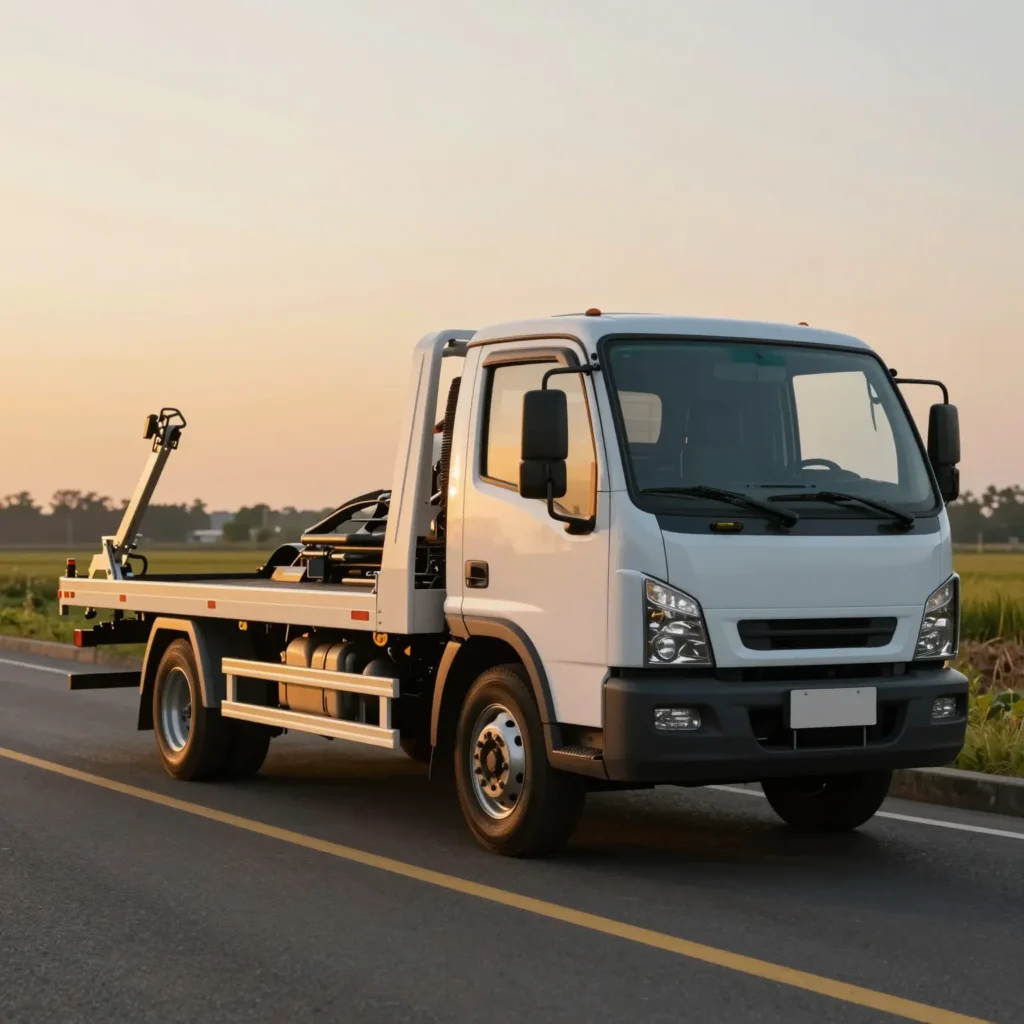
In our ever-evolving society, the role of tow trucks has never been more vital. From providing prompt assistance to stranded motorists to ensuring public safety through timely vehicle removal, these trucks serve as unsung heroes on our roads. The significance of a reliable tow truck extends beyond mere convenience; it embodies the safety and security of countless drivers and their vehicles. As accidents and breakdowns are inevitable, understanding the intricacies surrounding tow truck costs becomes essential, especially for operators, auto repair shops, and property managers responsible for ensuring prompt roadside assistance. Investing in a quality tow truck not only reflects a commitment to service excellence but can also significantly influence operational efficiency. As we dive deeper into the factors that determine the cost of a new tow truck, we will uncover insights vital for anyone looking to navigate this important aspect of vehicle fleet management.
Learn more about towing regulations and understand the impact of new tariffs on heavy trucks as we explore the financial landscape of this essential service.
Factors Affecting Tow Truck Prices
When considering the purchase of a new tow truck, several crucial factors can significantly influence the overall cost. First and foremost, the brand of the tow truck plays a pivotal role; established brands often come with higher price tags due to their reputation for reliability and durability. Next, the size of the tow truck is paramount-light-duty trucks suitable for passenger vehicles are generally less expensive, ranging from $10,000 to $20,000, while heavy-duty trucks needed for larger vehicles can cost between $75,000 to $150,000. Additionally, tow truck features, such as advanced hydraulic systems, winches for heavy lifting, and specialized attachments, can drive up the price. The more capabilities the truck offers, the higher the investment.
Moreover, market conditions and the geographic location of the purchase can also influence costs. For example, prices may increase in urban areas where demand for towing services is consistently high, making it more competitive. Seasonal fluctuations can further impact prices; during peak towing seasons, such as winter or holiday weekends, prices might spike due to higher demand for roadside assistance.
For local drivers and property managers, understanding these factors is essential to make informed decisions. Investing in the right size and feature set will ensure you can meet the towing needs for various vehicles effectively, maximizing your efficiency and return on investment. So whether you are enhancing your fleet or purchasing a first truck, consider how brand, size, features, and market conditions align with your operational goals. By doing so, you’ll be better prepared to make a choice that suits your specific needs and budget.
For more insights on towing practices and regulations, consider reading how to spot illegal towing or explore the benefits of fleet standardization for emergency readiness.
Comparison Table of Tow Truck Brands and Their Average Costs
| Brand | Average Cost Range (USD) | Towing Capacity (lbs) | Drivetrain Configuration | Key Features |
|---|---|---|---|---|
| Ford | Not specified | Up to 4,000 (with 4K Tow Package) | AWD, others vary | Durable and dependable vehicles, towing packages available |
| Chevrolet | Not specified | 8,700 (minimum) to 13,300 (max for Silverado 1500 with Duramax Diesel) | Not specified | Heavy load towing, diesel engine options available |
| Ram | Not specified | Up to 30,000 (Ram 3500 heavy-duty truck) | Not specified | High towing capacity, turbo diesel, factory-installed hitch |
| Flat Bed Tow Trucks (general) | $25,000 – $50,000 | Not specified | Varies | Payload capacity, hydraulic systems, ramp mechanisms |
Insights
This comparison provides a clear view of different tow truck brands, their average costs, and key features, aiding consumers in decision-making. For more about emergency response training for fleets and standardization in heavy-duty rescue operations, visit the respective links.
Additional Resource
For those looking to expand their knowledge about costs related to flatbed tow trucks, check out this article on true costs of flat bed tow trucks.
Financing Options for Tow Trucks
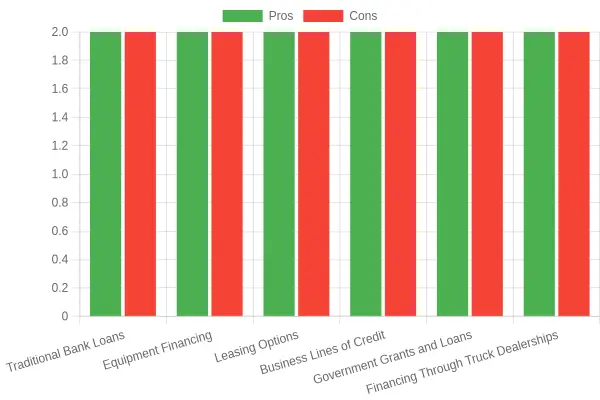
When it comes to acquiring a new tow truck, understanding various financing options for tow trucks is crucial for any auto repair shop or dealership. The overall cost of ownership extends beyond just the purchase price; financing plays a significant role in managing cash flow effectively. Here are some of the popular financing options:
- Traditional Bank Loans: These often come with lower interest rates but can have lengthy approval processes and require good credit.
- Equipment Financing: Tailored specifically for purchasing vehicles, this option allows businesses to use the equipment as collateral, improving cash flow.
- Leasing Options: Leasing provides a cost-effective solution with lower monthly payments and flexibility to upgrade, although you do not own the vehicle at lease end.
- Business Lines of Credit: These offer flexible funding for various needs but may incur higher interest rates and lead to debt if not managed properly.
- Government Grants and Loans: Some small business programs provide grants or low-interest loans; however, the application process can be competitive.
- Financing Through Truck Dealerships: This is a convenient option that often includes maintenance packages but may have limited financing solutions available.
Considering the varied financing paths available, it’s essential for businesses to assess which option aligns best with their financial capabilities and growth strategy. Proper financing can ease the financial burden and allow for a smoother transition into owning essential towing equipment, resulting in more efficient operations overall. To delve deeper into the operational aspects of towing, check out our guide on fleet emergency response training.
With wise financing decisions, your business can leverage the power of tow trucks while also maintaining fiscal responsibility. Stay informed about the costs and explore all available options to find the best fit for your unique business needs!
Tips for Negotiating Tow Truck Prices
Negotiating the price of a new tow truck can be a daunting task, especially for local drivers, auto shops, and property managers. Here’s a concise list of actionable tips to help you secure the best deal:
- Research Local Rates: Understand standard towing rates in your area. This knowledge will provide a benchmark for your negotiations.
- Get Multiple Quotes: Reach out to several towing services to compare prices. Transparent pricing is key, so ensure you gather detailed quotes from each service.
- Be Polite but Firm: When discussing price, maintain a polite demeanor but be assertive about your expectations. A respectful tone can go a long way in negotiations.
- Explain Your Situation: Clearly communicate your needs and circumstances to the towing service. If you’re a regular customer or if this is an emergency situation, mention these factors as they can influence the deal.
- Ask About Extra Charges: Inquire about possible additional costs such as mileage, storage, or special handling fees. Knowing the full breakdown helps you negotiate better.
- Be Friendly and Build Rapport: Establish a good rapport with the service provider. Being friendly can sometimes lead to discounts or better negotiation outcomes, especially if the company values customer relationships.
- Consider Timing: Know that towing companies may charge differently based on demand, such as after hours or during peak times. If possible, schedule tows during less busy periods for a better rate.
Implementing these tips can significantly enhance your negotiation strategy. For further insights into legal matters related to towing practices, you can learn more about illegal towing signs. To ensure your fleet is prepared for emergencies, consider checking our emergency response planning resources.
“The cost of towing services is primarily influenced by factors such as the towing distance, vehicle size, and regional pricing variations. Rates for towing are outlined in a detailed chart, showcasing the price per mile and additional service costs that may apply.”
Understanding tow truck pricing is essential for local drivers and car owners. Factors influencing the cost include:
- Towing Distance: Longer tows typically cost more due to additional fuel and time.
- Vehicle Size: Larger vehicles require specialized equipment and may incur higher rates.
- Regional Variations: Pricing can differ based on local regulations and market demand.
- Time of Day: Emergency towing during night hours or holidays may involve added fees.
To make informed decisions, ensure you’re aware of these pricing factors before requiring towing services. Learn more about important towing signs here.
Being well-informed can save you significantly in unexpected towing charges.
As the towing industry evolves, understanding the current market dynamics can greatly assist potential buyers and property managers. Here’s a comprehensive summary of recent statistics and trends in tow truck sales for 2023.
Current Sales Landscape
-
Sales Figures: According to an article detailing 2023 truck sales figures, the demand for trucks, which includes tow trucks, has experienced fluctuations influenced by categorized needs across various sectors. The best-selling trucks often have significant towing capacities, reflecting their suitability for both personal and commercial use. In 2023, some of the most popular models are highlighted on platforms like Motor1.
-
Towing Industry Statistics: The towing sector encompasses approximately 47,618 businesses in the United States, employing around 113,885 individuals. Pricing for towing services ranges considerably, with average charges between $75 and $125 for regular towing, and about 20-25% higher for heavy-duty towing operations (Carsurance).
Market Trends
-
Technological Advancements: The industry is increasingly moving towards sustainability with innovations in cleaner technologies. A significant trend is the introduction of electric and hybrid tow trucks, which align with the growing need for environmentally friendly operations. These advancements address not only fuel consumption concerns but also enhance recovery options for electric vehicle (EV) owners (Grokipedia).
-
Evolving Consumer Demands: The changing landscape signifies a response to consumer needs for safer, more efficient services. Challenges such as rising labor costs and insurance rates compel towing companies to adapt and improve their offerings, enhancing operational standards. Studies indicate a push towards regulatory compliance impacting operational practices within the sector (AAA Towing).
-
Market Resilience: Despite various pressures, the towing industry remains robust. Companies are adopting innovations not only to meet regulatory demands but also to boost service quality, which is pivotal in attracting a dedicated client base. The ongoing shift in consumer preferences-favoring advanced towing solutions-demonstrates a growing market for well-equipped tow trucks.
Conclusion
The insights provided reflect both the health of the towing market and the adaptability of providers. For property managers and potential buyers, understanding these trends is vital to making informed decisions when considering new tow truck acquisitions. By recognizing how these trends impact pricing and availability, stakeholders can better align their strategies to meet market demands.
If you’re exploring the nuances of towing operations, learn more about the impact of compliance or standardization in heavy-duty rescue operations that might affect your decision-making processes.
Understanding the Long-Term Costs of Owning a Tow Truck
Owning a tow truck involves significant long-term costs that go beyond the initial purchase price. Auto repair shops need to be aware of these ongoing expenses to ensure sustainable operations and profitability. One of the most substantial costs is insurance, which typically ranges between $6,000 and $12,000 per year for a standard tow truck. Given the risks associated with towing services, such as accidents and potential liability, investing in comprehensive coverage is essential for safeguarding your business.
Fuel is another critical expense, particularly for tow trucks that rely heavily on diesel. While specific fuel expenses can vary by region, fleet managers should consider regular fluctuations in diesel prices, which can considerably impact total operating costs. Monitoring fuel trends, utilizing fuel cards, and optimizing routes can help manage these expenses effectively.
Maintaining your tow truck is also crucial, and regular tow truck maintenance should not be overlooked. Routine inspections and adherence to a maintenance schedule can prevent costly breakdowns and ensure compliance with safety regulations. Failing to address maintenance can lead to unexpected downtimes and repairs, significantly affecting profitability. The cumulative cost of parts and labor for ongoing maintenance can add tens of thousands of dollars annually to the overall ownership budget.
In addition to these primary expenses, it’s important for shop owners to account for potential downtime when calculating the total cost of ownership, as well as storage fees for vehicles not in use. Together, these factors illustrate why accurate budgeting and financial planning are crucial for anyone looking to operate a tow truck successfully. Learn more about the costs of owning a tow truck to better plan for your fleet’s financial needs.
By preparing for these costs and streamlining operations, auto repair shops can maintain a profitable and efficient towing service. Moreover, understanding the nature of these expenses allows for informed decision-making regarding service expansion or truck acquisition.
Conclusion
In summary, navigating the costs associated with purchasing a new tow truck can be daunting, with prices ranging typically from $25,000 to $50,000, depending on the type and features of the truck. Understanding Tow Truck Prices can help you make informed decisions about your investment. Financing options such as equipment loans, SBA loans, and leasing alternatives are available to ensure that you can acquire the necessary vehicles without straining your budget further. Learn more about financing options that can suit your business needs and credit situation.
Whether you run a towing business, are an auto repair shop owner, or manage property services, ensuring you have the right tow truck is crucial for your operations. At Summit Fairings, we offer premium custom-fit fairings that enhance the functionality and aesthetic of your tow trucks, optimizing your investment. Don’t miss the chance to protect your equipment and ensure reliable service on the road. Contact us today to discover how Summit Fairings can elevate your towing capabilities!