
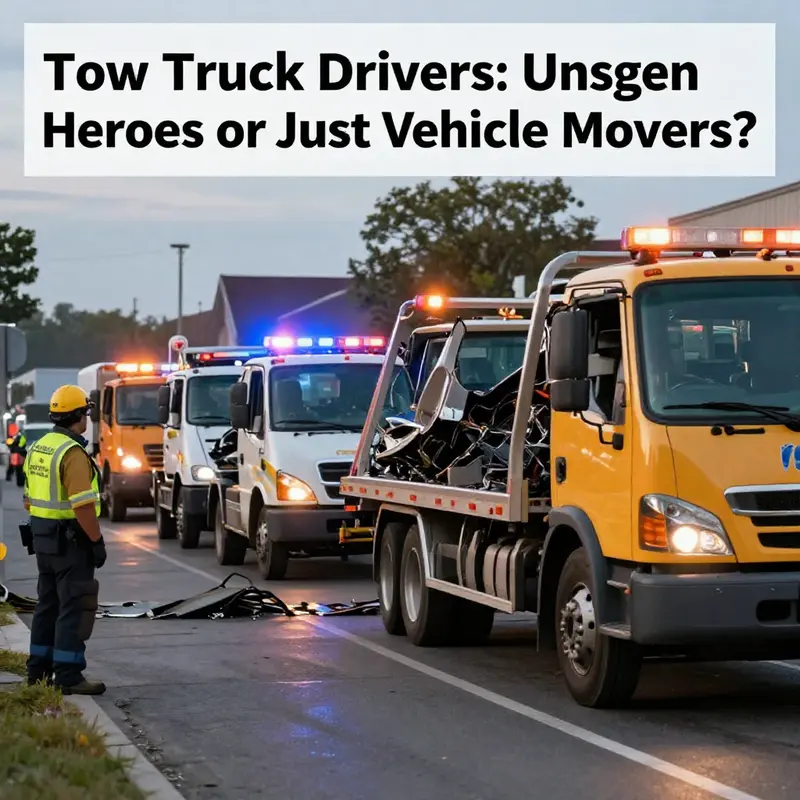
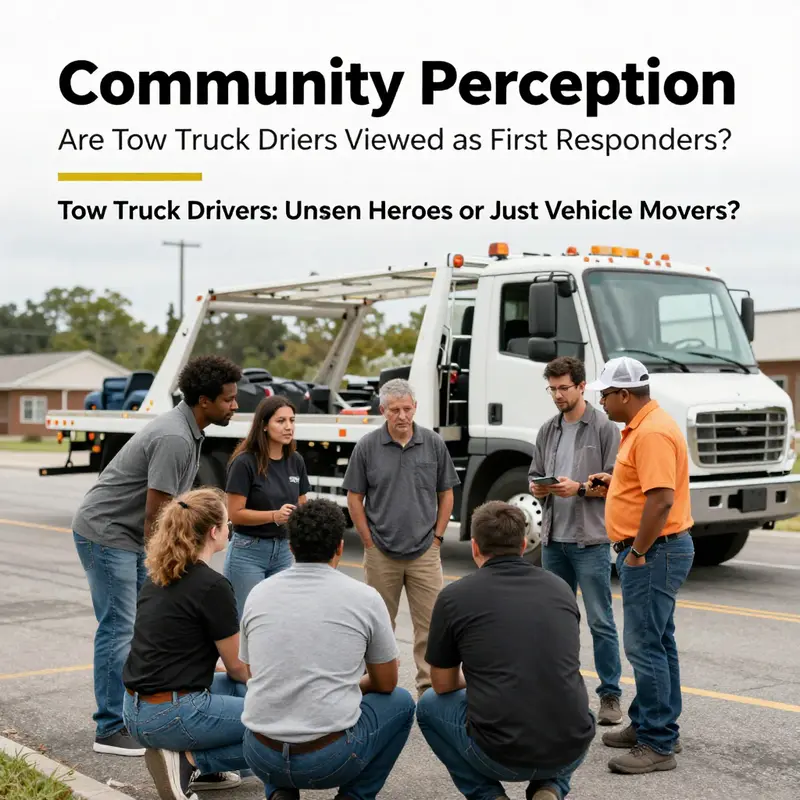
When an accident occurs or a vehicle breaks down, many people find themselves wondering about the roles of those who arrive on the scene. Tow truck drivers often appear shortly after an incident, aiding in the recovery of vehicles and ensuring safety on the roadways. However, are they considered first responders? This article delves into the diverse functions of tow truck drivers during emergencies, their integration with emergency response systems, legal perspectives on their roles, and how communities perceive them. Each chapter will contribute to a comprehensive understanding of where tow truck drivers fit within the emergency response landscape and why their contributions matter.
Beyond the Wrecker: Reframing Tow Truck Operators as Integral Allies in the Emergency Response Network
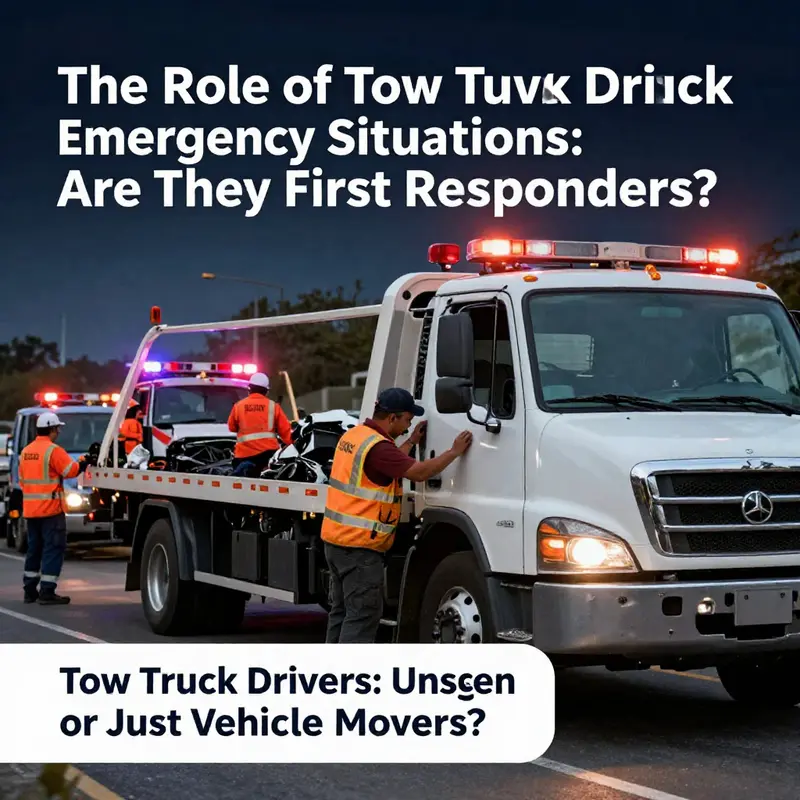
On a rain-slick stretch of highway, the world slows to a careful halt. Fire engines blink with red precision, police cruisers cast yellow shards across the median, and paramedics pivot toward the wreckage with practiced urgency. In the lane closest to the collision, a tow truck idles, its amber lights slicing into the fog of diesel and fear. The driver steps out, gloved hands steady, and begins the sequence that follows every major incident: assess, secure, and remove. This is the core routine of recovery work, yet it feels like a private, often misunderstood apprenticeship in public safety. The tow operator does not typically carry the same legal authority as a police officer, nor does she have the life-saving toolkit that EMS crews place in the hands of a patient in distress. And yet, in the hours after a crash, the operator’s decisions can set the pace for responders, influence the safety of bystanders, and determine when traffic flows resume. The scene itself teaches a quiet lesson: safety is a shared responsibility, and every role on the curb contributes to the whole rhythm of care and recovery.
First responders, as the term is most widely used, belong to a formal category defined by training, jurisdiction, and mission: to reach emergencies quickly, stabilize conditions, and preserve life. Police, fire, and medical personnel are part of a recognized chain of response with legal protections, specialized equipment, and standardized protocols. Tow operators sit adjacent to this chain. They are not typically dispatched for medical emergencies, and their primary mandate is recovery rather than rescue in the moment of life and death. Yet the line between response and recovery is often blurred on crowded highways and in the moments after a crash when danger remains and time is of the essence. The tow operator’s role in those minutes shapes what responders encounter next: the scene’s layout, the exposure of responders to traffic, and the possibility of secondary incidents that can spiral if cleanup stalls. In that sense, the operator becomes a bridge between the immediate crisis and the orderly reopening of the road, a bridge that requires skill, discipline, and a steady nerve.
Even when the public perceives tow trucks as mere helpers who haul away damaged vehicles, the work is a form of frontline involvement in emergency management. These operators stand in the path of danger, navigate moving tones of traffic, and perform tasks that demand rapid situational awareness. They must read accident dynamics, secure loads, and coordinate with police, fire, and EMS to ensure that equipment and information arrive where they are needed. In the absence of formal first-responder status, many operators cultivate a culture of safety through rigorous training, reflective practice, and a steady emphasis on visibility and compliance. Their presence can accelerate clearance, reduce secondary crashes, and create a safer corridor for patients and responders alike. Still, the distinction between recovery duty and life-sustaining intervention remains meaningful, shaping public policy and employer practices. The more operators internalize a sense of shared accountability, the better the entire incident becomes managed, from first caution to final clearance.
Recent research published in 2025 distilled the growing concern into a clearer picture. It highlighted that tow truck drivers face elevated risks compared with other responders. The data pointed to a troubling pattern: line-of-duty-death incidents are more likely to involve tow operators when they intervene at the active edge of the scene—when vehicles are being moved, when lanes are still open to speed, and when the energy of the crash reverberates through the air. Morning hours, when fatigue collides with heavy traffic and dim light, emerge as a particularly dangerous window. The analysis also noted that the danger spikes when responders are performing active interventions, such as repositioning a vehicle, securing hazards, or guiding oncoming traffic. These findings are not just numbers; they reflect the lived reality of people who repeatedly place themselves in harm’s way to restore order and safety after crashes. The data underscore a simple truth: proximity to danger is not a virtue in itself, but it does confer a responsibility to plan, protect, and perform with greater precision.
To understand what those numbers mean for policy and practice, it helps to examine how the work unfolds in the field. Tow operators often arrive after the initial alert has summoned police and EMS. They must quickly identify whether a tow is feasible at a given moment, what equipment can safely handle the load, and how to stage a recover without triggering further harm. If they miscalculate, the consequences can cascade: a tow that slips, a passing motorist who loses control, or a delayed EMS transport that loses precious minutes. Yet if they act with precision, the scene becomes more navigable for everyone else. Their actions can prevent additional accidents, free urgent lanes for ambulances, and reduce the cognitive load on patrol officers who must balance crowd control with urgent, life-saving tasks. The dual burden—protecting the operator while enabling responders—defines a challenging boundary that public safety authorities are increasingly recognizing. In many ways, the operator’s craft mirrors a high-stakes choreography: every move must accommodate variables that shift in real time—weather, road geometry, vehicle behavior, and the unpredictable mood of drivers passing by.
As societies worry about the safety of roadways, a question arises about how the role of tow operators fits into the formal emergency response framework. Some critics push back, arguing that first responders must be defined by their authority to act in the moment to save lives. Tow operators, they say, belong to the recovery phase, a necessary yet distinct function. Others propose a more practical reimagining: treat tow operators as de facto first responders whose proximity to the incident makes them essential teammates in the mission to protect people and property. This reframing is not about redefining law or erasing differences in training; it is about acknowledging the shared objective—reducing harm and expediting safe resolution—and about aligning resources to that objective. When agencies recognize tow professionals as part of the broader safety ecosystem, they can implement cross-training, standardized response protocols, and performance metrics that reflect real-world conditions on today’s crowded roadways. A more inclusive approach also encourages better collaboration during drills, which in turn builds trust and reduces hesitation at the moment of truth. It is a shift that does not erase boundaries but rather clarifies responsibilities so everyone knows who does what, when, and how, in the service of public safety.
Safety is the immediate conversation in most workplaces that employ tow operators. Beyond protective gear, the emphasis has shifted toward a comprehensive safety culture: high-visibility clothing with reflective strips, robust traffic control devices, and clear, consistent signaling for oncoming traffic. A growing body of best practices encourages operators to maintain a constant high awareness of blind spots, the unpredictable movement of vehicles, and the possibility that others on the scene may be distracted or disoriented. These measures are not mere precautions; they are the language through which safety is communicated across teams. Training curricula increasingly cover scene assessment, hazard anticipation, and decision-making under pressure. The more operators can integrate their workflows with police, fire, and EMS, the more resilient the entire response will be. The shift toward integrated safety cultures also helps address the legal and financial protections that many operators seek as they navigate the risks of daily work. Within fleets, managers increasingly prioritize continuous improvement—drills that simulate multi-vehicle collisions, exercises that test radio discipline, and reviews that examine each step of a recovery for potential improvements.
Looking at policy and practice from a broader lens, the argument for formal recognition of tow operators within the emergency-response ecosystem gains traction when you consider the economic and social costs of delays. Roadway closures cost communities time and money, and the human toll of secondary crashes compounds the problem. Insurance, liability, and regulatory incentives all shape how agencies allocate resources and how fleets invest in training. Recognizing tow operators as part of the safety chain can unlock targeted funding for specialized equipment, better maintenance regimes for recovery gear, and sustained, realistic drills that mimic the variability of modern traffic scenes. When drivers know that their colleagues in the next lane share an understanding of the risks and a commitment to shared safety, the scene becomes less fraught with miscommunication and more guided by coordinated action. Beyond dollars and schedules, there is a moral argument: recognizing the operator as a stakeholder in safety reinforces a culture of care for those who repeatedly place themselves in harm’s way to keep communities moving.
On the practical front, there is also an opportunity to bridge information gaps that exist between the scene and the responders who must act with limited data. Modern incident management increasingly relies on rapid information sharing: precise location data, vehicle type and damage profile, and real-time movements of other vehicles around the wreck. Where tow operators traditionally engaged in a more mechanical, manual process of towing, there is now a push to couple that process with digital systems that disseminate critical details to the appropriate responders in seconds. In a well-functioning system, a dispatcher does not only tell a tow crew where to go; they also annotate the incident with relevant context that can help paramedics select the most suitable route, or enable police to block the right segments of traffic. The net effect is a smoother, safer, and faster response, with fewer surprises in the moments that matter most. As organizations consider this shift, they may look to internal resources such as the waterfront logistics and emergency-readiness frameworks available to fleets. For instance, the concept of cross-agency interoperability invites tow operators to participate in formal drills that mirror the complexity of real-life crashes, and the internal link to Fleets Emergency Response offers a pathway for readers to explore how fleets are stitching together readiness with rescue.
Despite the arguments for broader recognition, the fundamental limitation remains clear: tow operators cannot substitute for EMS when medical care is urgent, cannot perform the same life-saving interventions, and do not generally possess the authority required in the heat of the moment to override traffic dynamics completely. Nonetheless, their proximity to the scene, their knowledge of the operational terrain, and their capacity to initiate a careful, controlled recovery are indispensable assets. They are, in a sense, the quiet guardians of the corridor that becomes a lifeline for those trapped in the wreck and for the responders who arrive with medical gear and rescue tools. The everyday bravery of tow operators—driving toward danger, standing in the mouth of traffic, coordinating cumbersome equipment, and maintaining calm under pressure—deserves recognition within the public safety architecture. The public understands the value of the rescuer who arrives with a fire hose or a defibrillator; it should also recognize the operator who arrives with the stabilizing tools and the strategic mindset that keeps a scene from spiraling out of control.
To see how this translates into lived practice, consider the experience of a typical late-night incident. A vehicle slides into a guardrail during a stretch of freeway, lights painting the asphalt. Police secure the immediate scene, EMS prepares for a potential patient, and a tow crew steps into the corridor to stabilize the vehicle and clear a lane. The operator communicates with the dispatcher about road conditions and the likely severity of the crash, guiding the EMS crew to the best access point for patient care. The scene remains hazardous, yet the coordinated rhythm among these professionals demonstrates how the emergency-response network can function when roles are understood and respected. The tow operator’s contribution is not a substitute for medical intervention but a prerequisite for it, ensuring that responders can reach patients quickly and safely and that the transport path remains open. In this moment, the collision becomes not merely a disruption but a test of collaborative discipline, where each participant’s expertise informs the next move rather than competing with it.
In the long arc of public safety, the question of whether tow truck drivers are first responders may be less important than how their work reshapes the response system itself. The core issue is whether responders can rely on predictable, timely, and safe collaboration across disciplines. If the industry and policymakers pursue a pragmatic recognition—one that preserves the distinctions in training while expanding the safety net and the information ecosystem—the result could be a more robust chain of care on our busiest roads. The road ahead involves refining training standards, standardizing equipment and signaling, and expanding the legal protections that encourage safer work conditions. It also means embracing a shared identity, not as competitors for scarce resources, but as teammates bound by the common aim of restoring order, protecting lives, and preserving the flow of traffic that supports daily life. The transition is not a rebranding exercise; it is a sociotechnical shift that aligns human, machine, and policy elements in service of a safer, more resilient road network.
Finally, as the research makes plain, the safety conversation around tow operators does not exist in a vacuum. The public, policymakers, and industry stakeholders must listen to the voices of those who work on the edge of traffic every day. Their experiences illuminate gaps in training, planning, and protection that might otherwise remain invisible. The best path forward honors the distinctive contributions of tow operators, recognizes the inherent risks of their work, and lays down a road map for improving safety standards across the entire incident response spectrum. In this light, the chapter reframes the question not as a binary yes-or-no, but as a continuum of readiness, cooperation, and accountability that keeps our roads safer, faster, and more humane in times of crisis. For those who want to dive deeper into the broader literature, the NPR analysis linked below provides additional context about safety challenges and evolving roles in tow-truck operations. External resource: https://www.npr.org/2025/06/04/1498732343/tow-truck-drivers-emergency-response-safety
Tow Trucks on the Frontline: Reframing First Responders in Roadside Crises
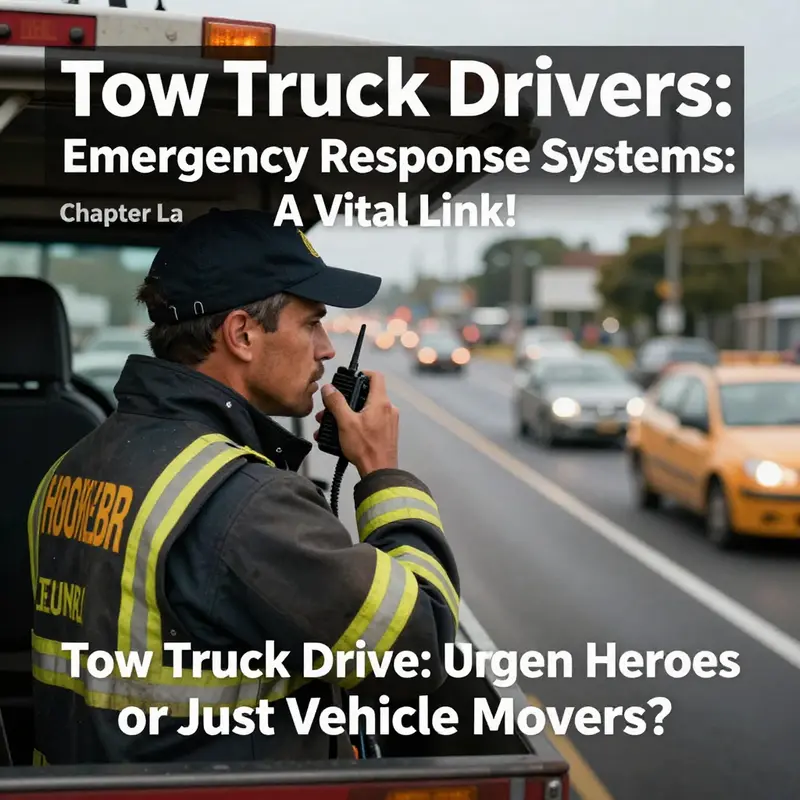
When people ask whether tow truck drivers are first responders, the instinct is to search for a single, clean label. The answer is not a simple yes or no. In the traditional sense, first responders are the police, firefighters, and emergency medical services teams that are trained and equipped to address life-threatening emergencies at the moment they occur. They arrive with medical gear, fire suppression tools, and the formal authority to make rapid life-saving decisions. Tow truck operators, by contrast, specialize in vehicle recovery, hazard mitigation, and rapid clearance of disrupted traffic. Yet in the fray of a roadside crisis, the line between recovery work and life-saving work is less a boundary and more a continuum. Tow truck drivers often become the initial, crucial link in a broader emergency response chain, bridging the moment of impact with the arrival of the officially designated responders. In that sense, they occupy a frontline position, even if the classification remains ambiguous in most policy and public perceptions. They stand at the intersection where vehicle recovery, traffic safety, and the rapid flow of information converge, shaping outcomes for motorists, passersby, and the larger system that coordinates crisis management on busy arteries and rural stretches alike.
To understand the role properly, it helps to situate tow operators within the wider ecosystem of incident response. A crash or breakdown does not end at the curb; it unfolds along a spectrum that includes scene safety, vehicle stabilization, debris removal, and the restoration of mobility. First responders—police, fire, EMS—concentrate on medical care, hazard control, fire suppression, and securing the scene so that life-saving interventions can occur. Tow operators contribute in ways that directly support those aims. They can prevent secondary crashes by removing obstructing vehicles, they can stabilize a compromised vehicle so that EMS can reach a patient or a medically significant condition can be assessed safely, and they can facilitate the rapid transfer of a vehicle from a traffic lane to a safe recovery zone. In practice, they often arrive earlier than the medical or security teams in the sense that their dispatch is driven by the need to reestablish traffic flow, reduce exposure to danger, and minimize the time a lane remains blocked. Their work, therefore, is not merely custodial or logistical; it is inherently collaborative with the life-saving mission that defines first response on the ground.
What makes the tow operator a critical ally in crisis is the sheer breadth of their toolkit and the versatility of their operations. Modern roadside recovery requires more than a strong back and a sturdy vehicle. It demands an integrated set of capabilities that spans mechanical know-how, rigging expertise, and an awareness of traffic dynamics and human factors. Tow trucks come in various configurations, and their instrument panels reflect a blend of precision engineering and practical fieldcraft. Heavy-duty tow rigs, including those with advanced lifting mechanisms and stabilization gear, enable operators to reach into berms or ditches, to hoist immobilized trucks from precarious angles, and to secure vehicles for safe transport without causing further damage. The best operators are trained to read a scene with calm, structured efficiency: assess the slope of a embankment, identify potential snags in power lines or road obstacles, and communicate a clear plan to the surrounding responders and to dispatch. In this mode, they perform a diagnosing and triage function that echoes the clinical sense of a medical responder, translated into mechanical and logistical terms. The difference is that the immediate life-saving interventions in this context are the reduction of risk and the preservation of patient access by clearing the path to care.
The equipment that supports this work has evolved in tandem with the demands of modern road safety. Today’s premium variants of tow equipment are designed for flexibility and resilience in challenging environments. Operators routinely work in weather-beaten conditions, at night, and under the glare of oncoming traffic. The best crews employ systems that provide substantial towing capacity, robust reliability, and resistance to the wear of repeated, high-stress recoveries. They must be able to adapt quickly to the site’s realities—whether a vehicle is perched on a slope, buried in mud, or half-submerged in a ditch. The tools must also be engineered for precision: careful attachment points, controlled lifts, and balanced stabilization to prevent any further risk to the vehicle occupants, responders, or the tow crew itself. This is where the craft meets the science of safety, and it is why training and adherence to best practices are non-negotiable for anyone who intends to work near moving traffic and damaged vehicles.
Another layer of the story is how technology increasingly integrates tow operations with the broader emergency landscape. Dispatch centers and public safety communications systems are built to exchange real-time data, so responders can anticipate what they will encounter upon arrival. In some jurisdictions, sophisticated data-sharing frameworks ensure that the exact location, vehicle details, and even the nature of the incident are transmitted to the first responders who ultimately deliver medical care and incident stabilization. In this connective tissue, tow operators are not merely responders of a later phase; they are part of a synchronized response that begins at the moment a crash or breakdown is detected. When a scene becomes a live node in an information network, the role of the tow operator expands from mechanical recovery to information stewardship and coordination. The effect is a smoother, faster, and safer resolution that minimizes disruption while maximizing public safety. It is this synthesis—human skill, mechanical capability, and networked information flow—that reshapes the traditional understanding of “first responders” in roadside crises.
Consider the moral and operational implications of that expanded function. The public conversation often centers on life-saving intervention in the minutes after a crash. Yet every responder, including tow operators, must navigate the same unavoidable risks: exposure to speeding traffic, the unpredictable hazards of unstable vehicles, and the pressure to act decisively under stressful conditions. The safety protocols that govern tow work—pre-checks of equipment, the use of high-visibility clothing and lighting, scene-scanning for hazards, and strict adherence to weight and lifting limits—are not optional add-ons. They are the core guardrails that protect the operator, other responders, and the stranded motorist. The discipline of maintaining a safe work zone, coordinating with police and EMS to ensure safe ingress and egress, and applying rigorous procedural checks speaks to a professional ethic that aligns closely with the core values of first responders: protect life, reduce harm, and preserve public safety. In that sense, the tow operator’s contribution is not a substitute for traditional first responders. It is a complementary, essential element of a cohesive, effective emergency response system.
Within this framework, the relationship between tow operators and formal emergency services becomes clearer. A growing strand of practice emphasizes the integration of recovery assets into the dispatch and incident-command architecture. When a crash unfolds, a well-orchestrated response leverages every available capability, and the tow operator, with their on-the-ground access to the vehicle and the scene, becomes a critical bridge to the responders who perform medical or fire interventions. This bridging role is not merely logistical. It provides the human intelligence needed to tailor the response: is there a patient who requires EMS attention? Can a vehicle be safely moved to clear a lane without endangering bystanders? Are there hazards that require police to step in and secure traffic while recovery proceeds? Answers to these questions often arrive through the eyes of the tow operator and are relayed in real time to the incident commander.
A practical expression of this collaboration is the way many operations now standardize certain procedures across fleets and jurisdictions. Training programs emphasize a continuum of care and coordination with public safety partners. Operators learn to assess hazards with a trained eye, to communicate risk in a concise, actionable way, and to deploy recovery assets in ways that minimize traffic disruption and environmental risk. The emphasis on standardization in heavy-duty rescue and emergency readiness reflects a broader acknowledgement: to serve effectively, tow teams must operate as an integrated element of the public safety landscape. They must be ready not only to recover a vehicle but to do so in a manner that aligns with the priorities and rhythms of police, fire, and EMS responses. This is the practical, day-to-day embodiment of their vital link status—their ability to connect what happens at the roadside to what happens in the next moments inside a hospital, a fire station, or a command post.
From a policy perspective, the distinction between “first responders” in the rigid sense and “frontline responders” in practice becomes a meaningful conversation about how emergency systems are designed and funded. If communities want faster clearance, safer scenes, and fewer secondary incidents, they often support training standards, equipment readiness, and cross-agency communication that empower tow operators to act in the service of those goals. In a world where the speed at which a lane reopens can determine traffic delay costs, environmental exposure, and even the psychological stress of drivers stranded on a highway shoulder, the value of dependable recovery teams becomes a matter of public interest. In this light, the initial question about labeling becomes less about taxonomy and more about function: tow operators perform a critical, collaborative, and life-protective function that complements traditional first responders and enhances the overall resilience of the roadway system.
The practical takeaway for stakeholders—police, firefighters, EMS agencies, and the public—is that recognizing the tow operator’s central role does not diminish the importance of trained emergency responders. It strengthens the sense that emergencies unfold through many capable hands, each with a defined responsibility and a shared obligation to minimize harm. When a crash occurs, every minute counts. The sooner a lane is cleared, the sooner EMS can reach a patient, the sooner a hazard is mitigated, and the sooner the traffic backlog begins to dissolve. The tow operator’s presence on the scene, their technical proficiency in lifting and stabilizing, and their ability to relay precise details to responders contribute to faster, safer outcomes. That is the essence of a modern emergency response system: a network in which recovery professionals are not outsiders to the mission but essential teammates who help carry the response from chaos toward order.
For readers navigating the practical realities of this work, several guiding ideas emerge. First, the integration of recovery units with emergency systems should be pursued as a standard practice, not a rare exception. Second, fleets should invest in training and standardized procedures that emphasize safety, situational awareness, and interagency communication. Third, communities should recognize the unique risk profile faced by tow operators and ensure that protective measures, route planning, and incident debriefs reflect that reality. Lastly, the public should understand that the work of tow drivers is not merely about moving vehicles; it is about enabling a safer, faster, and more reliable response whenever something goes wrong on the road. In that sense, an honest conversation about first responders must include the tow operator as a beneficiary and an enabler of public safety, even while keeping the formal designation in the hands of police, fire, and EMS professionals who carry distinct statutory authority and clinical responsibilities.
In sum, while tow truck drivers may not fit the textbook definition of first responders in every jurisdiction, their role in the emergency-response ecosystem is undeniably frontline, operational, and influential. They are the quiet engines that turn an incident from an accident into a managed, recoverable event. They are the immediate bridge to the responders who deliver on-life interventions and scene security. And in an era where data sharing, standardization, and interagency collaboration shape the effectiveness of crisis response, tow operators stand as an indispensable element of a system that values speed, safety, and coordination above all. The question, then, is not simply whether tow drivers are first responders. It is how we recognize and harness their frontline potential to improve outcomes for every road user who encounters trouble on the way to wherever they are going.
For further reading on how the broader fleet and emergency-readiness frameworks intersect with on-scene recovery practices, you can explore related discussions on fleet readiness and emergency coordination in the industry resources and practitioner guides. As a practical resource, see the Fleet Emergency Response guide linked in this chapter, which offers concrete examples of how fleets standardize emergency readiness practices and align them with incident-command workflows. Fleet Emergency Response. In addition, researchers and practitioners continue to emphasize the importance of ongoing training, equipment maintenance, and cross-agency drills to keep recovery teams and first responders operating in a seamless, mutually supportive fashion. External readers may also consult comprehensive technical references that analyze the evolving standards of recovery operations and the best practices that keep responders safe while reducing roadway risk. External resource: Tow Trucks Korea Explains: Technical Specifications, Features, and Best Practices. https://www.towtruckskorea.com/technical-specifications-and-best-practices
Tow Trucks on the Front Line: Legal Boundaries, Training, and the Evolving Notion of First-Responder Status
The question of whether tow truck drivers belong on the front line of emergency response is not just about semantics. It touches the core of how communities organize safety, how laws define authority, and how the men and women who operate wreckers and recovery units fit into a culture of rapid response. In many conversations about public safety, first responders are imagined as the people who rush toward danger to save lives, stabilize environments, and protect property. Police, firefighters, and emergency medical services figure prominently in that image. Tow truck operators, by contrast, are often seen as the specialists who clear the road after the danger has been mitigated or as private contractors who restore mobility after a crash. Yet the practical reality of modern roadway incidents challenges that neat distinction. Tow operators are frequently among the earliest on scene after a collision. They may be the ones who stabilize a vehicle, extricate a trapped occupant, or secure a site long enough for medical teams to reach the wounded. Their actions can influence both patient outcomes and the speed with which traffic resumes normal flow. The legal and regulatory framework surrounding this role, however, is uneven and evolving, producing a mosaic of designations, responsibilities, and protections that vary from state to state and even from county to county.
First, it is essential to distinguish the widely accepted notion of first responders from the practical realities of traffic incidents. Traditional first responders—police, fire, and EMS—are trained and equipped to perform life-saving interventions in the midst of chaos. Their authority is codified in emergency management statutes, and their immunity from liability in many circumstances is supported by stare decisis and statute. Tow operators do not typically fit within that formal definition. Statutes in many jurisdictions describe first responders in terms that anticipate sworn public safety roles. In those places, tow operators are outside the core designation, and their activities at an incident scene are governed by different sets of rules, procedures, and legal protections. This is not to deny the high value of tow operators in the chain of response. Rather, it is to acknowledge that formal status and practical reality can diverge, especially in the high-stakes environment of a roadside crash or disaster.
The current legal landscape is more nuanced than a binary classification. Across states, a spectrum exists. On one end, tow operators remain outside the category of first responders by statute and by official policy. On the other end, several jurisdictions are moving toward formal recognition of specialized authorities for qualified tow operators. These advances tend to come with two pillars: rigorous training and a defined scope of emergency operations that align with public safety goals while preserving clear boundaries with traditional responders. The National Highway Traffic Safety Administration has argued for standardized training that mirrors rescue and safety practices. Its emphasis is not to redefine who is a first responder but to elevate the skill set of tow operators so they can perform critical tasks safely when chance, timing, and circumstances place them at the scene. Vehicle stabilization, safe traffic management, extrication support, and scene safety are among the competencies highlighted as core elements of professional readiness. When operators master these skills, they enhance overall efficiency and safety at accident sites, potentially reducing secondary crashes and preventing further harm.
The practical implications of enhanced training extend beyond individual operator competence. If tow drivers can be trusted to stabilize a vehicle or to assist with extrication without compromising patient care or crew safety, emergency scenes can be managed more smoothly. The result is a more coordinated response, in which private sector responders work in tandem with police, fire, and EMS rather than in parallel or in competition. In some places, this collaboration already operates through formal agreements, mutual aid arrangements, and standardized communications protocols. In others, the absence of uniform standards creates confusion that can slow response or complicate liability considerations. The tension between immediate practical utility and formal legal status is at the heart of the ongoing debate about whether tow operators should be considered first responders in any formal sense.
A critical piece of the conversation concerns liability and immunity. Even as training and integration improve, tow operators operate in a space where the legal insulation granted to traditional first responders may not automatically apply. The risk calculus for a wrecker operator who assists at a scene is different from that of a sworn officer or a certified medic. Tort law provides a safety net for many emergency interventions, but the extent of protection for tow operators varies widely. In some jurisdictions, a lack of immunity can discourage proactive intervention or, conversely, expose drivers to increased personal liability for actions taken in good faith at an urgent scene. This is not merely a theoretical concern. It influences how operators approach risky tasks, how they document their actions, and how they coordinate with on-scene agencies under pressure. The question becomes not only whether they should act, but under what conditions and with what protections they do so.
From a policy design perspective, the solution is not uniform expansion of authority but thoughtful calibration. Some states have begun to address this with targeted legislation that grants limited emergency response authority to qualified tow operators. The idea is to confer enough legitimacy to prompt timely and effective action, while maintaining clear boundaries to prevent overlap that could blur accountability or interfere with medical care. Florida and Texas are among the states that have introduced measures intended to certify tow operators as emergency response personnel. Such certification typically requires completion of standardized training, adherence to specific operating protocols, and participation in ongoing education. The aim is to create a predictable framework in which the tow operator can contribute to the response continuum in a defined, legally protected manner. These policy experiments reflect a broader belief that the emergency ecosystem benefits when all capable actors, including private sector responders, can play complementary roles without tripping over jurisdictional lines. It is also a reminder that policy is iterative; what proves effective in one locale may require adjustment elsewhere to align with local infrastructure, public expectations, and risk profiles.
Within this evolving landscape, training standards emerge as a central hinge. The NHTSA framework, which has advocated standardized training for tow operators, aligns with the practical demands of modern incidents. The training areas—vehicle stabilization, extrication techniques, and scene safety—are not merely technical add-ons. They represent foundational capabilities that can alter the tempo of a response and the likelihood of positive outcomes. Stabilization reduces the risk of further injury or damage when a vehicle is damaged or occupied, enabling EMS personnel to gain access and stabilize the patient more efficiently. Extrication techniques support safe and timely access to occupants who may be trapped or injured, while scene safety ensures that responders from all disciplines can operate with minimized risk from traffic, fire, or hazardous materials. Operators who demonstrate mastery in these domains are better prepared to function as integral components of the response team, rather than as independent actors whose actions could complicate the work of sworn responders.
The regulatory dialogue does not occur in a vacuum. It intersects with practical, day-to-day operations that define the private towing sector and the public safety sector alike. For fleets and operators who aspire to participate more fully in emergency response, formal readiness is not optional but essential. Programs that codify training, equipment standards, and operational protocols create a shared language and a reliable expectation for what tow operators can deliver at a scene. They also facilitate better information sharing with responding agencies. For example, when a tow operator arrives on a scene with a clear plan, precise location data, and up-to-date vehicle information, responders can allocate resources more swiftly and coordinate their actions more effectively. This is not merely a matter of efficiency; it is a matter of life and safety in environments where seconds can determine outcomes.
The integration of data and comms is a growing part of the conversation. Some operators and fleets embrace systems that feed live information about location, vehicle condition, and cargo to incident command or to the agencies charged with management of the scene. This data-sharing capacity helps responders anticipate needs, anticipate hazards, and adjust their approach as conditions evolve. It also serves as a practical bridge between private services and public agencies. When the private sector can provide timely, accurate information without adding confusion to the chain of command, the likelihood of harmonized action increases. In this sense, tow operators can help shorten the crucial window between the moment of impact and the moment when the road is safe for all users again. This is the broader value proposition of elevating their function from recovery to integrated emergency support, rather than simply rebranding them as first responders.
A practical guide to the regulatory complexity can be found by looking at how states frame the issue and what policymakers are seeking to achieve. The core questions revolve around scope, immunity, funding, and accountability. Who can perform what actions? Under what circumstances are those actions protected from liability? What training, equipment, and response thresholds are required to qualify? How can agencies coordinate without compromising public safety or creating opaque lines of authority? Each jurisdiction answers these questions through its statutes, its administrative codes, and its mutual aid agreements. The result is a patchwork in which some places have clear, codified roles for tow operators in the emergency response framework, while others still rely on informal arrangements and customary practice. In all cases, the objective remains the same: to leverage every capable responder, public or private, to minimize harm and restore safety to the traveling public as quickly as possible.
For readers who want to explore how fleets are preparing to meet these evolving expectations, the conversation is not purely regulatory. It touches culture, trust, and the practical realities of on-scene work. When operators are seen by the public as competent, disciplined, and integrated members of the response system, confidence in the entire process improves. Communities benefit when a wrecker operator knows how to perform a high-stakes stabilization while coordinating with a paramedic, a police officer, and a firehouse unit. The operator’s contribution, far from diminishing the role of traditional responders, can enhance the reliability and resilience of the entire emergency infrastructure. This cooperative vision depends on consistent standards, continuous training, and ongoing dialogue between public agencies and private responders. It also depends on clear communication channels that ensure the operator remains within the bounds of delegated authority while delivering the practical help that incident scenes demand.
The central takeaway is pragmatic rather than dogmatic. Tow operators are not universally designated as first responders, but their role in roadway emergencies is both undeniable and increasingly formalized. Some jurisdictions grant targeted authorities to qualified operators, reinforcing the idea that emergency response is a team sport with multiple participants, each bringing specialized skills to bear. Training and standards are the hinge upon which these developments turn. When tow operators earn certification, adhere to standardized procedures, and participate in ongoing education, they not only reduce risk for themselves but also contribute to safer, more efficient scenes for everyone involved. The end result is a more seamless transition from accident to clearance and recovery, and a safer, more navigable transportation network for the public.
In the end, the direct answer to whether tow truck drivers are first responders depends on where you are and what the local framework permits. The more informative answer is that they are increasingly recognized as essential contributors to emergency response, with specific authorities, well-defined training, and protective measures that place them on the front line of roadway safety in a practical sense. They are not universally designated as first responders in law, but they are becoming an indispensable part of the emergency response ecosystem. Their value lies not only in removing a damaged vehicle from a lane but in contributing to scene safety, enabling timely medical intervention, and supporting a coordinated, data-informed response that saves lives and preserves property. As policymakers, practitioners, and industry leaders continue to negotiate these lines, the priority remains clear: ensure that all actors who can help at the moment of crisis have the training, protection, and clarity they need to act effectively and safely. The road to a more integrated framework is iterative, but the direction is unmistakable, and it points toward a future in which tow operators stand not as rivals to traditional responders but as essential teammates in the pursuit of public safety.
To summarize, the legal and regulatory perspectives converge on a shared objective: maximize safety and efficiency at accident scenes while safeguarding the public and the responders themselves. This means balancing formal authority with practical capability, embracing standardized training to bridge gaps, and designing liability protections that reflect real-world duties. It also means recognizing the notable value of information and coordination that private operators can provide in the aftermath of incidents. The evolving discourse invites continued attention, ongoing legislative refinement, and thoughtful implementation that respects both public trust and the essential realities of road safety. As this chapter has shown, tow trucks may not be first responders in every jurisdiction, but they are increasingly positioned as credible, capable partners in the broader emergency response enterprise. When this partnership is well designed, communities gain faster clearance times, safer scenes, and a more resilient roadway system for all users. And for the individuals who drive these trucks, continued access to rigorous training, clear protocols, and appropriate legal protections remains the keystone of professional practice and public service.
For readers seeking a concise glimpse into how fleets are aligning with emergency readiness practices, a practical overview can be found in the linked resource on fleet emergency readiness. It illustrates how private operators can formalize their role in the response network while preserving transparency, accountability, and safety. As the regulation landscape continues to shift, such resources offer a concrete roadmap for operators who aim to contribute more effectively to safety on the road while navigating the legitimate boundaries of authority and liability. Fleets Emergency Readiness. In parallel, responders and policymakers can benefit from looking toward standardized training frameworks that emphasize real-world interoperability and risk-aware practices. An essential external reference that supports this trajectory is the National Highway Traffic Safety Administration’s emergency response training materials, which lay out the competencies and protocols that help align tow operation practices with broader public safety goals. For further resources, see the official guidance at https://www.nhtsa.gov/emergency-response/tow-truck-operators-emergency-response-training.
null
null
Final thoughts
Tow truck drivers serve a significant role in ensuring safety on our roads, acting in conjunction with first responders during emergencies. While not classified as first responders, their contributions to post-accident recovery and assistance cannot be underestimated. Enhanced cooperation with emergency responders and a clearer understanding of their roles can help them be recognized as critical players in public safety. As communities continue to engage with these vital services, we foster a more comprehensive approach to emergency response that appreciates the importance of every player involved.