
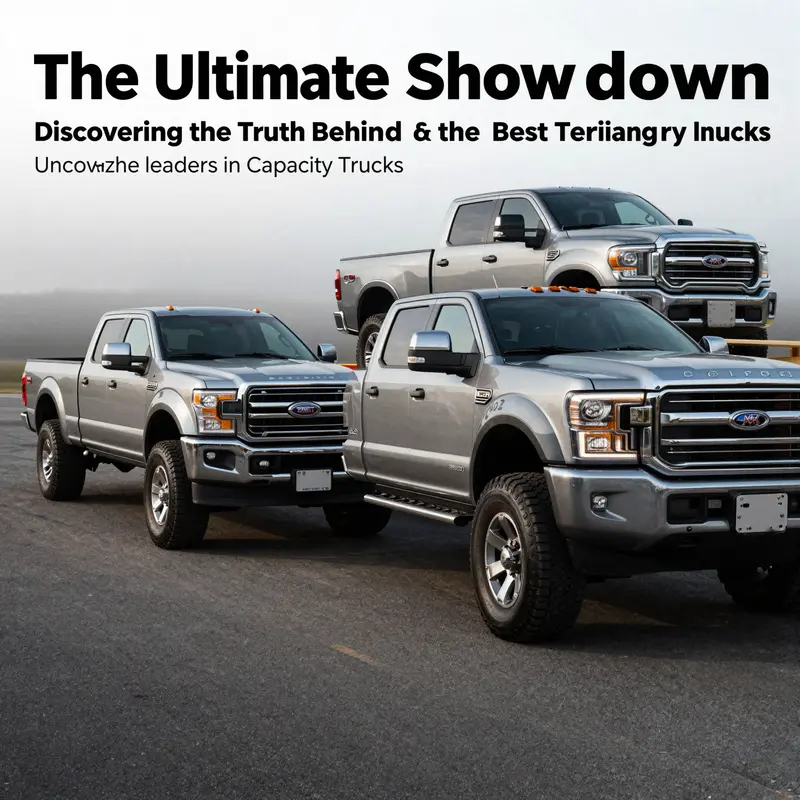
For local drivers, dealerships, and property managers, understanding which truck boasts the best towing capacity is pivotal. The power to tow heavy loads influences not only your daily tasks but also your investment decisions. In this exploration, we will investigate the top contenders among pickup trucks. We will highlight the Ford F-450 Super Duty, known for its impressive 40,000-pound towing capacity, alongside formidable competitors like the Ram 3500 HD and GMC Sierra 2500 HD. As we delve deeper, we’ll also unveil the technological innovations that enhance these capacities, while shedding light on current market trends and consumer preferences. From towing trailers to transporting construction equipment, knowing which truck stands out can make a significant difference in both performance and functionality.
Tow Weight Crown: Reading the Field of Heavy-Duty Trucks by Towing Capacity
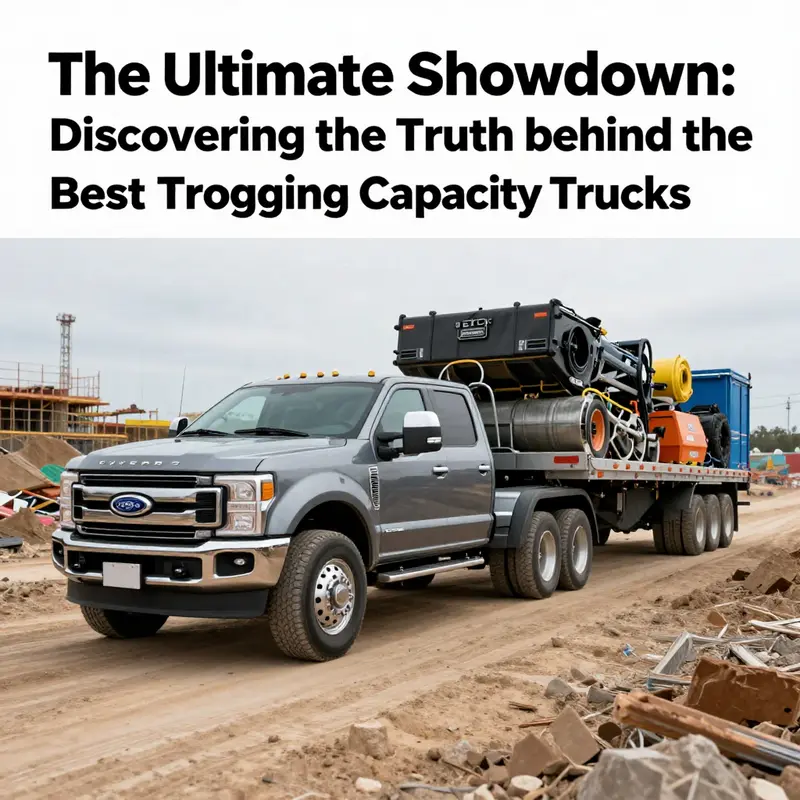
Towing capacity is not a single number but a conversation among engineering, configuration, and purpose. In the current market, the leading heavy‑duty lineups push the ceiling toward forty thousand pounds when a gooseneck trailer is involved, a threshold that separates routine haulers from true commercial workhorses. This top end is not just a bragging right; it reflects serious design choices—frame rigidity, axle strength, upgraded suspensions, and braking systems built to absorb and control massive loads. The numbers tell a story, but they only come alive when you understand how they are tested, what the configuration looks like, and how the load is distributed between hitch, trailer, and towing vehicle. The field is not a single lane; it is a spectrum that runs from capable light‑duty‑nominal towing to the extreme demands of heavy lifting, long stickered hauls, and repeated deployments under demanding conditions. To stand at the upper edge of capacity, a vehicle must be configured with a gooseneck hitch and the raw chassis and cooling that can sustain sustained load and controlled deceleration. In practical terms, that means a maximum figure near forty thousand pounds only becomes meaningful when the trailer is a gooseneck design and the vehicle is properly prepared to handle the load, including trailers with their own braking systems and weight distribution devices. In other words, capacity is both a rating and a discipline, a theoretical ceiling that becomes usable only when the rest of the system is tuned to meet it.
From there, the field fans out. A handful of models in the same class offer strong capabilities in the mid to high thirties, with a few configurations pushing toward the low forties depending on equipment and trailer type. The contrast is not merely about raw strength but about how that strength is harnessed. The gooseneck arrangement, for example, typically yields higher stable towing weights than a bumper‑pull setup, because it concentrates the load closer to the rear axle line and improves steering control, braking balance, and overall trailer stability. This is not a mere speculative claim; it is the result of decades of engineering work in chassis design, hitch interfaces, and braking systems that must absorb and modulate a load that large. When you pair such a hitch with a reinforced frame, a heavy‑duty transfer case, robust cooling for the transmission and engine, and properly tuned suspension, the practical implications become clear. The highest practical towing capacities are reserved for those specialized fleets and contractors whose daily tasks include moving large, heavy, and irregular trailers over long distances, often in challenging conditions. The numbers, sorely impressive on paper, must be considered in tandem with payload, engine torque curves, gearing, and how the vehicle handles braking, traction, and heat buildup on long pulls.
To give shape to the landscape without naming every badge in the lineup, it helps to anchor the discussion in the kind of targets that buyers actually pursue. A top‑tier configuration is capable of about forty thousand pounds when paired with a gooseneck trailer. A step below that ceiling, several models can Tow up to roughly thirty‑six thousand pounds, though not all configurations reach that peak—some require specific axle ratios, longer frames, or higher capacity cooling systems. In the standard, non‑premium setup, you’ll see towing figures in the mid‑twenties to low thirties for many heavy‑duty pickups. It is a reminder that for most real‑world tasks—the daily moves of construction equipment, large industrial trailers, or heavy machinery—the best option is not only about the rating printed in the brochure but about the entire system designed to handle the load safely day after day.
From a powertrain perspective, the story gets more nuanced. Diesel platforms continue to provide the best combination of pulling power, sustained torque, and braking control under heavy loads. The torque reserve and high‑end grunt of a strong diesel engine, when matched to a reinforced chassis and a robust transmission, supports heavier trailers with more stable control and better long‑haul endurance. On the other hand, certain high‑output gasoline or hybrid powertrains in the same class deliver strong peak numbers and more instantaneous throttle response, which can be advantageous when you need quick acceleration to match traffic, merge into lanes, or reposition a heavy trailer after a stop. Yet in the realm of continuous towing load—where the trailer is long and the route includes hills and variable weather—diesel platforms still hold the upper hand for sustained performance. The technical advantage is not just about raw horsepower but about torque delivery, heat management, and the ability to sustain a high pulling request without compromising braking, cooling, or suspension integrity. In practice, if your use case requires frequent high‑weight tows, you often go for the diesel option with a heavy‑duty tow package, reinforced drivetrain cooling, and the chassis enhancements that keep the truck stable under load. If your task is a mix of occasional heavy pulls with a need for brisk response on the highway, a well‑specified gasoline or hybrid option can serve well—but the heavy, persistent duties tend to favor the diesel route.
It is also worth noting that the spectrum of capability extends beyond the top end. A hybrid‑equipped light‑duty model can tow a substantial amount—up to around fourteen thousand pounds when set up with a 3.5‑liter V6 and the heavier trailer tow package. This is a reminder that the ladder of capability includes not just the heavy‑duty tail but also the mid‑duty and near‑duty segments that serve a wide range of fleets and individual owners. In the same broader picture, there exists a high‑output V8 platform designed with off‑road and performance in mind that can pull about twelve thousand pounds. It is a different kind of tool: it offers merit in acceleration and on‑demand power when the terrain changes, while still providing respectable towing capacity for large trailers or campers that you might encounter on rugged routes or job sites. Lastly, the diesel‑based heavy‑duty family in the class has a proven stronghold, delivering class‑leading capacities up to the high‑thirties or into the forties with appropriate trailer configurations. When you consider a clean, simple headline like the top‑end towing figure, you must remember that the actual towing experience is built from the alignment of engine, transmission, axle gearing, frame strength, trailer design, and the careful calibration of brakes. This is the reality behind the glow of a single number—towing capacity is the headline, but the backbone is a complex ecosystem designed to keep both vehicle and trailer moving safely and efficiently under demanding conditions.
As you move through these considerations, the practical takeaway is clear. If your mission requires the ability to move ultra‑heavy loads with regular frequency, you will favor the top tier, where the gooseneck configuration unlocks the fullest potential of the chassis and drivetrain. If your tasks involve long hauls with large but not extreme trailers—think big boats, industrial equipment, or large construction trailers—you will likely operate within the upper part of the thirty‑thousand‑pound range, paying attention to the specifics of your trailer’s design and the route you plan to navigate. For everyday hauling, fleet operations, and work that values reliability, you will more often be choosing between robust, well‑balanced powertrains paired with appropriately rated hitches, braking systems, and suspension calibration. The objective is not simply maximum capacity but sustainable capability: how consistently a vehicle can tow, stop, and return to service without overheating or incurring excessive maintenance. The numbers provide a map, but the path you choose depends on your own work profile, your typical loads, and the environments in which you operate. The most useful perspective comes from combining these rated figures with real‑world data—field experience, operator feedback, and fleet performance metrics that reveal how the vehicle behaves when the trailer is loaded, parked, or in motion over long stretches of highway or uneven terrain.
For readers seeking more practical, operator‑level insight, there is value in looking at the lived experiences of people who routinely move heavy trailers. The field stories often reveal how trailers behave at different speeds, how weight shifts during braking, and how cooling systems handle sustained duty cycles. Those insights help translate the brochure numbers into reliable expectations on the road. If you want to explore a community‑driven perspective and practical tips from operators who routinely deal with heavy towing, you can visit the Santa Maria Tow Truck blog, which offers a grounded look at real‑world towing tasks and the considerations that matter most when choosing and using trucks for heavy loads. Santa Maria Tow Truck blog.
Looking at the overall landscape, one common thread emerges: the top end of towing capacity is about more than sheer weight. It rests on architectural choices—frame stiffness, axle strength, cooling capacity, hitch interfaces, braking power, and the ability to maintain control under the pull. A gooseneck trailer adds a different dynamic to weight distribution, which in turn influences how gracefully a vehicle can manage the load, stop, and recover when faced with grades or changes in terrain. The marketplace reflects this reality, with offerings that let buyers pursue the maximum possible for specific tasks while still delivering the daily practicality needed for fleets and individual owners alike. The choice, then, is not simply a race to the highest number, but a careful alignment of payload needs, towing habits, and the realities of the routes and trailers that will be used most often.
For readers who want to explore official specifications and understand how a particular model family stacks up, consulting the manufacturer’s detailed specs is essential. The official site of the broader manufacturer ecosystem provides the most precise and up‑to‑date information on ratings, packages, and configurations, including the combinations required to reach a given maximum. You will find the most meaningful context in the pages that describe the heavy‑duty tow packages, axle ratios, hitch options, and cooling upgrades that enable high‑weight tows to be maintained reliably over time. This is where numbers become actionable, because the precise configuration—engine, transmission, axle ratio, and the correct trailer‑tow package—turns a theoretical maximum into a practical capability. For those who want to read straight from the source and compare the top line in a structured way, the official specifications are the best reference point and can be found through the manufacturer’s site.
In sum, the field of towing capacity in modern trucks is defined by three truths. First, the ultimate ceiling exists in a narrow band around forty thousand pounds with the right gooseneck configuration and a chassis built to sustain that load. Second, the range below that ceiling includes solid mid‑range capabilities in the low to mid‑thirties and respectable standard towing figures in the twenties and thirties, depending on package choices and trailer design. Third, the real world reveals that capacity is a system attribute, not a single stat. Powertrain selection, cooling, braking, frame design, and hitch configuration together shape how a vehicle performs under heavy tow and how long it will hold up in demanding service. The practical reader should, therefore, evaluate not only the labeled capacity but also the reliability, durability, and long‑term maintenance implications of any configuration. As fleets and individual buyers weigh options, the best choice will always be the one that aligns capacity with actual usage patterns, road conditions, and maintenance expectations. The crown belongs to the setup that can move the heaviest loads with confidence, while still delivering the performance, stability, and safety required on real workdays. For those who want to continue exploring and comparing, official product pages and fleet resources offer a structured way to quantify the tradeoffs and determine which combination will deliver the most dependable towing performance over time. If you want to see how these decisions unfold in practice, you can start from the general guidance in this chapter and then consult the practical perspectives available through the linked journal and fleet resource sites. As we move forward, the conversation about towing capacity will stay anchored in the balance between maximum potential and dependable, repeatable performance—an equilibrium that defines what it means to be a truly capable towing vehicle in today’s diverse and demanding market.
External reference: For official specifications and continued updates on heavy‑duty towing capabilities, see the manufacturer’s official site: https://www.ford.com
null
null
null
null
Final thoughts
As we have explored throughout this discussion, the quest for the truck with the best towing capacity is multifaceted, influenced by individual needs and current market innovations. The Ford F-450 Super Duty continues to lead the pack with its unmatched towing ability, but it’s equally important to watch the rapid developments in technology that support towing efficiency and safety. Understanding these dynamics not only empowers truck owners but also assists dealerships and property managers in making informed decisions. Ultimately, selecting the right truck for heavy hauling involves weighing your specific requirements against what the market offers today.