
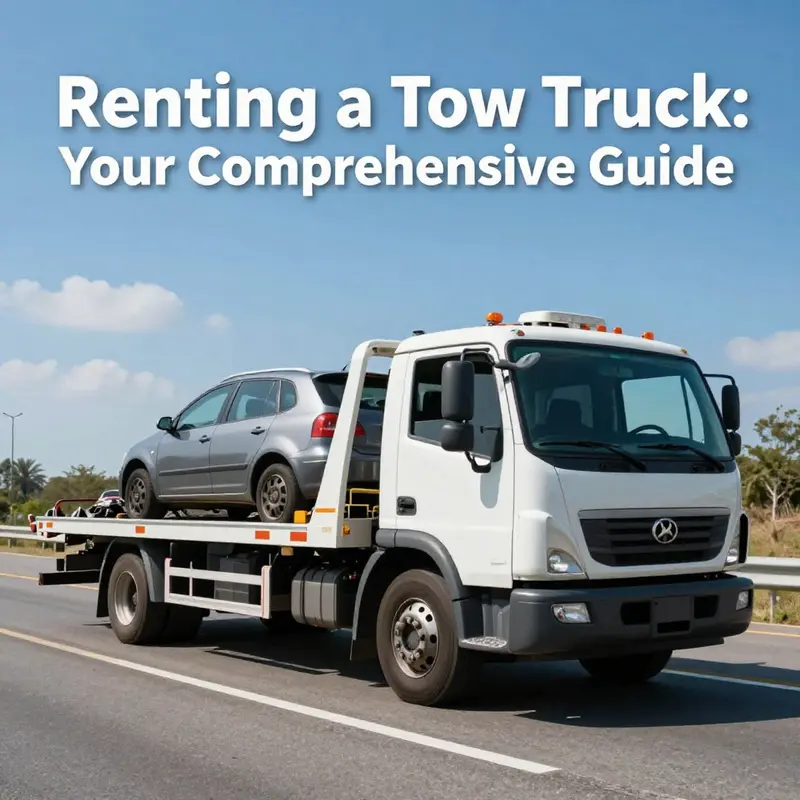
For local drivers, auto repair shops, property managers, and HOA administrators, the question of whether one can rent a tow truck can carry significant implications. Whether you’re facing an unexpected vehicle breakdown, need to transport a car for service, or manage parking issues, having access to a tow truck can be invaluable. However, understanding the rental process, associated costs, and available technologies is crucial for making informed decisions. This article delves into these aspects, providing a holistic view of renting a tow truck and how it can serve your needs effectively.
Renting a Tow Truck: A Practical Walkthrough from Choosing to Driving
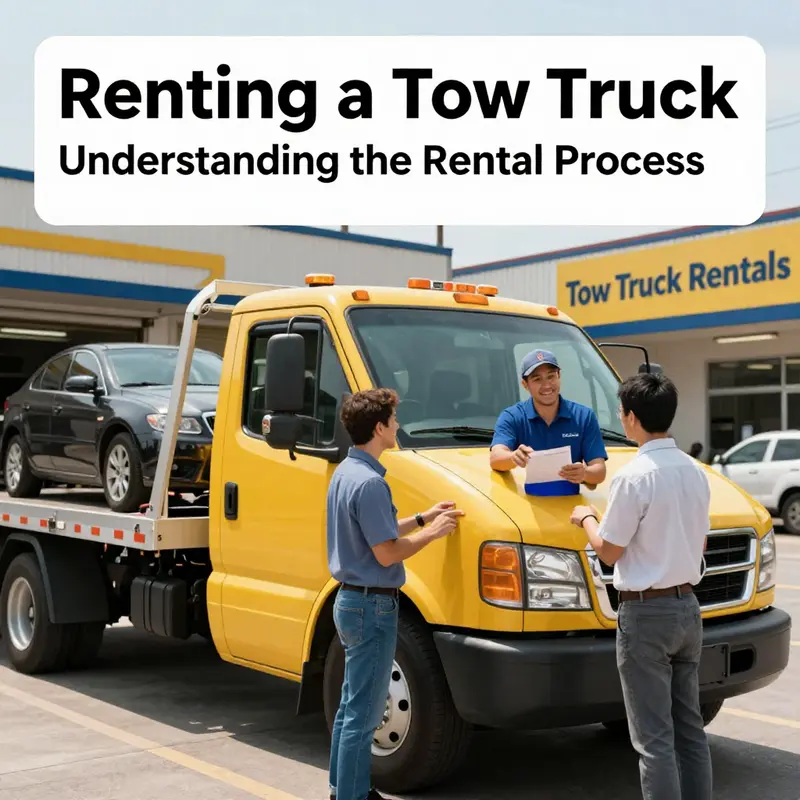
Renting a tow truck is a realistic option when you need to move a vehicle, recover one from a breakdown, or transport heavy equipment. The process is straightforward, but it requires deliberate choices and basic preparation. This chapter walks you through the practical steps that turn a vague idea—”Can I rent a tow truck?”—into a safe, legal, and cost-effective plan. Read on to understand what kind of equipment you might need, what providers typically require, how to inspect and prepare the vehicle, and what responsibilities fall on you while operating it.
Choosing the right tow truck starts with a clear definition of your task. Do you need to haul a single passenger car a short distance? Tow a low-clearance or high-value vehicle safely? Recover a disabled truck from a roadside? Each scenario points to a different solution. A flatbed or rollback truck is usually best for passenger cars and motorcycles. It carries the vehicle fully on the bed, reducing wear and risk. For heavy commercial loads, such as buses, multiple-axle trucks, or construction equipment, you need a heavy-duty wrecker designed for greater tongue weight and braking capacity. If you plan to use your own vehicle to pull another, a car trailer or utility trailer can work, but it demands towing capacity and hitch compatibility from your tow vehicle.
Once you know the task, the next step is to identify providers who rent appropriate equipment. Rental markets vary by region. Some national or regional companies offer car trailers and small towing rigs. Specialized local operators rent full-service tow trucks with hydraulic lifts, winches, and trained operators. There are also peer-to-peer platforms and apps that let private owners list their tow-capable vehicles for rent. When picking a provider, consider proximity, equipment condition, reputation, and whether they provide driver training or add-on services. A closer provider reduces deadhead time and may offer better support in case of mechanical trouble.
Before you can take a truck out, rental companies commonly verify a few essentials. Expect to show a valid driver’s license. For heavier trucks, a commercial license or an endorsement may be required by law. Proof of insurance is typically necessary. Some companies accept personal auto insurance with a towing endorsement; others require you to buy supplemental coverage through the rental agency. Be ready to leave a credit card on file for security deposits. Ask about age requirements as well; younger drivers often face restrictions or higher deposits.
Inspecting the tow truck thoroughly is non-negotiable. Treat this step as a short but critical checklist. Walk the truck with the rental agent and note the odometer reading and fuel level. Photograph any existing scratches, dents, or chassis damage. Verify that the bed or carrier and the winch operate normally. Check the condition of straps, chains, and hooks. Test lights, turn signals, and the horn. Confirm tire pressure and tread. Ask for the vehicle’s maintenance history if it’s available. A well-maintained truck lowers the chance of breakdown and indicates the company takes safety seriously.
Understanding the rental agreement protects you from surprise costs. Rates vary by truck type, location, and duration. Some companies bill by the hour, others by the day. Mileage fees can apply, especially for long-distance moves. Fuel policy matters: you may need to return the truck with the same fuel level. Also review damage liability and what happens if the truck sustains damage while loading or towing someone else’s vehicle. Ask about roadside assistance and who pays for mechanical repairs mid-rental. Make sure you know the penalties for late returns and any cleaning fees that may apply.
Insurance and liability deserve separate attention. Basic collision damage waivers can limit your exposure, but not all waivers cover negligence or misuse. If you have commercial insurance, confirm whether it covers non-owned equipment rentals. For recreational use, like hauling a classic car to a show, your personal auto policy might suffice if it includes towing coverage, but verify limits. When transporting other people’s property, consider cargo insurance to protect against damage during transit. The rental agency should explain the scope of included coverage and offer optional policies for purchase.
Training and legal qualifications differ by truck class. Operating a small rollback or flatbed can feel intuitive, but there are still important techniques to learn. Basic skills include using the winch safely, positioning the truck for load balance, securing vehicles or equipment correctly, and understanding load limits. For larger wreckers or when carrying heavy loads, jurisdictions often require a commercial driver’s license (CDL). Even if no extra license is required, ask the rental company for a quick orientation and hands-on demonstration. Some providers will refuse to rent complex rigs without proof of competency.
Preparing the vehicle you’ll be loading is part of a smooth rental. Remove loose or personal items, disable alarms, and ensure parking brakes are set while positioning. For low-clearance cars, know where jacking points are and whether they need wheel lift adapters. Use protective materials to avoid contact damage to bumpers and finish. If you tow a non-running vehicle, clear the path of obstacles and check for fluid leaks. For heavy equipment, measure dimensions and note gross vehicle weight, so you can confirm the rental truck’s capacity and legal axle weights.
Properly securing a load prevents accidents and damage. Use rated straps or chains, not generic rope. Attach anchors to designated tie-down points, not to suspension components. Tighten straps to remove slack, then re-check after a short drive. For wheels-on car moves, chock the wheels and apply handbrake where appropriate. Spread straps across the vehicle to distribute pressure, and avoid letting straps rub painted areas without protection. If you’re moving multiple items, plan the load order to keep the center of gravity low and centered.
Driving with a tow truck changes the feel of the vehicle. Acceleration, braking, and turning will differ. Allow greater following distance and adjust speed for wind and road conditions. Heavy loads need more stopping distance. Make wide turns to accommodate the extra length, and be cautious backing up. Use a spotter when visibility is limited. On highways, watch for signs that restrict heavy or wide vehicles. If you’re unfamiliar with longer rigs, practice in a quiet area first. Remember that mirrors and sensors can mislead; rely on physical checks when in doubt.
Permits and legal compliance should not be overlooked for specialized moves. Oversized loads, hazardous cargo, and some intercity or interstate transports require permits. Weight limits on bridges and local roads can restrict routes. Check local regulations if you’re moving a vehicle across municipal boundaries. If the move involves crossing state or provincial borders, research reciprocity rules for licenses and insurance coverage. Failing to obtain necessary permits can lead to fines and delays.
Cost-management strategies make renting a tow truck more affordable. Plan your route to minimize mileage fees. Rent for the exact duration you need. Avoid peak demand times when rates rise. Compare providers and ask for bundled services if you need equipment plus an operator. If you have a trade or membership that offers discounts, use it. For occasional needs, a car trailer pulled by a personal vehicle may be cheaper than a full tow truck rental, but weigh that against the added risk and physical effort required.
Safety best practices extend beyond strap selection. Wear gloves and eye protection during loading. Keep bystanders clear of the loading zone. Use hazard lights and cones when stopped on public roads. If loading at night, ensure adequate lighting and reflective gear. Follow the manufacturer’s load charts closely, and never attempt to lift or tow beyond rated capacities. Regularly check tiedowns during long trips. If you encounter mechanical problems with the rental, stop in a safe place and call the rental company for guidance.
When a rented tow truck is used for recovery operations, there are specific tactics to reduce risk. Stabilize the disabled vehicle before winching. Use snatch blocks to change pull direction and reduce strain on the winch. When pulling from ditches, anchor the truck properly and employ choker straps with appropriate shackles. Avoid using bumper mounts as primary anchors unless rated. Always consult the truck’s manual for recovery limits. If you feel unsure at any point, stop and request professional assistance rather than improvising.
Return procedures are often as important as pickup. Clean the truck of debris and fluids. Refill fuel to the agreed level. Report any incidents or minor damage immediately to the rental agent. A walkaround upon return documents condition and reduces disputes. Obtain a return receipt and keep it with your records. If the truck experienced mechanical failure not caused by misuse, the rental company should outline repair arrangements and compensation.
Alternatives to renting a tow truck can sometimes meet your needs with less complexity. Roadside assistance or a local tow company can perform single-service tows without rental commitments. Vehicle transport brokers consolidate shipments and can offer door-to-door options. For light moves, a car trailer or flatbed trailer may suffice when paired with an appropriate tow vehicle. Evaluate alternative approaches carefully, keeping in mind insurance coverage, costs, and convenience.
Practical tips from experienced renters improve outcomes. Take photos at pickup and return to document condition. Ask for a brief tutorial if you’re unfamiliar with the controls. Verify that emergency contact numbers are easy to find. Confirm the procedure for cross-border travel if relevant. Carry a basic toolkit and rated recovery gear. Finally, give yourself more time than you think, especially if loading a delicate or heavy vehicle.
Renting a tow truck is within reach for many people when the task matches the equipment and the operator’s competence. With clear planning, a careful inspection, and awareness of legal and insurance obligations, you can use rental equipment safely. Whether the job is moving a classic car, recovering a broken-down vehicle, or hauling equipment to a jobsite, the right preparation turns a complex task into a manageable one.
For operational insights into fleet management and readiness that relate to professional towing and rental practices, see this resource on fleets emergency response: https://santamariatowtruck.com/fleets-emergency-response/.
For an example listing of trailer and towing solutions available for rent at a local outlet, consult the provider page linked here: https://www.uhaul.com/locations/toronto-on-weston-rd/.
Tow Truck on Demand: Weighing Costs, Capacity, and Safe Operation When Renting
When a vehicle is stranded, or a move demands a level of heft beyond a standard pickup, the instinct to reach for a tow truck may arise. The idea of renting a tow truck rather than arranging a one off call to a roadside or towing service can feel appealing. It promises control over timing, the ability to tailor the approach to a specific job, and sometimes clearer budgeting if you know the scope in advance. Yet this choice sits at the intersection of practical need, safety concerns, and the realities of cost. Renting a tow truck is not as common as renting passenger cars or light trucks, and the landscape of options varies widely by region and by the nature of the task. The core decision hinges on a blend of understanding what you plan to move, how it must be moved, the necessary safety precautions, and the financial outlay you can justify for a one time or occasional use. In practical terms, the answer to can I rent a tow truck is yes, but with important caveats that deserve careful attention before you commit to a rental agreement. A disciplined approach turns a rental into a reliable tool rather than a costly misstep.
Rental opportunities for heavy duty towing equipment typically arise through specialized equipment rental companies, heavy duty vehicle leasing services, or local towing firms that rent out tow capacities for particular jobs. The market recognizes three broad vehicle configurations that customers should understand: flatbed tow trucks, rollback or tilt-bed models, and hook and chain variants. Each configuration serves a different purpose and carries its own set of safety implications. A flatbed, with its large and level platform, is often favored when the priority is to minimize undercarriage contact and to provide a stable loading surface for vehicles with low clearance or high luxury value. Rollback models offer flexibility for mid range weights and for delicate handling of drivers with sensitive drivetrain layouts. Hook and chain variants, while older in design, still appear in some rental inventories where the load requires straightforward, robust engagement. The important point is to match the vehicle’s weight, wheel arrangement, and construction to the right tow platform. A mismatch between a heavy vehicle’s weight and a light duty rig can salt away both the equipment and the vehicle being moved, leading to damage, delays, and avoidable risk.
Cost is the most immediate factor anyone considering a tow truck rental must weigh. The numbers can be surprisingly variable depending on the type of tow truck, its capacity, the rental duration, and the region. For a standard 10,000-pound capacity flatbed, daily rental rates commonly fall in the $200 to $400 range. Larger rollback models, which are frequently used for heavier commercial vehicles or more complex loading scenarios, can exceed $600 per day. These base rates reflect the vehicle’s power, mass, and the level of operator support often bundled with the rental. Beyond the daily rental, expect a balance of extra charges that can erode the initial estimate if you are not prepared. Insurance or collision coverage is typically required, and the cost can run a percentage of the daily rate or a fixed daily amount. Mileage fees are common when the rental exceeds a baseline, especially if you are moving vehicles across town or across counties. Fuel policies vary but can be strict, sometimes requiring you to return the truck with a full tank or to be charged at a premium per gallon. Training or certification costs may appear if the rental company insists that the operator has specific qualifications, especially for heavier machines. In some cases, delivery and pickup fees apply, particularly when the rental shop must bring the vehicle to your site or return it after the job. When you tally these items, the total cost of a tow truck rental for a single project can be in the low to mid four figures, depending on the duration, distance, and the complexity of the move.
To make sense of these figures, it helps to think through the essential compatibility of equipment with the task at hand. The towing capacity of the truck must align with the weight and characteristics of the vehicle being moved. A modern low clearance car or a rear wheel drive vehicle may require careful loading to avoid damage during transport, and this is where a rollback or a soft approach with a modern flatbed becomes advantageous. In some cases, a conventional pickup with a portable lifting system could handle a light trailer or a non running vehicle, but for heavier or more valuable assets, a dedicated tow rig with appropriate tie downs and stabilizers is the safer option. The capacity question is not merely about weight; it is also about distribution, axle placement, and the type of hitch or connection you will use. For luxury, high performance, or specialty vehicles, the risk of undercarriage damage increases when the wrong tool is selected. A rental decision rooted in a clear assessment of the vehicle’s weight class, its wheel arrangement, and its vulnerability to jostling or scratches will reduce the chance of damage and the likelihood of post move disputes over liability.
Beyond the numbers and the fit, the human factor plays a decisive role. Operator qualifications can be a deciding element in whether renting a tow truck makes sense for your project. Many rental arrangements require that the operator hold a valid driver’s license appropriate to the vehicle class. Some outfits push further, requiring documented experience with heavy equipment or completing a safety briefing before use. The combination of licensing, experience, and safety training is not mere bureaucracy; it is a practical shield against injuries, vehicle damage, and legal exposure. For individuals or teams handling a tow without formal training, the risk of a slip or an incorrect hook up increases dramatically when the vehicle is light on traction, unbalanced, or has an irregular weight distribution. A rental transaction that includes a mandated safety briefing, a review of loading points, and a practical check of the vehicle’s securement can be the difference between a smooth operation and a costly misadventure.
In many regions, renting a tow truck makes the most sense for one time moves, transporting a non running vehicle to a repair shop, or when professional towing services are temporarily unavailable due to demand or remote location. For routine or frequent towing duties, however, the calculus shifts. Ownership or contracting with a full service towing company that routinely handles loads of your typical weight class often proves more cost effective. The longer you rely on rental for ongoing tasks, the more the hidden costs—insurance, fuel, and risk mitigation—accumulate, eroding any initial savings. In addition, the logistics of scheduling a rental, arranging transport to your site, and ensuring the operator is ready at the necessary moment can introduce delays that undermine the original purpose of renting to save time. A deliberate, holistic view—from the moment you recognize the need to the moment the vehicle is back in service—helps determine whether renting is a temporary fix or a sustainable strategy for your operation.
When you start exploring rental options, you will encounter several pathways. There are general equipment rental companies that maintain a heavy duty truck catalog alongside light machinery and construction gear. There are specialized fleets that focus exclusively on heavy duty towing and recovery equipment, offering trucks of various configurations, from the most basic to high end. Some local towing businesses maintain a storefront or mobile fleet that includes rental arrangements tailored to the needs of their community. The key is to verify the specifics: the exact model available, its year and maintenance history, the posted weight rating, the type of winching or lifting system on board, and the safety features included. Confirming the details in writing before you commit is essential. Clarify the deposit, the coverage for damages, what happens in the event of a breakdown, and what operational support, if any, will accompany the rental. If a rental agreement promises an operator, ensure that the operator’s credentials and experience align with the complexity of your job. You will find that some providers require proof of professional liability insurance or an additional insured arrangement for projects involving sensitive cargo or high value vehicles.
With the economics and operational realities in mind, you can begin to map out a practical plan. If you anticipate a single incident or a short term requirement, a rental can be a sensible choice, particularly if you already own a vehicle that benefits from a controlled, on site loading procedure. On the other hand, if you expect recurring needs—as is common in fleet management, event support, or disaster response—the financial models shift. It is often more prudent to standardize a relationship with a towing partner that can deliver reliable support on a scheduled basis, or to acquire a dedicated tow vehicle that matches your most frequent tasks. In both cases, you gain better predictability of costs and, crucially, a known safety record and response time. When you talk through these options with a rental provider, focus not only on the daily rate but on the full lifecycle cost: insurance, maintenance, spare parts, fuel, and any required training, plus the intangible benefit of peace of mind that comes from knowing the equipment and the operator are prepared for the job you face.
To place the financial numbers into a broader context, it helps to reference practical guidance that addresses how to approach towing needs in the most efficient and responsible manner. A practical guide published by a reputable business source outlines the mechanics of renting a pickup truck for towing a trailer, a scenario that shares core lessons with heavy duty towing. It emphasizes aligning the vehicle to the load, understanding the limits of the equipment, and recognizing when a do it yourself approach intersects with risk. This perspective supports a careful approach to any rental decision. [ExternalResource] The ideas in that guide reinforce the importance of accurate weight assessment, proper load securement, and awareness of legal obligations when transporting heavy or sensitive cargo. In your planning, consider how these insights translate to the heavier equipment class you are considering and adapt them to the nuances of tow truck operation.
For those who want deeper, ongoing context about the industry and how equipment readiness translates into operational resilience, there is value in turning to established industry conversations. The Santamaria Tow Truck Blog offers a broad spectrum of discussions on fleet standardization, emergency readiness, and the professional discipline that underpins safe towing work. While the blog covers a wide range of topics, a careful reader will notice a through line about preparedness, proper equipment matching, and the critical role of trained operators in reducing risk. Access to that resource can help you situate a rental decision within a larger framework of safety and reliability. Santamaria Tow Truck Blog
In wrapping these threads together, the central takeaway is that renting a tow truck is a legitimate tool when used with foresight. It offers flexibility and can deliver the capacity you need for a one off project, a non running vehicle move, or a scenario where immediate professional towing services are out of reach. Yet it is not a universal solution. The cost structure, the complexity of the load, the requirements for skilled operation, and the broader risk landscape must all be weighed carefully. A well planned rental—one that begins with a precise load assessment, continues with a clear understanding of the available equipment and operator qualifications, and ends with a written agreement that covers insurance, liability, and contingency plans—will yield the most reliable outcomes. If you are facing a situation that truly tests the limits of your regular tooling, a rental can empower you to execute with control rather than stumble into uncertainty. If you want a richer sense of how these elements interconnect in the real world, follow the resources above and allow your plan to evolve from a rough estimate into a disciplined, well documented approach. External perspectives and industry discussions can illuminate the path from hesitation to capability, and they can help ensure that when you do decide to rent, you are prepared to handle the job with safety, efficiency, and accountability.
External resource: How to Rent a Pickup Truck to Tow a Trailer – A Practical Guide
Renting a Tow Truck: The Tools, Technology, and Capabilities You Can Expect
Tools and Technologies: What You Get When You Rent a Tow Truck
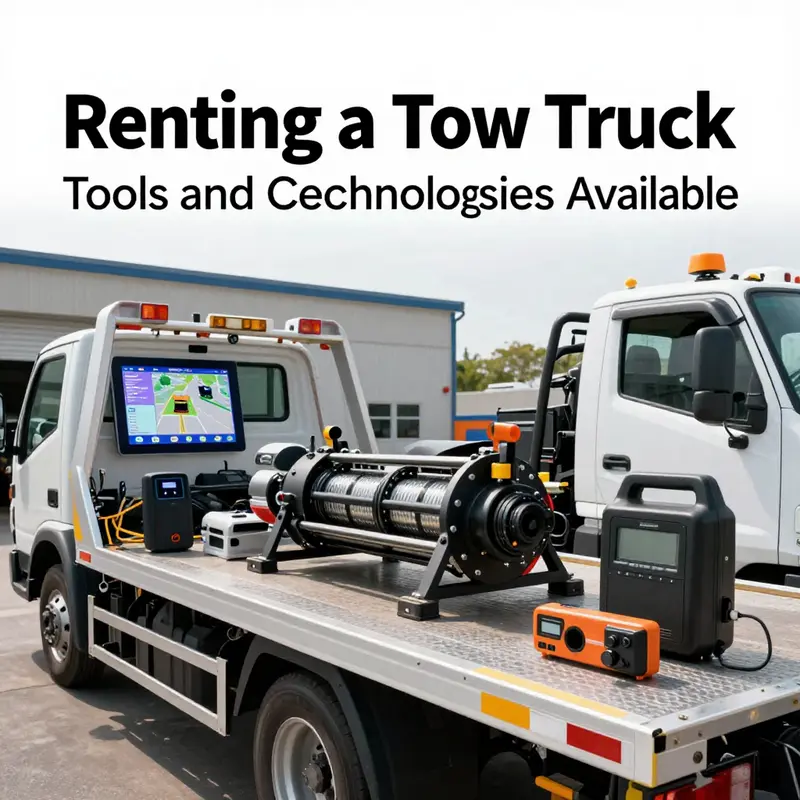
Renting a tow truck is more than hiring a vehicle. It is accessing a set of mechanical systems, safety technologies, and operational protocols that determine how well your recovery or transport job goes. When you consider a rental, think of it as choosing a mobile toolkit. That toolkit includes hydraulics, winches, anchors, control systems, load-securing gear, and often telematics and communications hardware. The exact mix depends on the truck class, its intended use, and the rental provider’s maintenance and training standards.
A common starting point is identifying the truck type. A rollback, or flatbed, offers a hydraulically controlled bed that tilts and slides. This design avoids dragging a vehicle and reduces undercarriage stress. For delicate loads it is often the preferred option. A heavy-duty 20-ton wrecker is engineered to recover large vehicles. These trucks incorporate rotating booms, extendable arms, and multi-part winch systems. They let operators extract vehicles from ditches, embankments, or crash sites with precision. Mini truck units mount smaller towing systems onto light pickups. They are economical for short, simple hauls but have limits with modern low-profile cars or front-wheel-drive systems.
The hydraulic systems are central to most modern tow trucks. They power bed lifts, booms, wheel-lift arms, and stabilizing outriggers. Good rentals disclose the hydraulic capacity and maintenance history. Hydraulics require regular inspection for leaks, fluid contamination, and hose wear. A well-serviced hydraulic system performs smoothly and extends component life. Rentals should also provide the bed angle and travel limits for rollback units. These figures tell you whether a particular flatbed can accommodate low-clearance vehicles without scraping.
Winches and cables are another defining element. Engines drive electric or hydraulic winches, and capacity varies widely. Tow trucks bound for heavy recovery work use winches with line pulls rated in the tens of thousands of pounds. The selection of rope or cable matters. Synthetic rope provides excellent strength-to-weight ratios and handles shock loads differently than steel cable. Steel cable resists abrasion but can kink and stores energy when broken. Operators should verify line ratings and inspect for frays or corrosion. Rental agreements should state whether the truck comes with extra spooling, recovery straps, and soft shackles.
Wheel lifts and dollies enable non-damaging tows when flatbeds are not needed. Wheel-lift mechanisms cradle the vehicle’s tires and lift either the front or rear axle clear. Dollies can convert a two-wheel lift to tow four-wheel vehicles by supporting the trailing axle. When renting, ask about wheel-lift load limits and the compatibility of the lift with all-wheel-drive vehicles. Incorrect lifting can damage drivetrains on modern cars. Some providers include low-profile wheel adapters for sport cars and low-clearance SUVs. These adapters protect bumpers and undercarriage components.
Attachment versatility is important. Tow trucks often carry a selection of shackles, chains, straps, and slings. Chains offer robust anchoring for heavy, steel-framed loads. Ratchet straps protect vehicle finishes and distribute load pressure more evenly. Soft straps and cradle systems reduce stress against bumpers. For recovery in soft ground, snatch straps or kinetic recovery ropes are common. These tools store kinetic energy differently than static straps, allowing a rolling tug to maximize recovery force without excessive shock to vehicle frames. Verify that the rental includes rated anchors, working load limits, and a clear set of usage instructions.
Modern trucks increasingly integrate remote or wireless controls for bed, boom, and winch operations. Remote controls keep operators at a safer distance during winching and loading. They also improve line-of-sight control when positioning a vehicle on a flatbed. Confirm the availability of wireless controls and the battery or power backup for those remotes. Redundant manual controls remain valuable, particularly in harsh environments where remote signals can be unreliable.
Lighting and scene safety equipment are essential for roadside work. Expect high-visibility LED light bars, directional lighting for loading, and scene illumination for night work. Reflective cones, flares, and road safety triangles are standard. Some rental trucks include scene management kits with portable work lights and magnetic signs. For emergency response or heavy traffic recovery, adequate lighting reduces risk and speeds operations. Ask whether the truck’s lighting meets local transportation and law enforcement regulations.
Communications and telematics are part of the rental landscape now. Many trucks come with GPS tracking, basic telematics, and cellular modems. Telematics offer location, engine hours, fuel status, and maintenance alerts. For fleet managers, these systems enable route planning and asset tracking. If you plan to operate the truck for extended periods, ask about access to telematics portals and whether data access includes historical reports. Telemetry also supports safety auditing by recording usage patterns and engine diagnostics.
Braking and stability hardware is particularly relevant for heavy loads. Tow trucks must meet specific Gross Vehicle Weight Rating limits and axle capacities. Anchoring points, load-equalization tools, and anti-sway systems help keep long hauls stable. Hydraulic retarders, transmission-temperature gauges, and heavy-duty trailers may be required when hauling very large vehicles. Confirm the truck’s GVWR and the permissible trailer weight in the rental paperwork.
There are important considerations for electric and hybrid vehicles. Battery isolation tools and manufacturer-approved recovery procedures prevent damage and reduce fire risk. Many modern cars require flatbed transport rather than wheel-lift towing. Rental providers should be able to explain whether their equipment is suitable for electrified vehicles. If it is not, they should provide alternatives or restrictions in the contract.
Driver interfaces and control ergonomics affect safety and efficiency. Look for clearly labeled controls, fail-safes, and simple sequences for emergency lowering. Brake interlocks and redundant stops prevent sudden drops. Operator platforms and handholds should be robust. When you rent, request a walk-through of controls and safety systems. Many rental companies offer brief familiarization sessions. Insist on documentation that covers routine checks, like fluid level verification and wire rope inspection.
Maintenance and inspection history are non-negotiable. A rental should include a maintenance log that shows regular service, hydraulic fluid changes, and winch inspections. Tires, brake systems, and lighting must be current and compliant. Ask whether the truck has undergone recent safety audits. A well-maintained vehicle reduces downtime and lowers the risk of roadside failures.
Training and operator requirements tie into the truck’s technical complexity. Some trucks need specialized endorsements, commercial driver licenses, or recovery certifications. Heavy wreckers often require operators trained in complex recovery techniques, such as vehicle stabilization and staged winching. If you plan to operate the truck yourself, confirm licensing needs and whether the rental company provides training or an operator for hire. For emergency deployments, some providers supply driver-operators who bring both equipment and experience.
Insurance and liability vary by provider. Rental agreements should specify insurance coverage, deductibles, and responsibilities for accidental damage. Because towing can involve third-party property, check whether the rental includes liability coverage for recoveries that damage road infrastructure or third-party vehicles. Verify what constitutes proper use under the contract, and ensure your own commercial or personal insurance aligns with the rental terms.
Regulatory compliance is part of the technology story. Tow trucks must adhere to local lighting, marking, and permitting rules. Weight permits and oversize load documentation come into play for heavy hauls. Some jurisdictions require specific signage for tow operations. Confirm that the truck’s equipment matches regulatory standards for the area where you will operate. This includes emergency lighting, license plate illumination, and reflective markings.
Operational efficiency extends beyond hardware. A standardized fleet simplifies training and parts logistics. If you plan recurring rentals across a fleet, consider discussing fleet standardization and readiness with the provider. Standardization shortens training time and ensures consistent tool availability across units. For more on organizing trucks for rapid response, see the discussion on fleet readiness and standardization.
Finally, plan for attachments and specialty gear. Rotators, extendable booms, and underreach tools expand what you can recover. Specialty adapters help when dealing with low-clearance sports cars or construction equipment. When you request a rental, describe the most demanding scenarios you expect. Rental teams can then recommend the appropriate chassis and attachment packages. A clear description helps avoid surprises and ensures the truck comes equipped for your tasks.
Choosing the right rental tow truck is a blend of matching capacity to need and verifying safety and technology. Confirm hydraulics, winch capacity, lift compatibility, lighting, telematics, and insurance before signing. Ask about training, maintenance history, and regulatory compliance. Understand each attachment’s working load limits and inspect load-securing gear. Doing this work upfront reduces risk, saves time, and ensures a successful tow or recovery.
For a concise definition of what a tow truck is and what it does, refer to a general external reference on towing terminology and definitions.
Source: https://dictionary.cambridge.org/dictionary/english/tow-truck
For guidance on preparing fleets and equipment for emergency response, consider reading more about fleet standardization and readiness at the rental provider’s resources: https://santamariatowtruck.com/fleet-standardization-emergency-readiness/
Final thoughts
Renting a tow truck can be a straightforward process that significantly benefits local drivers, auto repair shops, property managers, and more. By understanding the rental process, considering the costs involved, and leveraging the modern technologies available, you can make informed decisions that meet your transportation needs. Whether you require a tow for personal use or business operations, embracing this option can save time and resources.