
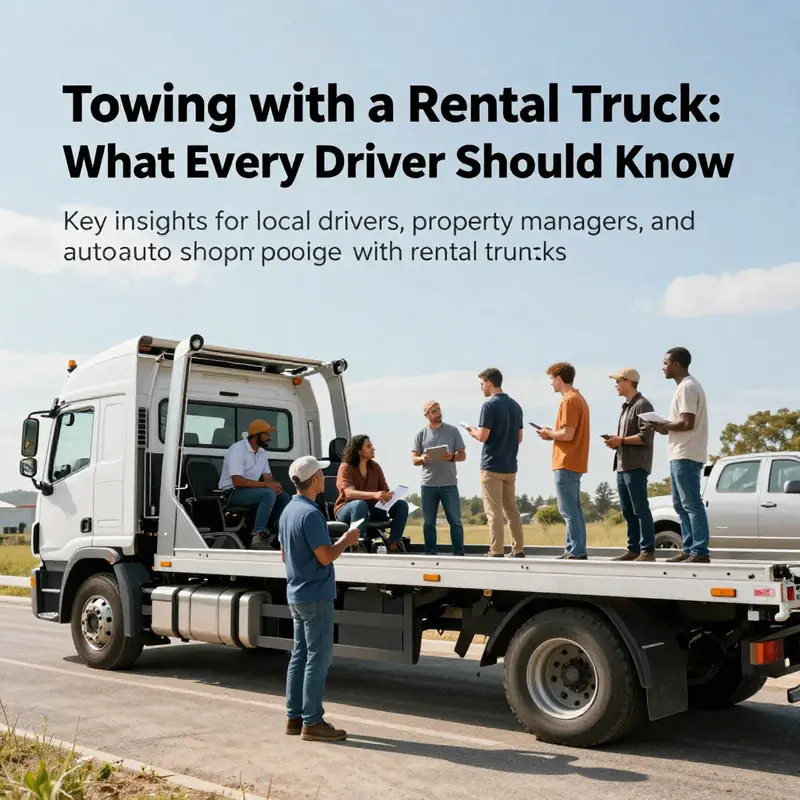
As you navigate the dynamic world of moving and transport, the question often arises: can you tow with a rental truck? This inquiry holds significant importance for various stakeholders, including local drivers, auto repair shops, dealerships, and property managers. Understanding whether you can tow safely and legally with a rented vehicle is not just an operational concern—it’s a matter of ensuring safety, compliance, and optimal performance. This article will unravel essential guidelines for towing with rental trucks, delve into the critical aspect of towing capacity, and clarify the nuances of rental agreements and policies. Each chapter is designed to empower you with the knowledge needed to make informed decisions, ensuring that your towing endeavors are both smooth and compliant.
Tow Power on Demand: Mastering the Realities of Towing with a Rental Truck
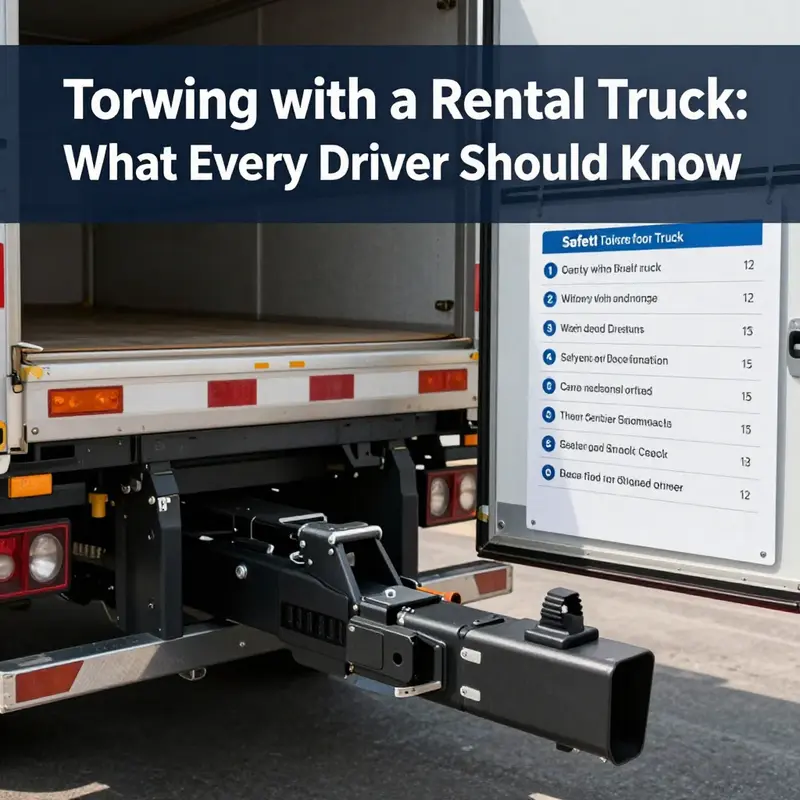
Towing with a rental truck is not a simple yes-or-no question. It is a nuanced answer that hinges on the exact vehicle you’ve rented, the weight you plan to tow, and the terms you agree to in the rental contract. The idea of hitching a trailer, a small car, or other cargo behind a rental truck is appealing for moving days, long trips, or emergency towing needs. Yet the reality behind that appeal is governed by the vehicle’s towing capacity, the availability of proper hitch equipment, insurance coverage, and clear authorization from the rental company. Reading the fine print is not just a formality; it is the first step in a responsible decision that can affect safety, cost, and legality. The core question becomes less about desire and more about capability, compliance, and prudent preparation. When approached with discipline, towing with a rental truck can be a practical solution. When approached without clarity, it can become a vehicle towed into risk, with consequences that ripple through insurance, liability, and road safety.
To begin, it helps to visualize what a rental truck actually represents in terms of towing potential. Rental fleets include a wide spectrum of vehicle types—from cargo vans designed to haul tools and furniture to larger moving trucks built to carry heavy loads. Each model has a published towing capacity, usually expressed in pounds or kilograms, that indicates the maximum weight it can safely pull when properly equipped. This capacity is not a negotiable number; it is the ceiling set by the vehicle’s engine, transmission cooling, frame design, rear axle, and brake system. The presence of a towing package or hitch receiver on some models is common, but even with a hitch, the vehicle cannot tow beyond its stated limit without compromising performance, control, and safety.
The most important first step is to verify permission. Not every rental agreement automatically grants towing rights. Some rental providers require you to request towing permission explicitly, and they may place conditions on that permission, such as a particular vehicle model, a specific hitch setup, or a documented load rating. This means that even if you own a classic or highly capable vehicle, you cannot assume you are allowed to tow simply because a truck has a hitch. The contract is the authority here. If the company’s terms forbid towing or restrict it to certain uses, proceeding without formal approval could violate the rental agreement and void insurance coverage. In practice, this means you should contact the rental company, provide details about the load you intend to tow, and obtain a written authorization that confirms the vehicle, the load, and the towing arrangement.
Beyond permission, the compatibility of the load with the truck’s capacity is the other hinge on which towing will swing. Weighing a trailer or a towed vehicle is not always intuitive without the right information. The capacity is not simply a function of the truck’s engine power. It encompasses the hitch class, the tongue weight, the braking system of the towed object, and how the weight distribution interacts with the truck’s rear axle and suspension. If the load exceeds the vehicle’s towing capacity, you risk two immediate dangers: the risk of damaging the truck’s drivetrain and braking system, and the risk of losing control due to unstable weight distribution. Overloading can also violate insurance terms, leaving you with significant out-of-pocket costs should something go wrong.
Equally critical is the equipment that makes towing feasible and safe. The ball mount, hitch receiver, electrical connector, safety chains, lighting, and braking connections all must be in good working order. In many rental programs, you may need to rent or rent-for-use certain towing components, such as a hitch ball, wiring harness, or safety chains, if they are not already installed with the vehicle. The correct combination of components is what allows signaling to other drivers, aligning braking behavior, and ensuring the towed unit remains attached under all driving conditions. If you are uncertain about whether the rented truck already has a compatible hitch setup, ask for a technical check or a loaner package that includes the proposed mounting hardware. A quick, proactive validation can prevent a late-night scramble on the side of a highway when you realize you lack a critical piece of equipment or that the wiring harness is incompatible with your trailer’s lights.
Insurance and liability form another essential layer of the decision. Some rental policies include basic coverage that applies to the vehicle and its use but exclude towing incidents unless you specifically add towing coverage. If the policy excludes towing-related incidents, you could be left responsible for damages to the rental truck, the towed load, or other property in the event of an accident or a roadside mishap. Before you attach a trailer or car to a rental truck, confirm whether the existing policy covers towing, and whether you need to purchase additional protection. If you already hold a separate auto or cargo insurance policy, check how it coordinates with the rental coverage and what kinds of towing incidents would be included. Insurance clarity is not a luxury; it is a practical safeguard that protects you from financial exposure in the event of a tow-related incident.
Once permission, capacity, equipment, and insurance are in hand, the next layer of planning focuses on the operation itself. Driving a vehicle with a towed load requires a different approach than solo driving. The rules of safe towing begin with a conservative mindset. Drive slowly and expect longer stopping distances. The presence of a towed load changes the dynamics of acceleration, steering, and braking, and it is important to adjust speed accordingly. Sharp turns and tight parking maneuvers become more complex, and you should anticipate wider lane changes to accommodate the added length behind you. It is wise to perform a thorough pre-drive check that goes beyond the standard vehicle inspection. Verify that the hitch connection is secure, the safety chains are properly linked, the electrical connections are delivering brake and turn signals to the towed unit, and the load is properly balanced with the tongue weight within the recommended range for the hitch and vehicle. Periodic on-road checks are also prudent: listen for unusual noises, observe any sway or alignment drift, and monitor the tow setup during long stretches to confirm nothing has loosened or shifted.
The actual towed load can take many forms, from a small utility trailer to a compact car or a cargo container, each with its own considerations. If you are towing a vehicle, for example, the towed vehicle’s braking system becomes a critical factor. In some configurations, a 12-volt braking system on the trailer or an integrated trailer brake controller is essential to provide adequate stopping power and to ensure the handoff of braking forces between the truck and the trailer is smooth. Without functional auxiliary braking, you risk dramatically increased stopping distances, which can be dangerous on busy highways or in inclement weather. The same careful logic applies when towing a non-removable load such as a heavy trailer. The braking and lighting must be synchronized with the towing vehicle, and you should verify that the trailer lights, brake lights, and turn signals are all functioning properly before you leave the driveway.
There is also a broader regulatory framework to consider, one that extends beyond the rental agreement and into the realm of road safety standards. In many regions, the act of towing publicly is subject to technical standards and licensing requirements. Operators of tow equipment or tilt-tray configurations must adhere to these standards, which specify securing devices, illumination, signage, and other safety features. In some jurisdictions, a proof of roadworthiness or an inspection step is required to authorize certain types of towing operations. This regulatory layer is not a mere bureaucratic hurdle; it is a set of guardrails designed to ensure that any vehicle involved in tow operations remains predictable and controllable under real-world conditions. While the exact statutes and regulatory names differ by location, the underlying principle remains constant: towing is a controlled activity that demands compliance with established safety criteria and licensing where applicable.
All of this leads to a practical, disciplined approach that prioritizes safety, legality, and preparedness. The practical steps include obtaining explicit towing authorization from the rental company, verifying the truck’s towing capacity, confirming availability or rental of necessary hitch equipment, and obtaining appropriate insurance coverage. It also means conducting a meticulous pre-departure inspection, confirming that the towed unit’s brakes are functioning, and planning your route with an eye toward road grades, traffic patterns, and weather conditions. It is not enough to assume that just because a truck has a hitch, it can legally tow anything; you must actively confirm compatibility, capacity, and coverage before you connect the load and start moving. If there is any doubt, postpone the tow, or adjust the plan to use a different vehicle that is clearly authorized for towing.
In the event that you are unsure about whether a given towing scenario is appropriate for a rental truck, there is a simple factual prompt you can follow. Consult the rental agreement for towing clauses, contact the rental company for written approval, and request a documented list of required equipment before you attempt to tow. If you want to know how to interpret potential red flags in a towing setup, you can turn to practical guidelines about identifying improper towing. For example, one can learn to spot illegal towing signs that may indicate a riskier or noncompliant configuration. See spot illegal towing key signs to know for practical, real-world cues about what to avoid when you encounter odd load behavior or unusual coupling on a rental truck.
Ultimately, whether you can tow with a rental truck is a yes—under the right conditions. It is a conditional yes that depends on the vehicle’s published capacity, the presence of an approved towing setup, and a clear, documented authorization from the rental company. It depends on a truthful assessment of the load’s weight, the length of the tow, and the interplay between the towed unit and the truck’s braking and steering systems. It depends on confirming that the insurance status remains valid for towing scenarios and that the entire arrangement complies with applicable safety standards and road laws. When these pieces align, towing with a rental truck can be a practical and economical solution that saves time and reduces the need for separate towing equipment.
For readers who want to delve deeper into related safety and regulatory considerations, official guidance and standards offer a reliable anchor. For formal, up-to-date regulatory details, you can consult the Towing Services Act and Regulations, which outline the standards and processes for towing operations in many jurisdictions. These resources provide a robust framework for understanding what constitutes compliant equipment, secure loads, and properly licensed operators, ensuring that towing work remains within the bounds of the law and safety expectations. This is not merely a legal nicety; it is a guardrail that protects you, other road users, and the integrity of the rental arrangement.
Internal link note: If you’re curious about practical indicators of improper towing on real-world setups, you can explore a detailed guide on identifying illegal towing signs, which offers actionable cues in everyday driving and parking scenarios. See spot illegal towing key signs to know for a concrete, real-world resource. (internal link)
In sum, the decision to tow with a rental truck rests on disciplined checks and clear communication. It requires a careful read of the rental terms, verification of the truck’s towing capacity, confirmation of appropriate hitch and electrical connections, and assurance that insurance will cover towing incidents. With those pieces in place, a rental truck can serve as a capable tool for moving or transporting a towed load, turning a potentially daunting task into a manageable, safe, and economical operation. The moment any one of these elements is uncertain or absent, the prudent choice is to postpone or abandon the tow and instead opt for a different transportation plan. The road to a successful tow with a rental truck is paved by questions asked ahead of time, not by assumptions made in the moment of need. As with any significant vehicle operation, preparation and caution are the core guarantees of safety, legality, and peace of mind on the road ahead.
External resource: For formal, jurisdiction-specific guidance on towing standards and regulatory requirements, see the Official Towing Services Act 2024 and Towing Services Regulations 2025, which provide the latest compliance details and practical guidelines for towing operations. https://www.transport.wa.gov.au/road-safety/towing-services-act-2024-and-towing-services-regulations-2025
Tow Worth the Toll? Navigating Capacity, Compliance, and Caution When Renting a Truck
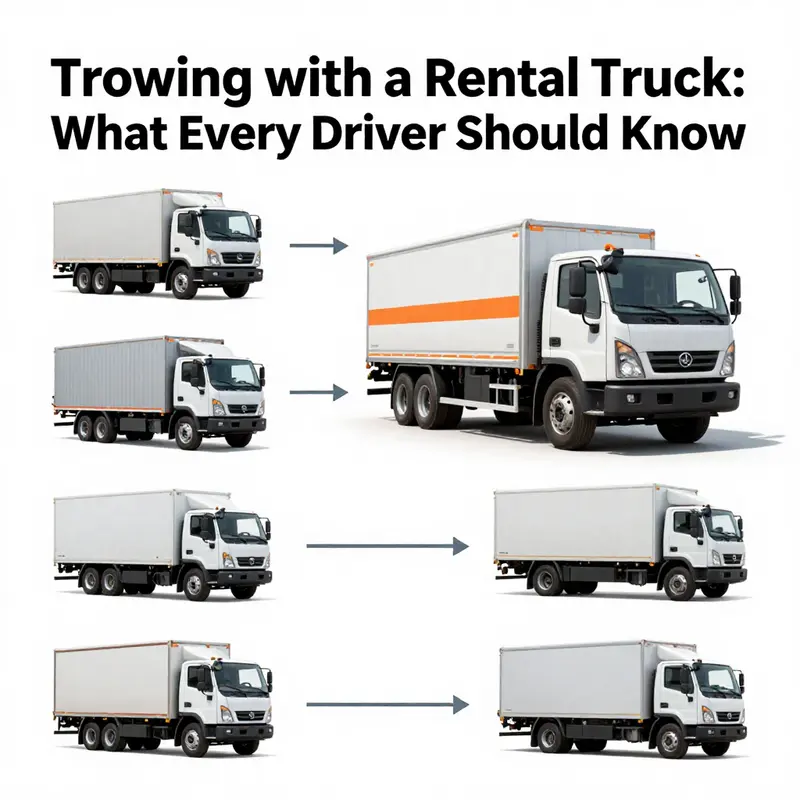
Towing with a rental truck is a question that comes up whenever people pack a moving truck with ambition and a trailer hitch. The short answer is the same as with any other vehicle: it depends. It depends on the exact vehicle you’re renting, the specific terms of your rental agreement, and your willingness to double‑check the details before you hit the road. The topic sits at the intersection of safety, legality, and practical logistics. It invites a careful, methodical approach rather than a quick, optimistic assumption. The trailer or load you intend to tow may be light enough to be safe behind a rental truck, or it may sit right at the edge of, or far beyond, what the truck can safely manage. The nuance matters because towing adds a layer of stress to handling, braking, acceleration, and steering that most renters don’t experience every day with a typical passenger vehicle.
To understand why capacity matters so much, imagine the truck as a packaged system designed to move its own weight plus an additional load. The crucial specification that governs everything from control to tire wear to braking distance is the towing capacity. This figure is the maximum weight the truck can pull safely, including the weight distribution of the trailer and its cargo. But towing capacity never exists in a vacuum. It is usually paired with other metrics such as payload capacity—the limit on what the truck can carry inside plus on the hitch—and the gross combined weight rating (GCWR), which is the total weight the vehicle and its load can legally and safely constitute combined. Exceeding these numbers can degrade stability, shrink the margin for emergency maneuvers, and risk mechanical failure, brake fade, or tire blowouts. The consequences aren’t theoretical: they translate into longer stopping distances and a greater likelihood of loss of control in wind, on grades, or in slick conditions.
The practical upshot is that you can’t assume a rental truck can pull anything and everything you can hitch to it. A 3,000‑ or 5,000‑pound trailer might seem modest, but the actual weight of the trailer plus its cargo can creep up quickly, especially if you’re carrying furnishings, boxes, or appliances with a full load. In a worst‑case scenario, exceeding towing capacity can strain the engine, transmissions, and cooling system, particularly on steep grades or hot days. Even more concerning is the reality that some rental agreements explicitly limit or prohibit towing altogether, or require you to obtain explicit permission for towing as a condition of the rental. This isn’t a mere technicality; it reflects the rental company’s responsibility to ensure that vehicles are used within their engineering limits and that insurance remains valid if something goes wrong.
The example of a 5,000‑pound travel trailer illustrates the point clearly. If you plan to tow such a trailer, you must be confident that the rented truck’s stated towing capacity is at least 5,000 pounds, preferably with a buffer. That safety margin isn’t just about meeting the letter of the spec; it accounts for dynamic factors that come into play when moving down the road—load shifts, uphill climbs, and sway from crosswinds. If your calculation lands you at a maximum or near‑maximum rating, you should reconsider or look for a vehicle with a higher capacity. The towing capacity on its own doesn’t tell the whole story; you also need to verify the hitch class, the compatibility of the hitch with your trailer’s coupler, and whether the trailer’s tongue weight falls within the recommended range for the vehicle. These considerations are not mere pedantry. They are the difference between a controlled, predictable towing experience and a scenario that makes a tow feel like a high‑stakes test drive.
Beyond capacity, the rules surrounding towing in rental agreements matter a great deal. Rental companies typically publish guidelines that may include endorsements on your driver’s license, additional fees for towing equipment, and clear conditions about when towing is permissible. A common pattern is that you must obtain a special endorsement or approval from the rental company, which may require you to reveal the trailer’s weight, tongue weight, and braking mechanism. Some operators require you to use a particular hitch and safety equipment, and they may charge for the rental of this equipment if it isn’t already on the vehicle. If you fail to secure proper authorization, you can face penalties such as fines, voided insurance coverage, or the denial of a claim if an incident occurs while towing. It isn’t simply about following a rule; it’s about aligning with the terms that govern the vehicle’s use under the policy that protects both you and the company.
Insurance is another layer of complexity. Towing explicitly can introduce coverage questions that aren’t present when you’re just driving with a carrier’s own cargo inside the cab or box. Some rental insurance policies exclude towing‑related incidents unless you specifically add coverage or obtain the necessary endorsements. In practice, this means you should speak with a rental agent about what is and isn’t covered when you tow. If the policy excludes towing, you may be required to purchase additional coverage or decline the option to tow at all. In either case, you want to know the exact limits, deductibles, and what events or damages are covered. This isn’t a matter of over‑precaution; it’s a financial hedge against a scenario that could otherwise lead to unexpected out‑of‑pocket costs, particularly if you’re moving a trailer through a dense or unfamiliar area.
Equipment is the concrete bridge between planning and execution. You’ll need a hitch and related hardware that fit the trailer coupler, including a ball mount, hitch receiver, safety chains, and, in many cases, a wiring harness for brake lights and turn signals. Rental agencies often provide the necessary hitch equipment, sometimes as an add‑on, and may require you to demonstrate that the setup is secure before you depart. The process of attaching the trailer should be meticulous: check the coupler latch, confirm the breakaway battery is tucked away or properly secured, ensure the safety chains are crossed and fastened to the vehicle frame, and test the trailer lights using a companion vehicle or a helper. With trailers, even small mistakes can lead to a loss of trailer control, which in turn increases the risk of an accident or a roadside breakdown. The prudent course is to perform a double check in daylight, on a flat surface, with the trailer completely unhitched first to recheck weight distribution and hitch fit. If you’re unfamiliar with the mechanics of hitching, seek hands‑on guidance from the rental staff. They can walk you through the steps, explain the chain of safety checks, and show you how to verify that the ballast and tongue weight are within acceptable ranges for the vehicle you’ve rented.
Understanding the vehicle’s specifications is the backbone of a responsible towing plan. You’ll want to review the manufacturer’s stated towing capacity and compare it to the trailer’s weight, but you should also look at payload capacity and GCWR. The payload capacity tells you how much weight you can carry inside the truck bed or cabin without exceeding the vehicle’s limits. This matters when you’re packing supplies, tools, or other gear for a move. The GCWR, meanwhile, is a comprehensive ceiling that accounts for the weight of the vehicle itself plus the trailer and its cargo. When you combine these numbers, you’ll have a clear picture of whether the rental truck is appropriate for your tow. It’s a good habit to cross‑check all three figures and always add a safety margin. The idea is not to push the truck to its maximum; it’s to establish a cushion that preserves control and ensures safer braking in a variety of conditions.
As you assemble this picture, you’ll naturally turn to the spec sheets and rental terms that accompany the specific truck you’re considering. The exact capabilities, restrictions, and requirements can vary not only by the truck class (for example, cargo vans versus larger pickups) but also by the rental fleet and the policies in place at the time you book. The most reliable practice is to contact the rental company directly before you commit to a tow plan. Ask for the truck’s towing capacity, confirm whether towing is permitted with that particular vehicle, and request explicit instructions on any endorsements or equipment required for your planned load. It may be helpful to bring along the trailer’s weight documentation, including the gross trailer weight and tongue weight, so the agent can verify that the figures align with what the truck can safely handle. This direct confirmation helps prevent surprises on pickup day and reinforces the likelihood that your insurance will stay in force should an incident occur.
In practice, the process of planning a tow with a rental truck unfolds as a careful negotiation between capability and policy. It begins with a precise assessment of the load and the trip—terrain, weather, and the anticipated traffic conditions all influence the degree of risk you’ll encounter. It continues with a thorough verification of the truck’s specifications and the rental terms, including any endorsements needed on your license and any additional charges for towing equipment. It culminates in a secure mechanical setup that respects weight limits, mirrors that provide adequate field of view around the trailer, and a tested electrical connection that ensures signaling is correctly transmitted to other road users. The aim is not to convert a rental into a specialized towing rig but to ensure that, within the limits of the vehicle and with proper authorization, you can move your trailer or cargo with predictability and care.
For readers seeking practical, field‑tested guidance beyond the numbers, consider the broader resources available in dedicated towing communities and industry blogs. A reliable basement of practical tips—ranging from how to manage sway to how to safely unhitched a trailer in a tight driveway—can be found through the Santa Maria Tow Truck Blog, which offers ongoing insights into towing fundamentals and real‑world scenarios: Santa Maria Tow Truck Blog. These perspectives reinforce the idea that capacity is a cornerstone, but real safety also rests on how you apply, test, and respect that capacity in the moment.
If, after weighing capacity, policy, and equipment, you determine that towing with a rental truck is feasible but at the edge of the truck’s comfort zone, there is still a prudent path forward. You can opt for a rental that offers higher towing capacity, or you can rent a separate vehicle rated for heavier towing alongside the truck you need for the move, ensuring you don’t push any single vehicle beyond its limits. The decision should reflect a balance between what you need to transport, the time you have, the terrain you’ll encounter, and your confidence in handling a loaded trailer on public roads. It is a choice that honors safety and responsibility as much as it honors convenience. The result, when done carefully, is a smoother, safer move that reduces the risk of damage to the vehicle, protects your insurance coverage, and keeps you on the right side of rental terms.
In closing, towing with a rental truck is not an automatic yes or no. It is a yes when the truck’s towing capacity, hitch equipment, insurance terms, and rental company policies align with the weight and nature of the trailer you intend to tow. It is a cautious yes when you verify every parameter—capacity, payload, GCWR, and tongue weight—against the actual load, and when you secure explicit authorization and the correct equipment. It is a careful no when any of these elements fail to line up, or when the risk of overloading and reduced control feels imminent. The path to a successful tow with a rental truck is paved by preparation, not optimism. It is built by asking the tough questions up front, confirming the vehicle’s limits in writing, and walking through the hitching and safety checks with the rental staff before you leave the lot. And when you’re ready, a practical model of safety and compliance—rooted in the numbers yet guided by experience—can help you move forward with confidence and peace of mind. For additional context and ongoing practical guidance, the broader towing community and related resources can offer advice grounded in real scenarios.
External resource for official guidance: https://www.hertz.com/rental-car-rental/terms-and-conditions
Tow Safe, Tow Smart: Navigating Rental Truck Towing Rules, Capacity, and Liability
When you rent a truck with the plan to move a trailer, boat, or another vehicle, the question often comes up loud and clear: can I tow with this rental vehicle? The straightforward answer is complex, because it depends on the exact terms of your rental agreement, the model you choose, and the way you plan to use the truck on the road. There is a core tension at the heart of this question: a rental truck is designed to move goods efficiently, yet towing introduces additional loads, dynamics, and risks that can push a vehicle beyond its intended purpose. To navigate this safely and legally, you must treat towing as a formal, conditional activity rather than as a casual add-on. The path from yes to no to perhaps hinges on three practical pillars: the rental agreement and its explicit permissions, the truck’s stated towing capacity and hitch specifications, and the insurance and liability landscape that accompanies any towing operation.
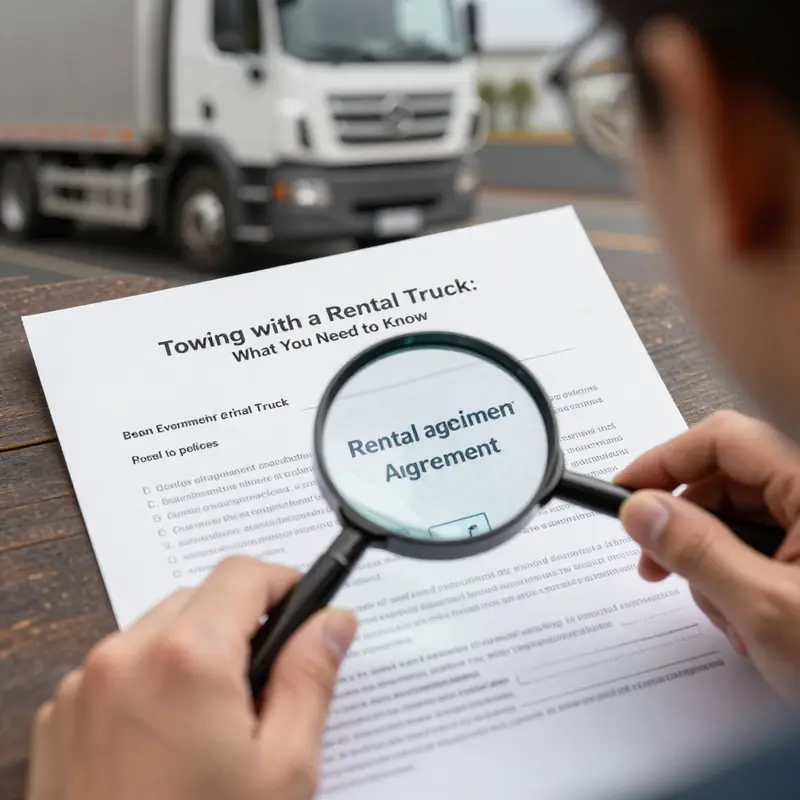
First, the rental agreement itself is not a mere formality. It is the contract that defines what you can and cannot do with the vehicle. In many standard contracts, towing any trailer, boat, or another vehicle is prohibited unless the rental company explicitly authorizes it. This prohibition exists because towing imposes additional stress on the drivetrain, transmission, braking system, suspension, and tires. It introduces different handling characteristics that can surprise even experienced drivers, especially when the load is unbalanced, when hills are encountered, or when braking distances lengthen significantly. To avoid confusion or disputes at the counter, read the terms carefully before you sign. If towing is permitted, the agreement will typically spell out conditions such as weight limits, required hitch types, and possibly an additional fee or a separate towing package that must be booked in advance. The difference between a standard rental and a towing-specific arrangement is not cosmetic; it is a fundamental legal and safety distinction that governs what you may do on the road.
Second, and closely linked to the contract, is the vehicle’s towing capacity. Every rental truck has a specification sheet that lists the maximum weight it can legally pull, along with the gross vehicle weight rating and the gross combined weight rating. These numbers are not decorative. They reflect the structural strength of the hitch, the coupling system, the engine’s torque characteristics, the cooling system’s ability to handle extra strain, and the braking system’s capacity to manage an added load. To determine whether your intended tow is feasible, you must compare the weight of the trailer or load (including the hitch and any cargo) to the vehicle’s stated towing capacity. If the combination weighs more than the limit, you risk not only damaging the vehicle but also voiding liability coverage in the event of an accident. Weight calculations should account for the trailer itself, its cargo, any fluids, and even ancillary equipment such as spare tires, tow straps, and safety gear that may add unpredictable mass. If the numbers don’t line up, the move should be re-planned around a legal towing setup or a different vehicle that is approved for towing under the rental terms.
A related factor is the hitch and towing hardware. Even if the truck’s rating is generous, towing without the appropriate hitch equipment can render the operation unsafe or noncompliant. The basic components typically include a hitch receiver, a compatible hitch ball, and a secure ball mount. Some trailers require a four- or seven-pin electrical connector to synchronize brake and turn signals; others rely on a magnetic or battery-powered system. In many rental scenarios, the needed hardware may be available for rent or included with the towing package, but you must verify this in advance. A missing or mismatched hitch setup can lead to trailer sway, poor braking response, or even detachment on the highway—each a serious safety risk and a potential trigger for insurance complications that accompany a towing mishap. The practical rule is simple: if you plan to tow, confirm the exact hitch requirements and ensure you have the correct equipment installed and inspected before you depart.
Insurance and liability constitute the third pillar, and this area often proves the most overlooked at the moment of decision. Rental insurance plans and coverage terms can vary widely. Some policies extend liability and collision coverage to towing-related incidents, while others exclude towing operations unless a rider is added or a special towing endorsement is secured. If you tow without explicit permission and without appropriate insurance coverage, you may face substantial out-of-pocket costs in the event of a claim, or your claim may be denied entirely. In practice, the safest approach is to coordinate with the rental company well before you tow. Ask specifically how the towing activity will be treated under the rental agreement, what kind of insurance applies, and whether the policy requires any additional premium, rider, or documentation. It is not unusual for a rental company to require you to provide details about the trailer, its weight, and the braking system to confirm that insurance will remain in force during the tow. If your plan falls outside the approved scope, you may be offered an alternative, such as renting a vehicle that is already configured for towing, or arranging a separate vehicle with a dedicated tow package through a service partner. These measures are not about bureaucracy; they are about ensuring that the risks you take are within the bounds of the policy language and the company’s safety protocols.
The practical upshot of these considerations is that towing with a rental truck is not an automatic yes, but a conditional yes that requires intentional preparation. Start with the rental agreement. Read it line by line, or ask a rental agent to walk you through the towing section, if one exists. If towing is allowed, document the terms in writing: the maximum trailer weight, the required hitch configuration, and any restrictions related to trailer design, braking systems, or load distribution. If towing is prohibited or unclear, do not push forward with a trailer. Instead, explore alternatives such as renting a vehicle specifically equipped for towing or arranging transportation for the trailer separately. The risk of pushing ahead without explicit permission is not merely illegal—though it can be. It also increases the odds of a costly accident, which can complicate recovery of costs through insurance and may leave you with repair bills that exceed the value of the move itself.
In addition to the contract and the physical specifications, there is a broader context that drivers should grasp. Towing changes the dynamic of the steering and braking response. It demands wider opening distances for lane changes, sharper turning radii on tight corners, and heightened vigilance for trailer sway in gusty winds or when buffeted by passing traffic. The added weight shifts weight transfer to the rear axle, which can alter tire wear patterns and wheel loading in a way that makes traction and stability management more critical. This is not a minor adjustment; it is a fundamental shift in how the vehicle behaves under load. The best practice is to approach towing with a mindset of conservative operation: plan routes that minimize steep grades, rough surfaces, or high crosswinds; schedule shorter, controlled trials before attempting long transfers; and ensure you have a spotter or a second pair of eyes if the trailer is sizable or the route is unfamiliar. Even the most careful plan can go astray if you assume that the rental vehicle will handle the extra load with the same margin of safety as a purpose-built tow vehicle. The reality is that truck design, pas-senger safety, and the vehicle’s own braking and cooling systems all respond to towing in real time, and those responses are what ultimately govern safe navigation on the road.
When it comes to guidance beyond the rental contract and the vehicle’s specs, the official, widely applicable information is best found through independent consumer information channels that specialize in rental vehicles and their terms. The U.S. Department of Transportation, for example, maintains consumer information that explains general principles about rental terms and the boundaries around towing. While this information does not replace the specifics of your rental agreement, it helps you understand the kinds of questions to ask and the types of terms to look for. The key is to verify that towing is allowed under your particular agreement, confirm the vehicle is rated for the intended weight, ensure you have the proper hitch equipment and safety devices, and verify that insurance coverage is in place for the towing scenario. If you keep these elements aligned, you significantly reduce the likelihood of discovering mid-move that the plan is not compliant, which is a situation many movers would rather avoid.
A practical tip that helps many people navigate this process is to approach the subject proactively with the rental company. Instead of assuming that a particular truck can handle the load, call the rental desk, describe the trailer or vehicle you plan to tow, specify the weight, and ask for a written confirmation that towing is permitted under those exact conditions. If the company requires additional paperwork or a separate towing package, complete it before you pick up the vehicle. If the response is unclear or evasive, do not proceed; insist on a definitive, written authorization that you can carry in the vehicle during the move. This is not a matter of rigid compliance for its own sake. It is about ensuring that the people and the vehicle responsible for your movement have a documented plan that aligns with safety standards and liability boundaries. A simple, written authorization can prevent disputes after an incident or during an inspection at a loading dock or border checkpoint, where questions about towing can arise and delays can compound already stressful situations.
In the broader landscape of moving and towing, a handful of best practices helps ensure that your plan remains viable and safe. First, choose a truck model with a clear and adequate towing rating that matches your trailer’s weight as closely as possible, with a comfortable margin for weather and dynamic loads. Second, confirm that the truck has the appropriate hitch system and electrical connections for the trailer’s braking and signaling requirements. Third, ensure that your load is distributed evenly and secured with proper tie-downs, and that the trailer’s brakes and lights function correctly before departure. Fourth, test the setup in a controlled area—parking lot or quiet street—before attempting any highway miles. Fifth, drive with extra caution: reduce speed in adverse weather, increase following distance, and anticipate the need for longer stopping distances. Finally, maintain documentation that proves you obtained authorization for towing, the weight limits you are operating under, and the hitch configuration used. Keeping a tidy record not only promotes accountability but also makes it easier to resolve any questions about coverage during an incident.
To help readers connect these ideas to real-world choices without getting lost in policy language, a resourceful approach is to view towing permissions as a strategic part of the move rather than a casual add-on. If a particular trip hinges on towing a large trailer or multiple trailers, you may be better served by selecting a vehicle specifically configured for that purpose or by arranging a separate transport solution for the trailer itself. If you decide to proceed with towing as part of a rental, treat the decision as a two-step process: first, secure written approval from the rental company that explicitly covers the weight and type of trailer; second, verify the equipment and insurance implications before you take control of the wheel. In this sense, towing with a rental truck becomes less about bending the rules and more about aligning safety, policy, and practical capability into a coherent, documented plan that protects you, the vehicle, and the loading operation. For readers who want a quick reference to common towing considerations without wading through pages of policy, a concise takeaway is this: never tow if the rental agreement is silent or expressly prohibits it; never exceed the stated towing capacity; always equip the vehicle with the appropriate hitch and safety devices; and confirm insurance coverage specifically for towing activities before you depart.
For those who want a quick practical signal to stay informed while sailing through the nuance of towing rules, consider this straightforward check-in: if you cannot point to a clear line in the rental agreement granting permission for towing, and you cannot verify the hitch equipment and weight in the vehicle’s spec sheet, treat towing as off-limits for that rental. It is better to adjust plans than to risk a policy violation, a damaged vehicle, or a costly insurance claim. If you want further guidance on recognizing red flags and staying compliant, you can consult professional resources such as the internal guidance that outlines towing practices and the reliable, broad consumer information published by the Department of Transportation. The overarching message is that towing with a rental truck is feasible but conditional and requires deliberate preparation, clear permission, and careful adherence to capacity and liability boundaries. The safer and more responsible path is to plan around those constraints and, when in doubt, seek alternatives that keep the move on track without compromising safety or coverage.
Internal link: Spot illegal towing: key signs to know
External resource: https://www.transportation.gov/consumer-info/rental-cars
Final thoughts
Understanding the ins and outs of towing with a rental truck can save local drivers and property managers time, money, and legal trouble. By grasping essential guidelines, recognizing the importance of towing capacity, and deciphering rental agreements, you are better equipped to handle transport needs confidently and safely. As you consider your towing options, always prioritize safety and compliance. With the right knowledge, you can make informed choices that meet your towing requirements effectively.