
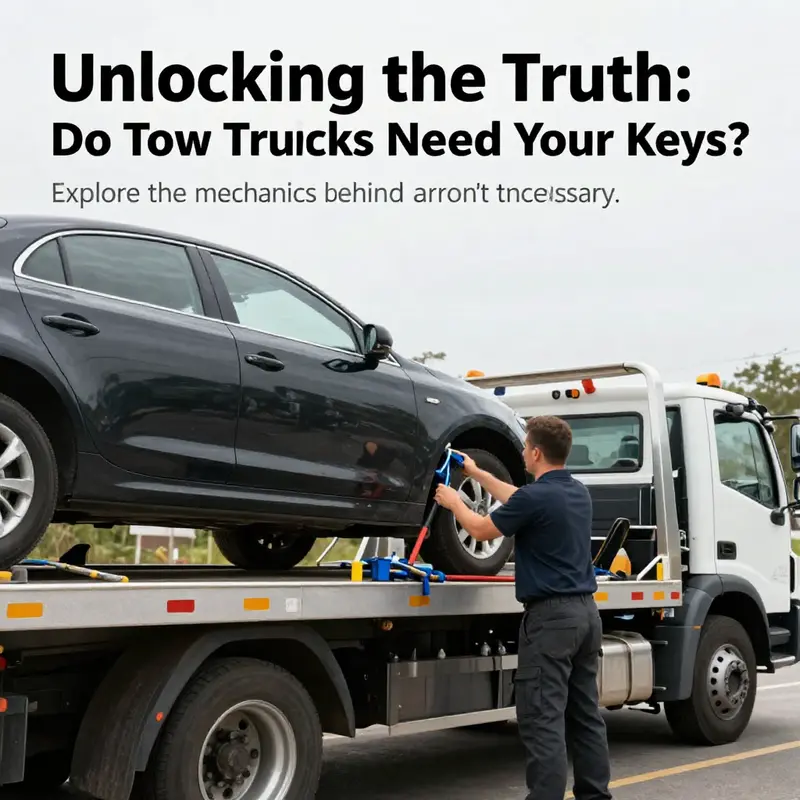
Understanding how tow trucks operate can be a perplexing subject for many drivers and vehicle owners. One of the most frequently asked questions is whether or not tow trucks need your keys. This question resonates with local drivers and car owners who may fear the implications of a tow. Auto repair shops and dealerships often encounter this concern from clients, while property managers and HOA administrators frequently deal with towing situations themselves. As we delve into the mechanics of towing, the equipment involved, and the legal frameworks that govern these practices, you’ll find clarity on the necessity of providing keys during a tow. Each chapter will unlock a new aspect of towing, ensuring you’re well-informed and empowered in the event of a towing situation.
Mastering Towing Protocols: How Tow Trucks Operate Without Your Keys
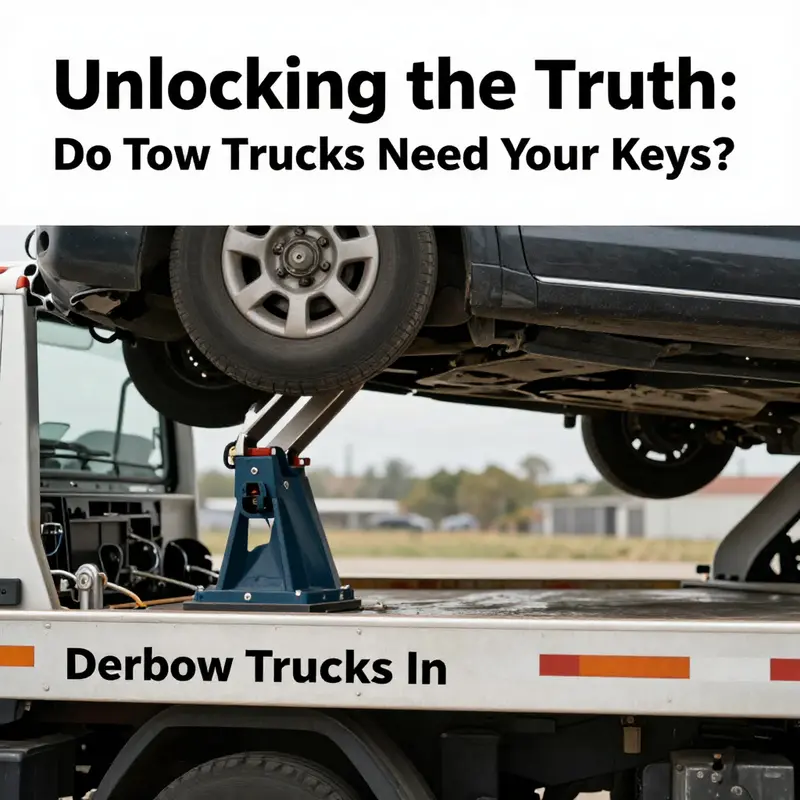
Tow trucks have become an essential part of modern roadside assistance, and understanding their mechanics reveals that the need for your keys is far from universal. Professional towing companies have refined their processes over time, using specially designed equipment and carefully calculated methods that ensure safe vehicle transport without always relying on the vehicle’s ignition system. This chapter explores the intricacies of towing technology, the rationale behind why keys are rarely necessary, and the modern techniques that allow tow truck operators to confidently manage a wide range of vehicles in various conditions.
When you encounter a roadside emergency, the first concern is the safety and integrity of your vehicle. The idea that tow trucks might require your keys to move your car is a common misconception. In fact, the majority of towing procedures, particularly those involving hook and chain methods or specialized apparatus like underlift, flatbed, or picker systems, are specifically designed to handle vehicles without the need for keys. Instead, towing companies employ mechanical systems with hydraulic lifts and remote-controlled arms, which benefit from over a century of engineering improvements and best practices refined from deep industry experience. This refined process not only minimizes the risk of damage but also guarantees that vehicles with complex electronic systems and delicate components are handled correctly.
The traditional hook and chain method, although less common in today’s world of advanced flatbed systems, is a testament to early towing innovations. This technique involves anchoring a heavy-duty chain and hook to an axle or frame component of the disabled vehicle, allowing the tow truck to pull rather than push. Since there is no need for the vehicle’s engine to be engaged, there is no requirement for keys. Instead, the operator simply maneuvers the tow truck so that the hooked chain can safely secure the vehicle for transport. The beauty of this method lies in its simplicity and robustness, qualities that have maintained its viability in certain contexts despite the advent of more modern approaches.
With the advent of more sophisticated automotive designs—featuring electronic braking systems, low ground clearance, and a range of safety features—towing companies have developed equally advanced solutions to ensure a secure and damage-free towing process. One such solution is the flatbed tow truck, which has become prevalent not only because it minimizes wear and tear on vehicles, but also because it consistently negates the necessity of using the ignition system. The flatbed design offers a snug, secure platform for the vehicle during transit. When a vehicle is loaded onto its expansive platform, its wheels remain off the road and are immobilized throughout the journey. This mode of transport is particularly beneficial for low-profile vehicles or cars that have been damaged in an accident, as it avoids any potential complications related to a shifting weight distribution. In some rare cases, when the vehicle’s electronic parking brake or other immobilizing features might otherwise be engaged, the tow truck operator may find it prudent to request the keys. However, it is important to emphasize that these are exceptional circumstances rather than the rule.
In cases where a vehicle’s braking or steering systems are electronically controlled, such as in many luxury vehicles or modern models equipped with advanced security features, the considerations for keys can differ slightly. These vehicles may require the keys to be inserted in order to deactivate brake locks or disengage electronic parking brakes. This process is necessary to ensure that the vehicle remains in a neutral state throughout the towing process, preventing inadvertent mechanical strain or damage. However, even in these instances, the requirement for keys is more of a precautionary measure rather than a standard operational procedure. In truth, many service providers have sophisticated techniques and equipment that allow them to safely move vehicles without leveraging the ignition system, thereby keeping the process as non-invasive as possible.
The evolution of tow truck technology is marked by a long history of innovation aimed at reducing the logistical challenges of transporting vehicles safely and efficiently. For example, the underlift tow truck, often seen in municipal fleets and emergency services, is engineered with a hydraulic system capable of lifting one axle of the vehicle. This method uses the truck’s sturdily built frame and mechanical prowess to ensure the vehicle is balanced and secure. Not needing to turn on the vehicle or engage inner workings with a key, this approach minimizes potential problems associated with electronic interference. Operators employing the underlift method ensure that the vehicle’s structure is preserved, particularly when the vehicle has sustained a type of damage that might render its electrical systems unreliable.
Furthermore, modern towing services have adopted the use of picker or telescopic boom tow trucks to retrieve vehicles from challenging locations, such as narrow urban streets or crowded parking lots. These specialized tow trucks come equipped with remote-controlled arms that allow operators to reach vehicles that would otherwise be difficult to access using conventional methods. With such systems, keys are irrelevant. Instead, the focus is on gentle handling and precise maneuverability. The remote-controlled arms solidly grasp the vehicle’s body, lifting it and supporting it without interfering with the internal functions of the vehicle. This is particularly important for vehicles with sensitive security systems, as unnecessary engagement could cause errors in immobilizing features—features that are often tied to the vehicle’s key system.
At the heart of each towing methodology is the common goal of ensuring that vehicles are transported in a manner that mitigates risk while upholding the highest standards of safety. Tow truck operators are trained to make operational decisions based on the specific condition and design of the vehicle in question. Whether dealing with an older model with simple mechanical brakes or a high-end car with a computerized locking mechanism on the brakes, the choice of whether to request keys is made with precision and care. This attention to detail is critical in preventing damage and in providing a reliable, trusted service that motorist can depend on.
An often overlooked facet of these procedures lies in the subtle interplay of safety protocols and technological advancements. As automotive systems evolved, tow truck operators had to adapt their procedures to incorporate new technology. This evolution is noticeably visible in the transition from manual ignitions to sophisticated systems that manage everything from braking to stability control. When operators encounter vehicles with such advanced configurations, they sometimes find that the default settings—designed to ensure the utmost safety when the vehicle is operationally engaged—require temporary intervention. In such circumstances, being in possession of the vehicle’s keys helps in safely deactivating these systems without causing unintended consequences. Nevertheless, it is clear that the overwhelming majority of towing operations are fully capable of being executed without ever needing to rely on the vehicle’s keys.
The relationship between vehicle design and towing protocols is continuously refined with an eye toward customer safety. In many instances, the decision not to require keys is driven by the recognition that modern vehicle systems are often too delicate to be manipulated unnecessarily. To ensure that valuable electronic components are not inadvertently damaged, operators resort to procedures that limit physical interaction with the vehicle’s internal systems. This philosophy underscores the overall commitment to preserving the condition and functionality of the vehicle through state-of-the-art engineering solutions. In this respect, companies are becoming increasingly specialized, investing in equipment that not only meets the demands of modern vehicle design but also anticipates the inevitable technological advances of the future.
Given the nuanced interaction between towing methods and advanced vehicular systems, towing companies often advise that vehicle owners familiarize themselves with the procedures that might affect how their vehicle is handled during a tow. For instance, many service providers recommend that car owners consult their user manuals or contact mechanical experts if they are unsure about the implications of advanced electronic systems on towing. This transparency helps mitigate any potential miscommunications and ensures that both the vehicle owner and the towing operator are on the same page when it comes to safety. As a result, customer trust is bolstered, and the overall experience remains as smooth as possible, even under the stress of an emergency breakdown or accident.
The dynamic nature of the towing industry is also evident in the careful consideration for diverse scenarios such as long-distance transport or severe weather conditions. In long-distance tows, for example, operators might be more inclined to require keys to ensure that every system, particularly those related to electric braking and stability control, is deactivated. Such precautions are taken to prevent any inadvertent activation that could lead to damage or even compromise the safety of the vehicle. Additionally, in inclement weather or when operating under emergency conditions, tow truck drivers might invoke different protocols that prioritize stability and control over all else. These adjustments underscore the fact that towing is not merely about moving a vehicle from one point to another; it is about orchestrating a series of decisions that minimize risk at every step of the process.
It is also important to note that the advancement in tow truck technology goes hand in hand with improvements in fleet management and emergency response. Many towing companies now operate with an eye toward standardization, drawing on detailed training protocols and well-maintained fleets to ensure that every tow is executed in accordance with best practices. The emphasis on standardization plays a critical role, particularly when operators need to make split-second decisions regarding the necessity of using the vehicle’s keys. For example, in a situation where a vehicle might be immobilized by a parking brake or other electronic locking mechanism, standardized protocols guide the decision on whether to use the keys for disengagement or rely solely on mechanical intervention.
Another aspect of modern towing services is the careful calibration between customer expectations and technological capabilities. Vehicle owners naturally expect that their cars will be handled gently and securely, and that the process will be as non-invasive as possible. This expectation has driven towing companies to invest in equipment that is both state-of-the-art and versatile. High-quality flatbeds and hydraulic arms, along with sophisticated remote-controlled tools, are now standard in many fleets. These innovations allow operators to lift, secure, and transport vehicles without the need to rely on the key-based activation of systems that were once a concern. For many tow truck operators, the decision to forgo the use of keys is an affirmation of their commitment to preserving the vehicle in its pre-incident condition as much as possible.
Despite the undeniable technological prowess of modern tow trucks, there remains an element of human judgment that is central to the process. Each tow truck operator brings years of hands-on experience and training to the job, enabling them to assess the situation and determine in real time whether keys are needed. Their expertise is often the decisive factor in navigating complex scenarios—such as when a vehicle is partially disabled and only certain systems are operational. In these cases, the operator’s familiarity with both the technology and the vehicle’s design ensures that the final decision is based on safety, efficiency, and the best interests of the vehicle owner. This level of professional insight reinforces the notion that while modern technology has advanced the field of towing significantly, the human element remains indispensable.
Understanding these subtle yet critical details is crucial for anyone who might find themselves in a situation where a tow is necessary. It is not uncommon for vehicle owners to find themselves muddled by the many rumors and myths circulating about towing protocols. The truth, as demonstrated by the prevalent use of underlift, flatbed, and picker tow trucks, is that keys are not a one-size-fits-all requirement. Instead, the approach is tailored to the specific needs of each vehicle and situation. By instilling a deep understanding of how various towing methods function, operators not only safeguard the physical integrity of the vehicle but also protect the electronic systems that modern drivers depend on so heavily. In a way, each decision made during the towing process is a microcosm of the larger paradigm shift toward more intelligent, technology-driven practices in vehicle handling.
For those interested in the operational details behind these systems or looking to bolster their own knowledge of fleet management and emergency procedures, more detailed discussions on standardization in heavy-duty rescue operations can be found on the official informational blog of several industry leaders. An informative overview, designed to bridge the gap between theoretical knowledge and practical application, is available through an internal article that addresses both the mechanical and procedural aspects of modern towing, helping fleet managers ensure their practices are up-to-date and compliant with current safety standards. One such resource can be explored through this insightful overview on fleet standardization and emergency readiness, which provides a behind-the-scenes look at how operational protocols are developed and maintained.
In drawing these threads together, it is clear that the question of whether tow trucks need your keys is not a matter of simple yes or no. Instead, it is a reflection of a complex interplay between vehicle design, mechanical innovation, and operational expertise. The evolution of towing practices from a purely mechanical process to a highly orchestrated procedure that marries technology with human judgment has eradicated many of the earlier concerns about inadvertently damaging a vehicle. Whether it is the simplicity of the hook and chain method or the high-tech precision of a flatbed lift, each approach has been designed with both safety and efficiency in mind.
This comprehensive understanding of towing mechanics is not merely academic; it has real-world implications for vehicle owners, towing professionals, and even the broader automotive industry. As vehicles continue to evolve—incorporating more advanced electronics, automated systems, and energy-efficient designs—the need for adaptable towing practices becomes ever more critical. Embracing these changes, towing companies have invested heavily in training and technology that emphasize minimal invasiveness, ensuring that every vehicle, regardless of age or model, can be transported safely without unnecessary interference. The result is a system in which the modern tow truck operator acts as a guardian of both the physical and electronic integrity of your vehicle, ensuring that even in moments of distress, your car can be moved securely and with minimal disruption.
In conclusion, while there are specific instances where keys might be requested—typically in the case of vehicles with electronically controlled braking systems or during complex long-distance transports—the overwhelming norm is that tow trucks are engineered to move vehicles without needing your keys. This evolution is a testament to the ingenuity and adaptability of towing technology. The specialized equipment and meticulous protocols currently in place speak volumes about the industry’s commitment to safety and vehicle preservation. Understanding these processes provides reassurance to vehicle owners that even when you are unable to be present during a tow, your car is in experienced hands, guided by a blend of technological precision and seasoned expertise.
For those who wish to dive deeper into the mechanics and innovations of towing technology, further insights can be gained from the external guide available at Tow Trucks Korea Explained: Technical Specifications, Features, and Best Practices. This resource offers a detailed look at the evolution of tow truck technology and serves as both an educational tool and a point of reference for industry professionals and curious vehicle owners alike.
By demystifying the role of keys in towing, this discussion aims to empower vehicle owners with the knowledge and confidence needed during roadside emergencies. The underlying message is clear: while each tow is unique, modern practices and state-of-the-art tools ensure that the need for keys is minimized, allowing for a smoother, safer, and more efficient recovery process. This understanding not only builds trust between vehicle owners and towing professionals but also highlights the continuous innovation that drives the industry forward, ensuring that as vehicles evolve, the methods used to service them remain at the forefront of technological and operational excellence.
Navigating the Intricacies of Modern Towing: When Do Advanced Techniques Require Your Vehicle’s Key?
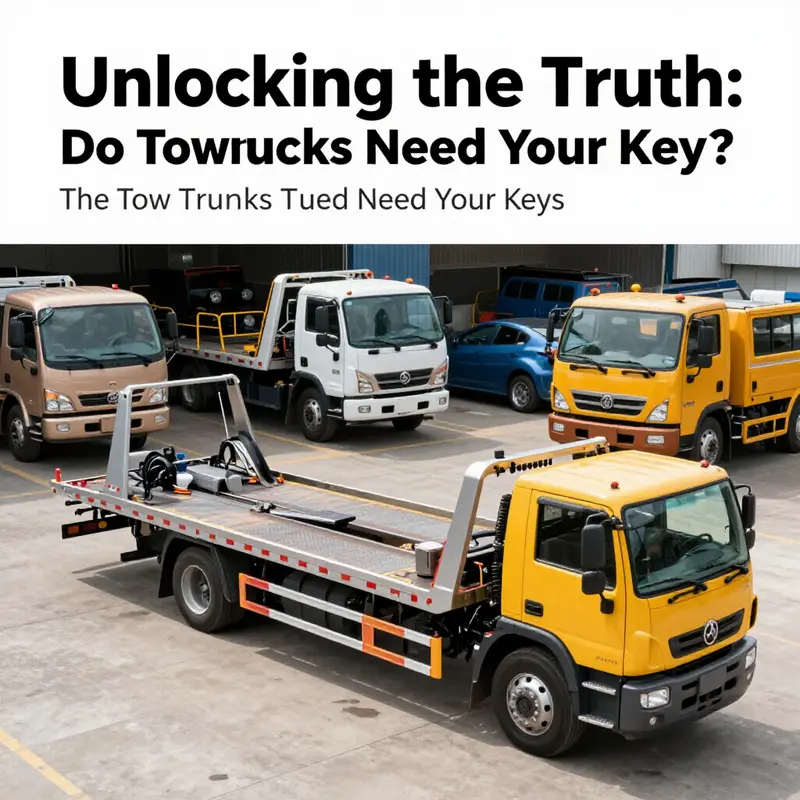
In the world of vehicle recovery and towing, many assume that keys are an essential tool for every tow truck operator. However, practical experience and industry protocols illustrate that for most routine towing operations, keys are not necessary. This is largely due to sophisticated towing equipment that enables secure and efficient transport of vehicles without having to access the ignition. Today’s towing methods include the use of wheel lifts, flatbeds, telescopic booms, and hydraulic arms that are engineered to operate independently of the vehicle’s internal systems. These tools have evolved to meet the challenges of towing an increasingly diverse fleet of vehicles, which now often come equipped with advanced anti-theft devices and electronic immobilizers.
Traditionally, when a vehicle needed to be moved, especially after a breakdown or accident, tow truck operators relied on mechanical methods that secured the vehicle externally. For example, underlift tow trucks use hydraulic systems that gently lift the axle off the ground. The operator positions the vehicle in a manner that minimizes movement and damage during transit. Meanwhile, flatbed tow trucks, which are particularly useful for low-clearance vehicles or cars that have sustained damage to their undercarriage, simply load the entire vehicle onto a platform. In both scenarios, the vehicle’s key is not needed because the equipment bypasses the need to interact with the engine or steering mechanism.
However, as vehicles have become more complex, so have the challenges associated with towing them. Modern cars are often outfitted with electronic immobilizers and anti-theft systems. In these cases, even though the external towing equipment can secure the vehicle, the internal electronic systems might still be active, preventing the vehicle from being shifted into the proper operational state for certain advanced towing techniques. For instance, if a vehicle’s immobilizer is engaged due to the absence of the key, the system might inhibit wheel rotation or even lock certain parts of the drivetrain. In such advanced situations, having access to the key—even if only momentarily—allows the tow truck operator to disable the immobilizer or adjust settings so that components such as the steering column or transmission can be managed safely.
Beyond the basics of moving vehicles, advanced towing techniques have been developed to address situations where precision and control are paramount. One technique involves the use of a rotating ball joint mechanism, sometimes seen in sophisticated swivel frames. This mechanism requires a high degree of maneuverability, particularly when operating in constrained or congested spaces. Even though the process itself does not occasionally require the key, the operator may need to adjust the steering or reposition the wheels manually. In a scenario where the vehicle’s steering is locked by an electronic system, the absence of a key can complicate this adjustment process. Thus, while advanced mechanical systems often work independently, the provision of a key can sometimes streamline the operation.
A further consideration comes into play with vehicles that are equipped with all-wheel drive (AWD) or four-wheel drive (4WD) systems. These vehicles present unique challenges because their drivetrain configurations can be sensitive to the conditions imposed by towing. In many cases, tow operators opt for techniques that involve using tow dollies or flatbed trucks to mitigate the risk of drivetrain damage. Such methods are considered safe for a diversity of vehicle types, ensuring that the powertrain remains uncompromised. However, if the vehicle incorporates a locked steering column or if an alarm system is actively engaged, a key might be necessary for initial setup. The operator might face the need to deactivate the alarm or unlock the steering to ensure that the vehicle is positioned correctly on specialized towing equipment.
In an era when vehicles increasingly rely on computerized systems, the interplay between electronic immobilization and mechanical towing methods becomes even more delicate. Modern vehicles often incorporate sensors that monitor everything from wheel position to suspension tension. In these instances, the absence of a key can generate uncertainties: the immobilizer might keep the engine or transmission in an unintended state, complicating the task of safely securing the vehicle on a tow truck. This becomes especially evident in advanced recovery scenarios. For instance, some vehicles require key access to transition them from a locked state into one where the wheels can be manually adjusted or the vehicle can be placed in neutral. Without the key, tow operators risk encountering complications that could compromise safety protocols or result in further damage to the vehicle.
Moreover, safety remains a pressing issue. Tow truck operators are trained to secure vehicles by applying appropriate measures such as engaging the parking brake, setting the vehicle in neutral, and even placing wheel chocks where necessary. While these steps often render the vehicle immobile during transport, they do not address the issues caused by electronic immobilizers. In situations where the immobilizer system is coupled with an active alarm, the key might serve as a crucial master control. By providing the vehicle’s key, the operator can deactivate these systems, eliminating potential hazards and ensuring that the entire operation is both safe and efficient. The key, in these advanced scenarios, becomes less of an ignition tool and more of a signal—an enabler that harmonizes the vehicle’s internal and external systems during transit.
The evolution of towing techniques is a response to the ongoing innovation in vehicle design. Equipment manufacturers and towing professionals continue to push for methods that are both non-intrusive and efficient. In many cases, the design of tow trucks now focuses on minimizing the need for any interaction with the vehicle’s ignition system. This is clearly demonstrated by the array of specialized equipment now available: from hydraulic arms that adjust seamlessly to the contours of a vehicle to telescopic booms that can be controlled remotely. Even without physical access to the interior of the car, these operators can secure, lift, and maneuver vehicles with precision.
One might ask, however, if ever would keys be necessary? The answer lies in the realm of modern vehicle security systems. As manufacturers integrate more sophisticated electronic controls, the boundary between mechanical and electronic recovery becomes blurred. There are instances where the keys play a secondary but essential role. For example, in advanced towing scenarios that require changes in the vehicle’s operational mode, such as switching from an immobilized state to a condition that permits manual steering adjustments, the key becomes an essential tool. It is during these moments that an operator’s understanding of both the mechanical attributes of the tow truck and the electronic complexities of the vehicle converge. This dual understanding ensures that even when facing challenges posed by systems designed to prevent unauthorized use, the recovery process remains smooth and without undue delay.
At its core, the discussion is one of balance: balancing the need to secure a vehicle during transit with the necessity of managing sophisticated onboard systems. This balance has been achieved through engineering ingenuity and the adaptation of towing protocols that reflect the realities of modern vehicle design. The establishment of clear guidelines helps operators decide when a key is truly necessary and when it can be omitted. These guidelines are crucial for minimizing turnaround times and ensuring that vehicles are not subjected to additional stress or damage during towing.
Consider a scenario where a vehicle involved in an accident is being prepared for towing. In many such cases, the initial assessment by the tow operator determines that the vehicle is safe to be loaded without turning the key in the ignition. The operator positions the wheel-lift mechanism underneath the vehicle’s axle and uses mechanical straps to secure it. The design of the wheel-lift system guarantees that the vehicle remains stable, even in the absence of electrical or ignition-based interventions. During this process, the key is rendered unnecessary because the vehicle’s internal systems have been bypassed entirely by the external equipment. However, if the vehicle is a modern model that comes equipped with an electronic steering lock, failure to insert the key could result in a misalignment of the steering mechanism. In such cases, the operator must have access to the key to realign the wheels, thereby ensuring that the vehicle can be safely navigated once placed on a flatbed or other towing apparatus.
Furthermore, the domain of specialized towing techniques has expanded to include procedures that deal with vehicles in unusual or challenging positions. Imagine a situation where a vehicle is stuck in a narrowly confined space, such as between walls or in a crowded urban environment. Here, the use of a telescopic boom with remote control capabilities becomes indispensable. The equipment is designed to extend precariously into tight spaces, picking up and releasing the vehicle with minimal physical interference. Yet, if the vehicle’s anti-theft system remains active, the surge of power from the remote-controlled arm might trigger internal alarms or even cause unintentional movement. In these delicate operations, the key may serve as the override method needed to temporarily disable the immobilizer, thereby ensuring that the vehicle not only remains stable during extraction but also avoids the risk of activating security systems that could complicate the recovery process.
With these considerations in mind, it becomes clear that the role of a vehicle key in the towing process is nuanced. For standard operations using wheel lifts or flatbeds, the key remains an accessory that is rarely needed. For more advanced techniques, however, particularly those involving vehicles that feature digital security measures, the key becomes an additional layer of insurance—a vital tool that allows operators to negotiate an otherwise complex and potentially hazardous situation. For example, if the vehicle’s system is designed to require the key to deactivate an electronic immobilizer, then failing to provide the key could complicate the emergency recovery or even result in further mechanical complications. In such moments, the key transcends its traditional role and becomes a crucial component in managing modern technological interfaces.
In many ways, modern towing is not just about moving a disabled vehicle from point A to point B; it is about carefully managing a host of integrated systems that can affect everything from safety to legal compliance. Tow truck operators must be trained not only in the use of advanced mechanical systems but also in understanding the electronic nuances that modern vehicles exhibit. The balance between mechanical expertise and technological acumen ensures that even the most complex vehicle recovery operations can be conducted with minimal risk. Operators often face split-second decisions where the absence or presence of the key has a direct bearing on the safety of both the vehicle and the personnel involved. In emergency situations, a key might be the difference between a smooth, controlled extraction and a procedure fraught with unnecessary complications.
Safety during these operations is further enhanced by the establishment of industry best practices and rigorous training protocols. Operators are taught to assess each situation on a case-by-case basis. For instance, if a vehicle is equipped with a state-of-the-art immobilizer that prevents the engine from turning over, the operator must determine if accessing the vehicle’s key system is necessary to ensure that the vehicle can be moved safely. This is particularly true when vehicles are parked on steep inclines or in positions where even a slight miscalculation could result in additional damage. By having the key on hand, the operator can disable certain safety systems momentarily, allowing for a controlled transfer of the vehicle onto the towing apparatus.
It is also important to recognize that while the key may sometimes be required in advanced scenarios, the design of modern towing equipment increasingly aims to eliminate the necessity of any intimate interfacing with the vehicle’s internal systems. The industry’s focus has shifted toward developing technology that minimizes the dependency on vehicle keys, thereby streamlining the towing process. This continued evolution is driven by the need to adapt to a landscape where vehicles are no longer simple mechanical constructs but highly integrated systems of hardware and software. The push for improved safety, efficiency, and speed has transformed the traditional role of the tow truck operator from merely hooking up a car to becoming a skilled technician capable of interfacing with modern vehicular technology.
This evolution is mirrored in the design of contemporary tow trucks that are built to be versatile and adaptable to a wide range of vehicle types and conditions. Today’s tow trucks are equipped with advanced diagnostic tools that help operators understand the state of the vehicle’s systems even before any physical connection is made. Such tools assist in determining whether any electronic systems are active that might require key intervention. This proactive approach not only safeguards the integrity of the vehicle but also ensures that the towing operation proceeds under optimal conditions. Operators equipped with these diagnostics can confidently decide that the keys are unnecessary when mechanical systems suffice, or conversely, they can opt to use the keys when advanced techniques are required.
The interplay between keys and advanced towing techniques also brings to light the important role of communication and documentation. When a vehicle is to be towed, especially in situations where there might be ambiguity regarding the need for key access, operators often require proof of ownership or identification. This practice ensures that any intervention required with the vehicle’s embedded systems is authorized and documented, thereby protecting both the vehicle owner and the towing company. Clear communication at every step is essential, particularly when the vehicle’s key might need to be used to override its security features. Such measures ensure that all parties understand the risks and that the towing process complies with applicable regulations and safety standards.
Furthermore, the practical aspects of towing in urban environments cannot be understated. In cities, where vehicles are often in close proximity and space is at a premium, the margin for error decreases dramatically. In these cases, the use of specialized equipment, such as rotating ball joint mechanisms for tight turns, becomes a necessity. Even if this equipment does not directly require the key, the overall system may be influenced by vehicle settings that are only adjustable using the key. As a result, operators in metropolitan areas are often more inclined to request the vehicle key, even if just as a precautionary measure to ensure that every electronic safety system is either deactivated or set to a predictable state prior to transport.
The rigorous standards that underpin towing operations today were developed in response to both technical challenges and practical field experience. Over the years, operators have encountered a wide array of scenarios where the absence of a key led to complications during the recovery process. Such experiences have driven the industry to refine its guidelines and training programs, emphasizing that while keys are not always mandatory, having them available can serve as an invaluable backup in complex retrieval situations. This approach is central to the operational philosophy embraced by many towing companies, which prioritize safety and thorough risk assessment above all else.
In this context, the conversation about whether tow trucks need your keys takes on multiple layers. On the surface, routine towing does not require key access because the equipment is designed to work independently. However, as one delves deeper into the specifics of modern vehicle recovery, a more intricate picture emerges—one where keys provide an extra measure of control in advanced scenarios. The dual forces of evolving technology and heightened security measures in vehicles have necessitated a reevaluation of traditional practices. In response, towing professionals have adapted by learning how to effectively blend mechanical prowess with an understanding of modern electronics. In doing so, they not only increase the overall safety of the operation but also enhance its efficiency and reliability.
The benefits of maintaining this balanced approach are significant. Operators who are well-versed in both the mechanical and electronic aspects of towing can offer better service and reduce the risk of additional damage during transport. Their ability to decide on the spot whether key access is needed ensures that vehicles are handled with the utmost care. In some instances, the key may serve as a small yet crucial element that translates into higher operational safety and faster recovery times. It is this nuanced understanding that distinguishes professional towing operations from less sophisticated methods.
For those seeking a deeper look into the operational standards and emergency response protocols in the towing industry, resources such as the article on Fleets Emergency Response provide further insight into how these practices are implemented in real-world scenarios. Such resources underscore the complexity of modern towing and highlight the importance of adapting to the technological trends that shape today’s vehicle recovery landscape.
In summary, while most towing operations are carried out without the need for the vehicle’s key, advanced techniques designed for modern, high-tech vehicles frequently necessitate its availability. Whether due to the intricacies of electronic immobilizers, the need to deactivate steering locks, or the precise control required in tight urban recoveries, the key remains a valuable tool under the right circumstances. As towing technology continues to evolve, the interplay between mechanical systems and electronic controls will only become more critical. Operators who master this interplay are best positioned to provide safe, efficient, and damage-free recovery services.
For further guidance on the intricacies of towing operations and safety protocols, interested readers may wish to refer to additional resources available online. One such valuable external resource can be found at British Towing’s Industry Resources, which offers comprehensive insights into the standards and practices that govern modern tow truck operations.
The field of towing continues to innovate, blending the mechanical and digital realms to overcome the challenges posed by modern vehicle design. Understanding when and why a vehicle key might be needed in an advanced towing scenario is essential for ensuring operational safety and efficiency. As vehicles become increasingly sophisticated, towing procedures will continue to adapt—ensuring not only that each tow is conducted effectively but also that every safety protocol is upheld. Ultimately, the collaboration between advanced towing equipment and the prudent use of a vehicle’s key epitomizes the future of vehicle recovery: a future where technology, safety, and expertise converge to deliver service that is both remarkable and reliable.
Navigating Legal Compliance: Understanding Why Tow Trucks Operate Without Your Keys
In the realm of vehicle towing, the necessity of keys is a subject that touches on operational efficiency, legal compliance, and the safety of all parties involved. Tow trucks, often seen as agents of recovery and transportation, have developed techniques and protocols that allow them to move vehicles without the need for the owner’s keys. This practice is ingrained in legal standards, refined operational procedures, and safety protocols that collectively ensure that towing is conducted in a manner respectful of property rights and public safety.
The evolution of towing practices has been largely influenced by technological advancements and the need for rapid response in emergency or legally regulated situations. Modern tow trucks are equipped with specialized devices such as wheel lifts, flatbeds, and advanced hydraulic systems that can secure and move vehicles without requiring access to the ignition. For instance, an underlift tow truck utilizes a hydraulic system to lift one axle off the ground, ensuring that the vehicle is safely secured by its frame. Flatbed trucks are designed so that vehicles are completely loaded onto a platform, making it unnecessary for an operator to intervene with keys at all. In addition, telescopic booms and other remote retrieval systems enable operators to safely extract vehicles from confined or hazardous spaces. These technical innovations have not only streamlined the towing process but have also minimized the risks of further damage to vehicles and potential disputes concerning unauthorized access.
From a legal perspective, the practice of towing without keys is rooted in well-established regulatory frameworks. In most jurisdictions, laws are clear in stating that vehicles may be towed without the owner’s direct involvement, especially when dealing with public safety issues such as abandoned vehicles, parking violations, or hazards that impede traffic flow. In these situations, local ordinances empower municipal agencies and authorized law enforcement to take decisive actions in order to remove vehicles that could jeopardize road safety. Typically, the legal mandates do not stipulate that tow truck operators must have access to a vehicle’s keys; instead, they emphasize that proper documentation, authorization, and adherence to standardized procedures are crucial elements of any tow. These procedures involve the issuance of notices, the maintenance of records, and thorough verification of the owner’s identity post-tow, ensuring that despite the absence of keys, all actions taken are both legally defensible and transparent.
When a vehicle is subject to tow under public authority, the use of keys becomes unnecessary because the underlying procedures are designed to secure vehicles without compromising the legal rights of the owner. This is particularly true in cases where vehicles are towed due to obstructing traffic, impeding parking regulations, or presenting an immediate safety hazard, as the primary objective is to restore order and safety rather than to gain physical access to the vehicle’s internals. Documentation plays a pivotal role in these circumstances. Authorities need to maintain clear records detailing the condition of the vehicle at the time of the tow, the reasons behind the action taken, and the methods used by the tow truck operator. These records serve as a safeguard against any potential legal claims and ensure that every step in the towing process is clearly justified in the eyes of the law.
Even so, there are circumstances in which keys may be required, particularly in the context of private towing operations or repossession services. In scenarios where the towing company is operating under a contract—often with financial institutions, lending companies, or repossession agencies—the possession of keys can quicken the process. Having access to a vehicle’s keys allows operators to shift the transmission into neutral or secure the vehicle immediately, which minimizes wear and tear and reduces the risk of additional damage during the tow. These situations, however, are governed by separate legal agreements and consumer rights guidelines that straddle the line between operational necessity and the protection of private property. Here, operators are generally expected to obtain explicit permission from the vehicle owner, document the chain of custody regarding the keys provided, and observe strict compliance with state and federal regulations that guard against any form of unauthorized access or exploitation.
The implications of these practices extend far beyond the mere mechanics of towing. They influence how regulations are formulated and enforced in local jurisdictions. Regulatory agencies closely monitor the methods by which vehicles are towed to ensure that they adhere to the established laws that protect consumer rights and property values. Tow truck companies, in turn, are required to adjust their standard operating procedures to align with new or evolving guidelines, ensuring that every movement of a vehicle is both legally compliant and ethically sound. The use of keys in certain circumstances becomes less about the technical requirement and more about a safeguard to prevent disputes over theft or vehicle damage. In these instances, the keys serve as a physical token of authorization and a method of clearly establishing ownership, even if only temporarily, throughout the towing process.
The importance of these considerations is not lost on towing companies that frequently encounter scenarios where legal and operational lines intersect. Responsible towing operators invest in training and legal education to ensure that they understand the full scope of their powers and responsibilities when dealing with a vehicle. They learn not only how to employ advanced towing equipment but also how to document every step taken during an operation. This includes tracking whether keys were used, who provided them, and under what circumstances they were exchanged. Such attention to detail is not only a best practice but also an essential component of legal risk management. In many cases, regulatory bodies examine these records during audits or in the aftermath of disputes, making it vital that tow truck operators adhere to the highest standards of professionalism and documentation.
Legal compliance in the towing industry also intersects with the expectations of the general public. Vehicle owners naturally worry about their property being mishandled during a tow, especially in circumstances where keys are absent. Understanding that tow trucks are equipped to handle vehicles without accessing the ignition provides assurance that the integrity of their vehicle is maintained throughout the process. What might initially seem like a procedural shortcut is, upon closer inspection, a carefully choreographed sequence of actions designed to prioritize safety and legal conformity. By eliminating the need to use keys, operators reduce the risk of accidental damage to the ignition system, wiring, or other components that could compromise the vehicle’s functionality once it is returned to its owner.
Furthermore, detailed legislative frameworks ensure that vehicles are only towed when absolutely necessary and that the process is as non-intrusive as possible under the circumstances. In many regions, laws require that towing only occur after multiple warnings have been given to the vehicle owner, in addition to clear signage and notices. These measures prevent the overreach of tow truck operators, emphasizing that the removal of a vehicle is a last resort measure reserved for instances where safety, order, and legal obligations mandate it. This approach not only benefits the public by ensuring that vehicles are not removed arbitrarily, but also protects the towing companies from claims of unauthorized service. The legal guidelines in place often include stipulations for peer reviews and audits of towing practices, which reinforce the principle that keys are not a default requirement unless circumstances uniquely demand them.
Another dimension to consider is the variation in regulations from one jurisdiction to another. The legal framework around towing is far from homogeneous; it is a patchwork of local ordinances, state statutes, and federal guidelines that together shape how towing is conducted. This complexity means that while one region might strictly prohibit the use of keys except in designated scenarios, another might adopt a more flexible stance where keys are routinely used in private agreements. For operators who work across multiple jurisdictions, this necessitates a keen understanding of regional differences and a commitment to staying informed about legislative changes. Ongoing education for towing professionals is fundamental, ensuring that what is considered legal practice in one city does not result in violations in another.
In addition to adapting to varying legal landscapes, towing companies are also influenced by broader public policy trends. Issues such as consumer protection, privacy, and due process are at the forefront of legislative debates concerning vehicle towing. The incorporation of consumer rights into the towing process means that transparency is key. Vehicle owners must be informed of the reasons behind a tow, the methods used, and the specific actions taken—including whether the keys were used or left untouched. This is part of a larger movement towards accountability in both public and private towing operations. With clear and accessible documentation, owners are less likely to dispute a tow, and any legal challenges that do arise have a well-documented basis for resolution.
Corporate policy, too, has had to evolve in response to these legal demands and the expectations of the public. Internal guidelines within towing companies now emphasize a dual focus on operational efficiency and respect for legal norms. For example, many companies have instituted protocols where the decision to use keys is not made lightly; it is often accompanied by a clear chain-of-command verification as well as a rigorous set of record-keeping practices. These companies invest in periodic training sessions that cover the latest legal rulings, best practices for vehicle safety during towing, and the ethical considerations inherent in handling private property. By aligning their actions with both the letter and spirit of the law, towing companies not only protect themselves from legal repercussions but also build trust with the communities they serve.
It is also important to note the role that communication plays during the towing process. When an operator arrives on the scene, clear communication with the vehicle owner or relevant authorities is crucial. This dialogue often extends to a discussion about the role of keys in the operation. Operators explain that while the keys may seem like an essential component of vehicle operation, their absence during the tow is intentional and designed to safeguard against unauthorized access or unnecessary damage. Many towing companies have developed detailed communication scripts that help explain their procedures to vehicle owners, thereby reducing anxiety and fostering trust. This level of transparency goes a long way in demystifying the towing process, enabling owners to understand that the procedures are designed with their best interests in mind.
While much of the emphasis is placed on the legal and operational aspects of towing without keys, the ethical dimensions of the practice are equally important. Tow truck operators are often the first point of contact between a distressed vehicle owner and the legal apparatus that governs property rights. As such, the ethical handling of a vehicle is paramount. Companies that adhere to rigorous ethical standards ensure that every action taken during a tow is justifiable both legally and morally. This includes the care taken when handling a vehicle in a state of distress, preventing any undue harm as the vehicle is moved from one location to another. The decision not to use keys is often as much about protecting the physical integrity of the vehicle as it is about upholding ethical standards in line with public expectations of fairness and accountability.
The integration of technology into towing practices has also had a significant impact on legal and ethical procedures. Advanced towing equipment, with its precise hydraulic systems and automated controls, has reduced the margin for error in operations conducted without keys. As a result, operators can execute tows quickly and efficiently, with less likelihood of inadvertently damaging the vehicle. This technological progress is complemented by digital record-keeping systems that automatically document every step of the process. Such systems not only enhance operational transparency but also serve as a de facto audit trail that can be reviewed in cases of dispute. The synthesis of technology, law, and ethical practice represents a modern approach to towing that reassures vehicle owners that their property is in safe hands, even when no keys are involved.
Within the industry, there are also ongoing debates regarding the potential need to reintroduce keys into the towing process under certain circumstances. Proponents of key usage argue that under controlled conditions, the keys provide an additional layer of security and can help mitigate disputes by proving that the vehicle was handled with the owner’s cooperation. However, the prevailing consensus remains that keys are not a necessity when the towing is carried out under public authority or within the established legal framework. Instead, the focus is on adherence to correct procedures, comprehensive documentation, and transparent communication with all parties involved. This ensures that whether keys are used or not, the rights of the vehicle owner remain protected and the integrity of the towing process is maintained.
Many towing companies find themselves in a continuous process of balancing the operational benefits of not requiring keys with the potential risks that may arise from situations where the vehicle owner expects their keys to be used. In rare cases where ownership or condition disputes occur, the meticulous record-keeping and adherence to legal procedures provide the necessary evidence to resolve conflicts satisfactorily. This dual approach—combining operational efficiency with strict compliance standards—has become the hallmark of modern towing practices. It represents a model that not only addresses the immediate challenges of vehicle recovery but also anticipates and mitigates potential legal disputes through foresight and rigorous planning.
For those interested in a deeper dive into the practical aspects of fleet management and emergency readiness in the towing industry, additional insights can be found in discussions that explore the integration of technology and standardized procedures. One such resource offers a detailed look at how innovative approaches to fleet standardization contribute to improved emergency response capabilities. This perspective underscores that the evolution of towing practices, including the move away from using keys, is part of a broader trend focused on safety, efficiency, and legal soundness. By continually refining practices and leveraging new technology, the towing industry aims to maintain public trust and deliver services that prioritize the overall welfare of the community.
In conclusion, the practice of towing vehicles without the use of keys stands as a testament to the intersection of technology, legal frameworks, and ethical responsibility. It is a practice that has been refined over decades, balancing the need for rapid and safe vehicle removal with the legal rights of vehicle owners. Whether performed under public authority, where safety and order are paramount, or in controlled private arrangements where additional safeguards like key access might be employed, the overriding objective remains the same: to ensure that towing is conducted in a manner that is legally compliant, ethically sound, and operationally efficient. For those looking to explore the legal intricacies and best practices in vehicle towing further, the detailed guidelines provided by the National Highway Traffic Safety Administration offer a comprehensive resource for understanding the regulatory landscape.
National Highway Traffic Safety Administration – Vehicle Towing and Repossession Laws
Throughout this comprehensive discussion, it has become clear that while the keys to a vehicle may represent access and control in everyday use, they are not indispensable for the safe, legal, and efficient operation of tow trucks. The methods and procedures employed by modern towing companies are testament to a robust system that prioritizes documentation, technological advancement, and legal accountability. By understanding the rationale behind these practices, vehicle owners and towing professionals alike can appreciate the delicate balance maintained in every operation—a balance that ultimately protects individual property rights while ensuring that public safety and legal standards are upheld without compromise.
Final thoughts
In summary, the need for keys when a vehicle is towed is largely a misconception. Understanding how tow trucks operate, the equipment they use, and the legal context surrounding towing can demystify this process for drivers, auto shops, and property managers alike. Being informed empowers you to handle towing situations with confidence, ensuring that you know your rights and what to expect during a tow. With this knowledge, you are better equipped to face any vehicle towing scenario that may arise.