
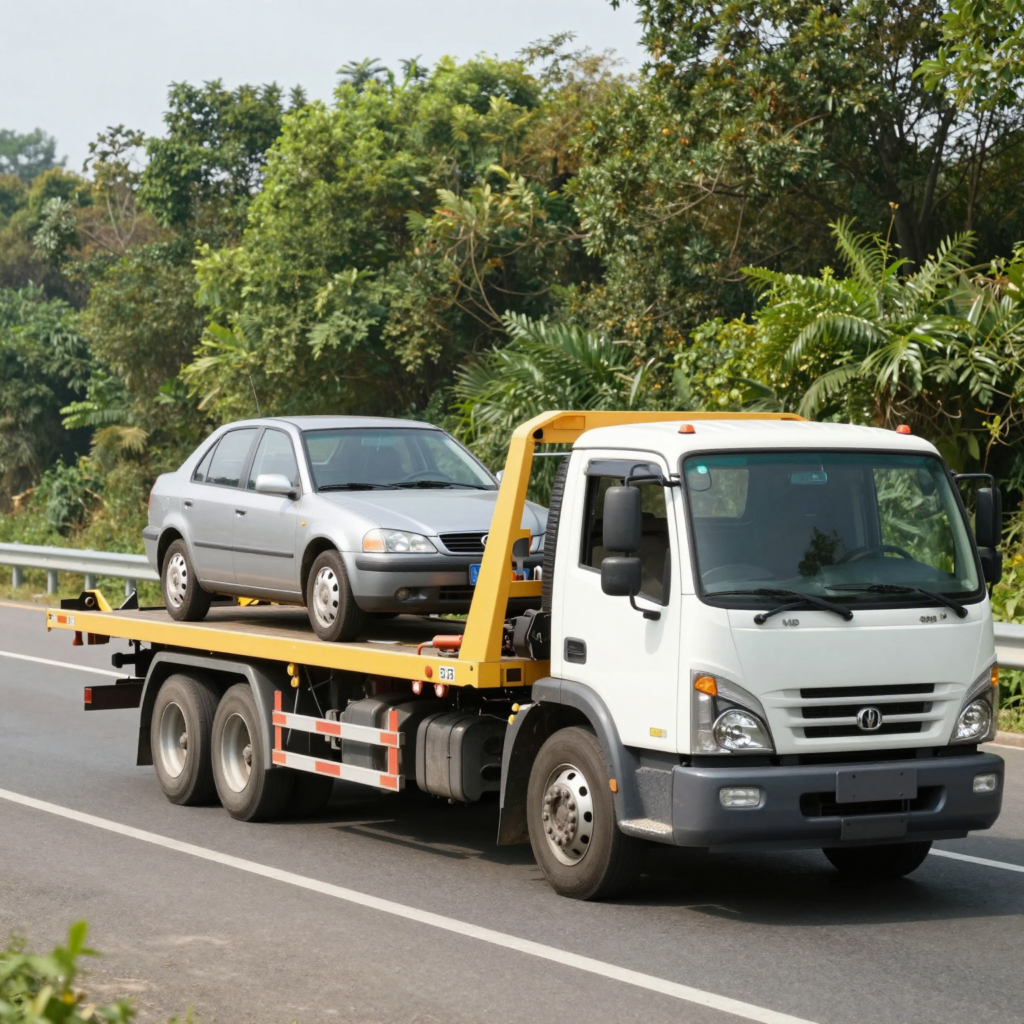
In the unpredictable world of driving, emergencies can strike at any moment, making the presence of flatbed tow trucks an essential resource for every car owner. Whether your vehicle has broken down on a busy highway or you need to transport a classic car safely, flatbed tow trucks provide the reliability and security that standard tow trucks simply can’t match. Their ability to accommodate a wide range of vehicles, from motorcycles to large trucks, combined with their often superior stability during towing, makes them indispensable in various situations. However, understanding the costs involved in hiring a flatbed tow truck is crucial in ensuring you’re prepared for these emergencies. In this guide, we will navigate the factors influencing pricing, offering insights that empower you to make informed decisions when the need arises. Explore related insights on emergency readiness and discover our blog for more tips that can help you stay prepared.
Factors Influencing Flatbed Tow Truck Prices
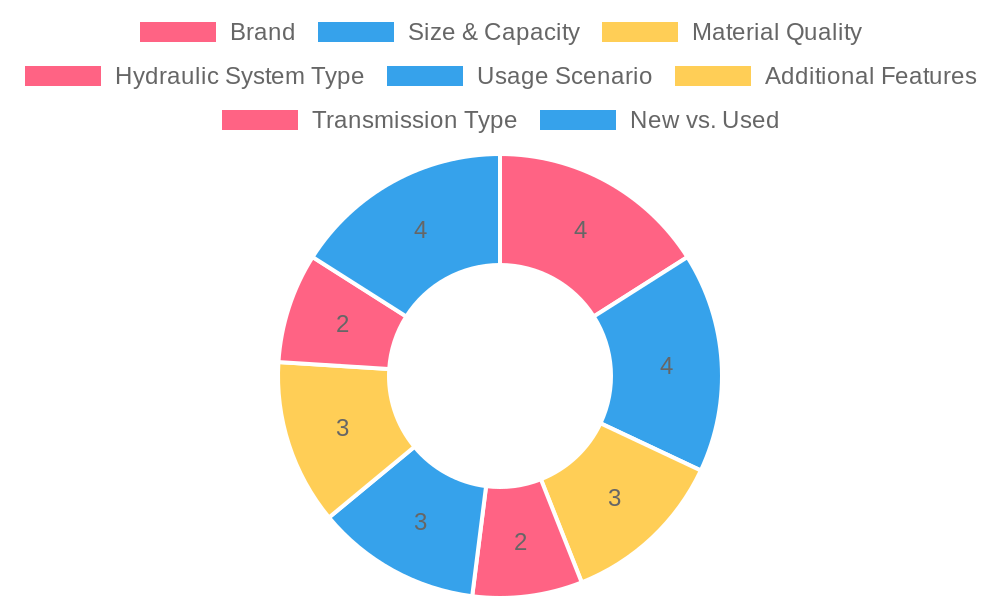
When considering the cost of flatbed tow trucks, several key factors come into play. Understanding these factors can help local drivers, auto repair shops, dealerships, and property managers make informed decisions. Here are the main aspects that influence the pricing of flatbed tow trucks:
-
Brand
The reputation of the brand significantly affects pricing. Premium brands like Heil or Wrecker command higher prices due to their reliability and service. Investing in a well-known brand may offer better long-term support and resale value. -
Size & Capacity
The size and capacity of the tow truck are crucial. Larger trucks can handle heavier loads, but they come at a premium. For instance, a 5-ton flatbed will generally cost more than a 3-ton truck due to increased material and construction complexity. -
Material Quality
The materials used for the construction of the truck can influence the cost significantly. Trucks made from high-quality steel, reinforced frames, and those with superior corrosion resistance typically carry a higher price tag, but they offer greater durability. -
Hydraulic System Type
Advanced hydraulic systems, like multi-stage tilting or automatic leveling, can add to the cost compared to basic versions. These systems enhance the ease of use and efficiency during operation. -
Usage Scenario
The intended use of the truck can also dictate the price. Trucks designed for specialized scenarios, such as urban recovery or off-road rescue, will often include additional features that raise costs. -
Additional Features
Incorporating extra features like winches, boom arms, or LED lighting contributes to the overall price. While these features add functionality, they also increase initial investment. -
Transmission Type
Automatic transmissions are generally more expensive than manual ones. The choice of transmission can affect both the purchase price and the operating costs depending on driver skill and preferred operation style. -
New vs. Used
Pricing for new flatbed tow trucks typically ranges from $75,000 to $300,000+, while used models can be significantly cheaper, often 30-60% less, depending on their age and condition. This can greatly influence budgeting for either individual drivers or businesses.
For a detailed understanding of how these price factors can affect your choices, refer to our blog posts about towing costs or insights into heavy-duty tow operations.
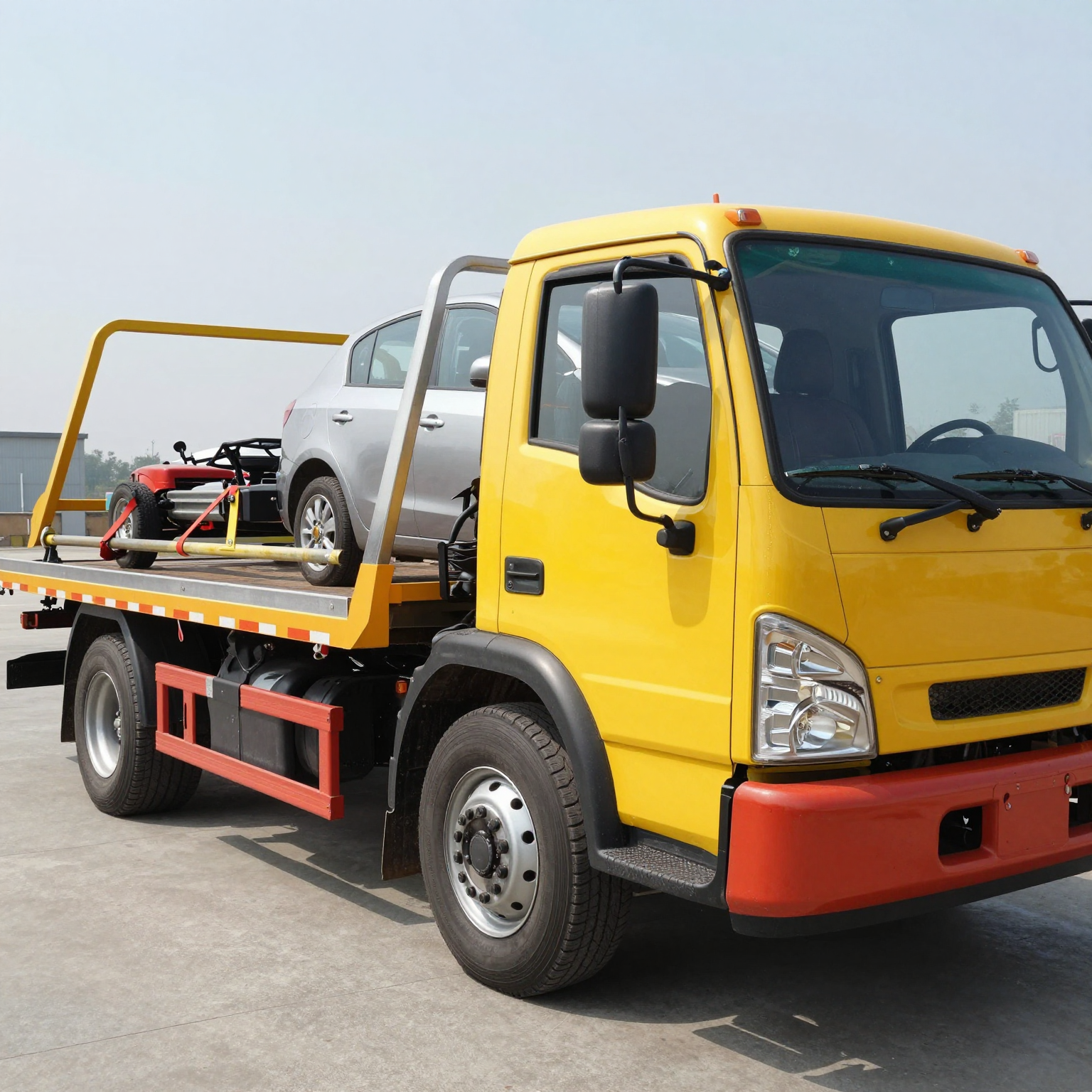
Flatbed Tow Truck Pricing Analysis: Understanding Your Investment
When considering the purchase of a flatbed tow truck, understanding the pricing landscape is essential for making an informed decision. The cost of these trucks varies significantly depending on their features, capabilities, and intended use. Here’s a breakdown of typical price ranges for flatbed tow trucks along with insights into the features you can expect at each price point.
Pricing Breakdown
| Category | Price Range (USD) | Notes |
|---|---|---|
| Entry-level | $10,000 – $30,000 | Includes basic light-duty models; e.g., entry-level Dongfeng or JMC models priced from $9,900 to $19,880. Suitable for startups or small operators. |
| Mid-range | $30,000 – $60,000 | Mid-to-high-tier models with improved features and durability; may include advanced transmissions and higher payload capacity. |
| High-end | $60,000 – $120,000 | Heavy-duty diesel units with advanced features such as enhanced recovery systems, superior fuel efficiency, and robust construction. Prices can exceed $150,000 for top-tier models. |

Feature Insights by Price Point
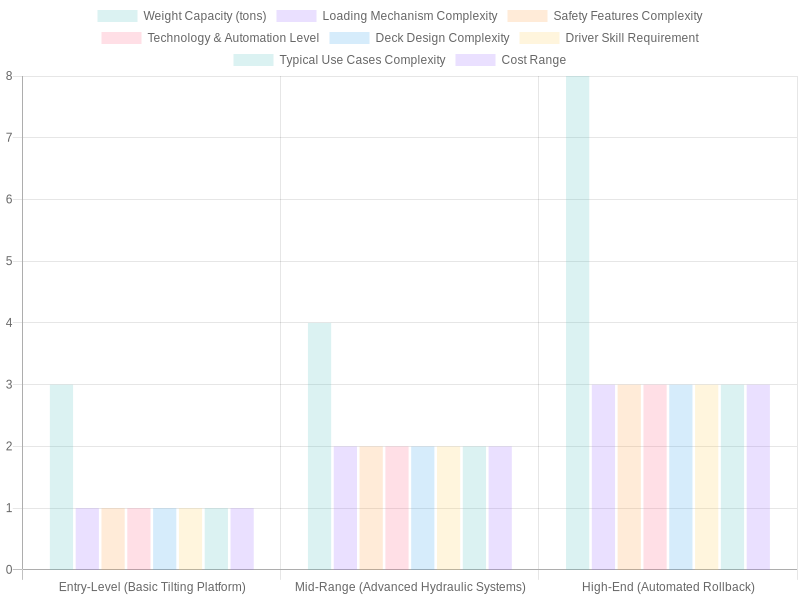
Entry-Level Trucks ($10,000 – $30,000)
Entry-level flatbed tow trucks are designed for ease of use and cost-effectiveness, featuring:
- Weight Capacity: Up to 3 tons, making them suitable for light vehicles.
- Loading Mechanism: Basic tilting platforms with manual or simple hydraulic systems.
- Safety Features: Generally basic safety considerations, including standard restraints.
- Typical Use Cases: Ideal for small businesses and urban towing.
These models cater mainly to new operators looking to enter the towing business without a hefty initial investment.
Mid-Range Trucks ($30,000 – $60,000)
Mid-range models offer a balance between cost and capabilities:
- Weight Capacity: Ranges from 3-5 tons, accommodating a wider array of vehicles.
- Loading Mechanism: Enhanced hydraulic rollback systems allow for smoother operations.
- Safety Features: Features such as anti-slip decks and backup sensors improve operational safety.
- Typical Use Cases: Suitable for commercial fleet services and urban recovery operations.
Investing in mid-range trucks typically means accessing better technology and reliability without reaching the high-end price points.
High-End Trucks ($60,000 – $120,000)
High-end flatbed tow trucks are built for durability and complex recovery tasks:
- Weight Capacity: Up to 8 tons, designed for heavier vehicles and specialized operations.
- Loading Mechanism: Full automation, including precision control and advanced hydraulic systems.
- Safety Features: Comprehensive systems incorporating load sensors and collision avoidance technology.
- Typical Use Cases: Long-distance towing, emergency response, and high-value transport.
These vehicles provide premium functionality and are often essential for businesses that encounter demanding towing scenarios.
Conclusion
To summarize, the pricing of flatbed tow trucks varies widely, effectively reflecting the features and capabilities they offer. Whether you are a local driver or a business manager, understanding how much you are willing to invest can shape your decision in selecting the right tow truck for your needs. Carefully considering your operational requirements in conjunction with potential costs can lead to a more informed purchase, ensuring you get the best value for your investment. For more insights into choosing the right truck, visit our blog.
| Vendor | Price Range | Key Features | Warranty | Customer Reviews |
|---|---|---|---|---|
| Sinotruk HOWO | $6,000 – $55,000 | 3 to 20 tons capacity, 4×2 configuration | Not specified | Generally positive, noted for durability and load capacity |
| Dongfeng HOWO | $6,500 – $8,800 | 2 to 4 tons capacity, suitable for recovery | Not specified | Liked for reliability in light-duty operations |
| Alibaba Suppliers | $6,800 – $22,000 | Customizable options, integrated winches | 12-24 months | Positive feedback on durability and after-sales support |
| JMC (Madison Hill) | $6,000 – $15,000 | Hydraulic systems, secure tie-downs | 12-36 months | Highly rated for safe and effective towing |
Summary:
- Price Range: Prices can vary widely based on the model and features, with budget options starting around $6,000.
- Key Features: Look for essential features like winches, capacity, and design suitable for your towing needs.
- Warranty: A solid warranty of at least a year is recommended for peace of mind.
- Customer Reviews: Positive reviews often highlight durability and efficient performance, so it’s worth checking what other users say about a particular vendor.
This concise comparison will help readers make informed decisions when considering a flatbed tow truck. For more detailed insights, you can explore our blog with helpful tips and further explanations on related topics like features of flatbed tow trucks.
Financing and Leasing Options for Flatbed Tow Trucks
When considering the acquisition of a flatbed tow truck, many business owners are faced with the challenge of managing substantial initial costs. Fortunately, several financing and leasing options are available that can significantly alleviate these upfront burdens and better align payments with cash flow.
1. Installment Financing
Installment financing is perhaps the most common route for purchasing flatbed tow trucks. Through this option, buyers can obtain loans from banks or financial institutions that are paid back over time with monthly installments. The primary advantage of installment financing is the straightforward and stable repayment structure, which makes it easier for businesses to budget. Ultimately, the buyer owns the vehicle outright at the end of the loan term. This option may be ideal for companies with steady cash flow and a long-term vision for their fleet.
2. Equipment Loans
Equipment loans are tailored specifically for purchasing vehicles and equipment. Banks or lenders offer loans with the vehicle serving as collateral, which often results in lower interest rates. This type of financing allows for swift acquisition, thus enabling businesses to capitalize on opportunities quickly. Equipment loans are recommended for companies that already have favorable credit histories and are looking to expand their fleet without affecting their operational liquidity.
3. Finance Lease
A finance lease is a long-term leasing agreement where the lessee has the option to purchase the tow truck at the end of the lease term. This route allows businesses to utilize the vehicle without the hefty upfront investment. Payments are typically lower than conventional loans, freeing up capital for other operational needs. This is particularly beneficial for businesses looking to minimize ownership risk while providing flexibility for future upgrades or expansions.
4. Operating Lease
For businesses needing flatbed tow trucks for a shorter period or those experiencing rapid growth, an operating lease can be extremely valuable. This option allows users to rent the vehicle for a defined time frame without the burden of ownership. At the end of the lease, the truck is returned to the leasing company, making it easy to upgrade or switch to newer models. Operating leases generally involve lower monthly costs and are less risky compared to ownership, making them ideal for seasonal businesses or those with fluctuating demands.
Conclusion
When deciding which financing or leasing option to pursue, consider factors such as business cash flow, credit standing, and your long-term vehicle needs. Understanding all available options will help you make an informed choice that aligns with your financial strategy and operational goals. For a deeper dive into how financing affects your fleet management, explore our blog or check out our insights on standardizing your fleet to prioritize efficiency and financial health.
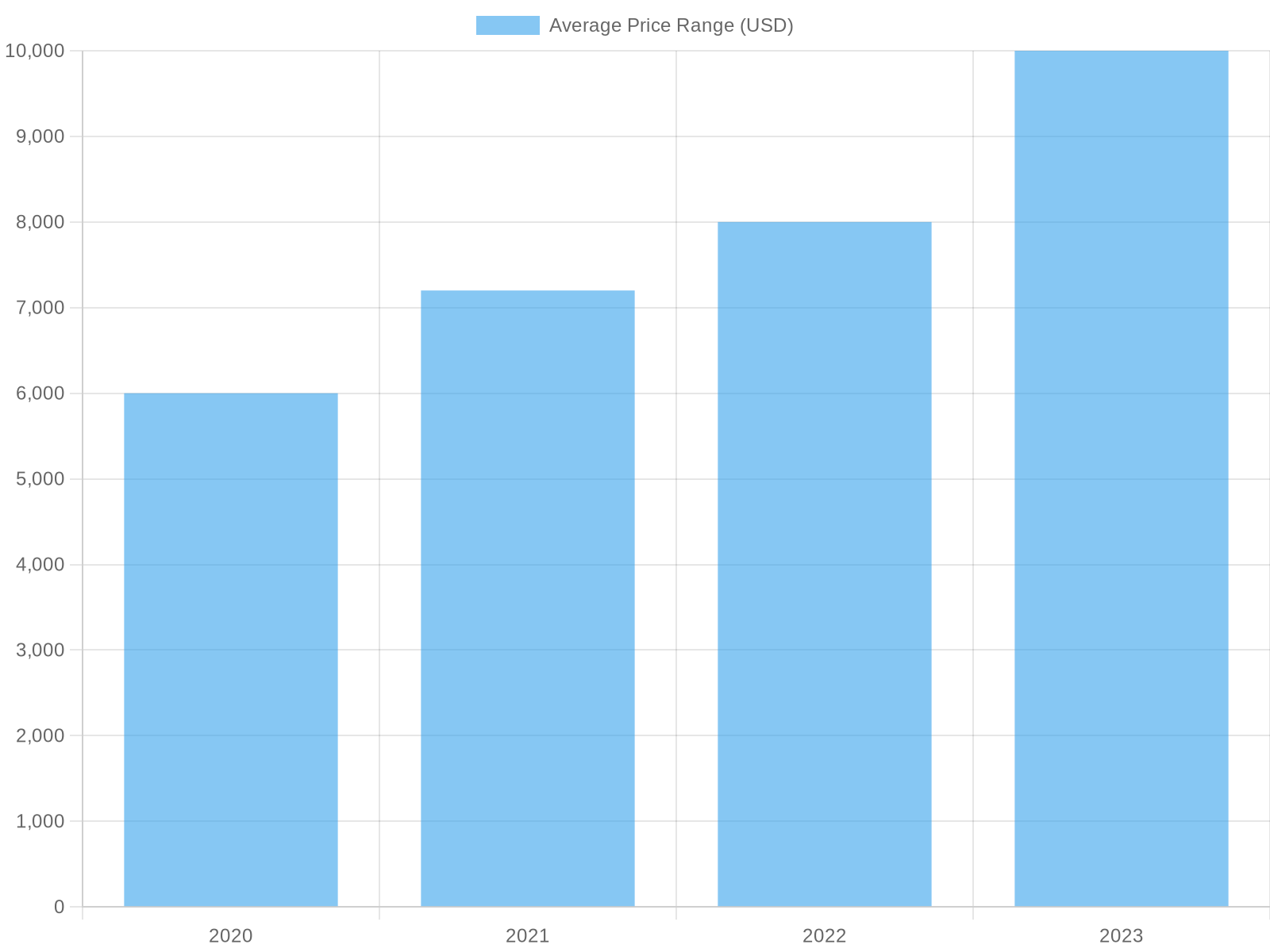
Trends in Flatbed Tow Truck Prices (2020-2023)
Understanding the pricing trends of flatbed tow trucks is crucial for drivers, auto repair shops, and property managers alike. A recent analysis shows that there’s been a steady increase in prices from 2020 through 2023. The data highlights significant changes that are helpful not only for current buyers but also for those considering future purchases.
Chart: Average Price Range for Flatbed Tow Trucks
| Year | Average Price Range (USD) | Notes |
|---|---|---|
| 2020 | $6,000 | Base price for entry-level flatbed tow trucks |
| 2021 | $7,200 | Slight increase due to rising material and labor costs |
| 2022 | $8,000 | Market stabilization; moderate demand growth |
| 2023 | $8,000 – $12,000 | Expansion in mid-to-high-end models; high-end units exceed $15,000 |
Source: Aggregated pricing data from Alibaba.com, Made-in-China.com, and supplier listings (2020-2023).
Key Takeaways:
- Gradual Price Increase: From $6,000 in 2020 to a range of $8,000 to $12,000 by 2023.
- Market Influence: Rising material costs and increased demand for advanced towing solutions prompted the price rise.
- Investment Potential: Understanding these trends can aid in making informed decisions regarding the purchase of a flatbed tow truck in the current market.
For insights about how to obtain assistance during a roadside breakdown, learn more about our services.
Testimonials on Flatbed Tow Truck Necessity
Flatbed tow trucks play a crucial role in the operations of many auto repair shops and property management companies. Here are some testimonials that highlight their importance:
From Auto Repair Shops
-
John, Chicago Auto Repair Owner:
“Since we switched to flatbed tow trucks, we’ve seen a dramatic reduction in post-tow repair complaints-specifically, a 68% drop in issues related to transmission or axle stress. The flatbed’s method of transport is much gentler on vehicles, which has been a game changer for our business.” -
Samantha, Phoenix Mechanic:
“Our clients appreciate the meticulous care taken when their cars are transported. Using flatbeds not only mitigates damage but also builds trust with our customers, which leads to repeat business.”
From Property Managers
-
David, Dallas Property Manager:
“Flatbed tow trucks have completely transformed how we handle parking lot issues. With traditional chains, we faced incessant disputes over scratches and undercarriage damage. Now, with flatbeds, there’s minimal contact with the ground, significantly reducing liability incidents.” -
Lisa, Property Manager in Atlanta:
“After incorporating flatbed tow trucks for our emergency fleet services, we improved safety during storm-related towing operations. Their quicker loading times have simplified our emergency response plans.”
Broader Impacts of Flatbed Tows
Flatbed tow trucks are favored not only for their capacity to transport vehicles without damage but also for their general usability in urban environments. According to a national study, fleets using flatbeds reported a 75% reduction in vehicle damage incidents compared to traditional winch-only systems. This is especially beneficial when handling luxury vehicles, where maintaining the vehicle’s integrity is paramount. Not only does this reduce insurance costs, but it also enhances the overall operational efficiency of businesses involved in vehicle recovery.
For more insights on how flatbed tow trucks can benefit your operations, read our blog. Understanding their vital role can help local drivers, auto repair shops, and property managers make informed decisions that enhance safety and efficiency.
Conclusion
Choosing the right flatbed tow truck is a critical decision for any driver or business involved in roadside assistance. As we’ve discussed, while price is a significant factor, it shouldn’t be the only consideration. Understanding the costs associated with different trucks, which can range widely based on various features and specifications, is essential in making an informed choice. Moreover, investing in quality, reliable machinery ensures long-term efficiency and safety, ultimately saving more on maintenance and repairs in the future.
Additionally, consider the benefits of custom-fit fairings. These enhancements not only improve the aerodynamics of your tow truck but can also lead to better fuel efficiency and reduced operational costs. If you are looking to optimize your flatbed tow truck’s performance, explore the wide range of custom-fit fairings available from Summit Fairings. Embrace the opportunity to enhance your vehicle’s effectiveness and reliability while ensuring that you meet all your towing needs. Make an informed decision today!
Frequently Asked Questions About Flatbed Tow Truck Ownership
Owning a flatbed tow truck can be both rewarding and challenging. Below are some frequently asked questions that cover ownership costs, maintenance, and operational tips for flatbed tow truck owners.
1. What are the primary ownership costs associated with a flatbed tow truck?
The initial cost of purchasing a flatbed tow truck can range from $80,000 to $150,000 depending on the brand and configuration. Beyond the purchase price, expect annual maintenance costs to average between $15,000 and $25,000. These costs primarily relate to the hydraulic systems, winch components, and overall wear on the vehicle. For more detailed figures, check out this Towing Industry Association resource.
2. How can I minimize maintenance expenses?
Investing in a preventive maintenance program is crucial for reducing long-term ownership costs. Here are some tips:
- Replace hydraulic filters every 500 hours.
- Monitor tire pressure and tread depth weekly.
- Train drivers on proper loading techniques to avoid overloading.
Using digital diagnostic tools to detect issues early can also help mitigate costly repairs. Fleet managers report up to a 20% reduction in downtime after implementing these practices Learn more about best practices here.
3. What are some vital maintenance tips for flatbed tow trucks?
Maintenance plays a critical role in the longevity of your flatbed tow truck. Essential tips include:
- Perform monthly inspections of hydraulic lines to check for leaks.
- Test the winch brake system quarterly.
- Regularly lubricate sliding rails and pivot points.
Utilizing high-quality synthetic oils can also extend the lifespan of various components by up to 30%. For more maintenance guidelines, visit the American Tow Truck Association guide.
4. How should vehicles be loaded onto a flatbed tow truck?
Proper loading is paramount for safe and effective operations. Here’s how to do it:
- Conduct pre-operation checks on the hydraulic system, tire pressure, and winch functionality.
- Use the hydraulic tilt mechanism slowly to create a gentle ramp.
- Secure the towed vehicle using safety chains and tie-down straps. Always verify the weight distribution before transport. Training in emergency procedures is also beneficial Check safety tips here.
5. What are the key operational practices for flatbed tow trucks?
Effective operational practices can improve safety and performance. Here are some recommended procedures:
- Ensure the truck’s bed is properly secured before loading.
- Drive the disabled vehicle onto the bed at a controlled speed.
- Always check for uneven surfaces during setup to avoid potential accidents. Additionally, operators should train in emergency protocols, such as handling hydraulic failures and load shifts. For further guidance on loading vehicles safely, learn more here.
6. How can I ensure long-term reliability of my flatbed tow truck?
Proper care and attention to detail can significantly extend the life of your truck. This includes:
- Conducting daily pre-use inspections focusing on hydraulic fluid levels and structural integrity.
- Regularly checking the tilting mechanism to ensure it operates smoothly.
- Being cautious when transporting high-value or low-clearance vehicles. All these steps contribute to better performance and lower liability risks Explore the AAA maintenance checklist here.
By understanding and addressing these FAQs, flatbed tow truck owners can effectively manage their investments, ensure compliance with safety standards, and enhance operational efficiency.