
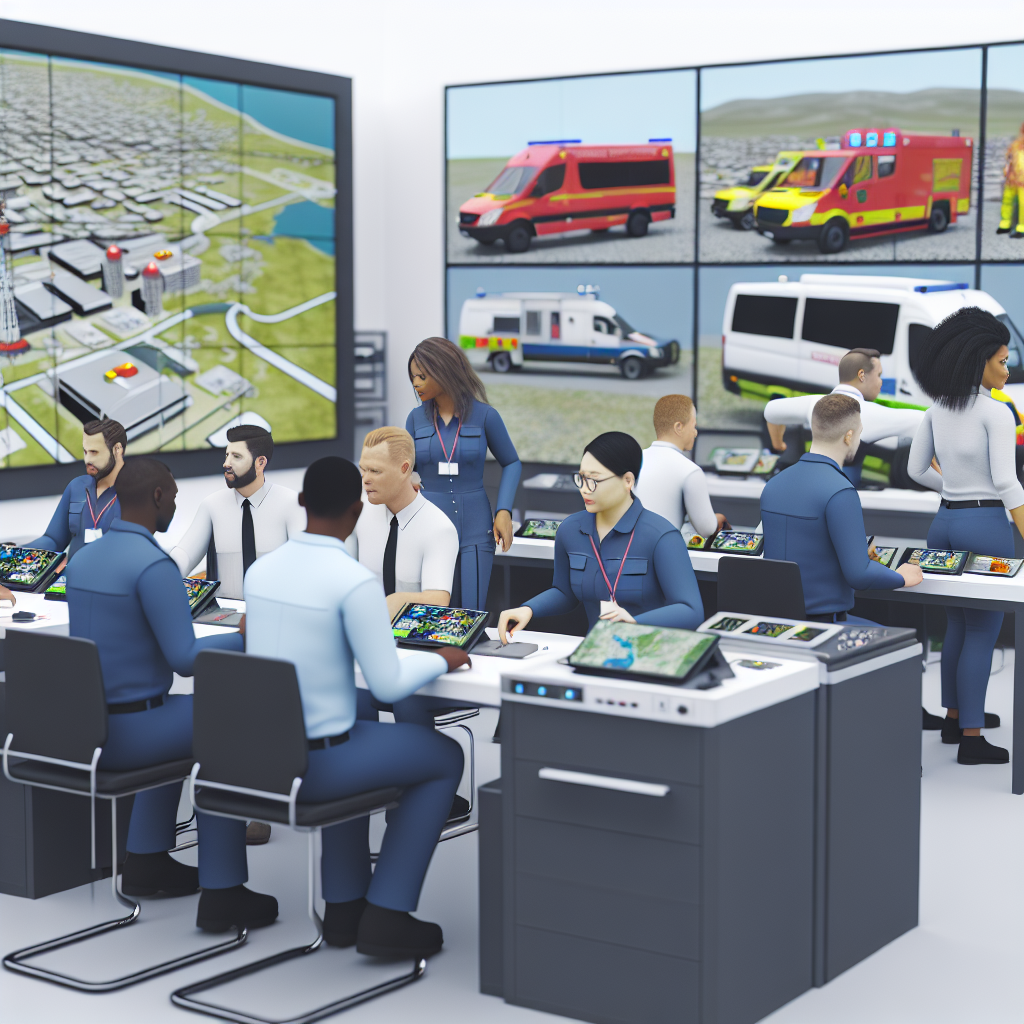
In today’s unpredictable world, being prepared for emergencies is essential for fleets. Effective emergency response goes beyond being useful; it is necessary. With incidents such as natural disasters and roadside emergencies becoming more frequent, fleet operators must focus on their readiness to ensure safety and maintain business operations.
A solid disaster recovery plan serves as a guide for handling unexpected events. Coupled with ongoing training, it fosters a culture of risk management and builds employees’ confidence and skills in critical moments.
As fleets face the challenges of the modern transportation landscape, emphasizing thorough training enhances operational efficiency and strengthens the overall emergency response strategy, helping to protect both personnel and assets during crises.
Understanding the Unpredictability of Emergencies
The nature of emergencies is inherently unpredictable, a sentiment encapsulated by Mo Baki’s quote, “Expect the unexpected.” In fleet operations, this unpredictability presents significant challenges. From natural disasters such as wildfires and snowstorms to civil disruptions and technology failures, fleet managers must be prepared for a wide range of scenarios. This diverse spectrum of potential crises underscores the necessity for comprehensive planning and recovery protocols.
Effective disaster recovery plans are not mere documents; they are living, evolving strategies that reflect the dynamic risks faced by fleets. Continuous training, incorporating simulation drills and real-time scenario practices, is crucial for keeping drivers and staff mentally ready to take decisive action when emergencies arise. Emphasizing the unpredictable nature of emergencies compels fleet operators to adopt a proactive mindset, enabling them to navigate unforeseen situations with confidence. The combination of thorough training, advanced technology, and robust planning forms the bedrock of a fleet’s emergency response, ensuring both safety and operational resilience in the face of chaos.
Types of Emergencies Fleets Should Prepare For
To effectively respond to a variety of crises, Polaris categorizes emergencies into five distinct groups. Understanding these categories is essential for developing robust emergency response plans. Here’s a breakdown:
-
Natural Disasters:
This category includes events such as wildfires, floods, hurricanes, and snowstorms. Fleet operators must account for unpredictable weather patterns and plan routes that can divert from affected areas. -
Civil Disruptions:
Civil unrest, protests, or strikes can disrupt transportation networks. Fleets need strategies for navigating politically charged situations to ensure the safety of drivers and cargo. -
Roadside Emergencies:
These emergencies involve breakdowns, accidents, or other incidents that happen while vehicles are on the road. Equipping drivers with emergency response training and roadside assistance protocols can minimize delays and ensure safety during these crises. -
Cross-Border Regulatory Events:
When operating across borders, fleets must be prepared for changes in regulations, customs inspections, or tariffs that can affect logistics and transport routes. Understanding international laws and having contingency plans can help mitigate delays. -
Technology Failures:
From software malfunctions to loss of communication, technology failures can severely disrupt operations. Implementing redundancy measures, such as backup systems and alternative communication methods, is crucial for maintaining operational continuity during tech emergencies.
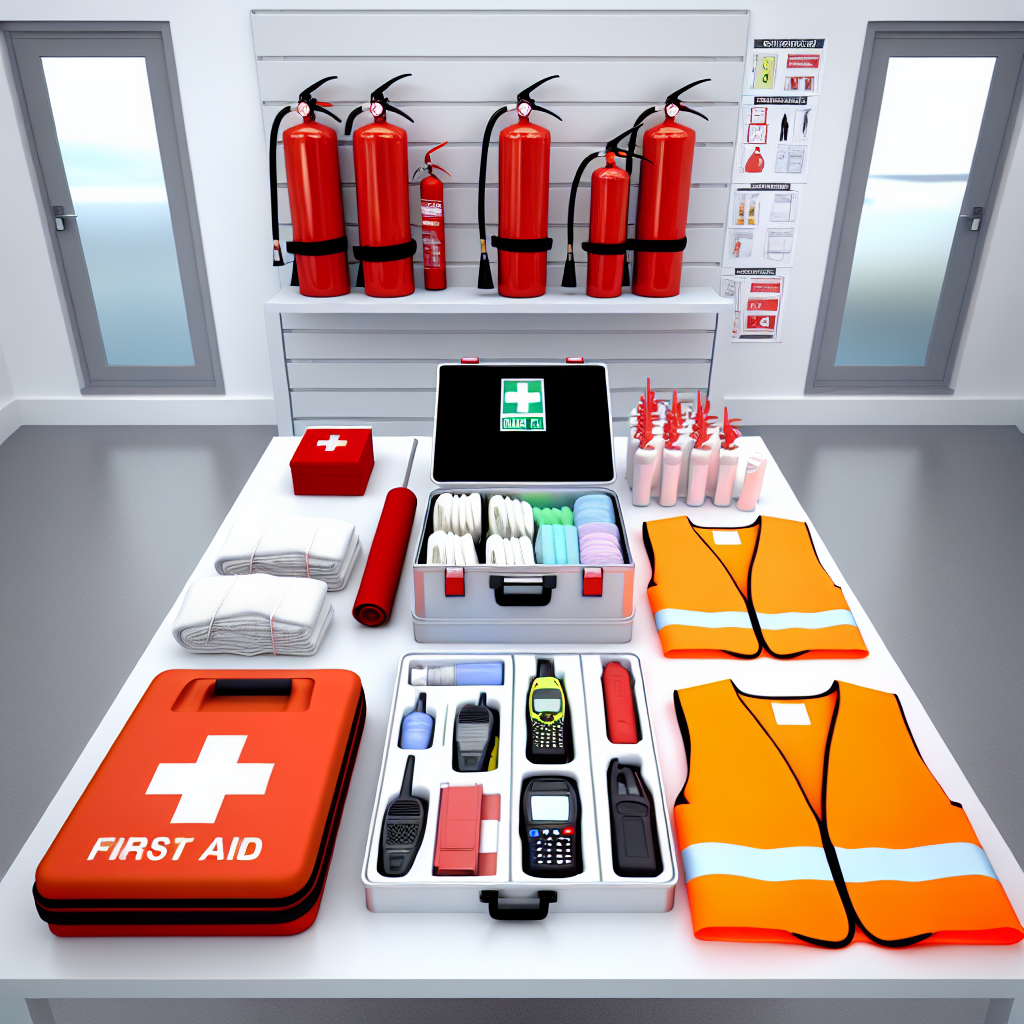
Training Protocols for Effective Emergency Response
Continuous training programs are vital for fleets to maintain readiness in the face of emergencies. At Kriska Transportation Group (KTG), a structured training regimen extends over six weeks, incorporating both in-cab training and shadow runs. New drivers immerse themselves in practical scenarios, gaining hands-on experience that is critical for operational success under pressure.
The six-week in-cab training involves close mentorship, where experienced drivers guide newcomers through the nuances of handling various emergency situations. This method not only builds skill but also fosters confidence and mental readiness. Shadow runs allow new drivers to observe real-time decision-making processes, preparing them to act decisively when emergencies arise.
Moreover, mental readiness plays a central role in KTG’s training ethos. Employees are educated on the importance of maintaining composure and effectiveness during crises, enhancing their ability to adapt and respond to unexpected challenges. Disaster recovery planning is interwoven into training protocols, equipping staff with strategies for effective recovery and resilience against potential setbacks.
By prioritizing continuous training and mental preparedness, fleets like KTG can ensure that their personnel are not only ready to respond to emergencies but can also thrive in the wake of unexpected incidents.
| Company | Training Duration | Training Methods | Emergency Preparedness |
|---|---|---|---|
| Polaris Transportation Group | 15 months (for leadership program) | Structured training programs, including classroom and practical learning. | Focus on five emergency categories with annual reviews and relevant training. |
| Kriska Transportation Group | At least 8 weeks | 3 days classroom, followed by 4 weeks in-cab training and shadow runs. | Emphasizes decision-making in high-stress scenarios with refreshers and online training. |
Technology Used in Emergencies
In the realm of fleet emergency response, technology plays an essential role in enhancing connectivity, safety, and response efficiency. A prime example is the use of Isaac Instruments tablets, which equip drivers with real-time data and communication tools necessary for effective emergency management. These tablets facilitate critical connectivity by enabling drivers to communicate directly with dispatchers and emergency services, ensuring that assistance is sent promptly when needed.
A study published by Verizon Connect highlights that advanced telematics and real-time telecommunications can improve emergency fleet response times by up to 30%. Features such as automated vehicle location, two-way messaging, and integration with computer-aided dispatch (CAD) systems allow for faster routing and better situational awareness during a crisis. This immediate communication streamlines coordination between drivers and control centers, thus reducing response times significantly.
Moreover, ISAAC’s platform, which includes satellite communication capabilities, ensures that fleet operations can maintain connectivity even in areas where terrestrial networks are compromised. This was evidenced during recent emergencies where fleets equipped with 5G and satellite communications maintained a staggering 99.9% connectivity, enabling seamless coordination during disasters like Hurricane Helene and California wildfires.
In addition, technologies like collision avoidance systems and cloud-based incident management platforms have demonstrated capabilities to enhance safety. These technologies can reduce rear-end crash risks and improve overall response efficiency by significantly cutting down delays at traffic signals for emergency vehicles. As technology continues to evolve, its contributions to safety and operational efficiency in fleet emergency responses will undoubtedly grow, making preparedness and swift action more achievable than ever before.
Technology Used in Emergencies
In the realm of fleet emergency response, technology plays an essential role in enhancing connectivity, safety, and response efficiency. A prime example is the use of Isaac Instruments tablets, which equip drivers with real-time data and communication tools necessary for effective emergency management. These tablets facilitate critical connectivity by enabling drivers to communicate directly with dispatchers and emergency services, ensuring that assistance is sent promptly when needed.
A study by Verizon Connect highlights that advanced telematics and real-time telecommunications can improve emergency fleet response times by up to 30%. Features such as automated vehicle location, two-way messaging, and integration with computer-aided dispatch (CAD) systems allow for faster routing and better situational awareness during a crisis. This immediate communication streamlines coordination between drivers and control centers, thus reducing response times significantly.
Moreover, ISAAC’s platform, which includes satellite communication capabilities, ensures that fleet operations can maintain connectivity even in areas where terrestrial networks are compromised. This was evidenced during recent emergencies where fleets equipped with 5G and satellite communications maintained a staggering 99.9% connectivity, enabling seamless coordination during disasters like Hurricane Helene and California wildfires.
In addition, technologies like collision avoidance systems and cloud-based incident management platforms have demonstrated capabilities to enhance safety. These technologies can reduce rear-end crash risks and improve overall response efficiency by significantly cutting down delays at traffic signals for emergency vehicles. As technology continues to evolve, its contributions to safety and operational efficiency in fleet emergency responses will undoubtedly grow, making preparedness and swift action more achievable than ever before.
For more insights on the role of technology in emergency planning, consider checking out the Crisis Management and Emergency Preparedness Planning for Fleet Operators eBook by Verizon Connect, which outlines strategies for fleet crisis management. You can also explore the Fleet Emergency Preparedness and Disaster Planning article that details how GPS fleet tracking can support disaster recovery efforts.
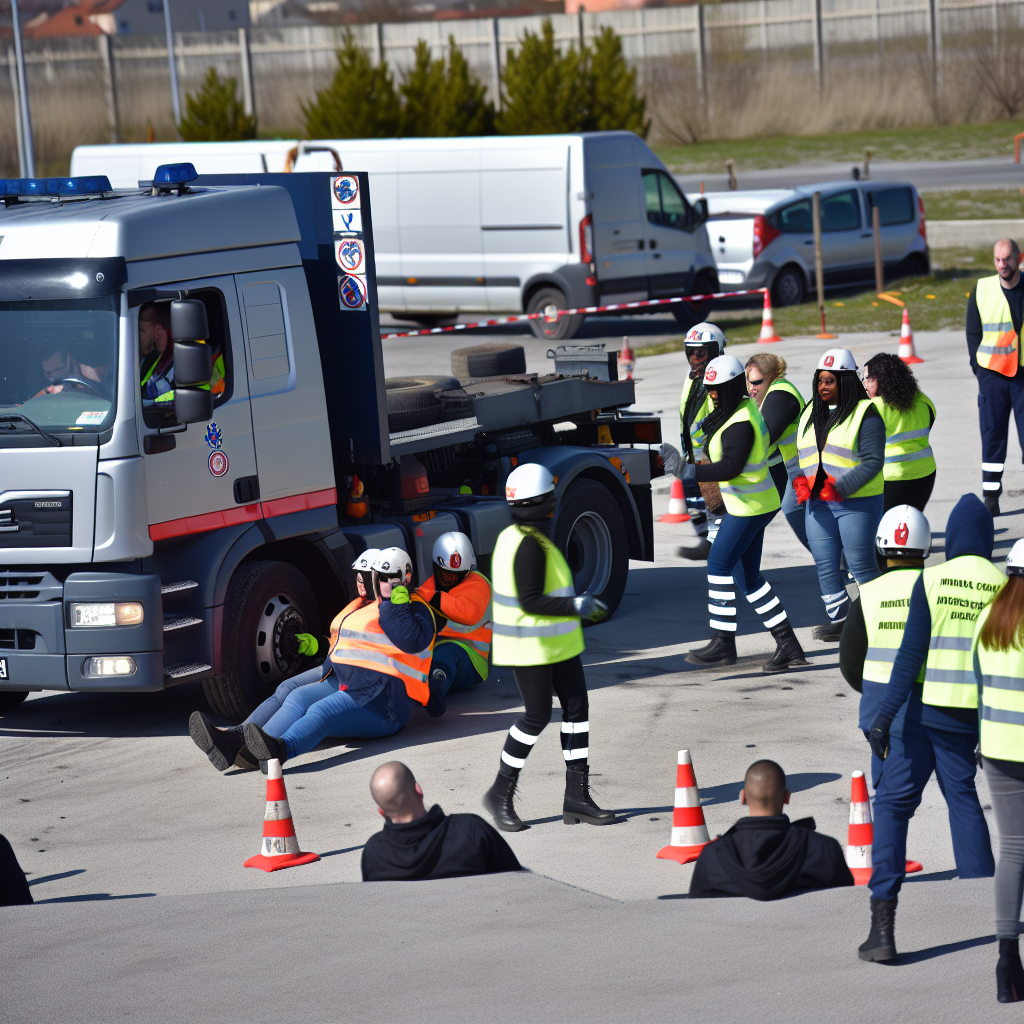
Conclusion: Actionable Insights for Fleet Managers
In the ever-evolving landscape of fleet operations, effective disaster recovery planning is not merely a reactive measure but a crucial proactive strategy. Fleet managers play a pivotal role in establishing a comprehensive framework to handle emergencies, ensuring both operational continuity and the safety of their drivers and cargo. As Eugenia Churilov stated, “Every business should be prepared for disaster, and it’s important to have a business disaster recovery plan.” This emphasizes the need for foresight and preparation. Key actions for implementing disaster recovery plans include:
- Developing a Structured Emergency Response Plan: Create a detailed emergency response plan that addresses specific scenarios relevant to your fleet. Include clear protocols for communication, evacuation, and recovery processes. Regularly revisit and update this plan to reflect new challenges and lessons learned.
- Investing in Continuous Training: Establish rigorous training programs that emphasize mental readiness, technical skills, and situational awareness. Ensure that all employees, especially new drivers, undergo comprehensive training that includes simulated emergencies to enhance their decision-making capabilities.
- Leveraging Technology: Utilize advanced technology such as telematics, real-time communication tools, and incident management platforms. Tools like the Isaac Instruments tablets can significantly enhance response times and operational efficiency during emergencies, facilitating immediate communication and coordination with dispatchers and emergency services.
- Regular Drills and Simulations: Conduct frequent emergency drills and simulations to ensure that all staff are familiar with the emergency protocols and can act swiftly when real events occur. This practice not only fosters teamwork but also builds confidence among your team members.
- Fostering a Proactive Culture: Encourage a culture of safety and preparedness within your fleet. This involves not just compliance with training but promoting discussions around potential risks, past experiences, and strategies for improvement. Empower your team to think critically about emergency situations and to be engaged in the planning process.
By embracing these insights, fleet managers can ensure their organizations are well-prepared to tackle the unpredictable nature of emergencies. A proactive approach to disaster recovery not only safeguards the assets and integrity of the fleet but also cultivates resilience and a robust operational framework ready to face any challenge.
Training Protocols for Effective Emergency Response
Continuous training programs are vital for fleets to maintain readiness in the face of emergencies. At Kriska Transportation Group (KTG), a structured training regimen extends over six weeks, incorporating both in-cab training and shadow runs. New drivers immerse themselves in practical scenarios, gaining hands-on experience that is critical for operational success under pressure.
The six-week in-cab training involves close mentorship, where experienced drivers guide newcomers through the nuances of handling various emergency situations. This method not only builds skill but also fosters confidence and mental readiness. Shadow runs allow new drivers to observe real-time decision-making processes, preparing them to act decisively when emergencies arise.
Moreover, mental readiness plays a central role in KTG’s training ethos. Employees are educated on the importance of maintaining composure and effectiveness during crises, enhancing their ability to adapt and respond to unexpected challenges. Emergency drills are organized regularly, including simulations that test drivers’ reactions to various emergency scenarios such as rollovers, fire evacuations, and hazardous material spills. This training is bolstered by technology, such as fleet safety technology solutions that include telematics, AI dash cams, and real-time location tracking, ensuring drivers are always prepared for any situation.
By prioritizing continuous training and mental preparedness, alongside fleet safety technology, fleets like KTG can ensure that their personnel are not only ready to respond to emergencies but can also thrive in the wake of unexpected incidents.
Technology Used in Emergencies
In the realm of fleet emergency response, technology plays an essential role in enhancing connectivity, safety, and response efficiency. A prime example is the use of Isaac Instruments tablets, which equip drivers with real-time data and communication tools necessary for effective emergency management. These tablets facilitate critical connectivity by enabling drivers to communicate directly with dispatchers and emergency services, ensuring that assistance is sent promptly when needed.
Technology integration in emergency drills is also crucial, with many fleets adopting solutions that automate communication and tracking during exercises. A study by Verizon Connect highlights that advanced telematics and real-time telecommunications can improve emergency fleet response times by up to 30% when integrated with emergency drills.
Moreover, fleets are leveraging hardware such as automatic collision notification systems and geofencing for disaster zones that activate during emergency drills to simulate real-world scenarios. This technology-enabled preparation increases safety and reduces response times significantly, ensuring that fleets are always ready to handle the next emergency.
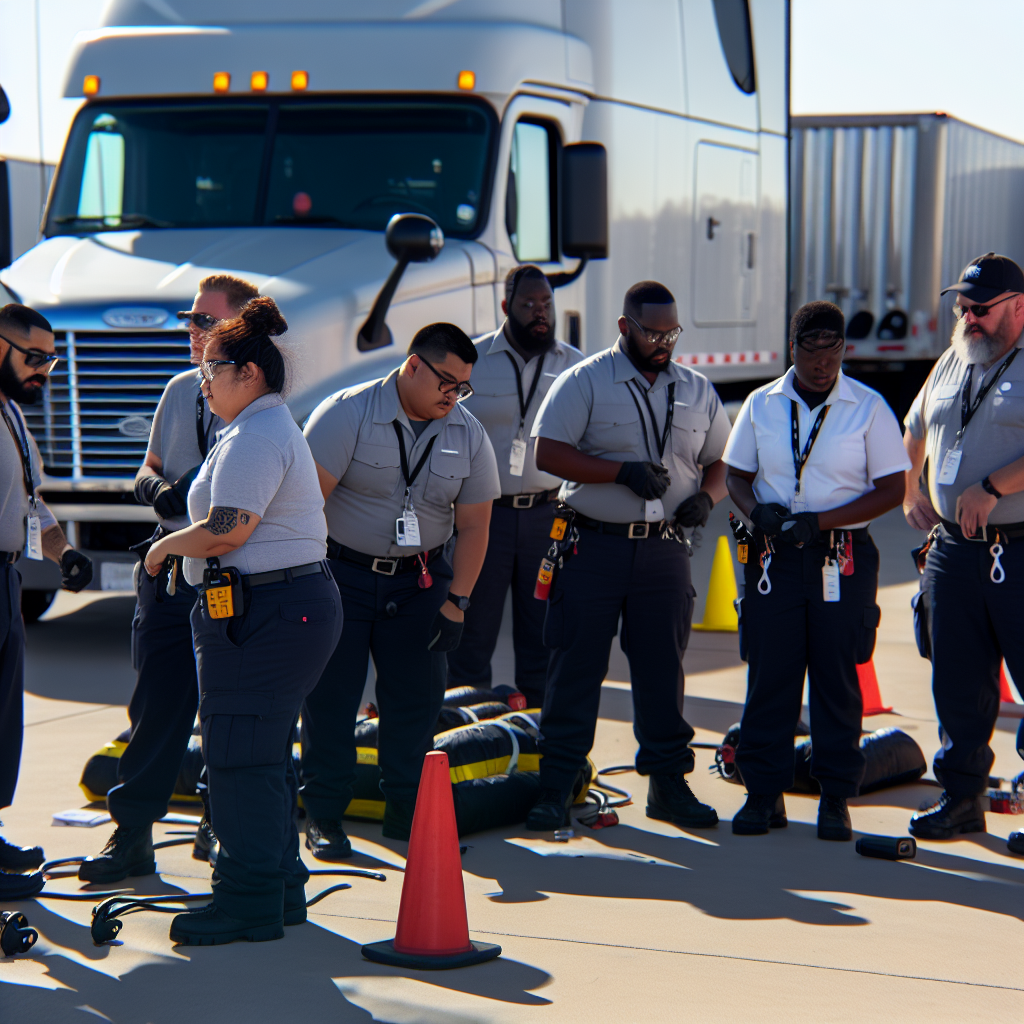
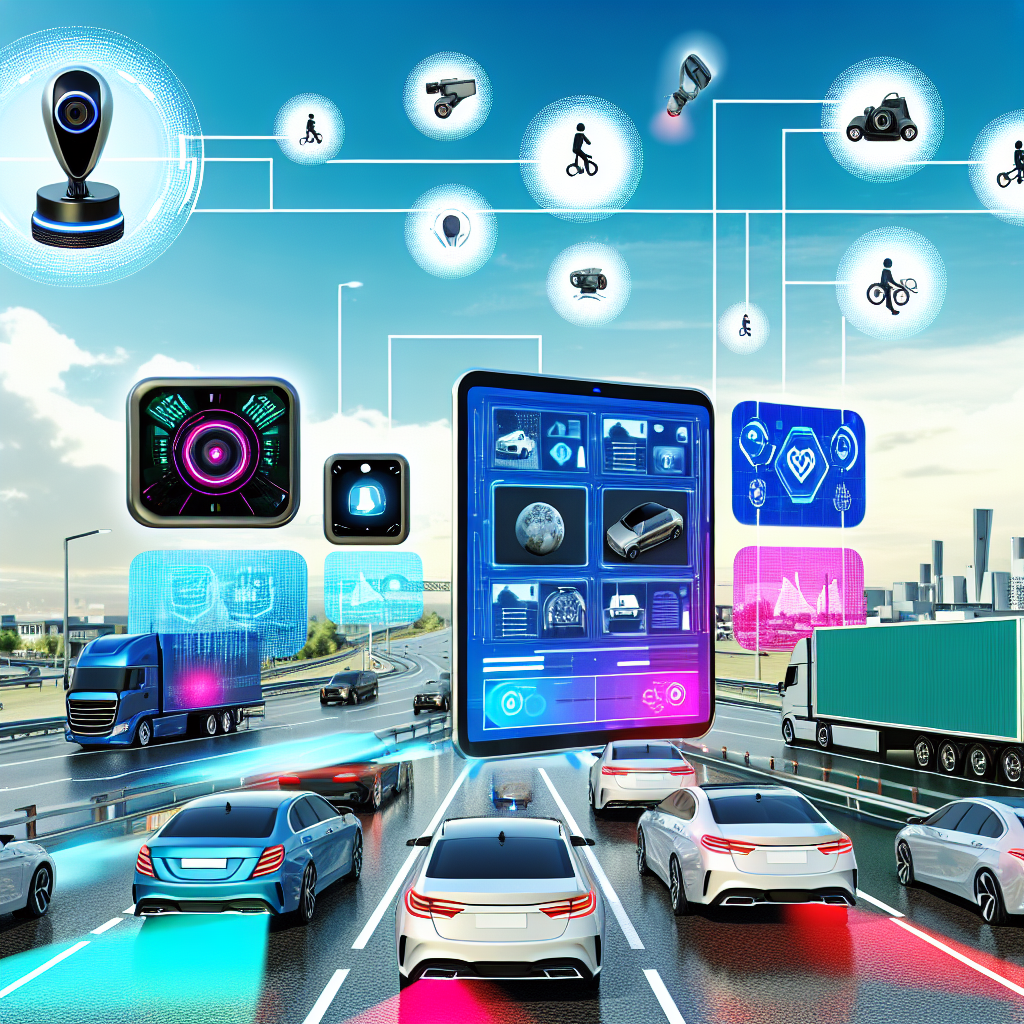
Additionally, regular emergency drills—ranging from tabletop exercises to full-scale evacuations with local first responders—allow fleets to refine their protocols and improve their response strategies. These practices ensure that all personnel are not only trained but also familiar with the technology that supports their operations.
By implementing these training protocols and leveraging fleet safety technology alongside emergency drills, fleet managers can enhance their emergency preparedness, leading to more efficient and effective responses during actual emergencies.
Bridging Emergencies and Training Protocols
Understanding the various types of emergencies is crucial for fleet operators, but equally important is the training that prepares them to handle these situations effectively. Each category of emergency presents unique challenges that require tailored training solutions.
For instance, training for natural disasters involves preparing drivers to assess real-time environmental conditions and navigate hazardous areas safely. Simulation drills can replicate scenarios such as floods or snowstorms, helping the team to develop quick decision-making skills under pressure.
Training protocols associated with civil disruptions focus on situational awareness and conflict de-escalation techniques. Drivers learn to communicate effectively with authorities and adjust routes to ensure safety.
With roadside emergencies, hands-on training emphasizes mechanical troubleshooting and emergency communication methods, enabling drivers to efficiently manage breakdowns or accidents.
Cross-border regulatory events require comprehensive training on international laws and customs procedures, enhancing compliance and minimizing delays.
Lastly, to combat technology failures, training integrates troubleshooting exercises for communication devices and software to ensure drivers are familiar with backup systems.
Through this structured training approach, fleets not only understand the nature of emergencies but are also equipped to respond proficiently, ensuring operational continuity and safety.