
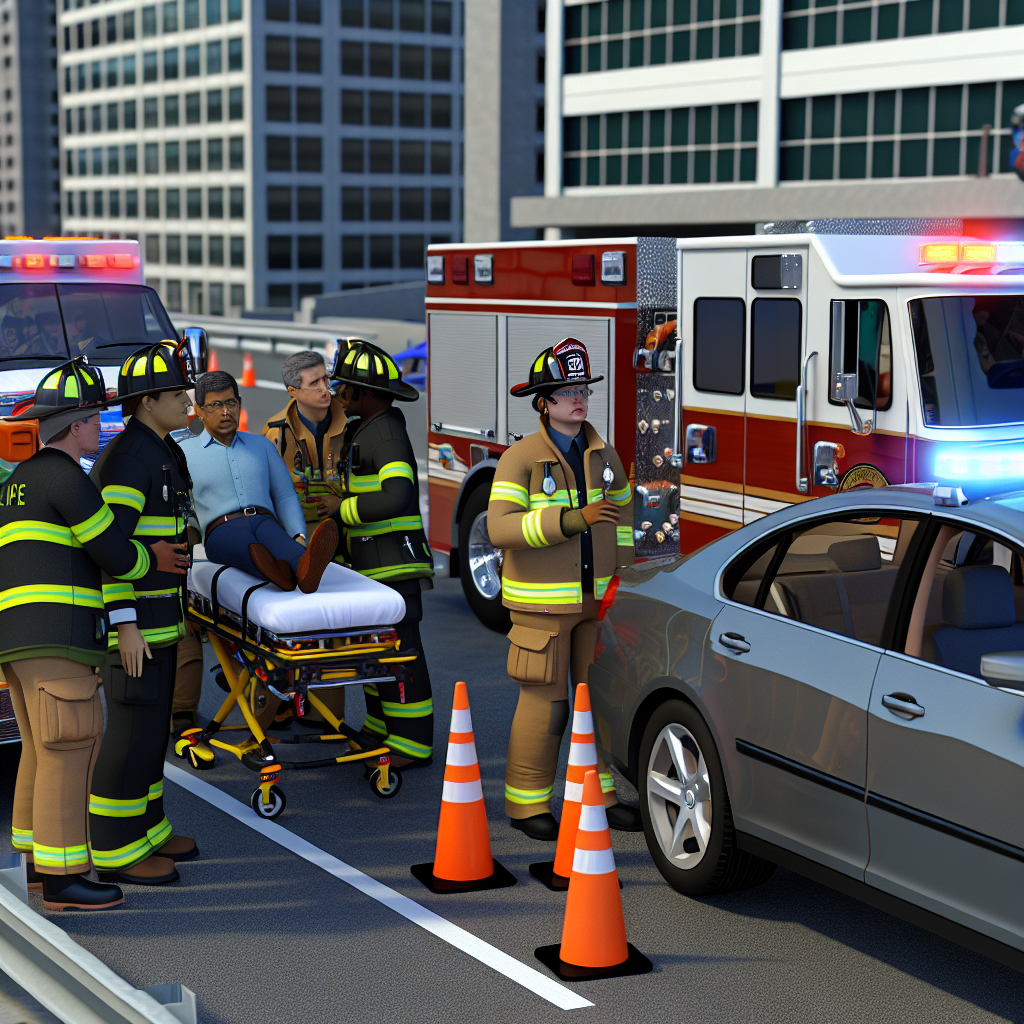
Introduction to Fleet Safety and Emergency Protocols
Roadside emergencies are often unpredictable, striking when least expected and leaving fleets in precarious situations. From mechanical failures to unexpected weather events, the scope of potential incidents is vast. For fleet managers, the significance of preparedness cannot be overstated; having a well-thought-out plan in place can be the difference between a minor setback and a major disaster. Proactive measures like continuous training, up-to-date technology, and robust emergency protocols not only enhance driver confidence but also significantly reduce risks during critical moments.
Investing in these strategies ultimately leads to faster response times, improved safety, and minimized operational disruptions, aligning with the maxim that it is better to hope for the best while preparing for the worst.
Fleet Emergency Response: Training, Technology, and Planning
Fleet emergency response needs to combine training, technology, and planning. Here’s how different practices play a part:
Training
Ongoing training is vital for preparing fleet personnel for emergencies. This includes:
- Emergency Response Drills: These drills simulate various emergency situations, helping staff practice effectively.
- First Aid Training: Equipping employees to provide immediate medical help enhances workplace safety.
- Defensive Driving Techniques: Teaching drivers how to recognize hazards can prevent accidents.
- Technology Familiarization: Training on onboard tech ensures drivers know how to use communication tools in emergencies.
Technology Usage
Using modern technology improves a fleet’s emergency response capabilities:
- GPS Tracking Systems: These systems allow for real-time location tracking and efficient resource assignments.
- Telematics: They offer valuable data to help maintain vehicle reliability.
- AI Dash Cams: These devices monitor drivers’ behaviors and provide immediate feedback.
- Mobile Data Terminals (MDTs): These improve communications between dispatchers and drivers during emergencies.
Planning
Strong emergency response plans are essential. This includes:
- Clear Emergency Response Plans: Defining procedures ensures all staff knows their roles when emergencies occur.
- Routine Maintenance Checks: Regular inspections can prevent vehicle breakdowns.
- Data Analysis: Using technology to analyze incident patterns helps update procedures to better responses.
These best practices take preparation seriously. As Mo Baki says, “Expect the unexpected,” making it clear that readiness is crucial. Similarly, Eugenia Churilov emphasizes the need for disaster recovery plans. Implementing these strategies enables fleets to be prepared for unforeseen emergencies, improving safety and operational effectiveness.
Importance of Continuous Training
Continuous training is essential for enhancing driver readiness and ensuring safety in professional fleets. Implementing programs such as quarterly refreshers and scenario drills allows drivers to stay up-to-date with their emergency response protocols and improves their skills in real-time situations. Research indicates that ongoing driver education significantly reduces accidents, enhances fuel efficiency, and increases compliance with safety regulations.
One key benefit of continuous training is its impact on accident reduction. Fleets that embrace ongoing training can see a 52% decrease in preventable accidents within the first year, as studies have shown. This statistic underscores the necessity of preparedness in maintaining safe operations on the road. Additionally, training in fuel-efficient driving techniques can improve overall fuel consumption by approximately 15%, contributing to lower operational costs.
Companies such as Kriska Transportation Group (KTG) exemplify the advantages of continuous training. KTG employs quarterly refresher courses along with scenario drills tailored to recent experiences or challenges faced by their drivers. This approach not only equips drivers with the knowledge needed to handle diverse emergencies but also fosters a culture of safety and awareness.
Moreover, engaging drivers in regular training promotes regulatory compliance, ensuring they are updated with any evolving laws and safety protocols. This ongoing education facilitates full compliance, thus diminishing the risk of legal complications stemming from oversight.
Ultimately, continuous training not only prepares drivers to face emergencies confidently but also enhances overall fleet performance. The proactive strategy of refreshers and drills is echoed by other industry leaders, reinforcing the idea that training should be a fundamental aspect of fleet management. With the right training programs in place, fleets can look forward to safer roads and more efficient operations.
Notable Examples of Fleet Continuous Training:
- KTG (Kriska Transportation Group): Implements quarterly training sessions and scenario drills.
- Vertical Alliance Group: Supports remote, accessible training that can be undertaken at drivers’ convenience.
- Fleet Complete: Reports significant reductions in dangerous driving behaviors following engagement in training programs, improving both safety and fleet performance.
| Criteria | Polaris Transportation Group | Kriska Transportation Group (KTG) |
|---|---|---|
| Training | Structured training that includes onboarding and quarterly refreshers. Focus on emergency scenarios includes drills based on real events, such as the 2023 wildfire season and the 2022 Freedom Convoy. | Blended training strategy with online courses and practical in-cab training. New drivers undergo six weeks of in-cab training with shadow runs. A dedicated program for winter hazards is also included. |
| Technology | Utilizes AI-driven weather overlays for dynamic routing and Isaac Instruments tablets with emergency buttons linked to 24/7 security desk. Regular reviews and updates of technology are conducted for improved operational efficiency. | KTG equips trucks with Isaac Instruments tablets and monitors that feature an emergency button that contacts dispatch and security. Carbon monoxide detectors installed to protect drivers from poisoning and ensure safety during emergencies. |
| Planning Strategies | Emergency protocols categorize incidents into five areas. Dispatchers spend time in trucks to understand the drivers’ needs better. They maintain a solid incident response plan backed by regular reviews and updates based on near-miss scenarios. | 24/7 security and breakdown teams ensure prompt incident triage and response. The team coordinates towing or accommodations for stranded drivers. KTG offers mental health support to help drivers process emergencies effectively and safely. |
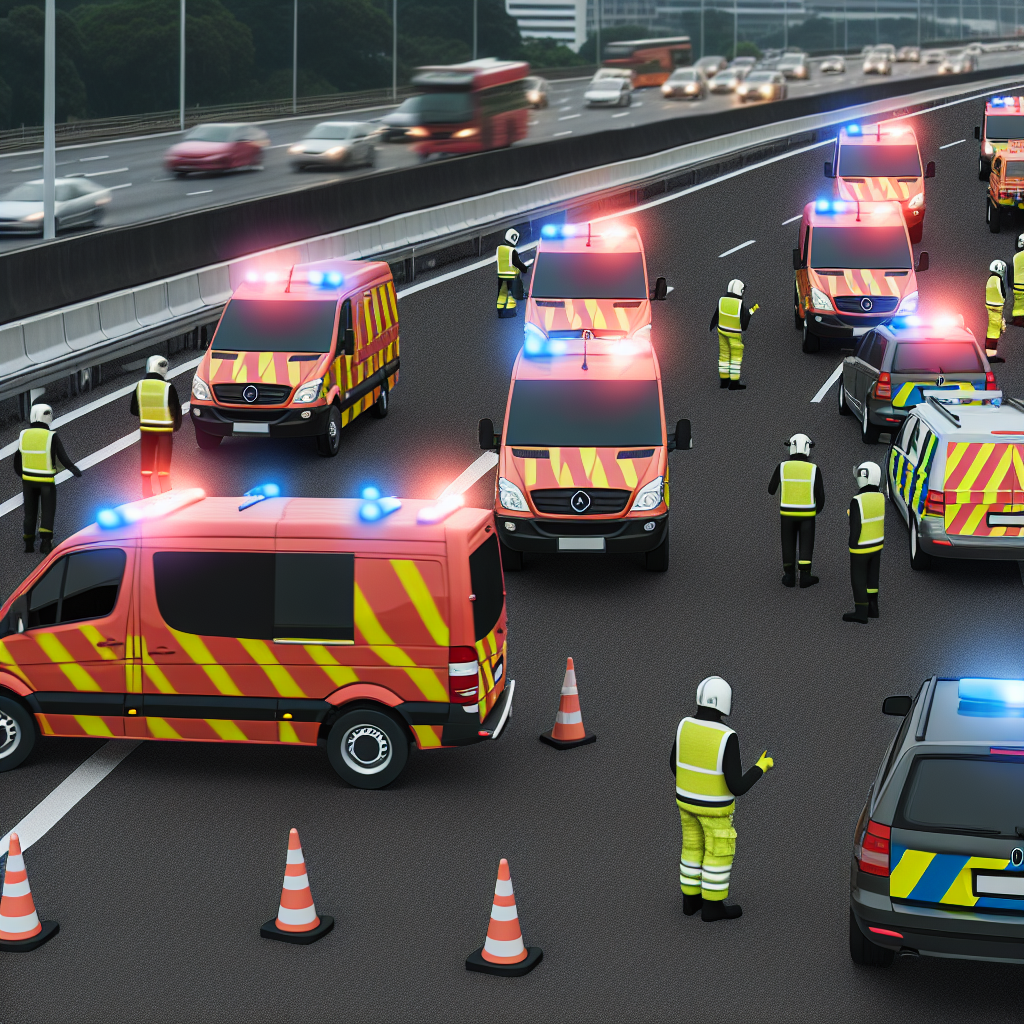
Role of Technology in Enhancing Fleet Readiness
Technology plays a pivotal role in enhancing fleet readiness, particularly in emergency response scenarios. One significant technological advancement is the use of Isaac Instruments tablets, which have become a crucial tool in modern fleet management. These tablets are not just devices for navigation or route planning; they are equipped with features specifically designed to ensure quick and efficient responses during emergencies.
Emergency Buttons for Instant Communication
One of the standout features of the Isaac Instruments tablets is the emergency button. This feature allows drivers to alert dispatch immediately in the event of an emergency, providing a direct line of communication with the support team. By simply pressing this button, drivers can communicate their exact location and the nature of the incident, enabling rapid deployment of assistance and resources. This instant communication significantly reduces response times, which can be critical in high-pressure situations where every second counts.
Real-Time Data and Monitoring
In addition to emergency alerts, these tablets allow for real-time data monitoring. Fleet managers can track vehicle performance, location, and even driver behavior, which is essential for assessing situations as they unfold. Utilizing this data, managers can make informed decisions on how to best assist drivers in emergencies, whether that means dispatching a maintenance crew, coordinating with local authorities, or providing immediate roadside assistance.
Integration with Emergency Protocols
Moreover, the integration of such technology with established emergency protocols ensures that fleets are not only ready to respond but also capable of doing so effectively. Regular training on the use of these devices further enhances understanding among drivers and logistics personnel, helping them to utilize the technology to its full capacity during emergencies. Companies like KTG emphasize the importance of familiarizing their staff with these tablets, ensuring that drivers are well-versed in their functionalities and guidelines on when and how to use them.
Enhancing Overall Safety
Ultimately, the use of advanced tools like Isaac Instruments tablets not only streamlines communication during emergencies but also plays an essential role in enhancing overall fleet safety. By integrating technology into everyday operations and emergency planning, fleets can improve their readiness and resilience against unforeseen incidents, ensuring that both drivers and the public remain safer on the road.
This focus on technology mirrors the overarching theme in fleet management today: the need for continuous improvement through training, planning, and the implementation of effective technological solutions in emergency response.
Case Study: Kriska Transportation Group’s Response to Crippling Weather
In the winter of 2023, Kriska Transportation Group (KTG) faced a formidable challenge as an unexpected and severe winter storm hit Ontario, significantly impacting operations and safety. The fleet was tasked with delivering critical supplies to healthcare facilities across the province, a responsibility that could not be delayed.
Challenges Faced
As snow piled up, road conditions rapidly deteriorated, creating hazardous driving conditions. Within hours, several major highways were closed due to accidents and snow drifts, leaving KTG’s drivers stranded and at risk. To complicate matters further, communication systems began to falter under the strain of the storm. Fleet management needed to ensure that all drivers remained safe and connected while obtaining real-time updates on road conditions.
Leveraging Training and Technology
KTG’s emergency response strategy came into play almost immediately. The crisis underscored the significance of the training programs and technologies the group had implemented:
- Emergency Response Drills: Just months prior to the incident, KTG had conducted scenario-based training drills which prepared drivers for various extreme weather conditions. This familiarity allowed drivers to remain calm and make informed decisions under stress, such as rerouting to safer roads.
- Isaac Instruments Tablets: Equipped with these tablets, drivers were able to communicate directly with dispatch, even in poor reception areas. The emergency button feature allowed them to signal for assistance quickly, while real-time updates from fleet management regarding weather and road conditions guided their navigation choices.
- Dynamic Routing Software: The company’s advanced software utilized AI-driven weather overlays to identify safe routes. As closures were reported, the routing system adjusted in real-time to ensure that supplies were diverted from blocked routes ahead of time, maintaining operational continuity despite the conditions.
Outcome and Reflection
Thanks to KTG’s preparation, only a handful of drivers had to stay overnight in safe zones, well-staffed with facilities and support. Post-crisis evaluations highlighted the importance of their training programs and the integration of technology in crisis management. The fleet reported a substantial reduction in incidents during this challenging time, and drivers felt more equipped to handle emergencies moving forward.
This experience reinforced KTG’s commitment to comprehensive training and the strategic use of technology, advocating that consistent preparedness can turn potential disasters into manageable challenges. It is a testament to the fact that effective emergency response in fleets is not just about reacting but also about anticipating and preparing for various scenarios.
Conclusion
In conclusion, the importance of preparedness in fleet emergency responses cannot be overstated. The insights and practices discussed throughout this article underscore that a proactive approach—encompassing continuous training, the strategic use of technology, and comprehensive planning—forms the backbone of effective fleet management. By equipping drivers with the skills required for various emergency scenarios, leveraging technological advancements for fast communication and navigation, and developing clear emergency response protocols, fleets can significantly enhance their resilience and safety on the road.
All fleet managers are encouraged to reflect on the practices highlighted and consider how they can implement comprehensive emergency response plans within their own operations. As reiterated by industry experts, expecting the unexpected is crucial; this mindset will not only protect drivers but will also ensure the uninterrupted flow of operations in the face of crises. As one industry leader states, “We prepare for emergencies year-round so that when an emergency occurs, we’re ready”. Investing in these strategies is not just a best practice—it is an essential commitment to safety, reliability, and operational success in an unpredictable world.
Impact of Effective Emergency Plans on Fleet Operations
Implementing effective emergency response plans significantly enhances both operational efficiency and safety for fleet operations. Here are some compelling statistics that demonstrate this impact:
- Reduction in Response Times: Organizations utilizing GPS technology have achieved a 20% reduction in response times, enabling faster decision-making during emergencies.
- Decrease in Unplanned Downtime: Real-time vehicle tracking and optimal unit deployment have led to a 25% reduction in unplanned service interruptions.
- Improved Fuel Efficiency: Advanced routing algorithms have resulted in fuel cost reductions of up to 15%, optimizing travel paths based on traffic patterns and real-time conditions.
- Enhanced Safety Standards: Driver training programs combined with behavior monitoring tools have led to a 30% reduction in incidents within the first year of implementation.
- Faster Emergency Response: Integrating real-time tracking solutions has improved emergency response times by up to 25%, ensuring personnel reach incidents more swiftly.
- Reduction in Equipment Failures: Departments implementing predictive fleet management have achieved a 60-80% reduction in emergency-response equipment failures, enhancing reliability during critical moments.
- Decrease in Collision Rates: Fleets that implement safety monitoring systems report a 40% decrease in collision rates, leading to significant financial savings.
These statistics underscore the substantial benefits of effective emergency response plans in improving fleet performance and safety.
Incorporating insights from industry experts such as Mo Baki and Eugenia Churilov significantly reinforces the importance of preparedness in fleet operations.
Mo Baki states, “Expect the unexpected,” serving as a compelling reminder that proactive measures are vital in mitigating unforeseen risks.
Eugenia Churilov emphasizes this point by stating, “Every business should be prepared for disaster, and it’s important to have a business disaster recovery plan.” These quotes support the notion that comprehensive training, utilization of technology, and strategic planning are not just best practices but essential components of effective fleet management.
Furthermore, Baki adds, “I can’t really say that we’ve experienced anything that has not helped. Anything helps,” highlighting the cumulative value of every training and preparedness effort made by fleets.
By intertwining these expert perspectives with practical strategies, fleets can foster a culture of readiness that enhances safety and operational continuity in emergency situations.
To further support the discussion on the importance of continuous training, include these links to authoritative sources:
- Element Fleet Management – Outlines the key benefits of implementing comprehensive training programs in fleet management.
- Samsara – Discusses how data-driven coaching can lead to significant reductions in driver accidents through ongoing training.
- Innorithm – Highlights the economic benefits linked to fuel efficiency and maintenance cost reductions gained through effective training.
- Corporate Vision – Explores how fostering a culture of safety and responsibility is vital for organizational success.
Integrating these references elevates the credibility of the article while providing readers valuable insights into the significance of training for improved fleet safety and operation effectiveness.