
New Tariff on Imported Heavy-Duty Trucks
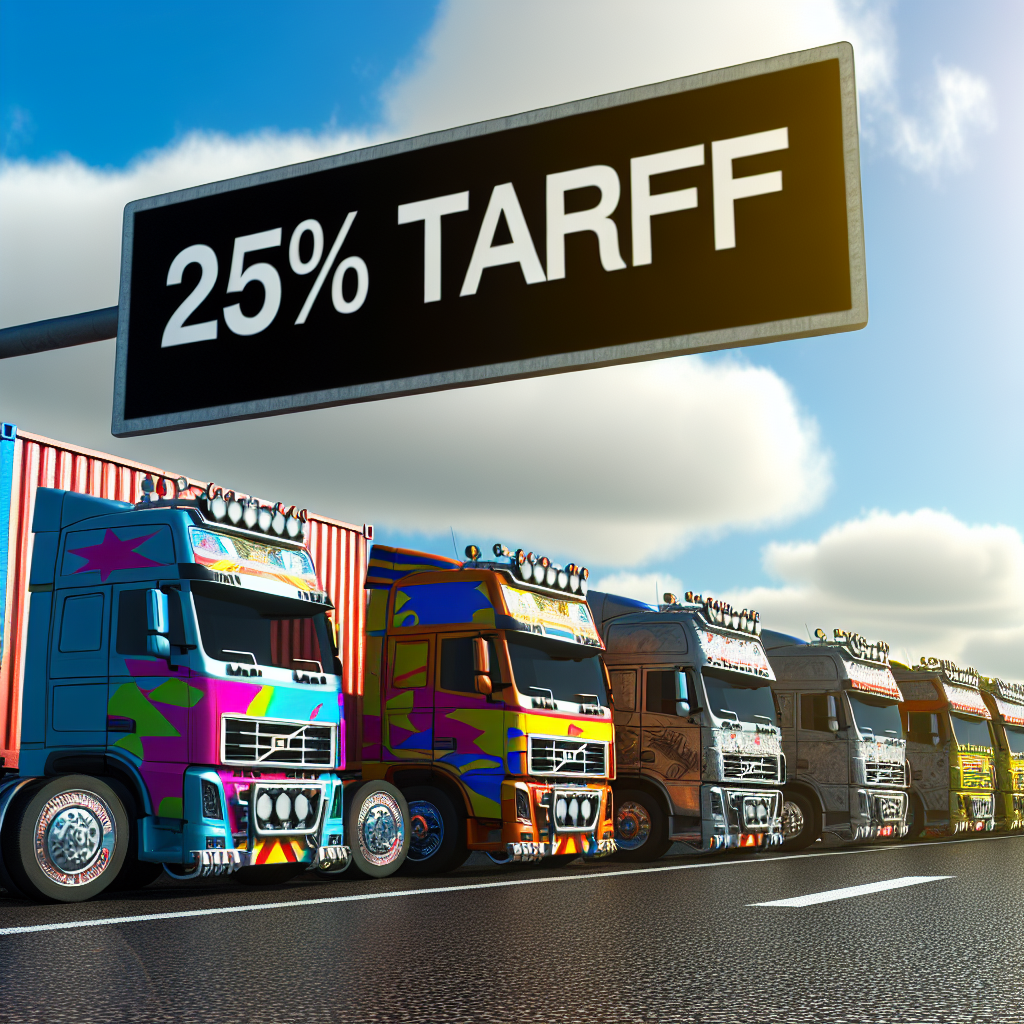
Starting October 1, 2025, the heavy truck industry faces a significant change: a new 25% tariff on imported heavy-duty trucks. Former President Donald Trump’s decision aims to strengthen domestic truck manufacturers against what he calls “unfair outside competition.”
He asserted, “In order to protect our Great Heavy Truck Manufacturers, I will be imposing a 25% Tariff on all ‘Heavy (Big!) Trucks’ made in other parts of the World.”
This policy is urgent, as it will influence fleet operators’ decisions on procurement and pricing strategies. The impending impact of these tariffs requires businesses to prepare for potential cost increases and a reconsideration of their fleets.
The implications for the market and national security are substantial, necessitating stakeholders to reevaluate their strategies in this rapidly changing environment.

Implications of the Tariff
The imposition of a 25% tariff on heavy trucks marks a substantial turning point for fleet operators across various industries and has direct implications for the heavy truck market impact. The tariff effects on fleet management will necessitate urgent reevaluation of budgeting and procurement practices.
Current Trends in Fleet Procurement Strategies
In light of the newly imposed 25% tariff on imported heavy-duty trucks, fleet procurement strategies are evolving to adapt to increased costs and changing market conditions. Here are some of the key trends that are currently shaping the landscape of fleet procurement:
- Local Sourcing: Fleet managers are prioritizing U.S.-made vehicles to avoid tariffs associated with imports. There is a growing reliance on domestic manufacturers like Freightliner, Kenworth, and PACCAR, which are expected to benefit from the protectionist measures.
- Tariff Credit Programs: The U.S. administration has introduced a tariff credit program that offers up to 3.75% offsets for U.S.-assembled trucks and components until 2030. Fleets are leveraging these credits to mitigate the financial impact of tariffs on new purchases, effectively reducing their total costs.
- Extended Vehicle Lifecycles: To manage the total cost of ownership, many fleets are opting to extend the lifecycle of their existing vehicles. This strategy involves increasing refurbishments and postponing the acquisition of new trucks, allowing fleet operators to delay capital expenditures and better manage cash flow.
- Exploration of Used Truck Markets: With new truck prices rising significantly, there is an increased interest in the used truck market. Fleet operators are turning to refurbished and previously owned vehicles as more affordable alternatives to new purchases, thus maintaining operational efficiency without the higher costs of new equipment.
- Long-Term Contracts: Establishing long-term contracts with domestic OEMs allows fleets to lock in prices and mitigate risks associated with fluctuating truck costs. This strategic move is designed to secure stable procurement channels as tariffs continue to create uncertainty in the market.
- Leasing and Rental Alternatives: To avoid the upfront costs that accompany purchasing new vehicles, many fleets are considering leasing and rental options. This approach enables fleets to maintain operational capabilities without incurring significant capital expenditures.
- Utilizing USMCA Provisions: Fleet operators are increasingly leveraging the United States-Mexico-Canada Agreement (USMCA) to minimize tariff impacts by sourcing vehicles with high U.S. content, which can qualify for partial exemptions based on non-U.S. content value.
- Cautious Short-Term Plans: Legal uncertainties and ongoing regulatory developments are prompting fleets to adopt cautious and flexible procurement strategies. Short-term procurement plans are on the rise, as companies evaluate market conditions and pending rulings that may affect import costs.
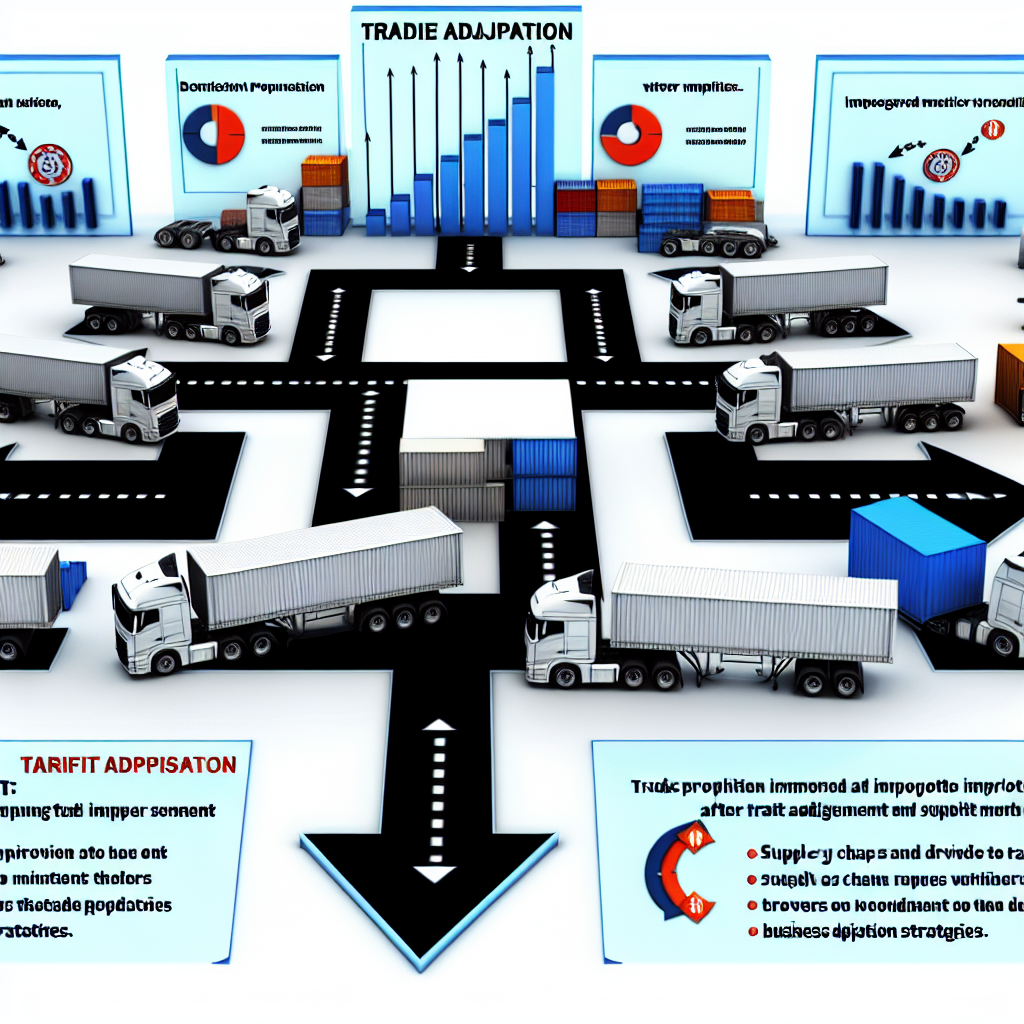
In summary, the new tariffs on heavy-duty trucks are inducing fleets to rethink traditional procurement strategies. With an emphasis on local sourcing, extended vehicle use, and strategic partnerships, fleet operators are actively managing costs and navigating the evolving regulatory landscape to remain competitive.
| Manufacturer | Model | Base Price Range | Key Features |
|---|---|---|---|
| Peterbilt | 579 | $130,000 – $170,000 | Diesel engine options, aerodynamic design, high cabin comfort, customizable configurations. |
| Kenworth | T680 | $150,000 – $175,000 | Next-generation aerodynamics, enhanced driver experience. |
| Freightliner | Cascadia | $145,000 – $170,000 | Reliability, fuel efficiency, advanced safety features. |
| Mack Trucks | Anthem | $130,000 – $165,000 | Ergonomic design, fuel-efficient engines, advanced technology for driver comfort. |
| International | LT Series | $140,000 – $160,000 | Durable build, customizable options, advanced safety and entertainment technology. |
| Volvo | VNL | $145,000 – $175,000 | Premium driver comfort features, fuel-efficient engines, high safety standards. |
Voices from the Industry
The implications of the 25% tariff on heavy-duty trucks are drawing reactions from influential leaders, both political and industry-related. Former President Donald Trump underscored the rationale behind the tariffs by stating, “We need our Truckers to be financially healthy and strong, for many reasons, but above all else, for National Security purposes!” This sentiment emphasizes the dual purpose of the tariffs: protecting domestic manufacturing while bolstering national defenses.
On the other side of the debate, industry association leaders are expressing serious concerns. The American Trucking Associations warned that increased truck prices will ultimately trickle down to consumers as freight costs rise, noting that “higher equipment costs will challenge small trucking operators significantly.”
Furthermore, a report by FreightWaves analyzed the financial burdens of the tariffs, stating that they could add upwards of $15,000 to $20,000 to the cost of new trucks. Some analysts cautioned, “While large manufacturers may benefit, smaller fleets could face daunting financing costs, putting their operations at risk.”
The U.S. Chamber of Commerce has opposed the tariffs outright, arguing that U.S. allies such as Mexico and Canada should not be penalized, as they do not pose any serious national security threat. They worry that the tariffs could strain important trade relationships and inflate operational costs for many businesses.
In contrast, the Coalition for a Prosperous America lauded the tariffs as a “victory for U.S. workers and manufacturers,” asserting that they would enhance domestic capabilities and shield American jobs from foreign competition. This polarized response indicates the rallying points and fears within the trucking sector, where the ground is increasingly shifting under the influence of these tariffs.
Long-Term Industry Impact
The 25% tariff on heavy trucks is poised to create significant long-term disruptions within the trucking industry, impacting not only pricing and fleet dynamics but also altering competitive landscapes.
Market Dynamics and Competition
As the costs of importing heavy trucks rise, many fleet operators will likely shift toward domestic manufacturers. Given the recent research from the American Transportation Research Institute, tariffs have already driven a 12-15% increase in new Class 8 truck costs. This trend is expected to encourage a market environment where domestic manufacturers can increase their market share, moving from approximately 72% to 88% in the heavy-duty segment, as noted by the Commercial Carrier Journal. This change in market dynamics could intensify competition among U.S. manufacturers as they rush to meet the demand created by shifting procurement strategies.
Changes in Fleet Sizes
As fleet operators adapt to the new cost landscape, many may reconsider their fleet sizes. During previous tariff implementations, reports indicate that smaller fleets faced equipment cost pressures, leading to delays in equipment replacement cycles by up to three years. This trend may mean a rise in the average age of fleets as operators choose to extend the life of existing vehicles instead of purchasing new trucks, leading to higher maintenance costs and less efficient operations. A significant impact observable during the shift post-tariff introduction has been a nominal decrease in fleet sizes among small to mid-sized operators, averaging about 8-12%.
Manufacturer Responses
Manufacturers are not sitting idle in the face of these changes; they are implementing various strategies to cope with a more restrictive market. According to a Harvard Business School case study, manufacturers have ramped up domestic sourcing from 45% to 68%. Additionally, they have employed price optimization strategies, implementing selective price increases while navigating the new market landscape.
In summary, the long-term implications of heavy truck tariffs are comprehensive, leading to a decisive shift in procurement strategies, fleet adjustments, and competitive dynamics within the trucking industry. Stakeholders are urged to remain vigilant in this shifting landscape as the effects ripple outwards, prompting continual adaptation to successfully navigate the evolving economic terrain.
Conclusion
The introduction of a 25% tariff on imported heavy-duty trucks marks a pivotal moment for the trucking industry, reshaping fleet operators’ strategies and altering pricing dynamics across the board. The financial implications of this tariff are significant, with projections indicating steep increases in the cost of new trucks, essential components of fleet management. As fleets grapple with these escalating expenses, they are increasingly drawn toward domestic manufacturers, creating a surge in demand for brands like Freightliner and Peterbilt. This shift not only supports domestic production but may also enhance the long-term viability of U.S. manufacturers amidst an evolving competitive landscape.
Operational strategies within fleet management are adapting in response to the tariff-induced pressures. Many operators are extending the lifecycle of their existing vehicles and exploring used truck markets to minimize upfront expenses. Additionally, the emphasis on securing long-term contracts and utilizing tariff credit programs reflects a strategic pivot aimed at managing costs effectively in a tighter economic climate.
Looking forward, the ongoing tariff situation poses challenges as well as opportunities. While smaller fleets may struggle with the financial strain, the larger industry landscape is likely to see consolidation as companies seek to navigate rising costs through collaboration and innovative procurement tactics. This adaptation will be essential for maintaining competitiveness in a market increasingly dominated by domestic production. Ultimately, the path ahead requires agility and foresight, as the trucking industry embarks on a journey shaped by these economic shifts. As manufacturers adjust to new realities and fleets recalibrate their approaches, the future remains uncertain, yet ripe with possibility for those prepared to evolve with the changing tides.
Call to Action
As the heavy-duty trucking industry braces for the impending 25% tariff on imported trucks, it is crucial for executives and fleet managers to stay informed about these significant changes. The financial implications are vast and complex, impacting procurement strategies and operational planning in real-time.
We urge you to act proactively—monitor the evolving tariff landscape and reassess your procurement strategies. Consider adjusting your sourcing practices towards domestic manufacturers, while also exploring opportunities for strategic partnerships and cost-saving measures.
By staying ahead of tariff developments and adapting your fleet operations accordingly, you can ensure your organization is not only resilient in the current climate but also well-positioned for future success. Embrace agility in your decision-making and make informed choices that will sustain your operations amid these upcoming changes.
Current Trends in Fleet Procurement Strategies
In light of the newly imposed 25% tariff on imported heavy-duty trucks, fleet procurement strategies are evolving to adapt to increased costs and changing market conditions. Here are some of the key trends that are currently shaping the landscape of fleet procurement:
- Local Sourcing: Fleet managers are prioritizing U.S.-made vehicles to avoid tariffs associated with imports. There is a growing reliance on domestic manufacturers like Freightliner, Kenworth, and PACCAR, which are expected to benefit from the protectionist measures.
- Tariff Credit Programs: The U.S. administration has introduced a tariff credit program that offers up to 3.75% offsets for U.S.-assembled trucks and components until 2030. Fleets are leveraging these credits to mitigate the financial impact of tariffs on new purchases, effectively reducing their total costs.
- Extended Vehicle Lifecycles: To manage the total cost of ownership, many fleets are opting to extend the lifecycle of their existing vehicles. This strategy involves increasing refurbishments and postponing the acquisition of new trucks, allowing fleet operators to delay capital expenditures and better manage cash flow.
- Exploration of Used Truck Markets: With new truck prices rising significantly, there is an increased interest in the used truck market. Fleet operators are turning to refurbished and previously owned vehicles as more affordable alternatives to new purchases, thus maintaining operational efficiency without the higher costs of new equipment.
- Long-Term Contracts: Establishing long-term contracts with domestic OEMs allows fleets to lock in prices and mitigate risks associated with fluctuating truck costs. This strategic move is designed to secure stable procurement channels as tariffs continue to create uncertainty in the market.
- Leasing and Rental Alternatives: To avoid the upfront costs that accompany purchasing new vehicles, many fleets are considering leasing and rental options. This approach enables fleets to maintain operational capabilities without incurring significant capital expenditures.
- Utilizing USMCA Provisions: Fleet operators are increasingly leveraging the United States-Mexico-Canada Agreement (USMCA) to minimize tariff impacts by sourcing vehicles with high U.S. content, which can qualify for partial exemptions based on non-U.S. content value.
- Cautious Short-Term Plans: Legal uncertainties and ongoing regulatory developments are prompting fleets to adopt cautious and flexible procurement strategies. Short-term procurement plans are on the rise, as companies evaluate market conditions and pending rulings that may affect import costs.
In summary, the new tariffs on heavy-duty trucks are inducing fleets to rethink traditional procurement strategies. With an emphasis on local sourcing, extended vehicle use, and strategic partnerships, fleet operators are actively managing costs and navigating the evolving regulatory landscape to remain competitive.
Further Reading on Tariffs in Trucking
Impacts of Freight Rates on Fleet Equipment Purchases
State of Freight: Rates and Procurement Strategies
Trucking Market Trends: Flexible Procurement Strategies