
Navigating the world of tow truck pricing can be daunting, whether you’re a local driver facing an emergency, a car owner needing reliable transportation, an auto repair shop in search of efficient recovery solutions, or a property manager dealing with parking logistics. This article dissects the costs of various tow truck types—light, medium, heavy-duty, and specialty trucks—providing clarity on what influences pricing. Each chapter dives into the specifics, equipping you with the knowledge to make smart, budget-conscious decisions tailored to your needs.
Behind the Bumper: The True Cost Landscape of Light-Duty Tow Trucks and What It Means for Small Fleets
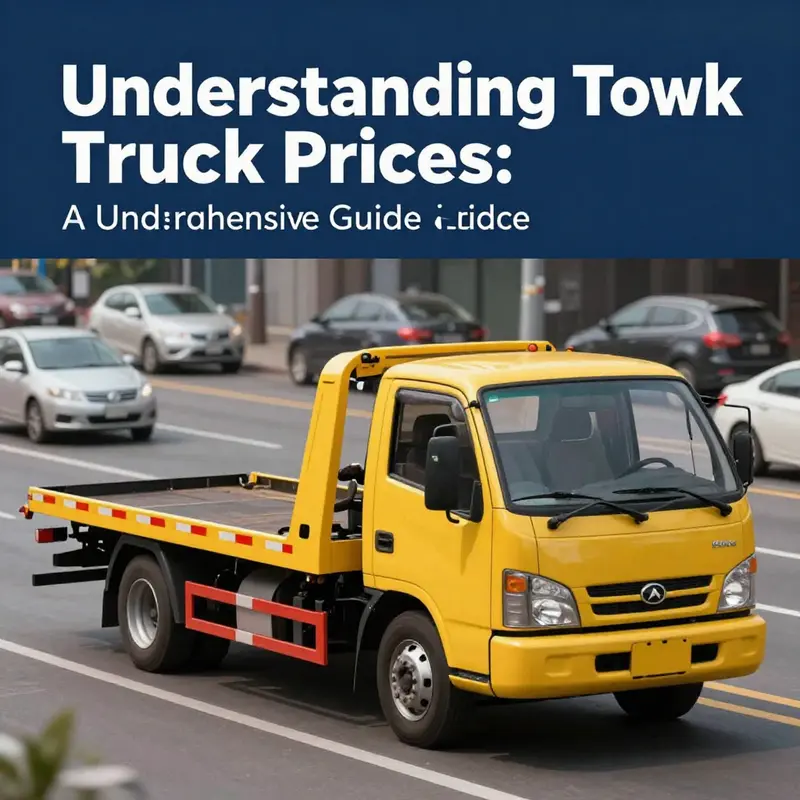
When people ask how much a tow truck costs, they are usually trying to translate a price tag into a practical business plan. The reality is more nuanced than a single sticker price. For light-duty tow trucks—those in the 3 to 5 ton category—the headline numbers can skew higher or lower depending on where you buy, what you buy, and the level of equipment you expect to accompany the truck. A general market snapshot places these rigs in a price band roughly between the high teens and the mid-twenties in thousands of dollars. Yet even within that band, the range tells a deeper story about how a vehicle performs on the road, how quickly it can recover a car or SUV, and how much you will spend to keep it in service year after year. To understand the economics, it helps to see the landscape not just in terms of sticker price, but as a bundle of costs that begins at purchase and keeps going long after the truck leaves the lot.
From the moment you sign on a light-duty unit, the cost picture widens to include equipment and safety features that are not optional in today’s regulatory environment. A light-duty tow truck typically requires light bars, communications gear, and signaling equipment to ensure visibility and compliance with roadside safety standards. Beyond visibility tools, operators must stock safety gear such as traffic cones, high-visibility vests, and flares. These items are not mere add-ons; they are core components of a compliant and safe operation. The initial purchase price is only the opening line of the invoice. Depending on the configuration, a light-duty truck can be outfitted in ways that substantially alter both upfront cost and long-term affordability. A basic setup might be adequate for urban flatbed work, but a broader capability—such as a robust hydraulic lift, a high-capacity winch, advanced diagnostics, or an integrated onboard telematics suite—can push the price upward into the upper end of the range. The key for buyers is to assess needs against anticipated demand. If a market’s needs include frequent urban recoveries with tight spaces, a more versatile configuration can shorten response times and increase yearly throughput, improving the overall return on investment even if the upfront cost is higher.
Operational costs, the ongoing heartbeat of any tow business, occupy a large portion of the once-and-done purchase decision. Fuel consumption is a major variable. Light-duty tow trucks deployed for steady roadside work typically consume between six and ten miles per gallon when fully loaded. The picture changes when the vehicle idles in traffic, at accident scenes, or during long hauls where many miles accumulate without a corresponding recovery. Idle time may seem unavoidable, but it’s a cost center that operators can curb through route optimization and smarter dispatching. Modern routing tools can divert fuel-wasting detours, minimize deadhead miles, and clock in savings that add up over months and years. The result is not only reduced fuel spend but also improved engine life and lower maintenance costs, since less aggressive driving and shorter cycles tend to wear components more gently.
For prospective owners, a careful balance between upfront gear and long-term efficiency is essential. The same thinking applies to the choice between a wheel-lift configuration and a rollback (flatbed) system, which are common in light-duty fleets. Wheel-lift setups can be excellent for urban environments where space is at a premium and the majority of calls involve passenger cars and small SUVs. Flatbeds, while often more expensive upfront, offer the versatility to tow all-wheel-drive vehicles without damage and can handle a broader mix of jobs, including some light commercial vehicles. The decision is not simply about immediate compatibility with current work; it’s about how often your fleet will need to handle a wider range of vehicle types in the years ahead and how that affects utilization, uptime, and customer satisfaction.
In addition to the vehicle itself, a number of non-vehicle costs shape profitability. Ongoing maintenance is a continuous line item—oil changes, tire replacements, hydraulic system checks, electrical diagnostics, and winch servicing all add up. The reliability of a light-duty tow truck depends on a disciplined maintenance plan, which in turn depends on the level of technology integrated into the truck. Modern equipment often comes with installed sensors that monitor engine health, hydraulic pressures, and electrical circuits. While these features increase upfront cost, they can reduce downtime by catching issues before they become roadside failures. The trade-off is clear: invest in diagnostic and monitoring capabilities now to reduce the risk of expensive emergency repairs later. This is where the narrative about ownership costs becomes practical. It is not enough to budget for the price of a new unit; one must estimate the cumulative expenses of ownership, including service intervals, parts replacement, insurance, licensing, and the inevitable financial impact of downtime when a vehicle is off the road.
Market rates for light-duty tow services, in turn, are not uniform across geographies. Urban markets, with higher traffic density and longer response times, tend to command higher service rates. Rural areas often see lower rates but face challenges such as longer travel distances between calls and fewer available jobs, which can influence the overall utilization rate of a fleet. The price of a tow per call is a product of several inputs: the base rate charged by the operator, the type of service rendered (flatbed versus other methods), the equipment on board, and any added value like on-site diagnostics or immediate roadside assistance for a stuck vehicle in a difficult location. Service pricing can vary within a single metro area when one operator prioritizes rapid response with a higher level of equipment and another emphasizes cost-conscious deployments with lighter configurations. These dynamics make the market more a map of how operators position themselves rather than a single universal rate card.
Another layer of the light-duty segment concerns new versus used fleets. A new truck provides the latest technology, a full warranty, and the assurance of longer reliability on the front end. A used unit can offer significant upfront savings, but the trade-off often involves higher ongoing maintenance costs and a shorter window before major parts replacement becomes necessary. The choice between new and used also intersects with financing terms, which can dramatically affect the annual cost of ownership. Financing a new machine with a long loan term can reduce monthly payments but may increase overall interest costs, while purchasing used equipment outright eliminates interest but can increase the cash-flow strain in the near term and expose a buyer to higher maintenance risk. The decision is rarely binary; in practice, many operators mix both strategies, maintaining a core fleet of newer units for high-demand routes while keeping a few older, cheaper units for secondary tasks or off-peak hours.
To navigate these choices, buyers increasingly look at total-cost-of-ownership analyses that extend beyond sticker price. A robust analysis weighs purchase price, scheduled maintenance, fuel efficiency, insurance, licensing, depreciation, and potential downtime costs. It also considers regulatory compliance costs tied to equipment safety features and roadside operation requirements. The numbers can be opaque at first glance, but the pattern is clear: small differences in upfront equipment or fuel efficiency can compound into meaningful differences in profitability over the course of a year. Operators who invest time in mapping out maintenance routines, route planning, and safety compliance tend to stabilize their operating expenses and improve service reliability. The cognitive shift from “what does this unit cost me today?” to “how will this unit perform for the next five years, under the most demanding shifts in demand?” marks a maturity in the market that benefits the entire ecosystem—from independent operators to small fleets eager to preserve margins.
Within the broader market, there is a continuing push toward more efficient and safer operations. Fleet standardization and emergency-readiness practices emerge as strategic moves for smaller outfits aiming to punch above their weight. By standardizing equipment configurations across the fleet, operators can negotiate better maintenance terms, simplify training, and shorten response times during emergencies. While standardization might seem like a cost on a balance sheet, it often translates to a real reduction in downtime and a smoother procurement process. In parallel, advanced safety protocols and backup plans for extreme weather or high-traffic events contribute to predictable service levels, which in turn support stable pricing, improved customer trust, and resilience during market fluctuations. These strategic choices—standardization and preparedness—help small fleets extract more value from light-duty investments without dramatically inflating upfront costs.
For readers seeking a practical nudge toward deeper, broader understanding, industry insights exist that lay out the ownership costs in more detail. They offer structured approaches to forecasting, budgeting, and optimizing the fleet’s composition in light of local demand and regulatory conditions. A comprehensive guide on tow-truck ownership costs, for example, walks through components such as acquisition price, fuel, maintenance, and the hidden costs of idle time. It also highlights strategies to curb expenses through route optimization, preventive maintenance, and the thoughtful selection of equipment based on the typical job mix in a given market. Readers who want a deeper dive into these issues can consult resources such as industry-focused guides and expert analyses that map the financial contours of owning and operating a light-duty tow fleet. An accessible starting point is a dedicated industry blog that curates practical insights and up-to-date market data. For a broader view of ownership costs and strategic considerations, see santamariatowtruck.com/blog/.
In the end, the question of “how much is a tow truck” for light-duty work dissolves into a layered answer: purchase price, equipment configuration, and ongoing costs all interact with market dynamics like location, demand, and service type. A small fleet facing urban driving patterns might justify a slightly higher upfront expenditure on a versatile roll-back with strong safety features, because the higher capacity reduces idle time and expands the work envelope. A rural operator, conversely, may optimize for maintenance cost and reliability, choosing a leaner configuration that is easier to service in distant markets and that aligns with a steadier, if lower, call volume. The common thread is clarity about demand and discipline in budgeting. When you can forecast miles, fuel, maintenance, and call volumes with reasonable accuracy, you can make a purchase that remains affordable over time while delivering the service levels customers expect. The outcome is not merely a lower price tag, but a sustainable balance between readiness and profitability, one that supports dependable roadside assistance without sacrificing long-term financial health.
For readers who want to explore related ideas about fleet readiness and operational standards, a broader discussion on how fleet-standardization and emergency-readiness practices impact cost efficiency can be a useful next step. You can explore related content and insights in the industry blog hosted on the same site, which offers practical context for operators seeking to align equipment choices with local demand and regulatory expectations. santamariatowtruck.com/blog/.
External resources provide a wider lens on the economics of tow-truck ownership. To understand the nuances of ownership costs, depreciation, and long-term financial planning in this sector, consider the detailed guidance available in industry literature and professional analyses. For a comprehensive, sustainability-minded perspective on the financials of owning a tow fleet, see https://www.towtrucknews.com/tow-truck-ownership-costs-complete-guide/.
null
null
Investing in Power: Price, Durability, and Total Ownership for Heavy-Duty Tow Trucks
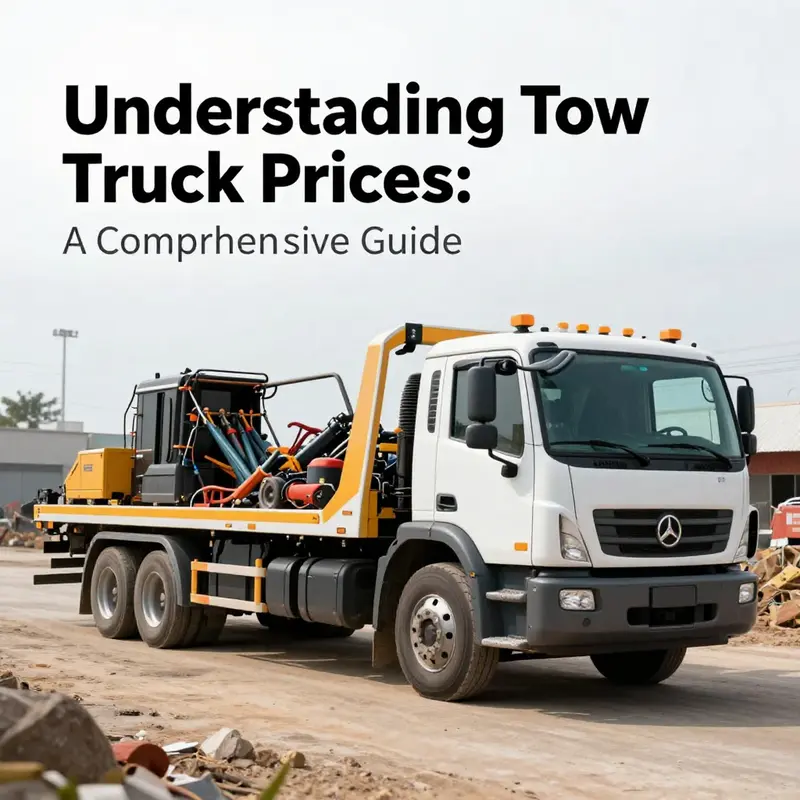
When a fleet owner or towing company considers a heavy-duty tow truck, the decision extends beyond a single price tag. It is about cost of ownership: durability, uptime, service networks, and how the vehicle will perform in demanding recoveries across terrains and weather. The purchase price is just the first line in a longer story. Buyers weigh build quality, durability, operating efficiency, and the availability of tailored recovery tools. The numbers seen on the sticker are signals guiding the choice, while long-term value comes from how the specification and after-sales ecosystem align with uptime needs and predictable maintenance costs. Durability lies at the core of the investment, with over-built frames and robust drivetrains designed for thousands of hours of operation. A heavy-duty platform emphasizes a multi-axle drive and a capable powertrain to sustain performance across recovery scenarios. Spending a bit more upfront for a stiffer frame, better cooling, and proven endurance can yield years of dependable operation and lower maintenance costs over time. Performance and specifications translate durability into real-world capability, with horsepower, torque, transmission choice, and drivetrain layout affecting traction and stability. Emissions compliance also matters for regulatory alignment. The recovery equipment itself must be reliable, with winches, booms, and integrated tools designed for efficient, one-operator control. Tires and run-flat configurations matter because punctures can cause expensive delays. In practice, the most capable machine is only as good as its field performance day after day. Prices and availability reflect these realities, with new units priced by customization, power, and recovery hardware, while the used market offers lower entry points but potentially higher maintenance. The total cost of ownership framework is essential: initial price, maintenance cadence, parts availability, and downtime risk all feed budget planning for fuel, oil changes, brake wear, hydraulics, and tires. Financing, depreciation, and financing strategies like leasing influence cash flow and risk. Regional dynamics and labor costs can shape sticker prices and service accessibility, favoring platforms with broad support networks. Finally, customization should be grounded in actual service demand to improve efficiency and safety. The right balance of capability, warranty, and service support helps preserve uptime and predictable operating costs, which are critical for fast, safe recoveries. For readers seeking deeper guidance, standardization and procurement planning play a key role in aligning equipment choices with response protocols, crew training, and safety standards.
From Rotators to Flatbeds: The Hidden Premiums and Variability in Specialty Tow Truck Pricing
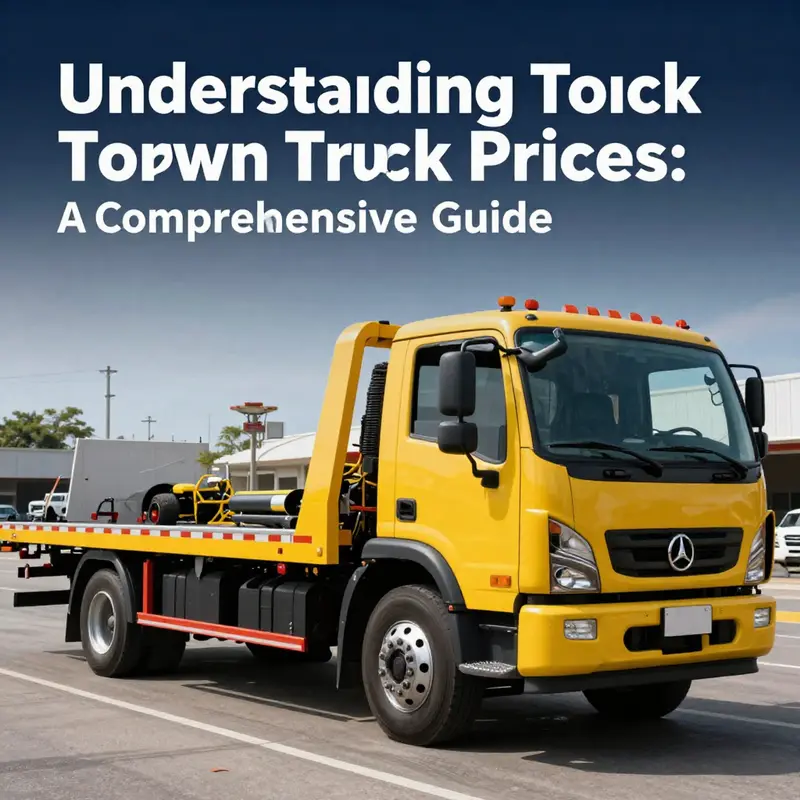
Pricing a tow truck often begins with a straightforward question: how much does it cost? But for specialty tow trucks, the answer unfolds into a layered conversation about purpose, engineering, and long-term value. These vehicles are not mass-produced for wide consumer markets; they are purpose-built tools tailored to precise tasks. Their price tags reflect not only the initial sticker but also the complexity of their hydraulics, the sophistication of their control systems, and the training required to operate them safely in demanding conditions. When fleet managers compare options, they quickly learn that the sticker price is only the beginning of the story. The trajectory from first quote to total cost of ownership can be shaped by a dozen subtle factors, each adding its own weight to the decision. To understand how much a specialty tow truck costs—and what that cost buys—you need to look beyond the number and into the mechanics of the job they are designed to perform.\n\nIntegrated tow trucks, rotator tow trucks, and new flatbed tow trucks occupy distinct lanes in the market, each with its own pricing logic. Integrated tow trucks, designed for compact yet capable recovery work, bring a compact hydraulic system and a versatile recovery toolkit into one compact footprint. Their price range, typically around seventy-five thousand to one hundred fifty thousand dollars, mirrors the emphasis on efficiency and space-saving design. In urban environments, where space is at a premium and recovery scenarios can be highly variable, the value of a compact, all-in-one system is clear. The investment pays back in the form of quick deployment, nimble maneuvering among tight streets, and the ability to perform multiple recovery options without swapping equipment on site. The justification rests on how the vehicle integrates lifting capacity with a streamlined chassis and onboard controls that allow a trained operator to execute controlled recoveries in congested spaces. The cost, while substantial, is a reflection of engineering efficiency and the specialized balance between power, reach, and maneuverability.\n\nRotator tow trucks stand in a markedly different corner of the market. They command price ranges that begin around one hundred fifty thousand dollars and can climb well beyond three hundred thousand, depending on configuration and capabilities. The core feature here is the 360-degree rotating boom, a mechanism that adds complexity at almost every level of production. Rotators are designed for highway incidents and difficult recoveries where conventional rigs struggle. The rotating boom gives responders the ability to position and balance heavy loads, lift them out of treacherous situations, and re-right vehicles in environments where space to pivot is minimal. The engineering required to provide reliable rotation under load, along with integrated safety interlocks, stabilized hydraulics, and advanced control systems, drives both the upfront price and the ongoing demands on maintenance. Operators often require additional training to handle the precision and risk management that rotators demand, and fleets must account for higher fuel consumption and more frequent servicing due to the intensity of duty cycles these rigs endure.\n\nNew flatbed tow trucks, sometimes called rollbacks, occupy a middle ground in the pricing spectrum but remain a significant investment relative to standard light-duty trucks. With price ranges from roughly eighty thousand to one hundred forty thousand dollars, these vehicles emphasize safe loading, ride stability, and the ability to tow all-wheel-drive and low-clearance vehicles without dragging undercarriages. The hydraulically tilting bed, along with a robust wheel-lift or other securing systems, provides a gentler, more controlled method of loading delicate vehicles. The advantages extend beyond the immediate towing operation; flatbeds generally reduce the risk of transfer damage and spare some wear on the vehicle being towed. The cost justification rests on the balance of enhanced vehicle protection, reduced maintenance on towed assets, and the broader versatility of being able to tow a wide range of vehicle types without modification on site.\n\nWhat makes these numbers especially consequential is how much of the price hinges on customization and intended use. A specialty tow truck is not a generic platform that simply gets a few extra bells and whistles slapped on. It is a tailored solution built to meet particular recovery scenarios, regulatory requirements, and safety standards. The engineering decisions—such as the size of the hydraulic system, the reach and capacity of the boom, the type of stabilizers, and the sophistication of the electronic control systems—are all driven by what the operator will face most often. A unit bought for urban recovery work prioritizes compactness and rapid deployment. A unit designed for highway emergencies prioritizes reach, stability, and speed, even if that means a larger footprint and higher fuel use. A flatbed emphasizes loading precision and protection for sensitive vehicles. Each path supports a distinct operational philosophy and, correspondingly, a different pricing curve.\n\nBeyond the sticker price, the variability in pricing is propelled by three intertwined threads: mechanical complexity, application-specific design, and long-term operational costs. The mechanical complexity of a rotator is orders of magnitude higher than that of a simple integrated wrecker. The rotating mechanism, the counterweights, the powertrain to support high-torque maneuvers, and the control software all add layers of cost that ripple through to service intervals and spare parts. The application-specific design means that fleets often commission features tailored to their regional needs—ranging from enhanced lighting and signaling packages to reinforced frames or specialized stabilizers. That tailoring is a source of price diversity because each customization interacts with production lines and supplier networks differently. Finally, long-term operational costs—uptime, maintenance, fuel consumption, spare parts, and operator training—often outpace the initial purchase price. A rotator, for instance, will require more robust maintenance schedules and higher air and fuel costs, but those ongoing expenses can be justified by faster, safer, and more capable responses in the field.\n\nFor fleet managers weighing these options, the conversation about cost becomes a conversation about value. The upfront investment speaks to capability, but the long-term cost of ownership speaks to reliability, availability, and the ability to meet service-level expectations in demanding conditions. A compact integrated unit might deliver lower upfront costs and easier maneuverability, but its scope of work might be narrower, making it essential to weigh the cost of potential additional equipment or third-party support when requirements expand. A rotator, with its premium price, promises unmatched versatility on the road and the ability to recover vehicles in places other trucks cannot reach. Yet that premium comes with elevated maintenance needs and higher consumption, which magnify the daily and yearly operating costs. A flatbed delivers a balance: it enhances safety and reduces the risk of damage to towed vehicles, while requiring a larger investment than the smallest integrated units. The decision, ultimately, rests on a careful assessment of mission-critical demand, typical call profiles, and the rhythms of the local region’s accident and breakdown patterns.\n\nThe pricing narrative is not merely a function of hardware. It is also a reflection of service ecosystems and support. When a fleet purchases a specialty tow truck, the supplier commonly offers customization, after-sales support, and warranties that cover a certain period. The availability of skilled technicians, the proximity of service networks, and the ease of obtaining spare parts all feed into the real-world cost of ownership. A vehicle may carry a higher initial price, but if the vendor provides rapid parts delivery, comprehensive training programs, and robust warranty terms, the long-run cost per mile can be more favorable than a cheaper, less well-supported alternative. These considerations are why some buyers lean toward supplier packages that bundle maintenance, training, and remote monitoring into a single agreement. The predictability of service costs can be a meaningful hedge against unexpected downtime, particularly for fleets that operate around the clock in high-demand markets.\n\nAs buyers navigate the line between capability and affordability, it is helpful to anchor expectations in market realities rather than isolated quotes. The specialty segment’s price ranges reveal a spectrum governed by capability and risk management. An integrated system may stay within a more accessible band, but its scope is narrower. A rotator commands a premium, justified by breadth of utility in complex scenes and the expertise needed to exploit that utility safely. A flatbed, while not as extreme as a rotator in price, still commands a premium for loading protection and vehicle compatibility. The variability in pricing underscores a broader truth: the value of a specialty tow truck is deeply tied to how often and how effectively it allows a fleet to respond to incidents, protect assets, and minimize downstream damage.\n\nFor those steeped in fleet planning, it helps to frame the discussion around total cost of ownership rather than standalone price. Initial purchase cost is just one input. Maintenance cadence, replacement part availability, and technician training—these factors together determine the annualized cost of keeping a specialty unit in service. Fuel efficiency, especially for heavy-duty and rotator configurations, matters more in regions with long response times and frequent use. Downtime can be expensive, so uptime guarantees or rapid service options may carry extra value. In practice, many buyers ask for scenarios: how does a rotator’s cost compare to a flatbed over five or seven years if you expect a given number of annual deployments? How does the urban footprint of a city influence the pricing balance between compact integrated units and larger, more capable machines? These questions illustrate why the pricing conversation is not a single number but a dynamic, context-dependent discussion that should be revisited whenever operations shift in scale or demand.\n\nThe broader market context also matters. Market data show that specialty tow trucks are often priced based on current production capacity, region-specific demand, and the degree of customization required. Some buyers pursue new configurations with bespoke safety packages, enhanced electronics, or specialized winches and stabilization systems. Others seek a balance of performance and affordability by selecting more standardized driver assist features, reduced tonnage, or pre-configured recovery kits. In all cases, buyers typically encounter a price range rather than a fixed figure, and that range expands or contracts with the depth of customization and the scope of after-sales services attached to the purchase. For those who want a snapshot of how current market data translate into practical quotes, industry references and supplier discussions provide real-time context. If you are curious about ongoing market dynamics and how they translate into price, you might explore the kinds of conversations that appear on industry blogs and vendor portals, where professionals debate tradeoffs, warranties, and service networks in the same breath as price tags.\n\nOne practical path through this complexity is to engage with trusted sources that align purchase strategy with field realities. For instance, readers of industry blogs and professional networks often benefit from conversational insights about how these machines perform under different operating conditions, how much training is typically required for safe operation, and how service and warranty terms influence the long-run cost picture. As you explore, you may find it helpful to check in with a community discussion or a fleet-focused article that synthesizes usage patterns, maintenance regimes, and financing options into a coherent framework. For context and ongoing discussion about fleet readiness and emergency response, you can turn to the Santa Maria Tow Truck Blog, a resource that frequently addresses how fleets plan for standardized emergency readiness, including the role of specialized tow assets in comprehensive response strategies. https://santamariatowtruck.com/blog/.\n\nFor readers seeking a broader, external frame of reference on market pricing and specifications, the industry resource Commercial Vehicle Guide offers current market data and model-specific insights. This external reference provides a helpful snapshot of how manufacturers price specialty configurations, what features are commonly bundled, and how service and warranty options shape the total cost of ownership. See https://www.commercialvehicleguide.com for additional context on how the market is evolving and what buyers can expect when comparing new configurations across regions.\n\nIn sum, specialty tow trucks command prices that reflect more than the mechanical heft of a crane or the reach of a boom. They reflect the seriousness of the jobs they are built to perform, the safety standards that govern high-risk recoveries, and the long runway of training and maintenance needed to keep them in service. The integrated unit, the rotator, and the flatbed each tell a different pricing story, one rooted in the demands of the field and the expectations of fleet managers who must balance immediate budgets with future reliability. When budgeting for a specialty truck, it pays to translate the sticker price into a working equation: how often will the vehicle be called into action, what risks will it mitigate, how much maintenance will be required, and what kind of training and warranty support will accompany the purchase? By anchoring decisions in these considerations, fleets can align cost with capability, ensuring that the vehicle chosen is not merely affordable but fit for purpose and capable of delivering dependable performance when it matters most.
Final thoughts
Understanding tow truck pricing is essential in making informed choices that balance cost and functionality. As you consider your needs—whether for casual use as a driver, operational demands as a business, or logistical concerns as an HOA administrator—each truck type offers varying capabilities and price points. By grasping these nuances, you can confidently select the best towing solution tailored to your circumstances. Remember, every investment in towing equipment can ultimately translate to smoother operations and peace of mind.