
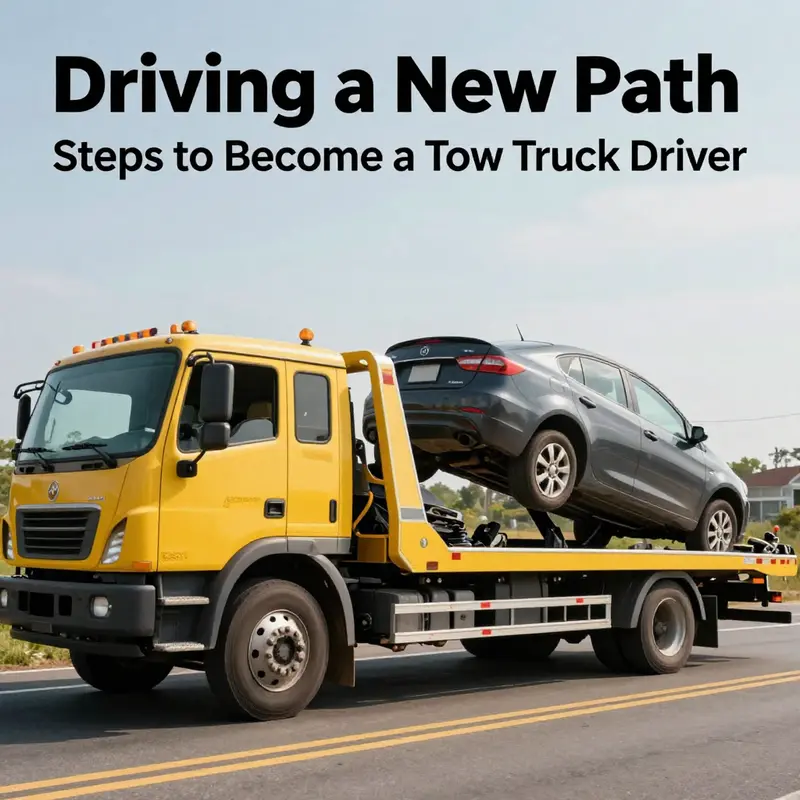
The path to becoming a tow truck driver is not just about acquiring skills; it’s about understanding critical requirements that pave the way for a successful and fulfilling career. Whether you’re a local driver needing assistance or a business seeking reliable towing services, knowing the ins and outs of the towing industry is essential. Each chapter of this guide will take you through key considerations—from understanding age and license requirements to specialized training—equipping you with the knowledge to make informed decisions. Let’s journey together through the various facets of becoming a tow truck driver and what they mean for local drivers, auto repair shops, property managers, and more.
From 18 to CDL: Navigating Age Rules and Licenses on the Tow Truck Career Path
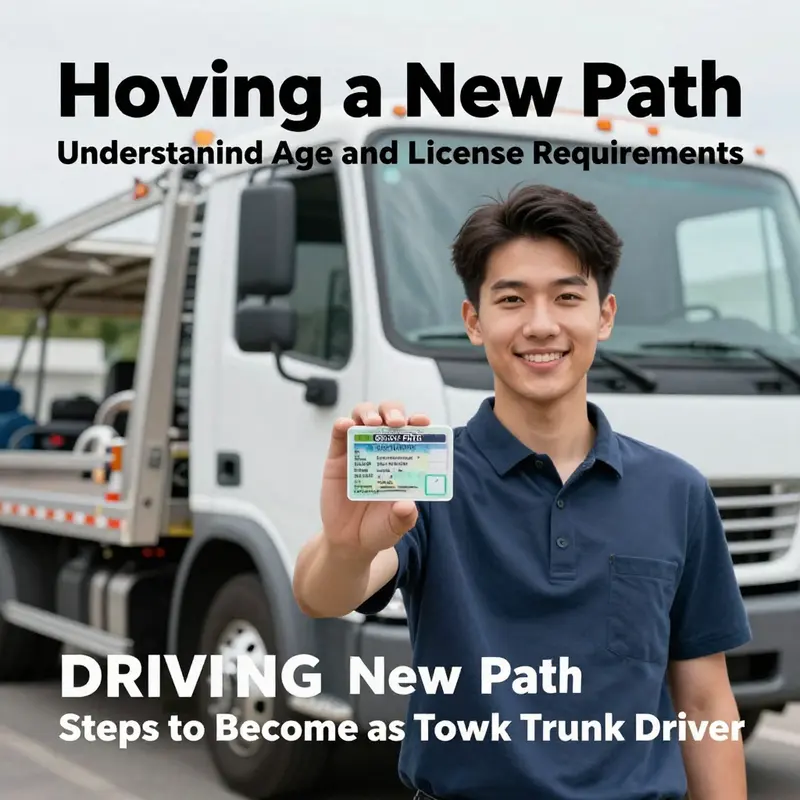
Embarking on a career as a tow truck driver begins with a gate that is both simple in its premise and exacting in its requirements. The path hinges on two clear questions: how old you must be and what license you must hold to operate a tow truck legally and safely. In most places, the entry point is 18 years old, a threshold aligned with many jurisdictions’ rules for commercial driving entry. Yet the line is not uniform. Some states or regions place higher age limits, especially for independent or interstate towing work that involves heavier, more complex equipment. This variability means prospective drivers should check the local regulations early, before investing in training or equipment. The practical consequence is straightforward: ignorance can stall a career before it truly begins. By starting with the age question, you set the tempo for everything that follows, from training options to the type of vehicle you will ultimately drive and the scope of work you will pursue. The right first step is to consult the regulatory authority that governs commercial vehicle operation in your area. A little due diligence now prevents a lot of frustration later and keeps your momentum intact as you move from interest to qualification.
Before you even think about the big CDL question, you must be operating under a valid non-commercial driver’s license. This foundational credential demonstrates that you can function safely on regular roads and share space with other motorists. It is also the prerequisite that ensures you are prepared to handle the more demanding responsibilities that come with towing. Once you hold this baseline license, the next major milestone is the Commercial Driver’s License, or CDL, tailored with endorsements for the towing configuration you intend to operate. For most tow trucks, the Class B CDL is the standard, as it covers large vehicles capable of towing trailers and performing specialized operations associated with wreckers and recovery equipment. The specifics of endorsements matter profoundly here. The S endorsement, associated with straight trucks, and the T endorsement, connected to double or triple trailers, are common enhancements. The precise endorsements you need depend on the vehicle’s weight, setup, and whether your operations will be intrastate or interstate. In some cases, drivers who already hold a CDL can pursue a straightforward upgrade to a B2 or A2 license, which covers heavier, more specialized towing capabilities. This upgrade path can streamline your progression, letting you scale up your duties without discarding your hard-won experience.
The process of earning the CDL itself is a two-tier endeavor: you must pass a written knowledge test and a separate skills-based road test. The knowledge test covers a broad range of topics—from traffic laws and safety regulations to load securement procedures and the safe operation of towing equipment. It is not enough to memorize: you must internalize how these rules translate into on-the-ground decisions during critical moments. The road test, meanwhile, is designed to simulate real-world conditions. You will demonstrate mastery of vehicle control, the correct use of winches and hydraulic lifts, and your ability to perform towing tasks under varied conditions. A strong performance on both tests is essential not only for obtaining the license itself but also for meeting the expectations of prospective employers who value reliability and safety above all. Training programs, whether formal courses or accredited schools, can provide structured practice, helping you learn the exact maneuvers you will be asked to perform during examinations.
Beyond the formal tests, the road to becoming a tow truck driver often includes specialized training that may be preferred or required by employers. While not universally mandatory, hands-on instruction—often delivered through on-the-job training under an experienced mentor—yields practical competence that classroom study cannot fully capture. Training typically focuses on the mechanics of towing equipment, including winches, wheel-lift systems, and other specialized devices. It also concentrates on safety culture: how to secure a vehicle properly so it cannot shift or detach during transport, how to manage hazardous loads, and how to respond to emergencies on the scene. The emphasis is not merely on moving a car from A to B; it is about doing so in a way that minimizes risk to yourself, the vehicle, bystanders, and the surrounding traffic. This practical dimension is what often separates capable operators from burgeoning professionals who may have the book knowledge but lack the confidence to act decisively under pressure.
Equally important are the checks that govern a driver’s fitness for duty. Most towing employers, and the licensing framework itself, require some form of background assessment and a medical evaluation. A background check is common because tow operators frequently work in sensitive environments and handle vehicles that are critical to customers’ mobility and safety. A clean driving record is highly valued, as it signals responsibility and consistent safety on the road. The medical exam, typically a Department of Transportation (DOT) assessment, ensures you meet health standards necessary to perform the work safely. The DOT exam scrutinizes vision and hearing, cardiovascular health, and overall physical endurance. If you have a medical condition that requires ongoing management, you’ll need to clarify with both your medical professional and potential employers whether accommodations are appropriate and permissible under regulations. These health and history checks are not punitive; they are essential guardrails designed to protect you, your colleagues, and the people you will assist on the road.
Once you’ve crossed the licensing threshold, the practical steps toward a solid career begin to unfold. Certification and licensing open doors, but experience is the currency that earns ongoing opportunities. Many new drivers start with a towing company as an apprentice or junior crew member. This phase is where theory meets practice: you learn how to respond to roadside incidents, manage dispatch communications, and coordinate with shop personnel, police, insurers, and vehicle owners. It’s a period defined by steady, deliberate practice—learning how to select the right recovery technique for a given situation, how to stage equipment to protect bystanders and other motorists, and how to document every aspect of a tow for accountability and traceability. Reliability and a proven safety record become your strongest endorsements for advancement. Over time, dependable performance can lead to more responsibility: independent towing or even owning a fleet. The growth path often depends as much on your ability to build professional relationships with repair shops, insurance adjusters, and law enforcement responders as it does on your hands-on skills with winches and lifts.
Practical tips can sharpen your trajectory. Proficiency in English—reading road signs, understanding instructions, and communicating clearly with dispatchers and customers—will smooth nearly every step of your journey. Beyond language, consider adding certifications that broaden your appeal: first aid, accident reconstruction basics, or hazardous materials handling can differentiate you in a crowded market and equip you to handle more complex calls. The nature of tow work means irregular hours, so preparing for nights, weekends, and holiday shifts is part of the job you must embrace, not endure. Weather can amplify risk, demand rapid decision-making, and influence which equipment you use. For guidance on how weather and seasonal conditions influence procedures, refer to resources such as the Winter-storm regulations for tow operators. This internal link provides actionable context for weather-specific protocols and equipment considerations that can keep you safe and effective in challenging conditions. For readers seeking a broader sense of industry readiness, there is value in exploring related posts about emergency preparedness and standardization in heavy-duty operations within the same site.
To stay current with licensing and safety standards, consult official sources that continually redefine requirements as rules evolve. A trusted external resource is the federal framework that governs commercial driving and safety regulations for heavy-duty operations. Keeping this reference at hand ensures you remain aligned with nationwide standards while you navigate your state or locality’s specific processes. External resource: https://www.fmcsa.dot.gov/
In sum, becoming a tow truck driver who is capable, responsible, and resilient begins with understanding age and licensing boundaries, then methodically building the qualifications that open doors to the job you want. The arc—from 18, to a valid non-commercial license, to a CDL with the right endorsements, through training, testing, and a growing record of responsible performance—maps a clear path toward a durable career in towing. The process rewards patience and precision, rewarded by steady work, diverse calls, and the opportunity to renew safety commitments every day on the job.
Internal link: Winter-storm regulations for tow operators
A Clean Record, Clear Roads: Building a Tow Truck Career on Safety and Reliability
A clean driving record is more than a personal badge of responsibility; it is the quiet backbone of a tow truck career. When a driver rolls onto the scene of a roadside emergency, onlookers, motorists, and the people who run the shop are assessing not just skill, but trust. A record free of major violations signals to employers that you approach high-stakes situations with caution, discipline, and a steady respect for safety. It also translates into lower insurance costs for your employer, smoother access to required endorsements, and fewer hurdles during the hiring process. In a field defined by unpredictable conditions—busy highways, inclement weather, and the delicate handling of damaged vehicles—a clean record reduces risk for everyone involved and keeps the work flowing, even when demand spikes.
To understand why a clean driving record matters, you first need to know what it encompasses. It is not merely the absence of dramatic incidents like serious crashes; it is a consistent pattern of safe decisions and compliance with the rules of the road. Small violations can accumulate, and many employers treat accumulated points or frequent offenses as a warning sign. A single DUI, for example, may not only disqualify a candidate from certain CDL endorsements but also raise red flags for liability and corporate reputation. Even less dramatic infractions—unpaid tickets, speeding on a tender edge, or failure to yield—can influence insurance premiums and eligibility for work that places you in close proximity to other vehicles and pedestrians. In tow operations, where a driver might be working at night, near traffic, or in crowded lots, the margin for error is slim. A clean record becomes a tangible measure of reliability in a role that demands both technical prowess and sound judgment.
This is why many programs and employers place a premium on deliberate, proactive habits well before a CDL is ever in hand. You might start with the basics: stay current on your license, keep your driving history clear of avoidable issues, and cultivate a consistent safety mindset. It helps to adopt daily routines that reinforce safe driving. For instance, always conduct a pre-drive check, comply with seat belt laws, and practice patient driving even when time pressures tempt faster shortcuts. When you operate a tow vehicle—especially one that may be handling heavy loads or loaded onto a flatbed—routine inspections, proper securement, and careful maneuvering are nonnegotiable. These practices don’t just prevent incidents; they demonstrate to future employers a mindset that prioritizes people’s safety and the integrity of the vehicle fleet.
Beyond personal habits, there is a structural framework that supports a clean record. Employers value candidates who understand regulations, who recognize the chain of responsibility that begins long before a roadside call and ends only after the vehicle is delivered and secured. This involves a clear grasp of what endorsements your CDL requires. In many cases, a Class B CDL suffices for most tow trucks, but the configuration of the truck—straight, heavy-duty, or with specialized equipment—can necessitate additional endorsements. The knowledge tests and skills evaluations you undergo do more than check a box; they reflect your capacity to operate with precision in situations that can, in an instant, escalate from routine to hazardous. Keeping your record clean while pursuing these endorsements is a matter of aligning your learning with safe practice, so that every milestone you achieve in training translates into safer roads and fewer complications for the employer.
Preparation for the CDL and the endorsements also ties back to the larger narrative of career readiness. For many aspiring tow operators, the path begins with a valid, non-commercial license and a clean driving history. This foundation makes it easier to progress to the CDL, whether you are upgrading from a lower class or adding the appropriate tier for heavier equipment. You may encounter states that demand different age thresholds or interstate limitations, but the throughline remains the same: the process rewards consistency, reliability, and a demonstrated commitment to safety. The journey from learner to licensed professional is not a sprint; it is a gradual, accountable ascent in which each milestone reinforces your capability to operate complex machinery in dynamic, often stressful environments.
A clean record also interacts with the practical realities of employment in this field. Towing and recovery often require working outside regular business hours, in less-than-ideal weather, and in scenarios that demand quick, correct decisions. In those moments, a driver who has shown restraint and adherence to safety standards under any circumstance will be viewed as more dependable and trainable than a candidate with a tarnished record. Employers know that a clean history correlates with lower risk of liability and higher consistency in performance, which in turn helps teams function more cohesively during emergencies. This is not merely about avoiding trouble; it is about contributing to a culture of safety that protects the public, the vehicle, and the crew. A driver who walks into a shop with a pristine record brings with them a built-in credibility that can smooth the onboarding process, enable faster endorsements, and accelerate opportunities for progression within the company or in the broader field of private towing.
Yet a clean record is not magic; it requires ongoing attention. It means choosing sober, distraction-free driving; maintaining a disciplined approach to speed and following distance; and staying mindful of the rules that regulate commercial operations. It means avoiding unnecessary risk, even when the clock is ticking and the job looks urgent. It also means taking advantage of resources that help you stay sharp, such as safety training, emergency response drills, and professional certifications in areas like first aid and accident scene management. These certifications expand your toolbox and verify to potential employers that you possess not only the mechanical skill to operate a tow truck, but also the judgment and competence to manage the scene safely and efficiently. In practice, this combination of clean behavior and targeted training translates into tangible advantages: easier access to CDL upgrades, better insurance terms, and a stronger reputation that can lead to more consistent work opportunities.
To connect this broader philosophy to concrete steps, consider how you approach your early career. If you are just starting, prioritize maintaining a spotless driving record while you gather experience through entry-level roles that offer mentorship and hands-on learning. When evaluating training programs, look for curricula that emphasize load securement, safety protocols, and communication with dispatch and on-site teams. The best programs blend classroom instruction with field practice, ensuring you can translate theory into safe, repeatable actions in the real world. And as you progress, keep your record clean by building a routine of pre- and post-shift checks, documenting any issues, and addressing them quickly with the appropriate authorities or your employer. A clean record is not merely a credential; it is a continuous commitment to the standards that make tow operations safer for everyone involved.
In the spirit of safety and preparedness, a tow operator also benefits from viewing safety as a holistic practice that extends beyond the cab. A clean driving record fits within a broader framework of fleet safety and emergency readiness that guides how teams operate under pressure. For organizations, maintaining such standards helps ensure that each driver contributes to a collective capability, rather than a risky single performance. If you are mapping your path into this field, internal references to fleet-wide procedures—such as the emphasis on standardization and emergency readiness—can serve as a reminder that your personal record is inseparable from the performance of the team. For those curious to explore how fleets align individual accountability with systemic safety, you can learn more about these practices at fleet standardization and emergency readiness.
As you plan your next steps, treat the pursuit of a clean driving record as your throughline. It anchors your credibility, lowers barriers to entry for coveted endorsements, and shapes the way you are perceived by employers and insurers alike. Build your career on a reputation for safety, reliability, and responsible judgment, and you will find that the road to becoming a tow truck driver is not only navigable but distinctly rewarding. Remember that this is a long-term investment in yourself: your future earnings, your job stability, and your ability to serve the public effectively depend on the daily choices you make behind the wheel.
External resource for broader context on qualifications and career pathways can be found here: External resource.
Steering Toward a Career: Mastering the CDL Path to Become a Tow Truck Driver
The road to a career behind the wheel of a tow truck begins with a clear sense of purpose and a plan that balances practical skill with strict safety standards. Tow operators are more than roadside helpers; they are trained professionals who combine mechanical know-how, situational judgment, and the patience to work in disruptive, high-pressure environments. The journey from a first learner’s drive to a dependable professional follows a recognizable arc: meet basic eligibility, secure the license, gain targeted training, and prove reliability through rigorous testing and continuous learning. In the United States, this path is framed by state rules and federal guidelines that shape every phase, from age requirements to the endorsements that unlock the heaviest, most capable vehicles. Understanding this framework is not a formality but a practical map that helps you anticipate the steps, the investments, and the ongoing discipline needed to thrive in this field.
At the outset, eligibility hinges on two straightforward milestones: age and a valid driver’s license. For intrastate towing, you’ll typically need to be at least 18, but if your work crosses state lines, the rule often shifts to 21. A non-commercial driver’s license is the starting credential, a prerequisite that demonstrates you can handle basic vehicle operation and traffic rules before you ever handle a heavy tow truck. The next gate is a clean driving record. Tow operators move in a world where risk management matters as much as mechanical skill, and insurers—along with potential employers—keep a close watch on violations, DUIs, or accidents with serious outcomes. A solid record isn’t a guarantee of a job, but it strongly informs your chances of access to training programs and subsequent employment.
With the groundwork in place, the door to the Commercial Driver’s License opens. A CDL is not a single badge but a set of qualifications tailored to the weight, configuration, and purpose of the vehicle you will drive. For most tow trucks, a Class B CDL is the standard. Higher-end or specialized configurations may require additional endorsements, and the exact mix can vary by state. The “S” endorsement for straight trucks and the “T” endorsement for certain trailer arrangements are examples of how endorsements customize your license to reflect the equipment you’ll operate. In some states, you may have the option to upgrade your existing license to cover heavier towing vehicles, an upgrade that expands your career prospects and the types of jobs you can pursue.
Preparing for the CDL is a practical, hands-on project rather than a formality. Many aspiring tow operators enroll in a trucking school that focuses on commercial vehicle operation and state-specific regulations. A good program does more than tick boxes; it demystifies the test process and provides structured practice that mirrors the real-world demands you’ll face on the road and at the depot. The CDL journey is built on two pillars: the written exam and the skills test. The written exam tests your knowledge of laws, safety procedures, and vehicle operation. It rewards disciplined study, and reputable schools often provide practice tests and review sessions that align with your state’s handbook. The skills test is the concrete demonstration: a pre-trip inspection to verify safety and readiness, basic control maneuvers that prove you can handle the vehicle in typical traffic situations, and an on-road drive that tests your ability to respond to real-world conditions with composure and control.
Tow trucks introduce unique challenges and responsibilities beyond standard commercial driving. Because of their recovery capabilities, winching operations, and the need to secure disabled vehicles securely, many employers expect specialized training as part of the onboarding process. Some states require specific endorsements or additional training tied to towing configurations, and even when not mandated, formal instruction in load securement, stabilization techniques, and safety protocols greatly improves job performance and safety outcomes. It’s worth noting that this is an area where on-the-job mentoring can be invaluable. Many drivers learn the rhythm of the road, the dance of traffic around an active incident scene, and the precise timing of securing a vehicle from a seasoned mentor. The training you pursue should address both the mechanical and the operational sides of the job, from how to operate a hydraulic lift to how to approach a stalled vehicle safely in night conditions, with the radar of a driver who plans for every possible contingency.
Alongside the technical competencies, the application process often includes background checks and medical screening. A Department of Transportation (DOT) physical exam assesses your overall health—vision, hearing, cardiovascular health, and general fitness—to ensure you can perform demanding tasks without compromising safety. The background check aligns with the sensitive nature of towing work, where you may operate in areas involving private property or fragile scenes. A clean, proactive approach to these checks can set you apart and speed your entry into training programs and employment.
Once you secure the license and the endorsement mix that matches your intended work, the next phase centers on building practical experience. Starting with a towing company—whether as an apprentice, a driver-in-training, or a full-fledged operator—allows you to apply classroom knowledge under real-world pressures. The apprenticeship approach helps you internalize the sequence of steps that begin with dispatch and arrival at a scene, then progress to scene safety, vehicle assessment, securing loads, and safely delivering tow or roadside recovery. The pathway from apprentice to independent operator can unfold over a few years, but the best navigators advance by treating every call as a learning opportunity and by absorbing the company’s safety culture as a core professional norm.
The career arc is not merely about passing tests; it is about building a durable skill set and a reputation for reliability. Beyond the license, there are practical pursuits that raise your profile in a competitive market. English proficiency matters, not only for reading road signs but for clear, concise communication with teammates, dispatchers, and customers during stressful moments. Additional certifications—such as first aid, accident scene safety, and even hazmat awareness—can broaden your job prospects and keep you in the loop for more complex recovery jobs. A driver who combines strong driving skills with recovery know-how and a calm, customer-friendly demeanor becomes a trusted resource at the company and community level. Hours can be irregular, including nights, weekends, and holidays, so stamina and a well-thought-out work-life balance become part of career planning rather than afterthoughts.
As you move through the process, it helps to stay connected with the broader professional community and the evolving standards of the field. Reading about best practices in safety, becoming proficient in incident response, and staying current with regulatory changes are ongoing commitments. A steady cadence of learning—whether through formal courses, refresher training, or peer mentorship—ensures your skills stay sharp. For those who want a broader sense of industry perspectives and ongoing updates, our blog offers practical guidance and community insights drawn from the everyday realities of tow operation. Visit our blog for more narratives and tips that complement formal training. santamariatowtruck.com/blog/
The final part of the journey is a forward-looking mindset. With a CDL and the appropriate endorsements in hand, you can pursue a range of pathways: joining a towing company as a core team member, transitioning to specialized recoveries, or eventually launching an independent operation if you gain enough experience and capital. Each step comes with its own risks and rewards, but the throughline remains consistent: safety, reliability, and continuous learning. The CDL is not just a credential; it’s a guarantee that you can meet the responsibilities of your role under pressure, protect the safety of others on the road, and contribute to the dependable, essential service that tow operators provide every day.
For those seeking official guidance beyond the classroom and the company floor, the Federal Motor Carrier Safety Administration (FMCSA) remains the authoritative resource on CDL requirements, endorsements, and the testing framework. The agency’s guidelines help align training and testing with nationwide expectations, making the path clearer for aspiring drivers who want to move from learner to operator with confidence. As you map out your steps, keep this external resource in view to verify any state-specific nuances and to stay aligned with the latest regulatory updates. For official CDL requirements and testing details, consult the FMCSA’s site: https://www.fmcsa.dot.gov. This reference point ensures you’re building skills that are recognized and portable across the country, a practical assurance as you pursue a stable, long-term vocation in towing.
The road ahead is as challenging as it is rewarding. A career as a tow truck driver blends the precision of a skilled operator with the service-mindedness of a professional ready to assist in moments of need. It’s a path that rewards preparation with opportunity: a reliable license, targeted training, a commitment to safety, and a willingness to learn from every call. If you approach each step with diligence, you’ll find yourself steering toward a career that not only pays the bills but also anchors you in a workforce that keeps communities moving, even when the road gets rough.
From License to Lifesaver: Mastering the Path to Becoming a Pro Tow Truck Driver
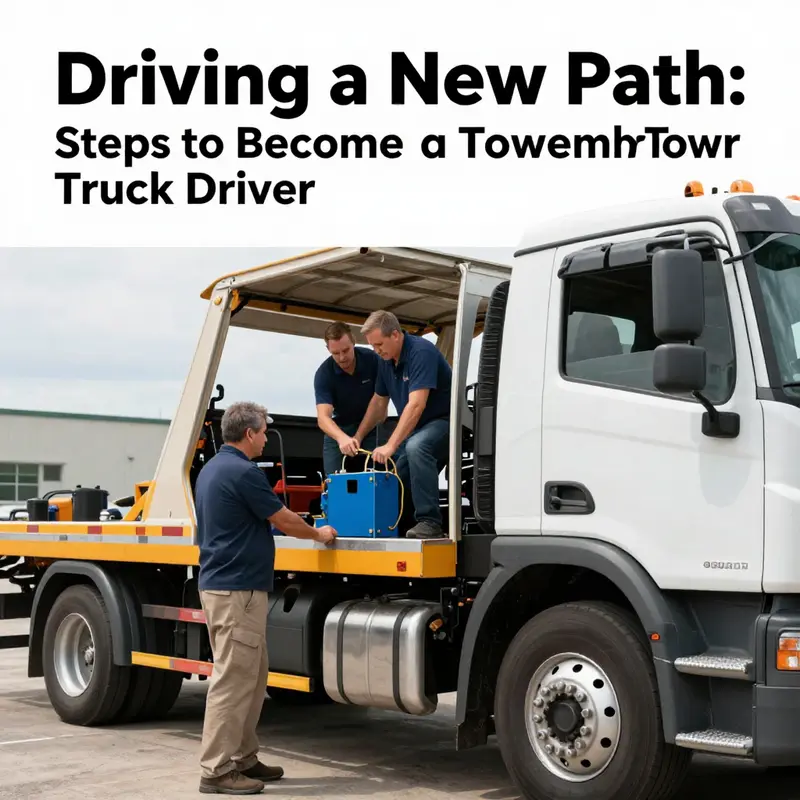
The road to becoming a tow truck driver is less a single leap than a carefully paced climb. It is a career that blends hands-on mechanical skill with people-centered service, a steady respect for safety, and an openness to the unpredictability of the road. It begins with a realistic map of eligibility and licensing, then moves through training, regulatory compliance, and the slower, practical work of gaining experience. The chapters of this journey are not merely about passing tests; they are about building a set of capabilities that let you respond efficiently at moments of crisis, while also carrying the confidence to navigate busy highways, crowded interchanges, and roadside scenes that demand calm communication and precise technique.
First comes the gatekeeping of eligibility. In most places, you must be legally old enough to handle a commercial vehicle, typically 18 or 21 depending on the jurisdiction and the type of towing you intend to do. You also need a valid driver’s license—the foundation upon which any commercial credential is built. Beyond age and license, a clean driving record is a practical necessity. Tow truck companies rely on drivers who can avoid serious violations, accidents, or incidents that could endanger others or compromise the vehicle they are moving. The bar here is not merely bureaucratic; it reflects the responsibilities you will shoulder when you arrive at the scene of a breakdown, an accident, or a stalled vehicle.
If you intend to operate tow trucks that exceed certain weights or require specialized handling, you will pursue a Commercial Driver’s License (CDL). The common pathway is Class B, though some situations may involve Class C and certain endorsements. The licensing process typically requires passing both a written knowledge test and a skills (road) test. Endorsements are the line between everyday towing and more specialized operations. The “S” endorsement covers straight trucks, while the “T” endorsement is associated with double or triple trailers, depending on the vehicle configuration you plan to encounter. If you already hold a standard license, there may be a straightforward upgrade path to add A2 or B2 classifications that cover heavier towing equipment. This is where the practical planning you did in the first stage makes a real difference—understanding what kind of towing you want to do shapes which tests and endorsements you pursue.
Yet licenses alone do not make you ready for the road. Most employers expect or strongly encourage some form of specialized training. Training bridges the gap between theory and action. You’ll learn to operate winches, hydraulic lifts, and other towing equipment with precision and safety. You’ll study load securement so a vehicle stays intact during transport, and you’ll become familiar with the safety procedures that protect you, your cargo, and the public. Training also often includes emergency response protocols, because a tow operator may be called to accident scenes, stranded motorists, or hazardous roadside conditions. Some of this training can be earned on the job under a mentor, but many employers prefer candidates who have completed formal programs or at least comprehensive hands-on courses.
Alongside technical instruction comes regulatory literacy. Tow operators are frequently subject to background checks because the work involves accessing vehicles and properties that require discretion and trust. A DOT physical exam is a standard gatekeeper of health, ensuring you meet the physical and medical standards needed to operate a heavy vehicle safely. Vision, hearing, cardiovascular health, and overall stamina are evaluated because the job often requires lifting, long periods of standing or walking, and the mental bandwidth to manage stressful scenes without compromising safety. These checks are not punitive; they are a practical safeguard that helps you perform at your best when every second counts.
Once you have the license and the training, the next phase is to gain experience. Many drivers begin by joining a towing company as an apprentice or assistant. This on-the-ground exposure teaches you how to size up scenes quickly, select the right equipment, and negotiate with stakeholders ranging from distressed drivers to law enforcement. You learn to think several steps ahead: which vehicle needs to be secured first, how to position a tow safely at an roadside angle, and what signals to give other drivers to maintain a safe work zone. The apprenticeship period also builds professional judgment—when to call for additional help, how to coordinate a multi-vehicle recovery, and how to document the job for insurance or company records.
Beyond the mechanics of the job, a tow driver must cultivate a suite of essential soft skills. Problem-solving is central. Each roadside scenario is unique: a flat tire on a rain-soaked highway, a vehicle with a damaged frame that must be loaded carefully, or a commercial truck that blocks multiple lanes. You must assess priorities quickly, choose the safest loading method, and adapt if weather or traffic conditions change. Physical stamina is another cornerstone. Tow work can be demanding, requiring you to lift, hook, strap, and maneuver heavy equipment for hours on end. You’ll also need strong communication skills. Explaining steps to a nervous driver, directing traffic at a hazardous site, and coordinating with police, dispatch, or a garage demands clarity, empathy, and calm under pressure. First aid or defensive driving certifications can broaden your readiness, increasing your value and your safety margin on the road.
The sector’s longer-term prospects reinforce why this path can be both stable and rewarding. The Bureau of Labor Statistics and related agencies describe steady demand for heavy- and tractor-trailer-driving capabilities, with tow operators playing a critical role in keeping the transportation network functioning. The perils of the road, the frequency of breakdowns, and the necessity of rapid, careful vehicle recovery create a persistent need for skilled professionals who can balance speed with safety. This need translates into a career that can evolve—from working for a service or a local shop to running an independent operation, or joining a fleet that centers on emergency response and roadside assistance. The trajectory is shaped by the same traits that define good drivers: reliability, technical competence, and the judgment to handle the unpredictable.
In practice, you will encounter a spectrum of opportunities and constraints. Some states require extra compliance steps for certain types of tows, and you will often find different job cultures among companies. The most successful operators systematically develop a foundation of knowledge that spans not just the vehicle and its equipment, but also the rules of the road, the expectations of safety agencies, and the realities of customer service. This means continually refining how you secure loads, how you plan a safe lift, and how you communicate with customers who may be stressed or unfamiliar with the process. It also means investing in ongoing education—whether that takes the form of short courses in accident reconstruction, first aid, or hazardous materials handling, or simply staying current with state and federal guidelines that govern cargo securement and vehicle transport.
Along the way, you will hear about the importance of standardization in heavy-duty operations. The industry increasingly relies on a framework of consistent practices that help ensure safety and efficiency across diverse crews and terrains. For a deeper look at how standardized procedures shape real-world outcomes, consider exploring resources on standardization in heavy-duty rescue operations. This isn’t about rigid conformity; it’s about having a dependable playbook that empowers you to react quickly and correctly when every second matters. It also supports teamwork, clarifies roles at the scene, and reduces the risk of miscommunication when multiple responders are present.
Ultimately, the journey to becoming a tow truck driver is a blend of credentialing, hands-on skill-building, and adaptive experience. It requires a commitment to safety, a readiness to work irregular hours, and a willingness to continually expand your toolset and knowledge. The core steps—meet eligibility, obtain the CDL with the appropriate endorsements, complete targeted training, pass the medical and background checks, and then gain real-world experience—form a reliable ladder into the career. If you stay curious, keep your skills current, and approach each roadside call with a calm, methodical approach, you will find that this work not only keeps people moving but also keeps communities safer by removing hazards and restoring normalcy after disruption. For those who want to confirm official licensing guidance and training resources, consult the Federal Motor Carrier Safety Administration’s training materials and guidelines.
External resource: FMCSA Training Resources: https://www.fmcsa.dot.gov/education-and-training/training-resources
Vet Checks and Vital Signs: Navigating Background Screens and DOT Medicals on the Tow Truck Road
The path to becoming a tow truck driver begins long before the first ride-along in a late-night lot. It starts with a set of gatekeepers that protect the public and shape your own safety on the road: background checks and medical examinations. In the United States, the process threads together state requirements, federal standards, and the practical realities of handling dangerous machinery, heavy vehicles, and people in distress. A solid understanding of what these checks entail helps you plan your training, adjust your lifestyle, and align your expectations with the demands of the job. The journey from applicant to driver is not simply about owning a tow truck; it is about proving reliability, responsibility, and readiness to perform under pressure. You will discover that the steps are not merely bureaucratic hurdles but foundations that enable you to respond calmly when a vehicle breaks down, a collision occurs, or a family depends on a fast, safe tow.
First, you must meet the basic entry points that open the door to the field. Most states require applicants to be at least eighteen to apply for the commercial license, with some jurisdictions placing higher age thresholds for interstate work. Before you even think about shifting a lever or steering through a tight tow, you should hold a valid non-commercial driver’s license. This typically means you have a clean driving record and a baseline ability to follow traffic laws under normal conditions. The standard path then moves toward earning a commercial driver’s license, and the details matter. A Class B CDL is typically the workhorse for towing vehicles, and the road tests—both written and skills-based—are designed to ensure you can maneuver a larger, heavier vehicle with competence. Endorsements may be required depending on your truck’s configuration, including straight trucks or specialized setups. The upgrade path, such as pursuing A2 or B2 classifications for heavier duties, is common for those who see a longer horizon in the towing world.
Yet even with a license in hand, the job you’re aiming for rests on the other gatekeepers: the background screen and the medical exam. The background check is more than a formality; it’s a lens into how you handle risk and responsibility when you are at the scene of a breakdown, in a parking lot at midnight, or alongside a busy highway. Insurers and prospective employers want to know that you bring sound judgment, a consistent record, and a capacity to avoid repeat mistakes under pressure. A history of serious traffic violations, recent DUIs, or accidents with fatalities can influence whether you’re hired or how you’re supervised. The result is not always a strict disqualification, but it is a factor that shapes the opportunities you’ll receive and how you will be trained. The emphasis is on ongoing reliability as you gain experience.
Alongside the background screen, the medical examination is the other non-negotiable gate. The Federal Motor Carrier Safety Administration mandates that interstate tow truck drivers undergo a physical examination by a FMCSA-certified medical examiner. This exam is designed to verify that you meet health standards necessary to operate a large vehicle safely. While intrastate work may be governed by state rules, many states still require medical certification to confirm you can perform the demanding duties of a tow driver on a daily basis. A valid medical certificate is crucial also because it signals to a company that you won’t be sidelined by health issues that could compromise safety on the road. The medical process is not merely about passing a single test; it is an ongoing commitment to maintaining health that supports long hours, physically demanding tasks, and the potential exposure to stressful scenarios.
The exam itself centers on several core areas. Vision is essential, since you must read signs, gauges, and instructions from a safe distance while maneuvering a heavy vehicle. Hearing must be sufficient to catch warnings and communications in noisy environments. Cardiovascular health is critical given the physical strain of towing, stopping, and stabilizing vehicles in challenging situations. The exam also reviews your medical history, medications you take, and any conditions that could affect safe operation. Depending on your age and any health concerns, the examiner may impose limitations or request additional evaluations. If problems arise, you may be offered a plan for treatment, a period of monitoring, or a postponement of certification. In all cases, the aim is to ensure you can perform all required tasks without compromising safety for yourself or others on the road.
Preparing for these checks is as much about organization as it is about health. Start by scheduling a comprehensive medical review before you begin the formal applications. If you already have a health condition, you should work with your primary care provider to determine how it could affect your eligibility and what steps you can take to mitigate risk. Managing chronic conditions, maintaining a healthy weight, and staying current with medications are practical ways to present yourself as a reliable candidate. Bring a list of medications, a clear history of any surgeries, and documentation of prior medical clearances when you visit the examiner. You should also consider how sleep quality affects your performance. Sleep apnea, for example, is a concern for heavy-duty drivers, so addressing it with treatment can be a decisive factor in obtaining and renewing a medical certificate.
On the background side, gather evidence of a clean record and stability. If you’ve had past incidents, prepare to discuss them honestly, focusing on the steps you’ve taken to learn from them and prevent recurrence. Some employers will want to see a period of demonstrated safe driving or completion of safety or defensive driving courses. It is worth noting that many companies use third-party screening vendors who can review driving history, criminal records, and other data sources beyond what the DMV provides. Being proactive—documenting travel, a steady work history, and a clean record where possible—can smooth the way. Language skills are another practical factor. A basic level of English proficiency helps you read road signs, understand instructions, and communicate clearly with dispatch and customers.
The journey from candidate to driver also intersects with the practical realities of the job. Even after you clear background checks and receive a medical card, you will still be learning the hands-on skills that define professional tow operators. Most employers provide on-the-job training, often under the supervision of an experienced mentor. You’ll learn how to operate winches, hydraulic lifts, strap and secure loads, and manage the hazards that come with roadside work. You’ll also absorb safety protocols for traffic control, scene safety, and incident response. This practical training isn’t a mere extension of classroom learning; it is how you translate certification into dependable, safe performance in the field.
As you advance, you may seek additional certifications that broaden your career options. Certifications in accident reconstruction, first aid, or hazardous materials handling can enhance your prospects and reflect a commitment to safety. The path toward independence—whether renting a space in a yard, joining a fleet, or eventually starting your own service—depends on the combination of credentials, experience, and a proven safety record. The chapter that follows will explore how to build on these foundations by connecting technical know-how with business acumen, fleet standards, and emergency-readiness protocols. In the meantime, keep in mind that the gatekeepers you meet—background screeners and medical examiners—are not adversaries but enablers. They ensure that the work you will do, night after night, on busy streets and quiet backroads, maintains high standards of safety and professionalism.
For a broader sense of field-wide standards and how safety culture is cultivated in heavy-duty rescue contexts, you can read about standardization in heavy-duty rescue operations. This resource helps illustrate how consistent practices across teams and incidents contribute to safer outcomes on the road and at the scene.
With the medical certificate in hand and your background clear, you’ll be positioned to pursue the in-depth training that makes you a capable tow operator. The combination of a solid driving record, a valid CDL with the appropriate endorsements, and a current medical card forms the foundation for the next steps: hands-on training, earning practical experience, and eventually carving out a path that suits your skills and ambitions in the towing industry. The road ahead is as much about reliability and safety as it is about speed and efficiency. And while the checks can seem daunting, they are the quiet guardians of a career built on trust and service to people in moments of need.
External resource: https://www.fmcsa.dot.gov/medical
Final thoughts
Embarking on the journey to become a tow truck driver involves navigating various requirements and acquiring essential skills. Each step, from understanding your age and licensing necessities to mastering the craft through specialized training, plays a critical role in your professional development. Not only does this knowledge empower you as a driver, but it also builds trust with local drivers, auto repair shops, and property managers who rely on effective towing services. Your pathway to this rewarding career starts now—embrace each requirement and training opportunity as steps towards success.