
The role of a tow truck driver is pivotal in ensuring the safety and functionality of our roads. This profession is not just about hauling broken vehicles; it’s about providing essential services that help drivers in distress. Whether you’re a car owner in need of assistance or a local business looking to expand your services, understanding the journey to becoming a tow truck driver is crucial. This article will guide you through the necessary steps, including age and licensing requirements, the importance of obtaining a CDL, the impact of background checks, specialized training opportunities, and navigating the job application process. Each chapter will illuminate vital aspects of this rewarding career while highlighting its significance within the community.
Tow Truck Driving, Age, and Licensing: A Practical Roadmap to Start Your Career
Becoming a tow truck driver is more than learning how to attach a vehicle to a winch or how to operate a hydraulic lift. It’s a disciplined entry into a field that blends mechanical know-how with quick, prudent decision-making on crowded roads, in bad weather, and at the worst moments of someone’s day. The authority and responsibility that come with handling other people’s property—and sometimes their safety—are rooted in clear age-based guidelines and rigorous licensing requirements. Those foundations are not merely formalities; they shape the opportunities you’ll find, the kind of work you’ll be trusted with, and the level of autonomy you’ll eventually achieve. As you consider this path, you’ll find that the steps are logical when viewed in sequence: establish eligibility, secure the appropriate license, prove your reliability through testing and background checks, and then build practical experience under supervision before stepping into full responsibility.
At the baseline, most jurisdictions set 18 as the minimum age to begin pursuing a tow truck career. This threshold reflects a recognition that the job carries adult-level duties: you’ll be asked to manage a large vehicle, cooperate with police and roadside responders, and demonstrate steady judgment in dynamic, potentially dangerous situations. However, that threshold isn’t universal. Some states and certain job scenarios—especially those involving long-haul lanes, cross-border operations, or particularly large or specialized tow trucks—may raise the minimum age to 21. The difference matters because a driver’s age can influence not just who can hire you, but where you can legally operate and what kinds of assignments you’ll be eligible to take. If your ambition clearly points toward operations that cross state lines or involve heavier, more complex equipment, you’ll want to plan for those potential age requirements from the outset. The practical implication is simple: align your early milestones with the rules of your state so you don’t hit a scramble later, when you’re ready to advance.
Licensing for tow truck work centers on earning a commercial driver’s license, with the specifics varying by weight class and vehicle configuration. In most places, tow trucks are treated as commercial vehicles, so a CDL is not optional—it’s the minimum credential that separates entry-level hopefuls from qualified operators. The most common pathway is a Class B CDL, which permits the operation of large vehicles like standard tow trucks. That said, some states or particular towing roles may call for a Class C CDL or additional endorsements, depending on the vehicle’s weight and the type of towing you’ll perform. The practical upshot is straightforward: you’ll study for a knowledge test, pass a written exam, and then tackle a hands-on skills test. The skills evaluation typically includes a pre-trip inspection, a base-control test to demonstrate your handling of the vehicle, and a real-world on-road drive with a certified examiner. The pre-trip inspection is not mere formality; it’s a safety audit designed to ensure you can spot potential failures before they become roadside hazards.
Beyond the tests, a clean record becomes a cornerstone of your candidacy. Employers tend to look for a driving history that signals responsibility and reliability. Major violations—such as DUI incidents, reckless driving, or patterns of careless behavior—can disqualify applicants, or at least push them into longer probationary periods. The background-check process often includes a review of criminal history and sometimes a drug screening, particularly if the role involves liability considerations or if you’ll be operating in sensitive environments. These checks aren’t punitive so much as protective measures for you, your future passengers, and the clients who rely on tow-truck services during emergencies. They set a standard that emphasizes accountability as a professional baseline rather than a speculative trait.
Even with the license secured, the path into the field typically includes targeted, specialized training. While not always mandatory in every jurisdiction, most employers expect or strongly encourage training that is specific to towing operations. This training covers the practicalities of safely securing vehicles, stacking and stabilizing loads on a tow dolly or flatbed, and the correct use of equipment like winches and hydraulic lifts. Training also emphasizes how to handle busy scenes with traffic control, how to communicate effectively with distressed drivers, and how to respond to common emergencies without escalating risk. Some companies offer formal apprenticeships or structured on-the-job training that blends classroom topics with real-world practice. The value of this training goes beyond compliance: it accelerates your ability to work independently, reduces the likelihood of damage to customer property, and builds a professional demeanor that clients come to trust.
There is also a broader professional landscape to consider. Earning certifications, while optional, can notably enhance your prospects. Industry bodies and associations provide credentials that affirm your knowledge, safety awareness, and commitment to best practices. Certifications can help you stand out when you apply to towing companies, auto-repair shops, or roadside-assistance networks. They serve as signals to employers that you’re serious about your craft and committed to continuous improvement. Even if you don’t pursue every credential available, selecting a focused set of certifications that align with your intended niche—be it vehicle recovery, after-hours service, or fleet operations—can meaningfully improve your job prospects and point you toward leadership opportunities later in your career.
With your credentials in hand, the next steps involve securing work and building practical experience. Entry-level roles often require working under supervision and performing a range of tasks that help you understand the daily rhythms of the trade: responding to emergency calls, securing loads for transport, coordinating with police or traffic-control personnel, and communicating clearly with customers who may be under stress. Each shift is a training session in disguise, offering chances to refine your technique, improve your timing, and expand your knowledge of different vehicle types, payloads, and road conditions. It’s common to start with yard or shop assignments, where you learn the gear and the etiquette of professional towing—how to inspect a vehicle before recovery, how to secure it safely, and how to document the work for billing and accountability. Over time, by accumulating hours and demonstrating reliable judgment, you’ll earn more autonomy and a greater degree of responsibility, including the potential to handle more complex towing jobs or to operate across state lines where permissible.
For those considering international routes or who may one day relocate, an extra layer of planning applies. Work authorization and language proficiency can become important determinants of where you can legally operate and how quickly you’ll integrate into a team. You may also encounter state-specific nuances that influence not just licensing, but also what endorsements or training are required for particular tasks—such as heavy-duty recoveries, accident response, or specialized equipment handling. The underlying message remains consistent: your most resilient strategy is to anchor yourself in reliable, up-to-date information and to approach every step as a concrete credential-building exercise rather than a one-off hurdle. In parallel with pursuing the formal path, you can deepen your readiness by studying scenarios you’re likely to encounter on the road, practicing your customer-service communication, and keeping a meticulous log of your driving history, training credits, and hands-on experience as you move forward.
To connect the practical with the theoretical, consider a resource that abstracts the real-world discipline of towing into a framework of standards and procedures. There is value in looking at how teams standardize their approaches to heavy-duty rescues and heavy equipment handling. For readers who want to explore that intersection, a resource on standardization in heavy duty rescue operations can be a useful reference point and can offer insights that improve your everyday performance on the job. Standardization in Heavy Duty Rescue Operations provides a perspective on how consistent practices contribute to faster, safer recoveries and better outcomes for clients and drivers alike. Such principles translate into the work you’ll do when you’re first learning the craft and continue to guide you as you move into more complex assignments.
The process is inexorably linked to the reality that licensing standards, age requirements, and employer expectations evolve with road regulations, vehicle technology, and the needs of customers. If you’re unsure about the specifics for your state, your best resource is the official licensing authority—the state Department of Motor Vehicles or its equivalent. They publish the exact age thresholds, license classifications, and any endorsements or tests that apply to towing operations in your jurisdiction. While the journey begins with a clear set of requirements, it expands into a broad, practical apprenticeship, a chance to translate rules into safe, effective roadside service, and a long-term career built on reliability, skill, and a steady count of successful recoveries rather than just a stamp on a form. When you approach the path with patience, preparation, and a disciplined mindset, your progression—from applicant to skilled operator who can meet the demands of unexpected, high-pressure situations—becomes a reality rather than a distant goal.
In closing, the route to becoming a tow truck driver starts with grasping who can apply and what they must show to earn the keys to a commercial vehicle. It continues with the essential tests, the background and drug screening, and the specialized training that translates technical capability into safe practice on bustling streets and highways. It culminates in hands-on experience, the quiet confidence that grows from consistently handling recoveries with care, and the ongoing commitment to professional standards. This is a field that rewards preparation and steady improvement as much as speed and strength. Stay focused on the fundamentals—age, licensing, and a dependable record—and the road ahead becomes clearer, with each mile offering a new opportunity to demonstrate your readiness to protect people, property, and the integrity of the roadside assistance system. External resources and state-specific guidance will keep you aligned with current rules while your day-to-day growth comes from the practice of responsible driving, precise vehicle handling, and thoughtful communication with customers who rely on your expertise during moments of need. For official CDL guidelines and regulatory specifics, you can consult the external reference below.
External reference: NYC Department of Consumer and Worker Protection – Tow Truck Driver License Requirements
https://www1.nyc.gov/site/dcp/laws/tow-truck-driver-licensing.page
The CDL Gatekeeper: How a Commercial License Opens the Door to a Tow Truck Career
The CDL Gatekeeper: How a Commercial License Opens the Door to a Tow Truck Career
Choosing to become a tow truck driver is choosing to join a line of workers who blend practical repair know-how with rapid, responsible problem solving. The work sits at the intersection of mobility, safety, and service, and it begins with a single formal credential: the Commercial Driver’s License. In many places, that license isn’t just a credential; it is the gate through which the whole profession must pass. Without it, the body of opportunities narrows to small, often temporary gigs, and the steady, regulated pace of a full-time towing career remains out of reach. The path to that gate, and the discipline required to stay on the right side of it, begins with understanding the core requirement: the CDL.
In practical terms, a tow truck is a commercial vehicle, and operating one typically requires a Class B CDL in the United States. The Class B designation signals readiness to handle a large vehicle with a gross vehicle weight rating that exceeds typical passenger cars, and it reflects the responsibility that comes with moving other people’s property, often under time pressure and in less-than-ideal road conditions. But the CDL is not a single hurdle; it is a suite of steps that combine age, licensing history, knowledge, and skill. The journey usually starts with an ordinary driver’s license, because the CDL builds on the habits, responsibilities, and understanding already formed behind the wheel. This layered approach helps ensure that when a tow truck operator is dispatched to a roadside emergency, the driver can manage risk, secure a vehicle, and communicate clearly with customers and dispatchers alike.
Age requirements are the first practical boundary. In most states, you must be at least 21 to operate a vehicle across state lines or to drive certain classes of tow trucks. Some states allow intrastate operation at 18, but the broader the license, the more options you unlock—longer hauls, more diverse assignments, and the possibility of joining a nationwide network of towing companies. For those who are younger, the window may close early on interstate work, but it is not the end of the road. It simply means choosing a path that stays within state borders until the age requirement is met or until a company offers appropriate within-state roles. The age rule underlines a larger principle in towing work: maturity, discipline, and the capacity to manage a potentially hazardous environment are as essential as mechanical know-how.
Once age is established, the next milestone is securing a valid non-commercial driver’s license—your existing license acts as the foundation upon which the CDL is built. This is not a hurdle you can bypass; it is the platform that demonstrates you can meet legal driving standards and absorb new, stricter requirements with due care. The written knowledge test and the practical skills test are designed to evaluate your readiness to handle a heavy vehicle. The knowledge test covers traffic laws, safe operating practices, and the nuances of vehicle control, including how to interpret signals, manage space on crowded roads, and anticipate the actions of other drivers. The skills test, on the other hand, is a tactile performance assessment. It asks you to prove you can perform a pre-trip inspection—a critical habit for towing operators who must constantly confirm that braking systems are sound, lights function, and hitching mechanisms are secure before any road travel. It also tests your basic vehicle control through maneuvers such as precise turning, careful backing, and the difficult ballet of parking the vehicle in spaces that are often constrained by roadside busy-ness or uneven terrain on a tow lot.
The journey toward the CDL also weaves in other essential gatekeeping elements: a clean driving record, a solid background, and a willingness to undergo testing that includes drug screening. Employers seek drivers whose histories reflect reliable judgment and dependable behavior, because tow work can place you in high-stakes moments when seconds matter and accuracy matters more than speed. A record tainted by major violations—DUIs, reckless driving, or similar issues—can close doors to many reputable companies. The emphasis on a clean record is not merely punitive. It aligns with the safety-first culture that defines professional towing: securing passengers, protecting other road users, and preserving the integrity of the roadside operation in often chaotic environments. In this sense, the CDL process mirrors the broader industry’s commitment to accountability and personal responsibility.
Beyond the tests and the license, a comprehensive pathway to becoming a tow truck driver often includes specialized, sometimes informal, training. Many employers orchestrate or sponsor training that focuses squarely on the tasks that separate a capable operator from a competent one. Training covers the art and science of securing a vehicle with straps and chains, understanding winches and hydraulic lifts, and mastering the choreography required to load, unload, and transport a car without damaging it or endangering anyone nearby. You learn not only how to perform a task, but how to think through the sequence of that task in a dynamic roadside setting. This training can also address emergency operations, such as accident scene safety, hazard recognition, and the effective use of lights and reflective gear to increase visibility for yourself and other drivers during a difficult moment.
Some drivers pursue optional but highly beneficial certifications to complement the CDL. Organizations that offer these credentials emphasize professional standards and ongoing education, signals to potential employers that you are serious about your craft. Certification can distinguish you in a crowded labor pool, providing evidence of a commitment to safety, customer service, and operational competence. It also helps when you encounter more complex assignments, such as heavy towing or specialized recovery work, where formal credentialing can serve as a surrogate for years of on-the-job learning.
Even as the CDL opens doors, the practical path toward steady work requires more than a piece of paper. With the license in hand, many new tow truck drivers begin as apprentices or entry-level operators under supervision. This phase matters because it gives you the chance to translate classroom knowledge into real-world results. You learn how to read dispatch orders with accuracy, how to plan routes that minimize response times without compromising safety, and how to interact with customers who are often anxious and under stress. The human element—clear communication, calm demeanor, and a professional appearance—begins to matter as much as the mechanical skills. A good operator is not just someone who can haul a vehicle; they are someone who can reassure a stranded motorist, coordinate with a police or fire department if needed, and document every step of the process for accountability and insurance requirements.
As you map your path, you may also encounter the practical realities that shape a tow truck career: the variability of state regulations, the types of vehicles you will tow, and the shift patterns you might face. Some days demand long hours, night work, or exposure to inclement weather. The work can be physically demanding, requiring you to lift and secure heavy components, manage winch tensions, and maneuver equipment with care around fragile vehicles. This is not glamorous work, but it is meaningful. For many drivers, the reward lies in helping people regain mobility after a breakdown or accident, and in knowing that their training and vigilance reduce the risk of further harm during a tense roadside moment. The CDL is not a finish line; it is a foundation that supports ongoing learning and increased responsibility as you gain experience and perhaps move into supervisory roles, fleet management, or specialized rescue operations.
For those who want a broader view of the work, it helps to connect with practical resources that speak to the realities of the field. A single, concrete reminder can be found in industry-focused safety and operations content, such as guidance on recognizing and avoiding common hazards and recognizing unlawful practices that complicate roadside scenes. When you encounter information like this, it becomes part of the everyday judgment you apply on every call. In some cases, you may even encounter seasoned professionals who can share insights from years of field experience, illustrating the subtle timing, the careful use of equipment, and the careful pacing required to keep everyone safe while delivering a timely service.
If you’re exploring this path, consider that the CDL is only part of the equation. What follows it is equally important: the choice of employer, the culture of the company, the quality of the training program, and the ongoing commitment to safety and professional development. Even before your first dispatch, a mindset of continuous improvement—asking questions, seeking feedback, and embracing formal instruction—will serve you well. You will not only learn to avoid common mistakes but also to anticipate potential problems, such as hitch failures, improper weight distribution, or sudden changes in weather that affect the stability of a vehicle being towed. The professional driver who plans ahead—who conducts pre-trip checks, who respects service chains and lockouts, and who communicates clearly with dispatch and customers—emerges as the kind of operator who earns time on the road and the trust of the teams that rely on their readiness.
As you reflect on the arc from learning to licensing to hands-on experience, you may want to anchor your study in concrete resources as you prepare for exams and future work. For instance, you might explore articles and guides that discuss the practical signs of safe towing practice or the legal limits on weight and operation for your intended jurisdiction. A useful reminder that aligns with this journey is the value of staying informed about the realities on the ground, such as how to recognize situations that require a different approach or additional assistance. If you’re curious about real-world cues that can help you avoid unsafe roadside dynamics, consider reading material like Spot Illegal Towing: Key Signs to Know to stay ahead of confusing or potentially unlawful scenarios on the street. Spot Illegal Towing: Key Signs to Know.
In the end, the CDL is more than a gate; it is a guarantee that you possess the foundational knowledge, the practical skills, and the professional commitment to serve the public in moments of need. It is a signal that you are prepared to take responsibility for heavy equipment, the towing of damaged or immobilized vehicles, and the safety of those who share the road with you. The path is well-trodden, but not without its required rigor. Study the test material, engage in the hands-on training, maintain a clean record, and pursue opportunities to grow through certification and disciplined on-the-job performance. If you take this pathway seriously, you will not only gain access to a career of steady work and meaningful service but also join a community of drivers who share a professional pride in keeping roads safer and helping people regain mobility as quickly and safely as possible.
External resource for broader CDL information: https://www.dmv.org/us-dmv/vehicle-licenses/cdl.php
Tow Truck Driver Pathways: Navigating Background Checks and Driving Records
When you consider the path to becoming a tow truck driver, you quickly realize that this career sits at the intersection of mechanical skill, customer service, and unwavering safety discipline. The job is visible on crowded highways at all hours, requiring you to respond to accidents, breakdowns, and emergencies with steadiness and tact. Among the many steps toward entry, the emphasis on background checks and driving records stands out as a practical gatekeeper. Safety for the public, protection of the vehicle fleet, and the reputation of the company all hinge on trustworthy, reliable conduct behind the wheel. This chapter follows that thread through the practical realities you will face as you prepare to join the field, explaining not only what is required but also how to cultivate a track record that aligns with the responsibilities of a tow operator. In the process, you will see how small, deliberate actions now build a career that can endure long hours, tough weather, and demanding roadside scenes without compromising safety or professionalism.
The first considerations for any aspiring tow truck driver practically begin with the basics: age and licensing. Depending on where you live, you must be old enough to operate heavy equipment and, in many jurisdictions, to cross state lines with a commercial vehicle. In the United States, that often means starting with a valid driver’s license and then pursuing the appropriate Commercial Driver’s License (CDL). The typical routine is familiar: obtain a standard license, meet the minimum age, and then prepare for the CDL written and skills tests. Tow trucks frequently fall into the Class B category, which covers large passenger or combination vehicles, including many common tow trucks. The emphasis on the CDL is not merely bureaucratic; it reflects the realities of operating a heavy, potentially hazardous vehicle in unpredictable roadside conditions. The pre-trip inspection, straight-line backing, and on-road driving portions of the test are designed to simulate the kinds of evaluations you will face under the glare of neon lights, rain-slick roads, or nighttime traffic.
But the road to acceptance into a towing operation runs far beyond tests and paperwork. A clean driving record becomes the public-facing ledger that employers consult as they evaluate risk and reliability. A single DUI, a reckless driving incident, or a pattern of excessive speed can introduce concerns about a candidate’s judgment under pressure. In practice, employers are balancing the urgency of roadside assistance with the need to minimize liability for their teams and the clients they serve. In many states, the same rules that govern general commercial driving apply to tow operators, and the same standards for safety and accountability underpin the industry. The weight of those standards grows when you consider the diverse environments a tow driver encounters: highways during peak traffic, rural stretches after midnight, or busy urban corridors where pedestrians and other vehicles intersect. Each setting elevates the importance of a driver who consistently demonstrates safe decision-making, not just technical driving prowess. Your driving history becomes the most tangible evidence of that reliability.
Maintaining a clean driving record is not a passive endeavor. It requires ongoing attention to your behavior on the road, to minor infractions that might otherwise be dismissed, and to the context in which any incident occurred. A history of accidents or serious infractions—even those that occurred years ago—can trigger questions about current risk. The weighing of these factors varies by employer and jurisdiction, but the underlying standard remains constant: safety comes first, and a clean record is a persistent asset. Proactively monitoring your driving record helps you spot issues before they become barriers to employment. Most state departments of motor vehicles (DMVs) provide a way to request a copy of your motor vehicle record. By regularly reviewing your record, you can confirm the accuracy of entries, address any erroneous items, and prepare a transparent, fact-based explanation should a past incident surface during the hiring process. This level of visibility is not merely about avoiding rejection; it is about owning your professional narrative and showing prospective employers that you understand the responsibilities you will shoulder.
Beyond the record itself, a robust background check is a standard part of the pre-employment process. Employers use background checks to verify identity, confirm prior employment history, and screen for criminal convictions that could raise safety concerns. The checks often incorporate, or are followed by, drug screenings as part of a comprehensive safety protocol. In the towing and roadside assistance sector, where drivers interact with the public, handle other people’s property, and operate under time pressure in potentially hazardous conditions, the combination of a clean record and a positive, dependable background assessment becomes a baseline expectation. It is not unusual for employers to require a clear, passing result on a drug screen alongside the background check. The goal is clear: ensure that the individual who will be operating a large vehicle in dynamic environments is trustworthy, responsible, and able to respond to emergencies with composure and sound judgment.
Preparing for these procedures starts well before submitting an application. If you already have a driving history with minor infractions, you can take concrete steps to mitigate their impact. Address outstanding fines or fees promptly, complete traffic school where appropriate, and document any corrective actions you have taken. Such steps are often viewed favorably by hiring managers because they demonstrate accountability and a proactive approach to safety. It is also wise to scrutinize your history for any patterns—repeated speeding tickets, for instance—that might signal a broader issue that needs to be addressed. Where possible, mitigate risk by improving habits: plan routes to avoid high-risk areas during peak hours, adjust following distances in heavy traffic, and schedule regular vehicle maintenance so you are less likely to encounter breakdowns that could result in a roadside incident or a citation. These improvements not only help your record but also sharpen the practical skills you will rely on every shift.
The preparation extends to the professional persona you present during the hiring process. In addition to a clean record and a credible background check, you should be ready to articulate the steps you have taken to ensure ongoing safety and reliability. This includes a clear narrative about how you manage fatigue, how you handle stressful situations, and how you maintain focus during long shifts. When interview questions probe your decision-making in risky scenarios, your responses should reflect a disciplined approach to risk assessment and adherence to established safety protocols. The tone you set is important because the towing industry often relies on fast response times, precise equipment handling, and teamwork under challenging conditions. Demonstrating that you can balance urgency with caution helps position you as a dependable member of a crew rather than a liability in a high-stakes moment.
For those who are new to the profession or transitioning from another field, the process can feel daunting. The steps, however, are well defined: maintain a clean driving record, prepare for and pass background checks and drug screenings, and prove your competence through the CDL process and any employer-provided training programs. These elements are not isolated hurdles; they are an integrated framework designed to safeguard the public and to foster a culture of accountability within towing teams. Most employers value a candidate who approaches these requirements with honesty, preparation, and a willingness to engage in hands-on training. Apprenticeships or on-the-job training can provide a path to independence while still under supervision, enabling you to accrue the practical experience that complements your formal licensing. In this sense, background checks and driving records do not merely bar entry; they invite you to demonstrate your commitment to safety and professionalism in every call you answer.
As you progress, you will likely encounter a mix of regulations and best practices that vary by state, city, and company. The core principle remains the same: you must be someone whom others can trust to protect people, property, and the vehicle you are moving. This is why the industry leans toward thorough, verifiable processes for screening and ongoing evaluation. Some aspects of the career, like professional certifications from recognized bodies, are optional but advantageous. Certifications may enhance your job prospects and reflect your commitment to high standards. If you are serious about long-term growth, consider pursuing such credentials after you have established a solid record and gained some hands-on experience. They can serve as tangible evidence of your professionalism when applying for more complex assignments or specialized towing roles. In short, the road to becoming a tow truck driver is as much about building a trustworthy reputation as it is about mastering the mechanical and operational facets of the job.
The narrative of preparation also invites you to leverage available resources and communities. Engaging with experienced drivers, attending safety trainings, and subscribing to industry writings can help you stay informed about evolving regulations and expectations. A practical, if informal, guidance network can illuminate how the background check process is implemented in real-world settings and what hiring managers look for beyond a clean record. For those seeking a deeper dive into practical readiness and fleet operations, you can explore the broader context at resources like the Santa Maria Tow Truck Blog, which offers reflective accounts of day-to-day readiness, emergency preparedness, and the practical rhythms of a tow operation. This kind of reading strengthens comprehension of how theory translates into action on the road and in the shop. To connect, visit Santa Maria Tow Truck Blog. The community perspective can complement official requirements and help you anticipate questions and scenarios you will encounter during interviews and onboarding.
As you near the actual job hunt, you should also be aware of how the picture shifts across borders and across career stages. In Canada, for example, the minimum age and the emphasis on a valid driving record echo the American framework, with national and provincial regulations shaping the timing and nature of background checks. Regardless of location, the central theme remains consistent: a clean history and a demonstrable commitment to safety are your strongest assets. In places where the industry is tightly regulated, these measures may be augmented by additional verifications, such as drug screenings or periodic checks during employment. The consistent thread is that the driver who can show up prepared, with a documented record of safe driving and responsible conduct, earns more trust and, accordingly, more opportunities. Your path, then, is not only about passing tests and maintaining a license but about building a credible, comprehensive picture of your professional character that can withstand scrutiny at every turn.
In the long arc of a tow truck career, these background checks and driving records do more than determine entry. They set the tone for ongoing performance, continued eligibility for assignments, and the ability to advance into broader responsibilities such as fleet coordination, training roles, or leadership within a crew. The industry rewards reliability, clear communication, and a track record that demonstrates you can manage risk without compromising service quality. If you approach the process with honesty, diligence, and a proactive mindset, you will find that the early investments—addressing past issues, staying current with the CDL requirements, and maintaining an impeccable driving history—pay dividends as you move through your first shifts and into longer-term opportunities. The door opens not simply because you have met a checklist, but because you have proven you can be counted on when time and safety are in delicate balance. The journey from aspiring hopeful to dependable tow operator hinges on how you steward your record today, how you prepare for the checks that lie ahead, and how you translate those safeguards into consistently excellent on-the-ground performance. For external data and a broader occupational view, refer to the resource provided by the U.S. Bureau of Labor Statistics at https://www.bls.gov/.
Tow Truck Career Roadmap: Mastering Training, Certifications, and Compliance
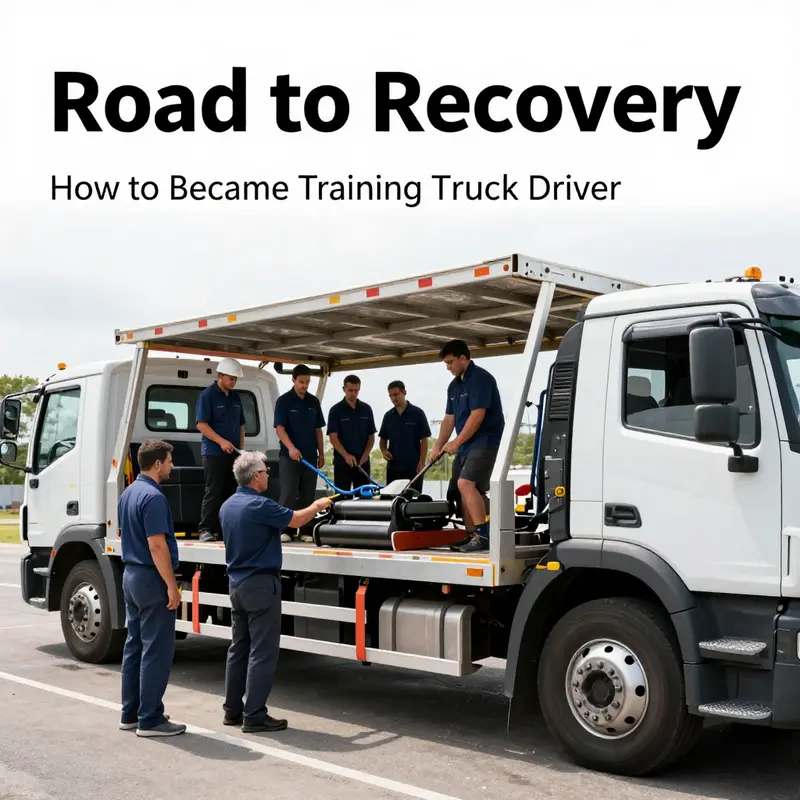
The path to becoming a tow truck driver unfolds like a careful road map, one that rewards preparation with steady hands on the wheel and a clear mindset for safety at every stop. This chapter follows that map beyond the initial driver’s license and into the realm of specialized training and professional credentials that distinguish capable operators from casual motorists in tow truck clothes. While the fundamentals of getting behind the wheel are universal, the work of a tow operator sits at the intersection of mechanical know how, crisis management, and strict regulatory compliance. It is a career built on a blend of theory and hands on practice, a discipline where every hook, strap, and control matters because lives, property, and traffic flow depend on your decisions in real time.
Start with the basics: you must meet the legal driving age in your jurisdiction, which in many places means 18, sometimes 21 for cross state operations or more complex heavy duty tasks. A valid driver’s license is non negotiable and serves as the foundation for a commercial license later on. A clean driving record is more valuable than any classroom, because employers need to rely on a driver who can handle the unpredictable environment of roads, medians, and the roadside. In addition to your driving history, most employers require a background check and a current drug screen. These checks reflect a broader commitment to safety, as tow work often places you in high risk situations where impaired judgment could endanger you and others.
You will need a Commercial Driver’s License, typically Class B for standard tow trucks. The process involves both a knowledge test and a skills test, and you will be expected to perform a pre trip inspection, basic vehicle control maneuvers, and an on road driving segment. The pre trip inspection is particularly meaningful; it trains you to catch equipment faults before you load or move a vehicle. A strong score on the written portion demonstrates your ability to interpret weight limits, braking systems, lighting, and payload concerns. The road test, meanwhile, simulates the real world: driving through intersections, executing lane changes, and applying safe driving practices under pressure. In many states, you must also demonstrate your ability to navigate traffic while towing and secured vehicles, an essential capability for the job.
Beyond obtaining the CDL, specialized training is a pivotal step. This is where most aspiring tow operators get formal instruction through a registered training organization or through an employer who offers a structured apprenticeship. The goal is to earn a heavy vehicle license that may include endorsements for towing and hauling. The training covers theoretical knowledge and deliberate, supervised practice. You’ll learn about vehicle mechanics at a basic level so you can diagnose common faults, understand how the hydraulic systems and winches function, and recognize when a component requires service. Load securing techniques are taught in depth because improper tie downs can cause accidents or further damage during transport. Emergency response procedures are another critical component; you must be prepared to react calmly to roadside incidents, manage scene safety, and coordinate with other responders or dispatch.
A well designed program also covers safe towing practices under varying conditions. Weather, traffic density, and road grade change the risk profile of a tow operation, and your training should prepare you to adapt, whether you’re pulling a stalled sedan on a slick highway or stabilizing a heavy truck in a dimly lit lot. Hands on practice with winches, dollies, and hydraulic lifts helps you build muscle memory so that you can perform operations smoothly and without fatigue. To date, most programs blend classroom instruction with supervised fieldwork, including simulated scenarios that mimic the unpredictability of real calls. In many regions, this kind of training is a prerequisite for full time employment, but even when it is optional, it adds a priceless layer of safety and efficiency that can set you apart when you apply for work. The emphasis is not simply on moving vehicles from point A to point B; it is about controlling risk, protecting people, and maintaining service quality across the entire service area.
As you complete your training, you will encounter opportunities for professional certification beyond the basic CDL. Some employers look for additional credentials to indicate a higher level of expertise and commitment. One path is hazard materials handling, which becomes relevant if your role involves transporting dangerous goods. Another is first aid or CPR certification, which can be a simple but invaluable addition that increases your ability to respond when seconds count. While not all states require these certifications, having them can broaden your job prospects, especially with larger fleets or emergency response teams. The landscape of certifications varies by jurisdiction, which is why it is essential to consult local regulations and potential employers about what is expected or preferred. In some places, operating certain tow trucks, such as rotaries or flatbeds with specialized equipment, may require even more specific credentials.
From a career perspective, the pursuit of training and certification is not a single checklist item but an ongoing process. Many seasoned tow operators continue to learn through specialty courses that address heavy duty rescue, automated systems, or advanced load management. In this sense, becoming proficient means committing to continuous improvement, not simply completing a class and moving on. You accumulate experience by working with different vehicle types, different terrains, and different emergency scenarios, and you gradually develop a repertoire of problem solving skills that can be deployed with confidence when a call comes in. That is the essence of professional readiness: being prepared to respond quickly, correctly, and safely, regardless of the complexity of the incident.
To tie this continuity to the wider maintenance and safety culture of the fleets you may join, consider the value of fleet standardization and emergency readiness practices. A well run operation aligns training with standardized procedures, equipment checks, and consistent safety protocols. This alignment reduces variability on the road and helps new drivers climb the learning curve faster, because every step of a tow operation—from securing the vehicle to securing the scene—follows proven routines. For more on how fleets standardize training and emergency responses, see the discussion at fleet standardization and emergency readiness practices. fleet standardization and emergency readiness practices. This embedded reference is designed to illustrate how formalized practices translate theory into daily performance on the road, a crucial bridge between classroom learning and real world exigencies.
As you prepare to apply for positions, you will likely encounter a mix of entry level and more advanced roles. Some companies hire drivers who have just earned their CDL and provide on the job training, while others expect a higher baseline of independent operation. The reality is that many teams prefer someone who can demonstrate not only the ability to drive a truck and operate a winch, but also a judgment grounded in safety and a sense of responsibility toward customers, roadside injury prevention, and compliance with regulations. In addition to technical skill, a successful tow operator must communicate clearly with dispatch, passengers when necessary, and other road users. Soft skills such as professionalism, punctuality, and the capacity to stay calm under pressure matter as much as a perfectly executed tow. The job also requires flexibility: you will work nights, weekends, and holidays, and you may be called to respond to incidents in stunningly variable weather conditions. This is not a desk job; it is a profession that sits at the intersection of mechanical aptitude and human service.
The practical path forward involves researching training providers, enrolling in a formal program, and then pursuing entry level operator roles that allow you to gain hands on experience under supervision. Apprenticeships tied to reputable fleets can accelerate your progress, as can internships at roadside assistance companies or auto repair facilities that maintain their own tow divisions. When you settle into your first role, you will likely start with basic tasks under supervision, such as securing a vehicle, loading it properly, learning to operate the winch, and assisting with scene safety. As you prove your reliability and ability to follow procedures, you will progressively assume more responsibility, with less direct oversight and greater autonomy as you demonstrate consistent safe performance. You will also have opportunities to broaden your scope by working with different types of tow equipment, including flatbeds, wheel lifts, and heavy wrecker units. Exposure to a spectrum of towing challenges helps you build confidence and refine your decision making.
In the end, your career path as a tow truck driver is defined not only by the licenses you hold, but by the training you seek, the certifying bodies you pursue, and the professional standards you adopt. The combination of practical skill and procedural discipline makes you a dependable, respected operator who can be trusted to handle delicate recoveries, maintain traffic flow, and contribute to the safety and efficiency of the road network. Remember that regulations change and fleets evolve; staying informed about regulatory changes and new best practices is part of the job, not a sidebar. The regulations you will ultimately comply with are not merely rules; they are the framework that keeps you, your colleagues, and the public safe while you do your work. To stay current, consult the official sources that govern your region, such as the Federal Motor Carrier Safety Administration for licensing and training standards. External resource: https://www.fmcsa.dot.gov
From Application to On-the-Job Mastery: The Real-World Path to Becoming a Tow Truck Driver
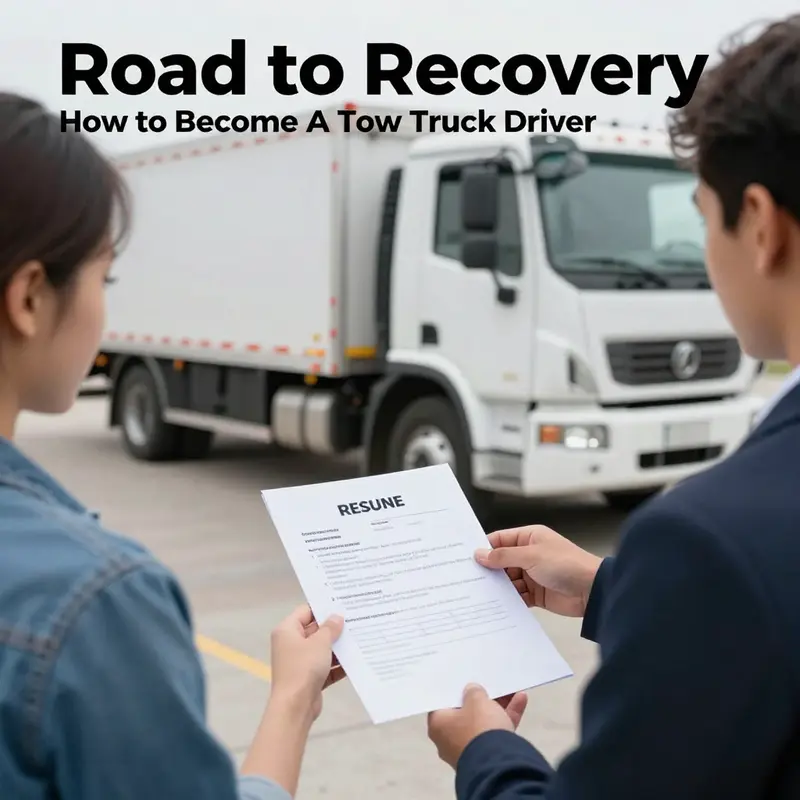
A tow truck driver is many things at once: a safety-minded operator, a problem-solver, a calm voice in a tense moment, and a professional who carries the responsibility of moving damaged vehicles without adding risk. The road to that role is a sequence of practical steps and steady preparation rather than a single leap. It begins with clear boundaries—legal requirements, safety protocols, and a willingness to learn—and then builds through hands-on training, steady work, and a developing professional reputation. To walk this path well is to recognize that becoming a tow truck driver is less about a dramatic audition and more about showing up consistently with the right credentials, the right mindset, and a commitment to service when you’re needed most.
The first mile is about eligibility and licensing, a threshold that varies only slightly by place but has a common core. In most places, you must be at least 18, with some states requiring 21, particularly if there is cross-state driving or the operation of larger, heavier equipment. Before you can pilot a tow truck, you typically need a valid driver’s license as a baseline. From there, the key shift is moving from a standard license to a commercial one. Tow trucks are classified as commercial vehicles, so the practical route is to obtain a Class B Commercial Driver’s License, often with a specialized endorsement for towing. The licensing process usually includes a written knowledge test and a skills test. The skills portion isn’t just about driving in a straight line; it also covers a pre-trip inspection, basic vehicle control, and on-road performance that demonstrates you can handle a heavy vehicle safely while performing standard towing tasks. Your understanding of weight distribution, braking, turning with a loaded vehicle, and the operation of auxiliary equipment like winches matters as much as your ability to drive.
Beyond the license, a clean record matters as much as a clean driving style. Employers commonly conduct background checks and require a current, blemish-free driving history. Major violations such as DUIs or reckless driving can disqualify an applicant, sometimes even after a job offer has been made. Drug screening is another typical screening step for prospective tow truck drivers, reflecting the safety-sensitive nature of roadside work. These checks are not merely bureaucratic hurdles; they serve as early signals of reliability, responsibility, and consistent judgment under pressure—qualities that matter when you’re responding to everyone’s emergency. The more transparent and steady your record, the more smoothly the path forward will unfold.
Once you have the basics in place, the real work begins: specialized training that translates a license into dependable, professional practice on the road. While some employers insist that you already know how to secure a vehicle, operate a winch, or manage hydraulic lifts, many provide or require on-the-job training to align you with their equipment and their safety standards. This training tends to emphasize the practicalities of towing: how to properly secure a car so that it won’t shift during transport, how to set up and operate winches without risking injury or damage, and how to handle a tow in a variety of conditions—from a rain-soaked highway shoulder to a busy shopping center lot. The emphasis is not only on technical competence but on situational awareness—recognizing potential hazards, anticipating the needs of stranded drivers, and communicating clearly with dispatchers and customers. In addition to company-led instruction, some aspiring drivers pursue formal training at vocational schools or community colleges, where courses cover vehicle operation, safety procedures, and equipment handling in a structured setting. Apprenticeships and internships with established towing companies can be especially valuable, offering hands-on experience under seasoned drivers and enabling newcomers to observe the full spectrum of the job—from scene safety to final vehicle handover.
As you accumulate experience, certification—though optional in many places—begins to pay dividends. Industry-recognized certifications can signal a higher level of professionalism and reliability to potential employers. They demonstrate a commitment to safety practices, to ongoing learning, and to maintaining high standards even when the pace is hectic. Although the names of specific associations or certifying bodies vary by region, the general idea remains the same: a credential that affirms your ability to perform towing operations safely, legally, and with a professional demeanor. If you pursue certification, you’ll typically study topics such as safe vehicle securing, hazard assessment, proper use of towing equipment, weight distribution, and adherence to applicable safety regulations. The investment pays off in greater confidence on the job, fewer repeat questions from supervisors, and often better opportunities for advancement.
With credentials in hand, the next phase is strategy: how to apply, what to emphasize, and how to gain meaningful exposure. Entry-level roles often exist within towing companies, auto repair shops, or roadside assistance services. Landing the right first job frequently hinges on demonstrating reliability rather than dazzling credentials. A thoughtful resume that highlights a clean driving record, completion of relevant training, and a track record of punctuality and responsibility can set you apart. Even if you start in a role that is not yet independent towing, there is value in every shift: learning dispatch patterns, observing load securement in action, and absorbing the nuances of customer interaction during stressful moments. Building a reputation as someone who remains calm under pressure, follows safety protocols to the letter, and communicates clearly with everyone involved will accelerate your growth. The more you show that you can be counted on in difficult situations, the more you’ll be entrusted with independent assignments and broader responsibilities.
The practical path often intertwines experience with continuous learning. Some days will involve single-vehicle recoveries on quiet streets; others will demand multitasking in a high-effort environment. The breadth of the role requires you to be adaptable—comfortable with bad weather, roadside hazards, and the unpredictability of mechanical faults. This adaptability is not a weakness; it is a core skill. It also means you’ll be judged by your approach to safety. You’ll regularly check equipment, confirm that the load is properly balanced, and verify that the vehicle’s lights, reflective gear, and warning devices are in place before you begin a tow. You’ll learn to manage time efficiently, balancing urgent calls with the logistical realities of securing a vehicle correctly and avoiding further damage. As you gain more experience, you can expect to take on more complex jobs: multi-vehicle recoveries, heavy-duty tows, or specialized roadside assistance tasks that require precise coordination and professional judgment. Each successful job adds to your credibility and expands the range of assignments you are prepared to undertake.
A critical, often overlooked, dimension of the job is the way you relate to customers and manage the temporary disruption you cause in their day. Even when a tow is necessary, you can provide reassurance, explain what you’re doing, and outline what the driver should expect next. Your communication style matters just as much as your technical accuracy. A driver who can describe a plan succinctly, set a realistic timeline, and answer questions with patience helps restore a sense of control for someone whose vehicle is out of service. That relational competence translates into reliability for dispatchers and trust from customers, which in turn opens doors to more consistent work, higher tips, or preferred assignments. Because the work is performed out of sight of a service bay, the reputation you build is often earned in the field, one tow at a time, through consistent performance, careful handling of vehicles, and a willingness to step up when the situation calls for calm leadership.
As you chart this course, it’s important to stay connected to the broader ecosystem of the industry. You’ll want to monitor updates from your state’s Department of Motor Vehicles for licensing changes and endorsements, and you’ll consult the federal framework that governs commercial driving for overarching safety standards. The path to a steady career in towing also benefits from practical, real-world resources. For ongoing guidance, consider exploring the industry blog that shares practical perspectives and stories from the field, which can supplement formal training with grounded, day-to-day insight. blog.
Finally, when you’re ready to take the next step, know that there are clear, authoritative channels you can turn to for the most current requirements. The regulatory landscape for CDL holders is dynamic, and official guidance helps you avoid costly missteps. Your state DMV will publish the precise steps for obtaining a CDL, the required endorsements, and any residency or medical standards you must meet. The U.S. Department of Transportation and the Federal Motor Carrier Safety Administration provide nationwide context for safety rules, hours-of-service regulations, and procedures that apply across states and operators. A reliable starting point is to consult the Federal Motor Carrier Safety Administration’s guidance for CDL requirements and safety regulations to ensure you align with best practices from the outset. For authoritative CDL guidelines, see the FMCSA external resources.
The arc from aspiring driver to dependable roadside professional is not a mystery; it is a sequence you can chart with discipline, access to the right training, and a readiness to serve when called. If you keep safety at the center, stay compliant, and invest in practical experience, you will find that the tow truck driver career path is not only feasible but also rewarding in its pace, its challenges, and its meaningful contribution to people in moments of need.
Final thoughts
Becoming a tow truck driver is not just about towing vehicles; it’s about becoming an essential part of the community by providing critical services to people in need. The journey begins with understanding age and licensing requirements, which form the foundation of your career. Obtaining a CDL is crucial for driving commercial vehicles safely. A solid driving record will enhance your eligibility and job prospects, while specialized training equips you with the practical skills necessary to succeed. Lastly, navigating the job application process is your pathway to gaining invaluable experience. By following these steps, you are well-equipped to enter this dynamic field and make a positive impact on lives as a professional tow truck driver.