
Becoming a tow truck driver is more than just getting behind the wheel; it’s a commitment to service and safety. As a vital part of roadside assistance, tow truck drivers are essential for local drivers, auto repair shops, property managers, and dealerships. In this guide, you’ll discover the age and licensing requirements that open the door to this rewarding career. You will also delve into training programs designed to equip drivers with the necessary skills for effective vehicle recovery. Finally, we will explore the diverse career prospects and employment opportunities available in this field, providing insights necessary for a successful career in towing. Whether you are a current driver or considering this path, this guide will provide the information you need.
null
null
From Classroom to Roadside: How Structured Training Shapes Skilled Tow Truck Drivers
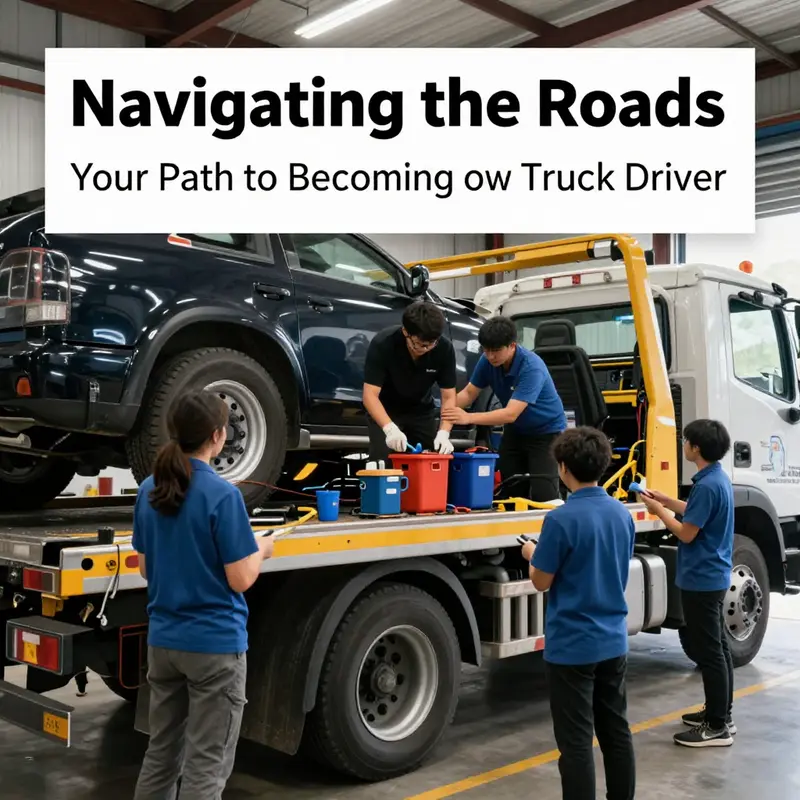
Becoming a tow truck driver is not simply a matter of earning a license and hitting the road. It is a deliberate journey that starts long before you answer a call and continues long after you hang up the phone. The training programs that prepare a tow operator are the backbone of the vocation, shaping not only technical competence but also judgment, composure, and a steadfast commitment to safety. The value of a robust training process is felt in the first day on the job, when a rookie must reconcile classroom theory with real-world roadside recovery. In this career, knowledge is not a luxury; it is a lifeline that keeps you and others out of harm’s way while you restore mobility in moments of crisis. As you navigate the path from learner to licensed professional, the training program acts as a compass, pointing toward best practices, current regulations, and the practical artistry of moving damaged or disabled vehicles without causing further damage. The journey is grounded in a clear sequence of learning outcomes, but it is also deeply personal. Each trainee brings unique driving history, manual dexterity, and situational intuition, which the program must honor while still instilling a standardized level of proficiency that regulations, insurers, and employers expect.
Tow Truck Driving: Mapping Career Prospects, Pathways, and Practical Opportunities
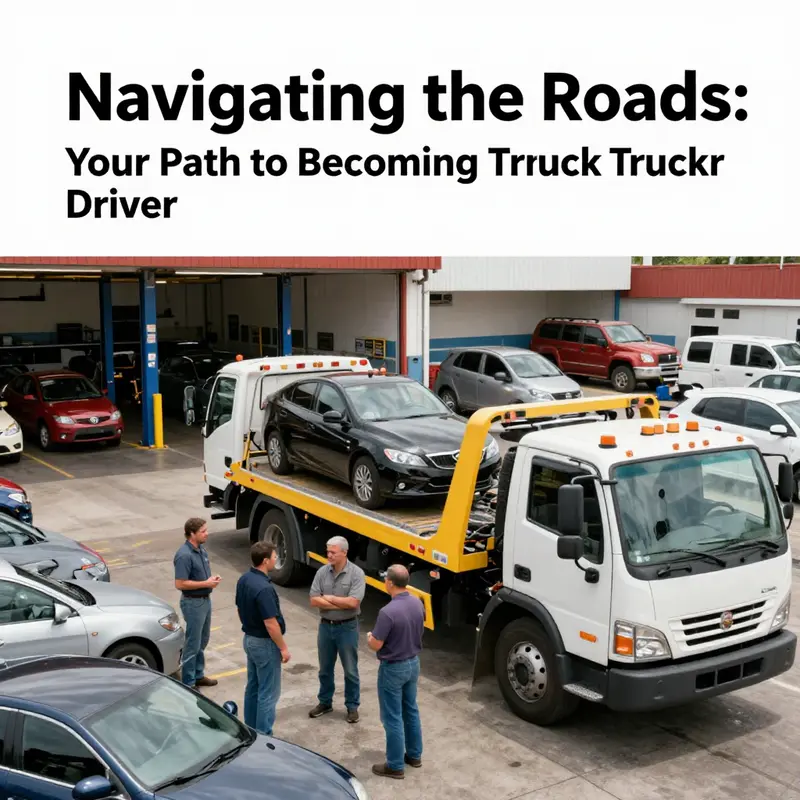
Tow truck driving is a steady, hands-on career that rewards practical skill, resilience, and thoughtful service. It sits at the crossroads of mechanical aptitude, problem solving, and direct human help. The road network is a living organism that never rests, and whenever a driver stalls on a highway, a flat tire, a battery failure, or a collision occurs, there is a trained professional at the other end of the call. The job description is simple in its core aim: restore mobility, ensure safety, and communicate clearly with motorists who are often stressed. But the reality of the career goes far beyond responding to the next call. It unfolds as a dynamic path that offers varied work environments, ongoing training, and opportunities to grow into leadership roles or to chart an entrepreneurial course as a business owner.
The employment landscape for tow truck drivers is broad and surprisingly robust. On the demand side, there will always be a need for roadside assistance and vehicle recovery as long as money changes hands for insurance coverage, transportation services, and vehicle maintenance. The operational ecosystem includes private towing firms that dispatch from a central hub, auto repair shops that need recovery support after a breakdown, insurance providers coordinating roadside help for their customers, and city or county fleets that contract with private operators for municipal incidents and non-emergency recoveries. In practice, this mix creates a work life that can be anchored in a single company or diversified across several clients, depending on the driver’s preferences for stability, schedule flexibility, or higher earnings potential through variable shift coverage.
The job market snapshots that prospective drivers often consult can be telling. Recent data from Indeed indicates a healthy level of activity: there are currently 1,073 tow truck driver jobs listed in the United States. That figure is more than a statistic; it signals continuous hiring across regions and employer types. It also hints at the range of roles that a new entrant or a seasoned operator can explore. Some drivers find consistent full-time assignments with a single employer, enjoying regular hours and predictable settlements. Others prefer the rhythm of on-call or part-time work, which can be appealing for people who are balancing family commitments, pursuing education, or integrating a towing role into a broader career trajectory in transportation and logistics. The diversity of options matters, because it unlocks pathways that align with a driver’s personal circumstances and professional ambitions.
For many people, the draw of tow truck work is not merely the paycheck but the everyday sense of purpose. A tow driver is often the first face motorists see in a moment of distress, a role that blends technical expertise with a steady, reassuring presence. The job demands more than the ability to turn a wrench or drive a heavy vehicle. It requires situational awareness, excellent communication, and a willingness to stay calm under pressure. In practice, this means navigating traffic responsibly, assessing scene safety, securing a towed vehicle with reliable equipment, and coordinating with dispatch while keeping customers informed. The responsibilities extend to vehicle stabilization, proper hook and winch operation, and the safe handling of heavy loads in potentially hazardous environments. Safety is not a bonus; it is the central value that underwrites every shift, every mile, and every interaction with a stranded motorist or a colleague on the scene.
Entry into the field is a layered process, but it is accessible to people who bring the right combination of licensing, training, and attitude. The first hurdle is typically basic eligibility: most jurisdictions require you to be at least 18 years old to obtain a learner’s license in many places, with commercial licensing often requiring 21 as a threshold. A full, valid driver’s license for passenger vehicles is usually the starting point, sometimes after a probationary period, before pursuing a commercial license with towing endorsements. Beyond licensing, most employers expect or provide specialized training that covers the mechanics of tow equipment, safe loading and securing methods, and the procedural steps for responding to incidents with the proper safety protocols. This training frequently encompasses both classroom instruction on state or national standards and hands-on practice with tow trucks, wheel lifts, winches, chains, and stabilizing devices.
The path to earning the official designation of tow truck operator also involves a clean driving record. A history of traffic violations or accidents can complicate or slow down the licensing process, so maintaining a solid safety record is essential. Employers commonly run background checks, verify driving histories, and assess the ability to operate in a high-stress, time-sensitive environment. Once training is complete and credentials are in hand, the formal licensing process completes the entry phase, and a new driver can begin the search for employment. In some regions, additional certifications related to safety, hazardous materials awareness, or specialized vehicle recovery techniques can further enhance job prospects, though the exact requirements vary by jurisdiction. The goal is to blend these credentials with practical readiness—an ability to read a scene, select the appropriate recovery method, and execute it without creating additional risk for the driver, the vehicle, or bystanders.
From the perspective of long-term career development, the tow truck field offers clear ladders for advancement. A driver can move into senior roles within a fleet, assuming responsibilities for dispatch coordination, shift supervision, or training new hires. Some operators advance to management positions that oversee multiple teams, establish standard operating procedures, or design maintenance schedules to minimize downtime and prolong fleet life. There is also the entrepreneurial route: many tow professionals choose to become owner-operators or to launch their own towing business. This path can be rewarding but requires careful planning. Start-up considerations include securing appropriate insurance coverage, acquiring or leasing trucks that meet prevailing weight class requirements, establishing a line of credit for equipment and fuel, and building a local client base through marketing and reliable service. The competence to manage a small business—billing, invoicing, customer relations, fleet maintenance, and regulatory compliance—moves the driver from technician to operator to business owner.
A driver’s day is a blend of service, safety, and logistics. The cadence of the work is shaped by local traffic patterns, weather, and the seasonal cycles of road use. A typical shift may begin with a brief briefing at the shop or dispatch center, then a sequence of calls that require rapid scene assessment, equipment deployment, and secure transport to the chosen destination. The driver’s toolkit becomes a portable safety system: chains and hooks that are correctly rated, wheel straps that resist slippage, sturdy winches with tested load capacities, and tire-changers or dollies for stabilizing the scene. Operators must remain mindful of the volume of the load, the vehicle’s weight distribution, and the road’s grade when rigging a recovery. The actual technique—whether it is a straight tow, a flatbed transport, or a rollback operation—depends on the specific client vehicle, its condition, and the surrounding environment. Each call carries unique challenges: a late-night breakdown on an on-ramp, a slow-moving accident near a residential street, or a vehicle trapped in snow or mud after a storm. Even during routine recoveries, the driver must negotiate with other drivers, protect the site, and communicate anticipated timelines to a worried owner or insurer. These moments test the driver’s capacity for patience, precision, and empathetic customer service.
With the surge of data and the expansion of the road network, the value of a tow driver extends beyond the moment of pickup. Reliability is what sustains employment, and reliability grows from consistent training, disciplined maintenance, and a proactive approach to safety. The best operators see beyond the single call and consider how their role fits into a larger system of mobility and safety. They learn to read weather forecasts, understand road regulations that change with seasons, and anticipate the demands of emergency responders and law enforcement agencies that rely on timely dispatches and careful scene management. In this sense, the profession becomes not only a task of moving vehicles but also a discipline of logistics, communication, and risk mitigation. That perspective helps explain why experienced drivers tend to advance into supervisory roles or become the technical backbone of a fleet’s training program. Their experience translates into improved dispatch efficiency, enhanced driver safety, and more effective coordination during the inevitable high-stress incidents.
To be sure, the career path is not without its costs. The routine can involve long hours, exposure to the elements, and the mental toll of working in or near high-traffic environments. It is essential to acknowledge the physical demands and the emotional impact of responding to others in distress. Employers who invest in their people typically offer ongoing training, access to safety equipment, and benefits aligned with skilled trades. Good positions pay competitive wages relative to other hands-on trades, with added emphasis on shift differentials, overtime, and opportunities for advancement. The combination of predictable demand, diverse work settings, and the chance to grow into leadership roles makes tow truck driving a durable option for individuals who want a tangible, hands-on career. For someone who enjoys problem solving, a job that blends mechanical work with customer interaction can be particularly satisfying, because every service call becomes a micro-challenge that contributes to a larger mission of keeping people moving and roads safer.
An important dimension of long-term viability in this field is adaptability. Vehicle technologies, road regulations, and safety standards are not static. Tow operators who stay current with maintenance best practices, who understand the capabilities and limits of their equipment, and who adapt to changes in compensation structures and union or company policies tend to stay employed and advance. Some drivers seek specialized niches within the towing world, such as heavy-duty recovery, accident management, or stranded-vehicle rescue in adverse weather. The possibility of specialization can lead to higher earning potential and a more satisfying daily routine, especially for those who thrive on technical challenge and precision. The personal and professional growth that comes with learning new techniques, acquiring additional endorsements, or mastering dispatch software can transform a job into a career with a clear arc and measurable milestones. In short, the field rewards continuity, competence, and a willingness to expand one’s repertoire.
As for the geographic and economic dimensions, the range of opportunities is not uniform but rather shaped by local demand, population density, and the presence of fleets with a strong reputation for reliability and safety. Urban areas with dense traffic often need more frequent services over short distances, but rural regions can offer steadier hours and lower competition for certain types of recoveries. Regions with harsh winters may see seasonal spikes in call volume related to vehicle immobilization and weather-related incidents, while coastal or mountainous areas may require specialized equipment for difficult terrain. A well-rounded candidate who is prepared to relocate or to commute for the right opportunity will find that the door to work can swing widely depending on licensing requirements and the willingness of employers to invest in training for new hires. The right balance of experience and certifications can unlock mobility and allow a driver to pursue opportunities across state lines or provincial borders where permitted.
The narrative about career prospects would be incomplete without noting the broader value proposition of the tow truck trade. Beyond the paycheck, the role offers a sense of purpose, a steady rhythm of meaningful tasks, and a community of professionals who take pride in safety and service. The transportation and logistics ecosystem relies on skilled operators who can think on their feet, maintain equipment, and communicate with dispatch, customers, and sometimes law enforcement or insurance representatives with clarity and composure. This confluence of skills makes tow truck drivers highly valued as problem solvers and customer-facing technicians. The industry benefits from drivers who not only perform recoveries but also contribute to fleet efficiency through proactive maintenance, careful documentation, and adherence to safety protocols. In this sense, becoming a tow truck driver can be a pathway to a stable, fulfilling career, particularly for individuals who prefer hands-on work and a direct, positive impact on the daily lives of people in urgent need of assistance.
To connect these threads back to the practical, immediate steps a reader might take, a note about supervision, training, and standards can be instructive. Many companies emphasize a structured onboarding process that includes ride-alongs, shop floor familiarization, and supervised practice with the actual equipment. A culture of safety often stems from standardized procedures that guide every recovery operation, from pre-trip checks to post-operation debriefs. For those who want to explore how these standards take shape in the field, a resource on standardization in heavy-duty rescue operations offers a detailed look at the protocols that keep drivers and the public safe on demanding scenes. This reference serves as a reminder that career growth in tow operations is not just about driving a truck; it is about embracing a disciplined approach to rescue, recovery, and responsibility. standardization in heavy-duty rescue operations.
Looking ahead, the most compelling picture of a Tow Truck Driver’s career is not a static snapshot but a trajectory that aligns skill, opportunity, and personal goals. The job can be a long-term vocation or a strategic waypoint toward broader leadership roles in fleet operations, safety management, or entrepreneurial enterprises. In this sense, the profession offers a rare blend of immediate, hands-on impact and enduring career potential. The demand is persistent, the work is tangible, and the chance to grow exists at every shift if a driver approaches the role with curiosity, discipline, and a willingness to invest in continuous learning.
For those wanting a concrete signal of market viability, the ongoing availability of tow truck driver roles in major markets reinforces a practical truth: the road needs dependable hands. If you are contemplating a path into this field, consider the combination of licensing readiness, willingness to learn specialized recovery techniques, and the ambition to progress into more complex roles or to build a business around a loyal customer base and reliable service. It is a career that invites a combination of technical work, customer interaction, and strategic planning, making it a durable option for people who want to stay connected to the road while building a meaningful professional future. The next steps typically involve finalizing the licensing, completing any required endorsements, securing a training slot with a reputable employer or training provider, and beginning the search for a position that aligns with your goals for stability, growth, and service.
Beyond the immediate job, practical planning matters. A new driver should understand the common training costs and the possible financing options, including employer-sponsored programs that cover tuition. In many shops, the initial onboarding includes paid or partially paid training, with a commitment to stay for a minimum period. This can help offset the cost of learning the craft and provide hands-on experience. Once licensed, ongoing certification or refresher courses may be required by law or by fleet policy, and these can be funded by the employer or organized by the driver themselves. The economics of becoming a tow operator often hinge on the balance between wage earnings and the cost of equipment, fuel, insurance, and maintenance. Establishing a clear budget for fuel, maintenance, and occasional downtime is essential for new owner-ops as well as those who partner with a larger fleet. For the person who wants autonomy, the owner-operator route can be appealing, but it also introduces risk and responsibility: debts, insurance premiums, licensing, and the need to market services and build relationships in the local community.
Work-life balance is another practical consideration. Tow work can require night, weekend, and holiday shifts, and the roster may include on-call periods. Some employers offer guaranteed hours or predictable rosters, while others rely on demand-driven schedules. Drivers must learn to manage fatigue, maintain personal safety, and protect time for rest and family. The flexibility can be a selling point, but it also calls for disciplined scheduling and smart health choices, especially for those who want to sustain a long career on the road. Technology and safety practices continue to reshape the job as well. Modern tow trucks use digital dispatch, GPS routing, and telematics that help crews minimize downtime and coordinate with partners and agencies more effectively. Training now often includes software literacy alongside mechanical skills, enabling drivers to pull data from fleets for maintenance planning and performance reviews.
For those aiming to maximize long-term prospects, the journey often leads into niche areas and leadership roles. A driver who builds hands-on expertise in heavy recovery, winching technique, or incident management may move into supervisory posts that oversee teams across shifts, or into dispatch and safety roles that shape policy and training programs for an entire fleet. Some drivers decide to formalize their path by forming a small business, obtaining the necessary licensing and insurance, and cultivating a base of recurring clients through excellent service, transparent pricing, and reliable response times. The combination of street smarts, technical competence, and business acumen creates a powerful platform for a durable career carried forward by repeat business and referrals rather than a single client. In this sense, the profession rewards people who approach work with curiosity, discipline, and a willingness to invest in continuous learning across both the practical and strategic dimensions of the trade.
In sum, the career prospects and employment opportunities for tow truck drivers remain strong because the service they provide is a perennial necessity. Whether you seek stability within a single fleet, the variety of working with multiple clients, or the independence of running your own business, the field offers a clear ladder of progression and meaningful daily impact. The road ahead for aspiring drivers is not a straight line but a flexible path that rewards preparedness, safety, and professional growth. The open road is a constant invitation to learn, adapt, and contribute to a system that keeps people moving. If you are ready to step onto that path, the first commitments—licensing, training, and a readiness to serve—are the practical moves that translate ambition into a tangible, ongoing career. For a sense of current market activity and opportunities, see the external resource noted below. Indeed Tow Truck Driver Jobs
Final thoughts
Embarking on a career as a tow truck driver opens up numerous opportunities while also fulfilling a vital community role. By understanding the necessary age and licensing requirements, completing specialized training, and recognizing the career prospects available, you can set yourself on a path to success. This profession not only provides financial stability but also allows you to make a difference in people’s lives during their most challenging moments on the road.