
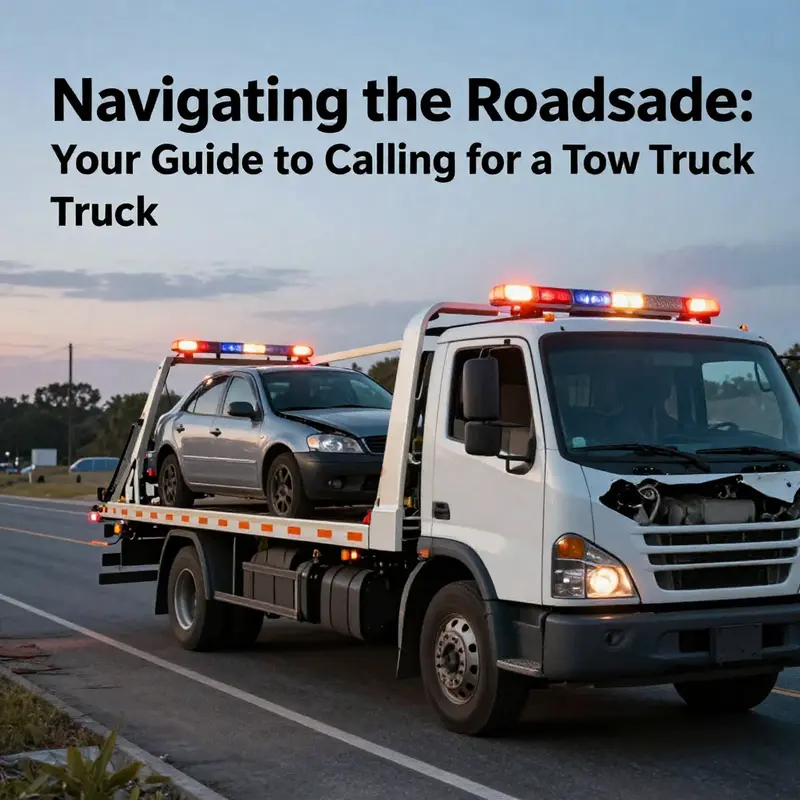
Breaking down on the road can be a stressful and overwhelming experience. Whether you’re a local driver, a dealership technician, or a property manager needing assistance for tenants, knowing how to effectively call for a tow truck is crucial. Each chapter of this guide will provide you with actionable steps—starting with how to prioritize safety, identifying the right towing service, and conveying vital information to the operator. You’ll also discover what to do while waiting for help and how to understand costs associated with towing services. Equip yourself with the knowledge to turn a potentially stressful situation into a manageable one.
Tow Truck on the Horizon: Safety-First Steps Before You Call for Help
When your vehicle breaks down on the road, the first priority isn’t the tow itself but your safety and the safety of everyone nearby. The moment you realize you’re stalled, take a breath, slow the pace of your thoughts, and focus on the steps that protect you and others. The road can be unforgiving, but with deliberate action you can reduce risk and set the stage for a smooth, efficient rescue. This chapter centers on the core idea that safety is not a prelude to calling for help; it is the essential groundwork that makes the call effective and reliable. From the moment you pull to the shoulder to the moment the tow truck pulls away with your car, safety threads through every action you take and every detail you relay to the dispatcher. In that spirit, consider this a practical, hands-on guide that keeps the person inside the vehicle from becoming another hazard on a busy highway or an unfamiliar rural road. The path to a successful tow begins with your decisions in the first minutes after the breakdown.
First, establish and maintain safety in the physical space around you. Turn on your hazard lights immediately. If you are on a highway or a high-speed road, aim to move the vehicle to a safer location if you can do so without risking injury. The safest option is typically the shoulder or a hard shoulder where you can stop away from the travel lanes. If there is no safe exit, prioritize a position where you are out of the flow of traffic and visible to oncoming vehicles. Hazard lights serve as a beacon for other drivers, signaling that there is a vehicle in distress and that caution is warranted. In such moments, visibility is everything, and the smallest actions can prevent a collision or a sudden, dangerous maneuver by another driver who doesn’t see you in time.
With the car in a safer spot, your attention shifts to creating further protection for everyone involved. Place a warning triangle at a minimum distance of 150 meters behind your vehicle, in the direction of traffic. If you do not have a triangle, a reflective vest or any reflective material can help. The distance may seem long, but the rule is designed to account for high speeds and limited sightlines, especially at dusk or in poor weather. You may be surprised by how quickly a driver appears in the blind spot and how a well-placed warning device helps them adjust course safely. This practice is not merely prudent; in many jurisdictions it is a legal requirement designed to reduce the risk of a secondary collision that compounds the original breakdown. The number—150 meters, about 500 feet—becomes a practical reminder when you’re standing on the shoulder trying to estimate distances in low light.
Crucially, all occupants should exit the vehicle and move to a safe area outside the roadway. This means stepping away from moving traffic entirely and seeking shelter behind a barrier or well away from the stream of vehicles. It sounds stark, yet it is one of the simplest, most effective safety rules. Inside the car, you may be tempted to try a quick fix, but a broken-down car on a busy road is not a predictable space. Heat, cold, rain, or glare from headlights can render improvised repairs dangerous. If you have children or pets, direct them to a safe area and keep them close, but do not leave them near the roadway. High-visibility clothing, if available, adds a crucial layer of protection for anyone who must stand near traffic while waiting for help. The goal is not to be dramatic but to minimize risk in a moment when judgment can be affected by stress or fatigue.
Guidance for contacting help follows safety steps, and the method you use to reach assistance can influence how quickly help arrives. In most situations, the most direct route is to dial your national emergency number. In countries with a unified emergency system, that means calling 911 where available, or 112 in others. When you place the call, calm your voice, and be prepared to share essential details. Communicate your exact location, ideally including street names, city or town, and any nearby landmarks that can help responders pinpoint you. Then describe the nature of the breakdown: is the car running rough, has it stalled with no obvious mechanical noise, or is there smoke or a fire risk? Are there passengers with medical needs or ongoing hazards like a fuel leak? If you will need a flatbed tow for a damaged vehicle or a wheel-lift tow for a non-damaged vehicle, say so, and indicate any access constraints or time preferences. The dispatcher will ask questions to determine the best response and to provide you with an estimated arrival time. You might be tempted to give overly brief details when you are shaken, but precise information saves precious minutes when every second counts.
If the breakdown is not an emergency in the sense of imminent danger, you can still rely on roadside assistance programs that your insurer or vehicle manufacturer offers, or trusted third-party towing services. These channels are designed for non-emergency towing and related services, such as battery jump-starts or fuel delivery. The key is to declare your needs clearly and verify what is included in your plan before the tow begins. Some programs provide rapid response and set expectations about costs, which can help prevent surprise charges later. While the exact terms vary, the overarching principle remains: know who you are contacting and what you expect to receive from them. When you call, mention any appointment window you would prefer, but be realistic about traffic and weather conditions that could affect response times. The dispatcher will factor these considerations into the plan and will often offer guidance based on their experience with local roads and typical service providers in your area.
As you wait for the tow, take a moment to review what you can safely do in the interim. Do not attempt to repair complex mechanical issues yourself unless you possess the expertise and the tools to do so safely. If you must remain with the vehicle, stay behind the barrier or a safe refuge and keep your phone charged in case the dispatcher or driver needs to reach you again. A quiet, patient mindset helps you receive updates calmly and prevents unnecessary stress from clouding your judgment. The arrival of a tow truck is the culmination of careful preparation: the driver will verify their identity, confirm where you want the vehicle transported, and outline the scope of the services they will perform. Ask questions if something isn’t clear, such as whether the tow will be towed to a local repair shop, to your home, or to a depot where repair estimates can be obtained. Clarify what is included in the service, whether it is towing only or if additional support like battery assistance, fuel delivery, or a lockout service is available. Fees vary by distance, vehicle type, and the level of service, so it is reasonable to request an estimate before the tow starts and to seek an itemized bill afterward.
When the tow truck arrives, take a moment to verify the driver’s identity and the company name. This may seem routine, but it is a critical step in ensuring your car is in lawful hands and that you are receiving legitimate service. Confirm the destination for transport and whether the driver can safely navigate the route you prefer. If you have concerns about the safety of the route or the vehicle’s condition, communicate them clearly. The driver can advise on the most appropriate type of tow for your situation, whether a flatbed is necessary for a severely damaged vehicle or a wheel-lift for a functioning car with a minor issue. Some vehicles require special equipment or mounting procedures, and the driver will explain these details. You should also understand what the driver considers as the scope of work—towing only, or additional tasks such as battery jump-starts, temporary fuel delivery, or securing your load if you’ve been stranded on a remote road.
After the tow is completed, you should confirm the total cost and request a receipt or an itemized invoice. If you were charged for services that you did not receive, or if something on the bill seems inconsistent, ask for clarification immediately. A clear, transparent dialogue helps prevent disputes and ensures you know exactly what you are paying for. If you believe you were overcharged, you can request a review or escalate the matter to your insurer or the service provider as appropriate. Maintaining copies of your receipts and the dispatch details can be valuable when you later file a claim or seek reimbursement through a roadside assistance policy. Throughout this process, keep your expectations reasonable and recognize that the priority remains your safety and the secure transport of your vehicle.
The steps above form a cohesive approach to calling for a tow in a manner that prioritizes safety, clarity, and efficiency. They are not a rigid script but a framework you can adapt to different environments, from busy urban freeways to quiet country roads. If you would like a concise reference that highlights the safety-first mindset and the practical checks to perform after a breakdown, you can explore a broader discussion in the Santa Maria Tow Truck blog. It offers deeper explanations of roadside safety principles and preparedness strategies that complement the scenario you just navigated. Santa Maria Tow Truck blog
Alongside the core emphasis on safety, it is helpful to recognize that you are not alone in facing these situations. Roads are managed with the aim of keeping everyone safe, and the people who respond to calls for help are trained to minimize risk while restoring mobility. The law in many places supports the actions you take, such as the recommended distances for warning devices and the obligation to exit the vehicle when it is safe to do so. In the relatively short span between breakdown and tow arrival, your choices can influence the speed and safety of the entire process. When you reflect on the experience afterward, you may find value in reviewing your roadside readiness kit, noting what you had on hand, what you learned, and what can be improved for future incidents. The aim is not to fear the road but to respect it with preparation and calm action.
If you want a practical external resource that expands on the broader topic of roadside assistance and safety guidelines, you can consult trusted national guidance and official road safety information. For an overview of roadside assistance options and how they work in practice, see this external resource: https://www.aaa.com/road-trip/roadside-assistance
When Help Is Needed: Navigating Tow Truck Services with Confidence
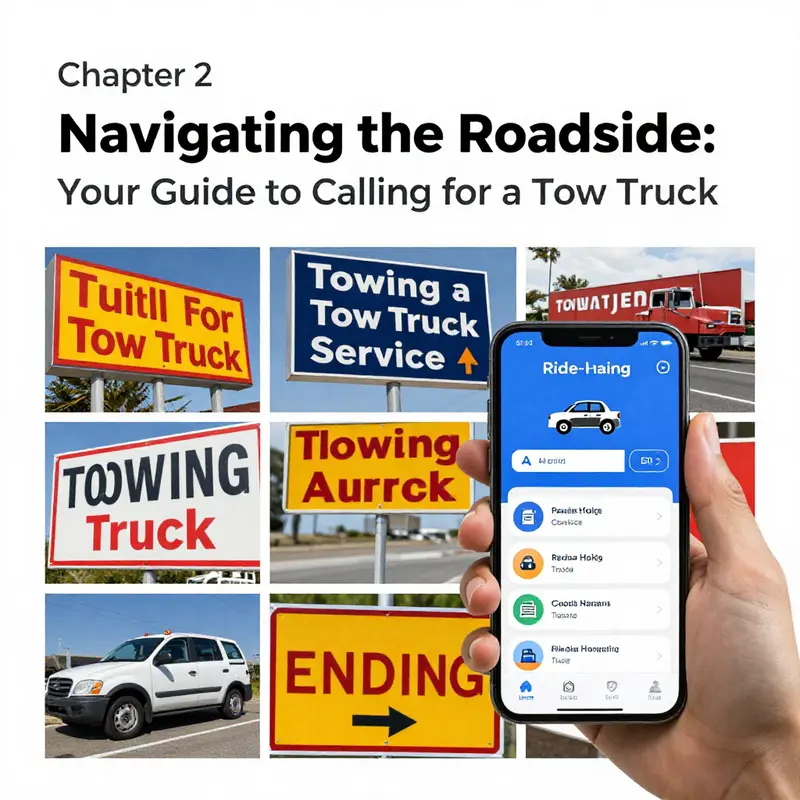
Breakdowns arrive with a suddenness that tests calm. The first instinct is to keep yourself safe, then decide who to call. A tow is not a one size fits all answer; the right service depends on your location, the vehicle, the risk, and the resources you carry. This chapter guides you through a thoughtful, practical approach to calling for a tow truck that reduces stress and gets you to a repair shop, or a safer place, as efficiently as possible.
Safety first is the anchor. If your car stalls on a roadway, you should try to move it to the roadside or shoulder if it is safe to do so. Switch on hazard lights to warn other drivers. In many places, a reflective warning triangle placed behind the vehicle helps approaching traffic see you from a distance. These steps matter more than they seem, because they can prevent a secondary incident while you arrange help.
Before dialing, assess whether a tow is actually needed. If you have a dead battery, there might be a quick fix with a jumper. If you are bogged down in snow or mud, traction aids might help you gain enough momentum to leave the spot. Yet if the car is completely immobilized engine failure, severe tire damage, undercarriage damage, or you are stuck and cannot maneuver calling a tow is the right call.
Next, consider the main routes to arrange assistance. The most straightforward approach is to contact the roadside assistance program tied to your coverage, if you have one. Many policies include a tow within a certain radius at no extra charge or for a small fee. If you already know you have this benefit, keep your policy number handy, along with your license plate, location, and a brief description of the issue. Confirm what is covered and any distance limits or shop restrictions before you commit to a tow. This option often provides a straightforward billing path, with the tow charged to the policy rather than to you on arrival.
Another dependable option especially in countries with strong public safety networks is to use government or officially sanctioned roadside services. Official lines can dispatch authorized tow operators quickly, and the process is designed to prioritize safety and accountability. Response times vary by region and traffic load, but these services tend to be transparent about what is included in the tow, what the rider can expect in terms of cost, and how far the tow can take you. In places with crowded expressways, the benefit of a government backed dispatch system can be the difference between a long, uncertain wait and a predictable one. If you know you are near a major roadway, these lines can be a reliable first call.
Many drivers now reach for a digital solution. A growing ecosystem of apps and online platforms lets you input your location, describe the problem, specify the vehicle type, and compare estimated arrival times and pricing. Real time tracking lets you watch the tow truck approach and adjust your expectations. The downside is that prices can vary and some platforms charge a premium for rapid service or for specialized equipment. If you choose this route, read the terms, confirm the exact destination, and verify what is included in the price—towing only, or additional services such as on the phone battery jump or fuel delivery. The clarity of a digital quote can save a lot of confusion when the driver arrives.
Finally, you can call a local tow company directly. This route gives you more direct control over who handles your vehicle, but it also requires a quick check of credentials. Look for companies that are licensed and insured, with clear policy on service limits and the authorization to tow to your preferred destination, whether that is a specific repair shop or your home. Ask for a written or spoken estimate that covers the base fee and the per mile or per kilometer charge, plus any required surcharges. If the driver offers additional services after arrival, such as a battery check or fuel delivery, confirm whether these are included in the quoted price or billed separately. Keep the conversation practical: ask the tow to confirm the destination, the estimated arrival time, and the total expected cost before any work begins.
While you wait, stay inside the safe space of the vehicle if possible, especially in high traffic or bad weather. If you must exit, move well away from traffic lanes and behind barriers when feasible. Keep your phone charged, keep valuables secure, and avoid conversations with strangers that distract you from safety. When using a digital platform, you can usually watch the driver’s ETA in real time, which helps you choose a safe spot to wait and reduces the risk of wandering into danger.
After the tow arrives, the key steps are straightforward but worth repeating. Confirm the destination and the shop or facility where your vehicle will be taken. Review any paperwork or the service contract, and ask for a receipt. If you are filing an insurance claim, request the service record and any itemized charges. Never consent to a repair shop you did not choose or a destination you do not recognize. You have rights in many jurisdictions to direct where your car goes for repair, and a reputable driver will respect that choice.
Throughout the process, the goal is to balance speed, safety, and transparency. Being prepared with your location details, the exact nature of the breakdown, and the type of tow you need helps you avoid delays and price confusion. If you want to expand your options beyond the local call, there are resource hubs like a widely used tow truck blog that can offer practical tips, checklists, and scenarios similar to what you face on the road. For instance you can visit the tow truck blog to explore more about choosing a provider, reading reviews, and understanding common charges. the tow truck blog.
Ultimately the moment you realize you need help is not the moment to improvise. It is the minute to collect yourself, assess the situation, and select the method that matches your location and your vehicle’s needs. The right tow truck service will not only get you to a repair point but also give you a clear sense of what the next steps will be. In some regions insurers or government services can provide rapid response and clear pricing, while in others you may rely on digital platforms that offer transparency about ETA and charges. The essential elements stay the same: safety first, accurate information for the dispatcher, and confirmation of the destination and cost before the vehicle is moved.
With these steps you move from panic to a practical plan and you can keep your trip on track. For official guidelines on roadside assistance, see this external resource: https://www.aaa.com/road-trip/roadside-assistance
In the Moment of Need: The Essential Details That Speed a Tow Truck to You
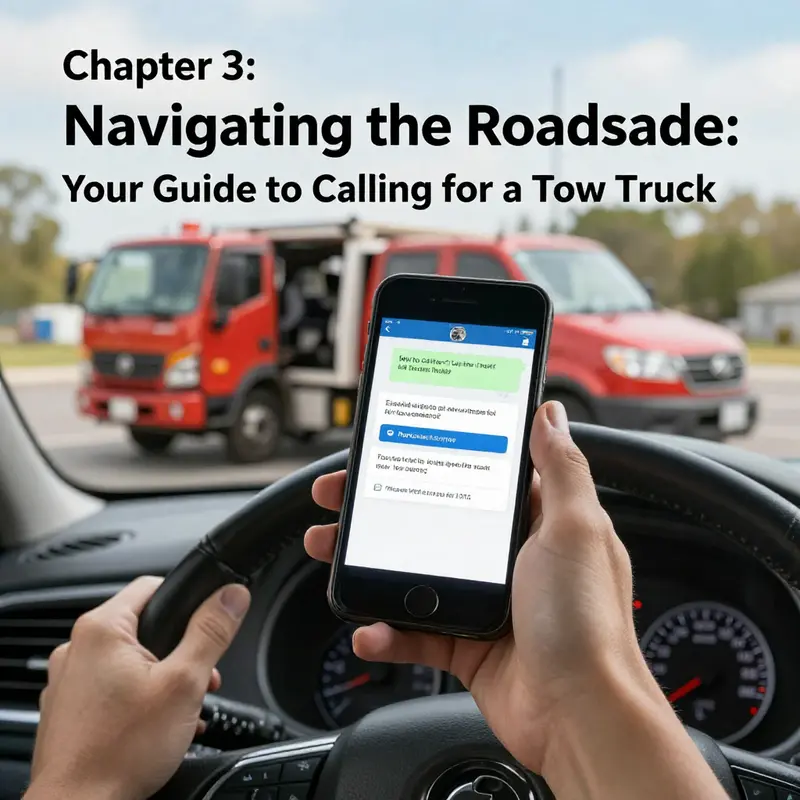
When a vehicle breaks down or you’re involved in an incident, the moment you pick up the phone to call for a tow truck can determine how quickly help arrives. The dispatcher doesn’t just need to know that you’re in trouble; they need a precise, calm, and actionable picture of where you are, what happened, and what you require. The more exact and organized your information, the faster a suitable tow truck can be dispatched, the safer you can remain, and the sooner you can get your vehicle to a repair facility or your chosen destination. This is not about memorizing every possible scenario. It’s about knowing what details matter and delivering them clearly, even under stress. The steps that follow are not a rigid script but a framework you can adapt to any roadside moment, from a highway shoulder to a rural byway, from a flat tire to a more complex mechanical failure. Keeping these elements in mind helps you stay focused on safety while the tow operator does the heavy lifting of logistics and equipment selection.
First, your location is the cornerstone of the entire process. The dispatcher’s map begins with your exact position. Describe it with precision, not guesswork. If you can, name the nearest landmark, exit, or mile marker, and add directional cues such as “southbound on I-95 at mile marker 123” or “at the intersection of Main Street and Oak Avenue.” If possible, share GPS coordinates or open your phone’s map to generate a pin you can convey verbally. On highways, include the lane you’re in if it’s safe to observe it, the closest exit numbers, and any on-ramp features that could help a driver reach you without entering traffic that could put you in danger. The more granular you are, the less room there is for the driver to interpret and misread the scene. A practical approach is to ground your description in a single, verifiable frame of reference. For example, you might say, “I’m on the southbound I-95 shoulder, at mile marker 123, just after Exit 45, near the service plaza with the big sign.” This kind of specificity enables the dispatcher to triangulate your position quickly and assign a tow truck with the right routing and equipment.
Along with location, you’ll need to identify your vehicle. The call center will typically ask for the make, model, year, and color to help match the dispatcher with the correct equipment and to ensure the driver brings the appropriate tow setup. In some cases, the license plate or vehicle identification number may also be requested, especially if there are multiple vehicles in your family or fleet near the same location. Providing these details calmly and succinctly reduces back-and-forth and buys time for the driver to arrive with the proper attachment, whether that means a flatbed for an SUV or a wheel-lift for a sedan. If you’re managing a fleet or are responsible for a commercial vehicle, you may also want to note any special handling needs or regulatory requirements that could impact the type of tow or route. The point is simple: precise vehicle information helps the operator dispatch the right tool as efficiently as possible.
Next comes the heart of the call—the nature of the problem. Describe what happened in a straightforward, factual way. If your car won’t start, say so and mention any warning lights you’ve seen. If you’ve experienced a flat tire, a blown tire or damaged wheel, indicate whether the vehicle is drivable, and whether you fear a tire will fail further along the road. If the engine overheats or there’s smoke, report those details clearly. If you’ve had a minor collision, note whether there are injuries, vehicle fluids on the roadway, or obstacles that could affect towing. The goal is to convey the severity and immediacy without embellishment. For example: “The engine won’t turn over, and I hear a grinding sound when I try to start it.” If there’s an accident, specify whether anyone is injured and if emergency services have been or should be involved. This information helps the dispatcher prioritize safety and coordinate any additional response that may be necessary, such as fire or medical support, or a tow that can handle a damaged vehicle.
Your contact information, oddly enough, is another piece that shapes the outcome of the call. The dispatcher will want a reliable phone number and a quick way to reach you if you’re redirected or delayed. Confirm you’re in a safe place and can remain on the line until help arrives. If you’re in a location where phone service is unstable, consider providing an alternative contact method or a secondary number. It’s also wise to note any constraints that may influence when the tow arrives. If you must be at work or a specific location by a certain time, share a preferred arrival window so the dispatcher can attempt to align the tow with your schedule. While you’re waiting, keep your phone charged and accessible. The driver will likely call a few minutes before arrival to confirm route and any last-minute details, so staying connected is essential.
Beyond the basics of location, vehicle, and problem, there are additional needs you should communicate up front. If you require the tow to a specific destination—say a repair shop, a dealership, or your home—make that explicit at the start. If you have a preference for a particular type of tow equipment, mention it. A flatbed is typically recommended for vehicles with transmission concerns or for avoiding further damage, while a wheel-lift tow may suffice for smaller, intact cars. If you know you’ll need more than a simple tow—like a jump-start, fuel delivery, or a roadside tire service—bring that into the conversation at once. The operator can then bundle these services or relay them to the technician to ensure you’re not left waiting for a second call. If you’re calling on behalf of a vehicle that is not currently in a safe place to be towed, or if you’re coordinating for a fleet, you can reference this need during the call. The process remains the same: be precise, be patient, and be prepared to confirm every relevant detail so the driver can arrive with the correct tools and permission to operate in the given area. As you gain confidence in describing your needs, you’ll notice how the dispatcher’s questions start to feel like a constructive checklist rather than an obstacle.
A related and practical consideration is the potential cost and scope of the tow. Before the tow begins, it’s prudent to ask for an estimate or a range of charges for the service, including the distance to the destination, any after-hours fees, and the possibility of additional services. A straightforward question—“What will this tow typically cost to get my vehicle to the shop?”—can save you from surprises later. In many cases, reputable operators will explain the services included in the tow, such as whether they only handle towing or if they can provide a battery jump-start, fuel delivery, or door unlock services. If your situation includes a special requirement, such as a need for a heavy-duty tow or assistance in a remote area, it’s worth articulating this upfront so the operator can arrange a compatible vehicle and route. The key is transparency: asking about costs and services before the tow begins helps you weigh options and select the path that best suits your circumstances.
There is safety in preparedness and calm communication. While you wait, resist the impulse to attempt major repairs yourself unless you have the training and tools to do so safely. The dispatcher will guide you through the situation with clear instructions, including where to stand, how to stay visible to passing traffic, and how to maintain warmth and hydration in cold conditions. If you’re on a busy highway, keeping your hazard lights on and staying inside the vehicle with seat belts fastened until the tow truck arrives is typically the safest course. If you must exit, do so only when the scene is controlled and you can move into a safe zone away from traffic. The dispatcher may verify directions one more time as the driver nears your location, so staying engaged on the call and listening to updates is important. The experience of calling for a tow is not simply about getting a vehicle back on the road; it’s about coordinating safety, timing, and resources with the least risk possible for everyone involved.
For broader context, the approach described here can scale to larger, more complex operations. Organizations that manage a fleet face the same questions and the same need for precise data, but they often operate with additional layers of safety, compliance, and scheduling. If you’re part of a fleet or responsible for a group of vehicles, you may find it helpful to consult resources that address emergency readiness and standardized procedures. See the broader guidance under Fleets Emergency Response. This emphasis on coordination, documentation, and clear communication helps ensure that, no matter the size of the vehicle or the scale of the incident, help arrives with the right equipment and the right information, promptly. For the general public, though, the same principles apply in a more compact form: be precise, stay safe, and keep the line open until the tow carrier can take over the scene.
In practice, you’re not just handing a dispatcher a set of data points; you’re providing a live map that the tow operator reads while moving toward you. The clarity of your description determines the speed of the response, which in turn reduces your exposure to roadside hazards. By focusing on location, vehicle details, the nature of the problem, contact information, and any special needs, you reduce the risk of miscommunication and misrouting. You also reduce the chance of misunderstandings about the scope of work, which can lead to delays or disputes later. A well-communicated call yields a smoother, faster, and safer outcome for you and for the tow team that must execute the rescue. And when you’ve worked through the core details, you can take a moment to reflect on the broader habit this chapter has tried to cultivate: a disciplined, methodical approach to seeking help on the road—one that respects the expertise of the professionals answering your call and the safety of everyone sharing the roadway.
If you want to explore how fleet operators translate this same practice into a standardized approach for multiple assets and drivers, consider the broader perspective offered in related resources. For instance, the idea of emergency readiness and standardization in heavy rescue operations provides a framework for thinking about how details translate into fast, reliable action across different scales. For readers who want a practical, field-tested reference point, remember that the path to prompt help begins with the information you provide. The dispatcher’s job is to convert your words into a route, a tool, and a destination. Your job is to be clear and calm. In that balance lies the difference between a prolonged wait and a swift arrival.
External resource: AAA’s roadside assistance guidance offers additional context on what to expect and how to navigate roadside help from a consumer perspective. AAA Roadside Assistance.
Internal resource: For fleets and organizations seeking structured emergency response strategies, see Fleets Emergency Response.
null
null
Tow Dispatch Demystified: Reading the Bill, Choosing Service, and Staying Safe on the Road
When your vehicle stalls on a lane that suddenly feels less forgiving, the moment you realize you need help is not the moment you want to be weighing every possible option. Yet in those minutes between pull over and pull away with a tow, the decisions you make can affect safety, expense, and the speed with which you’re back on the road. This chapter unfolds a practical, cohesive view of how to call for a tow truck in a way that prioritizes safety, clarity, and financial sense. It starts with the simplest imperative: stay safe and keep others safe around you. If you can, move the vehicle to the shoulder or a safer space. Turn on hazard lights, use flares or reflective triangles if they’re available, and set yourself up to communicate clearly with the dispatcher. A calm, well-lit scene makes the next steps smoother for you and for the responder who will be guiding you through the process. The goal at this stage is not to solve the breakdown on the spot but to set up a reliable tow in the shortest possible time.
When you’re ready to contact help, you generally have two broad avenues. The first is to reach out to a local towing company directly. Local providers can be quick to respond and may know the typical routes to your location. The second option is to call on a roadside assistance program you already belong to through your auto policy or a separate membership. These programs often cover a portion of the tow and can offer a single point of contact that coordinates with a network of local operators. If you have a roadside plan, use that line first; if not, a nearby local company is a solid backup. In either case, the conversation that follows is the hinge on which cost, timing, and service quality turn. For readers who want a deeper dive into practical tips and real-world experiences, see Santamaria Tow Truck Blog.
Once the dispatcher is on the line, you’ll be asked for a handful of details. Prepare them before you call and keep them concise. Start with your exact location, including street name, nearest cross street, city, and a landmark if available. If you’re on a highway, note the mile marker or exit number. Then describe the problem in simple terms: is the car not starting, has the engine overheated, did you experience a flat tire, or did you lose power? It helps to specify whether you think a tow is all you need or if you might also require services such as a battery jump-start, fuel delivery, or a tire change. Finally, indicate your preferred arrival window if you have one. The dispatcher will translate that into a service window and select an appropriate tow vehicle. The type of tow matters here. If the car has suffered front-end damage or a transmission issue, demand a flatbed tow because it minimizes further damage and is safer for sensitive components. If the vehicle is operable enough to be towed with the wheels on the ground, a wheel-lift may be appropriate and less costly.
Understanding the cost structure behind those calls is where most people gain confidence. Towing fees typically combine a base rate with a per-mile charge. Some outfits also add surcharges for after-hours work, weekends, or holiday times. What you pay can vary widely by location and by the distance traveled. A basic tow within a city might start at a modest range for the initial miles, but the total bill can climb quickly as distance increases or if the service is requested late at night. In densely populated metro areas where traffic is thick and demand is constant, prices naturally trend higher. Conversely, rural regions often carry lower base rates but may incur additional travel time or higher waiting periods if a tow isn’t immediately available. These distinctions matter because they help you set expectations before dispatch or when you ask for an estimate.
The vehicle type you drive also influences price. A flatbed tow truck carries the entire vehicle onto a platform, which is ideal for low-clearance sports cars or severely damaged undercarriages. A wheel-lift tow, which lifts one end of the car off the ground, is typically cheaper and suitable for standard passenger vehicles. Because technology and vehicle designs evolve, many operators now have newer equipment capable of handling a broader range of models with greater safety. If you’re driving a modern or highly sensitive vehicle, mention this to your dispatcher and request a flatbed if you suspect suspension or drivetrain vulnerability. This simple request can prevent costly mishaps and avoid additional service calls.
As the conversation unfolds, you’ll want a clear, upfront sense of what you’re paying for. Ask the dispatcher to spell out a line-by-line estimate before the tow begins, including the base charge, per-mile rate, after-hours premiums, potential accessibility fees if you’re in a tight space, and any other surcharges. Reputable operators will provide a transparent breakdown and confirm the expected total. If a quote feels vague or “on the spot,” pause and request a written or spoken breakdown. It’s reasonable to compare a couple of options, especially if you’re in a location with more than one towing service within reach. This is not about second-guessing the operator; it’s about protecting yourself from surprise costs and ensuring you’re connected to a legitimate, licensed provider.
The decision to accept a tow involves more than price. You deserve a service that explains what is included beyond the transport itself. Will the tow cover just transporting the vehicle, or will it also include ancillary services such as a battery jump-start, fuel delivery, or lockout assistance if you’re locked out once at your destination? Some plans bundle several services into a single rate, which can be financially advantageous if you anticipate additional needs. If you’re part of a roadside assistance program, you’ll often see a bundled set of options that align with the common scenarios drivers encounter: a tow in a breakdown, a jump-start to get you back on the road, or a fuel delivery that avoids a longer delay while you fetch fuel. These bundles can yield meaningful savings if you compare the cost of a single tow against the price of the included services.
A key element in this process is credibility. In addition to price, verify the towing provider’s credentials and equipment. Search for a company that operates with current licensing and insurance, and that uses equipment appropriate for your vehicle type. Ask about the truck’s capacity and the towing method. A professional operator should be able to describe whether a flatbed or wheel-lift is best for your car and explain why. The safer choice is a provider with modern fleet equipment capable of handling low-clearance vehicles or vehicles with special requirements. OEM-safe handling reduces the risk of damage during loading and transport, an outcome you want to avoid as you seek to minimize the financial and emotional strain of a breakdown.
For many drivers, the economics of towing are further softened by membership programs or package deals. Roadside assistance plans often include not just towing, but also fuel delivery, tire changes, or lockout help. If you own a vehicle that faces frequent small emergencies, a subscription can offer predictable pricing, reduced per-incident charges, and faster dispatch through a trusted network. The lesson here is simple: don’t view a tow as a one-off expense. View it as a service with potential add-ons that may be worthy of upfront planning. If you’re curious about how these strategies play out in real-world operations, the Santamaria Tow Truck Blog offers practical perspectives and stories drawn from on-the-ground experience. Santamaria Tow Truck Blog.
When the tow truck finally arrives, the driver will typically confirm the service details and confirm the destination. If you have specific requirements for where the vehicle should be transported—such as a preferred repair shop or a particular lot—make that known early. If you’re choosing a destination, also be mindful of whether you’ll need additional services at the end of the transport. Some operators can provide a range of services beyond unintended vehicle handling, including battery work, fuel, or minor mechanical assistance that might keep you from needing a second service call. The more you and the operator align on expectations, the smoother the handoff will be.
The process is not solely about the moment of dispatch. It extends to the steps after the tow, where you review the bill, confirm the services rendered, and determine whether you were charged fairly for the work performed. If you suspect mischarging or lack of clarity, you have the right to request a more detailed invoice and to seek recourse through the provider’s customer service channels. While disputes are rare, maintaining records—texts or emails with dispatch details, the quote, and the final invoice—can support a quick resolution. In practice, the more you document, the less likely a discrepancy will become a dispute that drags on.
Across different regions, the cost calculus can shift. Urban centers with steady, high-volume demand tend to show a higher base rate and mileage costs, sometimes with extra surcharges for peak hours. In contrast, rural settings might present longer wait times yet lower per-mile charges. In certain markets, the availability of multiple providers creates a competitive environment that can drive more favorable terms, but it also requires you to be vigilant about credentials and limits of liability. The core principle remains constant: be prepared, be precise in your information, and insist on a transparent quote before the tow begins. As you navigate these decisions, you’ll gain a better sense of what to expect and how to balance cost against safety and reliability.
Looking ahead, you’ll want to carry a few practical items in the car to support a tow situation. A charged cell phone, a pen and paper or a note on your phone with your location and the nearest landmarks, and a basic first-aid kit can help you stay organized while you wait. If you’re on a busy route, keep a safe distance from moving traffic and avoid standing between your car and the travel lane. And when the dispatcher asks for details, respond calmly and succinctly. The more precise you are about your location, the type of tow you want, and the services you expect, the faster the response will be.
In the end, calling for a tow is a basic service that carries a safety net for drivers who find themselves suddenly vulnerable on the road. Understanding how costs are structured, which tow options suit your vehicle, and how to obtain a clear price breakdown before the truck arrives will empower you to approach the situation with dignity and clarity. It’s about balancing safety, transparency, and practical budgeting, so you’re back on the road with as little friction as possible. For deeper context and industry perspectives, you can consult broader resources like the external industry overview linked here.
External resource: https://www.towingindustryassociation.org/tow-truck-services-what-you-need-to-know
Final thoughts
Knowing how to call for a tow truck efficiently can significantly mitigate stress during a roadside emergency. By prioritizing safety first, finding a reputable towing service, providing essential details, keeping calm while waiting, and discussing services and costs, drivers can ensure a smoother experience. Being prepared and informed is key to handling unexpected vehicle troubles, transforming what could be a distressing moment into a manageable task.