
Understanding your vehicle’s tow capacity is crucial for any truck owner, local driver, or auto repair shop. Not just a statistic, it encompasses your ability to journey confidently, ensuring safety on the roads. When you’re aware of how much weight your truck can handle without compromising performance, you are not only protecting your investment but also mitigating risks that arise from overloading. Those risks can lead to dangerous driving situations, mechanical failures, and costly repairs. Whether you’re a property manager coordinating equipment transport or a car owner planning family outings with a trailer, knowing your tow capacity enhances your overall driving experience. This article will provide a detailed, step-by-step guide to help you accurately determine your truck’s tow capacity, ensuring you can navigate safely and effectively on your journeys. Learn more about safe towing practices and how to respond to roadside emergencies in the process.
How to Determine Your Truck’s Tow Capacity
Determining the correct towing capacity of your truck is crucial for safety, efficiency, and compliance with regulations. Here are the steps you can follow:
-
Check the Owner’s Manual: The owner’s manual is your primary resource for finding your truck’s towing capacity. Look for sections titled “Towing Capacity” or “Specifications.” Key numbers to note include:
-
Gross Vehicle Weight Rating (GVWR): The maximum weight your truck can safely carry.
-
Gross Combined Weight Rating (GCWR): The total weight of your truck plus any towed trailer and its cargo.
-
Locate the Compliance Label: This label is often found on the driver’s side door jamb and will list important towing metrics such as:
-
Maximum Trailer Weight: The heaviest trailer your truck can safely tow, typically expressed in pounds.
-
Hitch Ratings: The specifications of your hitch, including the maximum weight it can handle.
-
Perform Calculations: To find your truck’s maximum towing capacity, use the following formula:
- Determine the truck’s curb weight (the weight of the vehicle without any cargo or passengers).
- Subtract the curb weight from the GCWR to find the maximum allowable towing weight.
-
Consider Additional Factors:
-
Payload: Remember that passengers, cargo in the truck bed, and other items will reduce the available towing capacity.
-
Trailer Tongue Weight: Generally, the trailer tongue weight should be 10-15% of the total trailer weight.
-
Consult Online Resources: Utilize online tools and calculators that can help you confirm your findings. Reputable automotive websites often provide tools for calculating towing capacity based on the VIN (Vehicle Identification Number). You can explore resources like the NHTSA’s vehicle towing capacity page or the Truck Tow Guide for additional insights.
-
Manufacturer’s Guidance: If you’re unsure, consider contacting your vehicle manufacturer or your local dealership for detailed, model-specific information. Always adhere to the manufacturer’s recommendations and regulations to ensure safe towing practices.
By following these steps, you can confidently determine your truck’s towing capacity and make informed decisions whether you’re hauling cargo, trailers, or recreational vehicles.
Understanding the factors that influence a truck’s tow capacity is crucial for property managers and car owners looking to maximize their vehicle’s performance. Here are some key elements that come into play:
-
Vehicle Weight: The overall weight of the truck significantly affects its towing ability. A lighter truck can usually tow a heavier load, while a heavier truck may have a reduced capacity.
-
Engine Power: The engine’s horsepower and torque output are critical for determining how much weight a truck can safely tow. A powerful engine offers better acceleration and more capability when hauling heavy loads.
-
Axle Ratio: The gear ratio of the axle determines how power is transferred from the engine to the wheels. A lower numerical axle ratio can enhance towing strength, while a higher ratio can improve fuel efficiency.
-
Transmission Type: Automatic transmissions often provide better towing performance due to their ability to manage power delivery more efficiently compared to manual transmissions.
-
Suspension System: A robust suspension system is essential for maintaining stability and control when towing. The design and components of the suspension can directly influence how much weight a truck can haul effectively.
-
Tire Rating: Tires should have a load rating that matches or exceeds the total towing weight to ensure safety. Under-inflated or unsuitable tires can lead to tire failure while towing.
-
Braking System: A reliable braking system is crucial for safely stopping when towing a trailer. Heavy loads require enhanced braking capabilities to ensure effective stopping power.
-
Environmental Conditions: Factors such as road incline and weather conditions can also affect towing performance. Ensure that you evaluate these when planning to tow heavy loads.
By understanding these factors, property managers can better assess their vehicles’ towing capabilities and make informed decisions. For more on the importance of proper setups in ensuring safe towing, you can explore this article.
This list details the influences on tow capacity, emphasizing the importance of proper vehicle assessments for safety and effectiveness in towing operations.
Understanding Trends in Truck Tow Capacities
When considering how to find a truck’s tow capacity, it’s crucial to understand the underlying trends in consumer behavior regarding towing. Recent data indicates a significant shift in consumer preferences towards higher towing capacities in trucks, reflecting changes in the automotive market and consumer needs.
Key Insights from Recent Studies
- Growing Demand for Higher Tow Capacities:
- The 2024 AAA survey revealed that 65% of respondents consider towing capacity as their top criterion when buying trucks. The demand for trucks with towing capacities exceeding 12,000 pounds jumped by 38% in five years, indicating a clear trend towards heavy-duty vehicles.
- In 2023, trucks with a towing capacity exceeding 10,000 pounds accounted for a majority share in the market, driven by increasing popularity of SUVs and pickup trucks utilized for recreational activities and work purposes.
- Impact of Vehicle Weight and Type:
- With the rise in vehicle dimensions and weight, consumers are gravitating towards trucks capable of handling larger loads. This has been a substantial factor, with 60% of light-duty truck buyers in the U.S. prioritizing models that can tow heavy trailers and equipment.
- Technological Advancements:
- Modern innovations in safety and towing assist technologies are integral to this trend. Consumers are looking for features such as smart towing systems, enhancing their willingness to opt for higher-capacity trailers.
- Economic Influence:
- The past couple of years saw an influx of electric models like Ford’s F-150 Lightning, which, apart from being environment-friendly, also cater to high capacity requirements, thereby challenging traditional towing metrics.
Conclusion
In conclusion, as the trucking industry evolves, understanding towing capacity’s significance will play a vital role in selecting the appropriate vehicle for personal or professional use. Consumers are more informed and demanding higher performance from their trucks. If you’re considering a vehicle’s towing capability, focus on those with a capacity of at least 10,000 pounds to meet modern demands. To further educate yourself about safe towing, check out our insights on recognizing illegal towing practices. Also, for a deeper dive into fleet management and emergency response efficiency, visit our page on emergency response preparation for fleets.
Comparison of Truck Models by Towing Capacity
When it comes to choosing a truck based on towing capacity, it’s vital to compare different models. Towing capacity can vary widely between trucks, and selecting a model that meets your specific needs can significantly impact your driving experience. Below is a visual representation of the maximum towing capacities for some popular 2023 truck models:
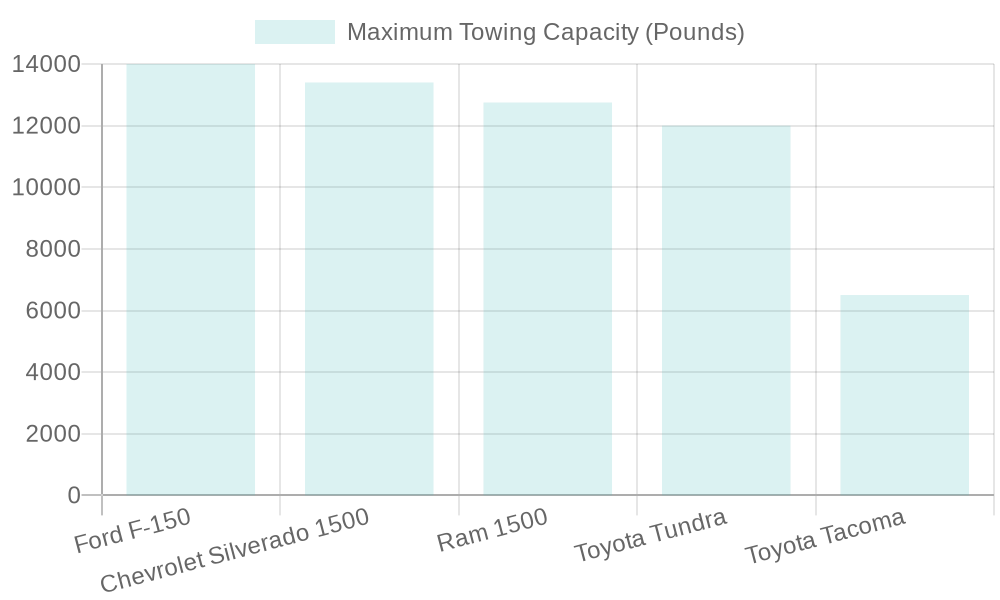
| Truck Model | Maximum Towing Capacity (Pounds) |
|---|---|
| Ford F-150 | 14,000 |
| Chevrolet Silverado 1500 | 13,400 |
| Ram 1500 | 12,750 |
| Toyota Tundra | 12,000 |
| Toyota Tacoma | 6,500 |
Selecting the right truck can empower local drivers, car owners, and even property managers, ensuring that all towing needs are met efficiently. Whether it’s for personal use or for managing a fleet, understanding these capacities is crucial. Learn more about illegal towing signs here and explore fleet emergency response strategies.
“Understanding your vehicle’s towing capacity is critical for safety. Exceeding this limit can lead to brake failure, loss of steering control, and increased stopping distances. Always check your owner’s manual and never rely on assumptions.”
- National Highway Traffic Safety Administration
This expert insight underscores the importance of knowing how to find the tow capacity of your truck, emphasizing that it is not just about convenience but a matter of safety for you and others on the road.
Case Study: A Local Driver’s Towing Experience
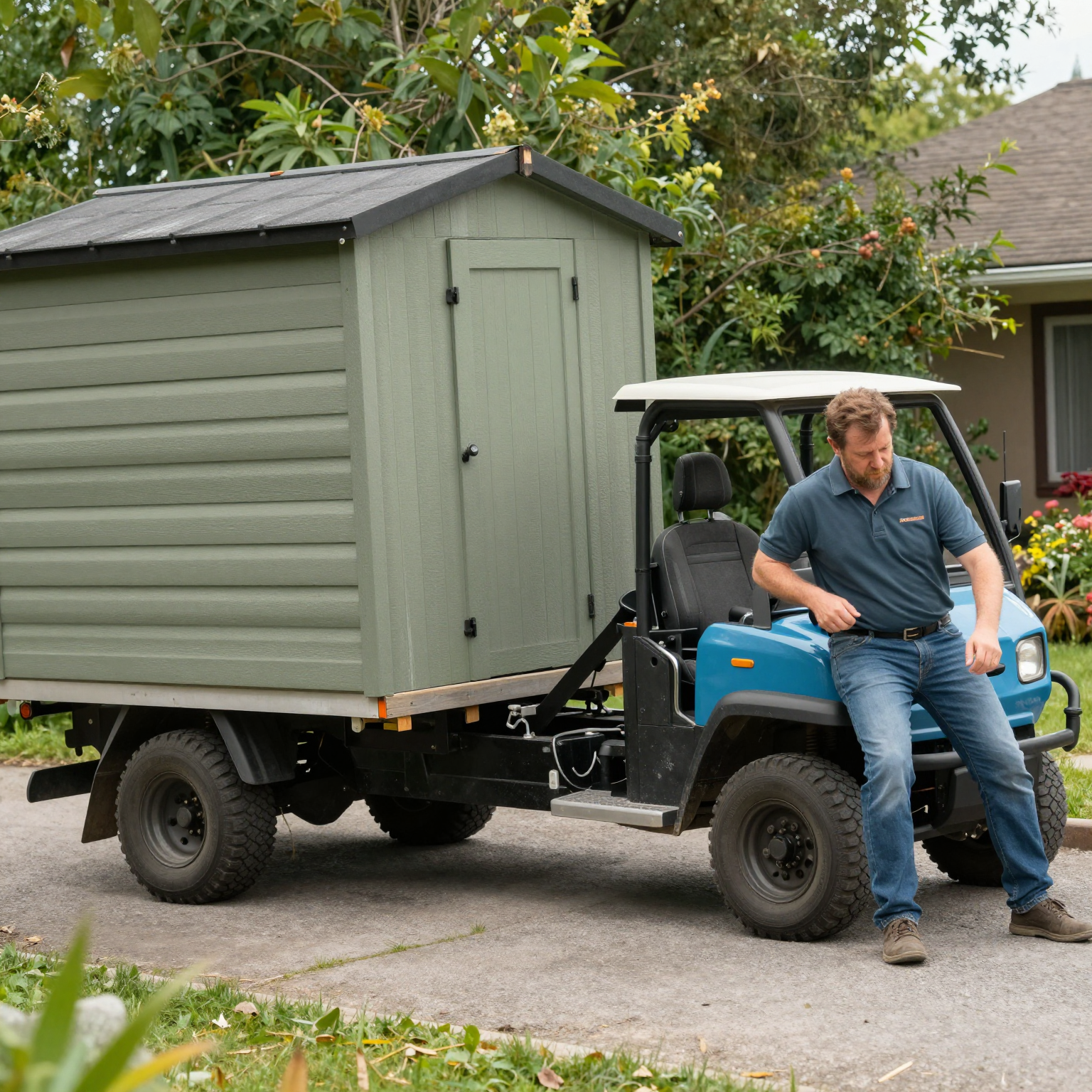
In a small town, a property manager named Jake faced a critical issue. He needed to tow a 3,000-pound garden shed using his mid-sized utility vehicle, which had a rated towing capacity of only 2,500 pounds. Oblivious to the implications of exceeding his vehicle’s capabilities, Jake decided to proceed with the task.
As expected, the attempt to tow the shed resulted in significant strain on the vehicle. Jake’s truck experienced engine strain, brake failure, and eventually, transmission damage. The repair bill totaled a staggering $7,800. This experience not only drained Jake’s finances but also caused unwanted stress and inconvenience in managing the property effectively.
This scenario illustrates a crucial lesson for both local drivers and property managers: understanding towing capacities is vital for safety and efficiency. When Jake ignored the towing capacity, he faced not only mechanical failures but also created potential hazards that could have affected those around him.
By adhering to vehicle specifications and always verifying towing capacities, drivers can avoid similar ordeals. In fact, studies indicate that nearly 30% of towing-related accidents arise from misunderstandings about these limits. Learn more about the risks of unsafe towing and how to prevent them.
Additionally, proper equipment and understanding one’s vehicle capabilities can greatly enhance safety. Let Jake’s experience serve as a warning: always ensure that your towing practices are safe and within the limits of your equipment.
In summary, understanding your truck’s towing capacity is not just a matter of compliance but a crucial factor in ensuring both safety and performance on the road. Exceeding this limit can lead to mechanical failures, compromised braking efficiency, and increased accident risks. Proper weight distribution and adherence to stated towing capacities provide better handling, shorter stopping distances, and increased longevity for your vehicle’s components.
To further enhance your truck’s performance and aesthetics, consider the advantages of custom-fit fairings from Summit Fairings. These fairings are designed to improve aerodynamics, reduce wind noise, and enhance fuel efficiency, offering both functional and visual benefits. Don’t compromise on safety or performance; explore Summit Fairings’ offerings to equip your vehicle with top-notch accessories that meet your needs. Learn more about the benefits of custom fit fairings today!
Frequently Asked Questions About Truck Tow Capacity
1. What Is Tow Capacity?
Tow capacity refers to the maximum weight that a truck can safely pull behind it, including trailers or boats. It’s important for safety and vehicle performance; exceeding this limit can lead to mechanical failure and compromised braking ability. Understanding your truck’s tow capacity helps ensure a safe driving experience. Learn more about this topic.
2. How Can I Find My Truck’s Towing Capacity?
Your truck’s towing capacity details are typically listed in the owner’s manual or on the vehicle’s data placard, which is located on the driver’s side door jamb. Each truck varies by its specifications, including trim level and installed towing packages. It’s crucial to refer to these resources before towing to avoid overloading. For more detailed guidelines, check out this towing capacity guide.
3. What Are Common Mistakes When Towing?
Common mistakes include exceeding tow limits and improper hitch installation. Many drivers overlook proper trailer brakes, tire pressure, and weight distribution, leading to steering issues and possible brake failure. Avoid these pitfalls for a smooth towing experience. Discover more common errors to avoid.
4. How Does Payload Differ From Towing Capacity?
Towing capacity is the weight a truck can pull, while payload is the weight the truck bed can carry, which includes passengers and cargo. Misunderstanding these terms can lead to unsafe loading practices and potential damage to your vehicle. It’s essential to manage both to ensure safety on the road. For comparisons, visit this detailed breakdown.
5. What Factors Affect Towing Performance?
Several factors influence how well a truck can perform when towing, including engine power, transmission type, suspension, and cooling systems. Knowing how these components interact is vital for optimizing your truck’s towing capabilities. Check out insights about these factors here.
Understanding tow capacity is crucial for ensuring safety and reliability when on the road, whether you’re a local driver, auto shop, or property manager. Don’t hesitate to look up additional resources or consult with professionals for specific needs based on your truck.