
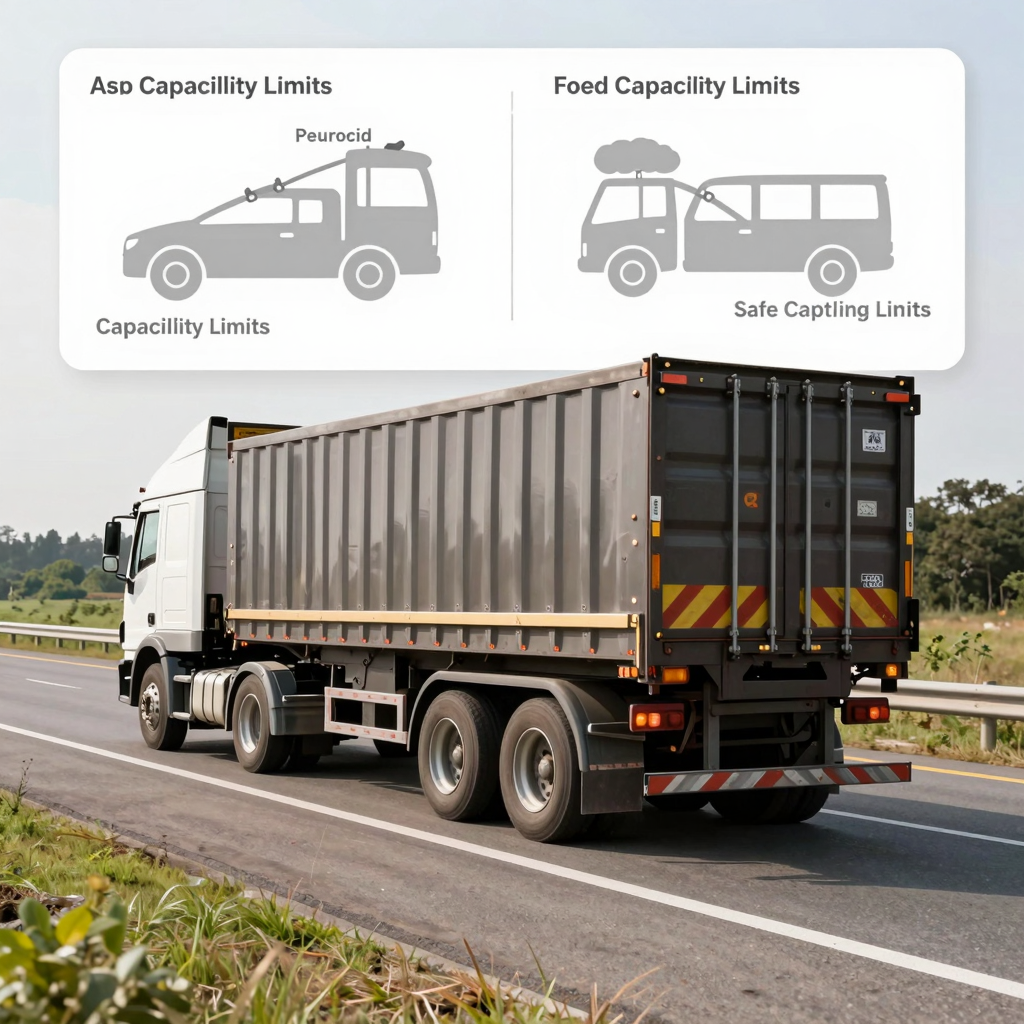
When it comes to driving trucks, few metrics are as crucial as towing capacity. Understanding this vital specification can significantly influence not just your driving experience but also your safety on the road. Whether you’re a local driver hauling equipment, an auto repair shop coordinating services, or a property manager needing to move supplies, knowing your vehicle’s towing limits is paramount. Exceeding these limits can lead to accidents or mechanical failures, creating daunting challenges for both driver and vehicle. Furthermore, keeping within safe towing parameters ensures that you have control of your truck, enabling better handling and reducing the risk of mishaps. As you navigate your driving choices, being informed about your truck’s towing capacity will empower you to make safer, more responsible decisions. Dive deeper to explore how to find your truck’s towing capacity and discover tips that will keep you, your cargo, and others safe on the road!
Truck Towing Capacity Comparison
To assist local drivers, auto repair shops, and property managers in selecting the right truck for their towing needs, we’ve compiled a comparison table of some popular truck models and their maximum towing capacities.
| Truck Model | Maximum Towing Capacity (lbs) |
|---|---|
| Ford F-150 | 14,000 |
| Chevrolet Silverado 1500 | 13,300 |
| Ram 1500 | 12,750 |
| GMC Sierra 1500 | 13,000 |
These figures represent the maximum towing capacity for the respective models in 2023. For more detailed towing information, you can visit Ford or Chevrolet.
Visualization of Towing Capacities

This chart visually represents the towing capacity of each truck, making it easier to assess your options.
Whether you’re seeking a truck for personal use or business purposes, understanding the towing capacities is vital for making an informed decision.
How to Determine Towing Capacity
Determining a truck’s towing capacity is crucial for safe towing and can be done through several reliable methods. Here are the steps to follow:
1. Check the Owner’s Manual
Your truck’s owner’s manual is the most definitive resource for determining the towing capacity. It includes specific ratings that account for your truck’s exact configuration, which can vary based on engine type, transmission, and axle ratios. Always refer to this manual first to get the correct information.
2. Look Up Vehicle Specifications Online
All major manufacturers provide access to detailed specifications online. Websites like Ford and Chevrolet allow you to enter your vehicle’s information and obtain towing capacity details. Make sure to cross-reference this data with your owner’s manual to confirm accuracy.
3. Understand the Role of the VIN
The Vehicle Identification Number (VIN) plays a critical role in determining your truck’s towing capacity. This unique code provides essential information about the truck’s configuration, including any special options and factory configurations. You can use your VIN to access manufacturer databases or online tools to retrieve precise capacity figures. As noted by the NHTSA, understanding your VIN is vital for preventing overloading and ensuring compliance with safety regulations.
By following these steps, you can confidently understand your truck’s towing limits and enhance both safety and performance while towing.
Common Towing Scenarios and the Importance of Knowing Your Truck’s Capacity
As local drivers, encountering towing situations is a part of life. Understanding your truck’s towing capacity can make a significant difference in safety and performance. Here are some common scenarios:
- Towing a Boat: Ensuring your truck can handle the weight of the boat and trailer is crucial for safe travels.
- Hauling a Trailer: From moving household items to taking a cross-country trip, gauge your truck’s limits to prevent overload.
- Carrying Recreational Vehicles: ATVs, campers, and other recreational vehicles require attention to weight limits for safe towing.
- Emergency Recovery: Whether helping a friend or assisting in roadside situations, knowing your capacity helps avoid accidents.
- Transporting Heavy Loads: Whether for work or personal projects, ensure load weights are manageable to maintain control.
Proper knowledge of your truck’s towing capacity not only enhances safety but also prolongs vehicle life. Learn more about roadside emergencies. For businesses, understanding these dynamics can lead to better planning for emergency responses.
Factors Affecting Towing Capacity
Understanding the various factors that affect a truck’s towing capacity is essential for local drivers, auto repair shops, and property managers to ensure safe towing practices. Here, we explore critical considerations that directly impact towing capacity calculations:
1. Weight Distribution
Weight distribution is vital for safe towing. The hitch weight, which is the downward force on the trailer hitch, should ideally be 10-15% of the total trailer weight. Improper weight distribution-such as having too much weight at the front or back of the trailer-can cause sway and affect steering control. This not only leads to reduced handling but also increases wear on tires and suspension components. Learn more about how weight distribution affects towing capacity.
2. Trailer Type
Different trailer types (e.g., flatbed, enclosed) have specific weight limits and hitch requirements. For instance, a specialized trailer’s design can drastically change its towing capability. Understanding the trailer’s specifications is crucial in ensuring that the towing capacity is not exceeded, thereby enhancing operational safety.
3. Modifications to the Truck
Any modifications to the truck, such as upgraded suspensions or altered weight distributions, can affect its towing capacity. Sometimes, enhancements improve towing performance, while other changes may reduce it. Always consult with professionals to evaluate how modifications can impact your vehicle’s ability to tow efficiently and safely.
These considerations are fundamental when calculating your truck’s towing capacity, ensuring that you make informed decisions for safe towing.
Average Towing Capacity by Vehicle Weight Class
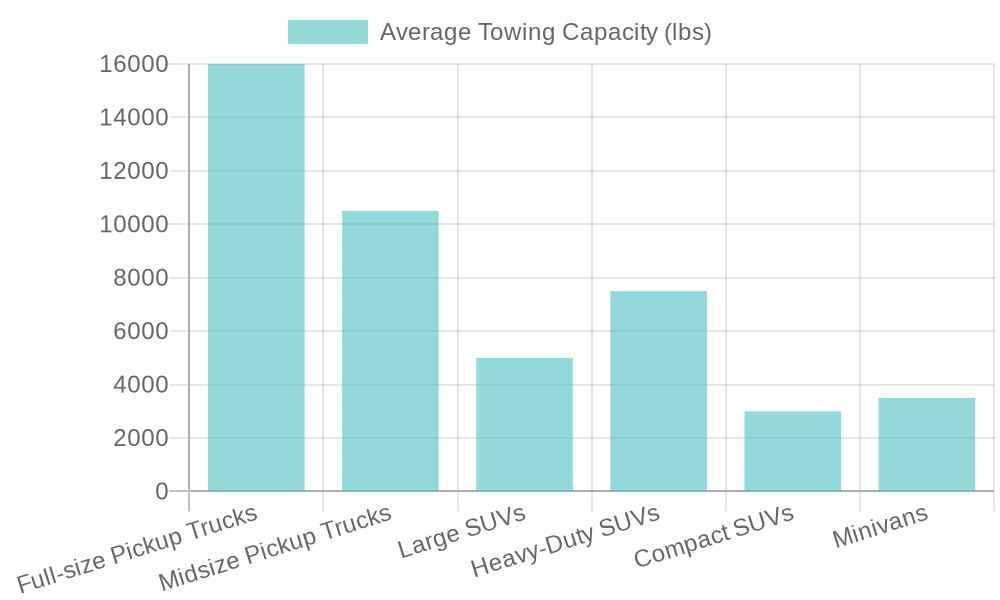
Understanding the towing capacity of vehicles is crucial for drivers, especially when it comes to selecting the right truck for your needs. The chart below illustrates the relationship between different weight classes of vehicles and their average towing capacities, which can help you make informed choices when towing trailers, boats, or other heavy loads.
Towing Capacity by Vehicle Class Chart
| Vehicle Weight Class | Average Towing Capacity (lbs) |
|---|---|
| Full-size Pickup Trucks | 16,000 |
| Midsize Pickup Trucks | 10,500 |
| Large SUVs | 5,000 |
| Heavy-Duty SUVs | 7,500 |
| Compact SUVs | 3,000 – 3,500 |
| Minivans | Up to 3,500 |
Source: Data compiled from industry standards and manufacturer specifications as of 2026. Verified through automotive industry reports and vehicle manufacturer technical data sheets.
By reviewing this chart, you can see how various vehicle classes differ in their towing capabilities, ensuring that you choose the most suitable vehicle for your towing needs. For more details on towing regulations, check out our article on spotting illegal towing or emergency response fleets.
The Importance of Adhering to Towing Limits
Adhering to towing limits is crucial not only for your safety but also for legal compliance. When a vehicle is overloaded, braking efficiency diminishes significantly, leading to extended stopping distances, and an increased risk for jackknifing or rolling over. According to the National Highway Traffic Safety Administration (NHTSA), these outcomes can have dire consequences, especially in emergency situations where precision is key.
From a legal perspective, exceeding towing limits can incur substantial fines and penalties. The Federal Motor Carrier Safety Administration (FMCSA) states that commercial operators face serious ramifications for such violations, which can include vehicle impoundment and loss of driving privileges. For non-commercial drivers, repercussions can range from traffic citations to steeper insurance rates. Insurance policies may even deny claims if it is determined that an accident resulted from improper towing practices, placing financial burdens on the driver even if they weren’t at fault (learn more). Understanding and respecting your truck’s towing capacity is essential for safer driving and peace of mind.
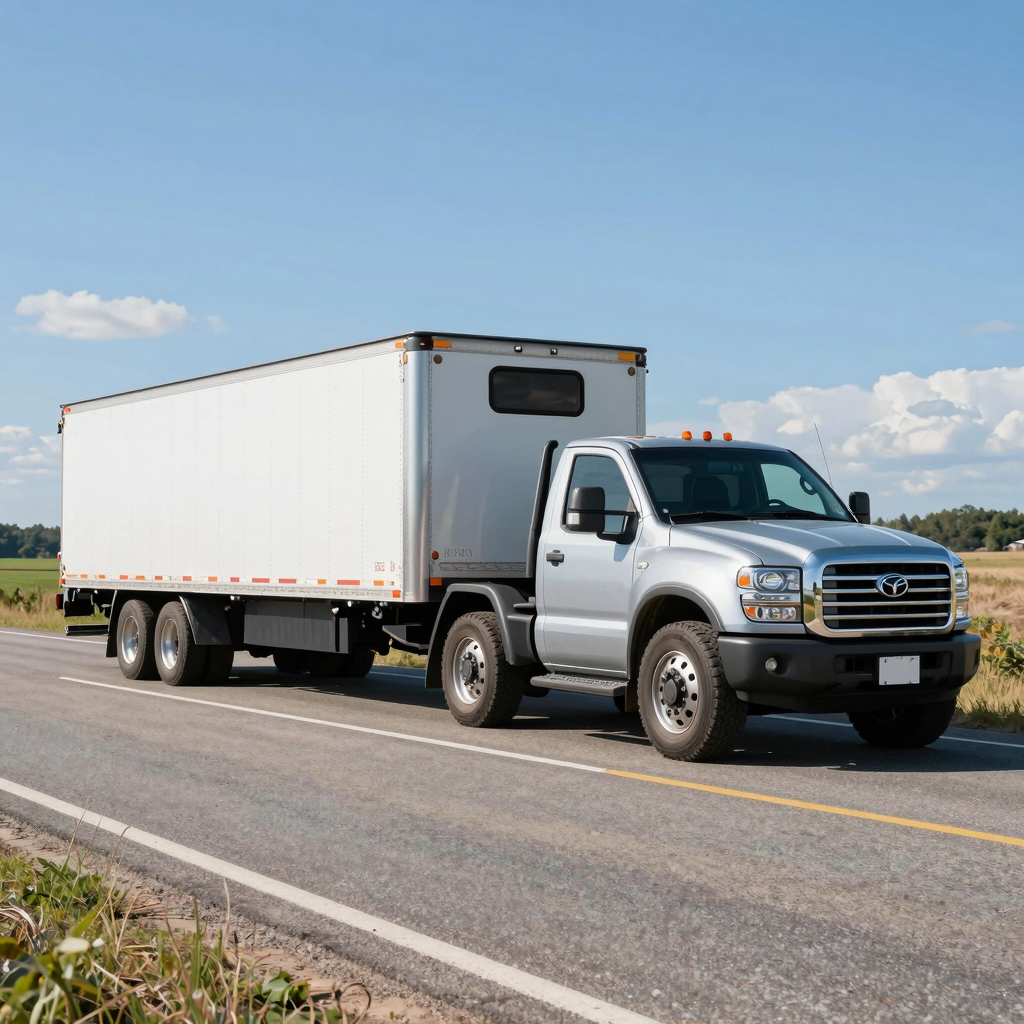
Understanding towing capacity is not just about legality, it’s about safety and efficiency. According to automotive expert Jennifer Becker, “Knowing your vehicle’s towing capacity can save you from costly repairs and even accidents. Exceeding that limit puts undue stress on your truck and can lead to dangerous situations on the road.” This emphasizes the critical nature of educating yourself about your vehicle’s specifications, especially when planning to haul trailers or heavier loads.
Cars and drivers need to consider various factors including the vehicle’s engine type and weight distribution for optimal performance. For instance, the difference in towing capacity based on model year or trim can be significant, so always consult your owner’s manual. So, before you hook up that trailer, take the time to understand your vehicle’s limits documented in your owner’s manual or relevant industry publications.
Conclusion and Call-to-Action
In conclusion, understanding your truck’s towing capacity is crucial for safe and efficient towing. This capacity is determined by factors such as the Gross Combined Weight Rating (GCWR), Gross Vehicle Weight Rating (GVWR), and your truck’s weight-considering any passengers and cargo. Always check the manufacturer’s specifications found on the VIN label for precise towing limits. Miscalculating your truck’s capabilities can lead to serious safety hazards, so it’s important to know how to calculate it accurately. To dive deeper into recognizing illegal towing practices, learn more here.
Now is the time to take action! Check your truck’s towing capacity today to ensure you are towing safely and legally. If you’re looking to enhance your truck’s performance, consider upgrading with products from Summit Fairings. Their premium fairings improve aerodynamics and fuel efficiency, giving you both performance and style on the road. Don’t leave your truck’s potential untapped; elevate its capabilities with Summit Fairings for a smoother and more efficient towing experience!