
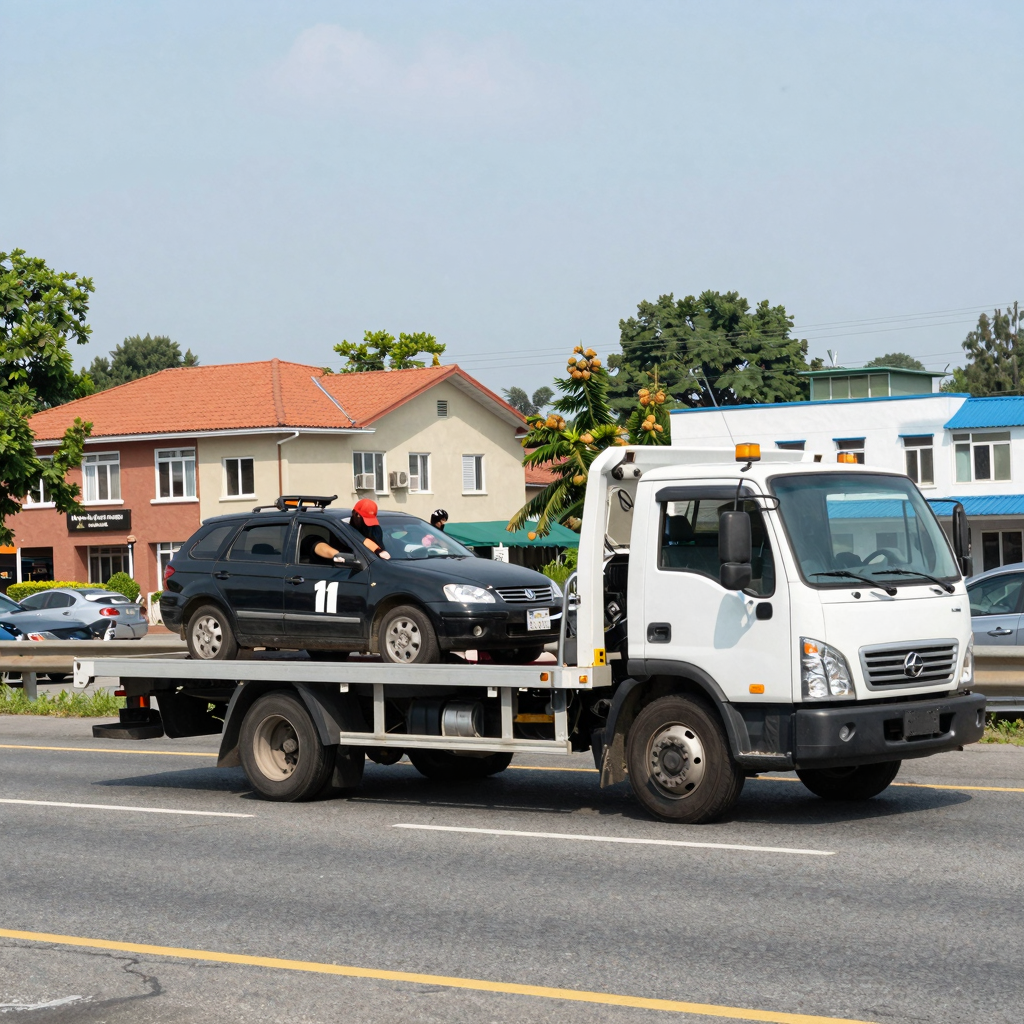
Owning a tow truck is not just about having a vehicle; it’s an empowering venture that taps into the heart of local communities, providing essential services that ensure safety and support. For local drivers and businesses, the benefits are manifold-financial gains and a strong connection to the community rank among the top rewards. With an ever-growing demand for towing services due to roadside emergencies, you have the opportunity to turn your tow truck into a reliable lifeline. As a tow truck owner, you can facilitate quick responses for stranded motorists, positively impacting their experience during difficult moments. Furthermore, forming partnerships with auto repair shops, property managers, and dealerships enhances your business potential, opening avenues for collaboration and mutual support. By investing in this venture, not only do you create a sustainable income stream, but you also contribute to community welfare, reinforcing the cornerstone of local trust and reliability. For insights on operational standards, check out standardization in heavy-duty rescue operations.
Key Benefits of Owning a Tow Truck
Owning a tow truck can offer numerous advantages not only for the owner but also for local drivers, auto repair shops, and property management services. Here’s a detailed list of some key benefits:
-
Emergency Response: Tow trucks provide critical support during roadside emergencies, helping stranded drivers quickly regain mobility. This is particularly important for local drivers who may find themselves in inconvenient or unsafe situations.
-
Business Opportunities for Auto Shops: Integrating towing services allows auto repair shops to attract more customers. When drivers know they can receive towing directly to a trusted shop, it enhances customer loyalty and streamlines the repair process. Learn more about enhancing your auto shop with towing services.
-
Revenue Generation: Owning a tow truck can be a lucrative business endeavor. The demand for towing services is consistent, especially in urban areas where vehicle breakdowns are frequent. With good marketing and partnerships, it can lead to tremendous profitability. Explore profitability trends in urban areas for tow truck businesses.
-
Flexibility and Autonomy: For operators, running a towing business allows for a flexible work schedule. This makes it easier to manage personal life while also serving the community’s needs, contributing positively to local economies.
-
Support for Property Management: For property managers and homeowner associations, having a tow truck helps manage unauthorized parking effectively. This protects property values and ensures that parking resources are used appropriately, enhancing the overall quality of the community.
-
Diverse Service Capabilities: With the right equipment, tow truck owners can provide additional services such as roadside assistance, vehicle recovery, and even light hauling. This diversification can significantly improve earnings.
-
Community Presence: Owning and operating a tow truck business creates a visible presence in the community. It allows owners to build relationships with residents and other local businesses, further increasing referral opportunities.
Each of these benefits underscores the importance of owning a tow truck, illustrating how it can serve not just as a business venture but also as a valuable service to the community. If you’re considering entering the towing industry, evaluate how these benefits align with your goals and community needs.
Understanding Tow Truck Regulations for Local Ownership and Operation
Owning and operating a tow truck involves understanding a range of regulations at both state and local levels. This comprehensive summary will help you navigate the critical legal requirements, insurance necessities, and licensing logistics relevant to drivers and businesses in the towing industry.
Key Legal Requirements
Depending on your state, ownership and operational regulations will vary. Here are some generalized requirements:
| State | Vehicle Ownership Requirements | Operator Licensing Requirements | Insurance Requirements | Permit Requirements |
|---|---|---|---|---|
| California | Must be registered with DMV; commercial towing requires a license from Caltrans | Class B CDL for vehicles over 26,000 lbs GVWR | Minimum $1.5 million liability | Towing and Recovery License required with additional permits for operations. |
| Texas | Vehicles must be registered; commercial firms must be licensed by DPS | Class A or B CDL for heavy-duty towing operation | Minimum $1 million liability | Towing License from DPS required. |
| New York | Must register with DMV; license is required from NY DMV | Valid driver’s license; CDL required for heavy towing | Minimum $1 million liability | Towing Business License from DMV required. |
Insurance Necessities
Insurance varies by state and the type of service provided. Generally, tow operators need coverage for:
- Liability Insurance: Coverage against damages to vehicles and property.
- Cargo Insurance: Protection for vehicles being towed.
For specific requirements, check resources like BravoPolicy.
Licensing Logistics
Licensing often involves a multi-step process, including:
- Submission of applications with necessary documents.
- Background checks for operators.
- Traffic violation history evaluation.
It’s critical to consult local regulations, such as Texas’ official Towing and Recovery page for more details. Additionally, staying compliant can prevent heavy fines and allow you to operate your business with peace of mind.
Understanding these regulations will equip you to successfully navigate the complexities of towing operations, enabling you to serve your community effectively and legally.
Essential Equipment for Owning a Tow Truck
Investing in a tow truck is just the first step in ensuring your operations run smoothly and safely. Alongside your tow truck, there are several essential tools and safety equipment that every tow truck owner should consider to enhance efficiency and protect both themselves and their customers.
Traditional Tools Necessary for Tow Truck Operations
Having the right tools at your disposal is critical when responding to various roadside situations. Here’s a list of must-have equipment:
- Tow Straps and Chains: These are vital for securing the vehicle being towed. High-quality tow straps ensure safety and reliability when moving vehicles of various sizes.
- Winch: A powerful winch can pull vehicles out of ditches or other hard-to-access areas. Make sure the winch has a sufficient weight capacity for the types of vehicles you are likely to tow.
- Jump Starter: A portable jump starter can assist stranded motorists, giving them a much-needed boost.
- Heavy-Duty Dolly: For easier transport of inoperable vehicles, a heavy-duty dolly can make the process safer and more efficient.
- Tool Kit: A complete set of basic tools for on-site repairs can make a big difference during roadside assistance.
For a more comprehensive list of essential tools, you can refer to this informative guide on tow truck equipment.
Safety Equipment to Ensure Safe Towing Operations
Safety cannot be compromised in the towing industry. To protect yourself and others on the road, equip your truck with the following safety gear:
- High-Visibility Clothing: To ensure you are seen, especially at night or in low-visibility conditions, wear reflective vests and clothing.
- Road Flares or LED Triangles: These are crucial for alerting other drivers to your presence when performing a tow.
- First Aid Kit: Having a stocked first aid kit can be invaluable during emergencies or roadside accidents.
- Fire Extinguisher: Be prepared for potential fire hazards, especially when dealing with older or malfunctioning vehicles.
For more information on safety equipment essentials, explore this insightful guide on roadside safety for towing professionals.
Having the right equipment not only boosts your efficiency but also assures others on the road that they are in safe hands. Ensure that these tools are part of your inventory to build a reputable towing business.
Comparing Different Tow Truck Types
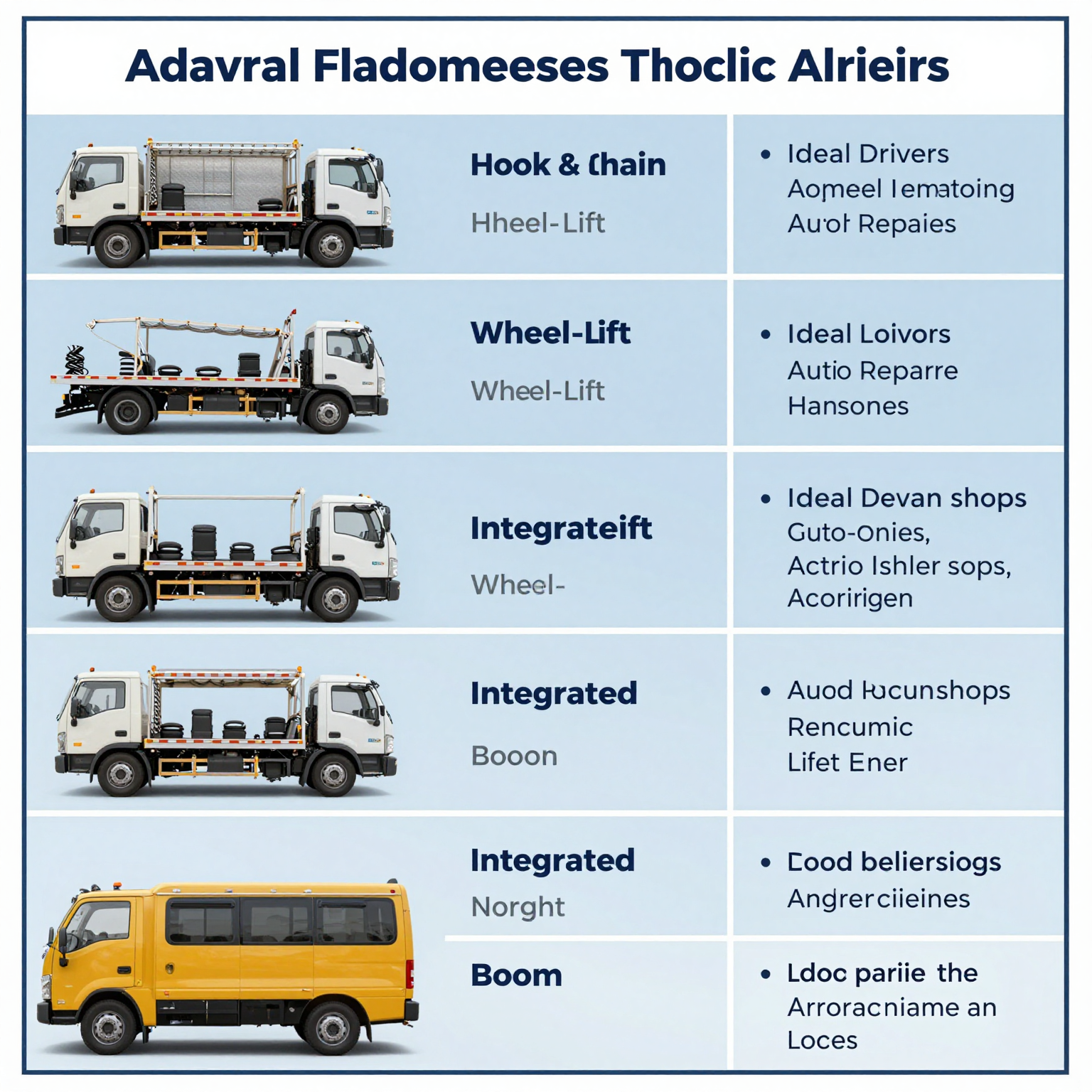
When it comes to tow trucks, understanding the differences between various types is crucial for local drivers, auto repair shops, and property managers. Below is a comparison of the most common types of tow trucks in use today:
| Tow Truck Type | Advantages | Disadvantages | Ideal Use Cases |
|---|---|---|---|
| Flatbed | – Highly versatile – Safe for long-distance towing – Reduces wear on towed vehicle |
– Higher cost – Requires more space to operate |
– Local drivers with luxury or all-wheel drive vehicles – Auto repair shops needing to transport vehicles without damage |
| Hook and Chain | – Cost-effective – Quick to hook up – Effective for wrecked vehicles |
– Can cause damage to the vehicle – Less stable on long hauls |
– Property managers for quick recoveries of illegal parking – Local drivers with smaller vehicles |
| Wheel-lift | – Affordable – Quick set-up – Functional for most cars |
– Limited weight capacity – May not suit all vehicle types |
– Especially useful for towing vehicles out of tight spaces |
| Integrated | – Heavy-duty and robust – Suitable for towing large vehicles – Versatile in function |
– Expensive – More complex operational needs |
– Auto repair shops dealing with heavy machinery – Used by larger fleet services |
| Boom | – Utilizes leverage, ideal for reaching – Effective in urban environments – Good for recovering vehicles stuck on embankments |
– More complicated to operate – Not for long-distance hauls |
– Local drivers needing recovery from difficult spots – Property managers needing efficient retrieval from challenging locations |
Understanding these differences will help local drivers and auto repair services make informed decisions about which tow trucks best suit their needs. For more about illegal towing and what to watch out for, learn more here. Also, if you’re looking into fleet maintenance strategies, read more here.
Business Considerations for Tow Truck Owners
Owning a tow truck business can be an incredibly rewarding venture, but it also involves navigating various complexities, including pricing, customer service, and effective marketing strategies. Understanding these elements is crucial for success in this competitive industry.
Pricing Strategies
Setting competitive prices is vital to attracting customers while ensuring profitability. According to a Towing Cost Guide, average pricing for local towing services ranges from $75 to $150 for the first 5-10 miles, with additional charges for longer distances. Specialty towing, which includes vehicles such as RVs and luxury cars, can command higher fees, often between $120 and $200. Here’s a general breakdown of average costs for different towing categories:
| Category | 2023 Average Cost (USD) | 2024 Average Cost (USD) | 2025 Average Cost (USD) | 2026 Forecast (USD) |
|---|---|---|---|---|
| Local Tow (up to 10 miles) | $75 – $125 | $80 – $130 | $85 – $135 | $90 – $140 |
| Long-Distance Tow (10-100 miles) | $150 – $250 | $160 – $260 | $170 – $270 | $180 – $280 |
| Specialty Tow (e.g., RV, motorcycle) | $120 – $200 | $130 – $210 | $140 – $220 | $150 – $230 |
| Heavy-Duty Tow (com. truck/large equipment) | $200 – $400 | $220 – $420 | $240 – $450 | $260 – $480 |
Note: Prices may vary based on time of day and urgency of the service offered.
Customer Service Strategies
Excellent customer service is a vital aspect of managing a tow truck business, as it often determines reputation and long-term success. Here are a few strategies:
- 24/7 Availability: Offering 24/7 services can greatly enhance your appeal to emergency situations.
- Responsive Communication: Quick responses to customer inquiries and follow-ups create a reliable brand presence.
- Professional Staff: Training your drivers in customer interaction can significantly improve the customer experience.
Marketing Approaches
Effective marketing can significantly influence your business growth. By targeting local drivers, auto shops, and property managers, your marketing strategies should include:
- Online Visibility & SEO: Utilize local SEO techniques to ensure your business appears in local searches, assisting car owners in need of towing services.
- Social Media Engagement: Platforms like Facebook and Instagram can showcase your services, share testimonials, and enhance community relations. For more insight on this, check out Digital Marketing for Tow Truck Companies.
- Strategic Partnerships: Forge partnerships with dealerships, property managers, and auto repair shops to establish a referral network.
Conclusion
Navigating these business considerations-pricing, customer service, and marketing-is crucial for tow truck owners. By implementing effective strategies in each area, you can position your tow truck business as a trusted and preferred choice for local drivers and property managers. As you build your reputation and customer base, remember that adaptability and responsiveness to market trends will sustain your business success.
Enhance Your Tow Truck Knowledge
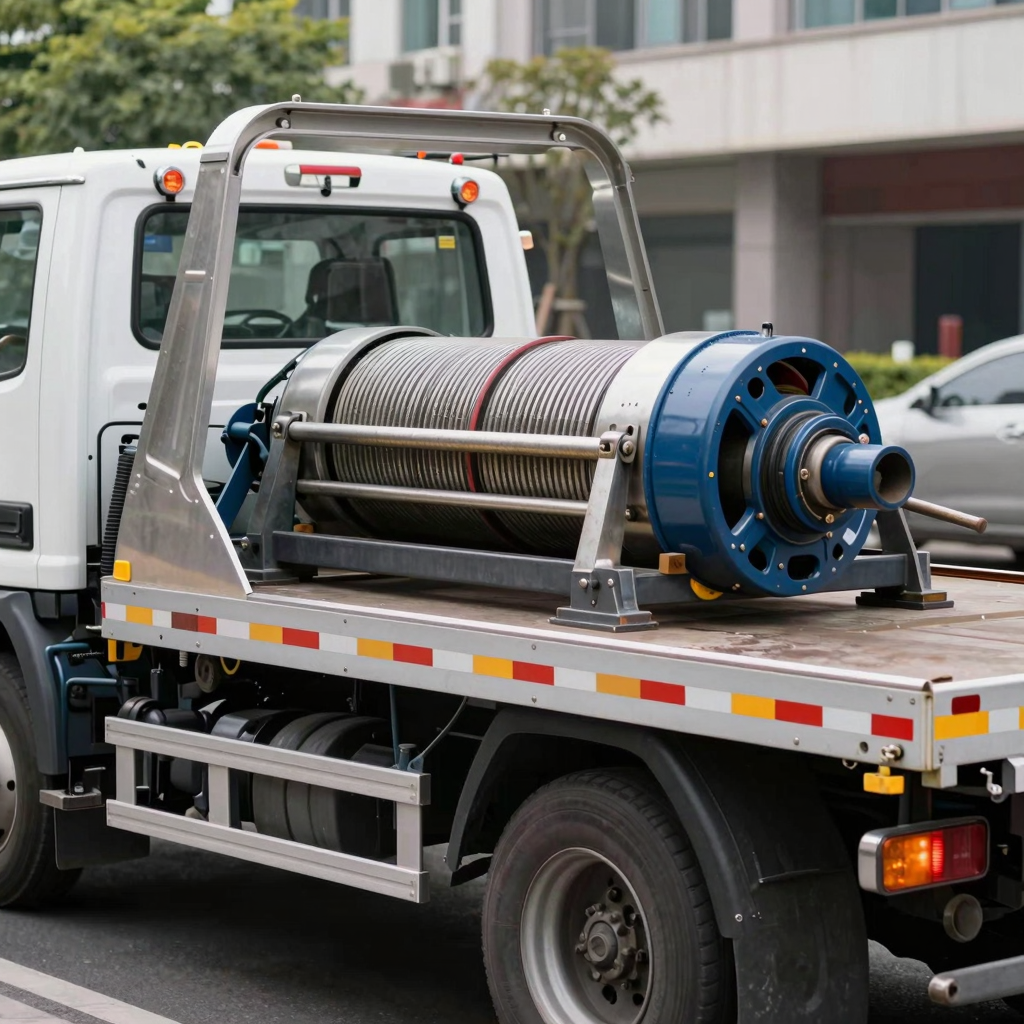
Owning a tow truck is not just about acquiring the vehicle; it’s also about understanding its features and capabilities. A tow truck is essential for safely moving vehicles in distress, whether on highways or in parking lots. The versatility of these trucks allows them to haul everything from small cars to heavy-duty trucks, making them invaluable to auto repair shops, property management companies, and roadside assistance providers.
In the image below, you can see a robust tow truck designed for various towing tasks. It showcases its winch system, storage compartments, and powerful towing mechanism, all of which are critical for effective operations.
To gain insights into illegal towing practices, you can learn more about the key signs to know. Additionally, emergency response training for fleets can be beneficial; check out emergency response preparation for fleets.
The Importance of Customer Service in the Towing Industry
In the competitive world of towing services, customer service stands as a cornerstone for success. Tow truck operators frequently encounter individuals in distress-be it from a breakdown, accident, or other emergencies. Building relationships with customers and providing exemplary service can differentiate a towing company from its competitors, significantly impacting its reputation and long-term success.
“Customer service is not just about getting the job done,” emphasizes Bob Smith, a veteran in the towing industry with over 20 years of experience. “It’s about building trust and relationships-not just a transaction, but a connection that reassures people when they’re at their most vulnerable.”
Why Customer Service Matters:
- Trust Building: Effective communication and professionalism foster trust between the service provider and the client.
- Repeat Business: Customers are likely to return to a towing service that has treated them well, as well as recommend it to friends and family.
- Handling High-Stress Situations: Towing personnel must navigate sensitive situations while remaining calm and empathetic, providing reassurance to clients who are already distressed.
Practical Examples:
- Timely Response: In towing, time is often critical. Services that can guarantee prompt responses build reputational advantages.
- Transparent Pricing: Providing clear, upfront pricing helps avoid misunderstandings and builds customer confidence.
- Post-Service Follow-Up: A simple follow-up call to ensure the customer was satisfied can go a long way in establishing lasting relationships.
Moreover, exceptional customer service can lead to positive reviews and high ratings on platforms which further amplify a towing company’s visibility and credibility among prospective clients. As Bob insists, “In this business, it’s not just about moving cars; it’s about moving hearts.”
For those looking to learn more about illegal towing practices and signs to watch out for, understanding how customer service plays into these scenarios can also educate consumers and improve outcomes in emergencies.
Through these strategies and an unwavering focus on customer satisfaction, tow truck operators can build a loyal client base and ensure their business thrives.
Understanding Average Earnings of Tow Truck Operators by Region
Owning a tow truck is not just about having the right vehicle; it’s crucial to understand the financial landscape of the towing industry. Average earnings can vary significantly based on geographic location, which is invaluable for aspiring tow truck owners aiming to gauge their potential income. Here, we’ve compiled average earnings for tow truck operators by region in the United States.
Average Earnings by Region
Understanding the different earning potentials across regions can help you decide whether to start a tow truck business or to find a job with a company. Here’s a detailed chart illustrating average earnings for tow truck operators across major U.S. regions:
| Region | Average Earnings ($) |
|---|---|
| Washington | 55,000 |
| New York | 52,000 |
| California | 50,000 |
| Florida | 45,000 |
| Texas | 44,000 |
| National Average | 47,559 |
Source: U.S. Bureau of Labor Statistics (BLS), Occupational Employment and Wage Estimates (2023 data)
Chart Representation
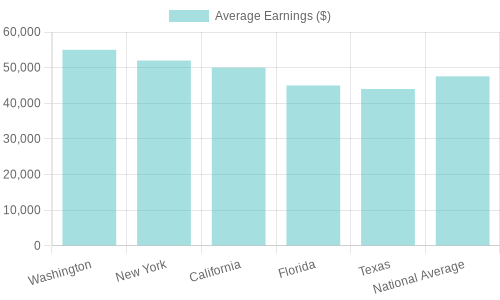
This chart provides a clear visual representation of the average earnings, emphasizing Washington’s leading position, followed closely by New York and California. As the chart illustrates, these regions offer substantial income opportunities for tow truck operators!
Market Insights
As demand for towing services continues to grow, especially with urban expansion and increasing vehicle numbers, knowing these salary averages can help you understand your potential earnings better. Additionally, understanding regional differences can aid in targeting your market more effectively. Learn more about the operational aspects of tow trucks here.
In your journey of owning a tow truck, having a firm grasp on potential earnings will not only guide your financial planning but will also motivate you to pursue the necessary steps to enter the industry. Exploring local regulations and market dynamics can also contribute to your success in this lucrative field!
Conclusion: Taking the Next Steps in Owning a Tow Truck
Owning a tow truck is more than just a business venture; it represents a commitment to providing essential services to your community. As we’ve explored throughout this article, potential tow truck owners should consider several critical action steps:
-
Research Your Market: Understand the demand for tow truck services in your locality and identify your competition. This knowledge is crucial for establishing a robust business strategy. For more guidance, you can refer to this comprehensive guide.
-
Get the Right Equipment: Invest in reliable towing equipment and trucks. Check for the latest models and features that enhance safety and efficiency in your operations.
-
Legal Compliance: Ensure you secure all necessary permits and insurances to operate legally in your area. Catering to local regulations can save you from potential fines.
-
Develop a Business Plan: A well-structured business plan will outline your goals, budget, and strategies. This document is vital for navigating the startup phase swiftly and successfully.
-
Build a Network: Connect with local auto repair shops and dealerships to increase your service reach. Partnerships can provide mutual benefits and broaden customer bases.
Taking these key steps will set you on the right path to owning a successful tow truck. If you’re also interested in enhancing your vehicle services further, don’t forget to explore our motorcycle fairings for the perfect upgrades. In the towing industry, every little detail matters! Together, let’s make our roads safer while building a profitable tow truck business!