
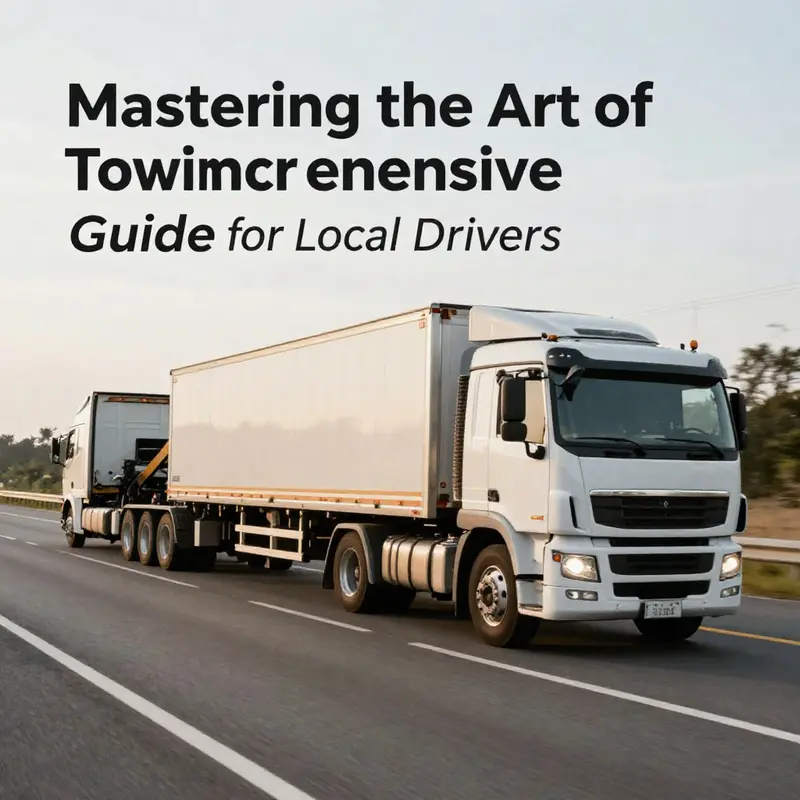
Towing a truck with another truck may seem daunting, but with the right preparation and knowledge, it’s a manageable process. Whether you’re a local driver, an auto repair shop technician, or a property manager, understanding the principles of towing is essential for safety and efficiency. This guide outlines the critical steps—from preparation checks to equipment selection and safe driving practices—ensuring that both vehicles remain secure and functional during the towing process. Each chapter will delve into practical tips and essential protocols to help you navigate truck towing with confidence and skill.
Tow Safely: A Unified, Cautious Guide to Towing a Truck with Another Truck
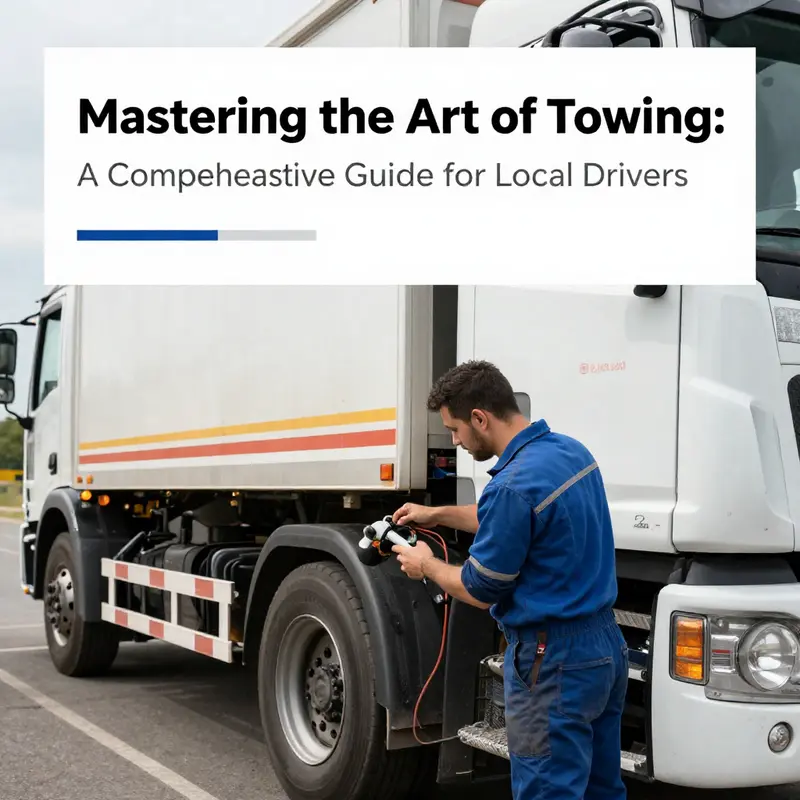
Towing a truck with another truck is a high-stakes operation that requires planning, correct equipment, and calm communication. This chapter outlines a unified approach to connect, control, and move the paired vehicles while keeping safety at the forefront.
Preparation begins before any movement. Inspect both vehicles and the tow gear: hitch, pins, tow bar, straps or chains, lighting, braking connections, tires, and fluid levels. Ensure the towing vehicle can sustain the added mass and that the towed vehicle is placed in a neutral state with the parking brake released and the transmission in a safe gear. Disable or set to a passive mode any electronic stability systems if the manufacturer allows it, so they do not fight the tow.
Choosing the towing method matters. A rigid tow bar or heavy-duty hitch generally provides better stability for heavier loads. Flexible options can work for light tows but may introduce sway. All connections should be free of wear or damage and must align correctly. After connecting, perform a gentle test pull to verify there is no excessive play and that the link holds under small tension.
Communication is essential. Agree on signaling methods and use them consistently. Hand signals or radios help maintain coordination whenever road or weather conditions change the feel of the drive. Both drivers should know when to slow, stop, or adjust speed.
Speed and spacing should be managed carefully. A conservative speed limit, such as 25 to 30 km/h depending on the load and road, helps maintain control and gives the following traffic time to react. Allow extra distance for braking and for the potential lag between the towing vehicle and the towed mass. Avoid sharp turns and sudden acceleration or deceleration that can transfer shock to the tow point.
Vehicle types and scenarios influence the plan. Automatic transmissions may tolerate towing only under manufacturer guidelines. Manual transmissions should be in neutral with the clutch disengaged if the setup allows it. Drive wheels on the towed vehicle may be left on the ground only when the owner manual permits it; otherwise, use a flatbed or trailer. Electric and hybrid vehicles require special attention to high voltage systems; follow the manual to determine safe tow practices.
Environmental conditions set the outer limits. Wet or icy surfaces, strong winds, or poor visibility raise the risk. If stability cannot be assured, postpone the tow or choose an alternative transport method. Always refer to the owner manuals for exact limits and procedures before towing.
Finally, document and rehearse the plan. Use a simple checklist and confirm each step with your partner driver. With preparation, clear communication, and disciplined execution, towing a truck with another truck can be done safely and predictably, minimizing risk to people and property.
Tow as Trust: A Steady, Measured Path to Moving a Heavy Truck Behind Another
When two heavy machines share a road, the outcome hinges on calm preparation and disciplined technique more than brute force. Tow a truck with a truck, and the job becomes less a stunt and more a choreography of restraint, communication, and respect for the systems that keep moving parts aligned. The moment you step into this task, you step into a sequence where every choice—location, equipment, speed, and signaling—has consequences for safe passage and for the machines you’re guiding. The road is not forgiving to improvisation. It rewards those who treat the towed vehicle as a companion that must be kept in a controlled orbit around the towing vehicle. This chapter threads together the practical steps, the reasons behind them, and the cautions that emerge from years of behind-the-scenes operations in recovery and heavy-tow scenarios. It is built to help a driver approach the situation with a steady plan rather than a series of quick fixes, and it constantly echoes a central reminder: follow the manufacturer’s guidelines for both vehicles and equipment, because no general rule substitutes the specifics written in the owner’s manual. The guidance that follows aligns with the safety framework you’ll find in national resources, which emphasize predictable operation, redundancy where possible, and clear communication between drivers.
Preparation begins long before you move the first wheel. It starts with a thorough inspection of the tow vehicle and the towed vehicle. Look at the tow vehicle’s brake system, steering, tires, and lights. Inspect the hitch or tow bar for wear, cracks, or looseness. Tire inflation and tread depth aren’t purely about grip; they are about predictable behavior under load. A tired or unevenly worn tire can introduce sway or misalignment even when other systems are in good shape. The towed truck deserves the same scrutiny: in neutral, with the parking brake fully released, its transmission should present no binding resistance. If it’s an automatic, confirm that the transmission is in Neutral and that all critical systems—steering, brakes, and lighting—are functioning. If the towed vehicle has an electronic stability program, disable it only if the vehicle’s manual directs you to do so; otherwise, the best practice is to respect the safety features that are designed to protect both vehicles during a tow.
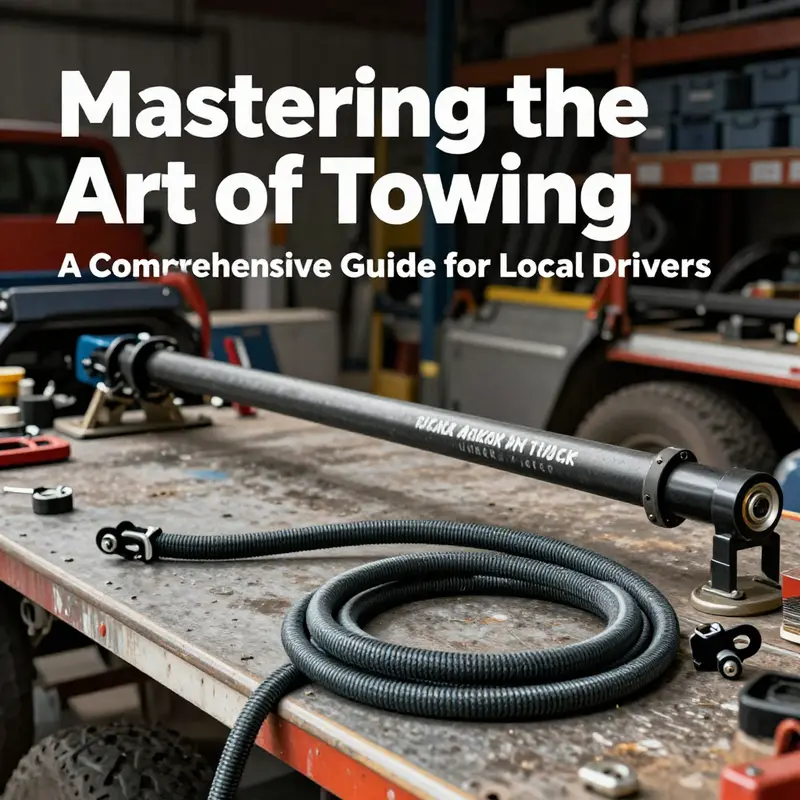
The heart of any successful heavy tow is the equipment you choose and how you connect it. The two main paths you’ll consider are a heavy-duty tow bar, or a robust tow rope, each with its own set of responsibilities and limitations. A rigid tow bar offers stability and control at higher speeds, which is essential for longer hauls. It requires precise alignment and meticulous installation, and your torque specs must come straight from the manufacturer’s manual for both the bar and the receivers. A tow rope, while simpler to deploy and store, introduces dynamic forces that can surge through the system. A high-strength, heavy-duty rope with reflective strips improves visibility and reduces the chance of accidental contact. The rope length—typically four to six meters—must be chosen with care: too short invites collision risk when maneuvering; too long amplifies sway and makes control difficulty grow, especially in busy traffic or on curved roads. Regardless of the method, the connection procedure matters as much as the equipment itself.
For a tow bar, you’ll align the tow bar’s end with the towable truck’s receiver hitch, then insert the pin and secure it with a locking pin or safety clip. After installation, there should be no lateral or vertical play once tightened. For a rope-based setup, the rope should pass through designated tow hooks on both bumpers, and you should secure the knot with a double knot or a lock mechanism to prevent slippage. Before any movement, gently test the connection by applying a small amount of tension from both ends. If the rig feels loose or uncertain, pause to correct it. A secure connection is more than a safety requirement; it’s the first line of defense against a dangerous misalignment that could lead to a loss of control.
Communication is the molecule that makes the system work. In any tow, drivers need a shared language that transcends noise, glare, and the sheer size of the vehicles. Two-way radios or mobile phones are essential tools, but simple, established hand signals can be surprisingly effective when names, brakes, or warning cues must be shared quickly. A single horn blast can mean slow down, two blasts stop, and three blasts indicate a need to pause at an upcoming turn or obstacle. The rule of the road expands to include a plan for hazard awareness. Keep the hazard lights on, and if you’re moving a heavy vehicle over long distances, consider an appropriate rear warning sign to alert other drivers that a heavy load is being moved. The objective is not to attract attention but to convey a predictable, low-dynamic presence on the roadway so other drivers can anticipate your behavior rather than react to it.
A steady, deliberate pace is the hallmark of good technique. The target speed is typically no more than thirty kilometers per hour (about eighteen miles per hour). At this rate, the forces acting on the towed vehicle—including any residual engine inertia, axle friction, and the friction inside the braking system—remain within a range that you can manage with smooth inputs. Rapid acceleration or sudden braking can cascade through the line, creating jerk, sway, or a tilt that unsettles the towed vehicle. Every movement through a turn should be performed with a larger turning radius. A turn that would normally require a modest arc can become dangerously sharp when heavy vehicles are coupled. When you approach an intersection or any change in the roadway geometry, reduce speed early and plan a longer path through the curve.
The towed vehicle’s role in this arrangement is to be as cooperative as possible. Neutral gear helps, but it is not a free pass for carelessness. If you are towing an automatic, remember to monitor transmission temperature. The guidance to limit certain automatic transmissions to shorter distances or periodic rest stops during a long tow is designed to prevent overheating and fluid degradation. If you’re dealing with a four-wheel drive or all-wheel drive vehicle, respect the manual’s guidance about drivetrain safety. In most cases, these vehicles are not suited to conventional towing with a rope or bar; flatbed transport is preferred to avoid damage to the transfer case or other drivetrain components. Electric and hybrid trucks add another layer of complexity. The high-voltage system requires special attention, with battery disconnection and a clear warning for others about the vehicle’s status are common safety measures. Always consult the owner’s manual for the specific procedures and restrictions that apply to your model before attempting a tow.
The environment and road conditions you encounter can transform a routine tow into a high-maintenance operation. Adverse weather, such as heavy rain, fog, or snow, reduces visibility and road friction while magnifying the consequences of any error. Potholes, mud, and uneven surfaces can disturb the alignment of the towed unit, especially when driven at or near the limits of the imposed speed. On downhill grades, gravity works against braking systems, and the risk of brake fade becomes real. In these moments, choosing a route that minimizes elevation changes is prudent, and if a route cannot be chosen safely, consider postponing the tow. The goal is to preserve control and avoid situations where the towed vehicle could push the towing vehicle into a loss of control. It is also wise to inspect the route for potential interference—construction zones, zones with high traffic density, or sections of road where lighting is poor. In all cases, the plan should be to keep the tow quiet, predictable, and within a controlled envelope of motion.
A critical layer of safety encompasses the procedural discipline that governs every part of the operation. You should verify that the tow vehicle’s brakes, tires, steering, and suspension are in prime condition, and that the towed vehicle’s wheels can rotate freely with no binding constraints. The connection points—whether they are mounting points, hooks, or receiver sockets—must be correctly engaged and torque-tightened according to the manufacturer’s specifications. After you connect, perform a cautious test: pull slightly from each vehicle, check for unusual sounds, and confirm there is no binding, sway, or misalignment. Then, before you move, examine the lighting system—brake lights, turn signals, and running lights—so that following drivers can anticipate your actions with confidence.
A close look at modern towing scenarios reveals how important it is to tailor strategies to the vehicle type being towed. Automatic transmissions require particular respect for the cooling interval after every twenty kilometers if you’re towing beyond short distances. The rule to stop after a relatively short distance to allow the transmission fluid to cool helps prevent overheating and fluid degradation that could lead to failure. For 4WD or AWD vehicles, the consensus in many manuals is to avoid conventional towing altogether unless specifically permitted. In those cases, a flatbed trailer or a professional recovery setup is recommended to prevent damage to the transfer case and drivetrain. For those pushing the envelope with electric or hybrid trucks, battery safety and the proper mode for traction and stability systems take on priority. The manual’s instructions become not just a checklist but a map for reducing risk while preserving the longevity of the powertrain and electrical systems.
The practical outcome of following these steps is a tow that remains within a predictable corridor. It is not about forcing the towed vehicle to move but about guiding it along a shared path, with the tow vehicle taking on the workload and the towed vehicle following in a controlled, safe manner. This is where professional resources and the deeper principles described in industrial safety literature come into play. For operators who want to dive deeper into the standards that govern heavy-duty rescue and towing operations, there is a substantial body of work that stresses standardized rigging, redundancy, and rehearsal under realistic conditions. You can explore these concepts in more depth in articles on standardization in heavy-duty rescue operations, which align with the practical tone of this chapter and offer broader context for how professionals think about risk management in the field. standardization in heavy-duty rescue operations.
Finally, a reminder that applies across the board: always refer to the specific vehicle manufacturer’s guidelines in the owner’s manual. Do not substitute a generic rule for a model’s particular geometry, electronics, or hydraulic configurations. Improper towing can lead to serious mechanical damage, or worse, an accident. If conditions exceed your confidence or the complexity of the tow grows beyond a short, straight-line move, consider calling for professional assistance. Long-distance towing, dense traffic environments, or tricky terrain are precisely the situations where a trained crew makes the difference between a controlled operation and a risky one. Keeping this in mind helps you approach the task with the seriousness it deserves and the humility that safe, responsible driving demands.
External resource: For up-to-date, authoritative guidance on towing procedures and safety standards, consult the National Highway Traffic Safety Administration’s towing safety information. You can visit https://www.nhtsa.gov/vehicle-towing-safety for official guidelines, tips, and regulations that complement the hands-on steps outlined here.
Hooking Up for Stability: Safe Connection Procedures to Tow a Truck with Another Truck
The moment you shift from planning to motion in a tow, the connection between the two trucks becomes the entire story. A secure link is not just a checkbox on a prep list; it is the corridor that keeps momentum controlled, the safety net that prevents disaster from unraveling as speeds and distances change. In this chapter, the core of towing a truck with a truck unfolds as a continuous, practiced sequence. It moves from careful preparation and precise alignment to a secure coupling, a deliberate test, and finally a cautious, monitored pull that keeps both drivers connected to the same goal: get the load moving safely and keep it moving smoothly. While the mechanics of this phase can be described in steps, the execution must feel almost seamless, like a well-rehearsed maneuver where every small action reinforces the next. To achieve that level of cohesion, a climactic emphasis on preparation, communication, and attention to condition is essential. The process sits on a foundation built from standard procedures, but it is always tailored to the specifics of the vehicles involved and the environment in which the tow begins and proceeds. In practice, this means a constant awareness of what could shift the balance—anything from a slight misalignment to a sudden gust of wind, from an overheated transmission to a stubborn electrical connection. The goal remains constant: keep the towed truck securely fastened, ensure the towed vehicle can be controlled and decelerated as needed, and stay within the limits of the towing equipment and the road conditions. A robust framework for safe connection and crew readiness is detailed in Fleet Standardization and Emergency Readiness, which provides the structural backbone for the expectations that underpin every careful hook and pin you install before the journey begins. This linkage to established protocols reinforces the sense that towing is not improvisation but a disciplined, coordinated operation. As you prepare to engage the coupling mechanism, remember that every step—from the basic checks to the final test pull—contributes to a shared sense of trust between drivers, spotters, and support staff. It is this trust that turns a potentially risky configuration into a controlled, predictable progression toward a safe destination. The following considerations, drawn from best practices and safety standards, illuminate how to translate theory into a safe, practical sequence that respects both vehicles and the traveling public.
Preparation and inspection form the first, most persistent line of defense. Before any movement, the towing truck must be scrutinized for functional brakes, steering integrity, tire condition, lighting operability, and the soundness of the hitch or tow bar. The towed truck, too, deserves equal scrutiny: neutral or park position verified, transmissions checked for appropriate mode for towing, electrical systems ready to communicate with the tractor, and handbrake confirmed released only once the connection is secure. In automatic transmissions, the emphasis on neutrality is not a mere suggestion but a critical requirement to prevent unintended engagement during the towing arc. If a vehicle has a built-in tow mode, that feature should be engaged and validated to ensure that the transmission behaves predictably under tow, with cooling periods planned after extended runs to avoid overheating.
Equipment readiness is the second pillar. The choice between a rigid towing bar or a safer, shorter-length rope depends on weight, distance, and the controlled environment in which the tow will take place. A rigid towing bar provides direct steering influence and stable geometry for longer hauls, but it requires immaculate alignment and secure installation, with torque specifications followed to the letter. A tow rope, while more forgiving in some respects and easier to store, mandates high-visibility features, proper gauge, and a disciplined approach to its length to minimize sway. A crucial detail is the cleanliness and lubrication of the coupling devices—fifth wheels, gooseneck fittings, or ball hitches—because a dry, dirty interface invites binding, misalignment, and unexpected release. Safety chains, too, deserve attention: they must be attached in a crisscross pattern so they can catch a drop or disengagement. The electrical connections should be tested to ensure brake lights, turn signals, and running lights function on the towed vehicle, documentable evidence that your signaling system will communicate intent to following traffic.
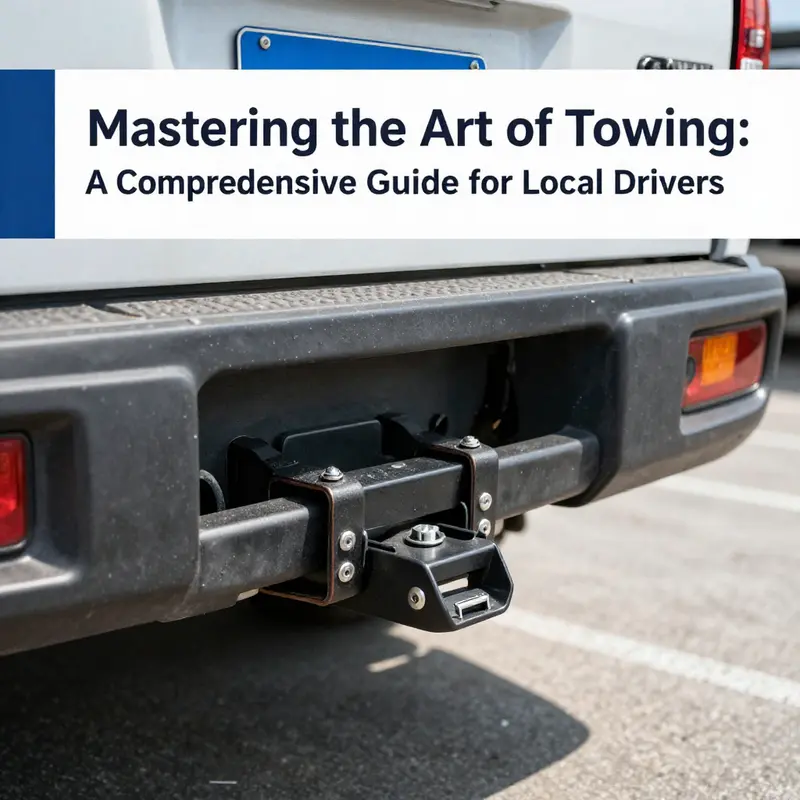
Positioning and alignment carry the bulk of the physical work and the mental focus. The towing truck should directly align behind the towed truck, with the centerlines matched as closely as possible. A helper can be invaluable here, guiding the approach to the coupling mechanism and calling out any lateral misalignments that might cause damage if force is applied. The tow bar end or hitch must engage cleanly with the corresponding receiver or coupling device. With fifth wheels, the kingpin of the trailer should sit fully into the plate, then be locked with a lever or pin and tested to confirm rigidity. If a drawbar is used, the coupler must lock onto the hitch ball with the pin or latch secured, plus the safety chain secured to its correct anchors. Each of these connection points must be visually inspected on both vehicles, and a careful check should be made for any play in the connection before moving. The aim is a connection that is secure yet allows for the normal articulation and steering geometry required at the towing speed and radius.
Connecting the mechanism is the heart of the operation where procedure and prudence converge. For a fifth wheel or gooseneck arrangement, position the towed truck so the kingpin sits squarely on the plate, and then rotate the locking lever to the engaged position with a tactile confirmatory feel. The lock must be secure and not able to be disengaged by vibration or movement alone. A ball hitch or drawbar setup demands careful seating of the trailer coupler onto the hitch ball, followed by tightening the latch or pin to the manufacturer’s specified torque and attaching the safety chain in the crisscross configuration so it does not drag. Safety chains should be placed at an adequate length—long enough to allow turning without binding, short enough to avoid ground contact. The electrical coupling must be connected and tested, with an objective beaming test: lights on the towed vehicle should illuminate in tandem with brake and turn signals on the towing unit.
A final, indispensable phase is the final checks before the journey begins and a light test pull. A walk-around of both vehicles helps reveal any overlooked connections, loose wires, or signs of stress in the hitch assembly. The test pull, executed with both drivers in their seats, confirms that the connection holds under forward movement and that the wheels of the towed vehicle turn freely and in coordination with the towing truck. This step is not a mere formality; it reproduces a controlled small movement to validate braking and steering response before full-speed towing begins. The safety emphasis here should also consider environmental optics: hazard lights should stay on, a visible “Heavy Load” or “Vehicle Being Towed” marker helps inform other motorists, and the towing speed should remain deliberately conservative. In this stage, the discipline of the crew—clear signals, predictable actions, and consistent procedure—becomes the catalyst that maintains control as you transition from hookup to motion.
Throughout this process, it is essential to tailor practices to the vehicle types at hand. For automatic transmissions, the rule of not towing beyond a prescribed distance without cooling intervals is a major safeguard against overheating that can damage the fluid and components. For four-wheel-drive or all-wheel-drive trucks, many manufacturer manuals specifically prohibit towing with a rope or bar unless the configuration explicitly allows it; in most cases, a flatbed transport is the recommended method to preserve the integrity of the transfer case and drivetrain. Electric or hybrid trucks add another layer of caution: the high-voltage system requires disconnection or isolating procedures; after disconnecting, limit the speed and handle the vehicle with additional awareness and warning signs. These cautions reinforce the practical reality that not all trucks are teed up for the same kind of tow, and that the safest option in many cases is to choose a transport method that minimizes drivetrain stress while maintaining visibility and signaling to other road users.
Towing conditions also demand attention to the environment and the roadway. Adverse weather, poor visibility, heavy rain, snow, fog, or slick surfaces increase stopping distances and the likelihood of sway or misalignment. Poor road surfaces, potholes, or steep terrain can disrupt control just as the towed vehicle’s brakes or transmission respond imperfectly to the towed loads. In such contexts, the prudent operator may postpone the tow or relocate the operation to a controlled area until conditions improve. The safety emphasis remains consistent: plan for conditions, not just the mechanics of the hook-up. The explicit reminder to consult the vehicle manufacturer’s guidelines in the owner’s manual is not a bureaucratic caveat but a practical safeguard—the manufacturer’s specifications reflect the precise tolerances and operational limits of the vehicle’s systems. When in doubt, pause and verify before proceeding. This reduces the risk of mechanical damage, unintended disengagement, or injury.
Beyond the literal mechanics, it is valuable to see towing in a broader professional context. A well-established framework for standardization in heavy-duty operations provides a cognitive map for crews who perform these tasks day after day. For readers seeking a more formal treatment of how these procedures fit into larger rescue and recovery operations, refer to Fleet Standardization and Emergency Readiness for a comprehensive perspective on training, protocols, and ongoing readiness. This resource helps crews translate the intimate, vehicle-level details of hookup into an organizational practice that emphasizes safety, communication, and accountability. The principle remains simple: when people know their roles, when equipment is ready, and when the plan is rehearsed and rehearsed again, the likelihood of a safe tow rises markedly. In that sense, the connection procedures described here are not merely technical steps; they are a thread in a larger fabric of safety culture that governs every movement on the road.
The final word to carry away is practical: prepare thoroughly, align precisely, connect securely, and verify with a deliberate test, all while communicating clearly and maintaining visibility to other road users. When these elements come together, towing a truck with another truck becomes a controlled, repeatable operation rather than a venture into uncertainty. For those who want to explore the broader safety framework that complements hands-on hookup practices, the linked resource offers a window into how standardized practices support emergency readiness and consistent performance in demanding situations. And as always, prioritize the owner’s manual guidance for the specific vehicles involved, because those guidelines encapsulate the nuanced limits and requirements unique to each truck. To reinforce this, you can explore further practical considerations in the wider context of industry standards and emergency response planning: Fleet Standardization and Emergency Readiness. The importance of this compatibility between on-the-ground technique and organizational protocols cannot be overstated, especially when the tow involves recoveries, multiple vehicles, or complex road conditions. For authoritative towing guidance, consult the National Highway Traffic Safety Administration at https://www.nhtsa.gov
Tow Within Reach: A Practical Guide to Truck-to-Truck Towing
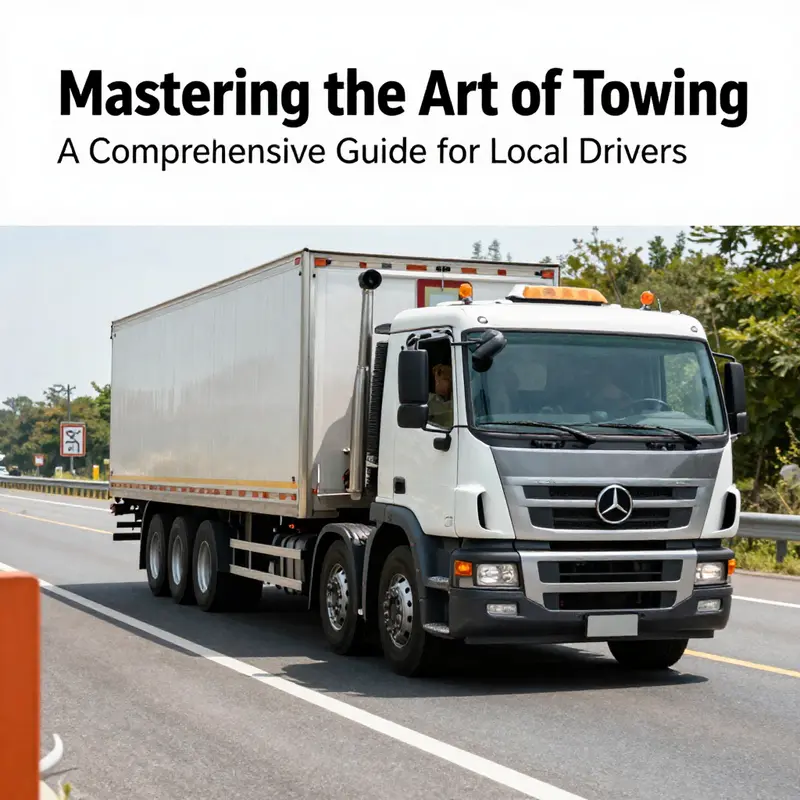
Towing a truck with another truck is a high-stakes operation that requires preparation, discipline, and clear communication. When done correctly, a well-planned tow safely moves a disabled vehicle to a repair facility; when done poorly, it can lead to damage or injury. The process begins with a thorough pre-tow check of both vehicles: brakes, steering, tires, lights, and the hitch or tow bar, plus ensuring the towed vehicle is in neutral with the parking brake released. The towing setup should be chosen based on weight and distance: a rigid tow bar for heavier loads and longer distances, or a heavy-duty tow rope only if the situation permits and the rope remains properly tensioned and secured. A test pull verifies the connection and eliminates slack before moving.
Communication and speed: use pre-arranged signals or radios, designate a lead driver, use hazard lights, maintain a slow, steady pace, and avoid sudden acceleration or braking. Recommended speeds: no more than 30 km/h (about 18 mph) and wider turns to prevent the towed vehicle from pushing against the tow vehicle.
During tow, the towed vehicle’s steering is often disengaged or limited, and the towing driver should apply smooth, progressive steering and braking. The towed vehicle should follow passively, not attempt to drive the line. Environmental considerations: avoid towing in poor weather, low visibility, or poor road conditions; if in doubt, delay or use a flatbed.
Post-tow steps: verify all connections, retract tow rings, stow gear, check lights, and document the tow if required.
Final thoughts
In conclusion, towing a truck safely requires a combination of preparation, the right equipment, accurate connection, and responsible driving. By following the protocols outlined in this guide, local drivers, auto repair professionals, and property managers can confidently manage towing operations, ensuring minimal risk to both vehicles and personnel. Always prioritize safety, maintain open communication, and adhere to best practices to navigate the challenges of towing with skill.