
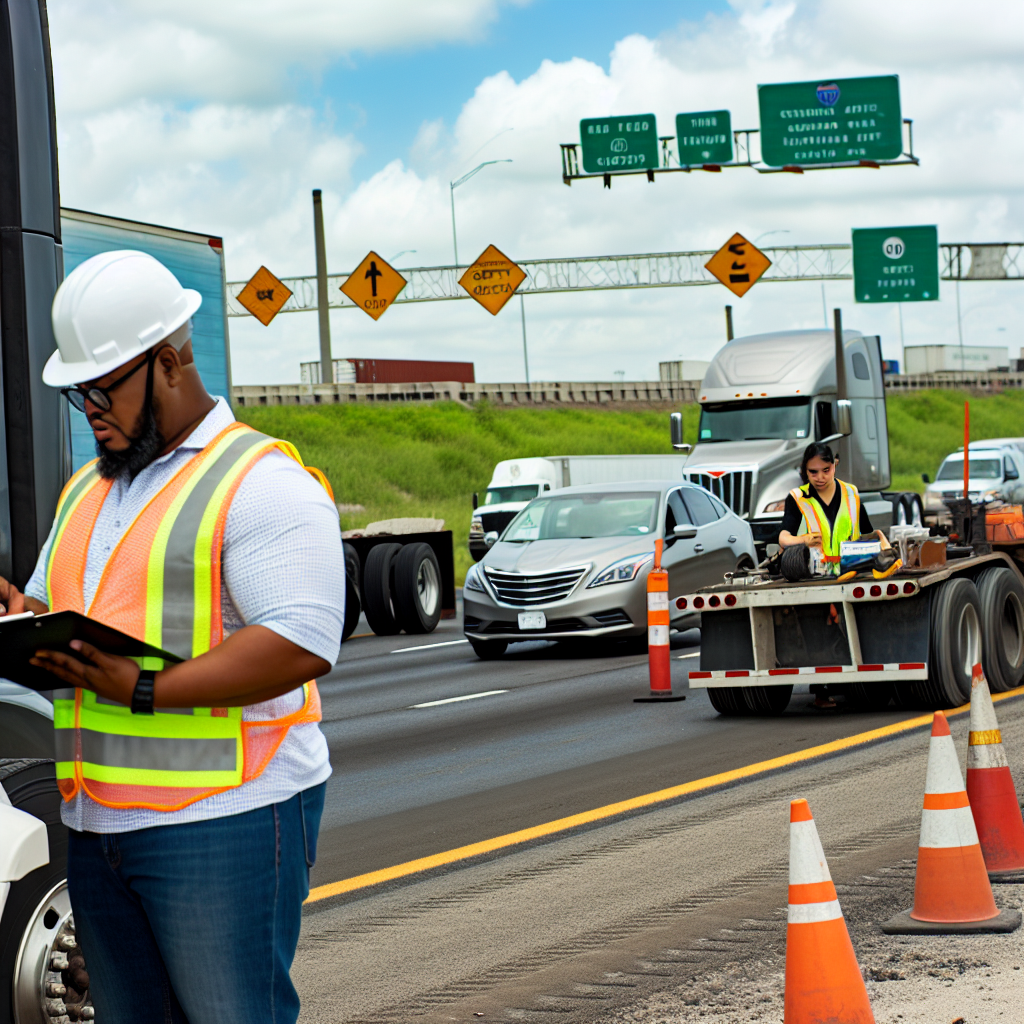
In recent months, the trucking industry has faced intense scrutiny over safety standards and the treatment of its workforce, particularly regarding immigrant drivers. As regulations tighten, the spotlight has turned toward the role that law enforcement plays in monitoring this essential but vulnerable sector.
With the recent news of ICE targeting immigrant truck drivers, concerns about the safety of our roads intensify; this focus raises questions about how federal enforcement can impact the very people who keep goods moving while also navigating safety recalls. From faulty door latches to lighting issues that threaten visibility, numerous recalls have underscored the urgent need for heightened awareness and accountability in trucking operations.
With technology and regulatory actions evolving to enhance safety measures, it is essential to examine not just the safety protocols in place but also the implications of their enforcement. The stakes could not be higher as the industry grapples with the dual challenges of ensuring compliance with safety standards while protecting the rights and livelihoods of immigrant drivers who are crucial to our economy.
Recent ICE Regulatory Actions Against Immigrant Truck Drivers
In the past few months, actions taken by U.S. Immigration and Customs Enforcement (ICE) have imposed significant changes on the landscape for immigrant truck drivers. These regulatory actions raise crucial discussions regarding road safety and the implications of these measures on the trucking industry.
One notable incident occurred in early October 2025, when ICE conducted a three-day operation along Interstate 40 in Oklahoma. This enforcement led to the arrest of 91 undocumented drivers found operating with fraudulent licenses. Following this operation, Deputy Director Madison Sheahan stated, “ICE’s 287(g) program clearly demonstrates how federal and local law enforcement agencies can work together to make America safe again.” Similarly, in Indiana, ICE, along with state authorities, arrested over 223 individuals, including more than 40 commercial drivers, reflecting a growing pattern of targeted operations against undocumented truck drivers.
The Oklahoma Corporation Commission (OCC) has also voiced its concerns amid these actions. Chair Kim David emphasized, “Oklahomans deserve safe highways,” highlighting the OCC’s commitment to maintaining road safety standards. Moreover, commissioner Todd Hiett noted, “Our Ports of Entry may very well be the first stop commercial truck drivers make after crossing the state line,” underlining the importance of regulating who is permitted to drive on our roads.
These actions are part of a broader context where regulations for commercial driver’s licenses (CDLs) issued to noncitizens have tightened significantly. Following a series of fatal crashes involving undocumented drivers, the U.S. Department of Transportation has required more rigorous immigration status verification processes. Such measures have reduced the number of eligible noncitizen drivers dramatically, raising concerns over potential driver shortages.
The implications of these regulatory measures extend beyond simple compliance with immigration laws. While some advocate for the removal of unauthorized drivers as a necessary step toward enhancing road safety, critics warn that these sudden enforcement actions may exacerbate existing labor shortages in the trucking industry, potentially leading to higher freight rates and supply chain disruptions. As commissioner Brian Bingman remarked, “The inability to read road signs written in English will lead to accidents. This negligence creates risks for Oklahoma’s drivers.”
As these developments unfold, it is clear that the intersection of immigration enforcement and trucking regulations will continue to have profound implications for road safety and the trucking industry’s viability.
Notable Truck Recalls Affecting Immigrant Drivers
The safety of truck operations in the United States has come under scrutiny, especially concerning the safety recalls of prominent brands such as Volvo and Mack trucks, which also impact immigrant drivers in the industry. Several recalls have raised critical safety concerns related to compliance with federal safety standards.
-
Lighting and Door Safety Defects (September 2025):
Models Involved: Approximately 4,040 model year 2026 Volvo VN trucks were affected due to interior door latch issues, posing a risk of doors not opening correctly during emergencies. This recall was initiated alongside a separate lighting module defect affecting trailer visibility. These issues breach the Federal Motor Vehicle Safety Standards (FMVSS) regarding door locks and lighting, emphasizing regulatory frameworks that mandate manufacturers ensure safe vehicle operations.
As these recalls commence, documented incidents highlight their connection with safety regulations, underscoring the essential nature of compliance in safeguarding all road users. -
Accelerator Pedal Sensor Issue (December 2023):
Models Involved: Another notable recall included approximately 1,009 model year 2023-2024 Volvo VN trucks, where a fault in the accelerator pedal sensor could prevent the engine from returning to idle, thereby violating FMVSS No. 124. Addressing such issues promptly demonstrates the importance of regulatory oversight to prevent accidents and ensure all drivers, including immigrants, are safe during their operations. -
Steering Shaft Defect (March 2016):
Nearly 20,000 Volvo and Mack trucks were recalled due to a faulty steering shaft, which could lead to complete loss of steering control, directly challenging compliance with FMVSS No. 203. This incident not only emphasizes the severity of safety recalls but also exemplifies how federal safety standards aim to protect drivers from hazardous operating conditions.
Through these examples, it is clear that the importance of regulatory frameworks in the trucking industry cannot be overstated. Federal safety standards play a crucial role in maintaining the safety and viability of truck operations across the country. For immigrant drivers who may often be impacted by enforcement actions and changing regulations, awareness of recall information and compliance with safety standards remains vital to their livelihood and the safety of all road users.
With ongoing improvements and innovations in regulatory structures, the industry must prioritize these safety measures to foster an inclusive and safer work environment for all drivers.
Repercussions of Alberta’s Crackdown on Unsafe Trucking Practices
Alberta’s recent crackdown on unsafe trucking practices has led to significant actions against misclassified drivers and unqualified equipment, aiming to enhance road safety and industry integrity.
Closure of Unsafe Driver Training Schools
The province revoked licenses of five commercial driver training schools after uncovering fraudulent activities, such as falsified records that allowed students to bypass required training hours. This initiative resulted in 39 disciplinary letters, over $100,000 in administrative penalties, six corrective action plans, 12 instructor license revocations, and four warnings to driver examiners. source
Targeting “Chameleon” Carriers
Thirteen trucking companies were removed from Alberta’s roads due to poor performance and unsafe equipment. Among these, seven were identified as “chameleon” carriers—firms that evade oversight by frequently changing names or relocating. The province is collaborating with federal and provincial partners to develop a national database to prevent such entities from exploiting regulatory gaps. source
Addressing Driver Misclassification
Alberta is also tackling the “Drivers Inc.” scheme, where companies misclassify drivers as independent contractors to avoid payroll taxes and benefits. A July 2025 inspection revealed that approximately 20% of 195 drivers stopped were suspected of being misclassified, including several temporary foreign workers. This practice often leads to inadequate training and oversight, compromising safety. source
Enhancing Training Standards
To elevate driver training standards, Alberta introduced the Class 1 Learning Pathway on April 1, 2025, requiring 125 to 133 hours of in-truck training—exceeding the national minimum. The program also enforces stricter licensing requirements for training schools and enhanced monitoring of instructors. source
Real-World Impacts
These measures aim to reduce incidents like bridge strikes caused by drivers unaware of their load sizes or routes. By removing unqualified drivers and unsafe equipment from the roads, Alberta anticipates a decrease in such accidents, contributing to overall road safety. source
In summary, Alberta’s comprehensive actions against unsafe trucking practices, including addressing misclassified drivers and unqualified equipment, are designed to enhance road safety and uphold the trucking industry’s reputation.
As we reflect on the intricate landscape facing immigrant truck drivers, it becomes evident that their experiences are deeply intertwined with both regulatory scrutiny and the evolution of safety innovations. The recent actions by ICE targeting immigrant drivers reveal not only the pressing need for upholding immigration laws but also the potential risks associated with such enforcement. While these measures aim to enhance road safety, they inadvertently create an environment rife with fear and uncertainty for those who are vital to our supply chains.
In parallel, safety recalls related to significant manufacturers underscore the critical importance of robust regulatory frameworks in maintaining safe driving conditions. The ongoing technological innovations in trucking further illustrate a commitment to improving safety for all drivers. These advancements promise to revolutionize the industry, ensuring higher compliance with safety standards.
However, as we move toward a future characterized by tighter regulations and better safety technologies, it will be essential for policymakers to strike a balance that protects road users while also safeguarding the rights and livelihoods of immigrant truck drivers. Future policies must not only focus on enforcement but also on fostering inclusivity and understanding within this vital sector of the economy. Only through a holistic approach can we hope to create safer roads while respecting and empowering the diverse workforce that serves them.
Overview of Trucking Operations in Oklahoma
In Fiscal Year 2025, approximately 5.6 million trucks entered Oklahoma, highlighting the scale of trucking operations in the state. The Beckham County Port of Entry alone processed nearly 1.4 million of these trucks, reflecting both volume and regulatory focus. In a recent three-day operation, law enforcement agencies arrested 130 drivers for various violations, underscoring the importance of compliance and safety in trucking.
Additionally, concerning recalls, the National Highway Traffic Safety Administration reported over 31 million vehicles were affected by safety recalls nationwide, with a significant number of vehicles in Oklahoma alone currently having unresolved recalls, further emphasizing the ongoing challenges regarding safety in the trucking industry.
| Truck Model | Issue | Number of Affected Units |
|---|---|---|
| 2026 Volvo VN | Interior Door Latch Issue | 4,040 |
| Volvo Trucks | Trailer Lighting Defect | 2,307 |
| Mack Pioneer | Trailer Lighting Defect | 156 |
| Wabash Trailers | Incorrect Rear Impact Guard | 10 |
| Various Models | Steering Shaft Defect | 20,000 |
| Various Models | Accelerator Pedal Sensor | 1,009 |
Technological Innovations Enhancing Trucking Safety
In recent years, technological innovations in the trucking industry have emerged as pivotal tools for improving safety and preventing accidents on the roads. These advancements not only enhance vehicle performance and safety measures but also align seamlessly with existing regulatory efforts, creating a comprehensive approach to road safety.
Collision Avoidance Systems and Advanced Driver-Assistance Systems (ADAS)
Modern collision avoidance systems utilize sophisticated technologies such as radar, cameras, and sensors to monitor the surroundings of the vehicle. These systems can detect potential hazards, provide real-time warnings to drivers, and even autonomously apply brakes or adjust speed to prevent accidents. Notably, these systems prove invaluable in low-visibility conditions, significantly reducing accident rates.
ADAS technology goes further by incorporating features like lane departure warnings, adaptive cruise control, and automated emergency braking. Such features enhance drivers’ situational awareness and contribute to accident prevention by assisting drivers in maintaining safe distances and staying within lanes. Recent developments in LiDAR technology have further improved the capacity of these systems by creating detailed 3D maps of a truck’s surroundings, allowing for safer navigation in complex traffic environments.
Electronic Logging Devices (ELDs)
The implementation of ELDs has replaced traditional paper logbooks, automatically tracking drivers’ hours of service, driving time, and necessary rest breaks. This shift has proven critical in ensuring compliance with the Hours of Service regulations, ultimately reducing driver fatigue and ensuring a higher level of safety on the roads. ELDs facilitate real-time monitoring, which assists carriers in maintaining compliance and enhancing overall safety standards.
Complementing Regulatory Efforts
These technological innovations support robust regulatory initiatives aimed at improving road safety and enforcing trucking regulations. For example, grants from the U.S. Department of Transportation promote the advancement of connected and interoperable vehicle technologies, including Vehicle-to-Everything (V2X) communication systems. V2X technology enables real-time communication between vehicles and surrounding infrastructure, facilitating safety applications like forward collision warnings and alerts for emergency vehicles.
Overall, by adopting and integrating such technologies, the trucking industry not only adheres to regulatory standards but also proactively enhances safety measures, contributing to a significant reduction in accidents and improved overall road safety.

An official inspecting a truck on the highway, demonstrating regulatory actions for roadside safety checks.

Regulatory officer conducting inspections on a commercial truck to ensure compliance with safety regulations at a port of entry.
Relevant Quotes on Regulatory Framework and Road Safety Aims
- James Owens, NHTSA Deputy Administrator: “Every truck driver strives to deliver their load on time and make it back home to their family, safe and sound. At the National Highway Traffic Safety Administration, our mission is to make our nation’s roads safer for everyone, and that includes our truck drivers.”
- Sean Duffy, U.S. Transportation Secretary: “Failing to adequately enforce driver qualification standards poses serious safety concerns and increases the likelihood of crashes.”
- Collin Mooney, Executive Director of the Commercial Vehicle Safety Alliance (CVSA): “Our membership is committed to supporting the U.S. DOT in its commitment to zero fatalities on our roadways through the implementation of identified safety priorities and the Safe System approach.”
- Jennifer Homendy, Chair of the National Transportation Safety Board (NTSB): “Swift action by federal regulators, state and local authorities, and all stakeholders must immediately follow if we are to reverse the deadly public health crisis on our roads.”
- Dave Williams, Chairman of the Truckload Carriers Association (TCA): “I can promise you that the Truckload Carriers Association is committed to highway safety and, in fact, it’s one of our highest priorities.”
- FMCSA Statement: “FMCSA develops and enforces data-driven regulations that balance motor carrier safety with efficiency; harnesses safety information systems to focus on higher risk carriers in enforcing the safety regulations; and partners with stakeholders including Federal, State, and local enforcement agencies on efforts to reduce bus and truck-related crashes.”
These quotes from leaders in the regulatory community underscore the seriousness and authority with which the regulatory framework and safety aims are approached, reinforcing the commitment to improved road safety for all users.