
In an era where the open road beckons adventure, the paramount concern for many drivers, especially those behind the wheel of trucks and tow vehicles, is safety. With the growing frequency of road incidents, it is crucial to recognize the significance of advanced safety technologies that not only protect lives but also enhance the overall driving experience.
The automotive industry has witnessed remarkable innovations in crash avoidance systems, ranging from adaptive cruise control to automatic emergency braking, which serve as critical safeguards against accidents. Today’s buyers are increasingly prioritizing these features when selecting their vehicles, reflecting a collective shift towards a more safety-conscious mindset.
As we delve into the realm of pickup trucks, it’s essential to spotlight those that stand out in safety ratings. According to the Insurance Institute for Highway Safety (IIHS), there are some impressive contenders in the market that excel in crashworthiness and safety technologies. Join us as we explore the safest new pickup trucks available today, ensuring peace of mind for every journey on the road.
The Importance of Safety in Trucks and Accident Prevention
Safety in trucks is not just a feature; it is a fundamental aspect that cannot be overlooked. The alarming rise in truck-related fatalities accentuates the urgency of prioritizing safety features. As reported, 4,354 people died in large truck crashes in 2023, marking a substantial 38% increase since 2009. This figure is particularly striking considering that 65% of the deceased were occupants of passenger vehicles, highlighting how truck collisions predominantly affect smaller vehicles on the road.
Despite large trucks making up only 5% of registered vehicles in the United States, they are responsible for a significant portion of traffic fatalities. This statistic solidifies the importance of selecting trucks that excel in safety features. By choosing vehicles equipped with advanced safety technology, drivers can play a critical role in reducing these tragic numbers.
Modern trucks are now outfitted with cutting-edge safety features such as Automatic Emergency Braking (AEB) and Forward Collision Warning, both of which are proven to dramatically diminish the likelihood of serious rear-end collisions. Research from the Insurance Institute for Highway Safety (IIHS) indicates that large trucks equipped with these technologies face significantly reduced accident rates. Moreover, the industry advocates for additional safety measures, including the implementation of side underride guards, which can prevent catastrophic outcomes in multi-vehicle accidents.
In summary, the combination of rising accident statistics and the positive impact of robust safety features makes choosing safe trucks imperative. For truck drivers and fleet operators alike, the selection of vehicles with the latest safety innovations is essential for not only protecting themselves but also safeguarding the lives of all road users.
| Truck | Small Overlap Front | Moderate Overlap Front | Side Collision |
|---|---|---|---|
| Toyota Tundra | Good (Driver/Passenger) | Good | Good |
| Rivian R1T | Good (Driver/Passenger) | Acceptable | Good |
| Hyundai Santa Cruz | Good (Driver/Passenger) | Marginal | Good |
| Toyota Tacoma | Good (Driver/Passenger) | Marginal | Good |
| Chevrolet Colorado | Good (Driver/Passenger) | Marginal | Good |
Advanced Safety Technologies in Modern Trucks
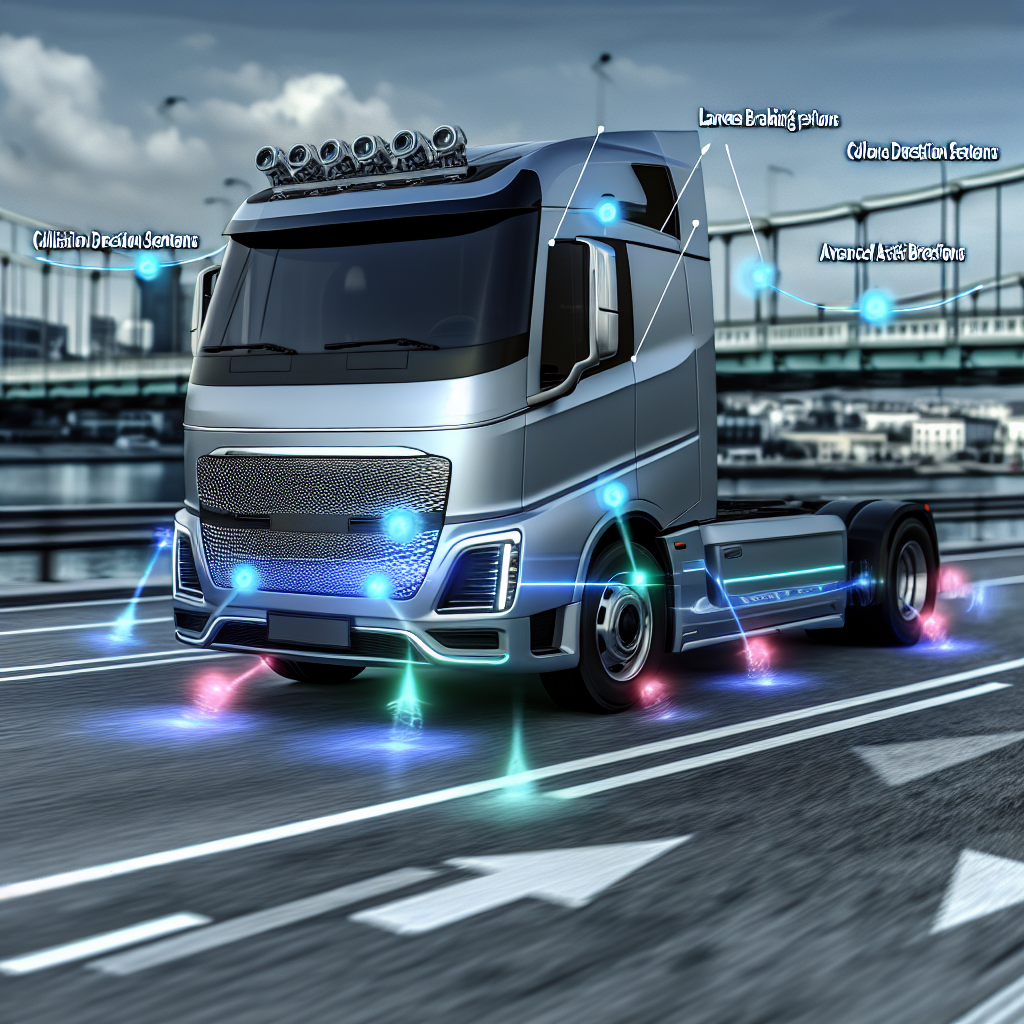
As the automotive industry continues to evolve, advancements in safety technologies have become paramount, particularly in the trucking sector. Modern trucks are increasingly equipped with innovative systems that enhance safety, reduce the likelihood of accidents, and improve overall safety ratings. Some of the most significant technologies include Automatic Emergency Braking (AEB), Forward Collision Warning (FCW), and various crash avoidance systems.
Automatic Emergency Braking (AEB) has proven crucial in minimizing collision impacts. The National Highway Traffic Safety Administration (NHTSA) reports that AEB can reduce rear-end crashes by up to 50% in heavy trucks. Moreover, when combined with FCW, AEB prevents 70-80% of collisions, as vehicles can autonomously apply brakes when detecting an imminent threat. Regulations are tightening, with AEB mandated on all new trucks over 10,000 lbs gross vehicle weight starting in 2026. This shift indicates the push for safer commercial vehicles on the roads.
Forward Collision Warning (FCW) systems alert drivers of potential collisions, giving them valuable seconds to react. Research from IIHS indicates that trucks fitted with AEB and FCW earn the coveted ‘TOP SAFETY PICK+’ rating, as they reduce impact speeds significantly, safeguarding both truck occupants and other road users. Additionally, studies show that fleets using AEB in tandem with FCW are 44% less likely to be involved in rear-end crashes, highlighting their effectiveness.
Crash avoidance systems also include Lane Departure Warning (LDW), which prevents drift from the lane without signaling. FMCSA’s studies reveal that fleets using comprehensive safety technology packages, featuring AEB, FCW, and LDW, experienced a staggering 71% reduction in rear-end crashes and a 53% decrease in unsafe following incidents.
In conclusion, the integration of advanced safety technologies like AEB, FCW, and crash avoidance systems in modern trucks is reshaping the landscape of road safety, making significant strides towards reducing accidents and enhancing safety ratings.
IIHS Rankings and Safety Criteria for New Pickup Trucks
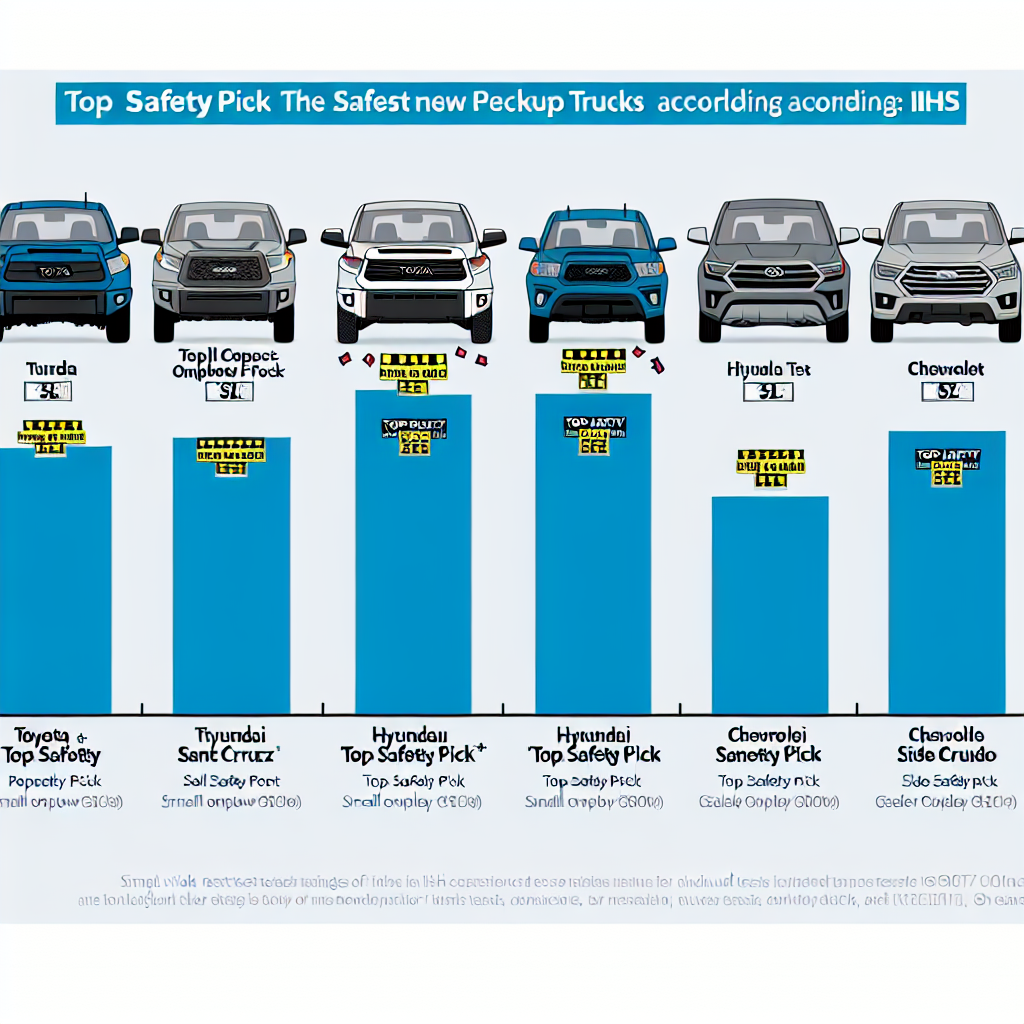
The Insurance Institute for Highway Safety (IIHS) conducts extensive research to evaluate the safety of new vehicles, with a particular focus on crashworthiness and crash avoidance technologies. Their 2025 rankings reveal the safest new pickup trucks, highlighting the Toyota Tundra and Rivian R1T as the top contenders.
Top Safety Picks
The Toyota Tundra Crew Cab secured the prestigious Top Safety Pick+ award, indicating it met the highest standards in various crash tests. Noteworthy features of the Tundra include excellent ratings in small overlap front and updated side tests, an acceptable score in the updated moderate overlap front, and superior front crash prevention capabilities. The IIHS emphasizes, “Like most other vehicle classes, large pickups don’t perform as well in the new moderate overlap evaluation as they do in the updated side test, which is now a requirement for our Top Safety Pick awards.”
The Rivian R1T also received high praise, achieving Top Safety Pick, with good ratings on key crash tests but an acceptable score for the updated moderate overlap front test.
Criteria for Assessment
The IIHS utilizes a defined set of criteria for its assessments that includes multiple crash tests aimed at evaluating occupant protection in various collision scenarios. These tests encompass:
- Small Overlap Front Test: Measures the vehicle’s response to a frontal crash impacting only a quarter of the width at 40 mph.
- Moderate Overlap Front Test: Similar to the previous test, but affects a larger portion of the front and includes a rear impact dummy.
- Side Collision Test: Evaluates how well the vehicle protects occupants in the event of a side impact.
Additionally, the IIHS assesses technologies that contribute to crash prevention, such as Automatic Emergency Braking (AEB) and Forward Collision Warning (FCW). These features are crucial in minimizing potential accidents.
In 2025, several other notable pickups include the Hyundai Santa Cruz, Toyota Tacoma, and Chevrolet Colorado, which received either Top Safety Pick or commendable ratings for crashworthiness. Industry expert David Harkey remarked on the significance of the rear-seat protection in evaluations, highlighting an unfortunate trend where pickups and minivans face stricter testing, leading to fewer models qualifying for top safety designations.
This rigorous assessment ensures buyers are well-informed about the safest options within the truck market while pushing manufacturers to enhance safety features continuously. As stated by Harkey, “We’re once again challenging automakers to make their new models even safer than those they were building a year ago.”
Consumer Buying Incentives Based on Safety
In today’s competitive automotive market, safety stands out as a primary incentive influencing consumer purchasing decisions, especially regarding trucks. This emphasis on safety reflects the heightened awareness of the risks associated with driving larger vehicles, which often carry the consequences of severe accidents. A significant motivator for many buyers is the assurance that they are making a safe choice for themselves and their families.
As highlighted by industry experts, “It’s easy to say safety is a major incentive for new car buyers to pull the trigger on a pickup.” This sentiment echoes across various demographics of truck buyers who prioritize robust safety features alongside performance and capability. According to the Insurance Institute for Highway Safety (IIHS), consumers increasingly seek pickups that combine both advanced safety technologies and high safety ratings, underscoring that “the IIHS does a phenomenal job of showing us where safety differs car to car, or in this case, truck to truck.”
Moreover, for purchasers considering trucks for work or towing, safety becomes non-negotiable. The practical nature of trucks necessitates exceptional safety features. As one consumer remarked, “The peace of mind knowing my truck has the latest safety systems makes a big difference in my decision-making process.” This confidence can be the turning point, particularly when evaluating options in a crowded market filled with numerous offerings. Ultimately, safety not only influences consumer behavior but also molds the industry’s future standards and innovations in truck manufacturing.
Conclusion: The Critical Role of Safety in Choosing Pickup Trucks
In the pursuit of safety and reliability on the road, selecting the right pickup truck is a pivotal decision for drivers. As highlighted throughout this article, the impressive advancements in safety technologies for trucks underscore their importance in everyday driving scenarios. With features like Automatic Emergency Braking and Forward Collision Warning now standard in many models, today’s trucks provide enhanced protection for both drivers and passengers.
The stark reality of truck-related accidents, with thousands of fatalities each year, accentuates the need for rigorous safety measures. By prioritizing safety in their vehicle choices, consumers play a vital role in reducing these tragedies on the road. The latest IIHS safety ratings serve as a crucial tool for buyers, guiding them toward models that have demonstrated exemplary performance in crashworthiness tests.
The top-rated trucks, such as the Toyota Tundra and Rivian R1T, not only adhere to high safety standards but also incorporate innovative features that enhance overall safety. IIHS ratings are reflective of a vehicle’s potential to protect its occupants and mitigate risks in various crash scenarios.
As you consider your next pickup truck, let safety be a cornerstone of your decision-making process. Embrace the information provided through IIHS ratings to ensure that your ultimate choice is one that guarantees safety and peace of mind for every journey. Remember, the right truck can make all the difference—both for you and for those sharing the road.
Advanced Safety Technologies in Modern Trucks
As the automotive industry evolves, safety technologies are becoming more crucial, especially for trucks. Modern trucks feature systems that enhance safety and reduce accident risks. Key technologies include Automatic Emergency Braking (AEB), Forward Collision Warning (FCW), and various crash avoidance systems.
Automatic Emergency Braking (AEB) significantly minimizes collision impact. The National Highway Traffic Safety Administration (NHTSA) reports that AEB can cut rear-end crashes by up to 50% in heavy trucks. When combined with FCW, AEB prevents 70-80% of collisions, as it can automatically apply brakes when a threat is detected. New regulations require AEB in all trucks over 10,000 lbs starting in 2026, reflecting a drive for safer commercial vehicles.
Forward Collision Warning (FCW) systems give alerts about potential collisions, providing drivers with critical reaction time. Research from the IIHS shows that trucks equipped with AEB and FCW earn the prestigious ‘TOP SAFETY PICK+’ rating, as these systems significantly reduce impact speeds and protect truck occupants and others on the road. Studies demonstrate that fleets using AEB with FCW have a 44% lower risk of rear-end crashes, highlighting their importance.
Crash avoidance technologies also feature Lane Departure Warning (LDW), helping prevent unintentional lane changes. Research by the FMCSA indicates that fleets employing comprehensive safety technology packages with AEB, FCW, and LDW saw a 71% drop in rear-end crashes and a 53% decline in risky following incidents.
In summary, incorporating advanced safety technologies like AEB, FCW, and crash avoidance systems into modern trucks is reshaping road safety and significantly lowering accident rates.
IIHS Rankings and Safety Criteria for New Pickup Trucks
The Insurance Institute for Highway Safety (IIHS) conducts thorough evaluations to assess new vehicles’ safety, focusing on crashworthiness and avoidance technologies. Their 2025 rankings showcase the safest new pickup trucks, with the Toyota Tundra and Rivian R1T leading the way.
Top Safety Picks
The Toyota Tundra Crew Cab received the Top Safety Pick+ award for meeting outstanding standards in various crash tests. It excels in small overlap front and updated side tests, scores acceptably in the updated moderate overlap front, and displays excellent front crash prevention capabilities. The IIHS explains, “Like most vehicle classes, large pickups perform better in the updated side tests than in the new moderate overlap evaluation.”
Similarly, the Rivian R1T earned the Top Safety Pick designation, achieving good ratings in key tests but an acceptable mark in the updated moderate overlap front test.
Criteria for Assessment
The IIHS uses a specific set of criteria including different crash tests to evaluate occupant protection in diverse collision situations. The tests include:
- Small Overlap Front Test: Evaluates responses to a frontal crash affecting only a quarter of the vehicle width at 40 mph.
- Moderate Overlap Front Test: Similar to the previous test but impacts a larger vehicle front area and includes a rear impact dummy.
- Side Collision Test: Measures occupant protection in side impacts.
Additionally, the IIHS assesses features contributing to crash prevention such as AEB and FCW, vital for injury minimization.
In 2025, other significant pickups like the Hyundai Santa Cruz, Toyota Tacoma, and Chelsea Colorado received Top Safety Pick or commendable ratings in crashworthiness. Expert David Harkey noted that improved rear-seat protection has led to stricter testing for pickups and minivans, resulting in fewer models achieving top safety ratings.
This robust assessment process ensures that buyers are well-informed about safe options in the truck market while encouraging manufacturers to continuously enhance safety features. Harkey states, “We’re once again challenging automakers to make their new models even safer than those they were building a year ago.”
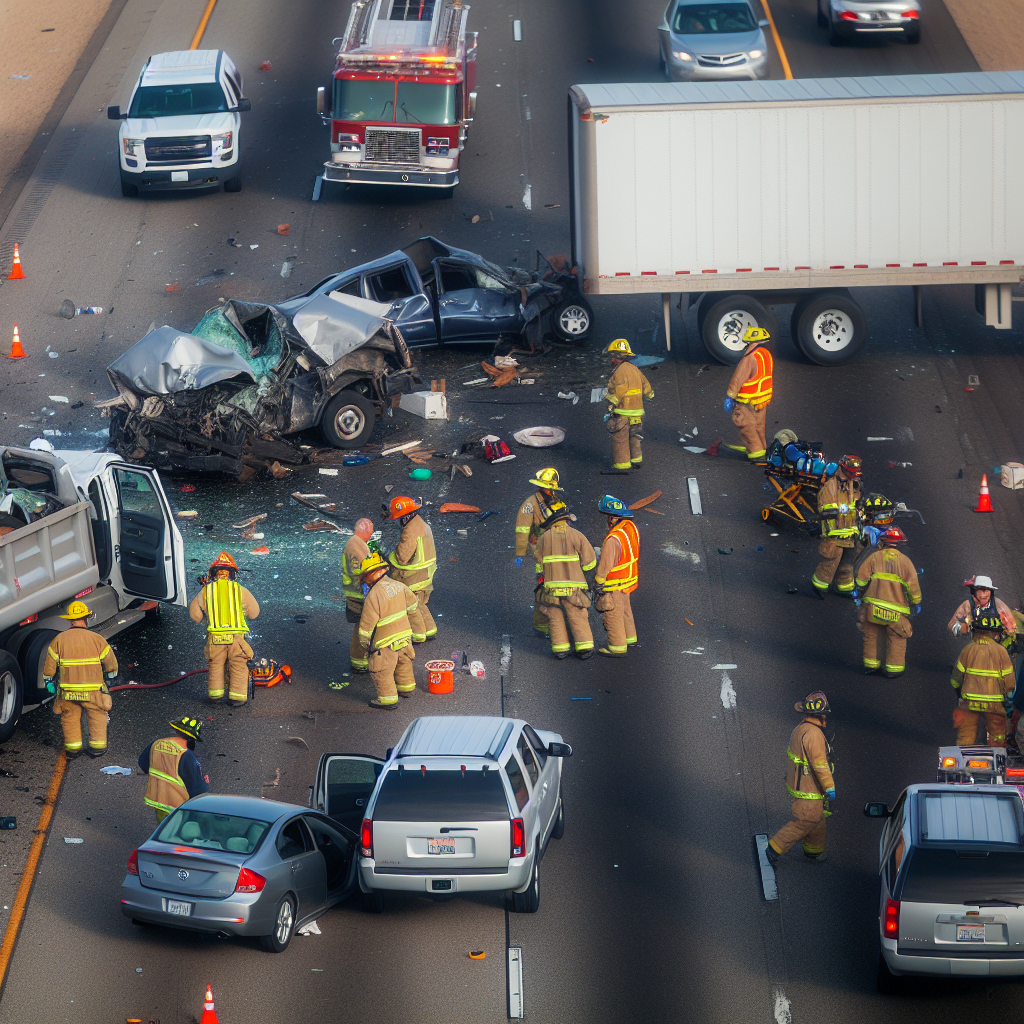
A dramatic truck crash scenario depicting a collision between a large truck and a passenger vehicle on a busy highway, showing the aftermath with debris, emergency response efforts, and the urgency of safety features in trucks.
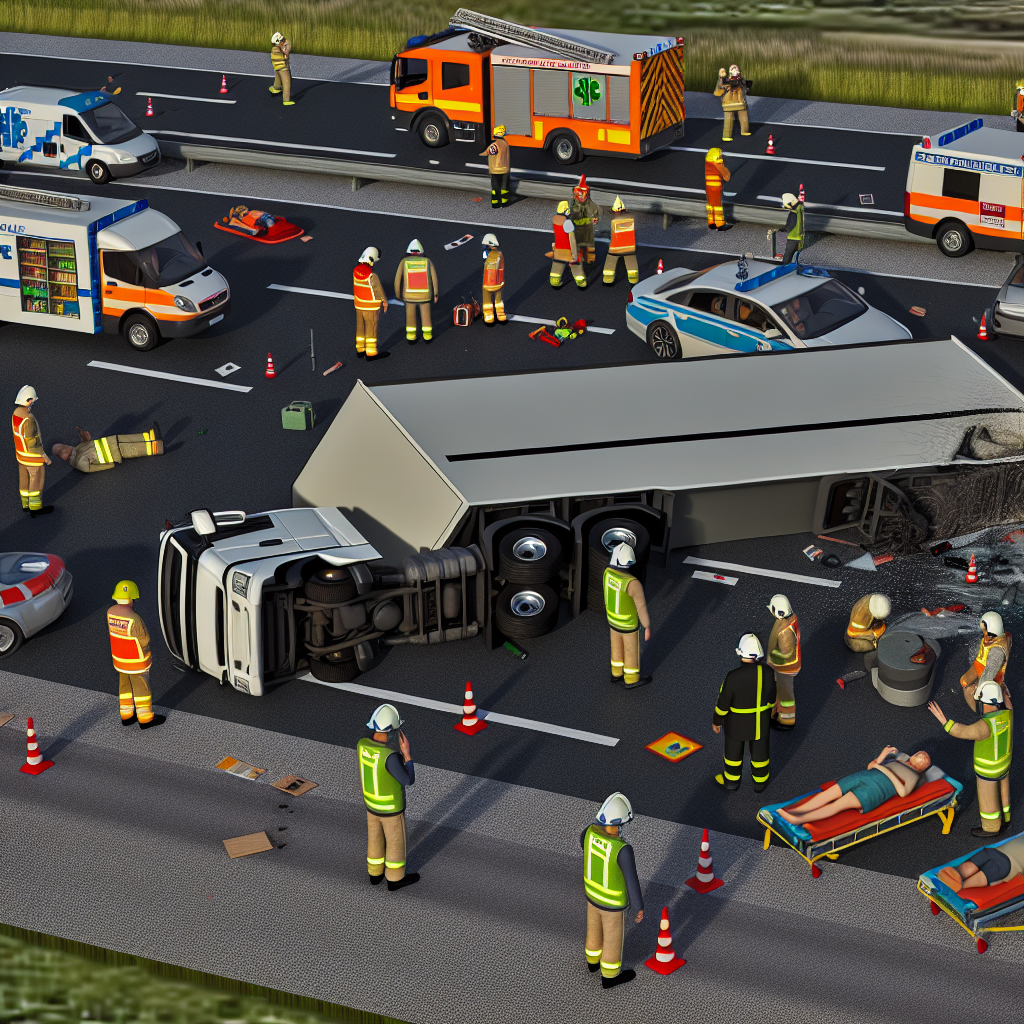
An impactful image of a truck involved in a rollover accident on the road, highlighting the importance of safety technologies in trucks to prevent such incidents, with emergency services present.
Outbound Links on Truck Safety Research
To enhance the credibility of the information provided regarding truck safety, here are some authoritative studies and reports:
- Injury Severity Analysis of Truck-Involved Crashes (arXiv) – This study analyzes factors influencing injury severity in truck-involved crashes, highlighting how speed conditions affect safety outcomes.
- Overview of Motor Vehicle Traffic Crashes in 2022 (National Safety Council/NHTSA) – A report showcasing statistics on truck-related fatalities and injuries, calling for enhanced safety measures in truck transport.
- Automatic Emergency Braking and Forward Collision Warning Systems for Medium- and Heavy-Duty Vehicles (FMCSA/NHTSA) – This latest rule mandates AEB on all new trucks over 10,000 lbs, estimating significant fatality and crash reductions.
- Safety Benefits of Forward Collision Warning, Brake Assist, and Autonomous Emergency Braking Systems in Trucks (IIHS) – An IIHS analysis indicating the effectiveness of AEB in reducing crashes in trucks.
- Large Truck Crash Causal Factors Study 2023 (FMCSA) – A comprehensive study detailing factors contributing to large truck crashes and the effectiveness of AEB/FCW technologies.
These resources serve to substantiate the claims about truck safety technologies and their impact on reducing accidents and injuries.