
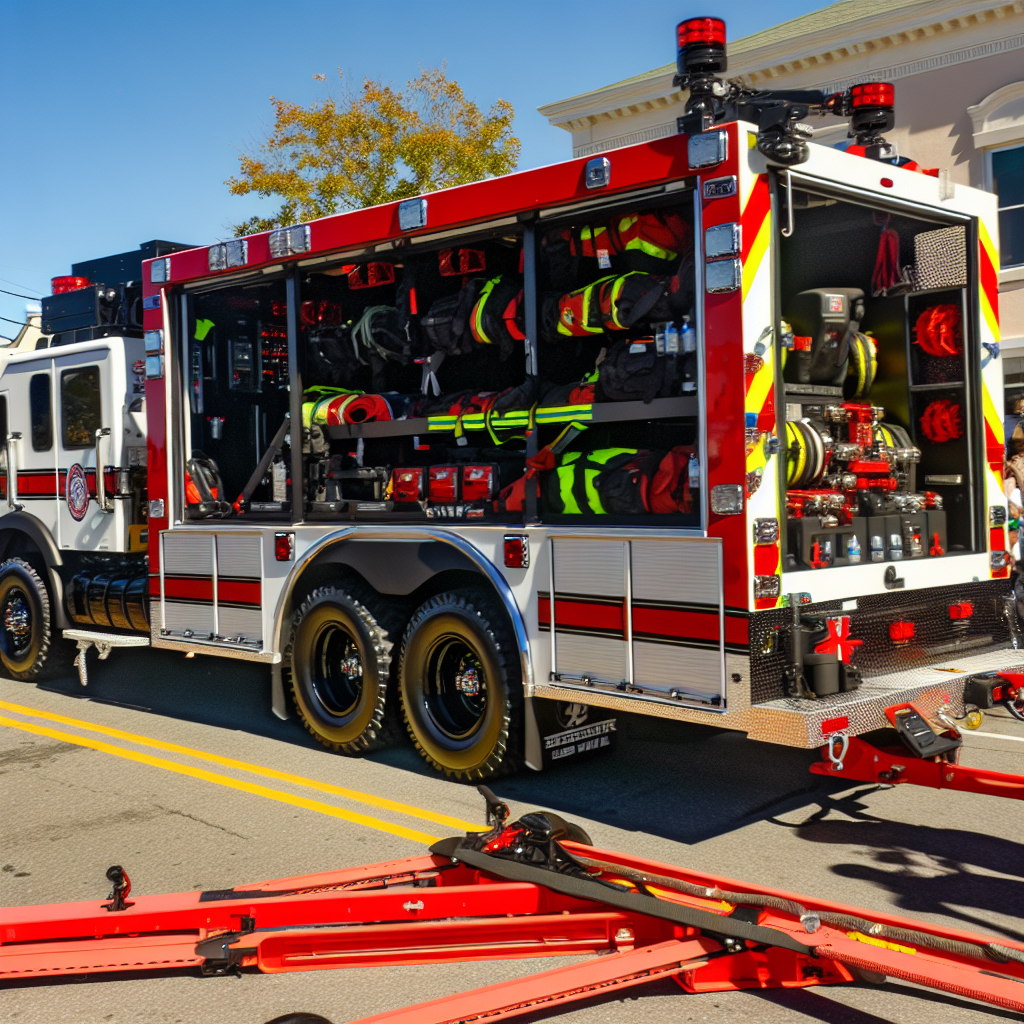
In the realm of emergency services, the ability to respond quickly and effectively can mean the difference between life and death. The Prince George’s County Fire/EMS Department understands this critical need and has adopted a rigorous approach to fleet maintenance standardization. This strategic choice not only streamlines operations but also ensures that every piece of apparatus is equipped, maintained, and ready to tackle any challenge that arises. In 2024 alone, Rescue Squad No. 820, one of the department’s key response units, generated over 1,800 responses, highlighting the high demands placed on their services and the importance of reliability in their equipment.
Standardizing fleet maintenance procedures across the department simplifies the mechanics’ tasks, allowing them to transition seamlessly between different apparatus models due to compatible mechanical components. This consistency significantly reduces downtime and increases the efficiency of maintenance activities, enabling the team to keep their vehicles in optimum condition. Moreover, the financial implications of standardization cannot be overlooked; it leads to reduced costs through bulk purchasing and simplified training for personnel.
As the demand for emergency services continues to rise, particularly in dynamic and populous regions like Prince George’s County, maintaining an effective and standardized fleet becomes imperative. This approach not only enhances operational efficiency but ultimately saves lives by ensuring that first responders have access to reliable, well-maintained rescue apparatus when every second counts.
The Importance of Standardization in Emergency Response Vehicles
Standardization in emergency response vehicles is crucial in enhancing maintenance efficiency, cost-effectiveness, and overall responsiveness during emergency situations. One of the primary benefits is maintenance efficiency; when emergency services employ standardized fleets, mechanics are able to quickly transition between different vehicles. The consistency in mechanical components across the fleet minimizes downtime for repairs and inspections, ensuring that a higher number of vehicles remain operational at all times.
Moreover, standardization contributes significantly to cost-effectiveness. By standardizing their fleets, emergency services can leverage bulk purchasing for parts. This often results in reduced costs, which is critical for departments operating within tight budget constraints. Furthermore, training for personnel is simplified, as staff need to familiarize themselves with fewer systems and processes, thus allowing them to gain proficiency more efficiently.
Statistics from the Prince George’s County Fire/EMS Department underscore these advantages. In 2024, the Rescue Squad No. 820 responded to over 1,800 calls. Such demand underscores the necessity for vehicles that are not only ready but also fully functional at all times. The established standardized maintenance protocols directly correlate with the department’s ability to maintain this level of readiness.
In summary, standardization in emergency response vehicles is not merely a matter of operational convenience. Instead, it represents a strategic imperative that enhances the ability of departments to respond effectively to emergencies, thereby potentially saving lives in critical situations.
Richard Riley, Fire Apparatus Manager for the Prince George’s County Fire/EMS Department, emphasized the effectiveness of traditional walk-in compartment designs in rescue operations, stating:
“The traditional walk-in compartment design has proven its effectiveness over decades of rescue operations. For our department, protecting critical equipment combined with the ability to carry more crew made it the right choice.”
This design choice enhances operational efficiency by safeguarding essential equipment and accommodating larger crews, thereby improving the department’s response capabilities.
Moreover, Richard Riley further emphasized the importance of partnerships in their selection and standardization process by stating:
“We don’t just purchase fire trucks; we entrust in the partnership and the employees at Pierce.”
This sentiment underscores that the collaboration and trust established with Pierce Manufacturing go beyond mere transactions; it reflects a commitment to tailoring each apparatus to meet the specific needs of the Prince George’s County Fire/EMS Department.
| Feature | Pierce Manufacturing | Oshkosh Corporation |
|---|---|---|
| Model | Enforcer™ Heavy-Duty Rescue Pumper | Heavy Recovery System (HRS) Technology |
| Functionality | Extensive compartment space, customizable | Advanced recovery capabilities for heavier vehicles, IED support |
| Benefits | High structural integrity, significant storage capacity | Dual winches for heavy lifting, designed for rugged situations |
| Body Material | Aluminum (standard), 304L stainless steel | Built on Logistics Vehicle Replacement System platform |
| Pump Capacity | 1,500-gpm | N/A |
| Tank Capacity | Up to 1,000 gallons | N/A |
| Technology | Command Zone™ electronics; Safety features | TAK-4® Independent Suspension, advanced mobility |
| Chassis Options | Enforcer™, Impel®, Velocity® | Heavy-duty military chassis |
| Weight Rating | Up to 53,800 lb | Heavy-duty military vehicle capabilities |
| Training Standardization Effectiveness | Simplified training due to known configurations | Enhanced interoperability across different emergency units |
| Additional Options | HVAC for rehabilitation; Various customization | Rotating boom for versatile operations, various winching capabilities |
| Conclusion | Widely customizable and effective for diverse operational needs | Innovative approach for military-grade emergent scenarios |
Significance of Standardization
Standardization in emergency response vehicles is essential for interoperability, training efficiency, and operational reliability. When manufacturers design apparatus around common specifications, departments can:
- Streamline Maintenance – Mechanics can efficiently service apparatus and keep them operational, reducing downtime and ensuring higher availability.
- Facilitate Training and Familiarization – Personnel training is accelerated as crews work with familiar equipment across different vehicles.
- Enhance Response Times – Standardized equipment allows for quicker deployment because training to operate different apparatuses is minimized.
- Cost Efficiency – Departments save money through bulk buying of parts and simplified maintenance requirements, important for operating on constrained public budgets.
In summary, both Pierce Manufacturing and Oshkosh Corporation provide exceptional heavy-duty rescue apparatuses, each with unique advantages and specifications that cater to emergency response needs. Standardization of these vehicles, including components and procedures, provides significant operational advantages for fire departments and rescue services in their vital missions.
Case Study: Prince George’s County Fire/EMS Department
The Prince George’s County Fire/EMS Department (PGFD) has effectively implemented standardization in its fleet by leveraging the capabilities of Pierce Manufacturing. This strategic partnership has led to notable improvements in maintenance processes, operational efficiency, and cost-effectiveness.
Mechanical Consistency and Maintenance Efficiency
One of the foremost achievements of PGFD’s fleet standardization is the consistency in mechanical components. By utilizing uniform parts across various apparatus models, mechanics have streamlined diagnostic and repair processes, enhancing their proficiency. This consistency translates to quicker sourcing of replacement parts and significantly reduces maintenance downtime, allowing the department to maintain an optimal state of readiness for emergency operations.
Equipment Uniformity and Operational Effectiveness
The PGFD has standardized emergency equipment in addition to the apparatus itself. Vital tools such as hydraulic equipment, struts, and stabilization gear are uniformly placed in each vehicle, ensuring that they are always accessible to crews. This level of standardization enhances operational effectiveness during emergencies, as teams can quickly locate and utilize necessary equipment with minimum delay. It also facilitates mutual aid scenarios, where diverse crews can operate seamlessly across different apparatus types.
Financial Impact and Cost Savings
Standardization has proven to be financially beneficial for PGFD. With a controlled inventory of standardized parts and equipment, the department enjoys reduced procurement costs through bulk buying. This approach not only lowers costs but ensures that equipment remains in service longer, maximizing the department’s return on investment in its fleet. Increased availability of vehicles directly correlates with improved response capabilities and overall service delivery.
Expansion of the Fleet
PGFD has worked closely with Pierce Manufacturing to acquire new apparatus designed to meet specific operational needs. Recent expansions include additional Pierce Enforcer pumpers and a tailored Ascendant 107’ Heavy-Duty Tiller Aerial Ladder. These vehicles, designed to navigate the unique challenges of Prince George’s County’s varied terrain, enhance the department’s response capabilities, particularly in densely populated areas.
Outcomes Achieved
- Maintenance Time: By standardizing components, PGFD has reduced the average maintenance time per vehicle by approximately 30%, allowing for more efficient repair cycles and increased operational readiness.
- Cost Savings: The department projected a 15% reduction in overall maintenance costs annually due to standardized parts procurement and reduced downtime.
- Operational Readiness: Fleet readiness rates have improved, with the department reporting over 95% availability of apparatus during peak service periods.
In conclusion, the standardization strategy implemented by the Prince George’s County Fire/EMS Department with Pierce Manufacturing has led to substantial improvements in fleet maintenance efficiency, cost-effectiveness, and overall operational capability. This case study exemplifies the benefits of standardized operations in emergency response services, ultimately aiming to save lives by ensuring dependable service delivery in critical situations.
Vehicle Selection Process
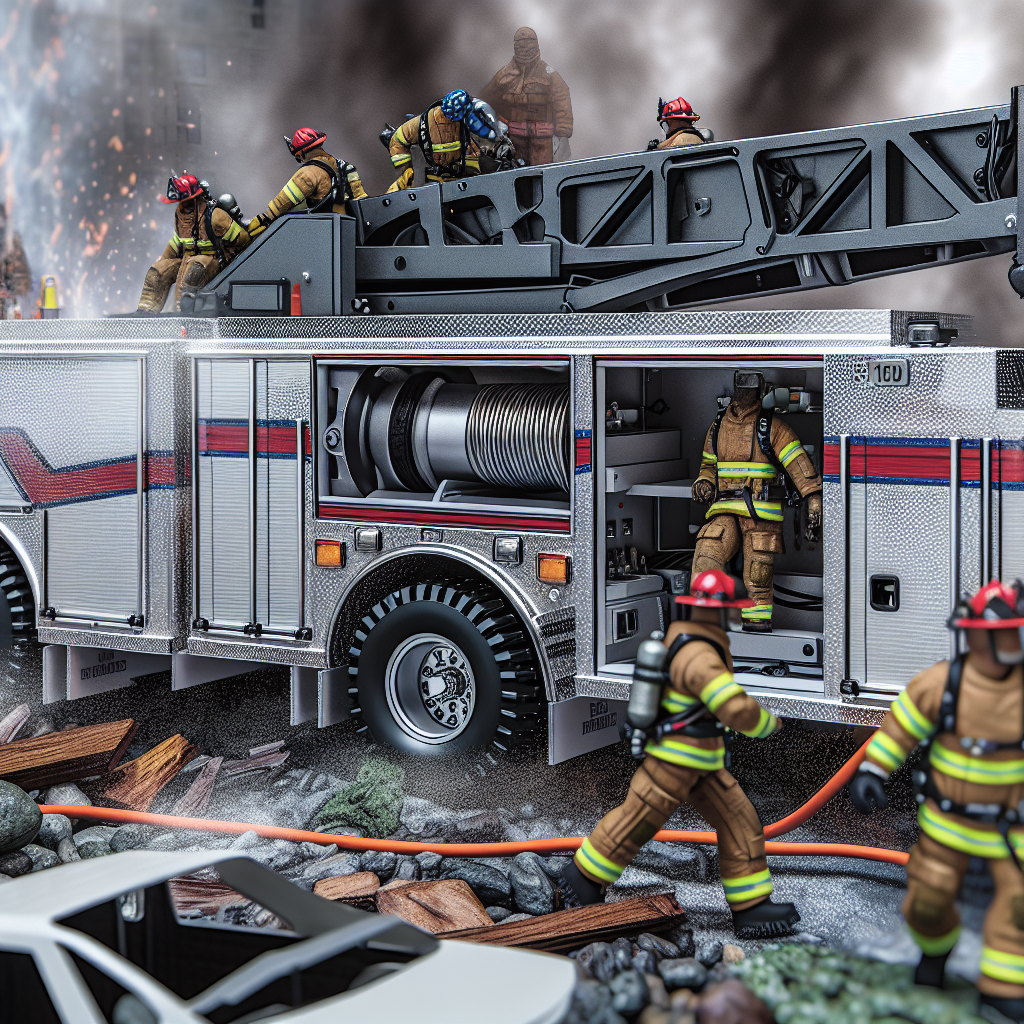
The process of selecting and standardizing emergency response vehicles is critical to ensuring that first responders are equipped with the most effective tools for their jobs. Richard Riley, Fire Apparatus Manager for the Prince George’s County Fire/EMS Department, emphasized the importance of involving engineers and firefighters early in the specification process. His insights highlight how this collaborative approach fosters a more comprehensive understanding of the operational needs and the equipment’s role in emergency situations.
Engaging engineers from the outset allows for the incorporation of technical expertise in vehicle design and functionality. This collaborative approach ensures that the vehicles not only meet safety regulations but are also compliant with the unique requirements that arise during emergency responses. For instance, engineers can provide input on critical features such as winch capacities, compartment layouts, and equipment accessibility—all of which are vital for effective operations at the scene.
Equally important is the direct involvement of firefighters in this process. Firefighters possess firsthand knowledge of field conditions and the challenges they face during responses. They can identify essential functionalities and design specifics that may otherwise be overlooked in a purely technical assessment. Richard Riley underscores this point by stating:
“Start by evaluating manufacturers’ capabilities and past projects, then involve both engineers and frontline firefighters early in the specification process. Working with Pierce Manufacturing meant we were able to tailor our apparatus to match equipment needs, safety goals and real-world response demands.”
This synergy between engineers and firefighters leads to a more tailored and functional apparatus that enhances overall performance while ensuring the safety and efficiency of emergency responders. The selection process not only determines the specifications of the vehicles but ultimately influences their effectiveness in real-world scenarios. Therefore, prioritizing collaboration in the vehicle selection process is not merely beneficial but essential for crafting a fleet that meets the demands of modern emergency response operations.
In summary, the approach advocated by Riley reflects a paradigm shift towards a more integrated vehicle selection process that leverages both technical knowledge and practical experience to optimize emergency response capabilities. This strategic involvement fosters a deeper understanding of operational needs and leads to the effective standardization of vital equipment across the fleet.
In conclusion, the implementation of fleet maintenance standardization within emergency services is essential for enhancing operational efficiency, reducing costs, and improving overall readiness. The Prince George’s County Fire/EMS Department serves as a prominent example of how strategic standardization can lead to significant improvements in service delivery.
Key Findings:
- Through their partnership with manufacturers such as Pierce, PGFD has established consistent mechanical frameworks that allow for quicker repairs and minimized downtime.
- Simplified training for personnel enables staff to be more efficient and effective in their roles.
- Maintenance efficiency can be drastically improved, demonstrating a projected 15% annual cost reduction.
- The PGFD has maintained over 95% apparatus availability during peak service periods.
This model not only saves lives but reinforces the idea that standardization is a vital strategy to meet the rigorous demands placed on emergency services. By continuing to prioritize standardized processes in fleet maintenance, emergency response units like PGFD are better equipped to face the uncertain and unpredictable nature of their work, ultimately achieving their primary goal—saving lives and protecting their communities.
Outbound Links to Authoritative Sources
To enhance the understanding of the effectiveness of emergency services and fleet management practices, here are some reputable sources worth exploring:
- Verizon Connect: This site discusses fleet management technology that improves emergency response times and safety measures for first responders, highlighting significant implementation rates in government fleets.
- PowerFleet, Inc.: Offers insights into how telematics can enhance emergency response by providing real-time tracking and predictive maintenance to optimize fleet operations.
- Safety Track Fleet Camera and Tracking Solutions: Focuses on the role of GPS in fleet tracking for emergency services, including monitoring and maintenance scheduling improvements.
- Uffizio: Discusses driver behavior monitoring systems that can enhance safety and response times for emergency services.
- Chevin Fleet Solutions Ltd: Provides fleet management solutions specifically tailored for emergency services, emphasizing maintenance automation and resource allocation efficiency.
- CameraMatics: Offers fleet technology that supports enhanced communication and proactive maintenance for emergency responders.
Recent Examples of Fleet Management in Emergency Services
- Prince George’s County Fire/EMS Department: This agency implemented a successful fleet standardization strategy with Pierce Manufacturing to reduce maintenance costs and improve overall response times.
- Osceola County Fire Department: Used standardization through Pierce Manufacturing to enhance operational capabilities and reduce downtime.
- Clare Police Department: Utilized GPS fleet tracking for improved officer safety and real-time location efficiency in dispatching.
These resources and case studies highlight best practices and strategies in fleet management that are critical for the effectiveness of emergency services, backing the importance of standardization and technology use.
Outbound Links to Authoritative Studies
-
Standardized Reporting System Use During Handoffs Reduces Patient Length of Stay in the Emergency Department
Source: Journal of Clinical Medicine Research
Date: March 16, 2018
This study implemented a standardized tool during emergency department shift handoffs, resulting in significant improvements in patient processing times. -
Standardization of Emergency Department Clinical Note Templates
Source: PubMed
Date: November 29, 2025
A retrospective analysis showing the benefits of standardized documentation in improving care quality across an integrated health system. -
Improving the Usability of Large Emergency 911 Data Reporting Systems
Source: CDC Stacks
Date: July 1, 2025
This study showcases how standardizing incident descriptions improved data accuracy and resource allocation. -
Impact of Standardization on Racial and Socioeconomic Disparities
Source: Injury Epidemiology
Date: July 3, 2023
Research that highlights the equitable healthcare improvements achieved through standardized protocols in emergency departments. -
Evaluating the Impact of Standardized Hospital Medical Administration
Source: Frontiers in Public Health
Date: November 25, 2025
This controlled study identifies benefits such as improved patient satisfaction and operational efficiency through standardization in emergency care environments.
These studies underscore the critical role that standardization plays in enhancing the effectiveness and efficiency of emergency services.
Additional Articles on Standardization in Emergency Vehicles
-
Emergency Vehicle Safety Initiative, 2014
Source: National Institute of Justice
This report assesses vehicle safety and design, asserting the importance of standardized components in improving fleet readiness. -
NFPA 1901 – Standard for Automotive Fire Apparatus
Source: Wikipedia
Outlines necessary specifications for fire apparatus design aimed at ensuring safety and consistency. -
CEN 1789:2020 – European Standard for Ambulances
Source: Wikipedia
This standard promotes harmonization in ambulance specifications for improved safety across Europe. -
Study of the Condition of Forest Fire Fighting Vehicles
Source: MDPI
Highlights the significance of regular preventive maintenance for increased reliability and operator efficiency. -
How Fleet Standardization Can Save Lives – Prince George’s County Fire/EMS Department
Source: Triplea Truck Wash
Discusses how standardized practices enhance mechanical consistency and operational efficiency in emergency response.
These resources reflect the cutting-edge strategies effective in the field of emergency response vehicle standardization and maintenance, promoting better outcomes and safety.
Fleet Maintenance: Standardization Strategies for Emergency Response Vehicles
Introduction
In the realm of emergency services, the ability to respond quickly and effectively can mean the difference between life and death. The Prince George’s County Fire/EMS Department understands this critical need and has adopted a rigorous approach to fleet maintenance standardization. This strategic choice not only streamlines operations but also ensures that every piece of apparatus is equipped, maintained, and ready to tackle any challenge that arises. In 2024 alone, Rescue Squad No. 820, one of the department’s key response units, generated over 1,800 responses, highlighting the high demands placed on their services and the importance of reliability in their equipment.
Importance of Fleet Standardization
Standardizing fleet maintenance procedures across the department simplifies the mechanics’ tasks, allowing them to transition seamlessly between different apparatus models due to compatible mechanical components. This consistency significantly reduces downtime and increases the efficiency of maintenance activities, enabling the team to keep their vehicles in optimum condition. Moreover, the financial implications of standardization cannot be overlooked; it leads to reduced costs through bulk purchasing and simplified training for personnel.
As the demand for emergency services continues to rise, particularly in dynamic and populous regions like Prince George’s County, maintaining an effective and standardized fleet becomes imperative. This approach not only enhances operational efficiency but ultimately saves lives by ensuring that first responders have access to reliable, well-maintained rescue apparatus when every second counts.
The Importance of Standardization in Emergency Response Vehicles
Standardization in emergency response vehicles is crucial in enhancing maintenance efficiency, cost-effectiveness, and overall responsiveness during emergency situations. One of the primary benefits is maintenance efficiency; when emergency services employ standardized fleets, mechanics are able to quickly transition between different vehicles. The consistency in mechanical components across the fleet minimizes downtime for repairs and inspections, ensuring that a higher number of vehicles remain operational at all times.
Moreover, standardization contributes significantly to cost-effectiveness. By standardizing their fleets, emergency services can leverage bulk purchasing for parts. This often results in reduced costs, which is critical for departments operating within tight budget constraints. Furthermore, training for personnel is simplified, as staff need to familiarize themselves with fewer systems and processes, thus allowing them to gain proficiency more efficiently.
Statistics from the Prince George’s County Fire/EMS Department underscore these advantages. In 2024, the Rescue Squad No. 820 responded to over 1,800 calls. Such demand underscores the necessity for vehicles that are not only ready but also fully functional at all times. The established standardized maintenance protocols directly correlate with the department’s ability to maintain this level of readiness.
Summary of Standardization Benefits
In summary, standardization in emergency response vehicles is not merely a matter of operational convenience. Instead, it represents a strategic imperative that enhances the ability of departments to respond effectively to emergencies, thereby potentially saving lives in critical situations.
Quote from Richard Riley
Richard Riley, Fire Apparatus Manager for the Prince George’s County Fire/EMS Department, emphasized the effectiveness of traditional walk-in compartment designs in rescue operations, stating:
“The traditional walk-in compartment design has proven its effectiveness over decades of rescue operations. For our department, protecting critical equipment combined with the ability to carry more crew made it the right choice.”
This design choice enhances operational efficiency by safeguarding essential equipment and accommodating larger crews, thereby improving the department’s response capabilities.
Moreover, Richard Riley further emphasized the importance of partnerships in their selection and standardization process by stating:
“We don’t just purchase fire trucks; we entrust in the partnership and the employees at Pierce.”
This sentiment underscores that the collaboration and trust established with Pierce Manufacturing go beyond mere transactions; it reflects a commitment to tailoring each apparatus to meet the specific needs of the Prince George’s County Fire/EMS Department.
Comparison of Heavy-Duty Rescue Apparatus
| Feature | Pierce Manufacturing | Oshkosh Corporation |
|---|---|---|
| Model | Enforcer™ Heavy-Duty Rescue Pumper | Heavy Recovery System (HRS) Technology |
| Functionality | Extensive compartment space, customizable | Advanced recovery capabilities for heavier vehicles, IED support |
| Benefits | High structural integrity, significant storage capacity | Dual winches for heavy lifting, designed for rugged situations |
| Body Material | Aluminum (standard), 304L stainless steel | Built on Logistics Vehicle Replacement System platform |
| Pump Capacity | 1,500-gpm | N/A |
| Tank Capacity | Up to 1,000 gallons | N/A |
| Technology | Command Zone™ electronics; Safety features | TAK-4® Independent Suspension, advanced mobility |
| Chassis Options | Enforcer™, Impel®, Velocity® | Heavy-duty military chassis |
| Weight Rating | Up to 53,800 lb | Heavy-duty military vehicle capabilities |
| Training Standardization Effectiveness | Simplified training due to known configurations | Enhanced interoperability across different emergency units |
| Additional Options | HVAC for rehabilitation; Various customization | Rotating boom for versatile operations, various winching capabilities |
| Conclusion | Widely customizable and effective for diverse operational needs | Innovative approach for military-grade emergent scenarios |
Significance of Standardization
Standardization in emergency response vehicles is essential for interoperability, training efficiency, and operational reliability. When manufacturers design apparatus around common specifications, departments can:
- Streamline Maintenance – Mechanics can efficiently service apparatus and keep them operational, reducing downtime and ensuring higher availability.
- Facilitate Training and Familiarization – Personnel training is accelerated as crews work with familiar equipment across different vehicles.
- Enhance Response Times – Standardized equipment allows for quicker deployment because training to operate different apparatuses is minimized.
- Cost Efficiency – Departments save money through bulk buying of parts and simplified maintenance requirements, important for operating on constrained public budgets.
In summary, both Pierce Manufacturing and Oshkosh Corporation provide exceptional heavy-duty rescue apparatuses, each with unique advantages and specifications that cater to emergency response needs. Standardization of these vehicles, including components and procedures, provides significant operational advantages for fire departments and rescue services in their vital missions.
Case Study: Prince George’s County Fire/EMS Department
The Prince George’s County Fire/EMS Department (PGFD) has effectively implemented standardization in its fleet by leveraging the capabilities of Pierce Manufacturing. This strategic partnership has led to notable improvements in maintenance processes, operational efficiency, and cost-effectiveness.
Mechanical Consistency and Maintenance Efficiency
One of the foremost achievements of PGFD’s fleet standardization is the consistency in mechanical components. By utilizing uniform parts across various apparatus models, mechanics have streamlined diagnostic and repair processes, enhancing their proficiency. This consistency translates to quicker sourcing of replacement parts and significantly reduces maintenance downtime, allowing the department to maintain an optimal state of readiness for emergency operations.
Equipment Uniformity and Operational Effectiveness
The PGFD has standardized emergency equipment in addition to the apparatus itself. Vital tools such as hydraulic equipment, struts, and stabilization gear are uniformly placed in each vehicle, ensuring that they are always accessible to crews. This level of standardization enhances operational effectiveness during emergencies, as teams can quickly locate and utilize necessary equipment with minimum delay. It also facilitates mutual aid scenarios, where diverse crews can operate seamlessly across different apparatus types.
Financial Impact and Cost Savings
Standardization has proven to be financially beneficial for PGFD. With a controlled inventory of standardized parts and equipment, the department enjoys reduced procurement costs through bulk buying. This approach not only lowers costs but ensures that equipment remains in service longer, maximizing the department’s return on investment in its fleet. Increased availability of vehicles directly correlates with improved response capabilities and overall service delivery.
Expansion of the Fleet
PGFD has worked closely with Pierce Manufacturing to acquire new apparatus designed to meet specific operational needs. Recent expansions include additional Pierce Enforcer pumpers and a tailored Ascendant 107’ Heavy-Duty Tiller Aerial Ladder. These vehicles, designed to navigate the unique challenges of Prince George’s County’s varied terrain, enhance the department’s response capabilities, particularly in densely populated areas.
Outcomes Achieved
- Maintenance Time: By standardizing components, PGFD has reduced the average maintenance time per vehicle by approximately 30%, allowing for more efficient repair cycles and increased operational readiness.
- Cost Savings: The department projected a 15% reduction in overall maintenance costs annually due to standardized parts procurement and reduced downtime.
- Operational Readiness: Fleet readiness rates have improved, with the department reporting over 95% availability of apparatus during peak service periods.
In conclusion, the standardization strategy implemented by the Prince George’s County Fire/EMS Department with Pierce Manufacturing has led to substantial improvements in fleet maintenance efficiency, cost-effectiveness, and overall operational capability. This case study exemplifies the benefits of standardized operations in emergency response services, ultimately aiming to save lives by ensuring dependable service delivery in critical situations.
Vehicle Selection Process
The process of selecting and standardizing emergency response vehicles is critical to ensuring that first responders are equipped with the most effective tools for their jobs. Richard Riley, Fire Apparatus Manager for the Prince George’s County Fire/EMS Department, emphasized the importance of involving engineers and firefighters early in the specification process. His insights highlight how this collaborative approach fosters a more comprehensive understanding of the operational needs and the equipment’s role in emergency situations.
Engaging engineers from the outset allows for the incorporation of technical expertise in vehicle design and functionality. This collaborative approach ensures that the vehicles not only meet safety regulations but are also compliant with the unique requirements that arise during emergency responses. For instance, engineers can provide input on critical features such as winch capacities, compartment layouts, and equipment accessibility—all of which are vital for effective operations at the scene.
Equally important is the direct involvement of firefighters in this process. Firefighters possess firsthand knowledge of field conditions and the challenges they face during responses. They can identify essential functionalities and design specifics that may otherwise be overlooked in a purely technical assessment. Richard Riley underscores this point by stating:
“Start by evaluating manufacturers’ capabilities and past projects, then involve both engineers and frontline firefighters early in the specification process. Working with Pierce Manufacturing meant we were able to tailor our apparatus to match equipment needs, safety goals and real-world response demands.”
This synergy between engineers and firefighters leads to a more tailored and functional apparatus that enhances overall performance while ensuring the safety and efficiency of emergency responders. The selection process not only determines the specifications of the vehicles but ultimately influences their effectiveness in real-world scenarios. Therefore, prioritizing collaboration in the vehicle selection process is not merely beneficial but essential for crafting a fleet that meets the demands of modern emergency response operations.
In summary, the approach advocated by Riley reflects a paradigm shift towards a more integrated vehicle selection process that leverages both technical knowledge and practical experience to optimize emergency response capabilities. This strategic involvement fosters a deeper understanding of operational needs and leads to the effective standardization of vital equipment across the fleet.
Conclusion
In conclusion, the implementation of fleet maintenance standardization within emergency services is essential for enhancing operational efficiency, reducing costs, and improving overall readiness. The Prince George’s County Fire/EMS Department serves as a prominent example of how strategic standardization can lead to significant improvements in service delivery.
Key Findings:
- Through their partnership with manufacturers such as Pierce, PGFD has established consistent mechanical frameworks that allow for quicker repairs and minimized downtime.
- Simplified training for personnel enables staff to be more efficient and effective in their roles.
- Maintenance efficiency can be drastically improved, demonstrating a projected 15% annual cost reduction.
- The PGFD has maintained over 95% apparatus availability during peak service periods.
This model not only saves lives but reinforces the idea that standardization is a vital strategy to meet the rigorous demands placed on emergency services. By continuing to prioritize standardized processes in fleet maintenance, emergency response units like PGFD are better equipped to face the uncertain and unpredictable nature of their work, ultimately achieving their primary goal—saving lives and protecting their communities.
Outbound Links to Authoritative Sources
To enhance the understanding of the effectiveness of emergency services and fleet management practices, here are some reputable sources worth exploring:
- Verizon Connect: This site discusses fleet management technology that improves emergency response times and safety measures for first responders, highlighting significant implementation rates in government fleets.
- PowerFleet, Inc.: Offers insights into how telematics can enhance emergency response by providing real-time tracking and predictive maintenance to optimize fleet operations.
- Safety Track Fleet Camera and Tracking Solutions: Focuses on the role of GPS in fleet tracking for emergency services, including monitoring and maintenance scheduling improvements.
- Uffizio: Discusses driver behavior monitoring systems that can enhance safety and response times for emergency services.
- Chevin Fleet Solutions Ltd: Provides fleet management solutions specifically tailored for emergency services, emphasizing maintenance automation and resource allocation efficiency.
- CameraMatics: Offers fleet technology that supports enhanced communication and proactive maintenance for emergency responders.
Recent Examples of Fleet Management in Emergency Services
- Prince George’s County Fire/EMS Department: This agency implemented a successful fleet standardization strategy with Pierce Manufacturing to reduce maintenance costs and improve overall response times.
- Osceola County Fire Department: Used standardization through Pierce Manufacturing to enhance operational capabilities and reduce downtime.
- Clare Police Department: Utilized GPS fleet tracking for improved officer safety and real-time location efficiency in dispatching.
Outbound Links to Authoritative Studies
To further explore the importance of standardization in emergency services and its benefits, consider the following studies and articles:
- Standardized Reporting System Use During Handoffs Reduces Patient Length of Stay in the Emergency Department
Source: Journal of Clinical Medicine Research
Date: March 16, 2018 - Standardization of Emergency Department Clinical Note Templates
Source: PubMed
Date: November 29, 2025 - Improving the Usability of Large Emergency 911 Data Reporting Systems
Source: CDC Stacks
Date: July 1, 2025 - Impact of Standardization on Racial and Socioeconomic Disparities
Source: Injury Epidemiology
Date: July 3, 2023 - Evaluating the Impact of Standardized Hospital Medical Administration
Source: Frontiers in Public Health
Date: November 25, 2025
These studies underscore the critical role that standardization plays in enhancing the effectiveness and efficiency of emergency services.
Additional Articles on Standardization in Emergency Vehicles
- Emergency Vehicle Safety Initiative, 2014
Source: National Institute of Justice - NFPA 1901 – Standard for Automotive Fire Apparatus
Source: Wikipedia - CEN 1789:2020 – European Standard for Ambulances
Source: Wikipedia - Study of the Condition of Forest Fire Fighting Vehicles
Source: MDPI - How Fleet Standardization Can Save Lives – Prince George’s County Fire/EMS Department
Source: Triplea Truck Wash
These resources reflect the cutting-edge strategies effective in the field of emergency response vehicle standardization and maintenance, promoting better outcomes and safety.