

Winter brings harsh cold and severe challenges for communities. As snow piles up and strong winds blow, winter storms can lead to significant disruptions. They affect transportation networks, stranding vehicles and leaving countless individuals in difficult situations. In these conditions, towing regulations, which typically ensure safety and order, often experience disruptions. The unpredictable nature of storms requires quick adaptations to regulations to protect lives and ensure access to essential services. Local officials must respond swiftly to the aftermath of blizzards and icy conditions, making discussions about regulatory relief crucial. These discussions not only address the immediate problems posed by winter storms but also aim to enable emergency services to respond effectively. This highlights the connection between nature’s challenges and the systems in place designed to safeguard public welfare.
Recent winter storms have severely impacted Texas, Arkansas, and Mississippi, resulting in power outages for over 250,000 residents across the central and southern United States. In Texas, more than 13,000 customers lost power amidst significant disruptions, while Arkansas faced outages affecting around 36,637 homes. Although details are limited for Mississippi, the storm’s effects were felt there too. These troubling statistics highlight the urgent need for evolving local towing regulations to ensure communities can respond quickly during such crises.
During severe winter storms, towing services in Texas, Georgia, and Wisconsin have implemented regulatory relief measures to enhance their operational efficiency. In Texas, for example, regulatory waivers were issued during Tropical Storm Imelda in 2019, allowing out-of-state towing vehicles to operate more freely. This action significantly expedited the recovery of stranded vehicles, mitigating further damage and hazards on roadways.
In Georgia, the FMCSA’s Regional Emergency Declarations provided relief from hours-of-service regulations for drivers delivering essential supplies such as heating fuels. This enabled extended driving hours for truckers, aiding in the timely distribution of critical resources during severe winter conditions.
Similarly, Wisconsin’s Emergency Rule EmR1425 established clearer guidelines for towing operations, ensuring that services could respond more effectively to winter emergencies. This improved framework allowed for a structured approach to vehicle recovery during extreme weather events.
These efforts demonstrate a concerted response by both state and federal authorities to adapt regulations, ensuring that towing services can successfully navigate the challenges posed by severe winter storms.
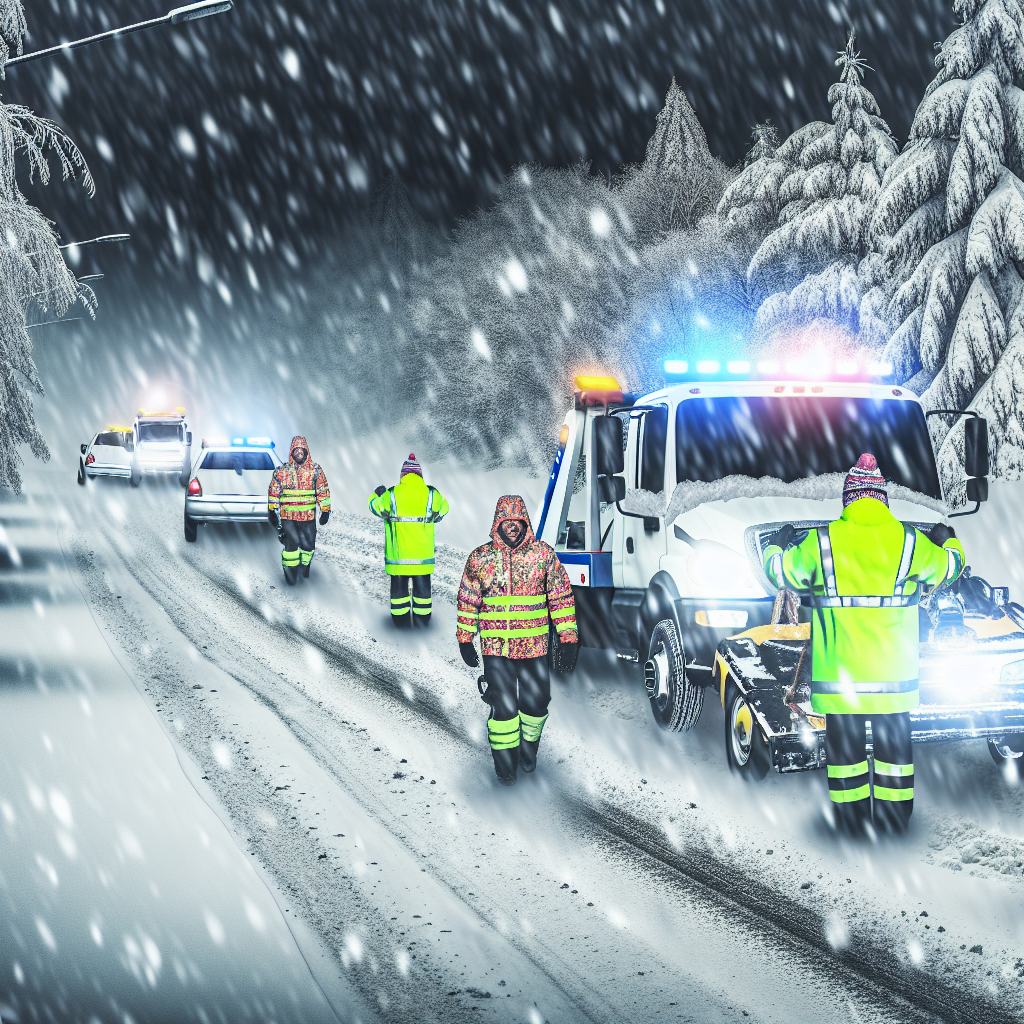
State-Specific Regulations During Emergencies
As winter storms wreak havoc across the country, state governments spring into action to implement urgent measures that allow towing and commercial vehicle operations to continue unimpeded. Here are how specific states, including Georgia, Texas, South Carolina, and Wisconsin, adapt their towing regulations during emergencies:
Georgia
In Georgia, Governor Brian Kemp outlined the importance of regulatory relief during winter storms to maintain essential services. He stated, “The maintenance and prompt restoration of utility services and the uninterrupted transportation of essential goods, equipment, and products to or from the impacted areas are critical to the safety and welfare of the states and neighboring states.” This sentiment illustrates the state’s proactive approach, utilizing emergency declarations to waive certain restrictions. For instance, during a winter storm in early 2024, Georgia modified regulations which permitted longer hours of service for tow truck operators tasked with clearing snow-choked routes. These adjustments ensured a rapid response to restore mobility in affected areas while prioritizing safety.
Texas
In Texas, towing operations have historically faced the dual challenge of extreme weather and heavy traffic. During the recent winter storms, the state invoked emergency declarations allowing for flexibility in transportation regulations. Governor Greg Abbott announced, “We are committed to removing barriers that prevent timely assistance and support for Texans during these crises.” The response included altering hours of service requirements, thus permitting truckers to operate beyond standard limits to deliver critical heating supplies and clear blocked roadways. Furthermore, the state has previously enacted waivers that enable tow trucks to operate unencumbered by usual weight restrictions during emergencies, expediting recovery efforts for stranded vehicles.
South Carolina
South Carolina has also responded robustly to emergencies, as articulated by Governor Henry McMaster: “I’m asking all South Carolinians to limit travel and to help our first responders so they can respond to emergencies swiftly.” In January 2022, McMaster signed an executive order providing regulatory relief that allowed towing companies to circumvent conventional limitations, facilitating rapid recovery of stranded vehicles. The suspension of size and weight limits was vital in maintaining the flow of resources necessary to combat the impacts of severe weather, from clearing roads to delivering critical supplies.
Wisconsin
In Wisconsin, emergency measures were similarly apparent as Governor Tony Evers stressed the importance of collaboration among state agencies. The state invoked regulatory changes including hours of service exemptions lasting until the end of January, allowing for efficient response capabilities amid challenging winter conditions. Notably, relief from certain cargo weight limitations helped ensure that trucks carrying essential goods could reach their destinations without delay.
These collective state actions underscore the critical role that regulatory adjustments play in ensuring that towing operations remain functional during emergencies. By prioritizing clear communication and regulatory relief, states are better equipped to handle the impacts of severe winter events while fostering public safety and welfare.
| State | Hours of Service Exemptions | Weight Exemptions | Conditions for Exemptions |
|---|---|---|---|
| Georgia | Extended driving hours allowed for emergency responders | Increased limits during declared emergencies | State must be under emergency declaration for winter storms |
| Texas | Waivers for flexibility in driving times for tow trucks | Waivers on weight limits for delivery of critical supplies | Emergency declaration must be in effect |
| South Carolina | Temporary suspension of driving limits | Temporary increase in allowable weight | Exemptions during declared state emergencies |
| Wisconsin | Relief from hours of service for crews assisting in recovery | Exempt from weight limits for trucks moving essential goods | Must declare emergency due to severe winter conditions |
As we have explored throughout this article, the dynamic nature of local towing regulations in response to winter storms is critical for ensuring effective emergency management and service delivery. Understanding these regulations is not merely an academic exercise; it is a necessity for both towing operators and individuals who may require assistance during severe weather conditions.
The regulatory waves, such as hours of service exemptions and weight limit waivers, play a vital role in maintaining essential services and ensuring that resources can be mobilized swiftly to respond to emergencies. It is imperative for all parties involved to stay informed about local changes to towing operations, as these updates can significantly impact recovery efforts and public safety.
By remaining vigilant and educated about the evolving landscape of towing regulations, we can all contribute to safer communities in the face of winter’s challenges. Let us commit to staying informed and prepared as winter storms pose their annual threats, ensuring that essential services can reach those in need.
The Importance of Communication for Towing Companies and Vehicle Owners
Clear communication is crucial in the towing industry, especially when navigating regulatory changes, emergency waivers, and their impacts on towing services and vehicle owners.
Regulatory Changes and Communication
Effective communication from state regulators to the towing and recovery industry is essential for successful state practices. Open and effective communication with towing companies helps avoid misunderstandings, minimize unnecessary expenses, and address concerns promptly. As noted in industry sources, establishing strong channels of communication can significantly enhance operational effectiveness, particularly during times of crisis when regulations may change rapidly.
Emergency Waivers and Coordination
During emergencies, towing teams must coordinate effectively with police, fire departments, and emergency medical services. Modern communication systems enable seamless coordination, reducing response times and ensuring safety procedures are followed throughout the recovery process. Real-time communication tools, such as Push-to-Talk over cellular technology, provide instant communication, while GPS tracking helps dispatchers guide tow trucks along the safest and fastest routes, ensuring timely responses in critical situations.
Impact on Towing Services and Vehicle Owners
For towing services, effective communication enhances operational efficiency and customer satisfaction. Mobile applications allow customers to request assistance, track tow truck locations, and receive real-time updates, which reduces anxiety during stressful situations. This transparency fosters trust and loyalty among customers seeking timely aid.
For vehicle owners, clear communication ensures they are informed about the towing process, expected arrival times, and any changes that may occur. Open lines of communication alleviate stress and build confidence in the towing service, ultimately leading to a more positive experience.
In summary, effective communication is vital in the towing industry to adapt to regulatory changes, coordinate during emergencies, and provide transparent services to vehicle owners. Embracing modern communication tools and maintaining open lines of communication with all stakeholders enhances safety, efficiency, and customer satisfaction.
Impact of Winter Storms on Power Outages
Winter storms can have a devastating impact on power supply across the United States. The statistics speak volumes, revealing a trend of increasing outages resulting from severe winter weather conditions. In recent events, winter storms have caused widespread disruption:
- In early January 2025, over 250,000 homes and businesses faced power outages due to severe winter weather impacting central and southern regions of the U.S. More than 409,000 customers were affected, prompting several states, including Kansas, Arkansas, and Virginia, to declare states of emergency.
- A report showed that winter weather accounted for 23% of weather-related power outages from 2000 to 2023, indicating a significant issue for utility services every winter season source.
- Notably, the average number of weather-related power outages increased by 78% during 2011-2021 compared to the previous decade, highlighting a concerning trend in reliability source.
- Additionally, during a prominent winter storm in December 2022, approximately 6.3 million households experienced power disruptions source.
Emergency measures and swift responses from utility companies are critical. For example, following recent storms, utility companies mobilized crews and implemented rolling blackouts to stabilize the grid, showcasing proactive strategies to ensure power restoration during such crises source.
The increasing frequency and severity of winter storms underscore the need for preparedness by both utility firms and consumers in anticipation of outages that disrupt daily life.
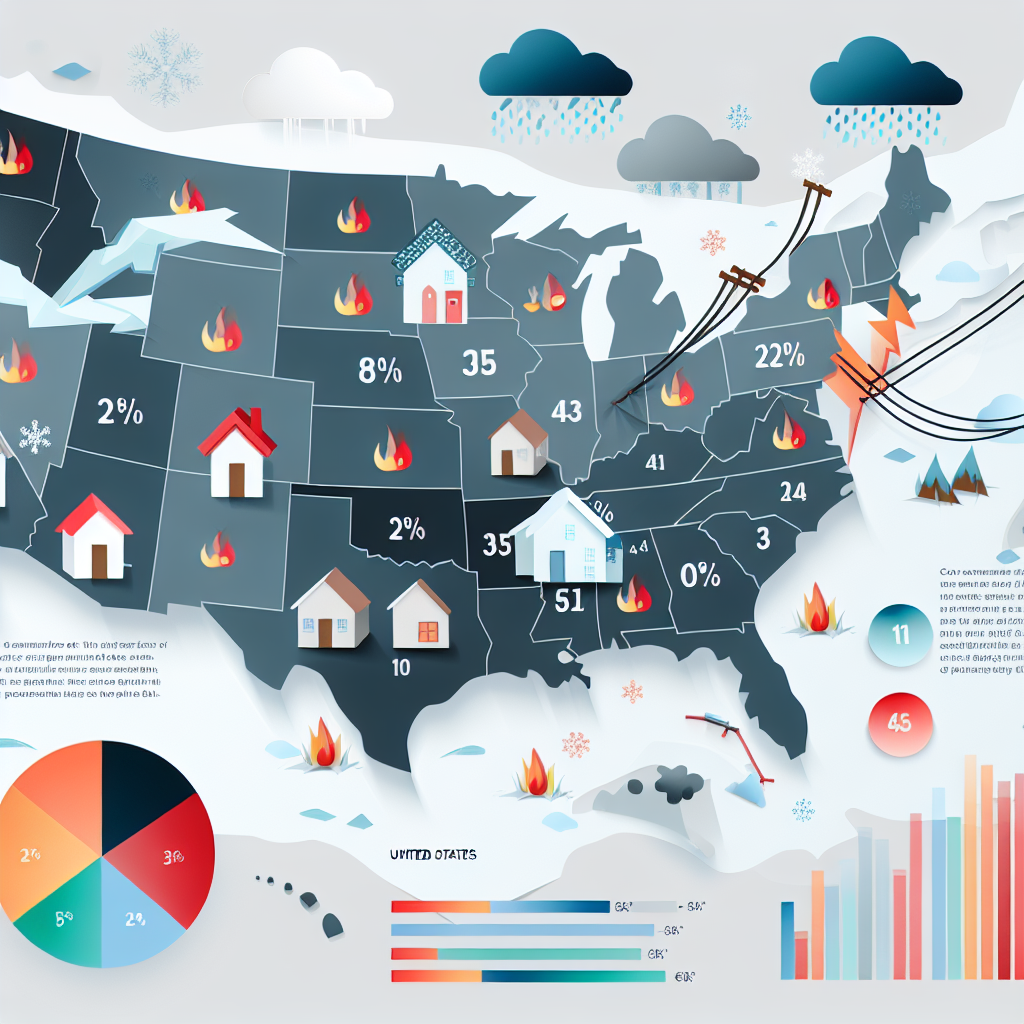
Visual representation of statistics on power outages caused by winter storms, illustrating the widespread impact and recovery efforts across affected states.
Key Challenges During Winter Storms
As winter storms approach, several key challenges emerge, including:
- Road blockages due to heavy snowfall.
- Increased demand for towing services.
- Strain on emergency response teams.
- Heightened risk of accidents and stranded vehicles.
Importance of Regulatory Adaptation
Regulatory adaptations that come into play during such storms are vital for effective response, including:
- Issuance of emergency waivers to towing companies.
- Adjustments to hours of service regulations for commercial motor vehicles.
- Relaxation of weight restrictions for essential supplies.
Summary of Regulatory Responses
Understanding how different states react during winter emergencies can help improve readiness:
- Georgia: Reacts swiftly with extended service hours for tow operators.
- Texas: Implements waivers for timely assistance during peak storm conditions.
- South Carolina: Provides regulatory relief to facilitate emergency service delivery.
- Wisconsin: Establishes clear guidelines to ensure effective recovery operations during severe weather.
Long-Term Implications of Winter Storms
The impact of these storms reaches beyond immediate regulations:
- Infrastructure Stress: Increased wear on roads and bridges.
- Economic Consequences: Disruptions to local businesses due to delayed supply deliveries.
- Community Preparedness: Necessity for communities to develop contingency plans for future storms.
Visual Enhancements for Understanding Towing Operations
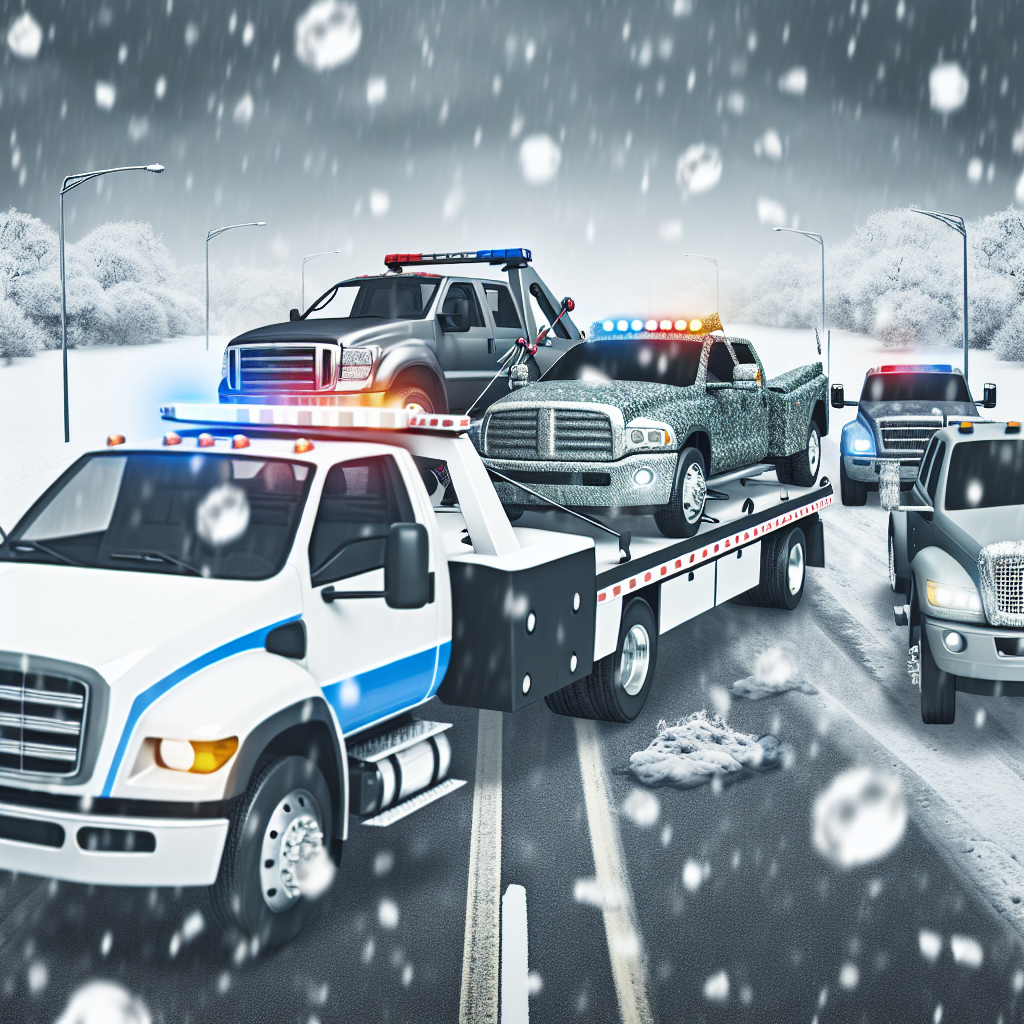
Visual representation of towing operations during winter storms, illustrating trucks navigating challenging conditions to assist stranded vehicles.
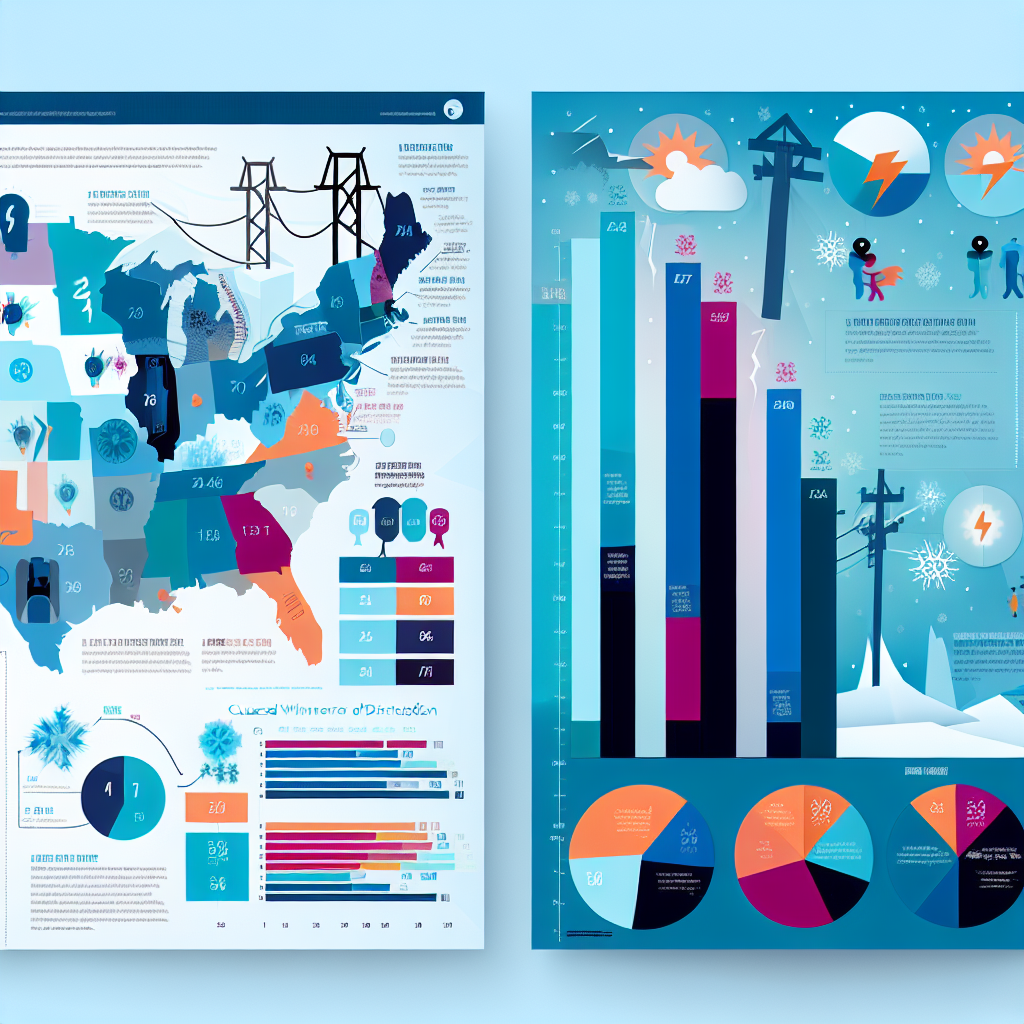
Informative infographic showcasing statistics on power outages caused by winter storms and their impact across various states.
Winter Storms and Emergency Waivers: How Local Regulations Evolve for Towing
Introduction
Winter brings harsh cold and severe challenges for communities. As snow piles up and strong winds blow, winter storms can lead to significant disruptions. They affect transportation networks, stranding vehicles and leaving countless individuals in difficult situations. In these conditions, towing regulations, which typically ensure safety and order, often face modifications due to emergency waivers. The unpredictable nature of storms necessitates quick adaptations to regulations to protect lives and ensure access to essential services. Local officials must respond swiftly to the aftermath of blizzards and icy conditions, making discussions about regulatory relief crucial. These discussions not only address the immediate problems posed by winter storms but also aim to enable emergency services to respond effectively. This highlights the connection between nature’s challenges and the systems in place designed to safeguard public welfare.
Recent winter storms have severely impacted Texas, Arkansas, and Mississippi, resulting in power outages for over 250,000 residents across the central and southern United States. In Texas, more than 13,000 customers lost power amidst significant disruptions, while Arkansas faced outages affecting around 36,637 homes. Although details are limited for Mississippi, the storm’s effects were felt there too. These troubling statistics underscore the urgent need for evolving local towing regulations to ensure communities can respond quickly during such crises.
User Adoption Data
During severe winter storms, towing services in Texas, Georgia, and Wisconsin have implemented regulatory relief measures to enhance their operational efficiency. In Texas, for example, regulatory waivers were issued during Tropical Storm Imelda in 2019, allowing out-of-state towing vehicles to operate more freely. This action significantly expedited the recovery of stranded vehicles, mitigating further damage and hazards on roadways.
In Georgia, the FMCSA’s Regional Emergency Declarations provided relief from hours-of-service regulations for drivers delivering essential supplies such as heating fuels. This enabled extended driving hours for truckers, aiding in the timely distribution of critical resources during severe winter conditions.
Similarly, Wisconsin’s Emergency Rule EmR1425 established clearer guidelines for towing operations, ensuring that services could respond more effectively to winter emergencies. This improved framework allowed for a structured approach to vehicle recovery during extreme weather events.
These efforts demonstrate a concerted response by both state and federal authorities to adapt regulations, ensuring that towing services can navigate the challenges posed by severe winter storms.
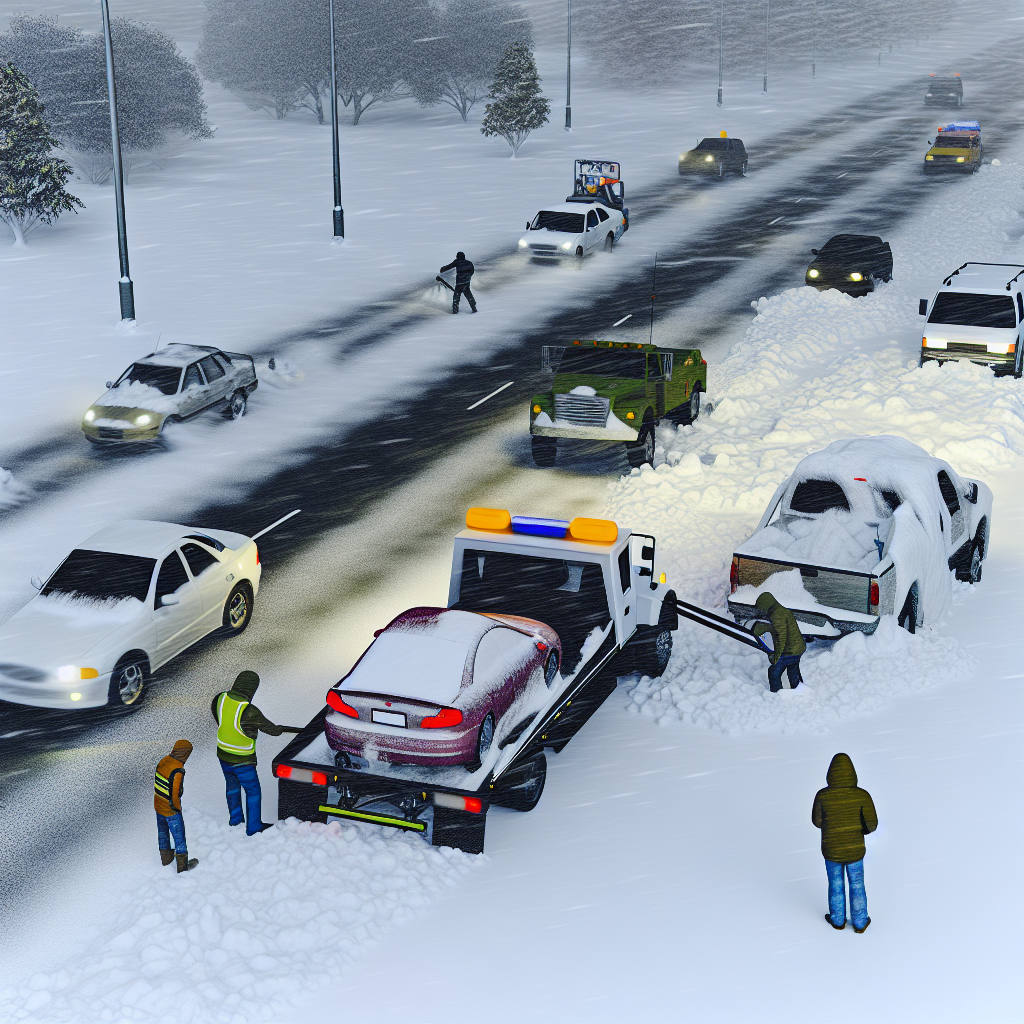
Visual representation of a winter storm’s impact on road conditions, showing vehicles struggling to navigate snow-covered roads with a towing operation in action.
State-Specific Regulations During Emergencies
As winter storms wreak havoc across the country, state governments spring into action to implement urgent measures that allow towing and commercial vehicle operations to continue unimpeded. Here are how specific states, including Georgia, Texas, South Carolina, and Wisconsin, adapt their towing regulations during emergencies:
Georgia
In Georgia, Governor Brian Kemp outlined the importance of regulatory relief during winter storms to maintain essential services. He stated, “The maintenance and prompt restoration of utility services and the uninterrupted transportation of essential goods, equipment, and products to or from the impacted areas are critical to the safety and welfare of the states and neighboring states.” This sentiment illustrates the state’s proactive approach, utilizing emergency declarations to waive certain restrictions. For instance, during a winter storm in early 2024, Georgia modified regulations which permitted longer hours of service for tow truck operators tasked with clearing snow-choked routes. These adjustments ensured a rapid response to restore mobility in affected areas while prioritizing safety.
Texas
In Texas, towing operations have historically faced the dual challenge of extreme weather and heavy traffic. During the recent winter storms, the state invoked emergency declarations allowing for flexibility in transportation regulations. Governor Greg Abbott announced, “We are committed to removing barriers that prevent timely assistance and support for Texans during these crises.” The response included altering hours of service requirements, thus permitting truckers to operate beyond standard limits to deliver critical heating supplies and clear blocked roadways. Furthermore, the state has previously enacted waivers that enable tow trucks to operate without usual weight restrictions during emergencies, expediting recovery efforts for stranded vehicles.
South Carolina
South Carolina has also responded robustly to emergencies, as articulated by Governor Henry McMaster: “I’m asking all South Carolinians to limit travel and to help our first responders so they can respond to emergencies swiftly.” In January 2022, McMaster signed an executive order providing regulatory relief that allowed towing companies to circumvent conventional limitations, facilitating the rapid recovery of stranded vehicles. The suspension of size and weight limits was vital in maintaining the flow of resources necessary to combat the impacts of severe weather, from clearing roads to delivering critical supplies.
Wisconsin
In Wisconsin, emergency measures were similarly apparent as Governor Tony Evers stressed the importance of collaboration among state agencies. The state invoked regulatory changes including hours of service exemptions lasting until the end of January, allowing for efficient response capabilities amid challenging winter conditions. Notably, relief from certain cargo weight limitations helped ensure that trucks carrying essential goods could reach their destinations without delay.
These collective state actions underscore the critical role that regulatory adjustments play in ensuring that towing operations remain functional during emergencies. By prioritizing clear communication and regulatory relief, states are better equipped to handle the impacts of severe winter events while fostering public safety and welfare.
| State | Hours of Service Exemptions | Weight Exemptions | Conditions for Exemptions |
|---|---|---|---|
| Georgia | Extended driving hours allowed for emergency responders | Increased limits during declared emergencies | State must be under emergency declaration for winter storms |
| Texas | Waivers for flexibility in driving times for tow trucks | Waivers on weight limits for delivery of critical supplies | Emergency declaration must be in effect |
| South Carolina | Temporary suspension of driving limits | Temporary increase in allowable weight | Exemptions during declared state emergencies |
| Wisconsin | Relief from hours of service for crews assisting in recovery | Exempt from weight limits for trucks moving essential goods | Must declare emergency due to severe winter conditions |
Conclusion
As we have explored throughout this article, the dynamic nature of local towing regulations in response to winter storms is critical for ensuring effective emergency management and service delivery. Understanding these regulations is not merely an academic exercise; it is a necessity for both towing operators and individuals who may require assistance during severe weather conditions. The regulatory waves, such as hours of service exemptions and weight limit waivers, play a vital role in maintaining essential services and ensuring that resources can be mobilized swiftly to respond to emergencies. It is imperative for all parties involved to stay informed about local changes to towing operations, as these updates can significantly impact recovery efforts and public safety. By remaining vigilant and educated about the evolving landscape of towing regulations, we can all contribute to safer communities in the face of winter’s challenges. Let us commit to staying informed and prepared as winter storms pose their annual threats, ensuring that essential services can reach those in need.
Towing Trucks in Action During Winter Weather
A towing truck responding to stranded vehicles during a winter storm, illustrating the challenges of towing operations in snowy and icy conditions.
The Importance of Communication for Towing Companies and Vehicle Owners
Clear communication is crucial in the towing industry, especially when navigating regulatory changes, emergency waivers, and their impacts on towing services and vehicle owners.
Regulatory Changes and Communication
Effective communication from state regulators to the towing and recovery industry is essential for successful state practices. Open and effective communication with towing companies helps avoid misunderstandings, minimize unnecessary expenses, and address concerns promptly. As noted in industry sources, establishing strong channels of communication can significantly enhance operational effectiveness, particularly during times of crisis when regulations may change rapidly.
Emergency Waivers and Coordination
During emergencies, towing teams must coordinate effectively with police, fire departments, and emergency medical services. Modern communication systems enable seamless coordination, reducing response times and ensuring safety procedures are followed throughout the recovery process. Real-time communication tools, such as Push-to-Talk over cellular technology, provide instant communication, while GPS tracking helps dispatchers guide tow trucks along the safest and fastest routes, ensuring timely responses in critical situations.
Impact on Towing Services and Vehicle Owners
For towing services, effective communication enhances operational efficiency and customer satisfaction. Mobile applications allow customers to request assistance, track tow truck locations, and receive real-time updates, which reduces anxiety during stressful situations. This transparency fosters trust and loyalty among customers seeking timely aid.
For vehicle owners, clear communication ensures they are informed about the towing process, expected arrival times, and any changes that may occur. Open lines of communication alleviate stress and build confidence in the towing service, ultimately leading to a more positive experience.
In summary, effective communication is vital in the towing industry to adapt to regulatory changes, coordinate during emergencies, and provide transparent services to vehicle owners. Embracing modern communication tools and maintaining open lines of communication with all stakeholders enhances safety, efficiency, and customer satisfaction.
Impact of Winter Storms on Power Outages
Winter storms can have a devastating impact on power supply across the United States. The statistics speak volumes, revealing a trend of increasing outages resulting from severe winter weather conditions. In recent events, winter storms have caused widespread disruption:
- In early January 2025, over 250,000 homes and businesses faced power outages due to severe winter weather impacting central and southern regions of the U.S. More than 409,000 customers were affected, prompting several states, including Kansas, Arkansas, and Virginia, to declare states of emergency.
- A report showed that winter weather accounted for 23% of weather-related power outages from 2000 to 2023, indicating a significant issue for utility services every winter season (source).
- Notably, the average number of weather-related power outages increased by 78% during 2011-2021 compared to the previous decade, highlighting a concerning trend in reliability (source).
- Additionally, during a prominent winter storm in December 2022, approximately 6.3 million households experienced power disruptions (source).
Emergency measures and swift responses from utility companies are critical. For example, following recent storms, utility companies mobilized crews and implemented rolling blackouts to stabilize the grid, showcasing proactive strategies to ensure power restoration during such crises (source).
The increasing frequency and severity of winter storms underscore the need for preparedness by both utility firms and consumers in anticipation of outages that disrupt daily life.
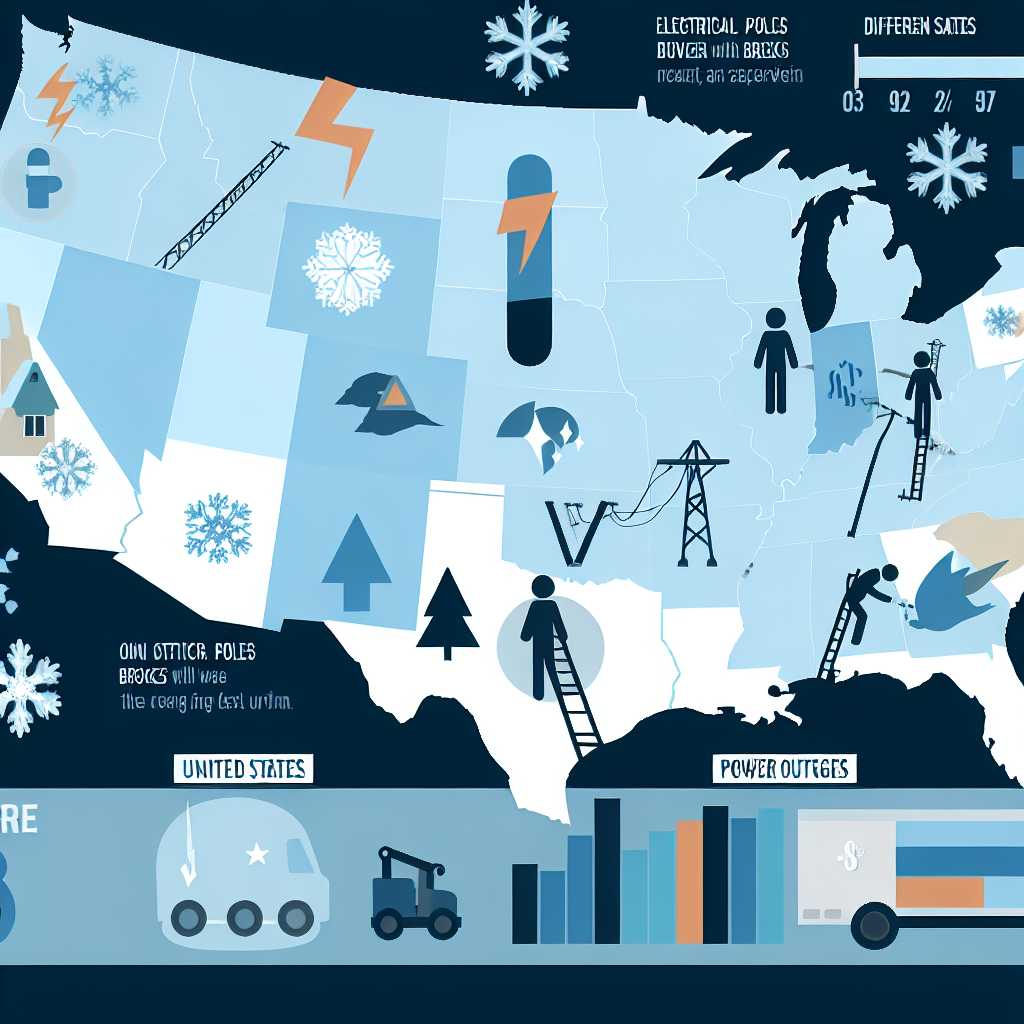
Visual representation of statistics on power outages caused by winter storms, illustrating the widespread impact and recovery efforts across affected states.
Winter Storms and Towing Regulations
Winter brings harsh cold and severe challenges for communities. As snow piles up and strong winds blow, winter storms can lead to significant disruptions. They affect transportation networks, stranding vehicles and leaving countless individuals in difficult situations. In these conditions, towing regulations, which typically ensure safety and order, often face modifications due to emergency waivers. The unpredictable nature of storms necessitates quick adaptations to regulations to protect lives and ensure access to essential services. Local officials must respond swiftly to the aftermath of blizzards and icy conditions, making discussions about regulatory relief crucial. These discussions not only address the immediate problems posed by winter storms but also aim to enable emergency services to respond effectively. This highlights the connection between nature’s challenges and the systems in place designed to safeguard public welfare.
Recent winter storms have severely impacted Texas, Arkansas, and Mississippi, resulting in power outages for over 250,000 residents across the central and southern United States. In Texas, more than 13,000 customers lost power amidst significant disruptions, while Arkansas faced outages affecting around 36,637 homes. Although details are limited for Mississippi, the storm’s effects were felt there too. These troubling statistics underscore the urgent need for evolving local towing regulations to ensure communities can respond quickly during such crises.
During severe winter storms, towing services in Texas, Georgia, and Wisconsin have implemented regulatory relief measures to enhance their operational efficiency. In Texas, for example, regulatory waivers were issued during Tropical Storm Imelda in 2019, allowing out-of-state towing vehicles to operate more freely. This action significantly expedited the recovery of stranded vehicles, mitigating further damage and hazards on roadways.
In Georgia, the FMCSA’s Regional Emergency Declarations provided relief from hours-of-service regulations for drivers delivering essential supplies such as heating fuels. This enabled extended driving hours for truckers, aiding in the timely distribution of critical resources during severe winter conditions.
Similarly, Wisconsin’s Emergency Rule EmR1425 established clearer guidelines for towing operations, ensuring that services could respond more effectively to winter emergencies. This improved framework allowed for a structured approach to vehicle recovery during extreme weather events.
These efforts demonstrate a concerted response by both state and federal authorities to adapt regulations, ensuring that towing services can navigate the challenges posed by severe winter storms.
State-Specific Regulations During Emergencies
As winter storms wreak havoc across the country, state governments spring into action to implement urgent measures that allow towing and commercial vehicle operations to continue unimpeded. Here are how specific states, including Georgia, Texas, South Carolina, and Wisconsin, adapt their towing regulations during emergencies:
Georgia
In Georgia, Governor Brian Kemp outlined the importance of regulatory relief during winter storms to maintain essential services. He stated, “The maintenance and prompt restoration of utility services and the uninterrupted transportation of essential goods, equipment, and products to or from the impacted areas are critical to the safety and welfare of the states and neighboring states.” This sentiment illustrates the state’s proactive approach, utilizing emergency declarations to waive certain restrictions. For instance, during a winter storm in early 2024, Georgia modified regulations which permitted longer hours of service for tow truck operators tasked with clearing snow-choked routes. These adjustments ensured a rapid response to restore mobility in affected areas while prioritizing safety.
Texas
In Texas, towing operations have historically faced the dual challenge of extreme weather and heavy traffic. During the recent winter storms, the state invoked emergency declarations allowing for flexibility in transportation regulations. Governor Greg Abbott announced, “We are committed to removing barriers that prevent timely assistance and support for Texans during these crises.” The response included altering hours of service requirements, thus permitting truckers to operate beyond standard limits to deliver critical heating supplies and clear blocked roadways. Furthermore, the state has previously enacted waivers that enable tow trucks to operate without usual weight restrictions during emergencies, expediting recovery efforts for stranded vehicles.
South Carolina
South Carolina has also responded robustly to emergencies, as articulated by Governor Henry McMaster: “I’m asking all South Carolinians to limit travel and to help our first responders so they can respond to emergencies swiftly.” In January 2022, McMaster signed an executive order providing regulatory relief that allowed towing companies to circumvent conventional limitations, facilitating the rapid recovery of stranded vehicles. The suspension of size and weight limits was vital in maintaining the flow of resources necessary to combat the impacts of severe weather, from clearing roads to delivering critical supplies.
Wisconsin
In Wisconsin, emergency measures were similarly apparent as Governor Tony Evers stressed the importance of collaboration among state agencies. The state invoked regulatory changes including hours of service exemptions lasting until the end of January, allowing for efficient response capabilities amid challenging winter conditions. Notably, relief from certain cargo weight limitations helped ensure that trucks carrying essential goods could reach their destinations without delay.
These collective state actions underscore the critical role that regulatory adjustments play in ensuring that towing operations remain functional during emergencies. By prioritizing clear communication and regulatory relief, states are better equipped to handle the impacts of severe winter events while fostering public safety and welfare.
Conclusion
As we have explored throughout this article, the dynamic nature of local towing regulations in response to winter storms is critical for ensuring effective emergency management and service delivery. Understanding these regulations is not merely an academic exercise; it is a necessity for both towing operators and individuals who may require assistance during severe weather conditions. The regulatory waves, such as hours of service exemptions and weight limit waivers, play a vital role in maintaining essential services and ensuring that resources can be mobilized swiftly to respond to emergencies. It is imperative for all parties involved to stay informed about local changes to towing operations, as these updates can significantly impact recovery efforts and public safety. By remaining vigilant and educated about the evolving landscape of towing regulations, we can all contribute to safer communities in the face of winter’s challenges. Let us commit to staying informed and prepared as winter storms pose their annual threats, ensuring that essential services can reach those in need.