
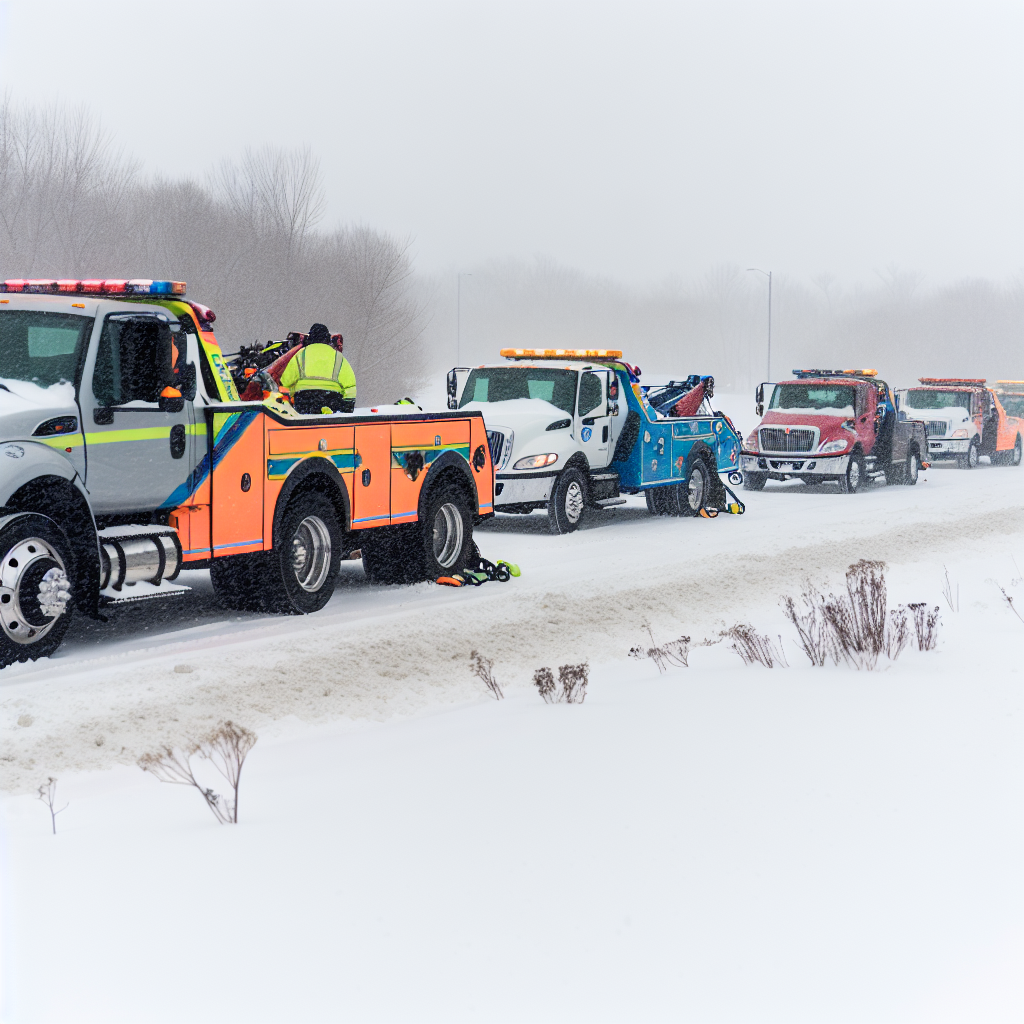
As winter weather adversely impacts road conditions and disrupts transportation networks, the importance of understanding regulatory changes becomes paramount for towing and heavy-duty vehicle operators. The term ‘Regulatory Relief Winter Weather’ signifies the temporary exemptions and modifications implemented by authorities to facilitate efficient operations during these challenging conditions. It is crucial for industry stakeholders to stay informed about these changes, as they influence operational capacities, compliance requirements, and ultimately, the safety of the public.
Given the looming threats posed by severe winter weather events, the urgency in adapting to regulatory shifts cannot be overstated; failing to do so may mean a stagnant response when quick action is necessary to ensure service continuity and safety within affected regions.
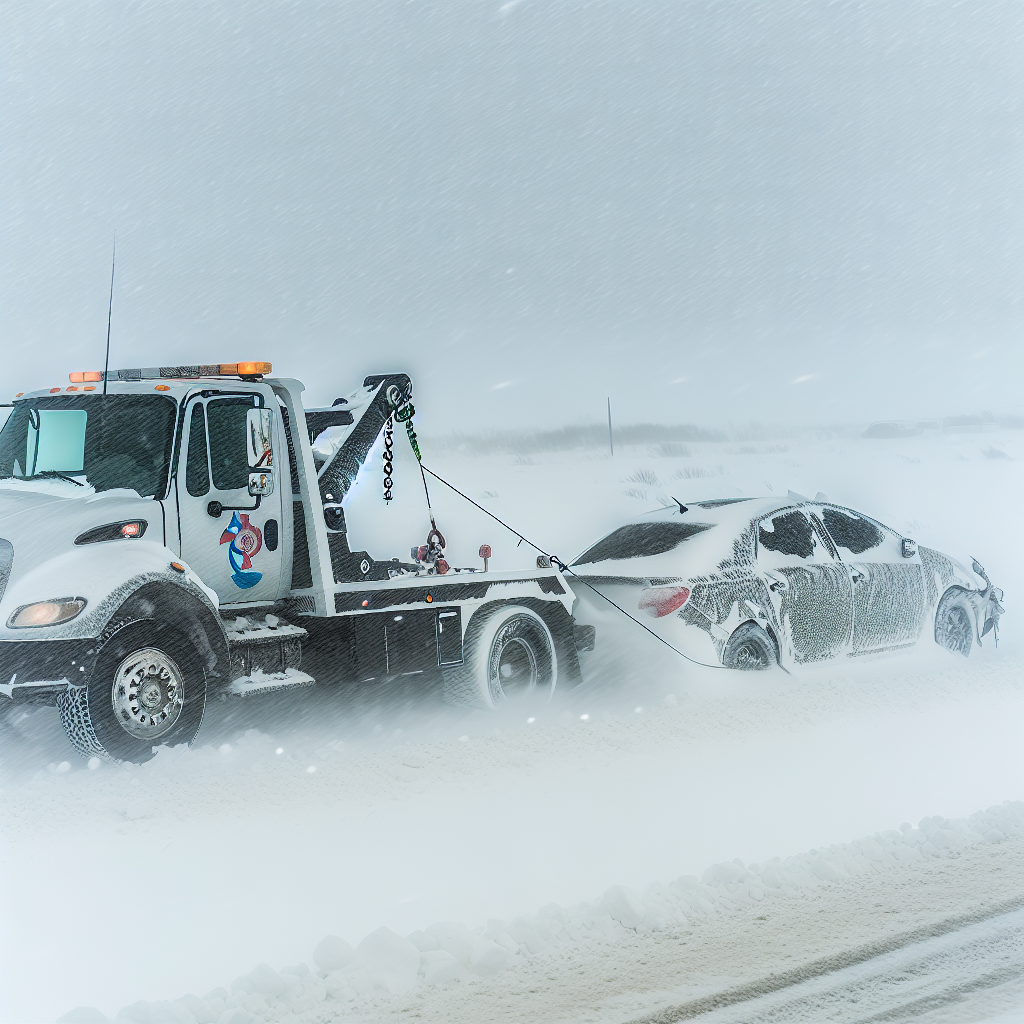
An illustration depicting the challenges towing vehicles face during snowy conditions, highlighting the need for regulatory relief in winter emergencies.
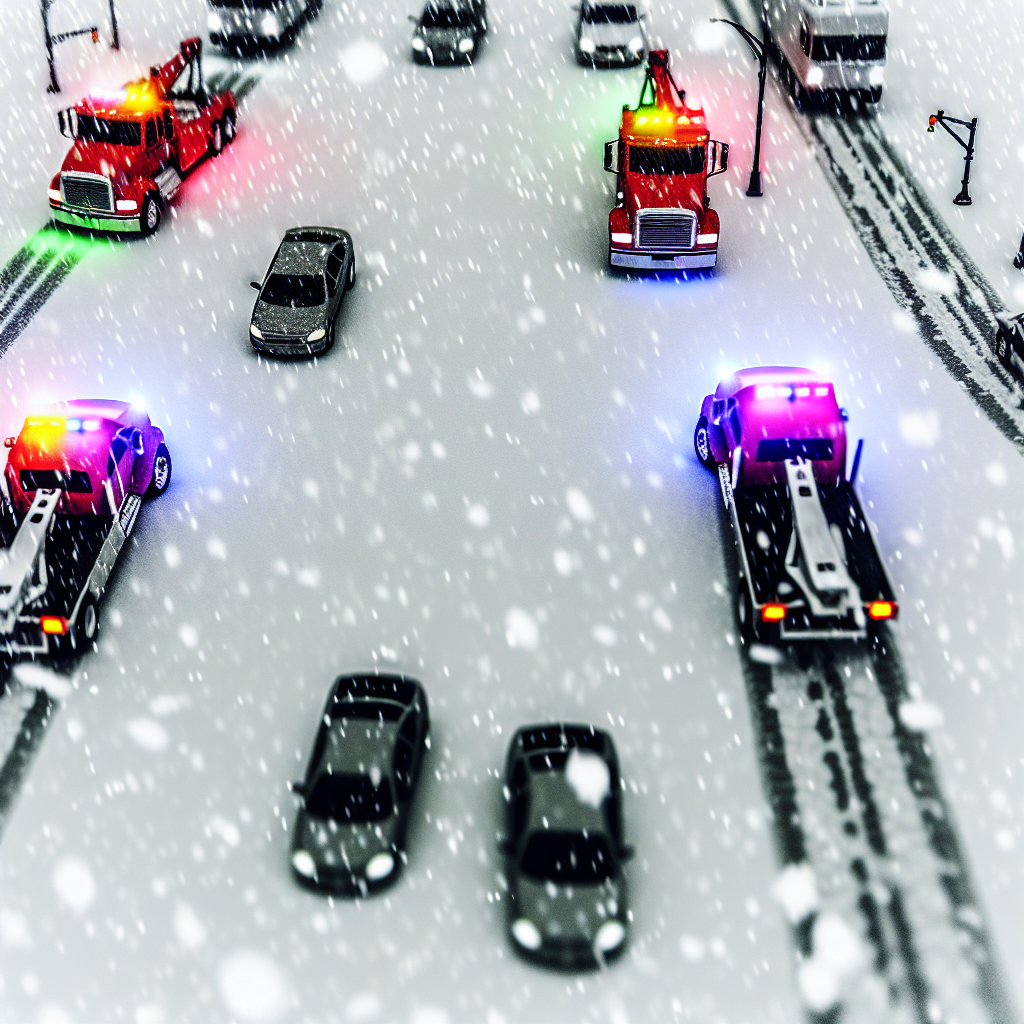
Visual depiction of towing operations actively working during a winter storm, emphasizing the urgency and critical nature of their services in emergencies.
The Regulatory Landscape Affecting Towing and Heavy-Duty Vehicle Operations in Winter Weather Emergencies
The regulatory environment governing towing and heavy-duty vehicle operations has witnessed significant changes in response to winter weather emergencies, particularly in relation to towing during winter storms. These adaptations aim to enhance the efficiency of emergency responses while addressing critical service needs. One of the primary areas of focus has been the Hours of Service (HOS) regulations, which have seen temporary exemptions under certain emergency declarations. The Federal Motor Carrier Safety Administration (FMCSA) allows for waivers of standard driving limits for operators involved in direct emergency relief, permitting them to exceed the usual 11-hour driving limit and 14-hour on-duty limit, thereby facilitating continuous operation during crises.
For instance, when a Presidential emergency declaration is made, the FMCSA can suspend certain regulations for up to 30 days, allowing flexibility for towing operations to quickly restore services and deliver supplies. State governments may also issue special permits for oversized or overweight vehicles transporting necessary relief materials under specific situations, significantly relaxing standard weight limits.
In recent winter-related emergencies, multiple states such as Georgia, Texas, and Wisconsin have provided HOS exemptions and size/weight relief through specific deadlines aimed at expediting the transport of critical goods, including propane and heating oils (Land Line Media, 2025).
In response to the COVID-19 pandemic, the FMCSA adopted an emergency declaration protocol that set a precedent for future regulatory adjustments. This ensures that these adaptations become integral to their response framework for winter weather, particularly regarding emergency towing regulations. Recent adjustments reveal a shift towards monitoring and tightening the scope of such exemptions; state or regional emergencies may only garner 14 days of relief from HOS limits unless a Presidential declaration triggers the broader 30 days (Trucking Info, 2023).
This balance between operational flexibility and safety underscores ongoing discussions in the regulatory landscape, emphasizing the necessity for towing and heavy-duty vehicle operators to stay informed about current regulations and changing policies in winter weather scenarios, as well as heavy-duty vehicle compliance.
| State | Regulatory Relief Date |
|---|---|
| Texas | Through January 15 |
| Arkansas | Data not specified |
| Mississippi | Data not specified |
| Georgia | Through January 14 |
| South Carolina | Through January 20 |
| Wisconsin | Through February 7 |
Operational Impacts of Service Disruptions During Winter Weather
Winter weather events across Texas, Arkansas, and Mississippi have forced significant service disruptions and prompted vital regulatory responses. In January 2025, a powerful winter storm shuttered parts of the South, leading to over 135,000 homes and businesses losing power due to freezing temperatures and heavy snowfall, with Texas and Arkansas particularly hard-hit (CNN, 2025). This extreme weather necessitated the activation of emergency protocols, enabling local authorities to provide immediate assistance, including the mobilization of the National Guard in Arkansas to aid stranded drivers amid hazardous road conditions.
The operational impact of these storms is underscored by reports from utilities and transport services indicating that more than 30,000 customers were without power across Texas and Arkansas, while Mississippi saw over 10,000 outages. The severity of the weather prompted responses from governors and public agencies, resulting in various regulatory exemptions aimed at facilitating essential services, utility restorations, and safe transportation of crucial supplies like propane and heating fuel (GoByTruck News, 2025).
Governors in these states swiftly enacted emergency orders to waive standard Hours of Service (HOS) regulations and weight restrictions for trucks involved in recovery efforts. For example, Arkansas issued waivers that allowed utility trucks and vehicles transporting essential items to bypass regulations while working to restore services, critical during such urgent circumstances (Arkansas Governor, 2024).
By implementing these regulatory changes, states aimed to bolster compliance and efficiency in the transport of goods and services during emergencies, highlighting the essential role these operational policies play in maintaining public welfare.
The necessity for timely interventions is evidenced by the extent of service interruptions experienced. The weather conditions not only hindered transportation but also delayed recovery efforts, which emphasizes the ongoing need for legislative and regulatory frameworks that adapt to such severe weather phenomena. As evidenced through these instances, the regulatory landscape continues to evolve in response to the unpredictable nature of winter storms, requiring continuous attention from towing and heavy-duty vehicle operators to ensure they are compliant and prepared for the challenges that arise during such events.
Insights from Authorities on Regulatory Relief During Winter Weather Emergencies
Regulatory adjustments during winter emergencies are essential. Here are key insights from Georgia’s Governor Brian Kemp:
- Governor Kemp emphasized the importance of maintaining utility services.
He stated, “The maintenance and prompt restoration of utility services… are critical to the safety and welfare of the states and neighboring states.”
- He has taken steps to ensure cooperation among various state agencies.
- Public cooperation is necessary for effective emergency response:
Kemp appealed to Georgians to limit travel during emergencies: “I’m asking all Georgians to help them by limiting travel as much as possible.”
- Regulatory relief measures have been enacted to ease operational strains:
- Temporary suspension of hours-of-service (HOS) regulations for commercial vehicle operators.
- Adjustments to vehicle size and weight limits to expedite transporting critical goods.
These regulatory relief measures are vital for:
- Restoring power
- Ensuring safe transportation
- Encouraging cooperation between state agencies and the public.
Being informed about these changes is crucial for the efficiency and safety of operations during winter emergencies.
Implications of Regulatory Changes on Towing Operations
The implications of regulatory changes during winter emergencies are significant for towing operations. Regulatory relief measures are designed to enhance the adaptability and responsiveness of the towing industry in the face of challenges like severe winter storms. They illustrate the legal flexibility that towing operators must handle effectively to meet community needs.
To navigate temporary regulatory changes, there is an emphasis on ongoing training and awareness for operators regarding the latest legislative updates. This is crucial to maintain compliance while ensuring operational efficiency. Moreover, these regulatory shifts can impact existing safety protocols, necessitating a continuous evaluation and adjustment of procedures and equipment used in adverse weather situations.
In light of these regulatory changes, the towing industry must adopt a proactive approach in preparing for future emergencies. This includes embracing agility in operations to effectively address real-time challenges as they arise. The ability to swiftly adapt to evolving regulations will ultimately serve to enhance service effectiveness and community support during critical weather events.
Operational Impacts of Service Disruptions During Winter Weather
Winter weather events across Texas, Arkansas, and Mississippi have forced significant service disruptions and prompted vital regulatory responses. In January 2025, a powerful winter storm shuttered parts of the South, leading to over 135,000 homes and businesses losing power due to freezing temperatures and heavy snowfall, with Texas and Arkansas particularly hard-hit (CNN, 2025). This extreme weather necessitated the activation of emergency protocols, enabling local authorities to provide immediate assistance, including the mobilization of the National Guard in Arkansas to aid stranded drivers amid hazardous road conditions.
The operational impact of these storms is underscored by reports from utilities and transport services indicating that more than 30,000 customers were without power across Texas and Arkansas, while Mississippi saw over 10,000 outages. The severity of the weather prompted responses from governors and public agencies, resulting in various regulatory exemptions aimed at facilitating essential services, utility restorations, and safe transportation of crucial supplies like propane and heating fuel (GoByTruck News, 2025).
Governors in these states swiftly enacted emergency orders to waive standard Hours of Service (HOS) regulations and weight restrictions for trucks involved in recovery efforts. For example, Arkansas issued waivers that allowed utility trucks and vehicles transporting essential items to bypass regulations while working to restore services, critical during such urgent circumstances (Arkansas Governor, 2024). By implementing these regulatory changes, states aimed to bolster compliance and efficiency in the transport of goods and services during emergencies, highlighting the essential role these operational policies play in maintaining public welfare.
The necessity for timely interventions is evidenced by the extent of service interruptions experienced. The weather conditions not only hindered transportation but also delayed recovery efforts, which emphasizes the ongoing need for legislative and regulatory frameworks that adapt to such severe weather phenomena. Additionally, contributing to the desperate need for regulatory support are the testimonies from towing operators on the ground. Brian Johns, a towing operator from Kentucky, indicated the scrutiny under which they operate during storms: “During the recent winter storm, calls surged from 300 to over 700 a day. The freezing conditions posed risks not only to our equipment but also to our crews every moment we were out there.”
Operators like Johns represent the unsung heroes of winter weather emergencies. Their experiences underscore the critical nature of towing services during these events and highlight the need for ongoing regulatory support that addresses the unique challenges faced in such operations.
Insights from Authorities on Regulatory Relief During Winter Weather Emergencies
During critical winter weather emergencies, collaboration and regulatory adjustments are key to ensuring the continuation of essential services. Georgia’s Governor Brian Kemp has been vocal about the significance of these measures. In a recent declaration of a statewide emergency, he noted, “The maintenance and prompt restoration of utility services and the uninterrupted transportation of essential goods, equipment and products to or from the impacted areas are critical to the safety and welfare of the states and neighboring states.” His administration has taken proactive steps to enhance cooperation among various state agencies.
Kemp emphasized the preparedness of agencies, stating, “I’m asking all Georgians to help them do their jobs by limiting travel as much as possible in the coming days.” This appeal underscores the importance of public cooperation in facilitating the efforts of emergency responders and maintaining safety on the roads. To alleviate the operational strains during these crises, significant regulatory relief measures have been enacted, including the temporary suspension of hours-of-service regulations for commercial vehicle operators and adjustments to vehicle size and weight limits to expedite the transport of critical goods.
This type of regulatory relief, as illustrated by statements from various governors during similar winter emergencies, is crucial to mitigate the impacts of severe weather on public welfare and operational efficiency. The focus remains clear: restoring power, ensuring safe transport, and facilitating cooperation between state agencies and the public.
Conclusion
In conclusion, understanding regulatory changes during winter weather is essential for those involved in towing and heavy-duty vehicle operations. The invaluable insights shared by operators reveal the profound impact of these conditions not only on their operations but also on their ability to serve communities in need. As we recognize the human-centric nature of these challenges, moving forward will require a commitment to adapting regulations that reflect the realities faced by these professionals on the front lines.
Operators, like those sharing their experiences, highlight their immense responsibility during severe weather: handling emergency calls, managing scarce resources, and ensuring safety beneath demanding conditions. Regulatory relief measures are pivotal in enabling effective service during these critical times. The necessity for providing these operators with support not only acknowledges their role but fortifies community resilience by ensuring that essential services remain uninterrupted. Your engagement and awareness of these challenges can make a difference in advocating for the necessary changes that benefit both the industry and the communities they serve.
How Regulatory Changes Impact Towing and Heavy-Duty Vehicle Operations During Winter Weather Emergencies
As winter weather adversely impacts road conditions and disrupts transportation networks, understanding the Regulatory Relief Winter Weather guidelines becomes paramount for towing and heavy-duty vehicle operators. The term ‘Regulatory Relief Winter Weather’ signifies the temporary exemptions and modifications implemented by authorities to facilitate efficient operations during these challenging conditions. It is crucial for industry stakeholders to stay informed about these changes, as they directly influence operational capacities, compliance requirements, and ultimately, public safety. Given the looming threats posed by severe winter weather events, the urgency in adapting to regulatory shifts cannot be overstated; failing to do so may mean a stagnant response when quick action is necessary to ensure service continuity and safety within affected regions.
The Regulatory Landscape Affecting Towing and Heavy-Duty Vehicle Operations in Winter Weather Emergencies
The regulatory environment governing towing and heavy-duty vehicle operations has witnessed significant changes in response to winter weather emergencies. These adaptations aim to enhance the efficiency of emergency responses while addressing critical service needs. One of the primary areas of focus has been the Hours of Service (HOS) regulations, which have seen temporary exemptions under certain emergency declarations related to commercial motor vehicles. The Federal Motor Carrier Safety Administration (FMCSA) allows for waivers of standard driving limits for operators involved in direct emergency relief, permitting them to exceed the usual 11-hour driving limit and 14-hour on-duty limit, thereby facilitating continuous operation during crises.
For example, when a Presidential emergency declaration is made, the FMCSA can suspend certain regulations for up to 30 days, allowing flexibility for towing operations to quickly restore services and deliver supplies. State governments may also issue special permits for oversized or overweight vehicles transporting necessary relief materials under specific situations, significantly relaxing standard weight limits.
In recent winter-related emergencies, multiple states such as Georgia, Texas, and Wisconsin provided HOS exemptions and size/weight relief through specific deadlines aimed at expediting the transport of critical goods like propane and heating oils (Land Line Media, 2025).
In response to the COVID-19 pandemic, the FMCSA adopted an emergency declaration protocol that set a precedent for future regulatory adjustments, ensuring that these adaptations become integral to their response framework for winter weather (Infinit-I Workforce, 2025). Recent adjustments reveal a shift towards monitoring and tightening the scope of such exemptions; now, state or regional emergencies may only garner 14 days of relief from HOS limits unless a Presidential declaration triggers the broader 30 days (Trucking Info, 2023). This balance between operational flexibility and safety underlines ongoing discussions in the regulatory landscape and emphasizes the necessity for towing and heavy-duty vehicle operators to stay abreast of current regulations and changing policies in winter weather scenarios.
Regulatory Relief Dates for Winter Weather Operations
| State | Regulatory Relief Date |
|---|---|
| Texas | Through January 15 |
| Arkansas | Data not specified |
| Mississippi | Data not specified |
| Georgia | Through January 14 |
| South Carolina | Through January 20 |
| Wisconsin | Through February 7 |
Operational Impacts of Service Disruptions During Winter Weather
Winter weather events across Texas, Arkansas, and Mississippi have forced significant service disruptions and prompted vital regulatory responses. In January 2025, a powerful winter storm shuttered parts of the South, leading to over 135,000 homes and businesses losing power due to freezing temperatures and heavy snowfall, with Texas and Arkansas particularly hard-hit (CNN, 2025). This extreme weather necessitated the activation of emergency protocols, enabling local authorities to provide immediate assistance, including the mobilization of the National Guard in Arkansas to aid stranded drivers amid hazardous road conditions.
The operational impact of these storms is underscored by reports from utilities and transport services indicating that more than 30,000 customers were without power across Texas and Arkansas, while Mississippi saw over 10,000 outages. The severity of the weather prompted responses from governors and public agencies, resulting in various regulatory exemptions aimed at facilitating essential services, utility restorations, and safe transportation of crucial supplies like propane and heating fuel (GoByTruck News, 2025).
Governors in these states swiftly enacted emergency orders to waive standard Hours of Service (HOS) regulations and weight restrictions for trucks involved in recovery efforts. For example, Arkansas issued waivers that allowed utility trucks and vehicles transporting essential items to bypass regulations while working to restore services, critical during such urgent circumstances (Arkansas Governor, 2024). By implementing these regulatory changes, states aimed to bolster compliance and efficiency in the transport of goods and services during emergencies, highlighting the essential role these operational policies play in maintaining public welfare.
The necessity for timely interventions is evidenced by the extent of service interruptions experienced. The weather conditions not only hindered transportation but also delayed recovery efforts, which emphasizes the ongoing need for legislative and regulatory frameworks that adapt to such severe weather phenomena. As evidenced through these instances, the regulatory landscape continues to evolve in response to the unpredictable nature of winter storms, requiring continuous attention from towing and heavy-duty vehicle operators to ensure they are compliant and prepared for the challenges that arise during such events.
Insights from Authorities on Regulatory Relief During Winter Weather Emergencies
During critical winter weather emergencies, collaboration and regulatory adjustments are key to ensuring the continuation of essential services. Georgia’s Governor Brian Kemp has been vocal about the significance of these measures. In a recent declaration of a statewide emergency, he noted, “The maintenance and prompt restoration of utility services and the uninterrupted transportation of essential goods, equipment and products to or from the impacted areas are critical to the safety and welfare of the states and neighboring states.” His administration has taken proactive steps to enhance cooperation among various state agencies.
Kemp emphasized the preparedness of agencies, stating, “I’m asking all Georgians to help them do their jobs by limiting travel as much as possible in the coming days.” This appeal underscores the importance of public cooperation in facilitating the efforts of emergency responders and maintaining safety on the roads. To alleviate the operational strains during these crises, significant regulatory relief measures have been enacted, including the temporary suspension of hours-of-service regulations for commercial vehicle operators and adjustments to vehicle size and weight limits to expedite the transport of critical goods.
This type of regulatory relief, as illustrated by statements from various governors during similar winter emergencies, is crucial to mitigate the impacts of severe weather on public welfare and operational efficiency. The focus remains clear: restoring power, ensuring safe transport, and facilitating cooperation between state agencies and the public.
Implications of Regulatory Changes on Towing Operations
The implications of regulatory changes during winter emergencies are significant for towing operations. Regulatory relief measures are designed to enhance the adaptability and responsiveness of the towing industry in the face of challenges like severe winter storms. They illustrate the legal flexibility that towing operators must handle effectively to meet community needs.
To navigate temporary regulatory changes, there is an emphasis on ongoing training and awareness for operators regarding the latest legislative updates. This is crucial to maintain compliance while ensuring operational efficiency. Moreover, these regulatory shifts can impact existing safety protocols, necessitating a continuous evaluation and adjustment of procedures and equipment used in adverse weather situations.
In light of these regulatory changes, the towing industry must adopt a proactive approach in preparing for future emergencies. This includes embracing agility in operations to effectively address real-time challenges as they arise. The ability to swiftly adapt to evolving regulations will ultimately serve to enhance service effectiveness and community support during critical weather events.
Conclusion
In conclusion, the significance of understanding regulatory changes during winter weather cannot be overstated. As the towing and heavy-duty vehicle sectors continuously adapt to the unique challenges posed by severe weather conditions, remaining informed about the latest policies is crucial for operational compliance and safety. Regulatory relief measures play an indispensable role in ensuring efficient service delivery and the safety of both operators and the public. By keeping abreast of regulatory updates, stakeholders can optimize their operations and contribute to a collective response that meets the urgent demands of winter emergencies. Moving forward, it is imperative for towing professionals and heavy-duty vehicle operators to prioritize staying informed about future policies that may impact their operations. Together, by embracing these changes, we can enhance our readiness and response to winter weather challenges while ensuring the well-being of our communities.
Historical Weather Events and Their Impact on Towing Regulations
Throughout history, significant weather events have prompted pivotal changes in towing regulations across the United States. One of the most noted instances occurred during Winter Storm Jonas in January 2016, when the Federal Motor Carrier Safety Administration (FMCSA) issued emergency declarations that waived Hours of Service (HOS) regulations for towing operators engaged in clearing roads and restoring power in impacted states. This marked an important precedent in recognizing the critical role of towing services during extreme weather events.
Similarly, after Hurricane Katrina in August 2005, the FMCSA categorized towing services as essential for emergency relief, allowing operators to exceed normal driving limits to facilitate disaster recovery efforts in Louisiana and Mississippi. This recognition paved the way for regulatory adaptations that continue to evolve in response to ongoing challenges in the towing industry.
The aftermath of Superstorm Sandy in 2012 further expanded towing-related exemptions. The FMCSA specifically included towing and recovery operations as eligible for full HOS and CDL exemptions, underscoring the essential nature of these services in clearing infrastructure damage and aiding recovery.
More recently, Winter Storm Uri in February 2021 resulted in drastic changes to Texas towing regulations, with new laws enacted to prevent predatory practices that emerged during the crisis. Complaints over excessive fees highlighted the need for legislative action, leading to clearer guidelines and oversight of towing operations during emergencies. Similarly, the Buffalo Blizzard of 2022, which resulted in numerous complaints against tow operators, prompted New York to enact new regulations requiring itemized pricing and credit card acceptance, showcasing the ongoing efforts to protect consumers amid severe weather disruptions.
These historical events reveal not only the necessity for regulatory change but also a continual response to protect both operators and the public during emergencies.